
Review · GEISHA DISTRICT WALKS
Kyoto: Gion World of the Geisha Guided Walking Tour
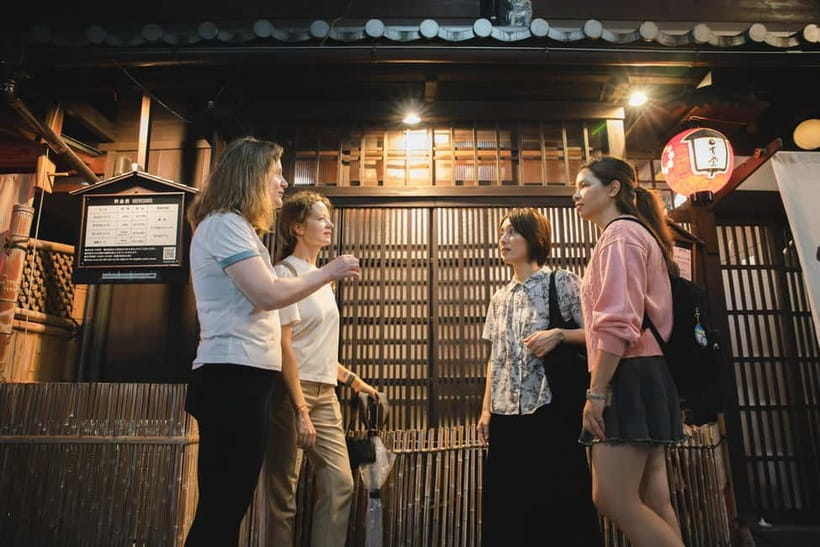
Gion can feel like a postcard you can actually walk into. This Kyoto Gion World of the Geisha Guided Walking Tour turns the maze of lanes into a simple route, with a local guide explaining what you are seeing as you go. I especially like the way it connects the district streets to the human side of geisha culture.
You will spend real time on two geisha districts in Gion, plus stops that set the mood: Yasaka Shrine, the Shirakawa Canal area, and Gion Corner. The small group format also means you are not shouting questions over a crowd.
One thing to plan around: this is a walking tour with stairs in the mix, so it is not suitable for wheelchair users or people with mobility impairments, and rain or shine means you should dress for wet weather.
In This Review
- Key highlights worth your attention
- Why this Gion walk works better than wandering alone
- Price and time: what $29 buys you in real Kyoto hours
- Picking the best starting point for your day
- Stop-by-stop: from Yasaka Shrine to Gion’s lanes
- Yasaka Shrine (about 40 minutes)
- Gion guided segment (about 80 minutes)
- Quick sightseeing and a photo stop (5 minutes each)
- Shirakawa Canal: where the mood turns slow and scenic
- Gion Corner: learning how performance fits the district
- Spotting geiko and maiko, plus where your guide helps
- The guide makes the difference, especially when they can explain it fast
- Walking comfort and weather reality
- Who should book this tour, and who should skip it
- Should you book Kyoto: Gion World of the Geisha Guided Walking Tour?
- FAQ
- Is the tour guided in English?
- How long is the tour?
- What is included in the price?
- Where is the meeting point?
- What happens if I book the kimono rental option?
- What stops are included during the tour?
- Can I take photos during the tour?
- Is the tour available rain or shine?
- Is the tour suitable for wheelchairs or mobility impairments?
- Can I get a refund if my plans change?
- Do I have to pay right away?
Key highlights worth your attention
- Small-group pacing that helps you see more without running
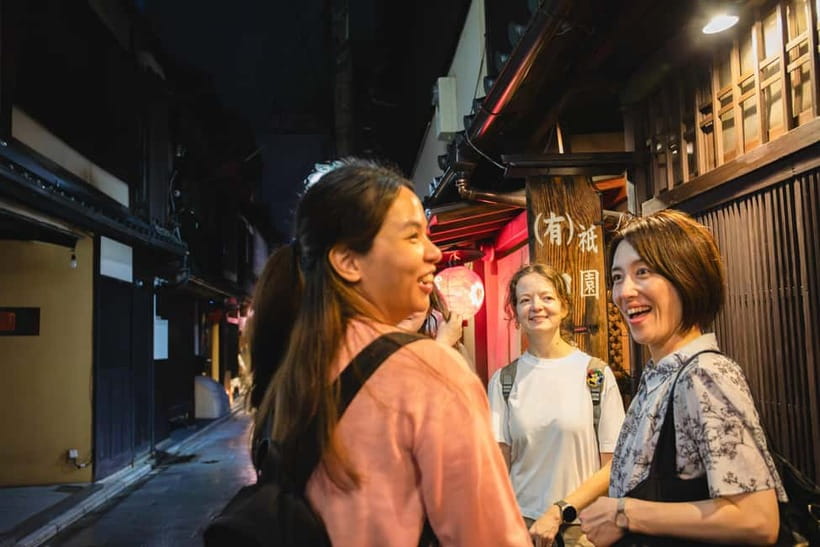
- English-speaking local guide who explains geiko and maiko culture in context
- Two Gion geisha districts in one efficient walk
- Yasaka Shrine, Shirakawa Canal, and Gion Corner tied into the story
- Tips on spotting maiko in action, and possibly seeing geiko or maiko if you are lucky
Why this Gion walk works better than wandering alone
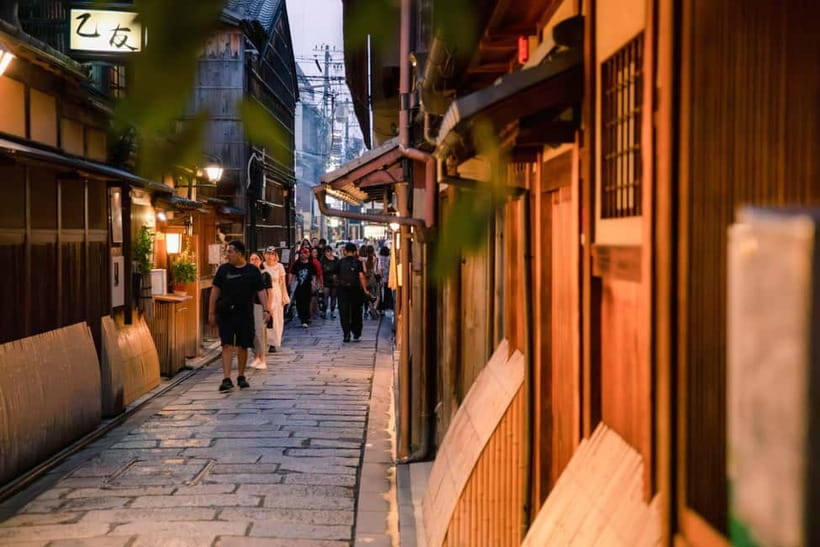
Gion is beautiful, but it can also be confusing. The lanes curve, the streets look similar from one turn to the next, and you can easily spend time “getting your bearings” instead of learning what you are looking at. This tour solves that problem with a guided route that keeps moving while still giving you time to actually notice details.
What I like most is the way the guide turns Gion from scenery into understanding. You do not just pass buildings and shrines. You get stories about Kyoto’s geisha culture, including the roles of maiko (apprentice geisha) and geiko (the term used in Kyoto for geisha). The tour also connects this culture to the idea of the geisha district, called Kagai, so the neighborhood feels less like a theme park and more like a lived-in tradition.
Another win is that it is designed for atmosphere, not speed. You get a slow enough pace to look, then enough structure that you feel like the time is “going somewhere.” In a place where many attractions are visually similar, that matters.
More Walking Tours in Kyoto
- Kyoto Geisha Walking Tour: Gion District & Hidden Gems
★ 4.7 · 3,273 reviews - Kyoto: Gion Geisha District Walking Tour – Stories of Geisha
★ 4.7 · 2,187 reviews - Night Walk in Gion: Kyoto’s Geisha District
★ 4.5 · 2,003 reviews
Price and time: what $29 buys you in real Kyoto hours
At $29 per person, this tour is priced like good practical value rather than a luxury splurge. The reason it feels fair is that you are paying for a local guide who does the heavy lifting: route planning, cultural explanation, and keeping the tour coherent as it moves through Gion.
You also get a meaningful chunk of time. The tour duration is listed as 2 hours to 270 minutes, depending on the starting time you pick. Even at the shorter end, you are getting multiple stops and guided segments, not just a quick “hit the highlights” loop.
For me, the best measure of value is not the price alone, it is whether the experience prevents wasted time. This tour helps you avoid that classic Kyoto problem: spending too long drifting without knowing what matters. When you know what you are looking at, photos improve too.
Picking the best starting point for your day
This tour offers three starting location options, and the right one depends on how you plan to spend your morning or afternoon.
- Statue of Izumo-no-Okuni
- Wargo Kyoto Kimono Rental Kyoto Gion Store
- 漢検漢字博物館・図書館 (Japan Kanji Museum and Library)
If you choose the kimono rental option, there is a specific flow to know. After you change into kimono, go on your own to the Japan Kanji Museum and Library, and the guide will be waiting there. That means you should not plan to linger too long after the rental. Have your timing ready so you do not end up separated from your group.
For the other start points, meeting may vary depending on the option booked. My advice: take 2 minutes the day of your tour to confirm exactly where you are meeting and how you will get there. In Kyoto, five minutes of “I thought it was on that street” can turn into a stressful sprint.
Stop-by-stop: from Yasaka Shrine to Gion’s lanes
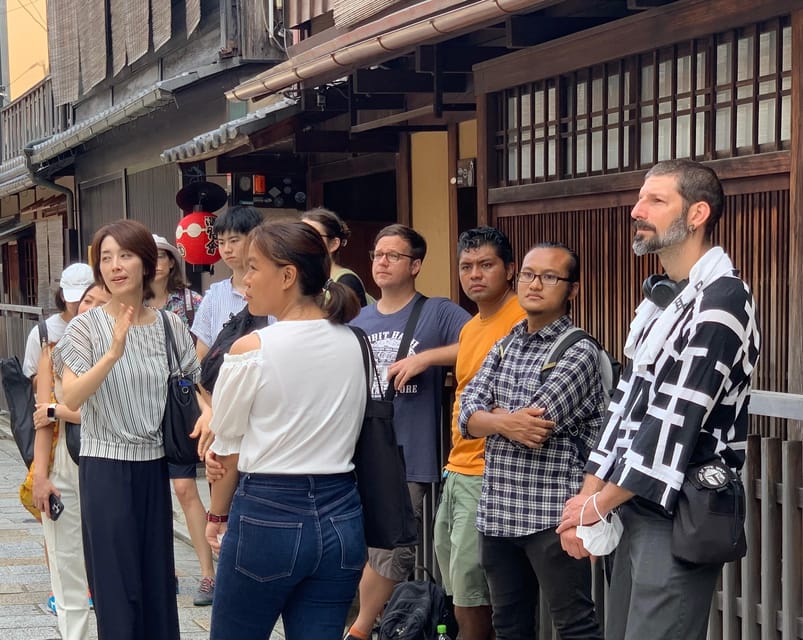
The tour is built like a guided story. It starts at a shrine area, then shifts deeper into Gion, then adds canal scenery and cultural viewing.
Compare these Geisha District walks in Kyoto:
- Best of Kyoto: Gion, Geisha, Pagodas & Cobblestones
★ 4.9 · 2,058 reviews - Kyoto Night Foodie Tour in Gion (9+ dishes + 6 Sake tastings)
★ 5.0 · 1,762 reviews - Kyoto Gion Geisha District Walking Tour – The Stories of Geisha
★ 5.0 · 1,441 reviews - Kyoto: Gion Magical Night Walking Tour with Geisha Insights
★ 4.9 · 1,286 reviews
Yasaka Shrine (about 40 minutes)
You begin with a guided visit at Yasaka Shrine. This is a smart opening stop because it sets the tone for Kyoto’s traditional space before the tour moves into Gion’s geisha districts. You get a guided period here, not just a photo snap, which helps you understand how the tour frames the neighborhood.
A practical consideration: shrines are active places, and crowds can build. Even if the group is small, keep your pace respectful and follow your guide’s movement. If you want photos, listen for when the group is meant to pause.
Gion guided segment (about 80 minutes)
After that, you spend a bigger block of time in Gion with the guide. This is the heart of the experience: the lanes, traditional streetscape, and the context behind what makes Gion a key geisha district area.
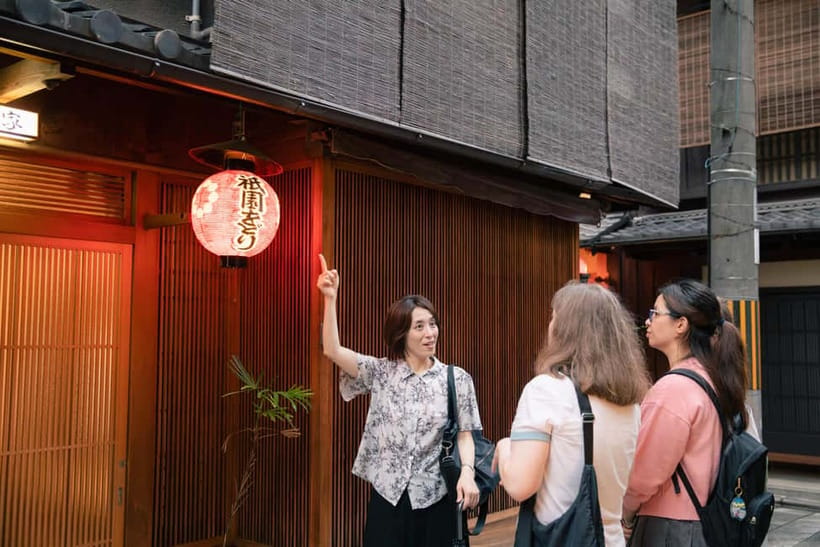
During this portion, the guide focuses on geisha culture, including the lifestyle of maiko and geiko and the history of the Gion Kagai area through stories. That “storytelling structure” is what makes the walk more than sightseeing. You are not memorizing facts for facts’ sake, you are learning enough to interpret what you see.
One thing to keep in mind: the tour includes both guided time and short sightseeing breaks, so it will not feel like a continuous lecture. It is more like walking through a living neighborhood while the guide explains the meaning behind the scenery.
Quick sightseeing and a photo stop (5 minutes each)
Midway, the schedule includes 5 minutes of sightseeing and then a 5 minute photo stop. These are short on purpose. They give you a chance to regroup, take pictures, and reset your eyes before the tour continues.
If you are a serious photographer, use that photo window efficiently. Move slowly but commit. Check your shot, then step aside so you are not blocking foot traffic.
Shirakawa Canal: where the mood turns slow and scenic
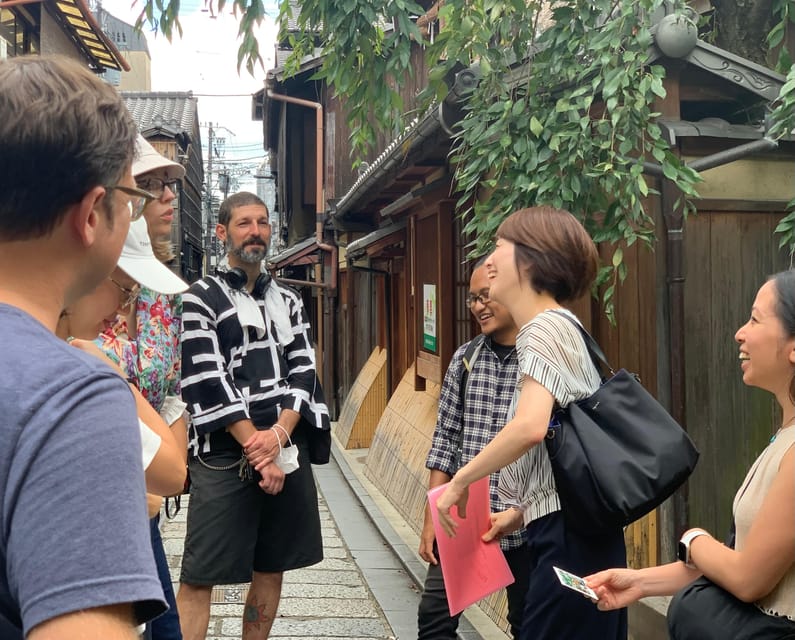
Next you reach the Shirakawa Canal for sightseeing. This stop is valuable because it breaks up the street-walk rhythm with a different kind of view. Even if you have seen canal scenes before in Japan, Shirakawa’s setting helps you understand why this area is so strongly associated with old-style Kyoto atmosphere.
It also gives you a good opportunity for calm observation. This is one of those places where you can look at light, reflections, and the way buildings face the water. When your guide is explaining culture elsewhere, the canal stop becomes your “breathing space.”
Tip: wear comfortable shoes you can walk in slowly. Canal areas often involve uneven pavement and small turns. If you try to rush for photos, you can end up too tired to enjoy the later stops.
Gion Corner: learning how performance fits the district
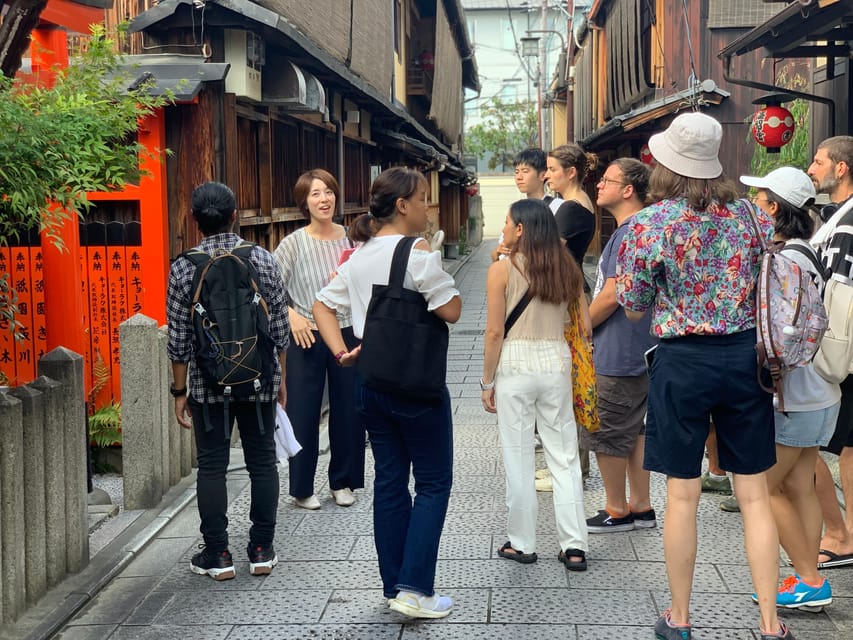
One of the tour’s final guided cultural components is Gion Corner. This stop matters because it connects Gion’s visual identity to the performing arts side of tradition. The tour is already teaching you about maiko and geiko life through stories, and Gion Corner helps reinforce the broader cultural context.
In this part of the experience, expect more guided time focused on culture and meaning rather than just route coverage. If you have been picturing geisha culture as only nightlife or costumes, this is where the tour’s framing helps you see it as a structured tradition tied to performance and community.
Spotting geiko and maiko, plus where your guide helps
The tour also includes guidance on seeing maiko in action. The guide shares tips on where you might spot them, and if you are lucky, you might even encounter geiko and maiko during the tour.
I want to be clear about expectations: you cannot control sightings. But the tour’s value is that you are not relying purely on luck. You have a guide who knows what to look for and when. That changes your odds, and it also changes how you experience the encounter if it happens.
The guide makes the difference, especially when they can explain it fast
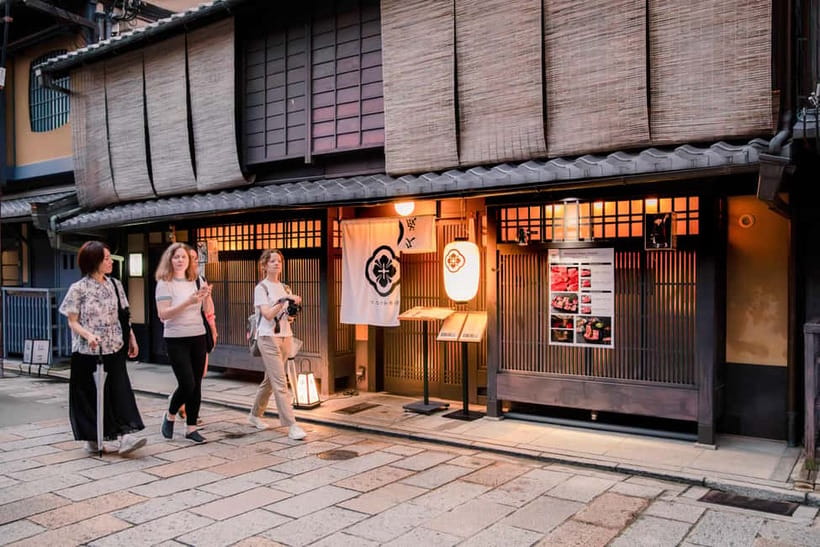
This tour is guided, and the guide quality shows up in the ratings. The experience has an overall rating of 4.6 from 25 reviews, and multiple guests praised the guide as a standout part of the day. One review specifically highlighted Ito as a great guide who knew the Gion district well.
So how do you benefit from that in practical terms? You get explanations that match what you are seeing right now. Instead of reading generic descriptions later, you hear the story while you are standing inside the neighborhood.
A small-group format also helps. You can ask questions, and the guide can adjust pacing if the group needs a moment. It makes a difference in Gion, where you often want to take a second look at something small, like a doorway detail or the way streets narrow.
If you want to maximize this benefit, come with one simple question in your head. For example: How does maiko life differ from geiko life in daily rhythm? Or: What makes Kagai function as a district rather than just a neighborhood? When you ask, you turn the tour from passive watching into real understanding.
Walking comfort and weather reality
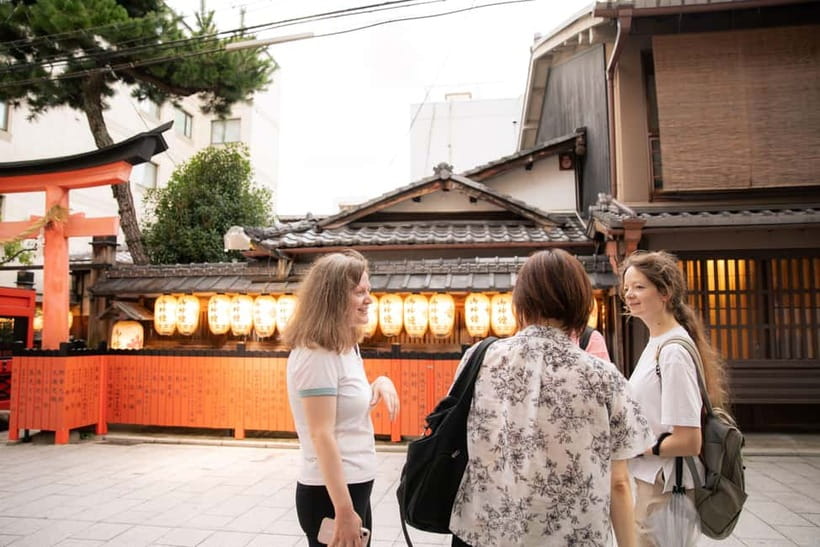
This is a walking tour, so comfortable shoes are not optional. The tour also runs rain or shine, so plan for wet ground and slick sidewalks. Kyoto weather can change quickly, and even light rain can make the walk less fun if you are dressed for dry conditions.
There is also an important limitation. The tour is listed as not suitable for people with mobility impairments and wheelchair users, and it notes stairs. That is about route accessibility, not about willingness of the guide. If mobility is an issue for you, you may want to choose an alternative that involves fewer stairs or uses a different format.
If you are traveling with kids, they must be accompanied by an adult. This makes sense for a cultural walk through streets where pace and attention matter.
Who should book this tour, and who should skip it
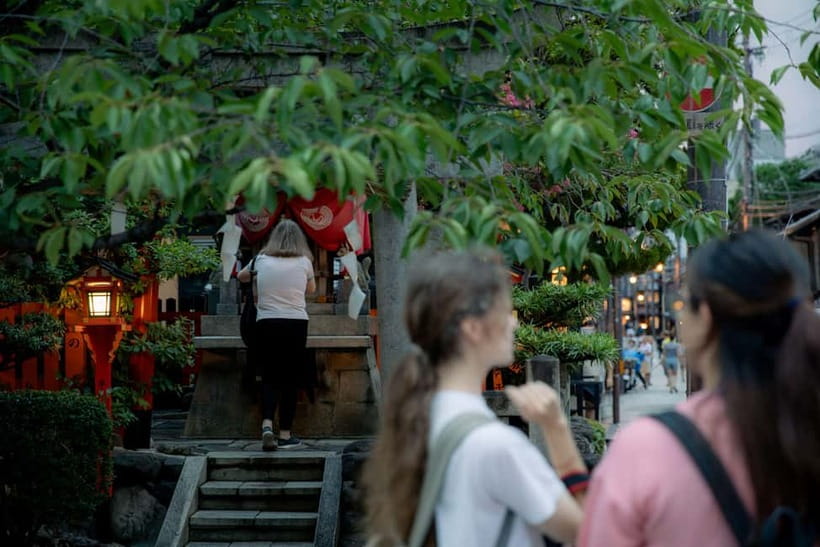
This tour is a strong match if you:
- Want to see Gion efficiently with a guided route
- Care about understanding geiko and maiko culture, not just taking photos
- Like small-group experiences with a local English guide
- Enjoy shrine and traditional streetscapes as part of a larger cultural story
You should think twice if you:
- Need wheelchair access or have mobility challenges that make stairs difficult
- Prefer very free-form wandering with no structured stops
- Are looking for a long, sit-down museum style experience
Should you book Kyoto: Gion World of the Geisha Guided Walking Tour?
If you are visiting Kyoto and you want your time in Gion to feel meaningful, I think this is a smart booking. The tour blends classic sights like Yasaka Shrine and the Shirakawa Canal area with a cultural explanation of maiko and geiko life, plus guidance on where you might see them. For $29, you are buying the thing that is hardest to do alone: turning the district into understanding.
Book it if you want structure, stories, and a guide who can help you see Gion the way people who know it do. Skip it if stairs and mobility are a problem, or if you dislike guided pacing. Otherwise, you are likely to leave with better photos, clearer context, and a Gion memory that feels human, not just scenic.
FAQ
Is the tour guided in English?
Yes, it is a live tour guide in English.
How long is the tour?
The duration is listed as 2 hours to 270 minutes, depending on the starting time you choose.
What is included in the price?
The included items are the guide fee and a guided walk of Gion.
Where is the meeting point?
The meeting point may vary based on the starting option you booked.
What happens if I book the kimono rental option?
After you change into kimono, go by yourself to the Japan Kanji Museum and Library. The guide will be waiting for you there.
What stops are included during the tour?
The tour includes Yasaka Shrine, a guided portion in Gion, sightseeing stops that include Shirakawa Canal, and a guided portion at Gion Corner.
Can I take photos during the tour?
Yes. The schedule includes a photo stop.
Is the tour available rain or shine?
Yes, the tour will take place rain or shine.
Is the tour suitable for wheelchairs or mobility impairments?
No. It is not suitable for wheelchair users and people with mobility impairments due to stairs and walking.
Can I get a refund if my plans change?
You can cancel up to 24 hours in advance for a full refund.
Do I have to pay right away?
There is a reserve now and pay later option, so you can book without paying immediately.
Newly listed around Kyoto
- Taste of Nishiki Market Walking Food Tour with Local guide★ 5.0 · 17 reviews
- Kyoto: Sushi Making Class with Sushi Chef★ 4.8 · 64 reviews
- Simple Plan with Maiko★ 4.4 · 10 reviews
- Shibori Furoshiki Course at Kyoto Shibori Museum★ 5.0 · 21 reviews
- Kyoto: City Secrets eBike Tour★ 4.9 · 196 reviews
- Sacred Pathways: Discover the Philosopher’s Path of Kyoto★ 4.9 · 20 reviews
- Private Tour to Monkey Park and Arashiyama Highlights★ 5.0 · 22 reviews
- Private Nara Tour from Osaka – Meet at Your Hotel★ 5.0 · 22 reviews
Geisha District Walks, compared.

Kyoto Geisha Walking Tour: Gion District & Hidden Gems
Read our review →
Gion Geisha District Walking Tour – Stories of Geisha
Read our review →
Best of Kyoto: Gion, Geisha, Pagodas & Cobblestones
Read our review →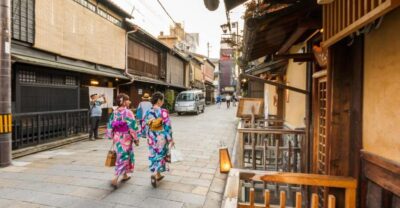

Kyoto Night Foodie Tour in Gion (9+ dishes + 6 Sake tastings)
Read our review →
Kyoto Gion Geisha District Walking Tour – The Stories of Geisha
Read our review →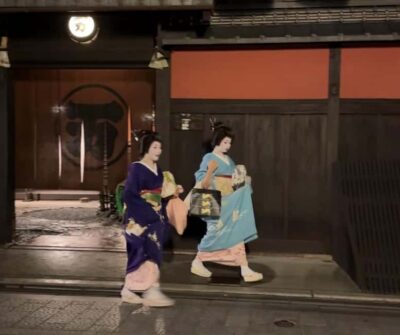
Gion Magical Night Walking Tour with Geisha Insights
Read our review →
Kyoto Gion Night Walk & Geisha District Guided Tour
Read our review →Browse the lists this tour appears in