
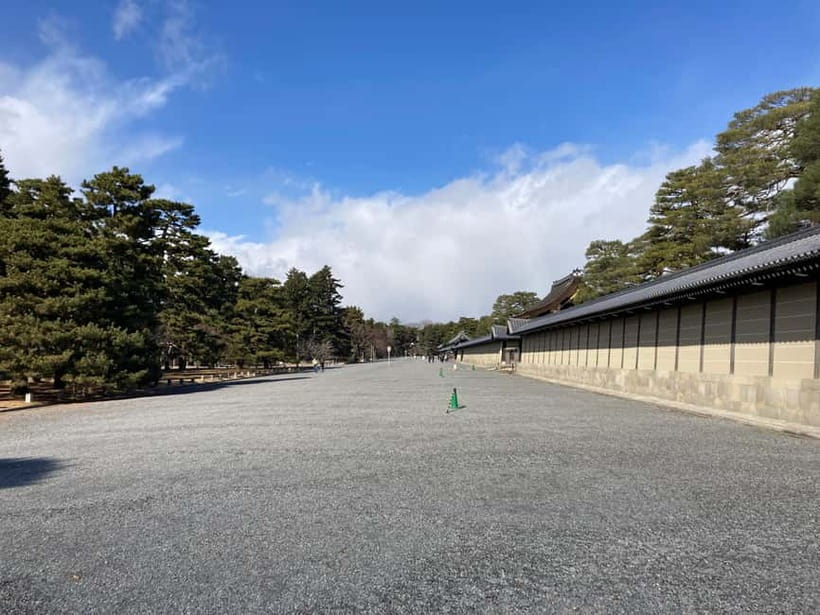
Review · HISTORIC CASTLE VISITS
Kyoto: Nijo Castle and Kyoto Imperial Palace Guided Tour
Kyoto turns political history into something you can actually walk through. This guided route pairs Nijo Castle with the Kyoto Imperial Palace, so you see how power shifted from shogun to emperor, in real buildings and real gardens.
What I liked most was how smoothly the guide connects architecture to the politics of the time, so details stop feeling random. I also really appreciated the small-group feel, capped at 9 people, which makes questions easy and the pace calmer.
The one thing to plan for: Imperial Palace access can feel limited depending on the day and rules on sighting buildings. If your main goal is nonstop interior viewing, go in with an open mind and focus on what you can see, especially the grounds and gardens.
In This Review
- Key Points at a Glance
- Why Nijo Castle and Kyoto Imperial Palace Belong Together
- Meeting at Nakadachiuri Gate, Then Settling Into a Walk-First Plan
- Nijo Castle: Tokugawa Ieyasu’s Power in Architecture and Interiors
- Ninomaru Palace and the included art gallery
- The Politics Lesson That Makes Nijo Castle Click
- Kyoto Imperial Palace: Grand Culture, Refined Gardens, Seasonal Beauty
- On-Foot Kyoto Extras: Townhouses, Cherry Blossom Spots, and Real-Time Discussion
- Duration, Group Size, and What the Pace Feels Like
- Price and Value: Is $63 Worth 3 Hours?
- Quick Practical Notes So You Don’t Lose Time
- Should You Book This Kyoto Nijo Castle and Imperial Palace Tour?
- FAQ
- Where is the meeting point for this tour?
- How long is the guided tour?
- What is the group size limit?
- What languages are available for the live guide?
- Which attractions have admission tickets included?
- What should I bring?
- Is there anything I should wear or avoid?
- Is the tour refundable, and can I book without paying right away?
Key Points at a Glance
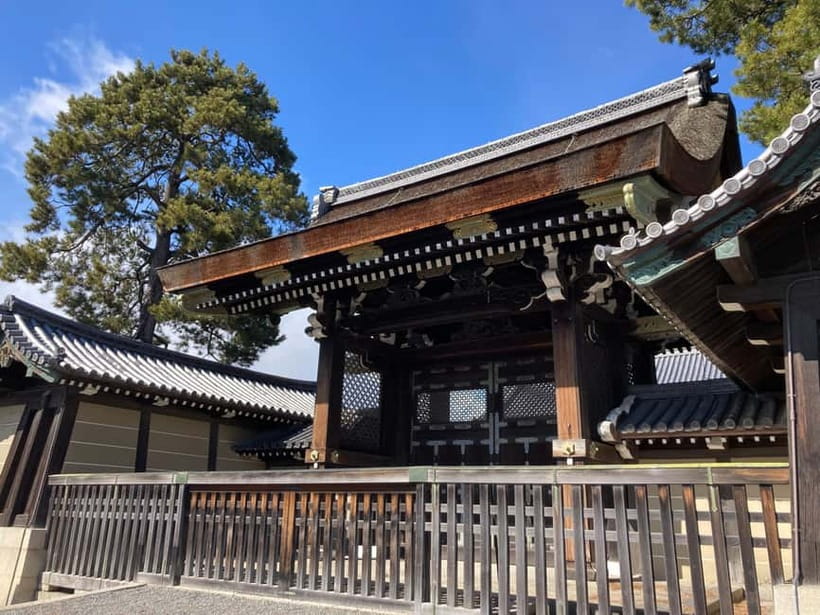
- Tokugawa-built Nijo Castle connects lavish interiors to the authority of the shogunate
- Kyoto Imperial Palace gardens highlight seasonal beauty while the guide explains what you are looking at
- Small group limit of 9 keeps the experience personal and question-friendly
- Tickets included for Nijo Castle, Ninomaru Palace, and an art gallery means less hassle
- Multiple languages offered, including English, French, Spanish, Japanese, Portuguese, Russian
- On-foot sightseeing extras include traditional Kyoto streets and a cherry blossom viewing spot
Why Nijo Castle and Kyoto Imperial Palace Belong Together
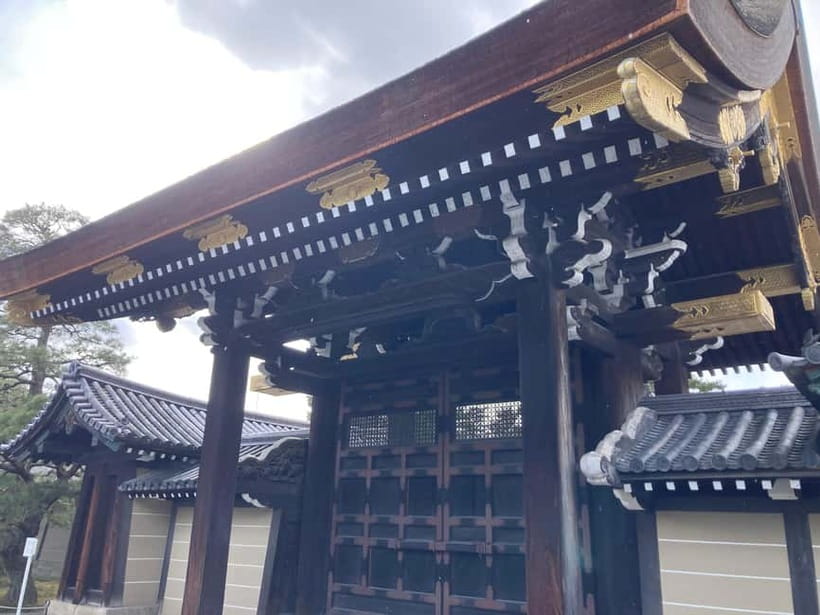
Nijo Castle and the Kyoto Imperial Palace are often visited separately, but putting them side by side changes everything. You move from the shogunate’s message of control to the imperial residence’s role as the cultural and ceremonial heart of Japan. That contrast is the whole point of the tour.
I like that the guide doesn’t treat these places like two disconnected attractions. Instead, you get the political climate behind Nijo Castle, and then the refined design thinking behind the Imperial Palace gardens and grand layout. By the time you finish, you understand not just what the buildings look like, but what they were meant to communicate.
More Castle Visits in Kyoto
- Kyoto: Nijo-jo Castle and Ninomaru Palace Guided Tour
★ 4.7 · 1,020 reviews - Kyoto: Imperial Palace & Nijo Castle Guided Walking Tour
★ 4.7 · 453 reviews - Kyoto Imperial Palace & Nijo Castle Guided Walking Tour – 3 Hours
★ 4.5 · 106 reviews
Meeting at Nakadachiuri Gate, Then Settling Into a Walk-First Plan
Your tour meets at the Nakadachiuri Gate of the Kyoto Imperial Palace. That matters because it helps you start in the right mindset, walking through the palace area first rather than rushing straight to the next ticket line.
You will be contacted in advance so you can recognize your guide by appearance and clothing. It sounds small, but it’s a big stress saver when you arrive in a crowd and everyone is trying to find the same entrance.
This is a walking experience, and the timing is built for a relaxed, guided pace. Duration is listed as 3 hours, so you will spend most of that time actually seeing, not waiting around. And since it is a small group, you are less likely to feel like you are stuck in a fast-moving conga line.
Nijo Castle: Tokugawa Ieyasu’s Power in Architecture and Interiors
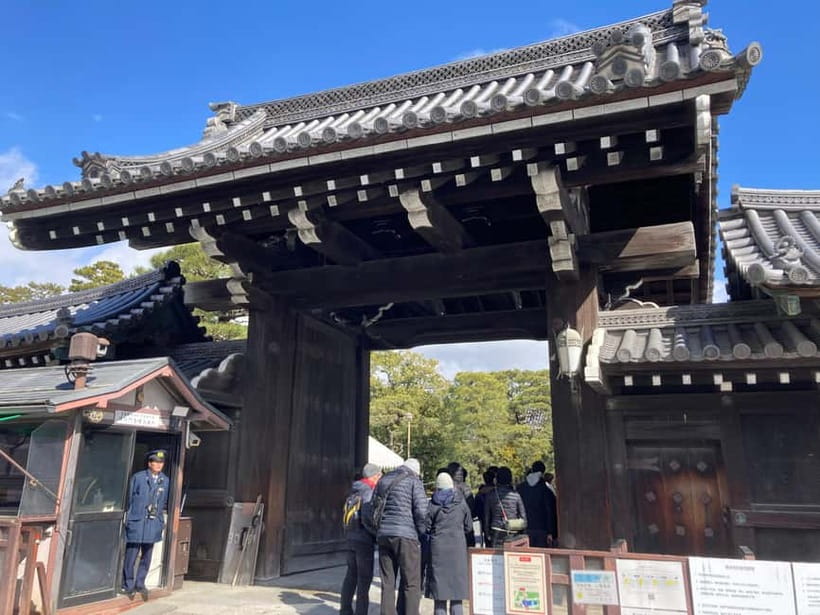
Nijo Castle is the shogunate talking, loudly but politely, through design. Built by Tokugawa Ieyasu, it is remembered as a symbol of power and authority, and you get that message right away when you walk the grounds with a guide.
The most satisfying part here is how the guide reads the building with you. Lavish interiors and intricate details can look like pretty decoration if you do not have context. With the right explanations, you start to see how the style reflects who held power and why they wanted control to feel inevitable.
I also love that the tour frames Nijo Castle as a political stage, not just a museum stop. You learn about the political climate of the time, which helps you connect the dots between ceremony, authority, and everyday impressions of strength.
Ninomaru Palace and the included art gallery
Your admission tickets include Ninomaru Palace and an art gallery stop. That is a smart value add, because it expands the experience beyond a single highlight. Instead of just seeing one section of Nijo, you get a broader slice of what the castle complex offers.
If you enjoy art and symbolism, this part can be a nice palate cleanser between the big architectural moments. If you are more history-focused, it still helps because it reinforces the tone of the era the guide is explaining.
A different sort of day in Japan:
- PERFECT KYOTO 1-Day Bus Tour
★ 5.0 · 13,518 reviews - Kyoto: Fushimi Inari, Kinkakuji, Bamboo Grove 1 Day Bus Tour
★ 4.8 · 4,316 reviews - Kyoto: Tea Ceremony in a Traditional Tea House in Kiyomizu
★ 4.9 · 3,519 reviews - Kyoto Geisha Walking Tour: Gion District & Hidden Gems
★ 4.7 · 3,273 reviews
The Politics Lesson That Makes Nijo Castle Click
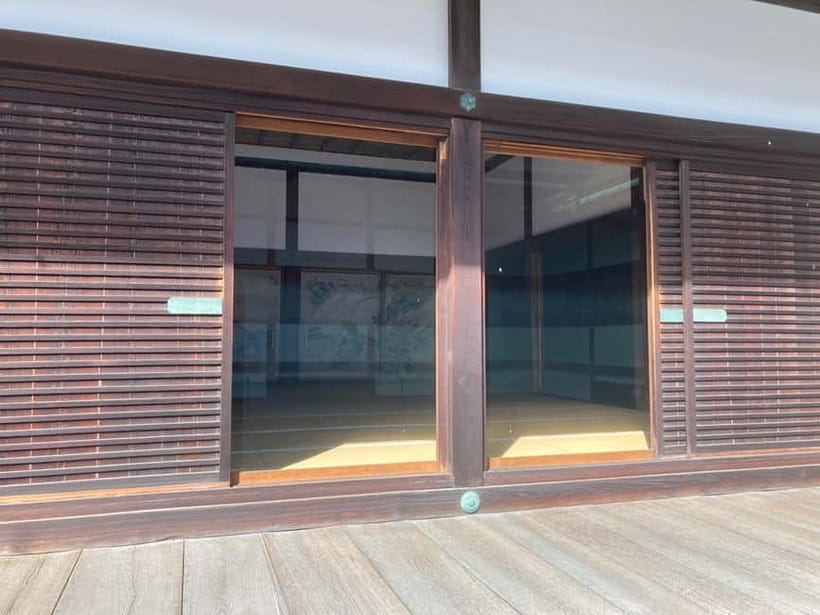
Plenty of Kyoto tours show you buildings. This one helps you understand why those buildings mattered.
The guide’s explanations about the shogunate era are what turn architectural features into story. You begin to notice how details communicate status, hierarchy, and legitimacy. And because the tour includes both Nijo and the Imperial Palace, you can compare messages coming from two different centers of influence.
A good sign is how guides on this experience are described as mixing history, architecture, art, and politics in a clear way. Names like Kayo, Nene, Taku, and Goku show up often, and the common theme is that the explanations are structured enough to follow, even if you are not steeped in Japanese history.
If you want a tour that answers the question So what, then this style fits well. You will leave with a clearer mental model of how power operated in Kyoto.
Kyoto Imperial Palace: Grand Culture, Refined Gardens, Seasonal Beauty
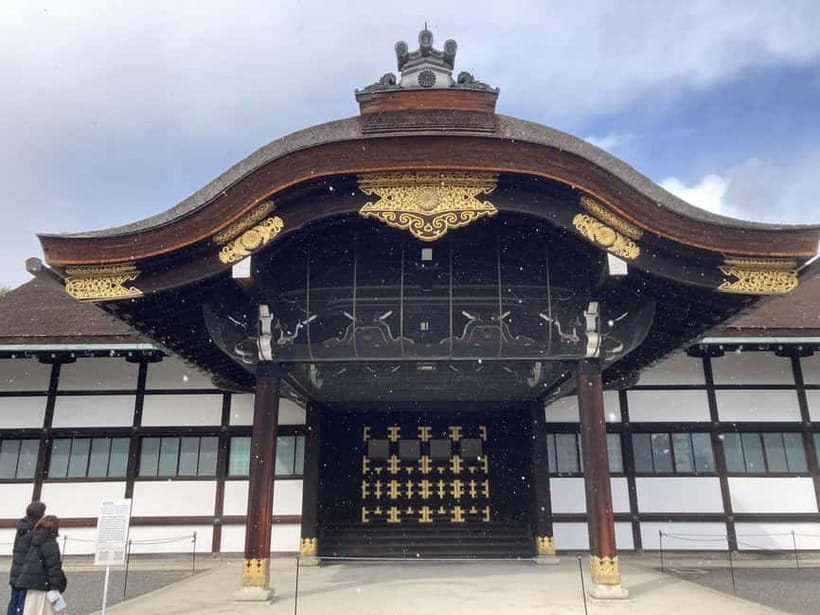
After Nijo, the shift to the Kyoto Imperial Palace feels like a change in volume. The Imperial Palace is the residence of Japan’s emperors, and it carries the weight of tradition and cultural identity in a calmer, more ceremonial way.
What you should expect here is a focus on grand architecture and the gardens, with special attention to seasonal beauty. The tour is designed to help you appreciate the garden design as more than pretty scenery. You learn how the grounds were laid out to showcase different seasons, so your eyes have guidance instead of wandering aimlessly.
This is also a good stop for people who like slower visual moments. One of the practical benefits of a small group is that it is easier to pause for photos, step back to see how a space opens up, and ask questions without feeling rushed.
On-Foot Kyoto Extras: Townhouses, Cherry Blossom Spots, and Real-Time Discussion
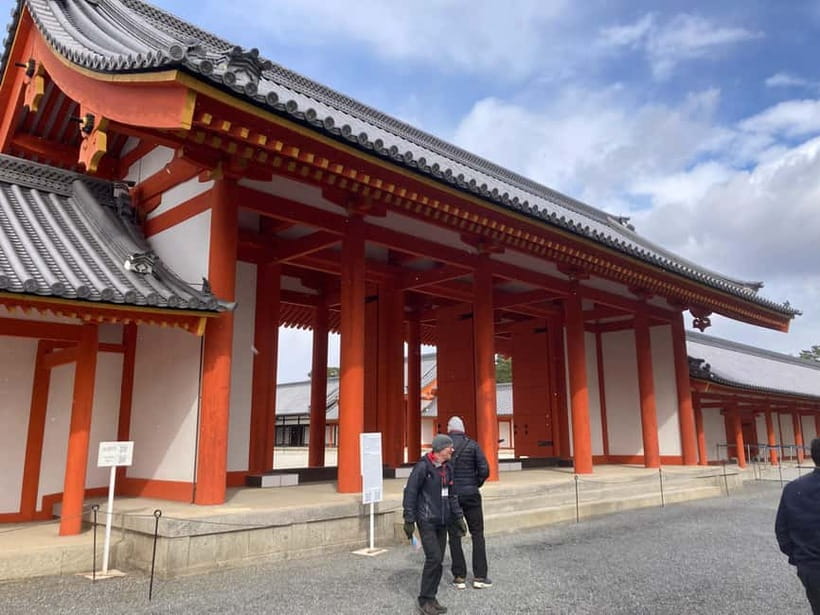
A guided walking tour works best when it includes the smaller streets around the landmarks. This experience does exactly that, with time to take in charming Kyoto townhouses and a famous spot for cherry blossoms.
Even if you are not traveling during peak bloom, these extra moments help you connect the monuments to the neighborhood around them. Kyoto can feel like a string of separate sights unless you slow down and link them with streets, textures, and everyday context. That is where walking pays off.
You also get built-in conversation time. In at least one example, the guide used the roughly 20-minute walking stretch toward Ninno-ji as an opportunity for discussion about Western and Japanese culture. That kind of talk is not just filler. It helps you interpret what you are seeing, especially when the tour is already framed around politics and cultural design.
Duration, Group Size, and What the Pace Feels Like
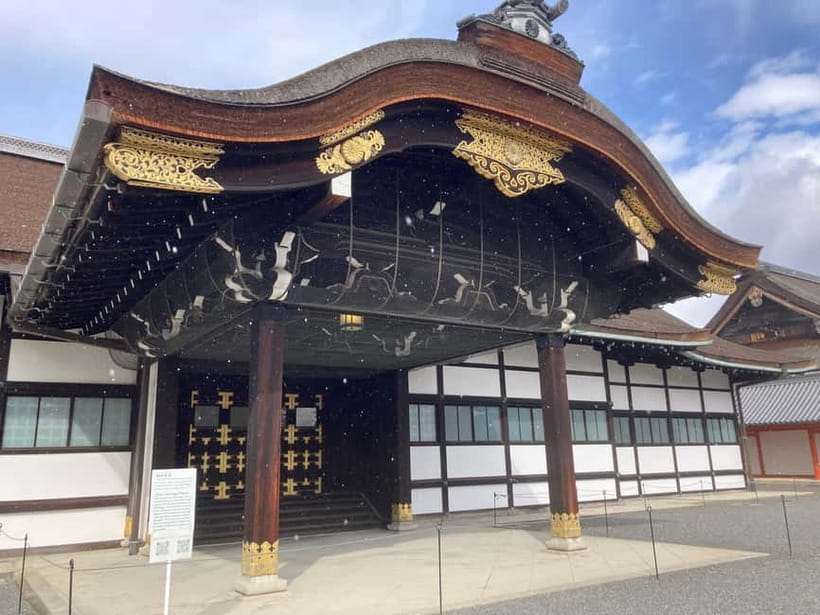
The duration is 3 hours, which is just long enough to learn something and still feel like you had a real day in Kyoto. The small group limit of up to 9 participants is a major factor here. It keeps the tour efficient, but it also keeps it human.
In a bigger group, you often miss the chance to ask a question that would actually help your understanding. Here, the guide can tailor the flow to interests. That flexibility is worth money, because it turns a standard highlights route into something that fits your travel style.
This tour is also a good fit if you want structure without feeling boxed in. You will walk, see the major sites, and get context, but you will not spend the whole time stuck inside one building.
Price and Value: Is $63 Worth 3 Hours?
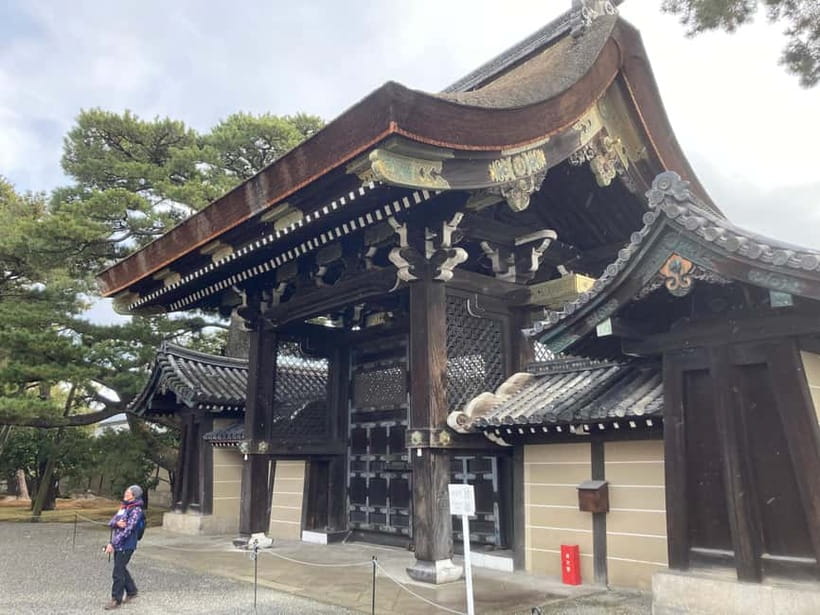
At $63 per person for a 3-hour guided tour, the value depends on one thing: what is included. Here, admission tickets for Nijo Castle, Ninomaru Palace, and an Art Gallery are included, along with a professional guide.
That changes the math. You are not just paying for someone to point at buildings. You are paying for access to multiple paid sections plus expert interpretation. In Kyoto, where entrances and time add up quickly, bundling admissions with a guided story is usually the smart move.
If you are visiting for the first time, you get more meaning per hour. If you already know some history, you still benefit because the guide ties architecture, politics, and garden design into a single thread.
Quick Practical Notes So You Don’t Lose Time
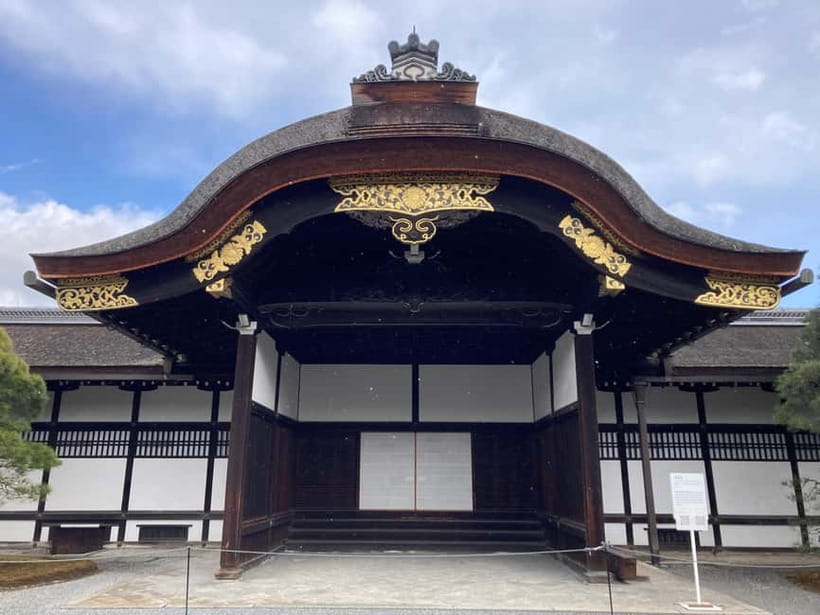
Bring a camera. You will want it, especially for the Imperial Palace gardens and the courtyard-style views at Nijo.
Bring cash as well. The tour info specifically calls it out, so do not rely only on card.
There is a no shorts rule. It is a small detail, but you do not want a last-minute wardrobe scramble near your meeting gate.
One more important note: the tour is not suitable for pregnant women, so consider alternative sightseeing if you are affected by mobility or walking comfort needs.
Should You Book This Kyoto Nijo Castle and Imperial Palace Tour?
I’d book it if you want a tight 3-hour plan that links two of Kyoto’s biggest symbols of power. The combination of Tokugawa-era context at Nijo Castle and imperial cultural framing at the Kyoto Imperial Palace makes the whole experience more than a checklist.
Choose this tour especially if you like explanations that connect architecture to history and politics, and if you appreciate a small-group pace that leaves room for questions. If your top priority is maximum interior access at every building, you might want to keep expectations flexible for the Imperial Palace portion. Otherwise, this is a strong way to get real context fast, and then enjoy Kyoto’s streets with better eyes.
FAQ
Where is the meeting point for this tour?
The meeting point is the Nakadachiuri Gate of the Kyoto Imperial Palace.
How long is the guided tour?
The tour duration is 3 hours.
What is the group size limit?
The group is limited to 9 participants.
What languages are available for the live guide?
The live tour guide is offered in English, French, Spanish, Japanese, Portuguese, and Russian.
Which attractions have admission tickets included?
Admission tickets are included for Nijo Castle, Ninomaru Palace, and the Art Gallery.
What should I bring?
Bring a camera and cash.
Is there anything I should wear or avoid?
Shorts are not allowed.
Is the tour refundable, and can I book without paying right away?
Free cancellation is available up to 24 hours in advance for a full refund. You can also reserve now and pay later.
Newly listed around Kyoto
- Taste of Nishiki Market Walking Food Tour with Local guide★ 5.0 · 17 reviews
- Kyoto: Sushi Making Class with Sushi Chef★ 4.8 · 64 reviews
- Simple Plan with Maiko★ 4.4 · 10 reviews
- Shibori Furoshiki Course at Kyoto Shibori Museum★ 5.0 · 21 reviews
- Kyoto: City Secrets eBike Tour★ 4.9 · 196 reviews
- Sacred Pathways: Discover the Philosopher’s Path of Kyoto★ 4.9 · 20 reviews
- Private Tour to Monkey Park and Arashiyama Highlights★ 5.0 · 22 reviews
- Private Nara Tour from Osaka – Meet at Your Hotel★ 5.0 · 22 reviews
Historic Castle Visits, compared.
Tokyo Castle & Imperial PalaceーShogun Walking Tour
Read our review →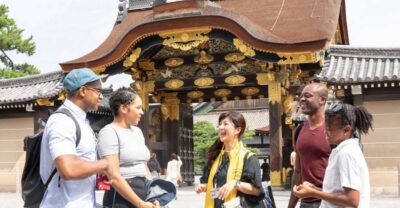
Nijo-jo Castle and Ninomaru Palace Guided Tour
Read our review →
Ultimate Osaka Walking Tour: Castle, Dotonbori & Hidden Gems
Read our review →Tokyo Castle & Imperial PalaceーShogun Walking Tour
Read our review →
Imperial Palace East Garden and Edo Castle Walking Tour in Tokyo
Read our review →
Imperial Palace & Nijo Castle Guided Walking Tour
Read our review →
Japanesel Archery Experience HIROSHIMA CASTLE SHARAKU
Read our review →Browse the lists this tour appears in