
Review · WORKSHOPS
Osaka: Kintsugi Workshop, Beauty in Brokenness
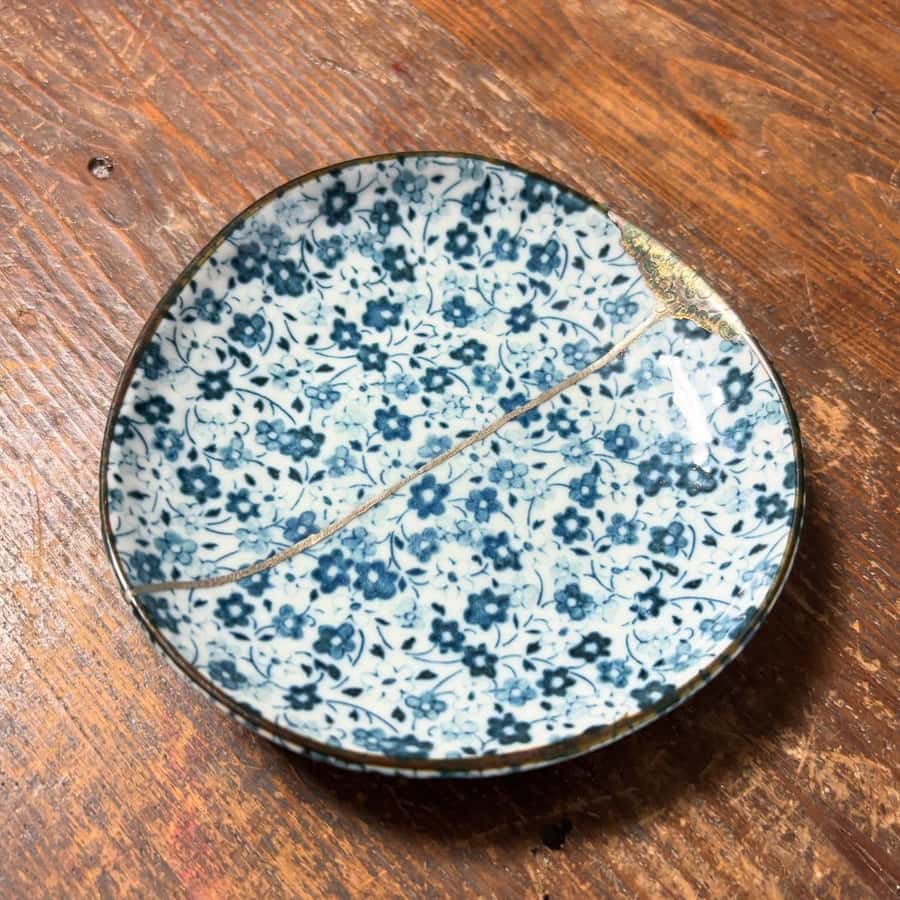
Broken pottery can become art. This Osaka workshop turns shattered ceramics into something glowing, using kintsugi methods taught in a calm studio setting. I especially like the patient, hands-on coaching from Sensei Tomoko and her assistant Jun, and I like that you finish with an actual repaired piece, not just photos.
One watch-out: you’ll handle your own travel to and from the workshop meeting point in front of the studio. If you’re relying on public transport, give yourself a little extra time to find it smoothly.
In This Review
- Key things I’d bookmark before you go
- Kintsugi in Osaka: why golden repairs feel so personal
- Inside the 3-hour workshop: what your time actually looks like
- Step-by-step repair: lacquer, resin, and golden powder
- The studio setting: an artisan workspace with real craft energy
- Wabi-sabi in your hands: beauty in imperfection, explained simply
- Communication support: English teaching plus real help when words stall
- What you get to take home (and why it matters)
- Price and value: is $87 fair for 3 hours and a take-home piece?
- Logistics that actually matter: where to meet and how to plan your day
- Who this workshop suits best
- Should you book the Osaka Kintsugi Workshop?
- FAQ
- How long is the kintsugi workshop in Osaka?
- How much does it cost?
- Do I need any prior experience with crafts?
- What language is the instruction in?
- How big is the group?
- What do I take home at the end?
- Is transportation included?
- Should I book it?
Key things I’d bookmark before you go
- Small group of up to 6, so you get real attention while you work
- English instruction with support tools like a Pocketalk translator when needed
- Modern, accessible materials (synthetic lacquer, resin, and silver-based golden powder) that still follow kintsugi spirit
- Step-by-step repair on a chosen piece, with guidance through the tricky parts
- A take-home souvenir that visibly shows the repair as part of its value
- Time for your piece to set, sometimes with a brief look around the wider studio craft space
Kintsugi in Osaka: why golden repairs feel so personal
Kintsugi is not about hiding damage. It is about treating cracks like history, then drawing a careful line through them with shimmering lacquer and metal-toned powders. In a world that often replaces and forgets, this workshop teaches a slower idea: care can change what you think is broken.
What I like most is the tone of the class. It’s purposeful, but not rushed. That matters because kintsugi is the kind of craft where small actions, done slowly, lead to clean joins and a finish you’ll feel proud to carry home.
This is also a great Osaka experience if you want something quieter than the usual food-and-neon sprint. You’ll spend your time in a studio, focusing on hands, materials, and technique. You come away with the satisfying proof that you can turn an imperfect outcome into an intentional one.
A few more Osaka days to weigh up
- Osaka Go Karting Tour with Funny Costume
★ 5.0 · 2,658 reviews - Osaka Castle: Museum and Tower Entry Ticket
★ 4.5 · 2,380 reviews - Osaka: Shinsekai Food Tour with 13-15 Dishes at 5 Eateries
★ 4.8 · 2,204 reviews
Inside the 3-hour workshop: what your time actually looks like
The full session runs about 3 hours, with a small group capped at 6 participants. The pacing is designed so you can do each stage of the repair with help when you need it, not just watch someone else work.
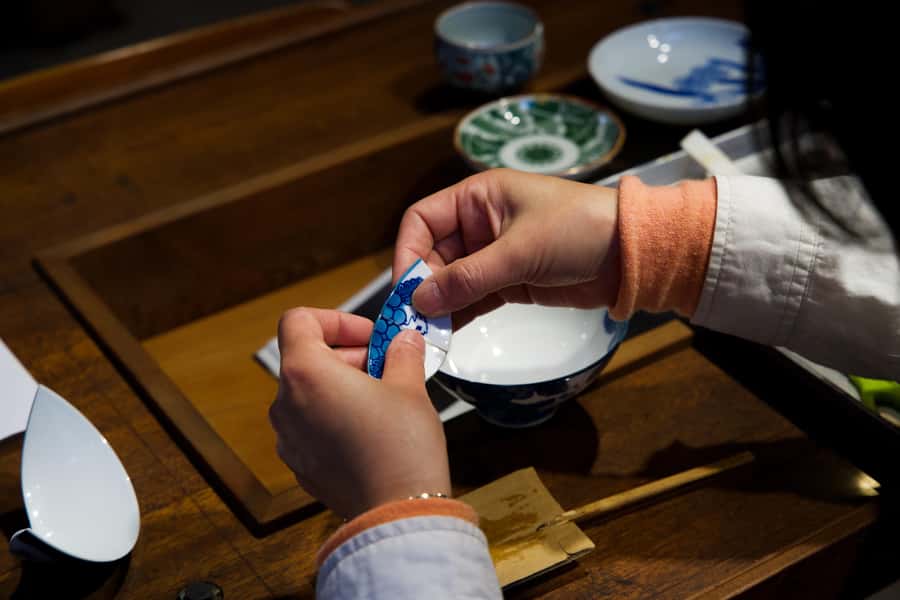
You’ll start by stepping into the workshop space and getting the story and philosophy behind kintsugi. Then you move into making, choosing a piece to repair and following the process in the order your instructor explains. This is not a casual “try a little glue” class. It’s a proper craft workflow: bond, fill, finish.
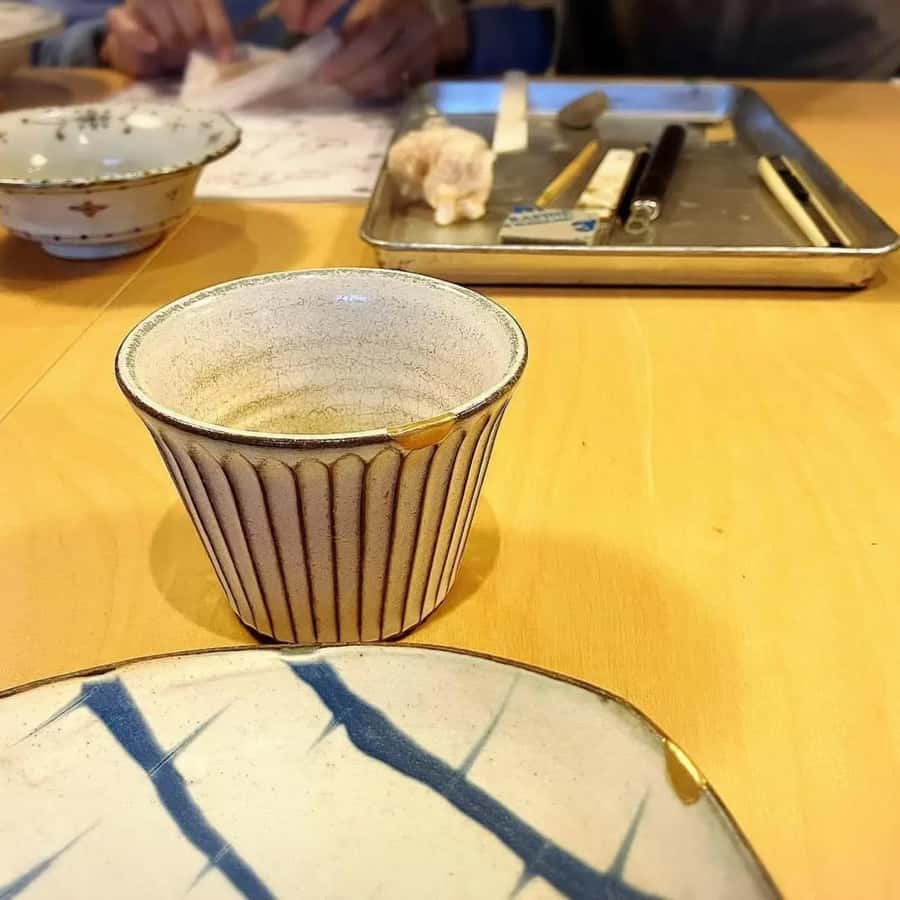
You should also expect some waiting time while the repair sets. That is part of the ritual. In at least some sessions, the team uses that downtime to share photos of the process and to show you around their facility, including other crafts they do.
Step-by-step repair: lacquer, resin, and golden powder
You’ll learn a modern version of kintsugi using materials that are practical for a workshop setting. The main flow is clear and consistent:
First, you bond broken ceramic pieces together using synthetic lacquer. This is where the repair becomes a join, not just an aesthetic overlay.
Next, you fill in missing fragments with resin. This helps the piece feel whole again and gives you material to shape toward a smoother overall look.
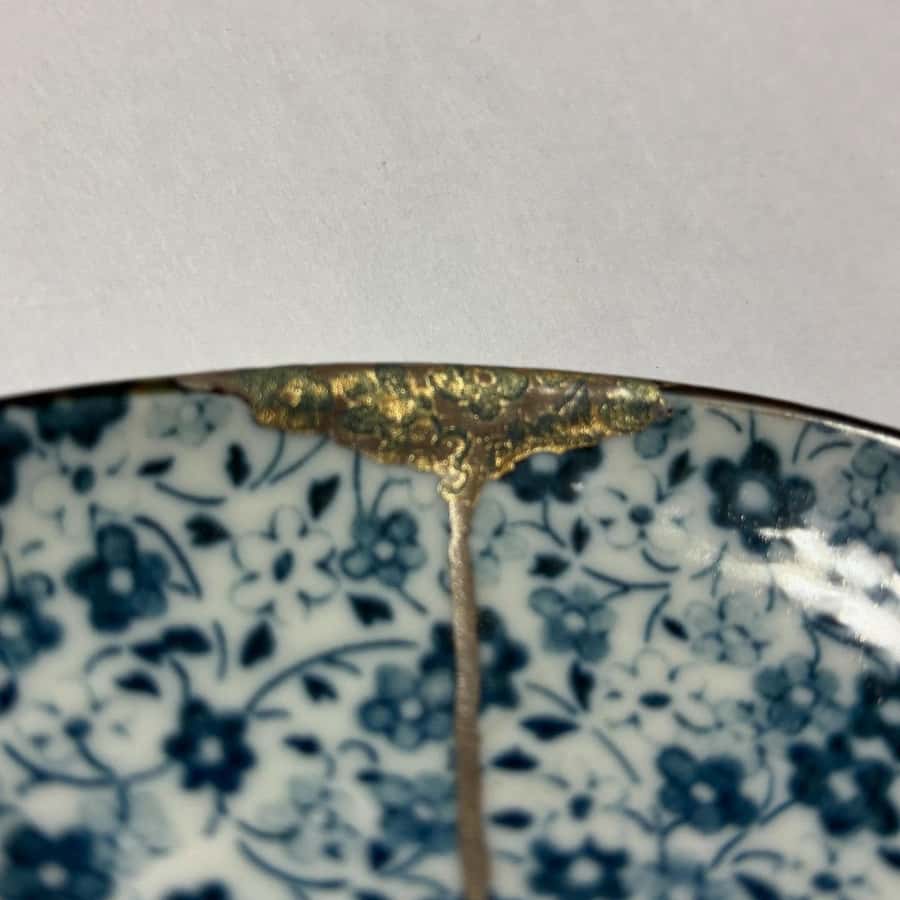
Finally, you dust or apply a silver-based golden powder to complete the visual effect. The golden color comes from the powder’s finish and how it catches light, turning the repair line into something you want to display.
Even if you’re not “crafty,” you’ll have support. Sensei Tomoko and her assistants (including Jun and Junale in some groups) are used to helping people through the steps calmly. One of the biggest takeaways is that the best results come from attention, not from talent. If a step feels fiddly, that usually means you’re exactly at the point where good guidance matters.
You’ll also learn how the workshop approach compares to older, more traditional methods. The session uses modern, easier-to-access materials, while still teaching the cultural intent behind the technique.
The studio setting: an artisan workspace with real craft energy
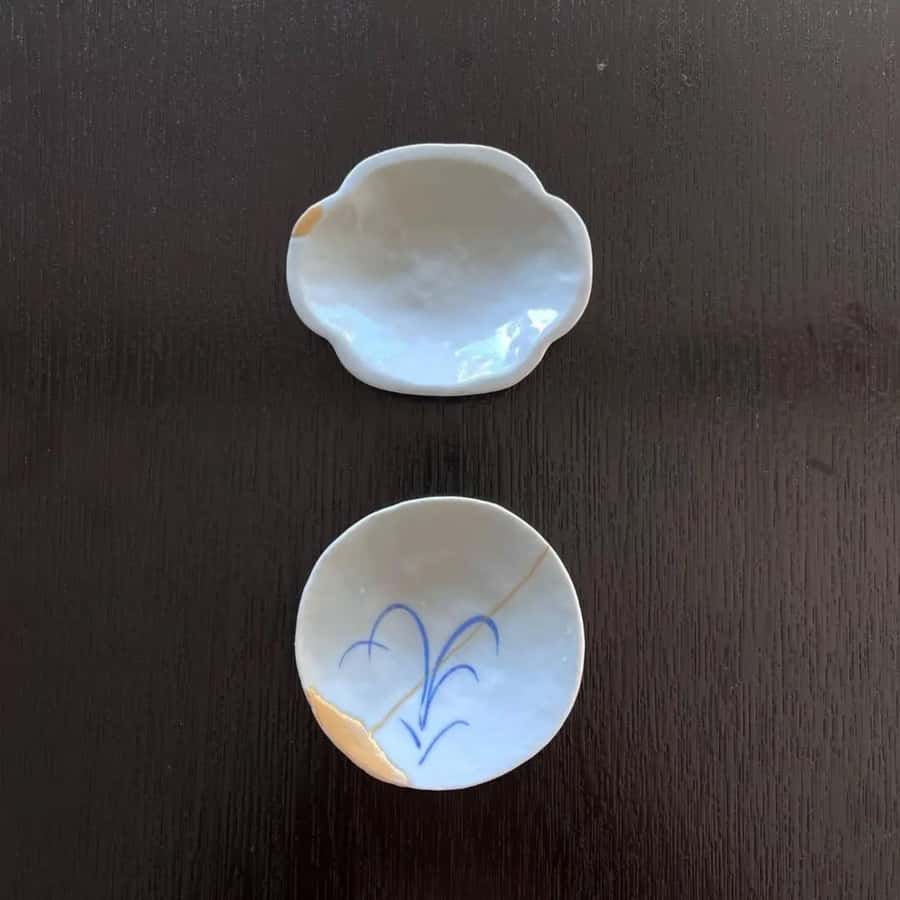
This class happens in an artisan studio, not a pop-up storefront. The setting matters because kintsugi rewards a quiet focus. People describe the atmosphere as charming and calm, with a relaxed rhythm that still feels serious about craft.
There’s also something special about the building itself. In one description, the workshop space is an older printing-related place, tied to printing labels for a Japanese whisky brand. That kind of backstory adds texture to the experience. You’re not just taking a workshop in a room, you’re stepping into a workspace with a long life.
You’ll likely notice how the studio runs beyond kintsugi. In at least some sessions, while your piece cures, you may get a look around the facility. That can include seeing other textile and craft work such as Sashiko and thread-dyeing, plus even a photography studio area. It’s a nice reminder that Japanese artisanship is often cross-trained and process-driven.
A different sort of day in Japan:
- Osaka Food Tour: 13 Dishes at 5 Local Eateries
★ 5.0 · 2,149 reviews - Hungry Osaka Street Food Tour:15 Tastings & 3 Drinks with a Local
★ 5.0 · 1,727 reviews - Osaka: teamLab Botanical Garden Entry Ticket
★ 4.5 · 1,710 reviews - Osaka: Tea Ceremony Experience
★ 4.9 · 1,426 reviews
Wabi-sabi in your hands: beauty in imperfection, explained simply
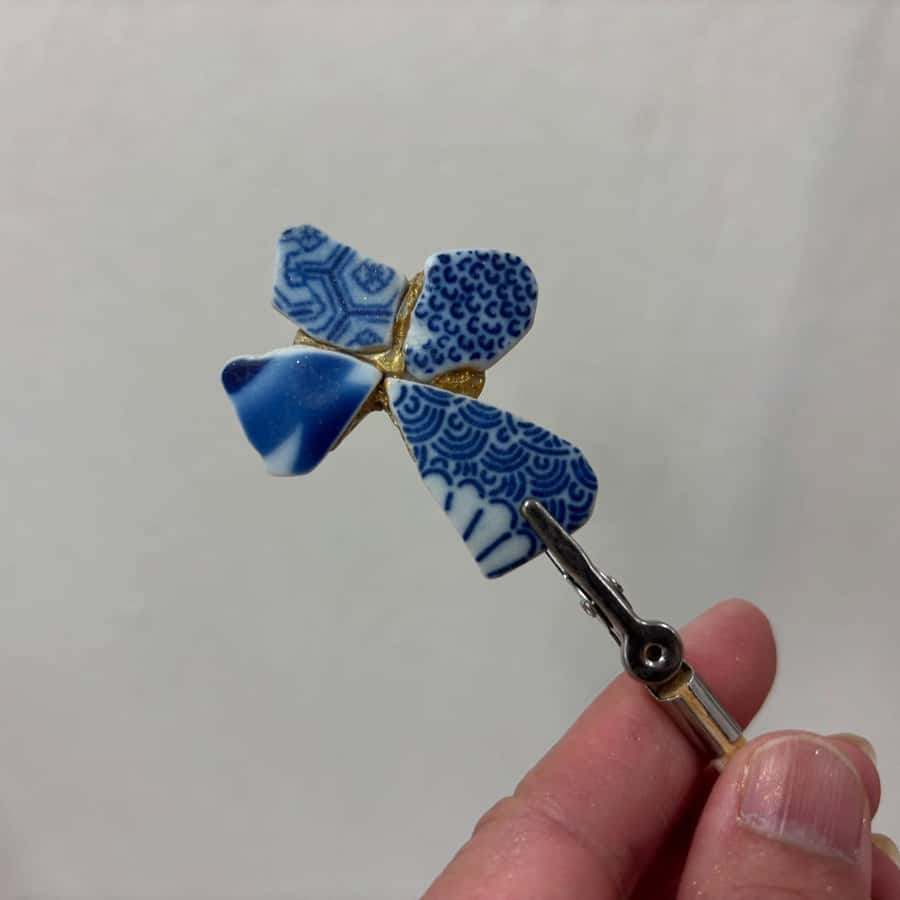
Wabi-sabi is the idea that imperfection, impermanence, and incomplete things can be beautiful. In a kintsugi workshop, wabi-sabi stops being a concept. It becomes practical.
You’ll hear the philosophy behind the technique and why the repair is meant to be visible. The point is not to return the object to how it was before it broke. The point is to honor the object’s life and make the story of breakage part of the design.
That shift changes how you look at your own work as it forms. When the cracks and repairs show, you’re not supposed to feel defeated. You’re supposed to feel that you helped the piece become more itself.
I like that the class gives you the cultural meaning alongside the craft steps. You’re not just learning how to apply materials. You’re learning what the repair is for, and how to judge your results by intention rather than by perfection.
Communication support: English teaching plus real help when words stall
This workshop is taught in English, and the team clearly plans for language needs. In one experience description, instructors used a Pocketalk translation device when they weren’t sure how to express a point in English. That kind of support reduces frustration and keeps you from losing the thread mid-process.
You’ll also have clear, easy-to-follow guidance during making, including laminated instruction sheets. That helps a lot if you want to re-check a step while working with delicate materials.
If you’re traveling alone or with someone who doesn’t know Japanese craft terms, you’ll still be able to follow along. The method is physical, and the teaching is structured, so you’re not left guessing.
What you get to take home (and why it matters)
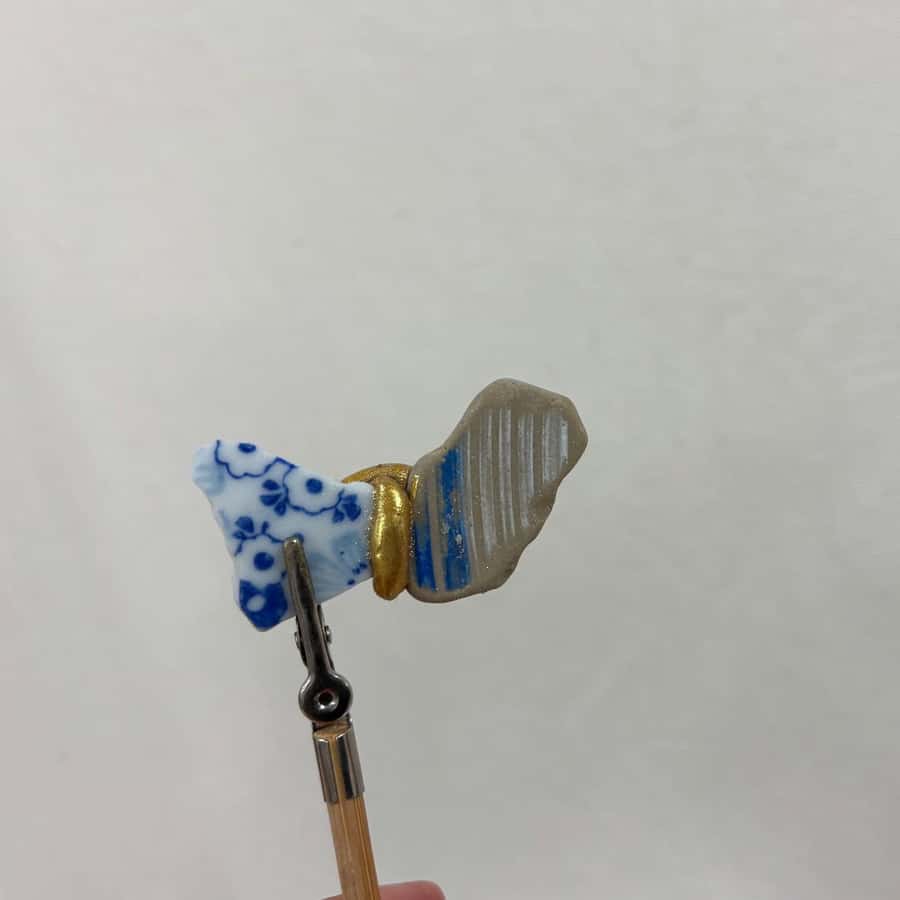
The workshop includes a completed kintsugi piece you can take home. That is a huge part of the value. This isn’t a take-a-class souvenir where the “real” thing stays behind.
Also, the piece you take home will include visible repair lines. In kintsugi, those marks are not defects. They are part of the design, proof of the process, and a way to keep the object’s history in view.
Practical note: your piece will be packed securely for the journey home. You’ll want to treat it with care once you get it back to your hotel or home, especially during the first period after the class since resin and lacquer can finish setting over time.
And yes, you’ll likely have something to tell people when you unpack it. The story of resilience is not just marketing copy here. It’s built into how the repair looks.
Price and value: is $87 fair for 3 hours and a take-home piece?
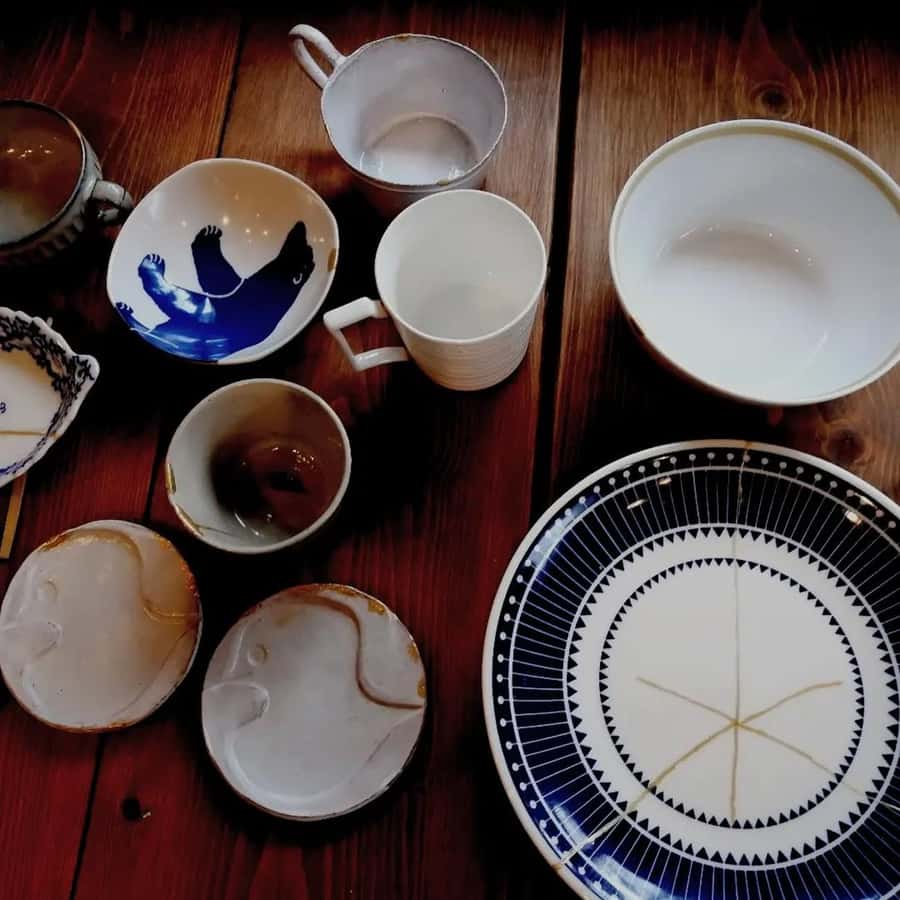
At $87 per person for about 3 hours, this feels like a fair deal when you break down what’s included. You’re paying for:
- Instruction by a master craftsman
- All materials and tools
- Guided hands-on repair on your chosen piece
- The finished kintsugi object to take home
Many craft classes charge similarly for instruction and materials, but kintsugi adds a special element: you get a durable, display-worthy artifact with visible character. And because the workshop uses modern, accessible materials, it still gives you a clear learning experience without the process becoming too technical for a short session.
The small group size also affects value. With a limit of 6 people, the instructor can actually help when you hit a tricky step, like aligning a join or working carefully around missing fragments.
If you like Japanese aesthetics, repair-as-art ideas, or you’re simply looking for a meaningful Osaka break away from crowds, this price makes sense.
Logistics that actually matter: where to meet and how to plan your day
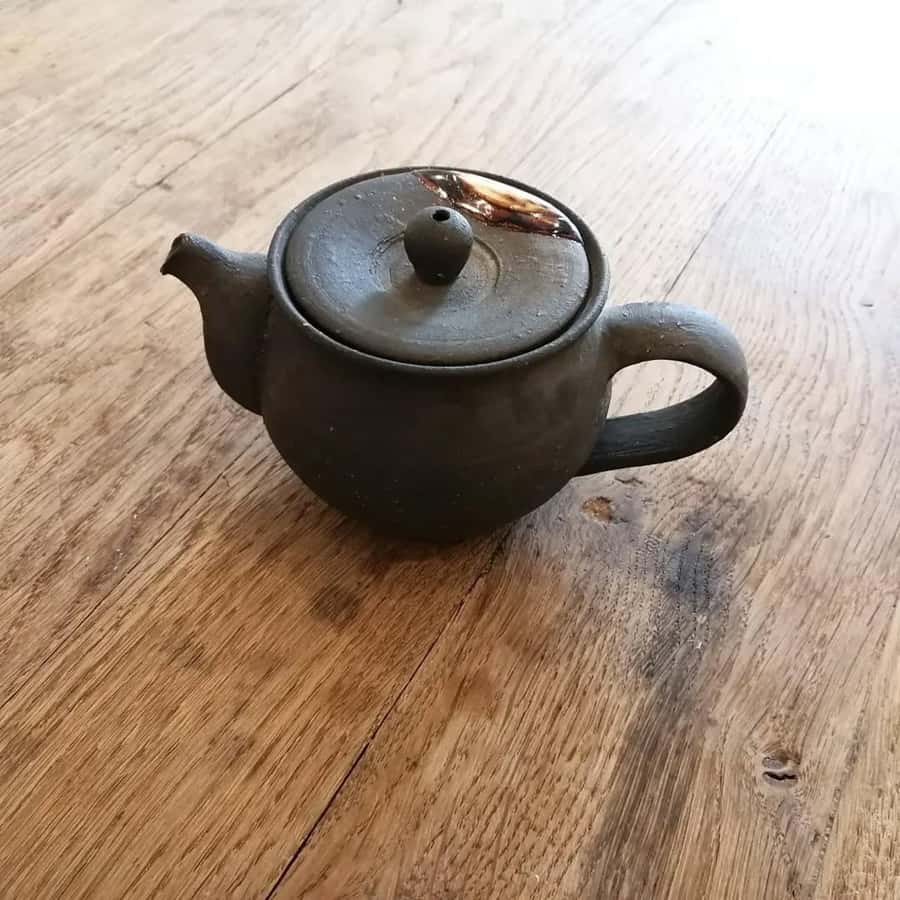
You meet in front of the kintsugi workshop. Transportation to the venue is not included, so you’ll want to plan your route in advance and arrive a bit early.
The session is long enough that it can fit between other Osaka plans. If your day is packed, remember that your piece will need time to set during the workshop. That means you can’t treat it like a quick stop.
Also, because you take home an object, think about how you’ll carry it. A tote bag and careful packing mindset go a long way. If you’re touring with other stops, consider whether you want to do this early in the day so you’re not rushed later.
Who this workshop suits best
This is ideal for you if any of these are true:
- You want a hands-on Japanese craft experience without needing prior skills
- You enjoy slower activities that feel thoughtful rather than hectic
- You want a take-home item with meaning, not just a generic souvenir
- You like cultural ideas explained through action, not through lectures
It’s also a nice choice for couples. A small group helps the experience stay personal, and two people working on one shared cultural concept tends to lead to good conversations.
If you’re the type who gets impatient with waiting for materials to set, you might find the curing time a small frustration. But in kintsugi, that pause is part of the lesson. The class is structured to keep you engaged and supported while the repair does what it needs to do.
Should you book the Osaka Kintsugi Workshop?
Yes, you should book this if you want a calm, meaningful Osaka activity that ends with a real object you can be proud of. The combination of small group size, English teaching, and hands-on guidance makes it workable even if you’re not artsy. Most importantly, you’ll leave with a kintsugi piece that looks like a story, not a band-aid.
Skip it only if you really dislike slower, careful handiwork, or if you are looking for something purely scenic and outdoorsy. This is a studio experience. The reward is in the craft and the philosophy, not in views.
FAQ
How long is the kintsugi workshop in Osaka?
The workshop lasts about 3 hours.
How much does it cost?
The price is $87 per person.
Do I need any prior experience with crafts?
No experience is needed. All materials and tools are provided.
What language is the instruction in?
The workshop is conducted in English.
How big is the group?
The group is small, limited to 6 participants.
What do I take home at the end?
You take home a completed kintsugi piece that you repaired during the workshop.
Is transportation included?
No. You are responsible for getting to and from the workshop venue.
Should I book it?
If you want a hands-on Osaka experience that teaches a Japanese aesthetic you can actually see on your own finished object, book it. The workshop format is built for beginners, the group size keeps it personal, and the take-home piece makes the time feel worth it.
Newly listed around Osaka
- (Ticket Included) Explore Osaka Castle & Museum of History★ 4.8 · 21 reviews
- Hidden Osaka – Yukaku Red Light Tour & Culinary Adventure★ 4.8 · 96 reviews
- Osaka: Walking Tour and Top Highlights★ 4.8 · 104 reviews
- Same Day OK! Osaka: Local Food, Izakaya & Local Bites Tour!★ 4.8 · 17 reviews
- Osaka: Private Ceramic Painting Workshop★ 5.0 · 13 reviews
- Eat Like a Local in Osaka – Private Custom Street Food Tour★ 4.3 · 33 reviews
- Pickleball in Osaka & Kyoto with Locals!★ 4.6 · 64 reviews
- Osaka:SUMO BEATS SHOWCASE: Taiko Drum and Wagyu burger!★ 4.2 · 37 reviews
Workshops, compared.
Sushi Making Tokyo Roll and Authentic Japanese Sushi Class
Read our review →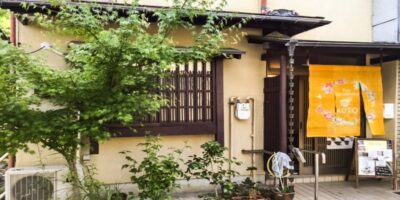
Roll and Authentic Sushi Making Class in Asakusa
Read our review →
Ramen Cooking Class at Ramen Factory in Kyoto
Read our review →
Sushi Making Class in a Happi Coat near a Famous Spot
Read our review →

Tokyo Sushi Making Class in Tsukiji with Professional Chef
Read our review →
Ramen & Gyoza Cooking Class in Tokyo with Local Supermarket Visit
Read our review →Browse the lists this tour appears in