

Review · WORKSHOPS
Osaka: Sashiko Japanese Craftsmanship Workshop
Stitching in Osaka turns quiet into art. You will learn sashiko by hand, in a small group (up to 8), and leave with practical take-home coasters that look like real design work. The best part for me is the steady, beginner-friendly guidance from June, and the bonus is that the stitches are simple enough to actually repeat later.
A fair heads up, you do need to handle your own travel to the venue. If you want an easier start, you can be met at Kyobashi station with advanced notice.
In This Review
- Key Highlights You Can Expect in This Workshop
- Sashiko, the Little Stabs Craft, and Why It Still Works
- Before You Go: Kyobashi Station, Small Group Size, and Time Budget
- Step One in the Room: Tools, Materials, and Getting Set Up Fast
- Learning Sashiko: From a Quick History to Your First Geometric Pattern
- The Part I Value Most: Pattern Meanings and Why Symbolism Matters
- Finishing Your Coasters: A Small Win You Can Actually Take Home
- JunAle Shopping Corner: Threads, Kits, and Cash Discounts
- Price and Value: What $67 Really Covers in a Two-Hour Class
- Who This Workshop Suits Best, and Who Might Want Another Option
- When Sashiko Becomes a Skill, Not a Souvenir
- Should You Book the Osaka Sashiko Japanese Craftsmanship Workshop?
- FAQ
- How long is the Sashiko workshop in Osaka?
- How much does the workshop cost?
- What is the maximum group size?
- What languages are available?
- What is included in the ticket price?
- Where is the meeting point?
- What happens if I’m traveling solo and the minimum group size is not met?
- Is there free cancellation?
Key Highlights You Can Expect in This Workshop
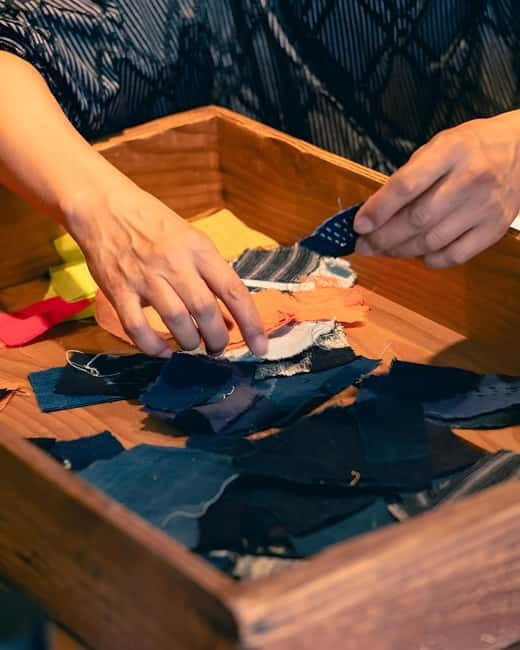
- A two-hour, hands-on class focused on learning sashiko stitches and finishing a project
- Instructor guidance in English and Japanese so you can ask questions and keep your pace
- Geometric coaster project using precise stitching you can recreate later
- Tools and materials provided so you do not waste time hunting for supplies
- Pattern symbolism and cultural context to give meaning to what you stitch
- A calm studio vibe that works well for first-timers and even teens
Sashiko, the Little Stabs Craft, and Why It Still Works
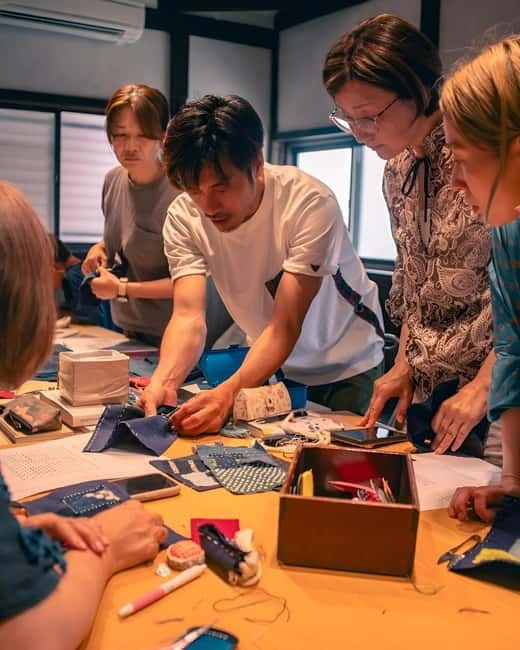
Sashiko literally means little stabs, and the name tells you the vibe. It is careful, repetitive hand stitching done in a way that is both functional and decorative. In practice, that means you are not just making something pretty, you are making something sturdy, like the mending and reinforcement that sashiko started out as.
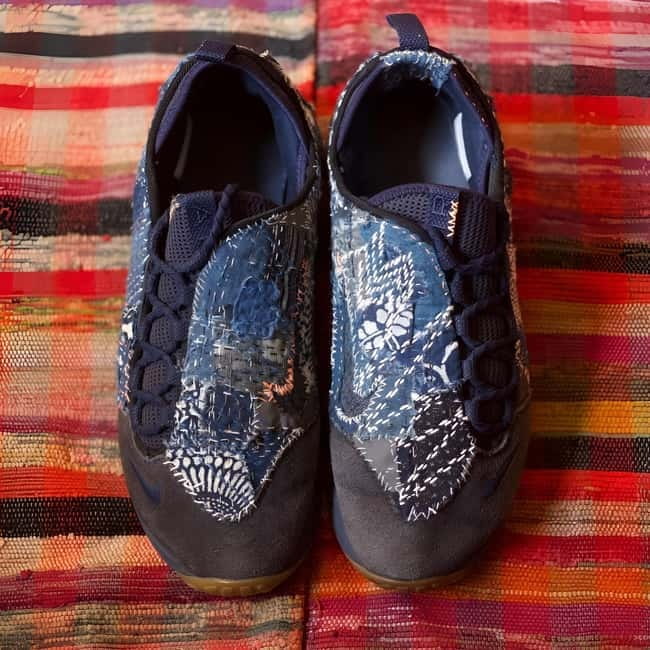
This craft grew during Japan’s Edo period, from 1603 to 1868. It began as a practical way for rural communities to mend worn clothes and add warmth, especially for farmers and fishermen. Over time, it evolved into a recognizable art form, with patterns developing by region and often carrying meaning through their motifs.
That background matters because your coaster is not just a random pattern. When you learn how the stitches and designs connect to Japanese heritage, you start to understand why people still make sashiko today. It is also one of the reasons this workshop feels satisfying instead of rushed. You are learning a small, real piece of a craft tradition.
A few more Osaka days to weigh up
- Osaka Go Karting Tour with Funny Costume
★ 5.0 · 2,658 reviews - Osaka Castle: Museum and Tower Entry Ticket
★ 4.5 · 2,380 reviews - Osaka: Shinsekai Food Tour with 13-15 Dishes at 5 Eateries
★ 4.8 · 2,204 reviews
Before You Go: Kyobashi Station, Small Group Size, and Time Budget
The workshop runs for 2 hours, which is a sweet spot. Long enough to learn the basics and finish a coaster, short enough that it does not hijack your Osaka plans.
You can join a small group with a maximum of 8 participants. That group size is a big deal because sashiko is slow work. You need a teacher close enough to spot tension issues, help you line up stitches, and answer questions before frustration sets in.
Meeting-wise, the standard plan is that you make your own way to the venue. With advanced notice, you can be met at Kyobashi station, which is very useful if you want fewer moving parts when you arrive in Osaka. The class also offers English and Japanese instruction, and the venue is listed as wheelchair accessible.
Step One in the Room: Tools, Materials, and Getting Set Up Fast
When you arrive, you do not start by hunting for supplies. All necessary tools and materials are provided, including fabric, needles, and threads. That lowers the intimidation factor for first-timers. You can focus on the technique instead of figuring out what every tool is.
The workshop is guided by June, with instruction available in English and Japanese. In other words, you are not stuck guessing. If you like to learn with questions, this format works.
Also, the pace is designed to be manageable. Many visitors prefer this kind of crafting class because it feels calmer than a usual tour scramble. You are sitting, stitching, and learning something that turns into an actual object you can hold at the end of the session.
Learning Sashiko: From a Quick History to Your First Geometric Pattern
The structure is simple and effective. You begin with a short explanation of sashiko’s background, then get a demonstration of basic techniques. After that, you practice by stitching on a small project, such as your coaster.
The main skill you will work on is creating precise, geometric stitching. Sashiko patterns often look clean and structured, but the technique behind them is all about consistency. You will spend time practicing so the stitches land evenly and the lines form the geometry you expect.
A useful way to think about it is this. Your goal is not artistic perfection on the first try. Your goal is to learn how to control your rhythm and your stitch spacing. Once you do, you can repeat it on other fabrics later without the class feeling like a one-off magic trick.
And yes, you will create your own design within the coaster project format. You are making something unique, even though you are following a sashiko-friendly structure like geometric elements.
A different sort of day in Japan:
- Osaka Food Tour: 13 Dishes at 5 Local Eateries
★ 5.0 · 2,149 reviews - Hungry Osaka Street Food Tour:15 Tastings & 3 Drinks with a Local
★ 5.0 · 1,727 reviews - Osaka: teamLab Botanical Garden Entry Ticket
★ 4.5 · 1,710 reviews - Osaka: Tea Ceremony Experience
★ 4.9 · 1,426 reviews
The Part I Value Most: Pattern Meanings and Why Symbolism Matters
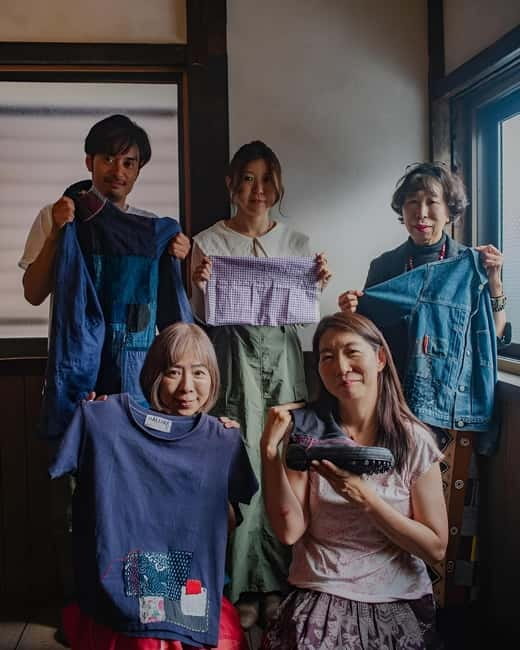
Sashiko designs are not always random. The workshop includes cultural insights about the history and the significance of various patterns. You also learn how symbolism can show up through different motifs and stitch arrangements.
This is the kind of detail that turns a craft class into an experience with staying power. If you ever buy a souvenir and forget it in a drawer, you know the problem. Here, you are learning the language behind what you make, even if you only learn a small part of it.
You also get a sense of the craft’s evolution. Starting as reinforcement for everyday life, sashiko became something people celebrated for design and storytelling. When you stitch, you are participating in that same thread, even if you are only doing it for two hours.
Finishing Your Coasters: A Small Win You Can Actually Take Home
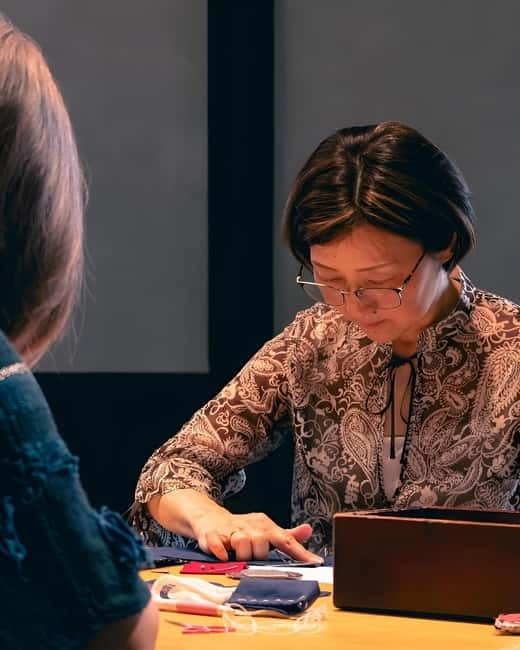
By the end of the workshop, you take home a completed sashiko piece. The example project is a coaster, and that matters because it is immediately usable. You can put it in your kitchen, office, or give it as a gift without needing any extra setup.
This “finish line” is a big reason the class is worth your time. You do not just watch. You do not just sample a stitch. You learn enough to complete a real item in one session.
If you are planning around other Osaka activities, this also helps. You can leave the class with a souvenir that is personal, not mass-produced. That is the kind of travel memory you can live with.
JunAle Shopping Corner: Threads, Kits, and Cash Discounts
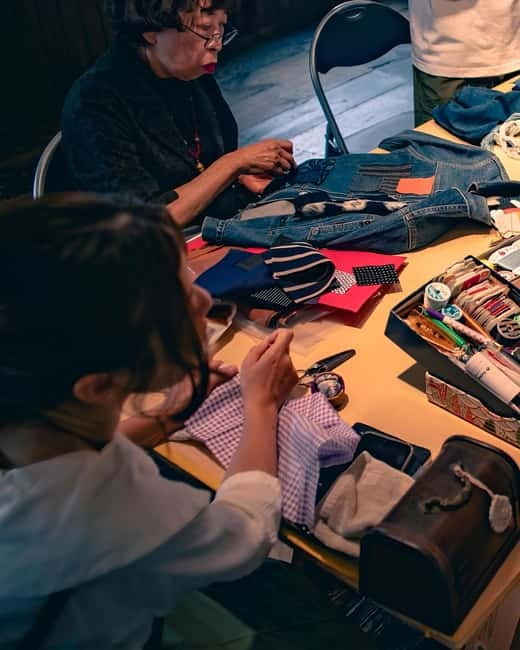
Right next to the workshop area, there is a little shopping corner. It is worth a quick look while the session is fresh in your mind. You can find JunAle original goods, sewing kits, hand-dyed threads, and clothing.
One practical tip: there are discounts available for cash payments. The class itself does not require you to shop, but if you want to keep stitching after you go home, it can be handy to buy the exact style of threads and kits that match what you practiced.
I treat this corner like a bridge. You use the workshop to learn the technique, then the shop helps you turn that learning into a hobby you can continue.
Price and Value: What $67 Really Covers in a Two-Hour Class

The price is listed at $67 per person, and the value is not just the lesson. It includes the instructor time, the teaching, the materials, and the finished item you take home.
That matters because sashiko is not a “bring your own supplies” activity here. If you have ever paid for craft classes where you end up spending extra later, you will appreciate how this one handles tools and materials for you. You also get structured guidance to help your stitches look clean instead of struggling through alone.
Solo travelers should note a specific policy. If the minimum of 2 guests is not met, you will be offered one of these options as a solo traveler: an alternate date, a 3000 yen solo supplement, or a full refund. It is a reasonable approach for a small-group craft, and it gives you multiple ways to handle timing if you are traveling alone.
Who This Workshop Suits Best, and Who Might Want Another Option
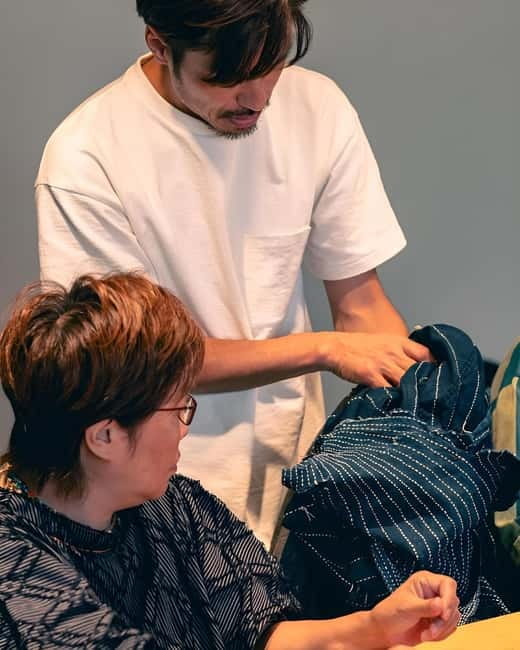
I think this is a great fit if you want a hands-on Osaka experience that is not based on long lines or sprinting between stops. It is also a strong choice if you like tactile activities and calm focus.
It works well for different skill levels because the class is structured around learning basic stitches first, then applying them to a coaster project. If you have teens who enjoy crafts, this kind of class is also the sort of activity that can keep attention because you end with something tangible.
You might want to choose a different option if you are looking for a high-energy, sightseeing-heavy tour. This is not a “see everything” format. It is a “sit, stitch, learn, finish” format.
When Sashiko Becomes a Skill, Not a Souvenir
The best part is what happens after the class. You should leave with skills you can apply to future projects. Even if you only do one or two more attempts at home, you will understand how to approach sashiko like a process.
A practical way to carry it forward is to practice the basics first. Focus on consistent stitch spacing and steady tension. Then, once your stitches feel familiar, you can try new patterns from what you learned in the workshop. That is how this becomes more than a memory.
And if you want to keep it authentic, keep your materials and tools simple. The class already uses the essentials, so you are not dependent on some fancy kit to get started again.
Should You Book the Osaka Sashiko Japanese Craftsmanship Workshop?
If you want a meaningful Osaka activity that ends with something handmade, I would book it. The two-hour format is practical, the small group size means real support, and the class includes everything you need, plus a take-home project. The calm, focused pace is also a nice break from the usual tourism grind.
If you are traveling solo, check how your date might be affected by the minimum of 2 guests. Otherwise, this is exactly the kind of craft workshop that turns Japanese culture into a skill you can use, not just a photo you will scroll past later.
FAQ
How long is the Sashiko workshop in Osaka?
The workshop duration is 2 hours.
How much does the workshop cost?
The price is listed as $67 per person.
What is the maximum group size?
The workshop is limited to a small group of up to 8 participants.
What languages are available?
Instruction is offered in English and Japanese.
What is included in the ticket price?
It includes all necessary tools and materials, guidance from an experienced instructor, cultural insights, and your completed sashiko project to take home.
Where is the meeting point?
With advanced notice, you can be met at Kyobashi station. Otherwise, transportation to the venue is your responsibility.
What happens if I’m traveling solo and the minimum group size is not met?
If the minimum of 2 guests is not met, you will be offered an alternate date, a 3000 yen solo supplement, or a full refund.
Is there free cancellation?
Yes, you can cancel up to 24 hours in advance for a full refund.
Newly listed around Osaka
- (Ticket Included) Explore Osaka Castle & Museum of History★ 4.8 · 21 reviews
- Hidden Osaka – Yukaku Red Light Tour & Culinary Adventure★ 4.8 · 96 reviews
- Osaka: Walking Tour and Top Highlights★ 4.8 · 104 reviews
- Same Day OK! Osaka: Local Food, Izakaya & Local Bites Tour!★ 4.8 · 17 reviews
- Osaka: Private Ceramic Painting Workshop★ 5.0 · 13 reviews
- Eat Like a Local in Osaka – Private Custom Street Food Tour★ 4.3 · 33 reviews
- Pickleball in Osaka & Kyoto with Locals!★ 4.6 · 64 reviews
- Osaka:SUMO BEATS SHOWCASE: Taiko Drum and Wagyu burger!★ 4.2 · 37 reviews
Workshops, compared.
Sushi Making Tokyo Roll and Authentic Japanese Sushi Class
Read our review →
Roll and Authentic Sushi Making Class in Asakusa
Read our review →
Ramen Cooking Class at Ramen Factory in Kyoto
Read our review →
Sushi Making Class in a Happi Coat near a Famous Spot
Read our review →

Tokyo Sushi Making Class in Tsukiji with Professional Chef
Read our review →
Ramen & Gyoza Cooking Class in Tokyo with Local Supermarket Visit
Read our review →Browse the lists this tour appears in