
Review · JAPANESE CRAFT WORKSHOPS
Private Echizen Knife Making Factory and walking Tour
Knife making lives in quiet Echizen towns. This private tour gives you an up-close look at how world-renowned Echizen knives are made, with real conversations with the people who do the work every day. I love the Yamaken Woodworks stop, especially the chance to learn handle craftsmanship and breathe in that wood-shop smell. I also like the hands-on feeling you get at Ryusen Hamono, where you see blades made and get to try part of the process. One drawback to consider: English support is not included, so if you want an English guide, there is an extra fee.
The format is refreshingly straightforward. Two factory-focused stops, plus shop time, all bundled into a 2.5-hour private experience that returns you to the meeting point. It is near public transportation, but the area is still very much Echizen in real life, so plan for travel time and weather.
In This Review
- Key highlights
- Echizen knife factories beat souvenir shopping, every time
- Yamaken Woodworks: where the handle is the star
- Practical tip for this stop
- Ryusen Hamono: blades, blacksmiths, and a hands-on taste
- What the shop tours do for your buying decisions
- Price and value: what $163.30 buys you in real terms
- Timing, meeting point, and getting there in Echizen
- A simple plan that works
- Who this tour is best for
- Possible drawbacks to think about before you go
- Should you book the Private Echizen Knife Making Factory and walking Tour?
Key highlights
- Yamaken Woodworks handles, explained by the makers: You can talk directly with craftsmen and see what goes into the wooden parts.
- Ryusen Hamono blade work plus shop browsing: You get both process viewing and time to look at finished products.
- A real hands-on moment: The tour includes an experience segment at the knife-making facility.
- Private tour, only your group: Faster questions, less waiting around, and a more personal pace.
- Short, focused stops: About 2 hours 30 minutes total, with one-hour and one-hour 10-minute blocks built in.
- Echizen countryside setting: Even getting there can feel like part of the experience, especially if you enjoy walking through rural areas.
Echizen knife factories beat souvenir shopping, every time
Echizen, in Fukui Prefecture, has a reputation that is easy to understand once you stand somewhere where the work is happening. This tour is built around that simple idea: skip the polished sales pitch and spend your time where the knives are actually made.
What makes it especially valuable is the mix of process and people. You do not just look at tools, you speak with craftsmen and see how details turn into quality. And since there are also shop stops, you get to connect what you saw with what you can buy or at least compare in person.
More Craft workshops in Japan:
- Chopstick Making Workshop in Ginza
★ 4.8 · 1,366 reviews - Tokyo: Samurai Sword & Archery Class from Samurai Descendant
★ 5.0 · 603 reviews - Tokyo: Shinjuku Chopstick Making Class
★ 4.9 · 440 reviews
Yamaken Woodworks: where the handle is the star
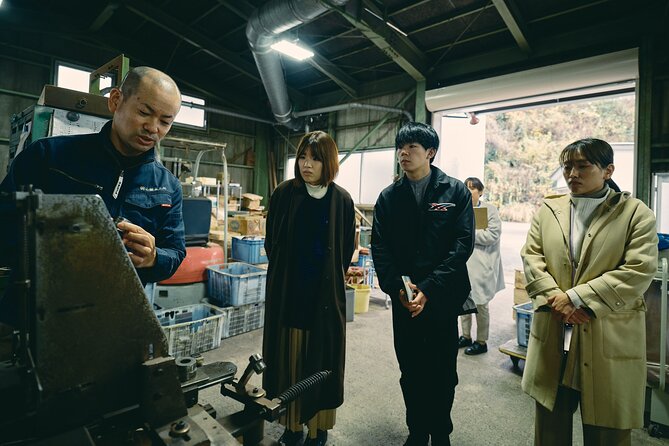
Your first stop is Yamaken Woodworks, a factory devoted to knife handles. This is not just a quick hallway look. You get about one hour here, and the setting is exactly what makes it memorable: a woodworking atmosphere where wood scent and careful handwork are part of what you notice right away.
Handles are where many people first underestimate knife quality, mostly because blades steal the attention. At Yamaken, that balance shifts. You learn how the handle work is intricate, and you get time to speak directly with the craftsmen about how they approach their pieces. That conversation matters because you start asking better questions when you shop later, like how materials and finishing affect grip and long-term feel.
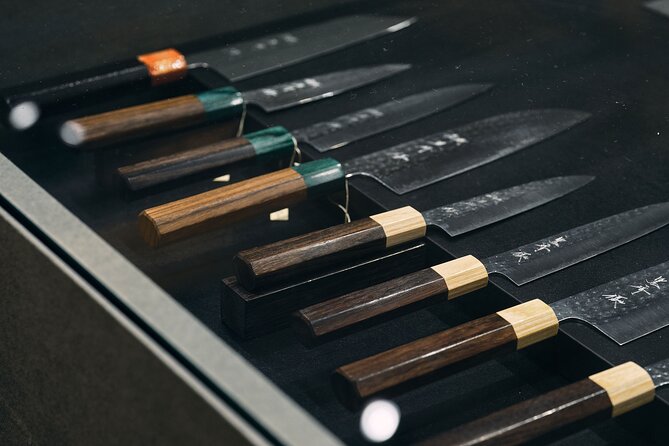
There is also a shop next to the factory. That is a smart addition because it lets you compare what you heard and saw with actual finished handle products. If you love wood textures, this stop alone can be worth the trip, even if you are only casually into knives.
Practical tip for this stop
Give yourself a few extra minutes at the shop to slow down and actually handle the pieces. Handle quality is hard to judge from photos, and seeing the wood in person is one of those small things that makes the tour click.
Ryusen Hamono: blades, blacksmiths, and a hands-on taste
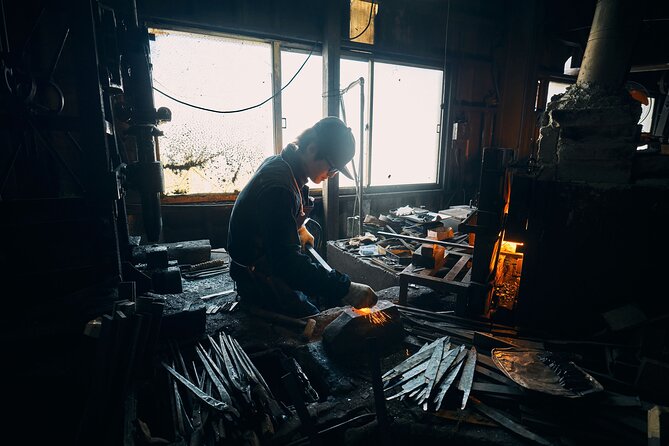
Next comes Ryusen Hamono, about one hour and 10 minutes at a knife factory and store. This part of the tour is where the energy changes from woodworking to metal work, and you get to interact with actual knife-making blacksmiths as they talk about the process.
This is also where you should pay attention to cause and effect. You are seeing how quality gets built during blade making, not just watching someone press a button. Even if you do not know the exact technical terms, you can still learn what matters by following what the craftsmen emphasize: consistent work, careful steps, and attention to how a knife is meant to perform.
And yes, there is an experience component here. The tour data says you get to try part of the knife making process, which is the kind of activity that turns watching into understanding. If you enjoy practical activities, this is the segment that usually makes people feel like they gained something beyond photos.
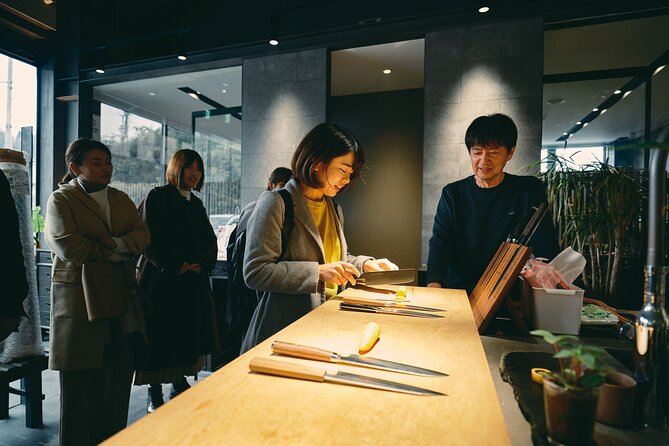
Afterward, the shop time is a good reality check. You can look at the assortment of knives in the store and connect them back to what you saw being done in the factory area. If you are a knife lover, this is when your wishlist tends to start getting more specific.
A few more Japan days to weigh up
- Kyoto Geisha Walking Tour: Gion District & Hidden Gems
★ 4.7 · 3,273 reviews - Tokyo Tsukiji Fish Market Food and Culture Walking Tour
★ 5.0 · 3,184 reviews - Kyoto: Gion Geisha District Walking Tour – Stories of Geisha
★ 4.7 · 2,187 reviews - Night Walk in Gion: Kyoto’s Geisha District
★ 4.5 · 2,003 reviews
What the shop tours do for your buying decisions
Both stops include a shop side, and that is not just for convenience. It helps you translate process into product, which is where a lot of knife shopping goes wrong.
Here is how the shop time can help you:
- You learn what catches your eye for the right reasons. After seeing how handles or blades are made, you can recognize better craftsmanship clues.
- You get a chance to compare finished items in one place. That is easier than trying to hunt across multiple shops later.
- You leave with questions you did not know you had. Talking with craftsmen makes it easier to ask better things when you are looking at knives.
You are not required to buy. But if you are thinking about bringing home an Echizen knife, this tour gives you a stronger base to evaluate what you are looking at.
Price and value: what $163.30 buys you in real terms
At $163.30 per person for about 2 hours 30 minutes, this is not a casual, low-cost activity. But it can be solid value if you care about the craft.
Why it can feel worth it:
- Two factory stops instead of one.
- Direct conversations with craftsmen at both locations, not just a guided walk-through.
- An experience segment where you get to try part of the process.
- Private format so the time is yours, based on the facts given that only your group participates.
The main cost caveat is language. An English guide is not included, and the fee is listed as ¥10,000 per person. If you do not speak Japanese, that extra fee can matter in your final budget. Still, even without an English guide, factory settings often rely on visual cues. Just know that if you want explanations in detail, budgeting for the English option is the safest move.
Timing, meeting point, and getting there in Echizen
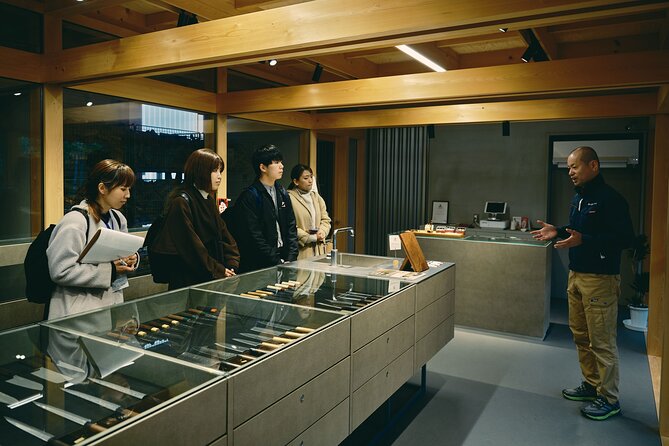
The tour starts at 48-6-1 Ikenokamichō, Echizen, Fukui 915-0873, Japan and ends back at the same meeting point. That round-trip structure is helpful because it reduces the guesswork for where you need to be at the end.
It is also described as near public transportation. That is good news if you prefer trains and short local transit. At the same time, Echizen’s beauty is partly rural, so you may find walking or weather conditions affect how easy it feels.
One helpful planning detail from real-world experience is that a walk from Oshio train station has been done in about 35 minutes through rice fields. That sounds scenic, and it can be a pleasant way to arrive, but also remember that wind can be strong. If you are going to walk, dress for weather shifts and wear shoes that handle uneven ground.
A simple plan that works
- If you want minimal stress, plan to arrive with time to spare.
- If you want to walk part of the way, do it when conditions are calm, and keep it flexible.
Who this tour is best for
This tour is for you if you:
- love knives and want to connect what you buy with how it is made
- enjoy talking with artisans and hearing the practical side of craftsmanship
- want a focused half-day style activity without hopping all over town
It can also be a good fit if you are visiting Fukui but feel like the area outside the main city is where the real interest is. A side trip to Echizen is often the difference between seeing Japan and understanding why a product is respected.
If you are more into big sights than small workshops, you might find this too niche. But if you care about craftsmanship, it is the kind of experience that makes a day feel specific.
Possible drawbacks to think about before you go
Nothing about this tour is difficult, but there are a few considerations worth planning for:
- Language support is extra. English guide costs ¥10,000 per person, and English is not listed as included.
- It requires good weather. The tour data says poor weather can trigger a different date or a full refund.
- It is a private tour with a fixed flow. You are looking at two set stops and an included experience, so it is not built for lots of detours.
Also, because the stops are factories, keep expectations realistic. This is not a themed show with costumes. It is workshop work. The reward is the authenticity.
Should you book the Private Echizen Knife Making Factory and walking Tour?
I recommend booking if you want a serious look at Echizen craftsmanship, especially if you care about handles and blade making and you like meeting the people behind the tools. The combination of Yamaken Woodworks handle detail, Ryusen Hamono blade process, shop time, and a hands-on component gives you more than just a passable tour.
If you are deciding between this and a general sightseeing day, choose this when your goal is to leave with real understanding. If your goal is mostly photos, crowds, and landmarks, you might find this too quiet and specialized.
My final take: if knives are part of your travel interest, this is the kind of experience that turns a nickname for a region into something you can actually picture, and maybe even try with your own hands.
Newly listed around Japan
- Hiroshima and Miyajima 1 Day Walking Tour★ 5.0 · 43 reviews
- Hiroshima and Miyajima 1 Day Cruise Tour★ 5.0 · 24 reviews
- Hiroshima & Miyajima: UNESCO A-Bomb Dome & Itsukushima with Local★ 5.0 · 25 reviews
- Hiroshima & Miyajima: Private Full-Day Tour with a Local Guide★ 5.0 · 39 reviews
- Hiroshima and Miyajima 1 Day Bus Tour★ 4.5 · 145 reviews
- Hiroshima 5k Running Tour of Hijiyama Park★ 5.0 · 7 reviews
- Hiroshima and Miyajima Bus Tour with Indian Lunch★ 5.0 · 10 reviews
- Hiroshima Peace Memorial and Atomic Bomb Dome Private Tour★ 5.0 · 37 reviews
Japanese Craft Workshops, compared.
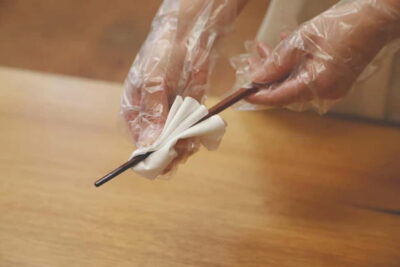
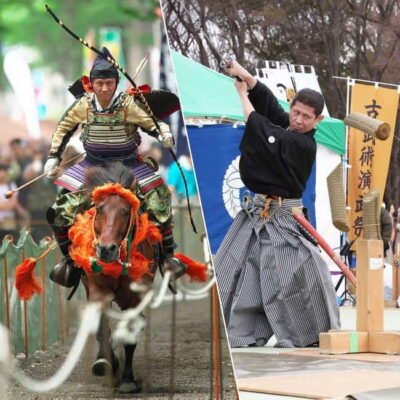
Samurai Sword & Archery Class from Samurai Descendant
Read our review →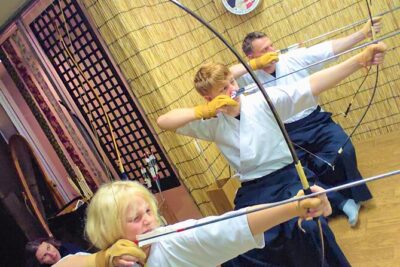
Japanesel Archery Experience HIROSHIMA CASTLE SHARAKU
Read our review →
Authentic knife making experience at a blacksmith in Kyoto
Read our review →
Browse the lists this tour appears in