
Review · RAMEN TASTING TRIPS
Ramen Craftsman Experience in Osaka
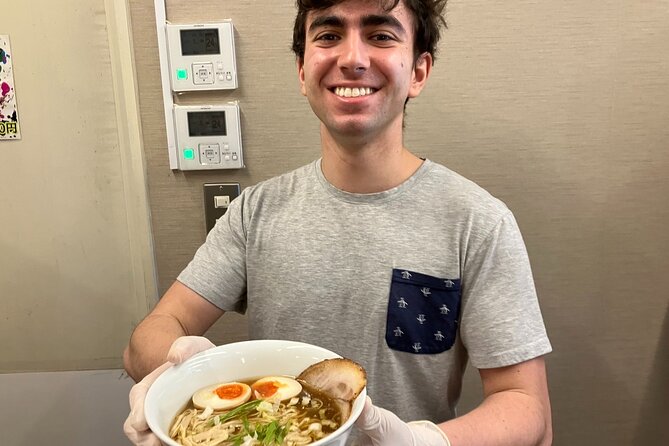
A ramen class in the actual shop kitchen. You rent the cooking space at Menya SHU in Tennoji, then build your own bowl in a class of up to four. I also love that you get to pick one of four ramen styles, plus your toppings, before the cooking gets hands-on.
You’ll get a clear, step-by-step flow. First come the explanations of ingredients and utensils, then you boil noodles, help prepare the soup, plate, and finally eat your ramen in the same place you cooked it.
One consideration: the class uses a gas stove, so it is not suitable for infants.
In This Review
- Key highlights worth planning for
- Menya SHU kitchen time, not a generic food show
- Choosing your ramen style and toppings before the heat starts
- How the workshop flows in about one hour
- 1) Ingredients and utensils explained first
- 2) Noodles get boiled using a gas stove
- 3) Soup is prepared as part of the workshop
- 4) Presentation, then eating
- What you actually do, and how hands-on it feels
- Understanding ramen ingredients without getting lost
- Small group size changes everything
- Price and value for $42.94 per person
- Where and when to meet, and what to bring
- Who this ramen class is best for
- Should you book this ramen workshop in Osaka?
- FAQ
- How long is the Ramen Craftsman Experience?
- How many people can join at once?
- What is included in the price?
- What ramen options can I choose?
- Is transportation included?
- Where is the meeting point?
- Is it suitable for small children?
- How does cancellation work?
Key highlights worth planning for
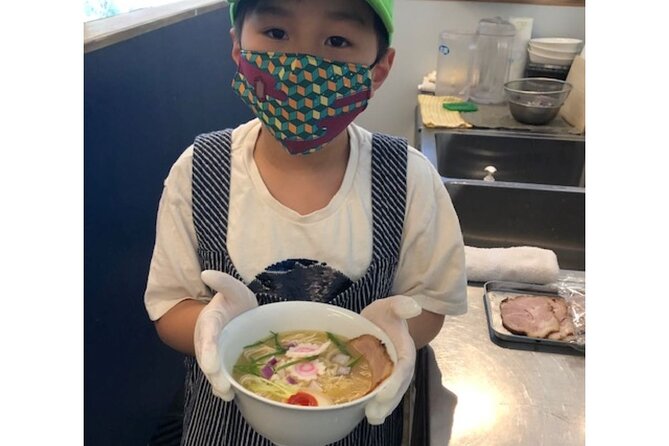
- Small class size (up to four people), with real instruction at the stove
- Choose your ramen style from chicken, clam-based seafood chicken, Chinese soba, or sea bream dashi salt
- You cook in the ramen shop kitchen, not a generic classroom
- Everything is provided, including utensils, aprons, and gloves
- Noodle boiling uses a gas stove, so age and timing matter
Menya SHU kitchen time, not a generic food show
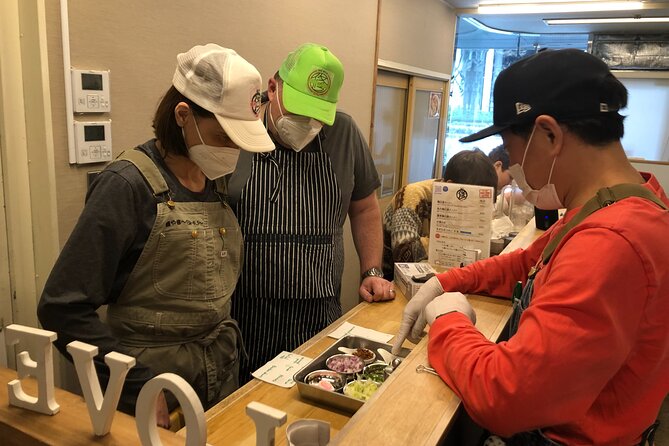
This experience is built around one simple idea: you learn ramen by doing it where ramen actually happens. The workshop rents out the kitchen of Menya SHU, a ramen shop in Osaka’s Tennoji Ward area. That matters because you are not watching someone else work from behind glass.
The session runs about 1 hour, and it is designed for a small maximum of four people at a time. The pace is friendly, but you are still doing real tasks. Expect a short, focused teaching phase, then you move quickly into boiling noodles, portioning, and assembling.
Also, the hosts are part of the charm. Shu, the shop owner, runs the show and is comfortable explaining in English. In some sessions, Amanda is also mentioned as part of the hosting team, which helps keep the room lively and welcoming.
More Ramen Trips in Osaka
- Osaka: Five Must-See Highlights Walking Tour & Ramen Lunch
★ 4.7 · 411 reviews - Osaka: Ramen and Gyoza Cooking Class in Dotonbori
★ 5.0 · 378 reviews - Ramen and Gyoza Cooking Class in Osaka
★ 5.0 · 202 reviews
Choosing your ramen style and toppings before the heat starts
Your decision starts early: you pick one ramen option and you choose toppings. The four ramen styles you can choose from are:
1) Chicken white soup ramen
2) Seafood chicken white soup ramen (clam broth)
3) Chinese soba (soy sauce ramen)
4) Sea bream dashi salt ramen
What I like about these choices is that they cover different flavor directions, not just different toppings. White soup ramen gives you a creamy, mild base that focuses on comfort and balance. The clam broth version adds a briny depth. Chinese soba pushes you toward soy sauce notes and a more straightforward savory profile. Sea bream dashi salt ramen is the kind of option that reminds you ramen can taste clean and delicate, not only heavy.
You will also get help with the toppings selection before cooking. Since the workshop is small, you are not stuck with a random selection you did not ask for. You leave with a bowl that feels personal, not templated.
How the workshop flows in about one hour
The structure is simple, and that simplicity is the whole point. There are no awkward waits, no long lectures, and no scavenger hunt for ingredients.
Here is the order you can expect based on how the kitchen run works:
1) Ingredients and utensils explained first
Before any boiling, you get an explanation of the ramen ingredients and the utensils you will use. This is not just trivia. It helps you understand what you are doing when you do it, whether that is handling noodles or finishing soup.
A different sort of day in Japan:
- Osaka Go Karting Tour with Funny Costume
★ 5.0 · 2,658 reviews - Osaka Castle: Museum and Tower Entry Ticket
★ 4.5 · 2,380 reviews - Osaka: Shinsekai Food Tour with 13-15 Dishes at 5 Eateries
★ 4.8 · 2,204 reviews - Osaka Food Tour: 13 Dishes at 5 Local Eateries
★ 5.0 · 2,149 reviews
2) Noodles get boiled using a gas stove
The cooking stage includes boiling ramen noodles. The use of a gas stove is part of what makes the experience feel real. It also explains the age limits, because the stove is not set up for very young kids.
3) Soup is prepared as part of the workshop
The soup preparation is guided. The shop owner prepares the ramen soup, because making it takes several days. That means you are not spending the whole hour making broth from scratch.
This is a good thing for most people. You still learn how the components work together, but you get to spend your time doing the practical steps that make your bowl.
4) Presentation, then eating
After cooking and assembling, you get to plate and eat what you made. The best part is that you are tasting the result immediately, so everything you just learned lands fast.
What you actually do, and how hands-on it feels
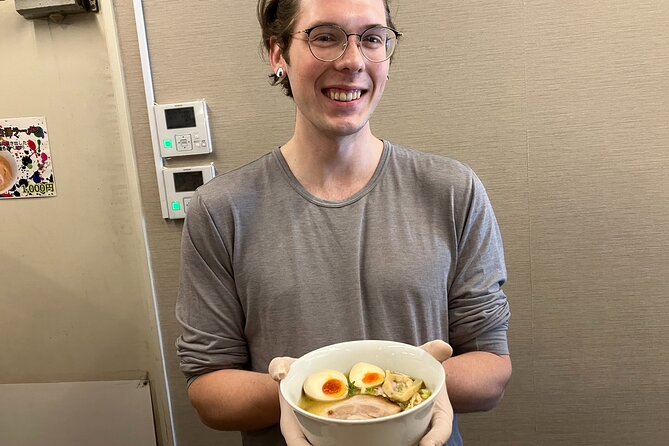
This workshop is hands-on, but it is also realistic. Some components are prepared by the chef ahead of time, so you are not doing every labor-intensive prep step from start to finish. Instead, you experience the steps that matter when ramen comes together.
In the kitchen, you may end up doing tasks like:
- getting involved with noodle handling during boiling
- helping with presentation and assembling your bowl
- doing finishing steps under the chef’s guidance
One of the underrated benefits of this style of class is confidence. You do not need to guess what goes where, and you are not stuck doing a complicated process with shaky instructions. The chef sets the tempo and corrects things quickly so your bowl turns out well.
That shows up in the way people describe the food too. The ramen is repeatedly described as delicious and often as the best they had in Osaka. Whether you are comparing it to fancy restaurants or street stalls, the key is the balance between instruction and execution.
Understanding ramen ingredients without getting lost
Ramen can sound simple until you start asking what gives it flavor. This class tries to make those answers practical.
You get explanations of what different ingredients do before the hot parts begin. That includes how the ramen base is built and how the choice of ramen style changes the flavor direction. If you have only ever eaten ramen, you might be surprised at how much attention goes into the base and the timing.
You also learn why soup takes days. The chef preps the broth because it is time-intensive. That time investment is what you taste in every bowl you make, and it helps you appreciate ramen as craft, not just a quick meal.
If you care about food culture, this is one of the more approachable ways to learn it. You do not need to read a cookbook or memorize Japanese terms. You just follow the steps, understand the purpose, and then eat the outcome.
Small group size changes everything
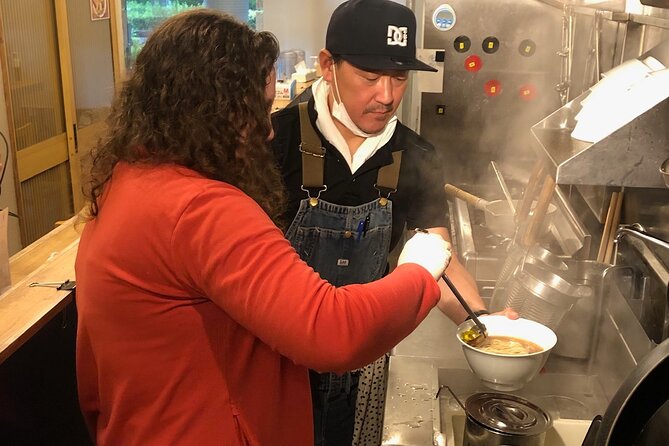
A workshop for up to four people is not a minor detail. It changes how quickly you can get help, and it changes how interactive the class feels.
With a small group:
- you can ask questions without feeling rushed
- you can repeat tasks if needed
- instruction can stay focused on your specific bowl
The small size also means the kitchen stays manageable. Menya SHU is a working ramen shop, so space is part of the experience. A big group would make it feel chaotic, but four people max keeps it workable and comfortable.
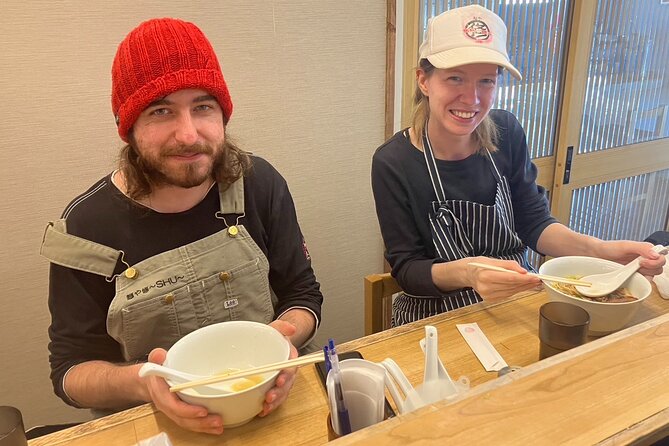
And because the hosts are friendly and energetic, the class does not feel like a strict cooking school. People describe the vibe as personable, with plenty of conversation while learning.
Price and value for $42.94 per person
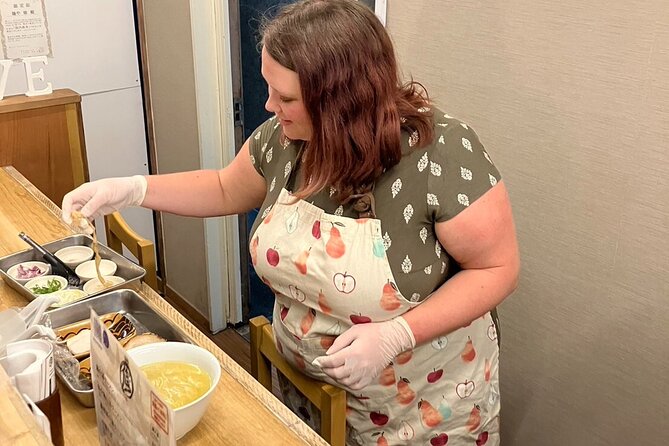
At $42.94 per person for about one hour, you are paying for more than lunch. You are paying for:
- a private rental of the ramen shop kitchen for your group
- hands-on instruction with real access to the cooking process
- provided cooking gear (utensils, aprons, gloves)
- a prepared, high-effort broth that normally takes days to make
Most cooking classes either feel too generic or too expensive because you are mostly watching. Here, you participate, and you get your lunch included. For many visitors, it ends up feeling like good value because the teaching is specific and the result is a bowl you actually made and ate right after.
It also gets booked about 10 days in advance on average, so if your timing matters, don’t wait too long.
Where and when to meet, and what to bring
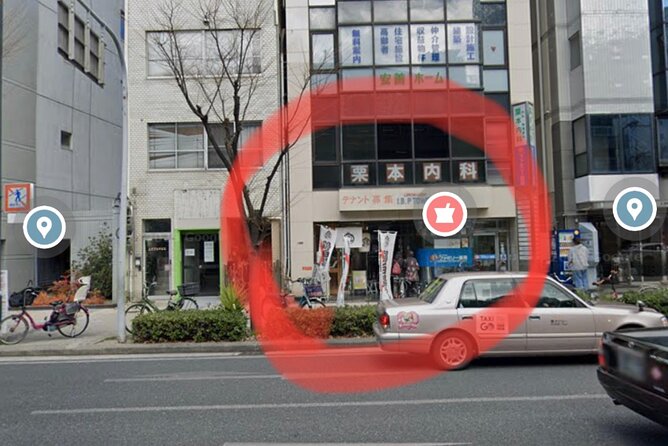
You will meet at 麺や修 ~shu~ 11-7 Higashikōzuchō, Tennoji Ward, Osaka, 543-0021, Japan. The activity ends back at the meeting point. The location is near public transportation, which helps if you are juggling other Osaka plans.
You do not need to bring cooking supplies. Everything you need is provided in the workshop. The main thing you should bring is an appetite and a willingness to follow directions at the stove.
If you are running late, the shop requests you let them know. If you cannot meet within 15 minutes of your reservation start time, the experience can be cancelled because it affects the kitchen schedule.
Who this ramen class is best for
This is a great fit if you:
- love ramen and want to go beyond ordering
- want an Osaka food experience that is not just walking and eating
- prefer small-group instruction and hands-on cooking
- travel with a family member who can safely participate
The experience is not suitable for infants due to the gas stove. Children around 7 years old can participate, based on the age guidance provided.
If you want a quiet, sit-and-watch meal, this may not be your best match. But if you want to cook, learn the logic behind flavor, and then eat a bowl you made, it fits well.
Should you book this ramen workshop in Osaka?
I think this is worth booking if you want something practical, personal, and Osaka-specific. The small group size, the choice of ramen style, and the fact that you cook in the real shop kitchen make it feel like more than a standard food class.
The biggest thing to keep in mind is the stove and the age limits. If everyone in your party can safely participate, you are likely to enjoy the hands-on steps and walk away with a deeper understanding of ramen bases and toppings.
If you want a ramen experience that is both fun and instructional, and you like the idea of choosing your bowl first, then making it immediately after, Menya SHU’s Ramen Craftsman experience is a strong pick for your Osaka list.
FAQ
How long is the Ramen Craftsman Experience?
It lasts about 1 hour.
How many people can join at once?
The experience has a maximum of 4 travelers per session.
What is included in the price?
Lunch is included, along with cooking utensils, aprons, and gloves.
What ramen options can I choose?
You can choose one of these: Chicken white soup ramen, Seafood chicken white soup ramen (clam broth), Chinese soba (soy sauce ramen), or Sea bream dashi salt ramen. You also choose your toppings.
Is transportation included?
No, private transportation is not included.
Where is the meeting point?
Meet at 麺や修 ~shu~ 11-7 Higashikōzuchō, Tennoji Ward, Osaka, 543-0021, Japan.
Is it suitable for small children?
It is not suitable for infants because the class uses a gas stove. It can be enjoyed by children around 7 years old.
How does cancellation work?
Free cancellation is available up to 24 hours in advance for a full refund. If you cancel within 24 hours of the start time, the amount paid is not refunded.
Newly listed around Osaka
- Traditional Japanese Music show & Experience Tour in Osaka★ 5.0 · 25 reviews
- Meet Locals experience Fun Chat Drink Osaka International Party★ 5.0 · 61 reviews
- Sushi and Japnese foods cooking class in Osaka★ 5.0 · 51 reviews
- Sharpen Japanese Knives in Osaka★ 5.0 · 10 reviews
- Sushi Class in Osaka Dotonbori★ 5.0 · 37 reviews
- Kyoto Day Trip from Osaka Port – Private Shore Excursion★ 5.0 · 13 reviews
- Guided Photography Tour in Osaka: Capturing Memories★ 4.5 · 20 reviews
- Nara, Todaiji Temple & Kuroshio Market Day BUS Tour from Osaka★ 3.5 · 18 reviews
Ramen Tasting Trips, compared.

Ramen Cooking Class at Ramen Factory in Kyoto
Read our review →
Eat and Drink Like a Local: Tokyo Ueno Food Tour-Taverns&Ramen
Read our review →
Ramen & Gyoza Cooking Class in Tokyo with Local Supermarket Visit
Read our review →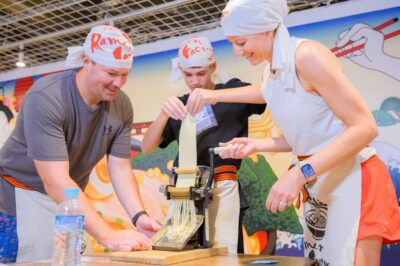
Ramen Cooking Class at a Ramen Factory with Souvenir
Read our review →
Mount Fuji and Hakone Full Day Tour with Ramen Making
Read our review →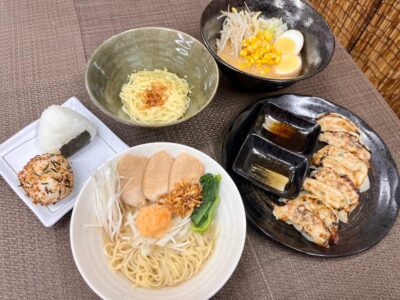


Five Must-See Highlights Walking Tour & Ramen Lunch
Read our review →Browse the lists this tour appears in