
Review · SUSHI COOKING WORKSHOPS
SUSHI Making Experience at Restaurant
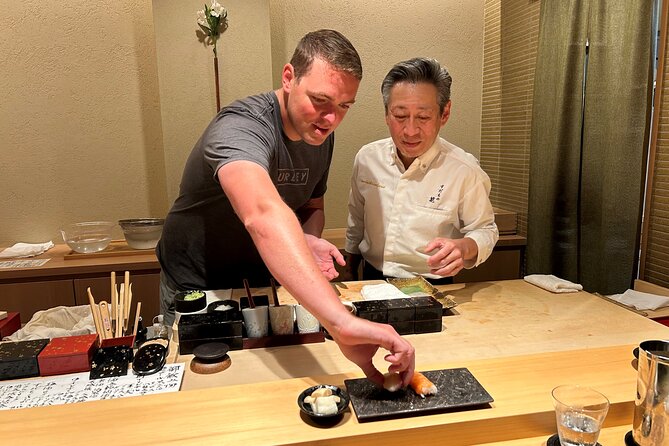
Sushi starts with rice, not guesses. In Osaka, you can learn the process from Chef Shinichi Kono, a sushi teacher with 30+ years, in a calm, real-restaurant setting where you roll up your sleeves.
What I like most is the one-on-one coaching feel, and the way the chef and team help even beginners get results. One thing to consider: it is aimed at people who can follow steps and work with knives safely, so it may not be the best fit for very young kids.
In This Review
- Key Points at a Glance
- Osaka Sushi Class With Chef Shinichi Kono in a Real Restaurant Setting
- The 2-Hour Flow, From Prep to Eating What You Made
- Nigiri, Hand-Rolled Sushi, and the Skills You Actually Use
- Tools, Ingredients, and Why the Restaurant Setting Is Part of the Lesson
- Personalized Menus, Translation Help, and the One-on-One Feel
- Lunch-Time Logistics in Osaka, Including Where to Meet
- What You Eat Beyond Your Sushi, and How to Prepare Your Appetite
- Price and Value in Osaka Sushi Instruction
- Who This Class Fits Best (Beginners, Foodies, and Kids 11+)
- Should You Book This Sushi Making Experience?
- FAQ
- What is the minimum age to join this sushi class?
- How long is the experience, and what time does it start?
- Is this experience private or shared with other groups?
- Where is the meeting point, and do I return there after the class?
- If I have allergies or dislikes, should I tell the organizers in advance?
- Can I get a refund if I cancel?
Key Points at a Glance
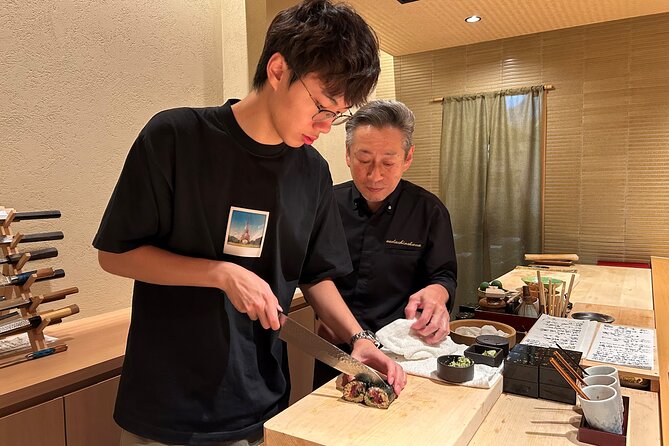
- Chef Shinichi Kono’s 30+ years of hands-on guidance, step by step
- Private group setup, so the pace can stay personal
- You make and eat nigiri, hand-rolled sushi, and other bites right after learning
- High-quality tools and ingredients used in a real sushi restaurant
- A practical lunch-time class that starts at 12:00 pm and runs about 2 hours
Osaka Sushi Class With Chef Shinichi Kono in a Real Restaurant Setting
This is the kind of class that feels like you are stepping into the back room of a working sushi shop, not an assembly-line cooking demo. The big draw is the instructor, Shinichi Kono, who has been a sushi chef for over 30 years and teaches the process carefully. You learn in Japanese calm, using proper restaurant tools, ingredients, and technique, not simplified props.
What I like is the class approach: you are not just watching. You are making sushi yourself, with an emphasis on doing it correctly and understanding why each step matters. I also like that the setup is designed for real eating right after you learn, so the food is part of the lesson, not an optional bonus.
If you are expecting something like a quick sightseeing activity, adjust your expectations. This is a focused cooking session that rewards attention and patience, and it has a minimum age of 11.
More Sushi Workshops in Osaka
- Sushi Making Osaka! Popular Sushi Class in Japan!
★ 5.0 · 500 reviews - Osaka Sushi Making Experience
★ 5.0 · 400 reviews - Osaka: Roll and Authentic Sushi Making Class in Dotonbori
★ 4.9 · 239 reviews
The 2-Hour Flow, From Prep to Eating What You Made
The session runs about 2 hours, starting at 12:00 pm, and it ends back at the meeting point. That timing is smart in Osaka. You get a real meal experience built into the class, without needing to stack another reservation afterward.
One detail that matters for the whole experience: the chef prepares key elements in advance. In particular, the sushi rice and fish cuts are handled ahead of time, so you can jump into shaping and rolling without waiting around. That keeps energy high and makes the two-hour window feel efficient.
Here is how the rhythm typically works:
- You get instruction on how to build sushi properly, starting with rice handling and then moving to pieces and rolls.
- You practice the steps yourself, while the chef watches closely.
- When your set is done, you eat what you made, so you can taste the results of the technique you learned.
That structure is a big part of the value. You get the satisfaction of producing edible sushi, not just tasting a few bites while the instructor does most of the work.
Nigiri, Hand-Rolled Sushi, and the Skills You Actually Use
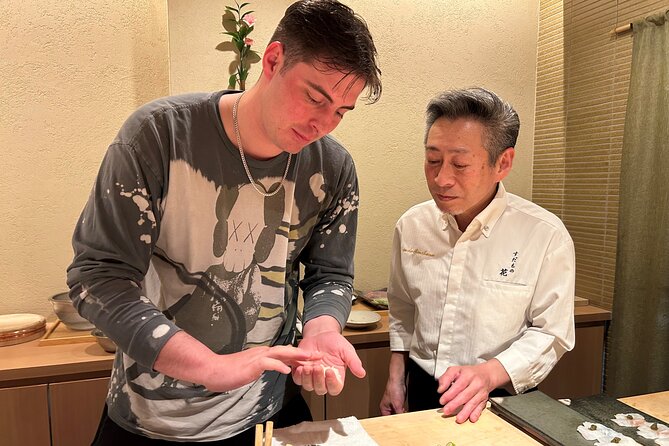
Sushi making sounds simple until you touch the rice. The technique is the lesson, and this class leans into that reality. You learn how to form nigiri and how to make sushi rolls, with the chef guiding your hands so you do not fight the food.
The class also includes hand-rolled sushi, which is a staple you will see again and again in Japan. That is useful because it teaches the logic of rolling and shaping, not just one presentation style. If you want to order sushi confidently later, this kind of practice helps you understand what makes each piece feel right.
From the experience details, you can expect to learn more than just plain nigiri:
- Nigiri (hand-formed pieces)
- Sushi rolls (roll work and assembly)
- Japanese egg rolls, which are a common part of many sushi meals
The reason this matters is practical. When you learn multiple formats, you stop thinking of sushi as one thing. You start seeing it as rice technique plus fish and fillings, plus shaping and timing.
Beginners are welcome, and that comes through in how the class is taught. The chef carefully instructs, and the teaching style is designed for people who are new. If you are nervous about cooking, this is the kind of class where nerves can turn into quick wins.
Tools, Ingredients, and Why the Restaurant Setting Is Part of the Lesson
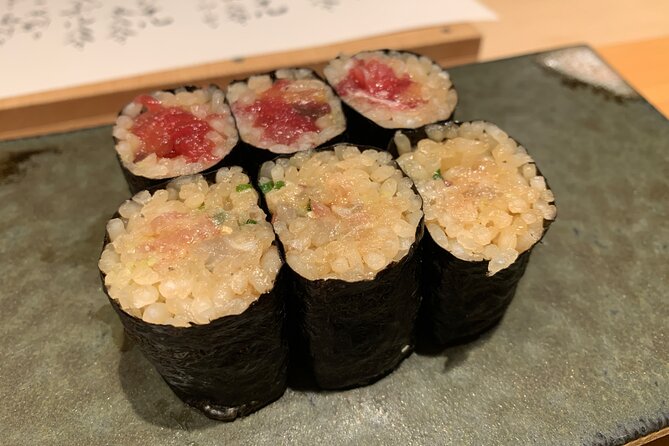
This class is held in a sushi restaurant, so you are using tools and ingredients that match what you would see at a real counter. That is not just nicer for photos. It changes how your practice feels.
High-quality knives and proper equipment mean you can focus on technique, not on struggling with cheap tools. And because the ingredients are treated as restaurant-grade, the results are more predictable. Sushi is sensitive, and quality ingredients help you get a clean taste and better texture.
The atmosphere is also part of the experience. The instruction happens in a calm, Japanese space, which makes it easier to learn step by step. You are not juggling distractions the way you might in a busy workshop room. The setting encourages good attention, which makes the two hours go farther.
And yes, you end up eating well. After the class, you enjoy the sushi you made yourself. That is the point where learning clicks, because you taste your technique while it is still fresh.
A different sort of day in Japan:
- Osaka Go Karting Tour with Funny Costume
★ 5.0 · 2,658 reviews - Osaka Castle: Museum and Tower Entry Ticket
★ 4.5 · 2,380 reviews - Osaka: Shinsekai Food Tour with 13-15 Dishes at 5 Eateries
★ 4.8 · 2,204 reviews - Osaka Food Tour: 13 Dishes at 5 Local Eateries
★ 5.0 · 2,149 reviews
Personalized Menus, Translation Help, and the One-on-One Feel
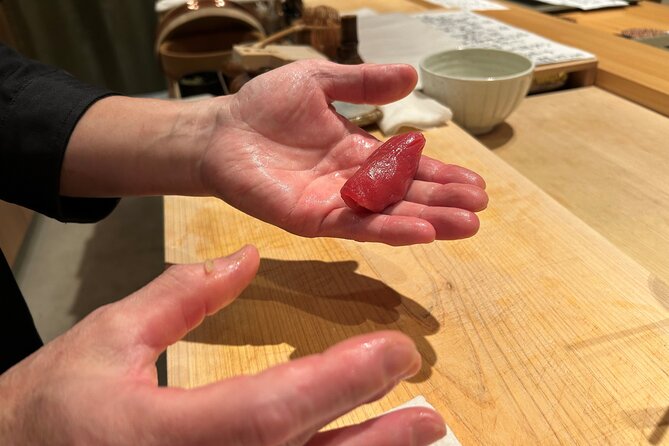
A standout theme from the experience is how personal it feels. The chef and instructor do not treat it like a scripted group performance. One review highlights that the chef created personalized menus, which is a thoughtful touch. Even if you are unsure what to expect, personalization is a sign you are being treated as an actual student in a working kitchen culture.
There is also mention of translation and clear explanation from the additional instructor. If you are new to sushi technique, you will appreciate that the steps are broken down in a way you can follow. Cooking classes can get lost in language. Here, the guidance is designed so you can understand what you are doing and why.
The one-on-one approach is a major advantage, especially for beginners. When you can ask a question and get feedback, you fix small errors faster. That helps you actually enjoy the process, instead of feeling stuck.
Lunch-Time Logistics in Osaka, Including Where to Meet
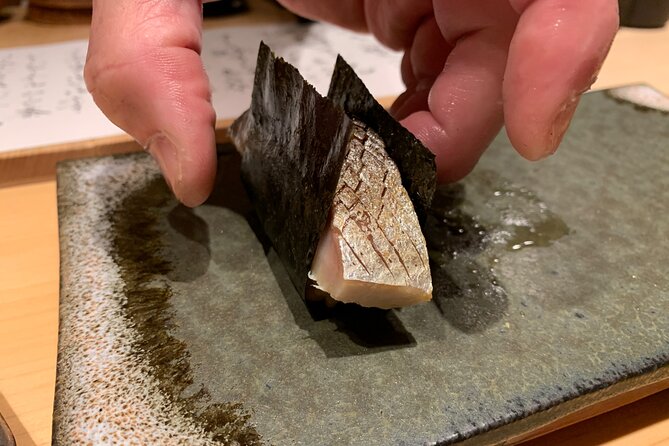
This class starts at 12:00 pm and runs about 2 hours. You meet at:
エミネンスMATOBA (Eminence MATOBa), 1-chōme−23−1 Uemachi, Chuo Ward, Osaka 〒540-0005
The meeting point matters because the restaurant is not right in the Osaka Castle tourist core. One review notes it is about two miles away from Osaka Castle and suggests using an Uber from the train station to save walking. That advice is worth taking seriously if your feet are already tired.
The location is near public transportation too, so you are not forced into rideshare. Still, if you want an easier landing, plan for a short taxi or rideshare segment.
You also get a mobile ticket, which makes day-of check-in simpler. Keep your phone charged and ready, so you are not scrambling at the last moment.
What You Eat Beyond Your Sushi, and How to Prepare Your Appetite
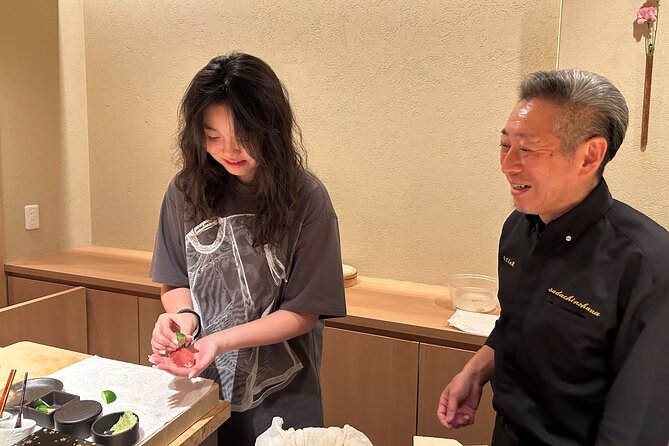
This class is not only about making sushi. You also get a full meal experience tied to what you learned. Reviews mention additional items such as soup, sashimi, mochi, and even ramen and sweets. If you like getting a range of flavors in one sitting, this is a good sign.
The food schedule is also why I recommend arriving hungry. One participant advice was to come with an empty stomach because you start eating right away. Even if you do not go full empty-stomach, eat lightly beforehand. Then you can enjoy the class output without worrying about being too full too early.
It is also smart to think about allergies before you go. The class asks you to let them know in advance if you have allergies or dislikes. That is not just courtesy. It helps the kitchen plan what you will make and eat.
Price and Value in Osaka Sushi Instruction
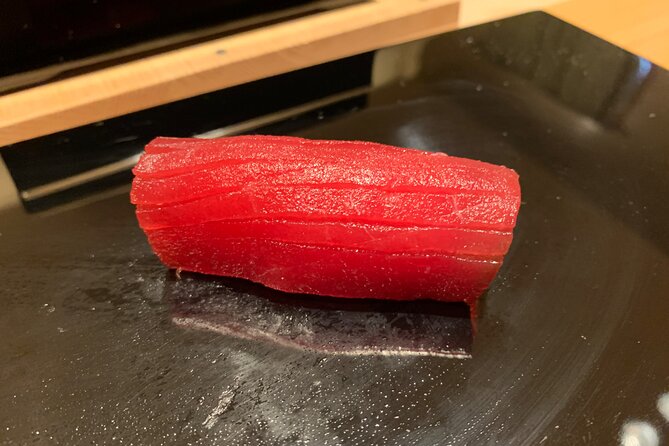
At $195.46 per person, this is not a budget class. But it is not overpriced in the way some tourist cooking demos can be either. Here is where the value comes from, based on what is included and how it is taught:
- You are learning from a sushi chef with 30+ years experience, in a working restaurant environment.
- The format is private and focused on your group, which usually means more attention and better pacing.
- You use high-quality tools and ingredients, and you make multiple sushi items.
- You eat what you make, plus additional meal items.
For many people, that combination is the difference between a fun activity and an actual skill-building experience. If you want to learn techniques you can use later when ordering sushi, paying for real instruction makes sense.
When to book is another value factor. This class averages about 33 days in advance bookings, so it can fill up. If you are traveling during a busy season, lock it in sooner rather than later.
Who This Class Fits Best (Beginners, Foodies, and Kids 11+)
This is a good match if you are:
- A beginner who wants step-by-step help
- A sushi fan who wants technique, not just a taste
- Someone who enjoys learning by doing, at a real counter with real tools
- Traveling as a group and wants a private experience rather than a crowded class
There is also a clear age requirement. Children must be 11 years old or older to participate. That makes it easier to keep the pace safe and manageable for cooking steps that involve careful handling.
If you are the type of traveler who likes quiet, focused activities, this class fits. It is not built around large crowds. It is built around calm instruction and the satisfaction of making sushi pieces you can actually eat.
Should You Book This Sushi Making Experience?
I think you should book it if you want a real sushi lesson in Osaka, taught by Chef Shinichi Kono, and you care about technique. The one-on-one feel, plus the fact that you make nigiri and hand-rolled sushi and then eat what you made, is a strong package for the price.
Do not book it if you want something casual, fast, or sightseeing-first. This is cooking with steps, and it works best when you show up ready to learn and snack and eat in the end.
If you can handle a careful class pace, tell them about allergies or dislikes early, and plan to arrive at the 12:00 pm start time well prepared, you will likely leave with a better understanding of sushi than you would from ordering alone.
FAQ
What is the minimum age to join this sushi class?
Children must be 11 years old or older to participate.
How long is the experience, and what time does it start?
The class lasts about 2 hours and starts at 12:00 pm.
Is this experience private or shared with other groups?
This is a private experience. Only your group participates.
Where is the meeting point, and do I return there after the class?
You meet at the address in Osaka Chuo Ward, Uemachi, at エミネンスMATOBA (Eminence MATOBa), and the activity ends back at the same meeting point.
If I have allergies or dislikes, should I tell the organizers in advance?
Yes. If you have any food allergies or dislikes, you should let them know in advance.
Can I get a refund if I cancel?
Yes. You can cancel for a full refund if you cancel up to 24 hours in advance of the start time. If you cancel less than 24 hours before, the amount paid will not be refunded.
More Dining Experiences in Osaka
- Deep Backstreet Osaka Tours (Option to add Dinner)
★ 5.0 · 1,290 reviews - Osaka: Deep Backstreets Walking Tour with Dinner Option
★ 4.9 · 902 reviews - Osaka Umeda: PICCADILLY DINNER SHOW & NIGHTCLUB with Tasting
★ 4.8 · 49 reviews - Osaka: LGBTQ+ Tour with Dinner and Drinks
★ 5.0 · 8 reviews
Newly listed around Osaka
- Traditional Japanese Music show & Experience Tour in Osaka★ 5.0 · 25 reviews
- Meet Locals experience Fun Chat Drink Osaka International Party★ 5.0 · 61 reviews
- Sushi and Japnese foods cooking class in Osaka★ 5.0 · 51 reviews
- Sharpen Japanese Knives in Osaka★ 5.0 · 10 reviews
- Sushi Class in Osaka Dotonbori★ 5.0 · 37 reviews
- Kyoto Day Trip from Osaka Port – Private Shore Excursion★ 5.0 · 13 reviews
- Guided Photography Tour in Osaka: Capturing Memories★ 4.5 · 20 reviews
- Nara, Todaiji Temple & Kuroshio Market Day BUS Tour from Osaka★ 3.5 · 18 reviews
Sushi Cooking Workshops, compared.
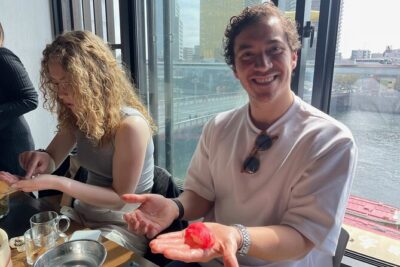
Sushi Making Tokyo Roll and Authentic Japanese Sushi Class
Read our review →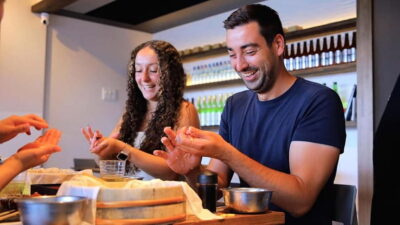
Roll and Authentic Sushi Making Class in Asakusa
Read our review →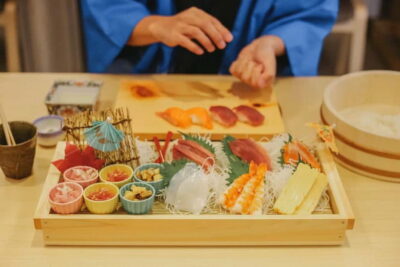
Sushi Making Class in a Happi Coat near a Famous Spot
Read our review →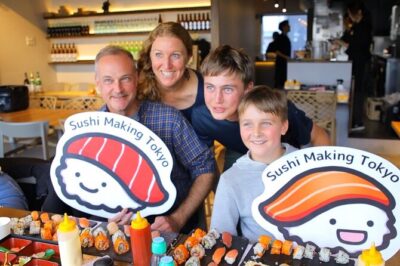
Sushi Making Tokyo! Popular Maki Sushi & Japanese Sushi(+Recipe!)
Read our review →
Tokyo Sushi Making Class in Tsukiji with Professional Chef
Read our review →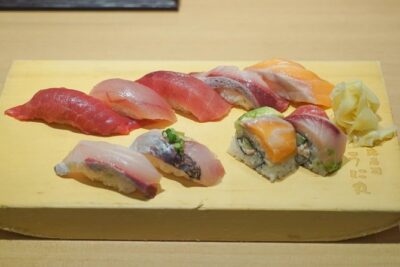
Tokyo Night Foodie Tour in Shinjuku – Seasonal Sushi, Wagyu Beef
Read our review →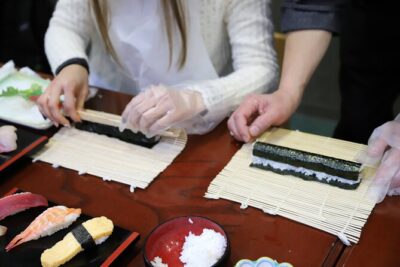
Tsukiji Fish Market Guided Tour and Sushi Making with Pro Chef
Read our review →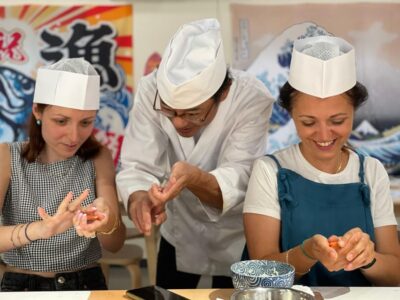
Tsukiji Fish Market Sushi Making Class with Pro Chef
Read our review →Browse the lists this tour appears in