
Review · HISTORICAL TOURS
Tokyo: 2-Hour Asakusa Food Hunt & Cultural Tour
Sushi in Asakusa can teach you manners. I love the mix of standing sushi and family-run bites in parts of Asakusa most people skip, and I also like how you practice Japanese eating style as you go. One catch: this is a 150-minute sprint, so if you want a slow, sit-and-stroll pace, you may feel rushed.
This tour works because the guide keeps it human and flexible. You might meet guides like Max, Shino, Chi, or Leigh, and their common thread is clear English, lots of practical explanations, and patience for different ages and needs (including hot-day breaks and plenty of water checks).
You will walk about 1 to 2 kilometers and cover several stops, with full lunch-size local food tastings and no guesswork on where to go next. It starts at the Hinatomaru Kaminarimon area and ends at a culture anchor, Sensoji Temple, so the food makes sense, not just calories.
In This Review
- Key highlights I’d circle before you book
- Asakusa after the crowds: why this tour feels different
- The 150 minutes plan: what you do from start to finish
- Start point near Hinatomaru Kaminarimon
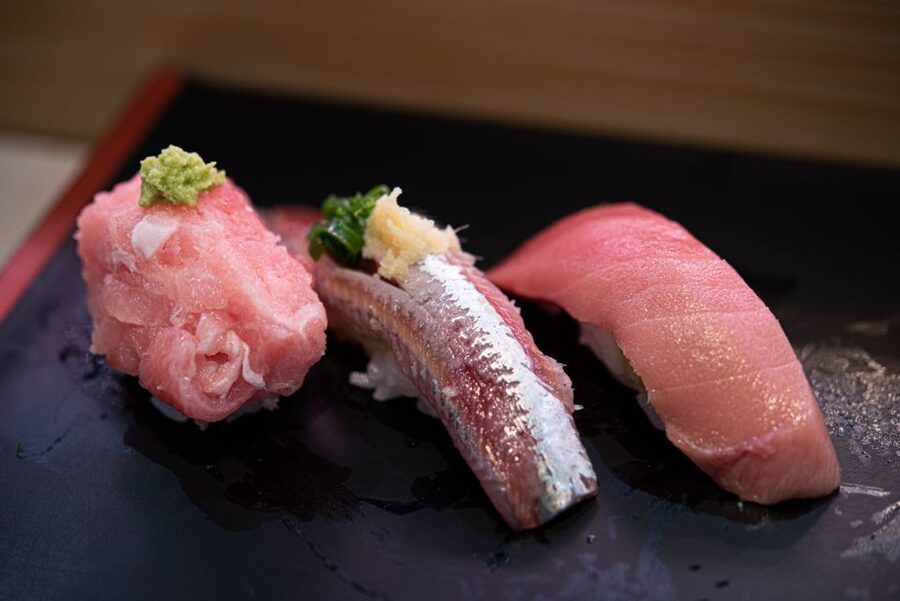
- Stop 1: Standing sushi from a fish dealer owned restaurant
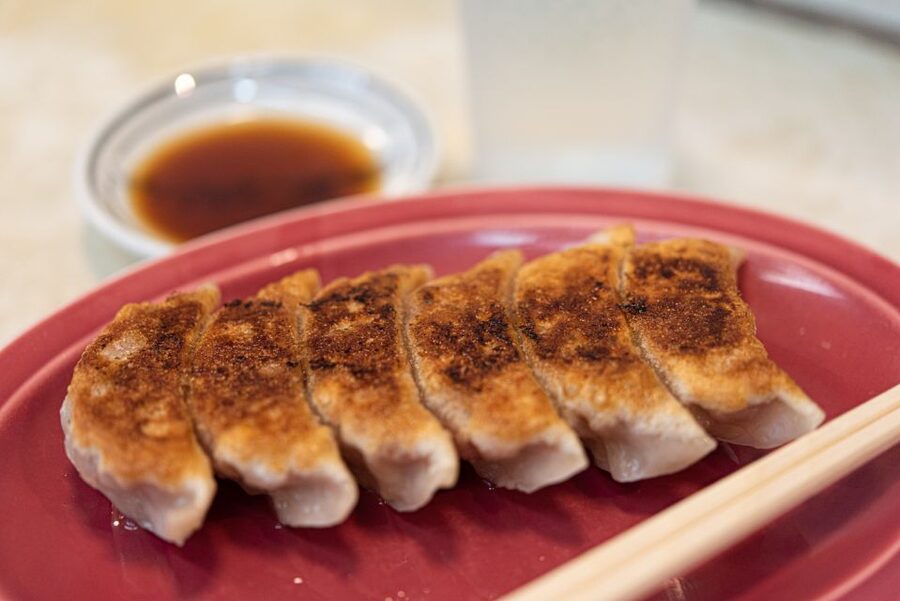
- Stop 2 and 3: Soba and gyoza at a family-run spot
- Stop 4: Handmade rice crackers from a 100-plus-year history store
- Stop 5: Japanese snack culture with a story behind it
- Finale: Sensoji Temple and Japanese culture context
- What makes the guide approach so important
- Value check: is $76 worth it?
- Who this tour suits best
- Quick practical tips so you enjoy it more
- Should you book this Asakusa food hunt?
- FAQ
- How long is the tour?
- Where do I meet the guide?
- How much walking is involved?
- What language is the tour guide?
- How big is the group?
- What is included in the price?
- What is not included?
- What should I wear?
- Can I cancel for a refund?
- Is there a pay later option?
Key highlights I’d circle before you book
- Small group of up to 6 means more questions and less queueing time waiting for the group
- Standing sushi at a fish dealer owned spot gives you a smart, local way to approach sushi
- Fresh soba plus gyoza at a local-only kind of restaurant keeps the meal mix real, not touristy
- Long-running snack stops include handmade rice crackers and Japanese snacks with decades of backstory
- Sensoji Temple context during the same outing ties the streets to the bigger cultural picture
Asakusa after the crowds: why this tour feels different
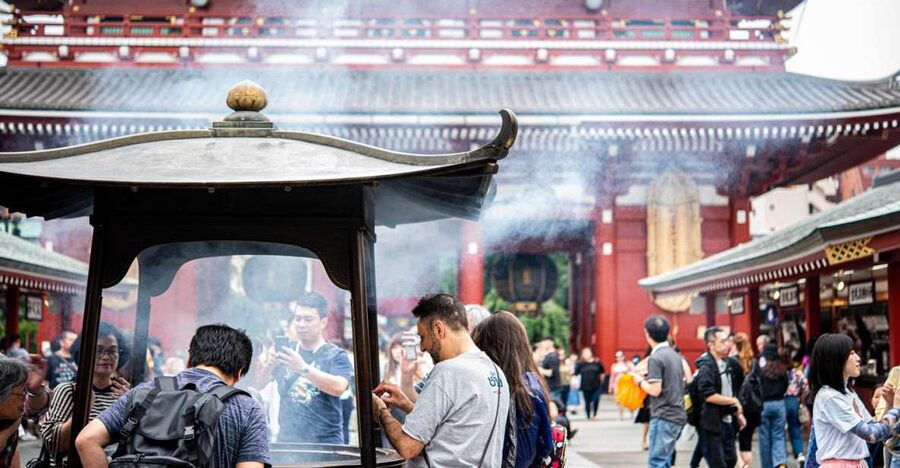
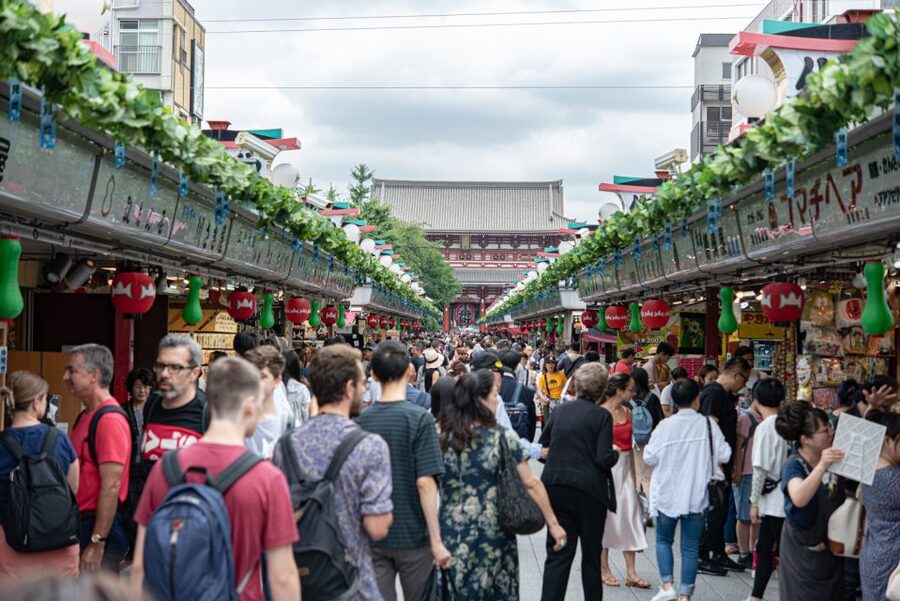
Asakusa is famous for its temple, and that means it can get packed. This tour helps you experience the area beyond the postcard route. You start near Hinatomaru Kaminarimon in Taito City and then move into the surrounding neighborhoods where you actually see everyday Tokyo life, including family-run counters and small restaurants that do not rely on tour groups.
The big win is that the food choices are not random. The itinerary is built like a guided meal, not a checklist. You will eat enough to qualify as lunch, and you will learn how to approach ordering and eating the way people around you do it.
The walking is modest, about 1 to 2 kilometers total. That is very doable for most visitors, but you still need comfortable shoes because you will stand and walk between stops. This is also why the tour timing matters.
More Food Tours in Tokyo
- Tokyo: Shinjuku Food Tour (13 Dishes at 4 Local Eateries)
★ 5.0 · 6,603 reviews - Tokyo Tsukiji Fish Market Food and Culture Walking Tour
★ 5.0 · 3,184 reviews - Tokyo: Shinjuku Food Tour (15 Dishes and 4 Eateries)
★ 4.9 · 2,033 reviews
The 150 minutes plan: what you do from start to finish
The tour runs from 11:30 to 14:00, about 150 minutes total. It is a tight block, which is good if you want to see and taste a lot without losing your whole day. It is not so great if you are hoping for long museum-style pacing.
Start point near Hinatomaru Kaminarimon
You meet at Hinatomaru Kaminarimon, 1 Chome-20-3 Asakusa, Taito City, Tokyo. This location is handy because it puts you in the Asakusa action quickly. From here, your guide shepherds you into side streets and shorter blocks that you might not naturally find on your own.
Tip for you: arrive a touch early so you can settle in and start with an unhurried mindset. When you start early, the rest of the tour tends to feel smoother too.
Stop 1: Standing sushi from a fish dealer owned restaurant
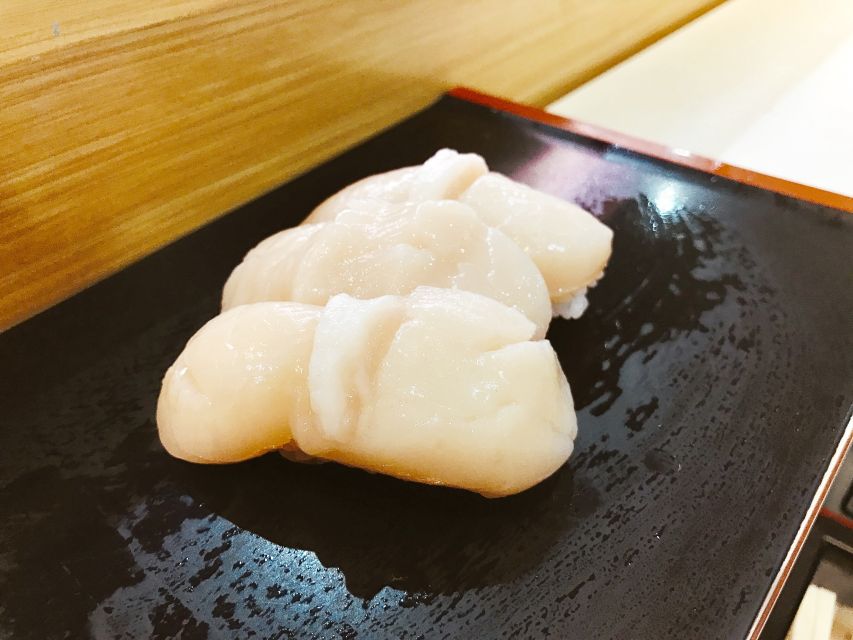
The tour begins with sushi at a standing counter. The restaurant is owned by a fish dealer, and that matters. It signals fresh seafood and practical know-how, not just a dining room made for photos.
You will learn how to eat sushi and taste fresh seafood you might not have tried before. One subtle point here is that sushi has a time-and-place history in Japan. Your guide explains how sushi used to function more like quick food, and how the etiquette has evolved into something more intentional. Even if you think you already know sushi, this part can still sharpen your instincts and help you read what the counter culture expects from you.
Practical note: since it is standing-style, wear shoes that feel stable. You will eat standing, then move on.
More History Tours in Tokyo
- Tokyo: Imperial Palace Japanese History Walking Tour
★ 4.9 · 987 reviews - Tokyo: Shinjuku Historical Walking Tour & Secret Backstreets
★ 5.0 · 530 reviews - Yanaka Walking Tour: Historic and Traditional District of Tokyo
★ 5.0 · 530 reviews - Mt. Fuji Heritage Tour: Traditional Villages, Lakes & Shrine
★ 4.5 · 509 reviews
Stop 2 and 3: Soba and gyoza at a family-run spot
Next comes soba at a family-owned restaurant where locals go. You get fresh soba plus gyoza, which is a nice balance because it mixes carbs and comfort with a crunchy, savory snack feel.
This stop is valuable for two reasons. First, it gives you a hot, filling counterpoint to sushi. Second, it teaches you how Japanese meals often work as a sequence of small experiences, not one big course. In other words, you taste different textures and flavors instead of repeating the same thing at every stop.
If you have dietary questions, this is the moment to ask. The tour data does not list specific restrictions, so you should plan to talk directly with your guide about what works for you.
Stop 4: Handmade rice crackers from a 100-plus-year history store
Then you shift into something snacky and very Tokyo: handmade rice crackers. The shop has over 100 years of history, and that long timeline is part of the appeal. These are the kinds of products people buy because they know the taste, not because they are trendy today.
Why this matters on a food tour: crackers are easy to sample and share, and they make a good bridge between hot food stops and the final temple visit.
Stop 5: Japanese snack culture with a story behind it
After the crackers, you try Japanese snacks that started as a food stand about 50 years ago in Tokyo. This is where the tour gets more than flavor. You learn how snack culture can begin simple, then grow into something people associate with everyday comfort.
It is also a fun stop for you if you enjoy learning how food habits develop. You leave understanding a little more about why certain snacks became staples.
Finale: Sensoji Temple and Japanese culture context
The tour ends with a visit to Sensoji Temple, one of Tokyo’s largest and most important temples. This part is not just sightseeing. Your guide frames what you are seeing in terms of Japanese culture and history.
This makes the tour more rewarding than grabbing a quick temple photo and leaving. You connect the streets you just walked with the meaning of the place you are now standing in front of.
What makes the guide approach so important
The itinerary is well mapped, but the guide is the difference between a food walk and a cultural food lesson.
From the way the tour is described, the guide does three things consistently:
- Explains eating style, so you know how to participate instead of watching
- Keeps the food sequence logical, so each stop builds on the last
- Adapts for real-life needs, including hot weather comfort
In past groups, guides have made sure there are breaks out of the sun and plenty of fluids when the day runs hot. That kind of practical care matters more than you might expect. When you are walking and standing at counters, comfort keeps your energy up, and you actually taste more.
Also, the group is small, limited to 6 participants. That size makes it easier to ask questions in English and get answers in time to affect how you eat next.
Value check: is $76 worth it?
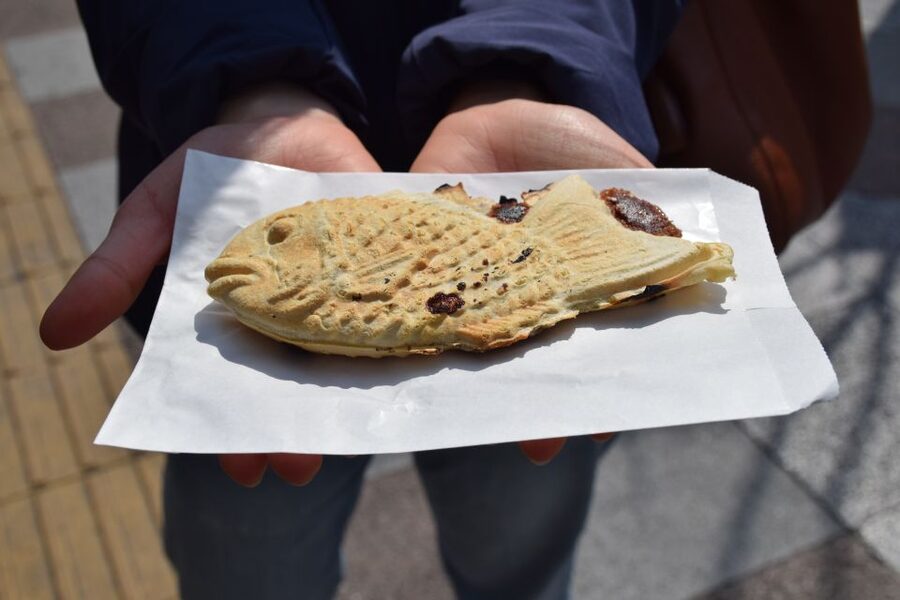
At $76 per person, you are paying for a short, guided, multi-stop lunch experience. Included in the price are full lunch-size local food tastings plus the guide fee. Transportation is not included.
Is it “worth it”? For me, the value comes from three places:
- You are getting multiple food stops in one go, which is harder and slower to stitch together on your own.
- You get local context, especially around sushi and Japanese eating style. That turns food into something you remember, not just something you finish.
- You are working with a small group. With more people, you tend to spend more time waiting. With a group cap of 6, you spend more time eating.
If you love food but you also like to understand what you are eating, this price is easier to justify. If you are only chasing a single meal and you do not care about culture explanations, you might find alternatives. But if you want a guided Asakusa sampler with structure, $76 is reasonable.
Who this tour suits best
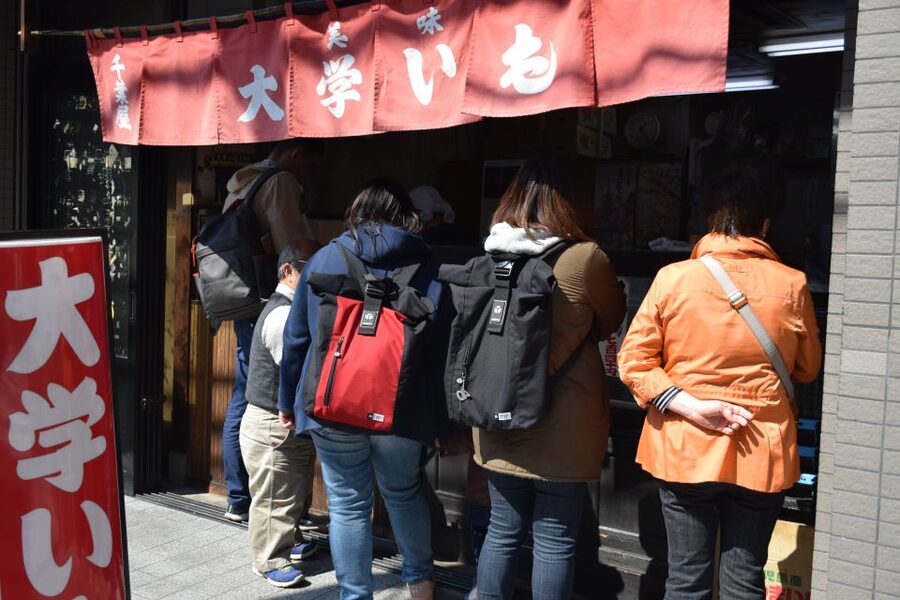
This experience is a strong fit if you:
- Want to eat in non-touristy parts of Asakusa
- Enjoy sushi, soba, and snack culture, and you want variety in one sitting
- Like small group tours and clear English explanations
- Appreciate learning how to eat like a local, not just where to eat
It may be less ideal if:
- You need step-by-step, slow pacing and lots of downtime
- You have very limited mobility and cannot handle standing at counters
- You are traveling at a time when you want zero walking. This tour is still a short walk, but it is built around moving between stops
Quick practical tips so you enjoy it more
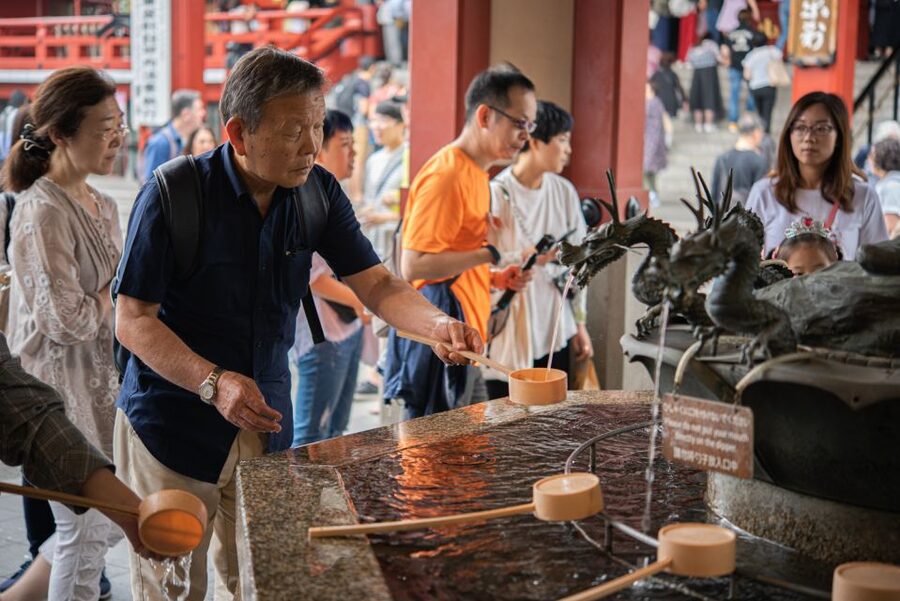
- Wear comfortable shoes. You will stand and walk between multiple food stops.
- Bring a little flexibility in your stomach. This is a full lunch-size tasting, so do not plan another big meal right after.
- If it is a hot day, take the guide’s water and shade cues seriously. The pacing includes comfort moments for heat.
- Go hungry in a smart way. You are eating multiple items, and you will appreciate each one more if you are not already full.
Should you book this Asakusa food hunt?
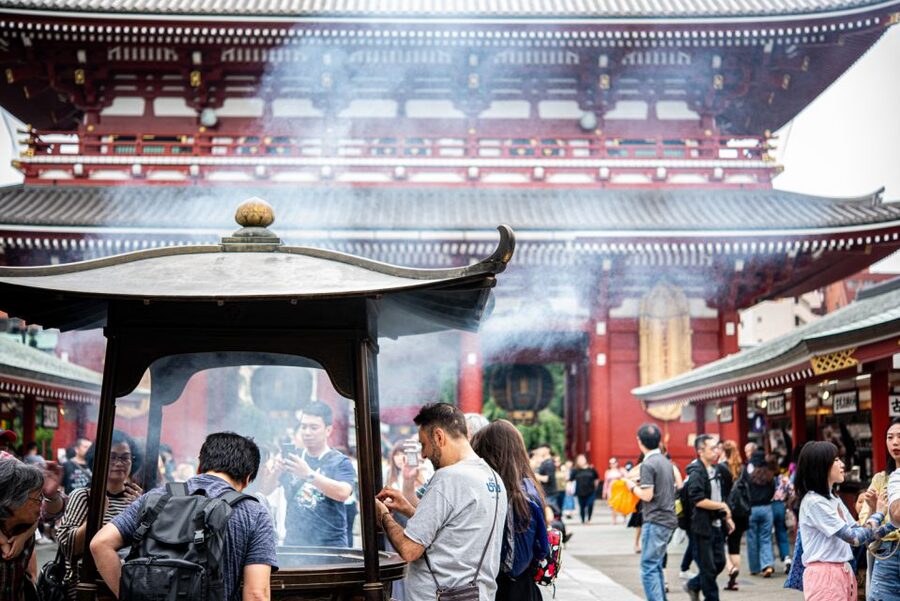
I think you should book it if you want a focused 2-hour experience that turns Asakusa from a crowded temple stop into a real food neighborhood. The best parts are the sequence: sushi first with local context, then soba and gyoza for a proper lunch feel, then classic snack stops, and finally Sensoji with cultural framing.
If your main goal is a leisurely temple visit, you could probably do it on your own. But if you want to eat your way through the side streets and learn how Japanese dining style works in practice, this is a very good use of a half-day window.
FAQ
How long is the tour?
It lasts 150 minutes. The scheduled time is 11:30 to 14:00.
Where do I meet the guide?
You meet at Hinatomaru Kaminarimon, 1 Chome-20-3 Asakusa, Taito City, Tokyo.
How much walking is involved?
You should expect about 1 to 2 kilometers of walking during the tour.
What language is the tour guide?
The live tour guide speaks English.
How big is the group?
The group is limited to 6 participants.
What is included in the price?
Included are full lunch size local food tastings and the guide fee.
What is not included?
Transportation is not included.
What should I wear?
Wear comfortable shoes, since there is some walking and standing during tastings.
Can I cancel for a refund?
Yes. Free cancellation is available up to 24 hours in advance for a full refund.
Is there a pay later option?
Yes. You can reserve now and pay later, meaning you book your spot and pay nothing today.
More Historical Tours in Tokyo
- From Tokyo: Nikko World Heritage Site Private Full-Day Trip
★ 4.9 · 243 reviews - Tokyo: The Best of Izakaya in Shinjuku Food & Cultural Tour
★ 4.9 · 221 reviews - Tokyo: Nikko World Heritage Private Day Trip Hotel Pick-up
★ 4.8 · 145 reviews - Tokyo: Imperial Palace, the history of Japan (ENGLISH GUIDE)
★ 5.0 · 77 reviews
More Food & Drink in Tokyo
- Tokyo: Tsukiji Fish Market Food and Walking tour
★ 5.0 · 1,724 reviews - Shinjuku Izakaya Food Tour
★ 5.0 · 1,041 reviews - Eat and Drink Like a Local: Tokyo Ueno Food Tour-Taverns&Ramen
★ 5.0 · 957 reviews - Tokyo: Shibuya Food Tour (13 dishes and 4 Eateries)
★ 5.0 · 770 reviews
Newly listed around Tokyo
- Tokyo private transfer for Yokohama Port★ 4.5 · 63 reviews
- Luxury Kimono Photoshoot at Ginza Tokyo★ 5.0 · 7 reviews
- Tokyo Allstar Food Tour★ 4.5 · 206 reviews
- Tokyo Art Aquarium Museum E-Ticket with optional Tokyo Metro Pass★ 5.0 · 17 reviews
- Tokyo: Best Ginza Food Tour at 3 Local Eateries★ 5.0 · 83 reviews
- Private One Day Nikko Tour with Bilingual driver★ 3.5 · 11 reviews
- PRIVATE tour in 180SX to Daikoku+++++★ 5.0 · 6 reviews
- Kabuki Talk★ 5.0 · 10 reviews
Historical Tours, compared.
World Heritage Shirakawa-go and Experience Tours from Kanazawa
Read our review →
World Heritage Kyoto & Nara Uji Authentic Matcha Experience
Read our review →
World Heritage Shirakawa-go Morning Guided Tour
Read our review →
Hiroshima Historical Walking Tour – Why A-Bomb was Dropped
Read our review →
Hiroshima Peace (Heiwa) Walking Tour at World Heritage Sites
Read our review →
Yanaka Walking Tour: Historic and Traditional District of Tokyo
Read our review →
Shinjuku Historical Walking Tour & Secret Backstreets
Read our review →Browse the lists this tour appears in