
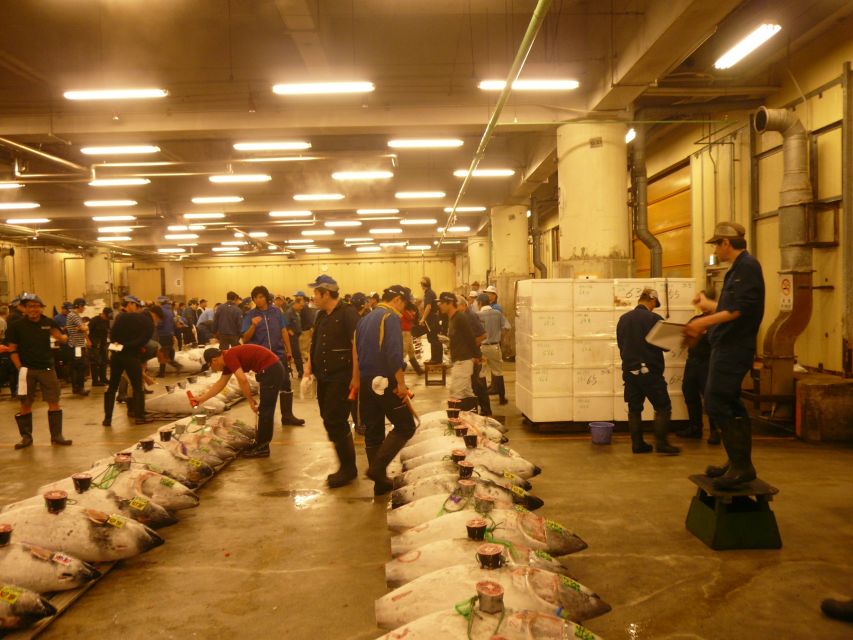
Review · FISH MARKET WALKS
Tokyo: Guided Walking Tour of Tsukiji Market with Lunch
Tsukiji feels like Tokyo’s backstage pass. Starting at the Tsukiji Hongwanji Temple gate and ending with nine tastings, this is a food-and-culture walk that connects what you taste to Japanese beliefs and traditions. I love how the guide steers you through the Outer Market so you can actually find great bites fast, and I love the range, from grilled skewers to tuna sushi and tea. One possible drawback: it is not a nonstop all-you-can-eat day, so if you expect huge portions, set your expectations accordingly.
With a small group limited to 10 and a live English guide, you get a calmer rhythm than wandering alone and getting lost in the crowd. The tour also gives you a close look at the expert wholesalers and the unusual products you only notice when someone points them out. I recommend this if you want a high-impact morning lunch plan without planning every stop yourself.
In This Review
- Key takeaways before you go
- Tsukiji Starts at Tsukiji Hongwanji Temple Gate
- Getting there fast
- From Temple Steps to the Outer Market
- What you learn just by walking
- How the 9 Tastings Build a Real Market Lunch
- Why these items make sense together
- A key expectation check
- Japanese Food Through a Religion Lens
- Price and Timing: Is $113 Worth Your Time?
- When the price feels fair
- When you might reconsider
- Practical Tips for a Smooth 165 Minutes
- How to get the most from your guide
- Pace yourself during tastings
- Should You Book This Tsukiji Market Walking Tour With Lunch?
- FAQ
- Where does the tour meet?
- How do I get to the meeting point from Tsukiji Station?
- How long is the tour?
- How much does the tour cost?
- What is included in the lunch?
- Is the tour guide English-speaking?
- How big is the group?
- Is the experience wheelchair accessible?
- Is there free cancellation?
Key takeaways before you go
- Temple first, food second, with an eye-opening start at Tsukiji Hongwanji Temple.
- Nine included tastings across seafood, beef, egg, rice, tea, and dashi soup stock.
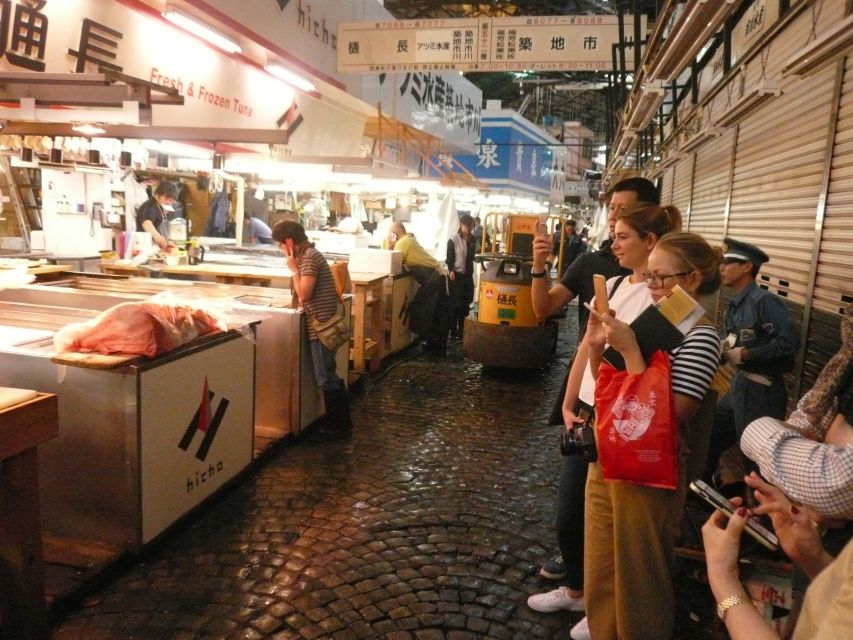
- Outer Market real-world access, watching working wholesalers as you walk past stalls and shops.
- Small group pacing (up to 10), which makes it easier to queue and move on time.
- Local guidance that helps you choose, and in past groups guides like Tomoko have helped with orderly queues and staying tidy.
Tsukiji Starts at Tsukiji Hongwanji Temple Gate
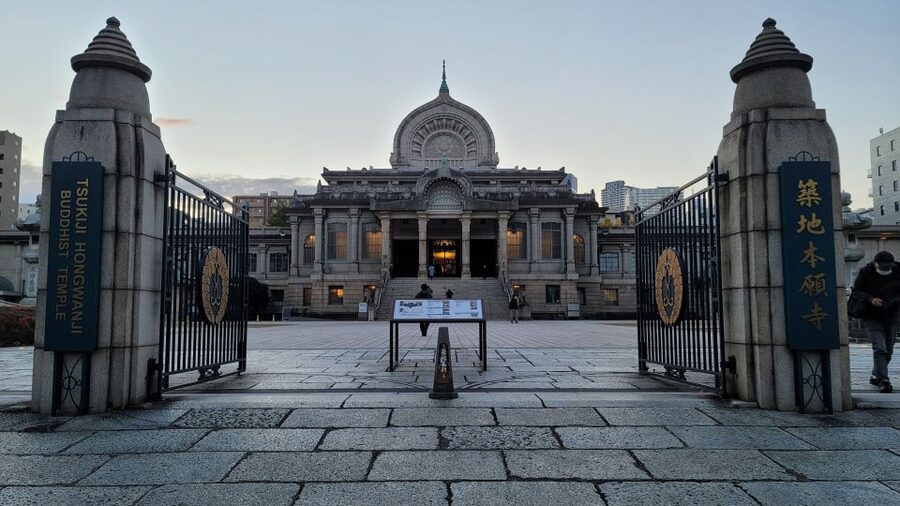
The tour kicks off at the main gate area of Tsukiji Hongwanji Temple, which is a smart move. Before you even hit the market noise, you get placed in the right context: Japanese cuisine is not just about ingredients, it is also about how people think, practice, and celebrate.
From the exterior, you will see the temple’s ancient Buddhist-inspired look with an Indian-inspired influence. You do not go inside here based on the tour flow, so treat the temple visit as your orientation moment. It is a quick way to understand the spiritual backdrop behind food culture, including why meals matter in everyday life and ritual settings.
More Market Tours in Tokyo
- Tokyo Tsukiji Fish Market Food and Culture Walking Tour
★ 5.0 · 3,184 reviews - Tokyo: Tsukiji Fish Market Food and Walking tour
★ 5.0 · 1,724 reviews - Tokyo: Tsukiji Fish Market Guided Walking Tour
★ 4.9 · 1,397 reviews
Getting there fast
Meet in front of Tsukiji Hongwanji Temple. If you are coming from Tsukiji Station on the Hibiya Line, take Exit A1, turn left, and walk about 50 meters (55 yards) to the temple entrance. Wear shoes you can stand in, because even the short approach feels longer once the market starts.
From Temple Steps to the Outer Market
After the temple start, you head into Tsukiji’s Outer Market zone. This is the part many visitors connect with food, yet it is still very much a working place. As you walk, you pass restaurants, shops, and stalls, and you get a sense of what vendors and wholesalers are dealing with every day.
What I like about this format is the direction. Instead of you staring at menus and wondering what is worth your time, the guide keeps you moving and helps you notice details that matter, like what gets prepared quickly, what looks fresh, and what is typically served hot versus ready-to-eat.
What you learn just by walking
One of the best outcomes of a guided route is simple: you see the market as a system, not a tourist backdrop. The tour focuses on observing expert wholesalers at work, which changes your whole mindset. You start thinking about timing, freshness, and why certain products show up the way they do.
More Market Walks in Tokyo
- Tokyo Sushi Making Class in Tsukiji with Professional Chef
★ 5.0 · 1,177 reviews - Tsukiji Fish Market Guided Tour and Sushi Making with Pro Chef
★ 5.0 · 775 reviews - Tokyo: Tsukiji Fish Market Food and Culture Walking Tour
★ 4.7 · 757 reviews - Tsukiji Fish Market: Street Food & Culture Walking Tour
★ 5.0 · 669 reviews
How the 9 Tastings Build a Real Market Lunch

The biggest reason this tour works for most people is the lunch plan is built in. You are not left to “figure it out” between stores. You get nine local specialties, paced as you walk through the Outer Market.
Here is what you can expect as part of the tasting lineup:
- Grilled seafood or beef skewers
- A Japanese-style omelette
- Tuna sushi
- Fried fish paste skewers
- Filled rice balls
- Dessert
- A drink
- A sample of Japanese tea
- A sample of dashi soup stock
Why these items make sense together
This spread is not random. It gives you variety in textures and flavors, while staying realistic for a market lunch. Skewers and fried items help you taste what the market does best on the go. Sushi and rice balls show you how Tokyo snacks can be satisfying without being heavy. Tea and dashi add the “Japanese comfort” angle that you often miss if you only chase seafood.
Also, dashi is an important marker of Japanese flavor logic. Even when you are only tasting a small portion, it helps you understand how much everyday cooking relies on layered broth flavor, not just individual ingredients.
A key expectation check
Some people love the tasting balance and still wish there was more, while others feel the bites were not what they expected. So here is my practical take: this is a guided tasting experience, not a full meal where you will leave stuffed like a food court marathon. You will be fed, but if your goal is maximum calories, plan a snack stop after the tour.
Japanese Food Through a Religion Lens
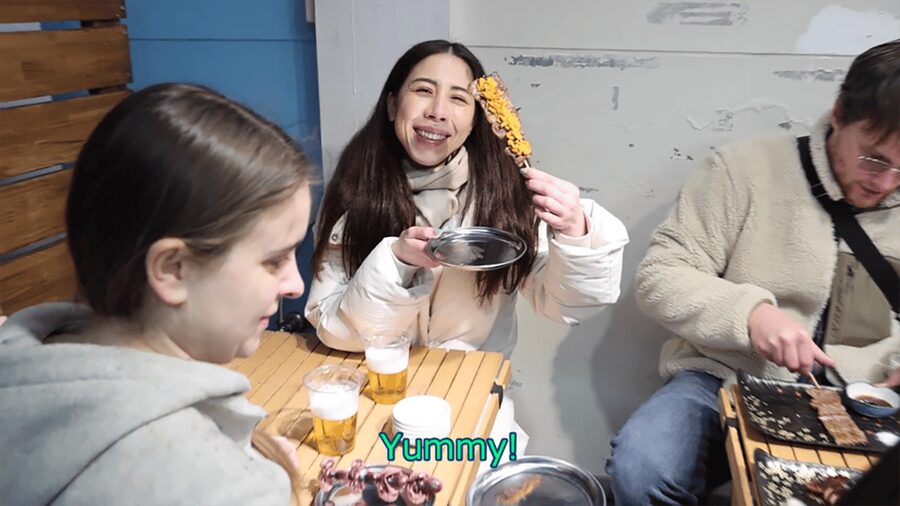
This tour is not only about eating. It explicitly connects Japanese culture and religion to cuisine, starting with your temple-facing introduction. In practice, what that means is the guide frames certain food choices in context, so you understand the why, not just the what.
You are walking through a place where daily work and daily ritual overlap in subtle ways. That matters because Japanese food culture often treats eating as both a sensory and social act. When you have a bit of context, it feels less like sampling random street snacks and more like tasting a tradition built around daily life.
It is a small but meaningful difference, and it is one reason the tour can feel more “Tokyo-specific” than generic market wandering.
Price and Timing: Is $113 Worth Your Time?
At $113 per person for 165 minutes, you are paying for three things: a live English guide, a small-group format, and nine included tastings. In other words, you are not only buying food, you are buying route knowledge and eating structure.
Is it a bargain? Not exactly. But the value comes from removing friction. Markets like Tsukiji can be confusing if you do not know what to look for. With a guide, you spend your limited time sampling rather than guessing.
When the price feels fair
The tour feels like good value if:
- You want a guided plan that helps you choose quickly
- You are short on time in Tokyo and want lunch handled for you
- You enjoy learning cultural context as you eat
When you might reconsider
It feels less worth it if:
- You were hoping for the kind of food tour where you leave after a long sequence of big plates
- You are already confident navigating Tsukiji on your own and want to spend less on guidance
Also note the market route is not described as covering a huge footprint. One consideration is that the area covered can feel fairly compact within the 165 minutes, so you want to go in expecting a focused lunch walkthrough.
Practical Tips for a Smooth 165 Minutes
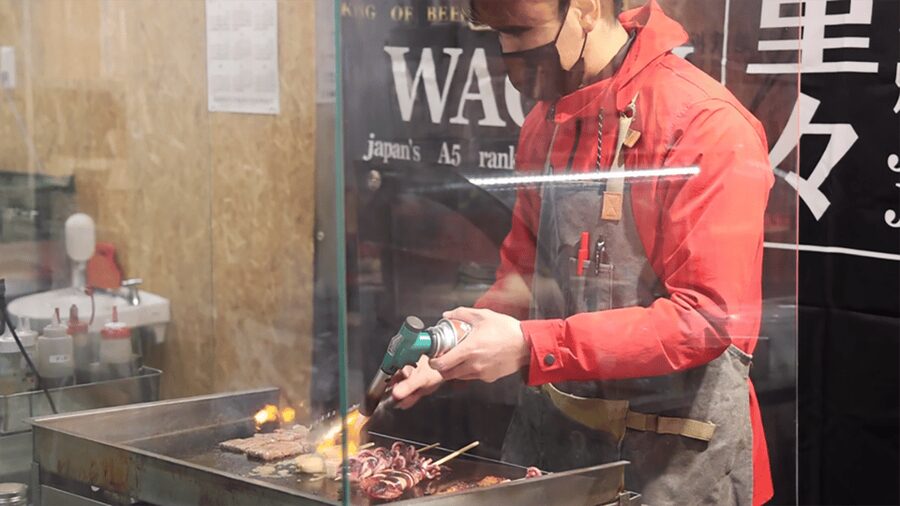
Tsukiji is crowded and standing-heavy, so your comfort setup matters. The tour lists comfortable shoes for a reason. I would also plan to bring your patience. Even with a guide, queues happen, and market lines move in their own rhythm.
How to get the most from your guide
Use the guide’s knowledge to your advantage. Ask what is best hot, what is best first, and what you should try even if you are not usually a fan of that ingredient. This is where the small group size helps. With up to 10 participants, you are more likely to get direct guidance rather than staying lost in a crowd.
In past groups, guides such as Tomoko have been described as helpful with practical things, like queueing for you at stalls and providing food boxes or cleaning wipes to keep the tour tidy and organized. Those small touches can make a big difference when you are juggling tastes while walking.
Pace yourself during tastings
Since you are sampling multiple items, take small bites and slow down between stops. The goal is to taste more, not to rush through and miss the flavor differences, especially with items like tea and dashi soup stock.
Should You Book This Tsukiji Market Walking Tour With Lunch?
Book it if you want a smart, time-efficient Tsukiji plan that combines food, market observation, and cultural context. The small group format, live English guide, and built-in lunch structure make it a strong choice for a first visit, especially if you do not want to spend your morning making decisions while the market moves fast.
Skip or rethink if you are chasing a very long, heavy-duty feast with lots of repeat servings. This is a tasting-focused tour, not a full-on calorie party. Also, if you are extremely picky about seafood, even with guidance, several tastings will likely include fish or fish-based items.
If your main goal is to walk Tsukiji with confidence, eat a varied lunch, and come away understanding how food connects to Japanese culture, this is a good match.
FAQ
Where does the tour meet?
Meet in front of Tsukiji Hongwanji Temple.
How do I get to the meeting point from Tsukiji Station?
From Tsukiji Station on the Hibiya Line, take Exit A1 and turn left. The temple entrance is about 50 meters (55 yards) from the station.
How long is the tour?
The duration is 165 minutes.
How much does the tour cost?
The price is $113 per person.
What is included in the lunch?
The tour includes tastings of 9 local specialties, plus items such as Japanese tea and a sample of dashi soup stock.
Is the tour guide English-speaking?
Yes, the tour has a live guide in English.
How big is the group?
The group is limited to 10 participants.
Is the experience wheelchair accessible?
Yes, it is wheelchair accessible.
Is there free cancellation?
Yes. Free cancellation is available up to 24 hours in advance for a full refund. You can also reserve now and pay later.
More Walking Tours in Tokyo
- Tokyo: Shinjuku Local Bar and Izakaya Guided Walking Tour
★ 4.9 · 1,794 reviews - Tokyo: Asakusa Walking Tour with Sensoji Temple Visit
★ 4.8 · 1,583 reviews - Tokyo Castle & Imperial PalaceーShogun Walking Tour
★ 4.7 · 1,068 reviews - Tokyo: Imperial Palace Japanese History Walking Tour
★ 4.9 · 987 reviews
More Shopping Tours in Tokyo
- Tsukiji Fish Market Small-Group Food Walking Tour
★ 5.0 · 621 reviews - Tokyo: Tsukiji Fish Market Sushi Making Class with Pro Chef
★ 4.9 · 506 reviews - Tokyo Food Tour Taste Fresh Delights at Tsukiji Market
★ 5.0 · 429 reviews - Tokyo Tsukiji Fish Market Tour and Sushi Making Lesson
★ 5.0 · 390 reviews
Newly listed around Tokyo
- Tokyo private transfer for Yokohama Port★ 4.5 · 63 reviews
- Luxury Kimono Photoshoot at Ginza Tokyo★ 5.0 · 7 reviews
- Tokyo Allstar Food Tour★ 4.5 · 206 reviews
- Tokyo Art Aquarium Museum E-Ticket with optional Tokyo Metro Pass★ 5.0 · 17 reviews
- Tokyo: Best Ginza Food Tour at 3 Local Eateries★ 5.0 · 83 reviews
- Private One Day Nikko Tour with Bilingual driver★ 3.5 · 11 reviews
- PRIVATE tour in 180SX to Daikoku+++++★ 5.0 · 6 reviews
- Kabuki Talk★ 5.0 · 10 reviews
Fish Market Walks, compared.
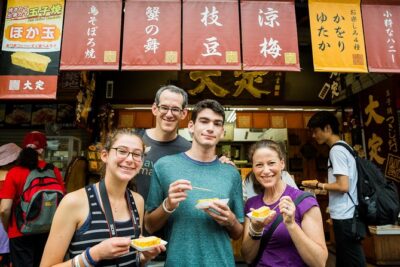
Tokyo Tsukiji Fish Market Food and Culture Walking Tour
Read our review →
Nishiki Market Brunch Walking Tour (7 Tastings + Brunch)
Read our review →
Tokyo Sushi Making Class in Tsukiji with Professional Chef
Read our review →
Tsukiji Fish Market Guided Tour and Sushi Making with Pro Chef
Read our review →