
Review · WORKSHOPS
Tokyo: Kintsugi Art Repair Workshop
Broken pottery becomes gold-lined art.
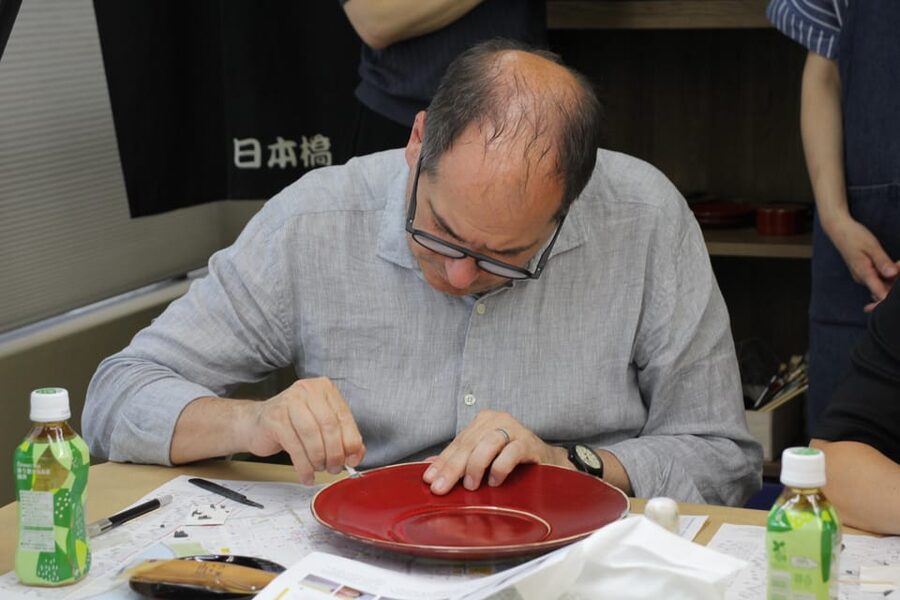
This Tokyo workshop is interesting because it is hands-on Kintsugi with English interpretation, not just a demo, and you practice the classic idea of fixing what is broken so it looks more beautiful. I like that the session is small group (limited to 5), so instructors can actually watch what you are doing and slow down when you need it.
I also like that you leave with a take-home piece you repaired yourself, which feels more meaningful than a typical souvenir. The space itself is calm and focused, and the shop next door or connected area is the kind of place where you can browse ceramics and gifts like tenugui (hand towels) without the rush.
The main consideration is the 90-minute time limit. If you bring your own vessel, bigger chips or cracks may not be fully completed within the session, and there are clear limits: ceramic vessels only, up to one to two cracks, and mug handles that are chipped or cracked are not repairable.
In This Review
- Key highlights worth planning around
- A 90-minute Kintsugi class in downtown Nihonbashi
- Finding Nihonbashi Mutoh Main Store and getting settled
- How the Kintsugi process plays out in this workshop
- Bringing your own ceramic, and the limits you should check first
- What you take home, and how to use it once it is finished
- Price and value: what $125 gets you in Tokyo
- Who this Kintsugi workshop suits best
- Language support and the quality of instruction
- Booking your Kintsugi workshop: should you do it?
- FAQ
- How long is the Tokyo Kintsugi Art Repair Workshop?
- Is the workshop a small group?
- Do I need to bring any materials or tools?
- Can I bring my own ceramic vessel to repair?
- What size and damage limits apply for personal items?
- What do I take home?
- What is the cancellation policy?
Key highlights worth planning around
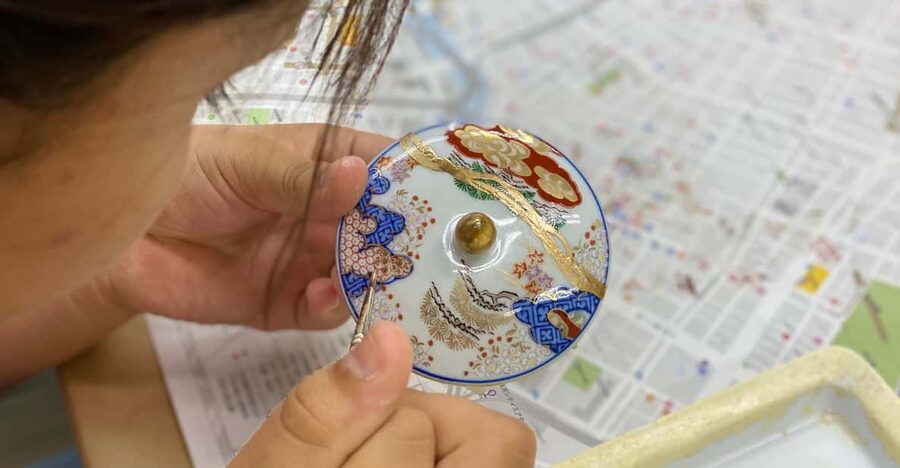
- English-guided hands-on practice of Kintsugi techniques, with clear support while you work
- Materials provided, so you show up in comfortable clothes and focus on the craft
- Small group of up to 5, which keeps the pace realistic and the instruction personal
- Take-home ceramic artwork, primarily decorative, though it can hold dry food
- Fast, workshop-friendly Kintsugi experience that fits a Tokyo schedule
A 90-minute Kintsugi class in downtown Nihonbashi
Tokyo has no shortage of workshops, but Kintsugi is special because it is not about hiding damage. The whole point is learning a Japanese way of repairing ceramics using lacquer and metallic accents so cracks become part of the design.
This one runs about 90 minutes, which is short enough to slot into a busy day. It is also structured so you are not just listening. You work on a repair during the class, guided by a professional instructor with English interpretation, so you can actually see how each step changes the look and feel of the piece.
And location matters here. The workshop is around Nihonbashi, and it is described as about 15 minutes by subway from Asakusa, which makes it a practical add-on whether you base yourself in Asakusa or farther west.
A few more Tokyo days to weigh up
- Mt Fuji and Hakone 1-Day Bus Tour Return by Bullet Train
★ 5.0 · 26,383 reviews - 1-Day Tokyo Bus Tour
★ 5.0 · 14,250 reviews - Tokyo: TOKYO SKYTREE® Admission ticket
★ 4.5 · 11,192 reviews
Finding Nihonbashi Mutoh Main Store and getting settled
You meet at Nihonbashi Mutoh Main Store (日本橋滄浪閣 Bldg.), at 1-8-13 Nihonbashihoncho, Chuo City. The address is easy to plug into maps, and the area is classic central Tokyo rather than a far-flung industrial zone.
Plan to arrive at least 5 minutes early because the experience starts promptly. One more timing detail that matters: the end time is not extended for people who have not finished their piece. So if you get distracted, chatty, or overly cautious, you can lose minutes fast.
Once you are there, the tone is quiet and patient. Based on what I see reflected in repeat comments, the workshop environment is more “carefully guided craft time” than “fast factory class.” That is exactly what you want when you are working with delicate steps like aligning broken sections, filling gaps, and applying metallic finishing along cracks.
How the Kintsugi process plays out in this workshop
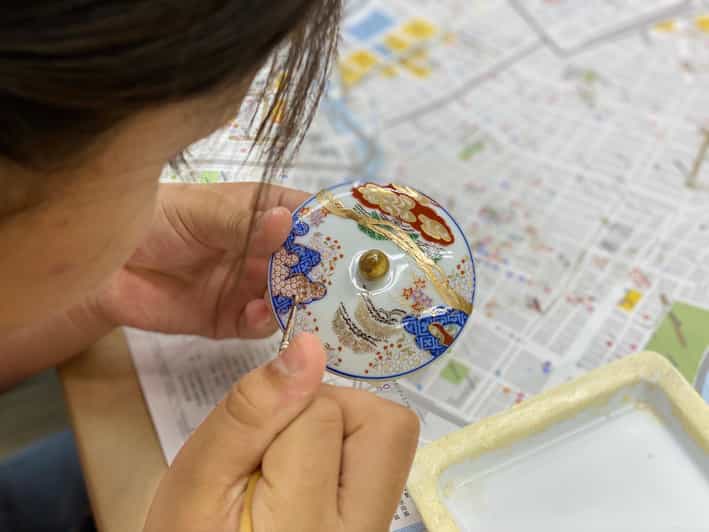
You will learn Kintsugi through doing the work. Your instructor guides you through the steps that turn a damaged ceramic into something intentional and beautiful.
Even when you are working from a prepared sample or from a vessel you bring, the core progression tends to look like this:
1) Rejoining the breaks and stabilizing the alignment
You work with broken pieces so the crack lines meet the right way. Some classes include a step where you tape or “puzzle” the pieces back into position before adhesives and fillers go in.
2) Filling and smoothing the repair area
Cracks and chips often need more than glue. You may add material to build up missing sections and then smooth it so the surface is usable and clean.
3) Applying metallic finish along the seams
The iconic look comes from the contrast between the repaired line and the ceramic. Here, the metallic effect is created along the crack paths, using the workshop’s lacquer-and-metal approach.
4) Finishing so it can be taken home
In a 90-minute class, the goal is a finished, gift-ready piece you can box and carry. One review noted that what you make may need extra curing time depending on the method used, and staff help by packing items for you, which is useful if you do not want to worry about spills or knocks on the way back to your lodging.
A practical note on the style you get: Kintsugi can be slow in traditional form, often taking much longer than a day. This workshop is designed for 90-minute learning, so think of it as the workshop version of the craft. You still learn the meaning and technique, but the schedule is compressed for travel.
Bringing your own ceramic, and the limits you should check first
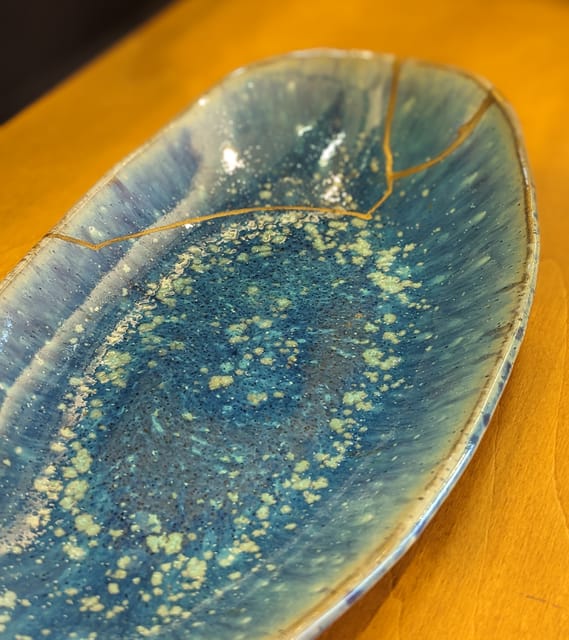
This workshop is especially appealing if you have a cherished ceramic at home or a meaningful break you want to repair. The format allows you to restore your own object to an even more beautiful state, but you have to fit into the workshop’s repair constraints.
Here is what is explicitly supported:
- The restorable objects are ceramic vessels only
- The item should be within up to φ15 cm diameter and height up to 15 cm
- Cracks: 1 to 2
- Chipped or cracked mug handles are not repairable
- If the crack or chip is complex, your item may not be completed in the 90-minute session
So if you are hoping for a heavily shattered mug, a broken handle, or a large bowl with multiple breaks, you may want to reconsider. Pick an object that has a limited crack line and a size that matches the cap. That way, you get the full experience and a satisfying finish rather than a half-done repair you cannot take to completion.
If you are not sure what qualifies, bring a photo of the damage to your planning and double-check before you go. This is one of those times where a tiny bit of homework saves a lot of frustration at the bench.
A different sort of day in Japan:
- Tokyo: teamLab Planets TOKYO Digital Art Museum Entry Ticket
★ 4.6 · 9,779 reviews - Mt Fuji & Hakone Cruise, Drum Show Bullet Train 1 Day from Tokyo
★ 4.0 · 7,413 reviews - Tokyo: Sumo Show Experience with Chicken Hot Pot and a Photo
★ 4.8 · 6,678 reviews - Tokyo: Shinjuku Food Tour (13 Dishes at 4 Local Eateries)
★ 5.0 · 6,603 reviews
What you take home, and how to use it once it is finished
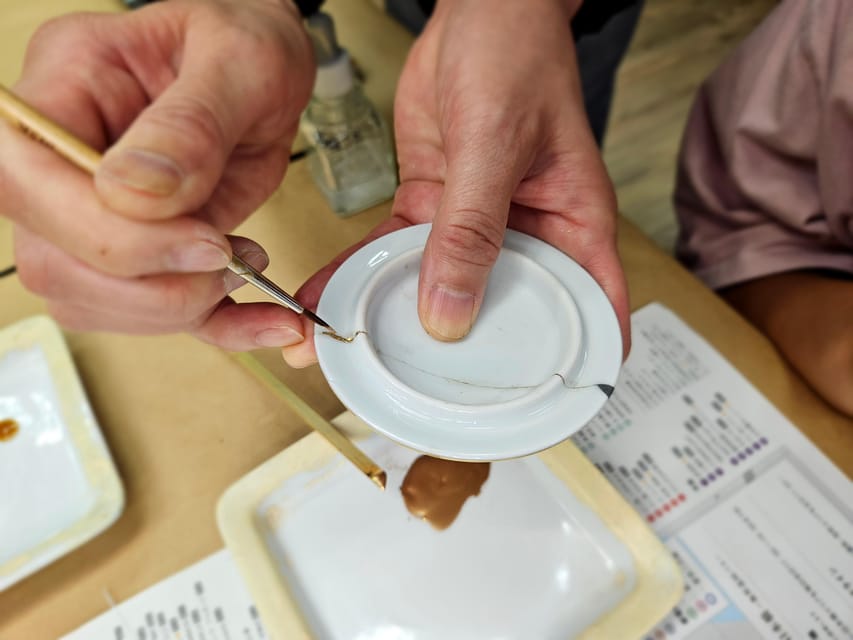
The workshop includes souvenirs, and that is not just marketing. The intention is that you leave with a completed piece of Japanese art made by you. You can then keep it as a decorative item or gift it.
Functionally, the completed piece can be used to hold dry food items, but it is primarily intended for decoration. That is a helpful distinction for expectations, especially if you were imagining daily tableware. It is safer to treat your new repair as an art object you can enjoy every day, rather than something you should stress-test like your everyday dishes.
The best part of the take-home piece is the story baked in. When your crack line becomes a deliberate gold seam, you are not just buying a souvenir. You are preserving an idea: repair is not a cover-up, it is transformation.
Price and value: what $125 gets you in Tokyo
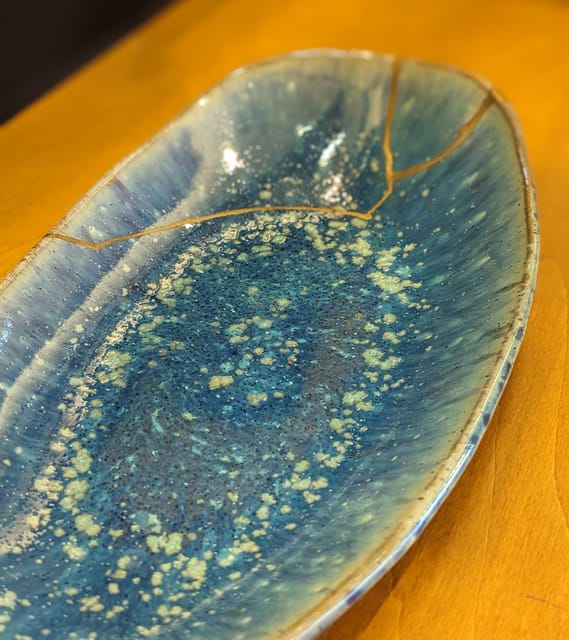
At $125 per person for about 90 minutes, this is not the cheapest activity in Tokyo. But the value is there if you compare it to what you get for your time and materials.
You are paying for:
- A professional instructor
- English interpretation
- Experience fees
- Souvenir(s), including what you repair and take home
- Materials provided so you do not need tools, chemicals, or special equipment
Also, the session size is small, limited to 5 participants. That usually means less crowding, more direct help, and fewer bottlenecks if you get stuck on a step.
Another value point that shows up in real-world feedback is the pace. Some workshops dump materials in your lap and hope for the best. Here, the process is described as paced carefully, with the right amount provided and refills when needed. That makes the session feel calm instead of chaotic.
So, if you want a cultural activity that ends with a real object you made, this price feels more fair than it first appears.
Who this Kintsugi workshop suits best
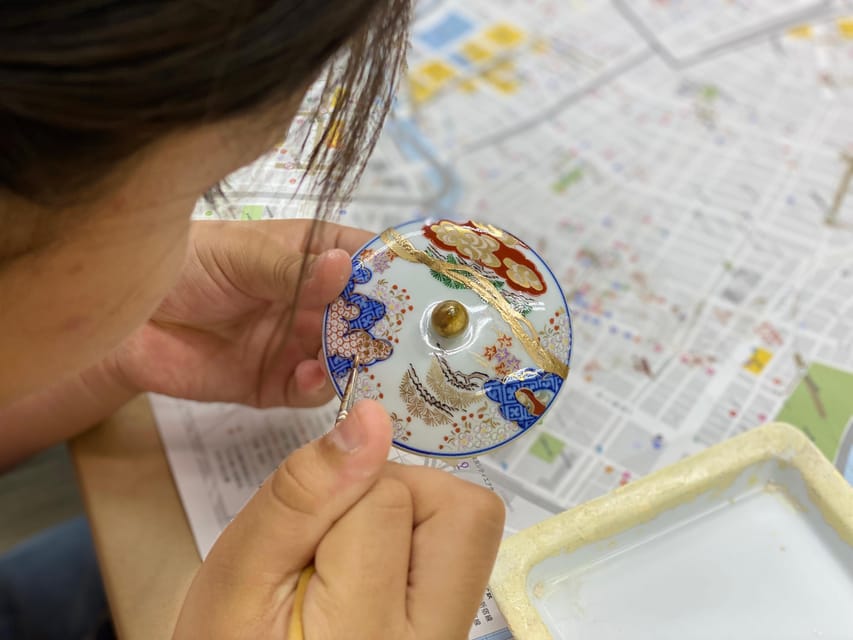
This is a great fit if you:
- Want a cultural craft you can participate in, not just watch
- Like the idea of turning damage into design
- Want a Tokyo activity that fits into a tight schedule (about 1 to 1.5 hours)
- Enjoy workshops with a calm pace, clear steps, and patient guidance
It also works well for pairs and small groups, and one review mentioned a fully personalized experience when there were only two registered. That is not guaranteed, but it hints that if group sizes are small, the instruction can feel even more tailored.
Age-wise, the workshop is for ages 13 and up. Minors must be accompanied by a guardian, and children under 13 are not suitable.
It may not be the best choice if you:
- Need a “show only” activity with zero handling
- Are bringing a large or complex broken item that clearly exceeds the size and crack limits
- Want mug handle repair, since chipped or cracked handles are not repairable here
Language support and the quality of instruction
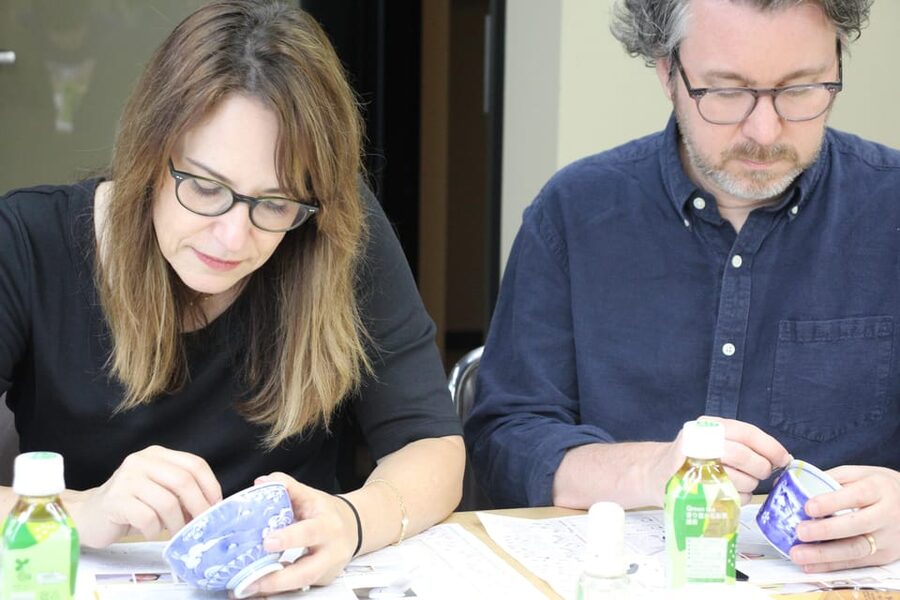
The class includes English interpretation, and that matters more than you might think. Kintsugi has practical steps, and also some philosophy. When you can understand both while you are working, the experience sticks.
In one set of comments, the instructor named Hijiri was singled out as especially excellent, with patience and hands-on guidance. Others also highlighted that teachers were kind, patient, and gave supportive direction, including help at each step so first-timers were not left guessing.
A big plus is that you can see how professionals work. Some reviews mention sitting alongside skilled craftspeople during the session, which adds a level of authenticity to what you are learning.
Booking your Kintsugi workshop: should you do it?
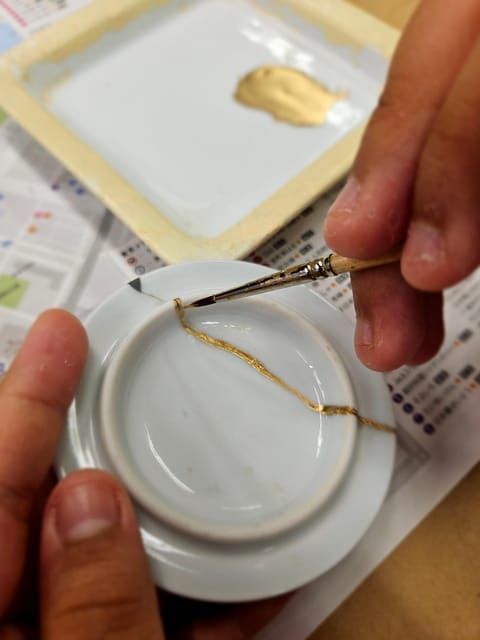
Book it if you want a meaningful Tokyo souvenir and a craft lesson that feels slow, careful, and satisfying. The hands-on Kintsugi approach, the calm atmosphere, and the fact that you leave with a repaired ceramic make this a standout experience for the time.
Hold off if your main goal is a quick theory talk, or if you plan to bring a ceramic with multiple cracks, a broken handle, or a size that clearly exceeds the workshop limits. In those cases, the 90-minute structure and repair constraints can limit how much you can finish.
If you are traveling with a friend or planning a couple of culture stops in one day, this is also a smart match because it is short and centrally reachable from the Asakusa area.
FAQ
How long is the Tokyo Kintsugi Art Repair Workshop?
The workshop lasts 90 minutes. Start times vary based on availability.
Is the workshop a small group?
Yes. It is limited to a small group of up to 5 participants.
Do I need to bring any materials or tools?
No. All materials are provided, and you just need to wear comfortable clothes.
Can I bring my own ceramic vessel to repair?
Yes. You can bring a ceramic object to restore, but it may not be fully completed in 90 minutes depending on the size of the crack or chip.
What size and damage limits apply for personal items?
Personal items should be up to φ15 cm in diameter and up to 15 cm in height, with 1 to 2 cracks. Ceramic vessels only are restorable, and chipped or cracked mug handles are not repairable.
What do I take home?
You take home a completed piece of Japanese art that you repaired. It is primarily decorative, but it can also hold dry food items.
What is the cancellation policy?
You can cancel up to 3 days in advance for a full refund.
Newly listed around Tokyo
- Tokyo private transfer for Yokohama Port★ 4.5 · 63 reviews
- Luxury Kimono Photoshoot at Ginza Tokyo★ 5.0 · 7 reviews
- Tokyo Allstar Food Tour★ 4.5 · 206 reviews
- Tokyo: Best Ginza Food Tour at 3 Local Eateries★ 5.0 · 83 reviews
- Private One Day Nikko Tour with Bilingual driver★ 3.5 · 11 reviews
- Tokyo Art Aquarium Museum E-Ticket with optional Tokyo Metro Pass★ 5.0 · 17 reviews
- PRIVATE tour in 180SX to Daikoku+++++★ 5.0 · 6 reviews
- Kabuki Talk★ 5.0 · 10 reviews
Workshops, compared.
Sushi Making Tokyo Roll and Authentic Japanese Sushi Class
Read our review →
Roll and Authentic Sushi Making Class in Asakusa
Read our review →
Ramen Cooking Class at Ramen Factory in Kyoto
Read our review →
Sushi Making Class in a Happi Coat near a Famous Spot
Read our review →

Tokyo Sushi Making Class in Tsukiji with Professional Chef
Read our review →
Ramen & Gyoza Cooking Class in Tokyo with Local Supermarket Visit
Read our review →Browse the lists this tour appears in