
Review · WORKSHOPS
Tokyo: Kintsugi Workshop to Learn the Art of Golden Joinery
Golden seams turn cracks into stories. This Tokyo Kintsugi workshop is interesting because you get the craft and the mindset together, not just a quick demo. I love the calming, reflective pace, and I like how the lesson pushes you to accept imperfections instead of hiding them. I also like that you take home a repaired piece as a real souvenir, not a flyer. One drawback to consider is value, since you may need to arrange the plate or dish separately (about 1,000 to 2,000 yen).
You’ll spend about two hours in a small group of up to six, with English instruction. You meet at Gakugei Daigaku station, and the guide messages a photo before you arrive. The workshop provides the key materials like lacquer and gold powder, so you can focus on learning the steps and making a thoughtful repair.
In This Review
- Key things you’ll notice right away
- Entering Kintsugi in Tokyo: what you’re really signing up for
- Where you meet at Gakugei Daigaku station and how the start works
- How the 2-hour workshop flows from crack to gold seam
- 1) Learn the idea: repair instead of replace
- 2) Prepare the broken pottery, including filing time
- 3) Use lacquer and build the repair seam
- 4) Add the gold powder for the signature look
- 5) Finish and take home your repaired piece
- Price and value: is $63 worth your two hours?
- What you learn beyond the craft, and why it sticks
- Instructor support in real life: English lessons, clear steps
- Small group size and timing: why two hours feels just right
- Keepsake factor: what you actually take home
- Wheelchair access and who should plan differently
- Who should book this Kintsugi workshop, and who might skip it
- Quick tips to make your workshop go smoothly
- Should you book this Tokyo Kintsugi Workshop?
- FAQ
- How long is the Kintsugi workshop in Tokyo?
- Where do I meet the guide?
- Is the workshop taught in English?
- What materials are included, and is there anything I need to bring?
- Is it wheelchair accessible?
- What are the booking and cancellation options?
Key things you’ll notice right away
- Gold-seam mending: learn the golden joinery method using lacquer and powdered gold
- Wabi-sabi in practice: the philosophy of imperfection shows up in how you handle each step
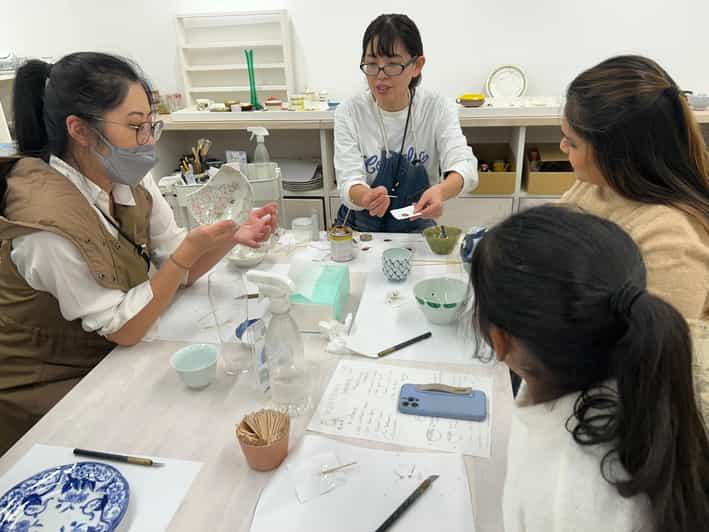
- A hands-on, slow workshop: expect a calm rhythm, including filing the break for smoother joining
- Small group support: limited to 6 participants, so your instructor can check your work
- Your finished piece goes home: you leave with a keepsake that carries your personal touch
- Instructor clarity matters: classes led by Anne or Chiara come with step-by-step guidance, and sometimes translation support
Entering Kintsugi in Tokyo: what you’re really signing up for
Kintsugi, or golden joinery (金継ぎ), is not just a way to repair pottery. It is a way to treat damage as part of an object’s life. Instead of throwing away something that broke, Kintsugi turns fractures into a visible seam, often in gold, so the history is right there on the surface.
That theme hits hard in a good way during this workshop. The class is built around both hands-on craft and the thinking behind it. You learn what the joinery is doing, and you also get why it matters in Japanese aesthetics, including the idea behind wabi-sabi (the appreciation of impermanence and imperfect form). For me, that pairing is the difference between a souvenir workshop and an experience you’ll remember months later.
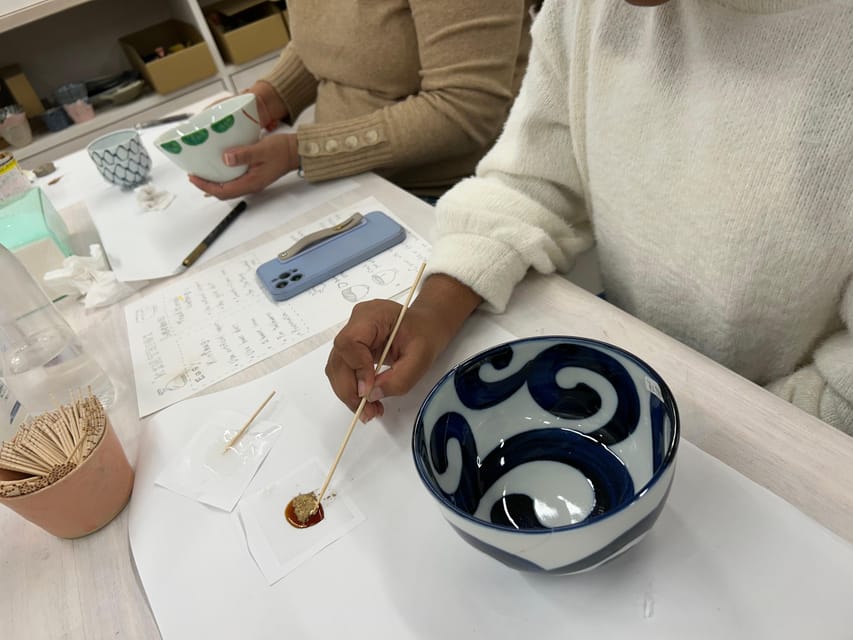
The “how” is practical too. You do the work with tools and materials provided, including lacquer and gold powder. Your focus stays on the repair, so you’re not stuck reading a pamphlet while someone else does everything.
A few more Tokyo days to weigh up
- Mt Fuji and Hakone 1-Day Bus Tour Return by Bullet Train
★ 5.0 · 26,383 reviews - 1-Day Tokyo Bus Tour
★ 5.0 · 14,250 reviews - Tokyo: TOKYO SKYTREE® Admission ticket
★ 4.5 · 11,192 reviews
Where you meet at Gakugei Daigaku station and how the start works
Plan to be on time for the meeting at Gakugei Daigaku station. That’s where you meet the guide, and the guide will message a picture of themselves before the meeting time. It sounds minor, but it makes a real difference in Tokyo, where station exits can feel like a choose-your-own-adventure book.
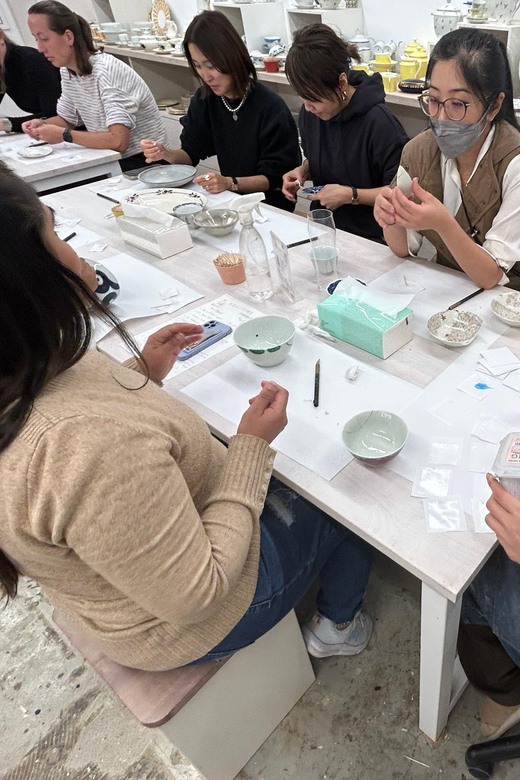
From there, you’ll get into the workshop setting and begin with a brief introduction to the craft and its philosophy. The class is designed as a small group experience, capped at six participants, so you can expect more direct help than the kind of big demo format.
If you’re worried about getting the hang of the steps, relax. The workshop format is guided and paced for a short, two-hour window, so you are not expected to be an expert on day one.
How the 2-hour workshop flows from crack to gold seam
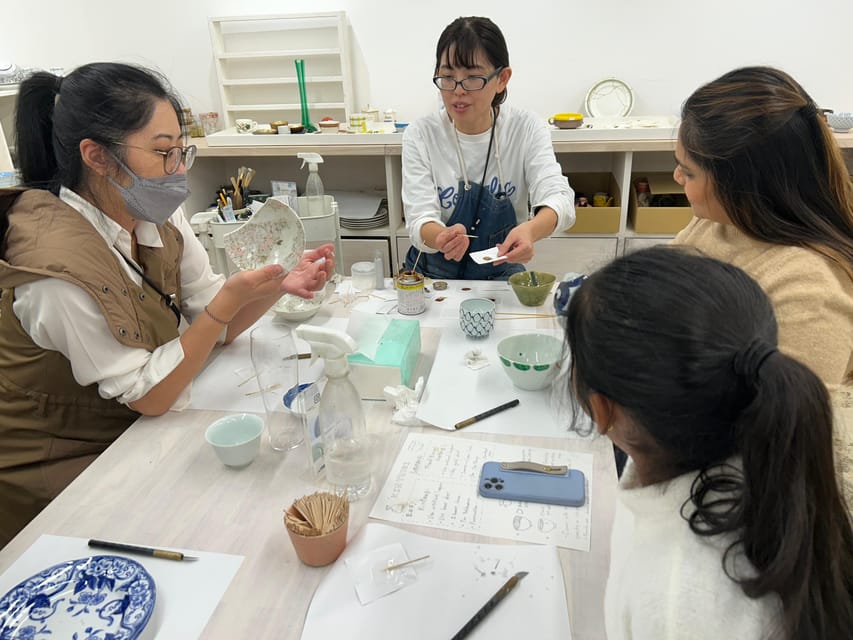
This is a hands-on repair lesson, and the flow generally follows the logic of Kintsugi itself: prepare the break, join it with lacquer, reinforce the seam with gold, and finish so it looks intentional.
1) Learn the idea: repair instead of replace
Right at the start, the workshop frames Kintsugi as a centuries-old response to breakage, dating back to the 15th century. You’ll learn that the method uses lacquer and powdered gold, and sometimes other precious metals like silver or platinum depending on what’s available in the lesson. The key point is that the repair is not meant to vanish. It’s meant to highlight the break as part of the item’s story.
That mindset matters because it changes how you approach the crack. You are not trying to erase evidence. You’re trying to honor it.
A different sort of day in Japan:
- Tokyo: teamLab Planets TOKYO Digital Art Museum Entry Ticket
★ 4.6 · 9,779 reviews - Mt Fuji & Hakone Cruise, Drum Show Bullet Train 1 Day from Tokyo
★ 4.0 · 7,413 reviews - Tokyo: Sumo Show Experience with Chicken Hot Pot and a Photo
★ 4.8 · 6,678 reviews - Tokyo: Shinjuku Food Tour (13 Dishes at 4 Local Eateries)
★ 5.0 · 6,603 reviews
2) Prepare the broken pottery, including filing time
One of the most noticeable parts, if you want to plan mentally, is the filing. You may spend around half an hour filing the broken edges. This helps the pieces sit together properly and makes the seam work cleaner.
If you’re doing this with kids, that filing step is the part that can be tough for younger hands. For adults, it’s usually manageable, but it is still real work, not a gentle craft tutorial where you barely touch anything.
3) Use lacquer and build the repair seam
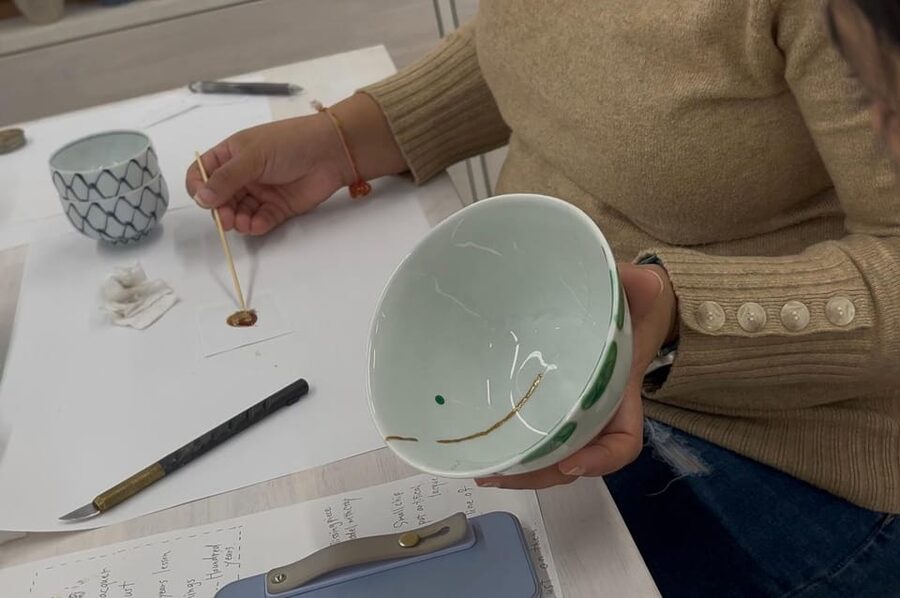
Then you move into the joining process. You apply lacquer to the break area, bring the pieces together, and build a repair seam that can later be finished with gold powder.
Because lacquer is part of the core method here, the lesson is tactile. You learn how to handle the material so it stays in the right place. This is where having an instructor matters, because small adjustments can make the difference between a seam that looks like a deliberate repair and one that looks messy.
4) Add the gold powder for the signature look
Once the repair structure is in place, you add gold powder to create the golden joinery effect. The goal is not only shine. It’s contrast, so the seam reads clearly against the ceramic.
This is also where you get that satisfying moment: you can actually see the philosophy make visual sense. The gold doesn’t hide the damage. It focuses attention on it.
5) Finish and take home your repaired piece
By the end, you’ll have a finished repaired item that you can take home as a personal keepsake. The whole point is that you leave with something you made, with visible seams that connect the broken past to the repaired present.
Just keep expectations realistic: Kintsugi is art, but it’s also a workshop. Your result will reflect your attention and the time you spend on each step, and that’s part of the charm.
Price and value: is $63 worth your two hours?
At $63 per person for a two-hour class, the price can feel fair or frustrating depending on one detail: what you repair.
The workshop materials list says that tools are provided, including lacquer and gold powder. It also says materials like broken pottery are provided. But it also notes that a plate to work with is not included, and you may need to arrange one for about 1,000 to 2,000 yen.
So here’s the practical take: you may pay only the $63 if the class provides what you work on. Or you may add the cost if the workshop expects you to source a plate or dish to repair. Either way, the class is small, guided, and hands-on, and you take your repaired piece home. That combination tends to be better value than many short, observation-style activities.
If you want the best deal, message ahead about what object you’ll be repairing and whether you can bring something of your own or need to arrange the plate through the provider. That one question can save you surprise costs.
What you learn beyond the craft, and why it sticks
A lot of craft workshops teach a technique. Kintsugi adds something extra: it teaches a way of looking at an object, and then it teaches you to apply that way of looking to your own hands.
The workshop connects Kintsugi to Japanese aesthetics, especially wabi-sabi. That can sound like philosophy class, but in practice it lands as a simple idea. Imperfection is not a mistake to fix. It’s information. It’s evidence of time. It’s a kind of honesty.
And because the repair is visible, you’ll feel that lesson every time you see the seam at home. It becomes less about the broken thing being sad, and more about it being complete in a new way.
This is also why the class feels calming. The steps are slow and deliberate. You’re not rushing through a project to check a box. You’re making something with patience, and that changes the vibe.
Instructor support in real life: English lessons, clear steps
The workshop is taught in English, and that matters. Kintsugi has multiple small steps where language can help you avoid mistakes, like where lacquer should go or how to position parts during joining.
In past sessions, classes led by instructors such as Anne and Chiara have shown up with strong explanations and good organization. One class also had translator support that was hands-on and craft-aware, which made the instructions easier to follow.
You should go into the class ready to ask questions. The best part of a small group is that your instructor can adjust to what you’re doing, not just what the instructions say.
Small group size and timing: why two hours feels just right
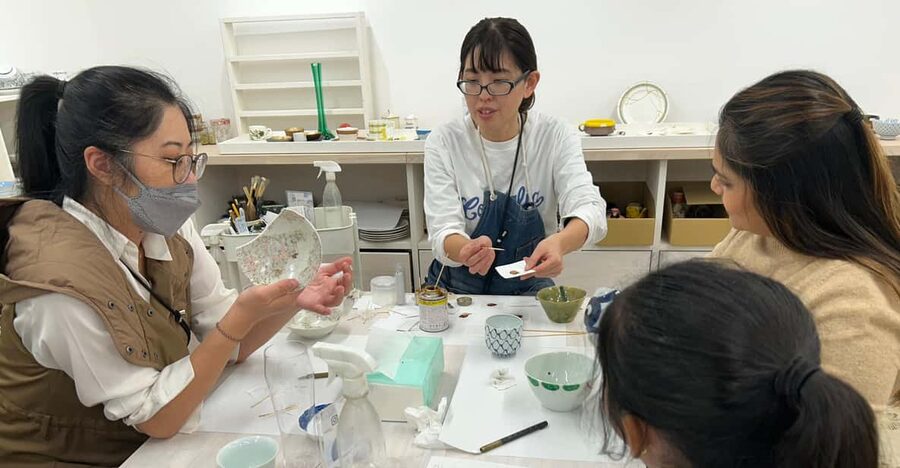
Two hours is a realistic length for a Kintsugi workshop. Long enough to learn the flow, short enough to keep energy up. The small group limit of six participants helps too. You’re not waiting while someone checks in with 20 other people.
The timing also matters because Kintsugi involves steps that benefit from careful handling. Filing takes time. Lacquer application takes patience. Gold powder needs focus. A short class encourages you to stay present and do the steps without overthinking.
If you’re the type who hates feeling rushed, you’re in luck. The workshop tone is meant to feel reflective, not like a factory line.
Keepsake factor: what you actually take home
The big promise is that you take home your repaired piece. That’s where the experience becomes personal.
A repaired ceramic is not just decorative. It’s a reminder that breakage does not end an object’s usefulness or meaning. The gold seam acts like a signature, telling you the item survived and was transformed.
One more practical point: since a plate to work with may not be included, think about how you want to use your keepsake. If the class provides the broken pottery, you’re set. If you need to arrange a plate, choose something you truly want to preserve and display.
Wheelchair access and who should plan differently
Here’s a point you should take seriously before booking. The activity lists wheelchair accessibility, but it also states it is not suitable for wheelchair users.
That combination usually means there are constraints in the actual setup, like floor space, seating, or how the work area is arranged. If you use a wheelchair, contact the provider before you book and ask what the real on-the-ground situation looks like. Don’t guess.
Also note that the workshop is not suitable for babies under one year. If you’re traveling with infants, plan for other activities during this time.
Who should book this Kintsugi workshop, and who might skip it
This is a great fit if you want something hands-on in Tokyo that goes beyond taking photos. If you like crafts that connect to mindset, this one has that balance. You’ll get technical steps like filing and gold seam application, and you’ll also get the philosophy that makes the technique more than just glue and sparkle.
You’ll also like it if you’re traveling with a friend or partner. Small group work feels social enough to share the experience, but personal enough that your piece feels like yours.
You might skip it if you strongly prefer plug-and-play activities with no physical work. Filing can take effort, and Kintsugi is slow by design. You also want to confirm your object costs and what exactly you’ll be repairing, so the final price matches your expectations.
Quick tips to make your workshop go smoothly
- Ask what you’ll be repairing, and whether a plate cost applies to your booking.
- Bring patience for the filing step, it’s part of the process, not optional for most classes.
- Go in with curiosity about wabi-sabi. The philosophy is not a side note here.
- Wear sleeves you do not mind getting a little messy, even with provided materials.
Should you book this Tokyo Kintsugi Workshop?
If you want a short, guided, hands-on experience with a real outcome you can take home, I think this is a strong booking. The $63 price makes sense when you factor in the guided instruction, provided lacquer and gold powder, and the fact that you leave with a finished repaired piece.
Just do one simple homework step first: confirm what plate or dish you’ll work on, and whether you need to arrange it separately for the 1,000 to 2,000 yen range. If that’s clear and you’re ready for a two-hour craft with filing and careful joining, you’ll likely come away with something more meaningful than a typical souvenir.
FAQ
How long is the Kintsugi workshop in Tokyo?
The workshop lasts about 2 hours.
Where do I meet the guide?
Meet at Gakugei Daigaku station. The guide will message a picture of themselves before the meeting time.
Is the workshop taught in English?
Yes, the instructor provides the workshop in English.
What materials are included, and is there anything I need to bring?
Main tools are provided, including lacquer and gold powder. A plate to work with is not included, and you may need to arrange one for about ¥1,000 to ¥2,000.
Is it wheelchair accessible?
The activity lists wheelchair accessibility, but it also says it is not suitable for wheelchair users. It’s best to check with the provider directly before booking.
What are the booking and cancellation options?
You can reserve now and pay later. Free cancellation is available up to 24 hours in advance for a full refund.
Newly listed around Tokyo
- Tokyo private transfer for Yokohama Port★ 4.5 · 63 reviews
- Luxury Kimono Photoshoot at Ginza Tokyo★ 5.0 · 7 reviews
- Tokyo Allstar Food Tour★ 4.5 · 206 reviews
- Tokyo Art Aquarium Museum E-Ticket with optional Tokyo Metro Pass★ 5.0 · 17 reviews
- Tokyo: Best Ginza Food Tour at 3 Local Eateries★ 5.0 · 83 reviews
- Private One Day Nikko Tour with Bilingual driver★ 3.5 · 11 reviews
- Japanese Whisky Tasting Experience at Local Bar in Tokyo★ 5.0 · 59 reviews
- PRIVATE tour in 180SX to Daikoku+++++★ 5.0 · 6 reviews
Workshops, compared.
Sushi Making Tokyo Roll and Authentic Japanese Sushi Class
Read our review →
Roll and Authentic Sushi Making Class in Asakusa
Read our review →
Ramen Cooking Class at Ramen Factory in Kyoto
Read our review →
Sushi Making Class in a Happi Coat near a Famous Spot
Read our review →

Tokyo Sushi Making Class in Tsukiji with Professional Chef
Read our review →
Ramen & Gyoza Cooking Class in Tokyo with Local Supermarket Visit
Read our review →Browse the lists this tour appears in