Review · JAPANESE COOKING WORKSHOPS
Tokyo: Night Cooking Class: 5 Home-Cooked Japanese Dishes
Tokyo smells like dinner after dark. This 3-hour night class turns hands-on cooking into real drink pairing know-how, taught in English by guides such as Alice, Masae, and Fuji. It feels like a friendly Japanese nomikai night, not a classroom.
I like that you leave with more than full bellies: you get take-home recipes and tour photos so you can remake the meal later. One thing to consider up front, though, is the age rules for alcohol tasting and for using knives and heat.
In This Review
- Key Highlights You Will Actually Care About
- Izakaya-Style Cooking at Night, Built Around Your Drinks
- Where You Meet: Iriya Station Exit 2 and the Right FamilyMart
- The 3-Hour Flow, From Intro to Cooking to Tasting
- What You Cook: Hand Rolls, Wagyu or Tofu, Tamago, Miso Eggplant, and More
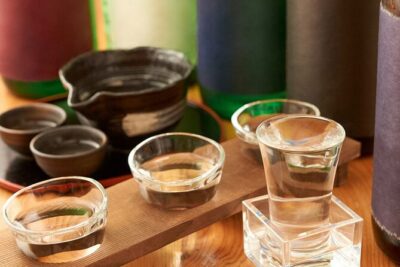
- The Nomikai Lesson: How to Pair Sake and Beer with Small Plates
- The Shopping and Technique Bonus You Get in Some Sessions
- Small Group Size: Why 6 Seats Makes a Difference
- Price and Value: Is $103 Fair for a Night Like This?
- Dietary, Alcohol, and Age Rules You Need to Read Carefully
- Alcohol and tasting age
- Knife and heat rules
- Pregnancy and children
- Vegetarian options
- Allergy limits
- Logistics and Comfort Notes That Affect Your Night
- Who Should Book This Night Cooking Class in Tokyo
- Should You Book It?
- FAQ
- What is the duration of the Tokyo night cooking class?
- What dishes are included in the hands-on cooking?
- How many drinks are included, and can I get soft drinks instead?
- Where is the meeting point?
- Is hotel pickup included?
- Is the class suitable for children and can kids cook with knives?
- Are there dietary restrictions like vegan or gluten-free?
Key Highlights You Will Actually Care About
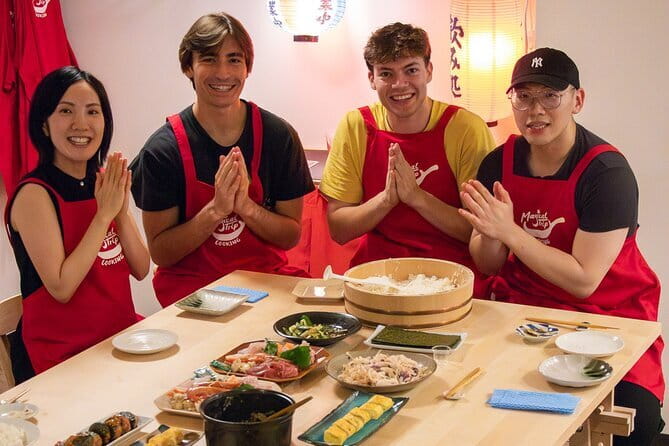
- Five home-cooked style dishes and small plates, built for pairing with drinks
- English-speaking live guide, with a proven track record of making the night fun and organized
- 3 cans of alcoholic or soft drinks included, served with what you cook
- Recipes and tour photos included, so the experience sticks after you go back to your hotel
- Vegetarian friendly with arrangements, but not vegan or gluten-free
- Small group capped at 6, so you can ask questions without waiting
Izakaya-Style Cooking at Night, Built Around Your Drinks
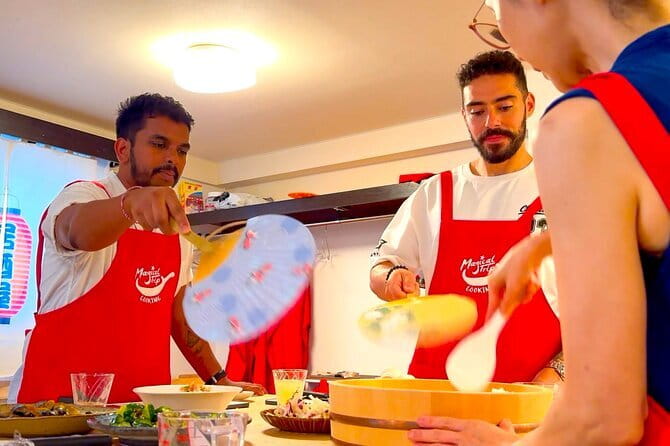
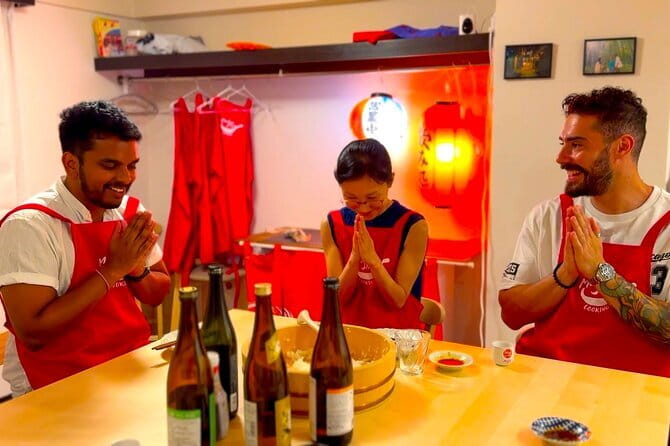
This is the kind of Tokyo evening that fits neatly between sightseeing blocks and late-night ramen runs. You get an izakaya-style setting where food comes out in small, friendly portions, and the goal is simple: cook, taste, and learn how different Japanese drinks change the way flavors hit your tongue.
What I like most is the pairing focus. Yes, you’ll cook Japanese comfort foods, but you’ll also learn how the taste of sake, Japanese beer, and other drinks can make the same dish feel lighter, sharper, or more satisfying. That makes the class useful even if you are not trying to become a professional cook.
The vibe tends to be relaxed and social. Since it is a small group experience, you can actually talk with the people next to you instead of just nodding politely and watching from afar. In the best sessions, guides set the rhythm early, then keep everything moving without rushing you.
More Cooking Classes in Tokyo
- Ramen & Gyoza Cooking Class in Tokyo with Local Supermarket Visit
★ 5.0 · 823 reviews - Tokyo: Easy Ramen Cooking Experience in Kabukicho, Shinjuku
★ 4.6 · 321 reviews - Ramen and Sushi Cooking Class with Sake Pairing Set in Tokyo
★ 5.0 · 291 reviews
Where You Meet: Iriya Station Exit 2 and the Right FamilyMart
No hotel pickup here. You’ll meet at street level in Iriya Station area, right in front of a FamilyMart next to a Gindako shop.
Important detail: there are two FamilyMarts in Iriya station. Look for the one next to Gindako takoyaki and Doutor Coffee, by Exit 2. That tiny “which one” detail matters because it’s easy to arrive early and feel annoyed when you are standing at the wrong door.
Smoking is not allowed, so plan on stepping outside if you need a break. And because this is a nighttime class, I recommend wearing comfortable shoes. Even if the group is small, you may be walking between the meeting spot and the cooking space.
The 3-Hour Flow, From Intro to Cooking to Tasting
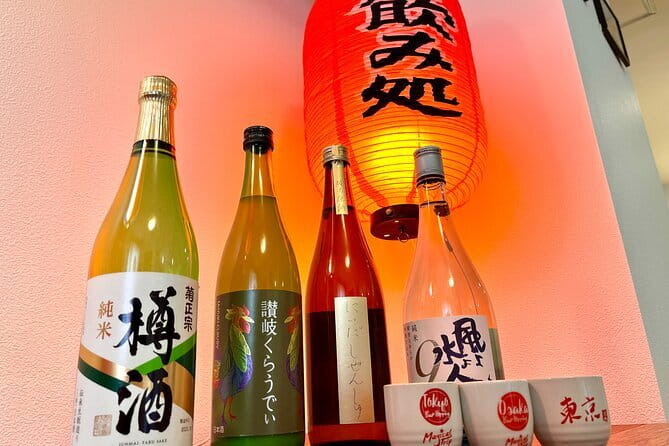
You are in the studio for about three hours, which is long enough to learn technique and still short enough to feel energetic instead of exhausted. The night is basically three phases: a warm welcome, hands-on cooking, then eating with drinks.
The class includes cooking equipment and all ingredients, so you do not need to bring anything except yourself. Your guide sets expectations for what you will make and how to work safely in a shared kitchen setup, especially since there’s a mix of skill levels.
Because the experience is drink-linked, you’ll be paying attention while cooking, not just after. You’ll taste along the way, and you’ll learn how your drink choice affects the flavor of each dish. That is the part that often makes people say this was more than a typical cooking class.
What You Cook: Hand Rolls, Wagyu or Tofu, Tamago, Miso Eggplant, and More
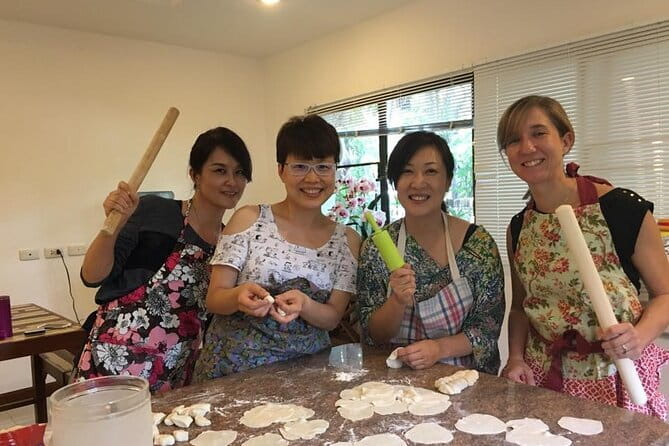
The experience is built around a set of home-style dishes designed for small-plate eating. Here are the dishes specifically called out as part of the included hands-on cooking:
- Sushi hand roll
- Wagyu or tofu steak
- Japanese-style rolled egg (tamago style)
- Grilled eggplant with miso sauce
That gets you four solid items. Since the class name is built around five home-cooked dishes, you should expect a fifth plate from the broader menu style described for the evening, typically in the direction of savory skewers, crispy tempura, tangy pickles, and other drink-friendly side bites.
Even if you do not cook every element perfectly the first time, you’ll understand what each dish is trying to do. For example:
- Hand rolls teach quick assembly and how seasoned rice and toppings work together
- Tamago style rolled egg teaches texture, heat control, and patience
- Miso eggplant teaches how sweet, salty, and smoky elements can balance a cold drink
And yes, it is designed so the recipes are realistic to recreate. The instruction focuses on ingredients and processes that you can find outside Japan, so you are not stuck with one weird specialty item forever.
More Cooking Workshops in Tokyo
- Tokyo: Wagyu and 7 Japanese Dishes Cooking Class
★ 4.9 · 273 reviews - Tokyo Washoku 4-hour Cooking Class: From Market to Table
★ 5.0 · 253 reviews - Tokyo: Private Japanese Cooking Class with a Local Chef
★ 5.0 · 81 reviews - Tokyo: Kawaii Bento Cooking Class – Cute Character Lunchbox
★ 4.9 · 55 reviews
The Nomikai Lesson: How to Pair Sake and Beer with Small Plates
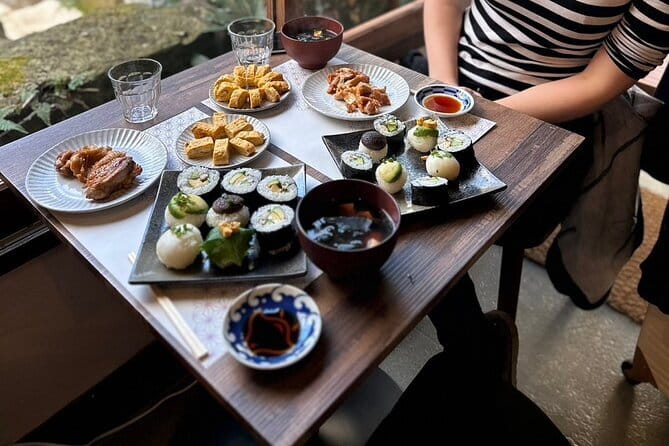
This is one of the most practical parts of the class. Japanese nomikai culture is about variety: small plates, shared drinks, and a casual rhythm that keeps things interesting.
You get 3 cans of alcoholic or soft drinks included, and you’ll learn what pairings tend to work best with each dish. The class doesn’t treat pairing as a fancy mystery. It frames it as taste balance:
- Rich or fatty bites often feel better with drinks that cut through
- Savory items and grilled flavors can taste brighter with the right beverage
- Crisp, tangy sides can make the next bite feel cleaner
If you like Japanese food, you’ll probably realize you already have preferences. This class helps you explain them with language and reasoning you can use later at home, at a Japanese restaurant, or when you are hosting friends.
If you prefer non-alcoholic options, the included drinks can be soft drinks as well. That keeps the tasting element useful even if you are not doing sake or beer.
The Shopping and Technique Bonus You Get in Some Sessions
One nice thing about this class is that it can go beyond “cook from a list.” In some sessions, your guide may take you to a local supermarket first so you can see the ingredients before you cook.
That matters more than it sounds. When you learn how Japanese ingredients look in real life, you can more confidently swap brands at home without ruining the dish. You also get a better feel for how cooks think about freshness and selection, not just recipes on paper.
Even when there is not a supermarket step, you will still learn technique. The focus is on hands-on execution, like how to manage heat for rolled egg and how grilling and seasoning work for miso eggplant and steak.
Small Group Size: Why 6 Seats Makes a Difference
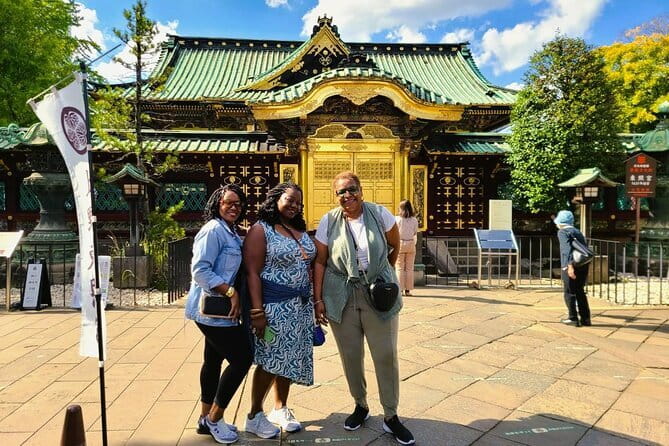
A lot of cooking classes feel crowded because the kitchen is built for one instructor and a steady line of watchers. This one caps the group at 6 participants, which changes everything.
With fewer people:
- Questions get answered immediately
- You get more chances to handle tools and ingredients
- The pacing stays sane for beginners
It also makes socializing easier. The reviews tied to this class highlight a fun atmosphere and meeting new people, which makes sense when you are not packed shoulder to shoulder.
If you are traveling solo, this is a good “conversation-friendly” night. If you are a couple, you will likely appreciate doing hands-on work together instead of just ordering food at a table. And if you are in a small group of friends, you’ll all share the same cooking rhythm, which naturally creates common ground.
Price and Value: Is $103 Fair for a Night Like This?
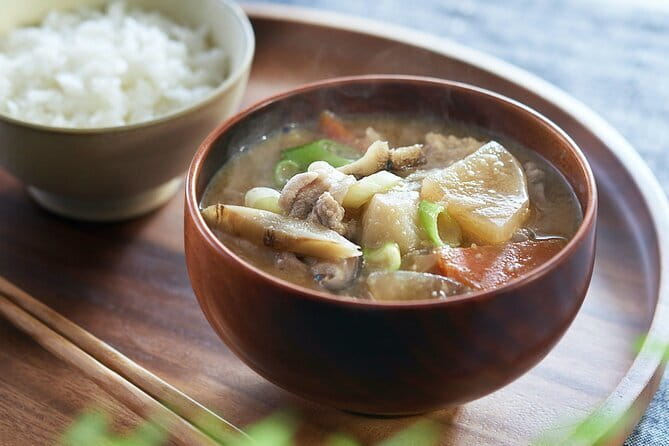
At $103 per person for about three hours, the price only makes sense if you look at what’s included, not just the cooking.
You are getting:
- Hands-on instruction and cooking equipment
- All ingredients
- 3 cans of alcoholic or soft drinks
- Recipes to take home
- Tour photos
- A local guide in English
- A small group setup
When you compare that to the cost of just buying ingredients plus paying for a private cooking lesson, this lands in a reasonable place. What makes it good value is that the drinks are part of the lesson, not an extra cost. Also, recipes and photos are a practical souvenir, not just a “nice to have.”
If you like to cook and you also like Japanese drinks, this is one of those experiences that can give you more than one night’s entertainment. You get skills you can use again at home parties.
Dietary, Alcohol, and Age Rules You Need to Read Carefully
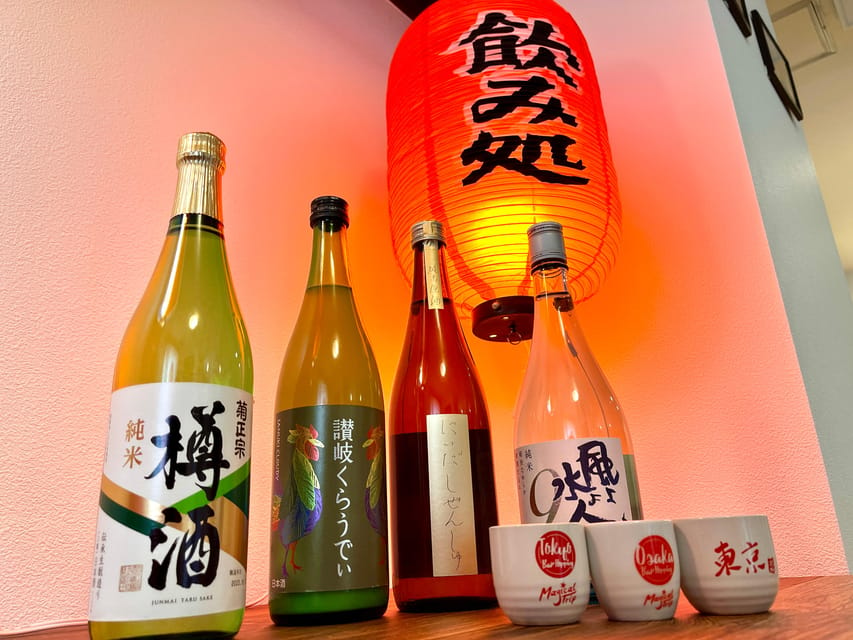
This class is set up with several boundaries, so it is worth planning ahead.
Alcohol and tasting age
Sake tasting and alcoholic beverages are available only for guests 20 and older. If you are younger, you can still participate with soft drink options since the drinks included can be alcoholic or soft drinks.
Knife and heat rules
The tour is open to participants aged 6 and above, but steps involving knives and heat are only permitted for those aged 12 and over, under supervision of a parent or guardian. In other words, do not assume a younger participant can take part in every step.
Pregnancy and children
This experience is not suitable for pregnant women. It is also not suitable for children under 12, even though the general age openness is listed as 6 and up. If you are deciding for kids, I’d treat 12 plus as the realistic target age.
Vegetarian options
Vegetarians are welcome. The setup includes arrangements so you can follow the cooking process. However, vegan is not available, and gluten-free is not available. If your group has strict dietary needs, you’ll want to choose carefully.
Allergy limits
The class is prepared in kitchens that do not belong to MagicalTrip, and allergy-free cannot be guaranteed. Expect that substitutions may not always be possible, even if the guide tries to compensate where they can.
Logistics and Comfort Notes That Affect Your Night
A few small practical things can make or break the comfort level of a nighttime class.
- No hotel pickup means you need to get yourself to the meeting point. That also makes the start time feel sharper, so aim to arrive early.
- Wheelchair and stroller access may be limited since some parts of the tour include locations not accessible by wheelchair or stroller.
- Smoking is not allowed.
- You may have other participants, but the group cap helps keep it manageable.
If you are sensitive to late nights, this is still a great fit because three hours is a clean commitment. You’ll finish with food and a plan for what to cook next, rather than leaving with just memories.
Who Should Book This Night Cooking Class in Tokyo
This is a strong fit if you:
- Want a hands-on Japanese meal instead of a restaurant-only experience
- Enjoy Japanese drinks and want a clearer sense of what pairs with what
- Like learning techniques you can actually repeat
- Want a fun social activity with a small group
It is especially appealing for couples and friends because cooking together gives you something to do besides looking at your phones. Solo travelers also tend to like this format, since the class naturally creates conversation while you work.
Skip it if you need vegan or gluten-free accommodations, or if your party includes someone who cannot participate in knife or heat steps due to the age rules.
Should You Book It?
If you want Tokyo at night in a way that feels hands-on, this class is a smart choice. The best part is the combination: you cook real home-style dishes and you learn how the drinks change the meal. That makes it worth more than a one-time dinner.
Book it if you’re comfortable with the age limits and dietary boundaries, and if you want recipes plus photos to take home. If your priority is strict dietary needs or you need guaranteed allergy-safe preparation, you’ll have to think twice and plan extra carefully.
In short, for most people, this is a fun, social, practical night where you leave with both skills and a menu you can recreate.
FAQ
What is the duration of the Tokyo night cooking class?
The class runs for about 3 hours.
What dishes are included in the hands-on cooking?
The included hands-on dishes are sushi hand roll, wagyu or tofu steak, Japanese-style rolled egg, and grilled eggplant with miso sauce, plus an additional fifth home-cooked dish as part of the five-dish experience.
How many drinks are included, and can I get soft drinks instead?
You receive 3 cans of alcoholic or soft drinks. Alcohol is available depending on age eligibility.
Where is the meeting point?
Meet in front of the FamilyMart next to Gindako shop in Iriya Station Exit 2. There are two FamilyMarts in Iriya station, so look for the one next to Gindako takoyaki and Doutor Coffee.
Is hotel pickup included?
No, hotel pickup and drop-off are not included.
Is the class suitable for children and can kids cook with knives?
The experience is open to ages 6 and up, but steps involving knives and heat are only permitted for age 12 and over under supervision. The tour is not suitable for children under 12.
Are there dietary restrictions like vegan or gluten-free?
Vegetarians are welcome with arrangements. However, it is not available for vegan guests or gluten-free diets, and allergy-free preparation cannot be guaranteed.
More Evening Experiences in Tokyo
- The Dark Side of Tokyo – Night Walking Tour Shinjuku Kabukicho
★ 4.5 · 297 reviews - Tokyo: Night Foodie Tour in Shinjuku
★ 4.8 · 275 reviews - Tokyo: Daikoku JDM Car Meet & Night Car Culture Tour
★ 5.0 · 232 reviews - Yoshimoto Comedy Night OWARAI
★ 5.0 · 229 reviews
More Evening Tours in Tokyo
- Tokyo Night Foodie Tour in Shinjuku – Seasonal Sushi, Wagyu Beef
★ 5.0 · 1,161 reviews - Tokyo: Daikoku JDM Car Meet & Night Car Culture Tour
★ 4.8 · 626 reviews - Tokyo After 5: Authentic Japanese Food & Drink Night Tour
★ 4.5 · 560 reviews - Tokyo: Legend Samurai Entertainment Night in Kanda Shrine
★ 4.6 · 367 reviews
Newly listed around Tokyo
- Tokyo: Practicing Zen with a Japanese Tea Ceremony★ 4.7 · 105 reviews
- Tokyo: Japanese Massage – Kangfu Beauty & Body Care Salon★ 4.4 · 43 reviews
- Tokyo: Hama-rikyu Gardens tour with Japanese Tea & Sweets★ 4.7 · 14 reviews
- Tokyo: Japanese Style Variety Show with Dance,Magic & Dinner★ 4.5 · 13 reviews
- Tokyo: Imperial Palace with Nostalgic Alley Kagurazaka tour★ 4.3 · 8 reviews
- Tokyo: Full-Day Japanese Garden Private Guided Tour★ 4.6 · 13 reviews
- Tokyo: Imperial Palace East Gardens and Tokyo Station Tour★ 5.0 · 16 reviews
- Tokyo: Imperial Palace, the history of Japan (ENGLISH GUIDE)★ 5.0 · 77 reviews
Japanese Cooking Workshops, compared.
Ramen Cooking Class at Ramen Factory in Kyoto
Read our review →
Ramen & Gyoza Cooking Class in Tokyo with Local Supermarket Visit
Read our review →
Ramen Cooking Class at a Ramen Factory with Souvenir
Read our review →
Japanese Washoku Bento Small Group Cooking Class
Read our review →
Sumo Stage Show with Bento or Snack + Fight & Photo
Read our review →