
Review · SELF-GUIDED TOURS
Tokyo Self-Guided Audio Tour
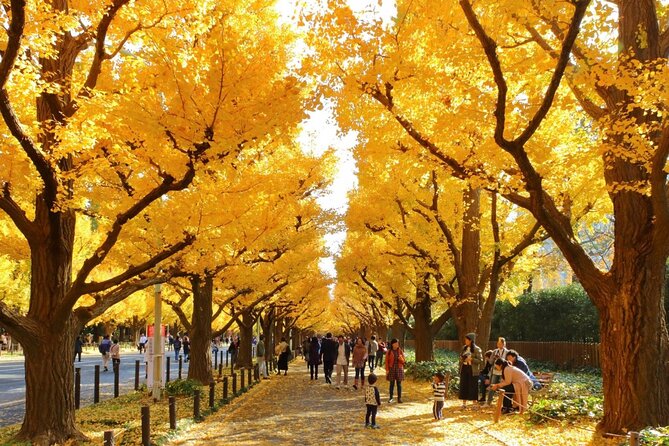
Tokyo, but on your schedule. This self-guided audio tour strings together 22 big-hitter sights so you can linger where you want, from Meiji-Jingu Shrine to Shinjuku Gyoen. What I like is the freedom to start and stop anytime, plus the audio works without needing to stay online. The main thing to consider is that you really do have to follow the access instructions and use the map yourself, since there is no on-site guide walking you through.
You get a mobile ticket and access links by email. Before your starting time, you click into a SoundCloud web guide and an interactive Google My Maps route, then tap each point to play that stop’s audio.
In This Review
- Key things to know before you go
- Why this Tokyo audio tour beats the usual rush-job
- Price and value: what $9 really buys you
- Getting the audio and map links (and using them without stress)
- How to pace a 4-hour Tokyo loop, then extend it
- Stop 1 to Stop 7: rail history, imperial calm, and shrine vibes
- Stop 8 to Stop 13: Shibuya energy, art stops, and the Tokyo Tower contrast
- Stop 14 to Stop 18: bay views, Odaiba futurism, and Asakusa’s old Tokyo feel
- Stop 19 to Stop 22: Ueno museums and science, plus cherry-blossom timing
- Practical tips so the self-guided part stays fun
- Who this tour suits (and who should skip it)
- Should you book this Tokyo self-guided audio tour?
- FAQ
- How much does the Tokyo self-guided audio tour cost?
- How long is the tour?
- Do I need to be online to use the audio guides?
- How do I access the audio and the map?
- Can I start and stop the tour whenever I want?
- Are attraction entry fees included?
- Is transportation included?
Key things to know before you go
- 22 stops across Tokyo lets you build a route that fits your day, not a group’s agenda
- Offline-friendly listening means you can keep going even if your connection is weak
- SoundCloud + Google My Maps links give you both the audio and the navigation points
- Short stop guidance (about 10 minutes each) helps you pace without feeling rushed
- Some admissions are extra at gardens and museums, so $9 is not the whole bill
Why this Tokyo audio tour beats the usual rush-job
A good self-guided tour does two things. It helps you find the spots, and it gives you just enough story to make each one click. This one hits that sweet spot by covering the Imperial Palace area, Shibuya Crossing, major museums, and classic temples, all in one connected route.
I also like the way it’s structured for choice. You can move in order, or skip ahead to the parts you care about most, without feeling like you are failing a guide. And because the stops are roughly 10 minutes each, you can stretch the day by repeating a favorite area or compress it when you are craving food and transit speed.
The catch is also clear. It is self-guided, so if you want staff on location to fix problems, you may feel stranded. If you want audio that perfectly matches where you are standing, you still need to use the map points correctly.
A few more Tokyo days to weigh up
- Mt Fuji and Hakone 1-Day Bus Tour Return by Bullet Train
★ 5.0 · 26,383 reviews - 1-Day Tokyo Bus Tour
★ 5.0 · 14,250 reviews - Tokyo: TOKYO SKYTREE® Admission ticket
★ 4.5 · 11,192 reviews
Price and value: what $9 really buys you
At $9 per person, you are paying for the audio experience and the route tools, not for museum tickets. The product gives you private access links to a playlist covering all 22 attractions, plus a map where each point links to its own audio.
Where the value can pay off fast is convenience. Instead of juggling five guidebooks and Googling every stop, you have a single guided thread you can follow. For a first-time visit to Tokyo, that saves time and helps you avoid spending your limited energy on random trivia.
Where the value can feel shaky is when you hit paid entrances. Some stops are free, some are not included (like Shinjuku Gyoen and several museums). Budget extra if you plan to go inside everything, and decide in advance what you want to pay for versus what you are happy to view from outside.
Getting the audio and map links (and using them without stress)
This tour is designed to be simple once you have the links. After booking, you receive confirmation at the time of booking. On your selected date, before your starting time, you get an email with two links.
One link opens a SoundCloud web page for the audio guides. You can listen to individual attraction guides or run the full playlist to plan your route. The second link is a Google My Maps itinerary map, where each stop corresponds to an audio guide.
The practical pro tip here is timing. Test your links before you head out, even if it is just checking that the SoundCloud page opens and the map points show up. That small step prevents the most common self-guided problem, arriving at Stop 1 with a phone that refuses to cooperate.
How to pace a 4-hour Tokyo loop, then extend it
The route is listed as about 4 hours, with an estimated 10 minutes per stop. That is a useful planning yardstick, not a rule. Tokyo moves fast, but you do not need to force the full loop in one go.
Because you can start and stop whenever you wish, I recommend treating this like a menu. If your feet are good, follow the suggested order. If you hit a line, want snacks, or suddenly love one temple area, pause the route and keep your attention there.
Also, don’t feel locked into the full 22 stops in one day. The access links are valid up to 6 days, so you can split the experience across multiple days and keep it relaxed.
A different sort of day in Japan:
- Tokyo: teamLab Planets TOKYO Digital Art Museum Entry Ticket
★ 4.6 · 9,779 reviews - Mt Fuji & Hakone Cruise, Drum Show Bullet Train 1 Day from Tokyo
★ 4.0 · 7,413 reviews - Tokyo: Sumo Show Experience with Chicken Hot Pot and a Photo
★ 4.8 · 6,678 reviews - Tokyo: Shinjuku Food Tour (13 Dishes at 4 Local Eateries)
★ 5.0 · 6,603 reviews
Stop 1 to Stop 7: rail history, imperial calm, and shrine vibes
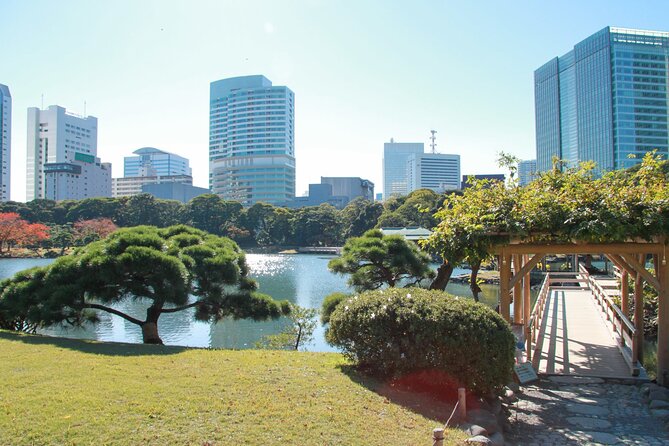
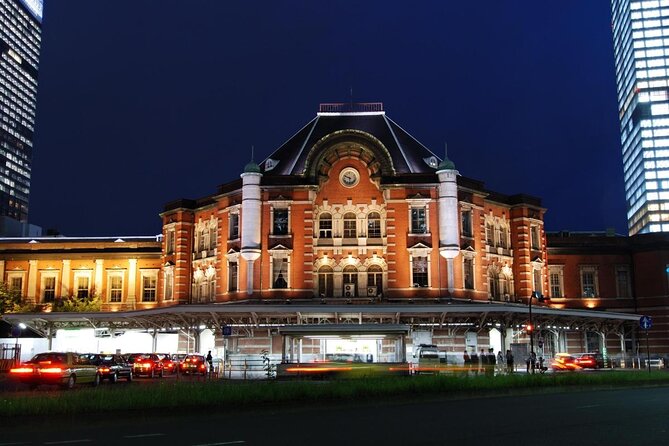
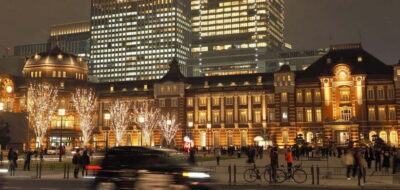
Stop 1: Tokyo Central Railway Station. Start with the city’s rail heart. The audio focuses on the station’s historic role and how it fit into Japan’s modernization story. Even if you only walk the station halls for a few minutes, it sets the scene for Tokyo as a place built on movement.
Stop 2: East Gardens of the Imperial Palace, Edo Castle Ruin. This is a quieter reset after the busy station. You get landscaped grounds with deep imperial associations, and the audio frames the area as part of the earlier Edo Castle world. It is a good stop if you want green space without committing to a long detour.
Stop 3: Chidorigafuchi. Expect a scenic moat setting with a strong spring connection in the audio. The name is closely tied to cherry blossoms, and you’ll also hear how moats mattered for feudal defenses. If you visit outside cherry blossom season, you can still enjoy the waterfront walk.
Stop 4: Yasukuni-jinja Shrine. This stop is there for cultural and historical context, not easy comfort. The audio explains why the shrine is often discussed in complex ways tied to Japan’s war dead. If you prefer lighter sightseeing, you might choose to spend less time here and more time at nearby calmer areas.
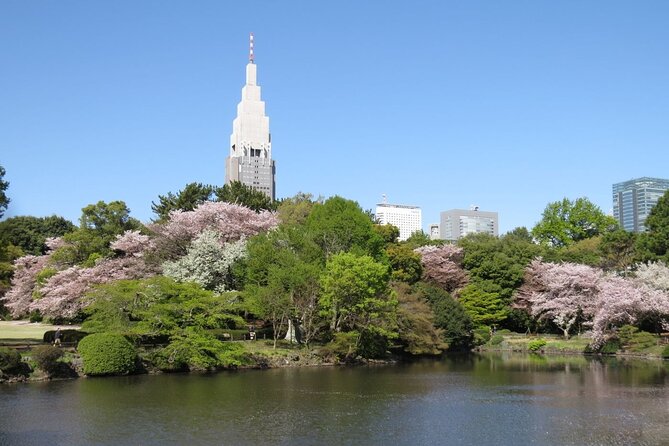
Stop 5: Shinjuku Gyoen National Garden. This is your garden-world section. The audio highlights the mix of Japanese, French, and English garden styles, plus how the grounds changed from imperial roots into a postwar public garden. It is a great place to slow down, but plan for possible entry costs since admission is not included.
Stop 6: Tokyo Metropolitan Government Buildings. This is an easy win for city views. The audio points you toward how governance and modern architecture fit into Tokyo’s story. If you want a dramatic skyline moment without committing to a specific museum, this is often the kind of stop that feels efficient.
Stop 7: Meiji Jingu Shrine. Save your lungs for the forested approach. The audio covers Shinto traditions and the imperial figures the shrine honors, Emperor Meiji and Empress Shoken. It is one of those stops where even a short visit feels like a genuine change of pace.
Stop 8 to Stop 13: Shibuya energy, art stops, and the Tokyo Tower contrast
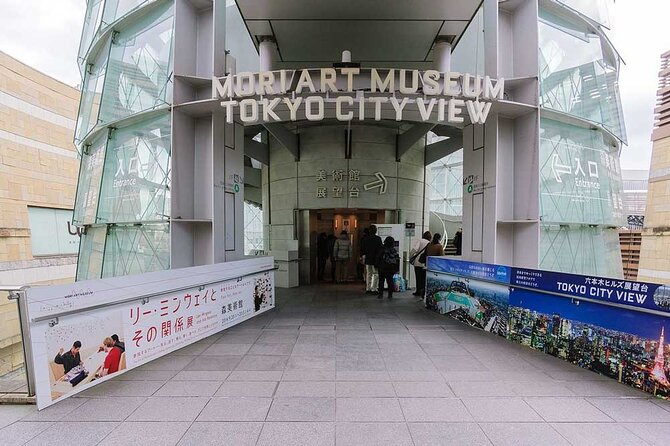
Stop 8: Shibuya Crossing. This is Tokyo’s high-energy “now” moment. The audio explains how the area evolved from residential roots into a fashion and youth hotspot. Even if you do not go far beyond the crossing, you’ll understand why it became a global symbol.
Stop 9: National Art Center, Tokyo. The audio calls it an unusual “empty museum,” and that framing matters. Instead of trying to explain everything at once, it encourages you to treat the building and its rotating exhibitions as part of the experience. Admission is free here, so it can be a low-cost culture hit if the timing works for you.
Stop 10: Mori Art Museum. If you want contemporary art with a skyline backdrop, this is the pairing. The audio positions it as a sky-high museum experience, and the views are part of the payoff. Admission is not included, so decide if you want to pay to go inside.
Stop 11: Tokyo Tower. This is Japan’s famous Eiffel-inspired silhouette. The audio focuses on construction and significance in post-war Japan, giving the tower a historical weight beyond the photo. Admission is not included, so you can choose whether to climb inside or just enjoy the exterior setting.
Stop 12: Zojoji Temple. This is where the tower and temple create a fascinating contrast. The audio connects Zojoji to the Tokugawa shogunate, and you’ll feel how old faith structures sit beside modern Tokyo landmarks. It’s a smart stop if you like the idea of Tokyo layering eras on top of each other.
Stop 13: Hama Rikyu Gardens. Think of this as a historic-living-garden stop in a city that keeps changing. The audio frames the gardens as tied to a feudal lord’s residence and how the space adapted across centuries. Admission is not included, so treat this as a “pay for the calm” choice.
Stop 14 to Stop 18: bay views, Odaiba futurism, and Asakusa’s old Tokyo feel
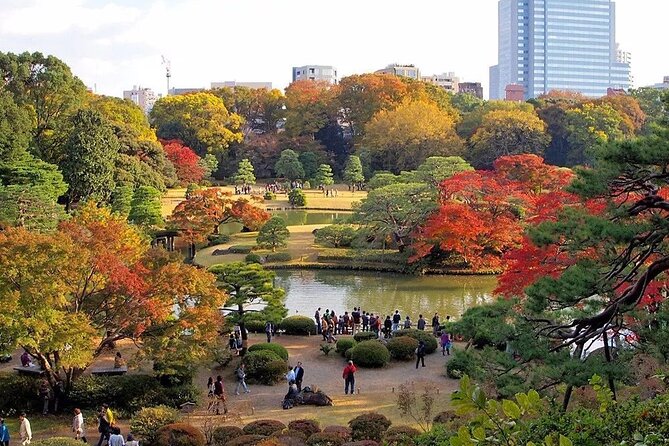
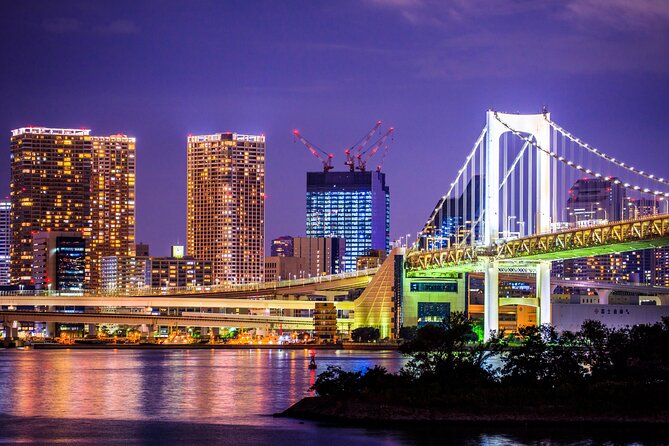
Stop 14: Rainbow Bridge. This stop is about Tokyo Bay and night-light atmosphere. The audio discusses the bridge’s construction and the nightly illumination, which is exactly the kind of detail that helps you appreciate a view beyond the obvious. If you are not there at night, it can still work as a “look and learn” moment.
Stop 15: Odaiba District. Odaiba is the futuristic contrast zone. The audio explains its evolution from fortress to entertainment and leisure, which helps the area make sense if you feel like you are stepping into a different city. Admission is not included, so you can keep costs down by exploring the district outdoors.
Stop 16: Tokyo Skytree. When Tokyo wants height, it brings Skytree. The audio explains its design inspiration from traditional Japanese aesthetics, so it is more than a tall stick in the skyline. Admission is not included, so you can view it from outside or decide whether paying to go up matches your priorities.
Stop 17: Senso-ji Temple. This is one of the most iconic temple visits in Tokyo. The audio covers the founding legend and the temple’s importance during Edo-period life, which gives you context for why people pack the area. It’s a strong stop for history lovers, and also for anyone who just wants that old-town energy.
Stop 18: Asakusa. After Senso-ji, Asakusa is where the vibe extends into streets and everyday culture. The audio frames how it shifted over time, from an entertainment district into a cultural center. If you have energy for a longer wander, this is where you can spend it.
Stop 19 to Stop 22: Ueno museums and science, plus cherry-blossom timing
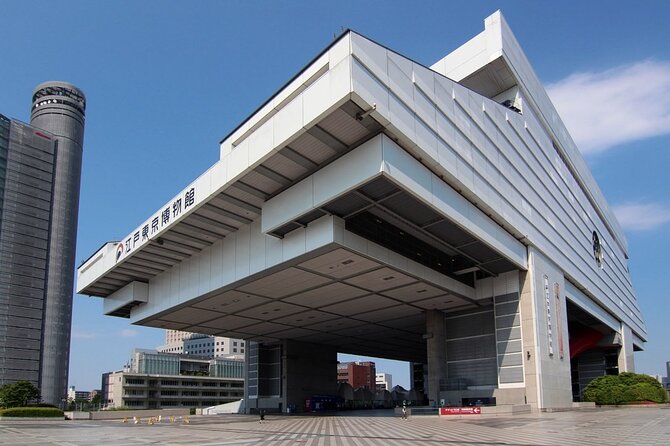
Stop 19: Tokyo National Museum. This stop is for people who want Japan’s art and artifacts in one main place. The audio points out its scale and focus on Japanese art and antiquities. Admission is not included, but it is also one of the more structured “buy a ticket and commit” museum stops on the route.
Stop 20: National Museum of Nature and Science. If you like science and hands-on learning, this is your contrast to temples and towers. The audio frames it as covering natural world topics and technological advancements. Admission is not included, so think of it as a half-day option only if you actually want indoor exploration.
Stop 21: National Museum of Western Art. This is a standout architecture-and-art combination. The audio connects it to UNESCO status and mentions the Le Corbusier-designed building, plus the Western masterpieces inside. Admission is not included, so it is a “pay if you care about the building and the collection” stop.
Stop 22: Ueno Park. Finish with a classic Tokyo public space. The audio covers why Ueno is so popular and notes its museums plus cherry blossom season significance. Admission is free here, and it’s a great way to end the day because you can linger as long as you want without paying another ticket.
Practical tips so the self-guided part stays fun
First, use the map points as your anchor. The tour’s audio is linked to locations, so if you stroll a few blocks away, the timing might feel off. A lot of self-guided frustration comes from playing the wrong stop at the wrong moment.
Second, treat the audio like a conversation aid, not a script you must follow word for word. The audio guides are set for short stop sessions, about 10 minutes each. If you want longer, keep it flexible and let the stories give you ideas for what to look at, then move on when you are ready.
Third, be realistic about how much you can see in one day. This is a dense route across Tokyo, and transit time counts. If you want to feel good at the end, pick a “must-do core” and only follow the rest when it fits.
Finally, plan for support that might not be on-the-ground. The tour is private and self-guided, with access happening through email links. If you wait until the day-of without checking your links, you can end up stressed, and that is exactly the scenario that leads to bad experiences.
Who this tour suits (and who should skip it)
This tour is a good fit if you like DIY travel and you want a guided structure without a guide marching you from stop to stop. It is also useful if you want a single route that covers major Tokyo areas, including shrines, temples, parks, and viewpoints, with quick context at each stop.
It may not be ideal if you want heavy handholding or a staff member to meet you in person and troubleshoot. It also might frustrate you if you need detailed, step-by-step transit directions between far-flung stops, since transportation is not included and the focus is on self-navigation.
Should you book this Tokyo self-guided audio tour?
If your goal is to see a lot of Tokyo highlights with a light-touch guide, this one can be a smart buy. The $9 price is especially attractive because you get both the audio and an interactive map, and you can choose how much time to spend at each place.
I would book it if you are comfortable using phone links and you can handle a route that is partly about your own navigation. I would hesitate if you hate app-based tours, need guaranteed on-site help, or plan to arrive with the assumption that someone else will sort out audio access for you.
Bottom line: it is best when you play it like a choose-your-own Tokyo day, not a strict itinerary.
FAQ
How much does the Tokyo self-guided audio tour cost?
It costs $9.00 per person.
How long is the tour?
The duration is about 4 hours.
Do I need to be online to use the audio guides?
No. The tour says you do not need to be online to use the audio tour.
How do I access the audio and the map?
After booking, you receive an email with two links. One link opens the audio guides on a secure SoundCloud web link, and the other link is a secure Google My Maps itinerary map.
Can I start and stop the tour whenever I want?
Yes. Since it is self-guided, you can start and stop the guided tour when you wish, and you can also decide your starting and ending point in Tokyo.
Are attraction entry fees included?
No. Entry fees are not included where required.
Is transportation included?
No. Transportation (pick-up and drop-off) is not included.
Newly listed around Tokyo
- Tokyo private transfer for Yokohama Port★ 4.5 · 63 reviews
- Luxury Kimono Photoshoot at Ginza Tokyo★ 5.0 · 7 reviews
- Tokyo Allstar Food Tour★ 4.5 · 206 reviews
- Tokyo Art Aquarium Museum E-Ticket with optional Tokyo Metro Pass★ 5.0 · 17 reviews
- Tokyo: Best Ginza Food Tour at 3 Local Eateries★ 5.0 · 83 reviews
- Private One Day Nikko Tour with Bilingual driver★ 3.5 · 11 reviews
- PRIVATE tour in 180SX to Daikoku+++++★ 5.0 · 6 reviews
- Kabuki Talk★ 5.0 · 10 reviews
Self-Guided Tours, compared.
Open Top Panoramic Sightseeing Bus with Audio Guide
Read our review →
60min Panoramic Open Top Bus Tour with Audio Guide
Read our review →
Akihabara: Self-Guided Tour with a special brochure
Read our review →
One Day Private Customized Self-Guided Tour in Kyoto
Read our review →
Fushimi Inari Shrine: Explore the 1,000 Torii Gates on an audio walking tour
Read our review →
Hakone: Self Guided Trip to Mt. Fuji // Made by Local Guides
Read our review →Browse the lists this tour appears in