
Review · SELF-GUIDED TOURS
One Day Private Customized Self-Guided Tour in Kyoto
Kyoto in one day, on your terms, feels smart. You get a private car with a professional driver and the freedom to build the day around what you actually want to see. I like that you can follow a suggested route or go completely custom in the Kyoto urban area.
The second big win for me is logistics. You skip the stress of figuring out trains, transfers, and navigation, and the day includes highway tolls and parking so your driver is free to focus on getting you to each stop on time.
One thing to consider: this is transport plus self-guided time, not a guided tour with translation. Some drivers are more chatty and helpful than others, so you should be ready to manage your own pacing and questions.
In This Review
- Key things I’d focus on before you go
- Why a private self-guided Kyoto day works so well
- Customizing your Kyoto route, from bamboo areas to Fushimi Inari
- Recommended day flow, in plain English
- The driver and car setup: what “private” actually means
- Car size, seating, and why it matters
- Important: you’re self-guiding
- Arashiyama first: bamboo area time and the scenic flow
- Kinkaku-ji and Nishiki Market: temple views plus lunch stops
- A driver tip that can pay off
- Kiyomizu-dera, Ninenzaka and Sannenzaka slopes, and Gion
- The real benefit: you set the tempo
- Nijo Castle: where the day gets a bit more structured
- Fushimi Inari Taisha: the classic finish
- Price and value: what you get for $509 and what costs extra
- The practical reality: pick-up locations and common gotchas
- Driver performance can vary
- Should you book this private day tour?
- FAQ
- Can I customize my itinerary for this Kyoto day tour?
- What is the total duration of the tour?
- How much does the tour cost, and how many people is it for?
- Where can the pickup and drop-off happen?
- Are admission tickets included?
- Is lunch included?
- Do I get a tour guide or translation?
- What languages do the drivers speak?
- Is the vehicle wheelchair accessible?
- What if I’m traveling with a baby or toddler?
- What extra costs apply if I run over 10 hours or travel late?
Key things I’d focus on before you go
- You design the route, either using a recommended flow or swapping stops to match your priorities
- Arashiyama gets real time (about 2 hours) for bamboo-area sightseeing and the classic bridge temple combo
- You cover Kyoto essentials without backtracking, using a tight, sensible order of neighborhoods
- No tour guide or translation, so you are effectively the navigator
- Car size and luggage capacity matter, especially for a 6-seat vehicle
- Driver language is arranged at random, so plan for a driver who may speak English, Japanese, or Chinese
Why a private self-guided Kyoto day works so well
Kyoto is the kind of city where the right plan can save hours, and the wrong plan turns into constant transit and rerouting. This private day is built for people who want a full, high-impact itinerary but don’t want the usual friction.
You’re given a professional driver, an air-conditioned car, and flexible pick-up and drop-off options across Kyoto, Osaka, Kobe, and Nara. That alone changes the day. Instead of thinking about how to get from one neighborhood to the next, you can think about what you want to do once you arrive.
The self-guided part is the other half of the equation. You’ll have free time at each place, so you control your pace, your walking, and your shopping time. If you move slowly, you won’t get rushed out by a group clock. If you’re efficient, you can linger where you like most and keep the rest tight.
A few more Kyoto days to weigh up
- PERFECT KYOTO 1-Day Bus Tour
★ 5.0 · 13,518 reviews - Kyoto: Fushimi Inari, Kinkakuji, Bamboo Grove 1 Day Bus Tour
★ 4.8 · 4,316 reviews - Kyoto: Tea Ceremony in a Traditional Tea House in Kiyomizu
★ 4.9 · 3,519 reviews
Customizing your Kyoto route, from bamboo areas to Fushimi Inari
The best thing about this experience is that it’s not locked into one script. You can fully customize your itinerary in the Kyoto urban area, and you can also request specific changes even while you’re in the vehicle. That means you’re not stuck if you decide you want more time at a market, or less time at a temple stop.
If you prefer structure, there’s a recommended flow for the Arashiyama area. It strings together the Bamboo Forest Trail, Arashiyama Park, Internet Celebrity Coffee, Togetsukyo Bridge, and Tenryuji Temple. Even if you don’t copy it exactly, it helps you understand how the day is meant to feel: scenic and walkable, with a classic Kyoto rhythm.
A smart way to plan your customization is to decide what kind of Kyoto day you want:
- Temples and photo stops, with calmer pacing
- Neighborhood wandering, shopping, and viewpoints
- Food-forward with time set aside for snacks and lunch
Then map those choices onto the fixed time blocks in the itinerary. You’ll still have roughly 10 hours total including transportation, so your edits should focus on priorities rather than adding extra far-flung stops.
Recommended day flow, in plain English
You can think of the day as a line that moves through Kyoto in a logical order:
- Start in Arashiyama, then head toward central Kyoto
- Continue through market and temple areas (Nishiki, Kiyomizu-dera, slopes)
- Walk through Gion and the castle area
- Finish with Fushimi Inari Taisha
That order matters because it reduces wasted time in traffic. You’re still going to be out all day, but the routing is designed to be efficient.
The driver and car setup: what “private” actually means
Private in this case is very literal. You get an air-conditioned vehicle, highway tolls and parking are covered, and the driver handles the driving. You also get hotel pick-up and drop-off, which helps if you’re staying in the city rather than arriving by transit.
The company contacts you in advance to confirm details like:
- number of passengers
- how much luggage you’ll have
- your starting time for the day
About the driver: you can’t select nationality. The provider assigns drivers who speak English, Japanese, or Chinese at random. That’s normal for private services in Japan, but it does mean your expectations should be flexible. If you’re traveling with a group and communication needs to be crystal clear, share a simple list of must-do stops in advance, including any pronunciation notes.
One helpful detail: a day before your trip, you receive the driver phone number. The driver will be waiting at the scheduled time. That reduces the classic Kyoto problem of late arrivals and missed meetups.
A different sort of day in Japan:
- Kyoto Geisha Walking Tour: Gion District & Hidden Gems
★ 4.7 · 3,273 reviews - Kyoto: Tea Ceremony Ju-An at Jotokuji Temple
★ 4.9 · 3,207 reviews - Kyoto: 45-Minute Tea Ceremony Lesson Experience
★ 4.3 · 2,378 reviews - Kyoto: Gion Geisha District Walking Tour – Stories of Geisha
★ 4.7 · 2,187 reviews
Car size, seating, and why it matters
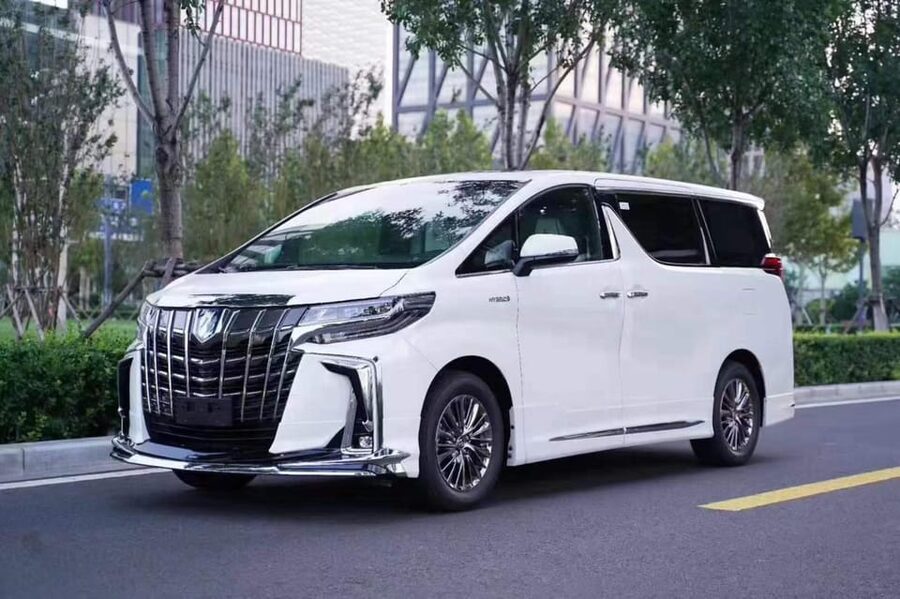
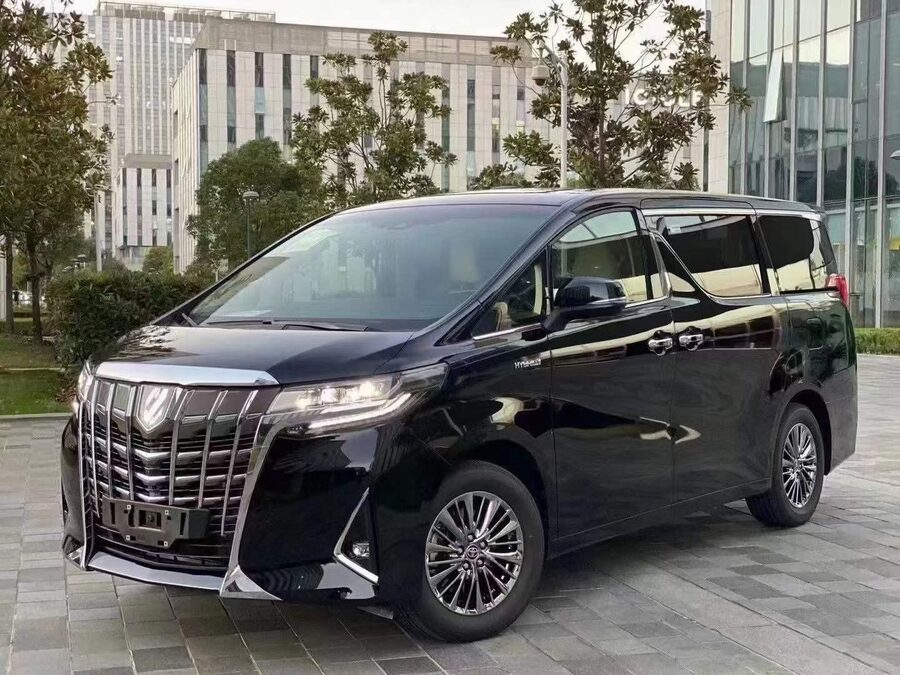
You’ll be matched with a 6, 9, or 13-seat vehicle. Here’s the part you should pay attention to:
- 6-seat car: 6 people and 4 luggage
- 9-seat car: 9 people and 10 luggage
- 13-seat car: 13 people and 6 luggage
If you’re booking for a group of 6 with multiple suitcases, confirm luggage count early. The luggage default is 24 inches, but the capacity is not the same in every car size.
Also, one reality from real-world bookings: comfort can vary. A 6-seat setup can mean tighter seating for back passengers, so if you’re tall, bring a pillow or plan to sit upright.
Important: you’re self-guiding
There’s no translation and no tour guide. Your driver is primarily there to drive and help with logistics, not interpret for you. If you want explanations of temples, history, or Japanese context, you’ll need your own tools like a guidebook, offline map info, or a translation app.
That does not make the day worse, it just makes it different. Think of it as a guided route plan in terms of stops, but you experience each place on your own.
Arashiyama first: bamboo area time and the scenic flow
Starting in Arashiyama is a strong choice because it gives you space to enjoy a slower, more scenic Kyoto moment early in the day. You’ll get about 2 hours here for free time and sightseeing.
The recommended Arashiyama sequence is built around a classic walk route:
- Bamboo Forest Trail
- Arashiyama Park
- Internet Celebrity Coffee
- Togetsukyo Bridge
- Tenryuji Temple
You’re not required to do all of it, but the design is useful. It gives you a clear order so you’re not wandering randomly. If you love photos, give yourself enough time to walk the bridge area and to pause around the bamboo trail zone. If you’re more into gardens and atmosphere, spend your time closer to the temple-side areas.
One practical note from real-world experience: there can be disagreement if a driver questions whether a segment is worth the effort. So if bamboo is a priority, communicate it early and firmly as part of your itinerary plan.
Kinkaku-ji and Nishiki Market: temple views plus lunch stops
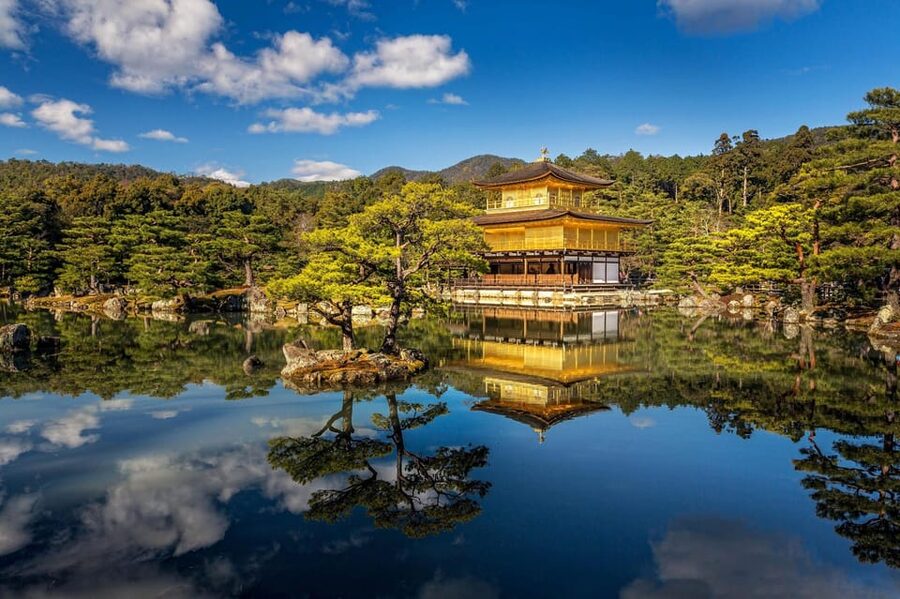
Next up is Kinkaku-ji with about 1 hour of free time. This is one of the iconic Kyoto sights, and the time block is short enough that you’ll want to decide quickly what you want most from the stop: wide views, close-up photo time, or slow wandering.
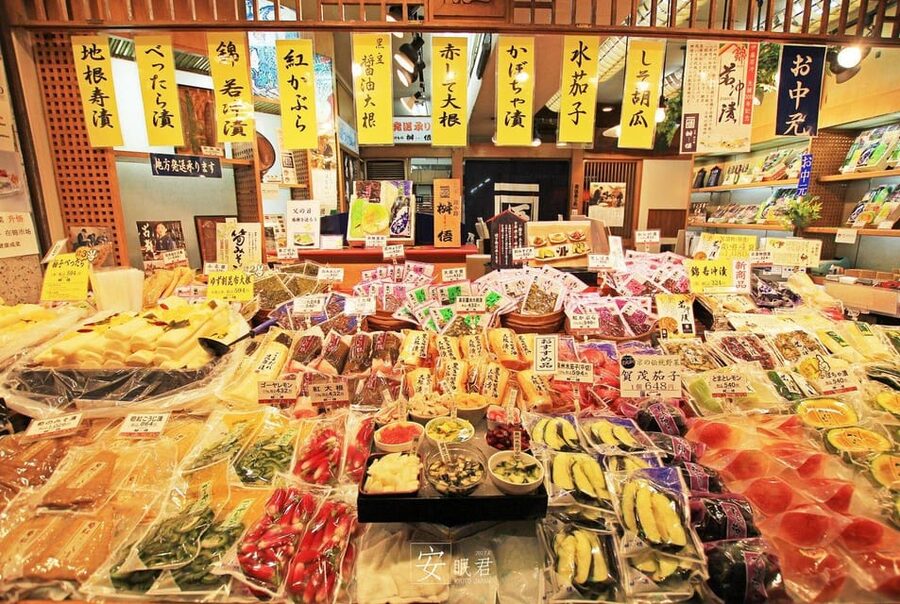
After that, the day shifts to Nishiki Market with about 1 hour. This is the part that works well if you like food sampling and browsing. The itinerary sets time aside for lunch, street food, shopping, and local snacks. Food and drinks themselves are not included, so treat this as your chance to eat what you like, not as a fixed meal package.
A smart way to handle Nishiki Market in 60 minutes is to pick a few bites rather than trying to “do everything.” You’ll get a better sense of the market without burning your whole hour.
A driver tip that can pay off
If you end up with a driver who is genuinely city-familiar, you might get practical advice that improves your day. In real bookings, drivers such as Ben have recommended traditional lunch choices that match the vibe of Kyoto instead of generic tourist fare. That kind of suggestion can be worth more than trying to guess.
Kiyomizu-dera, Ninenzaka and Sannenzaka slopes, and Gion
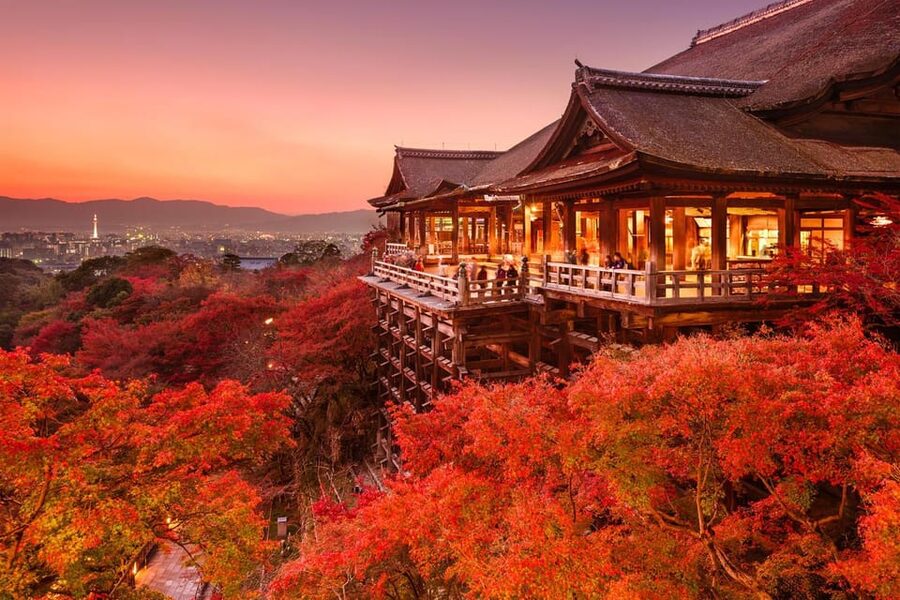
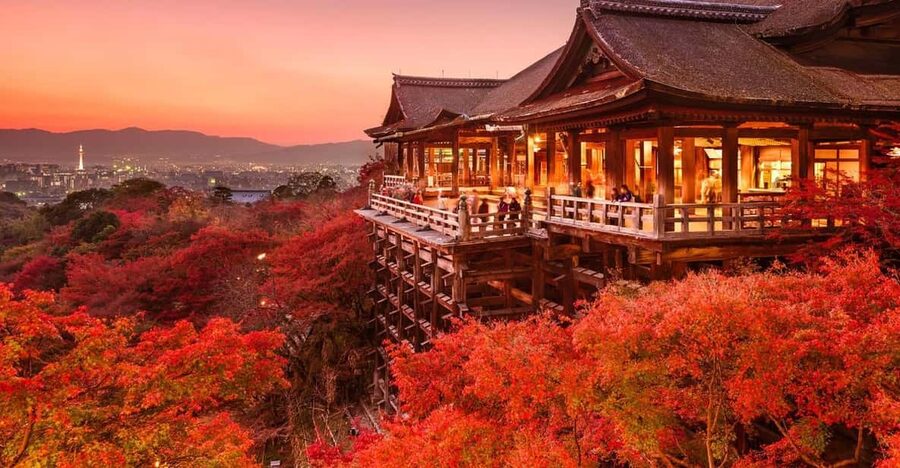
You’ll then head to Kiyomizu-dera for about 1 hour of free time and sightseeing, with scenic views on the way. Kiyomizu-dera is another iconic stop, and the hour is meant to let you see the main experience without turning it into an all-day commitment.
From there, you move to the Ninenzaka and Sannenzaka slopes for about 1 hour. This is where you’ll likely shift from temple time into street-level Kyoto time: shopping, walking, and slow browsing.
Then comes Gion for about 1 hour. Gion is described as a historic street area, and the time block here is designed for wandering. It’s the kind of neighborhood where you want to move at a walking pace and enjoy the street atmosphere rather than trying to do it all like a checklist.
The real benefit: you set the tempo
Because there’s no guide telling you when to move, you can make tradeoffs. If slopes and shopping are your thing, spend a bit longer there. If you’d rather do Gion quickly and save energy for later temples, you can compress these walk sections.
That flexibility is the point of the service.
Nijo Castle: where the day gets a bit more structured
After Gion, you’ll have time at Nijo Castle for about 1 hour. This stop changes the feel of the itinerary, shifting from neighborhood streets to a more defined attraction experience.
One advantage of keeping it to around an hour is that it lets you see enough without losing the entire afternoon. If your group energy is lower, an hour can be a good stopping point. If you’re very into castle architecture and grounds, you might wish you had extra time, which is where the extendable service becomes relevant.
If you want more time here, plan that in advance so you’re not stuck deciding late. The tour is extendable with a charge, so it can work as a “stretch the day where it matters” option.
Fushimi Inari Taisha: the classic finish
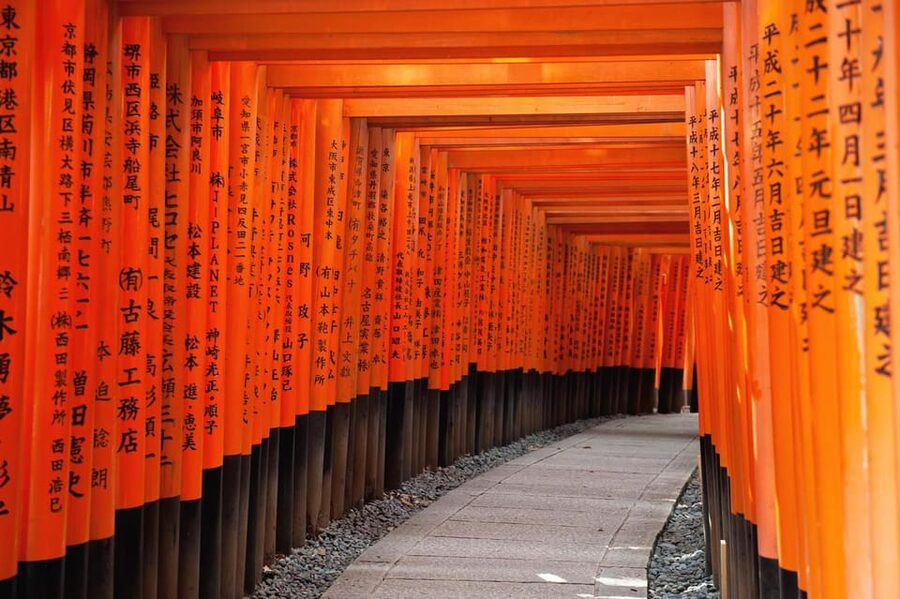
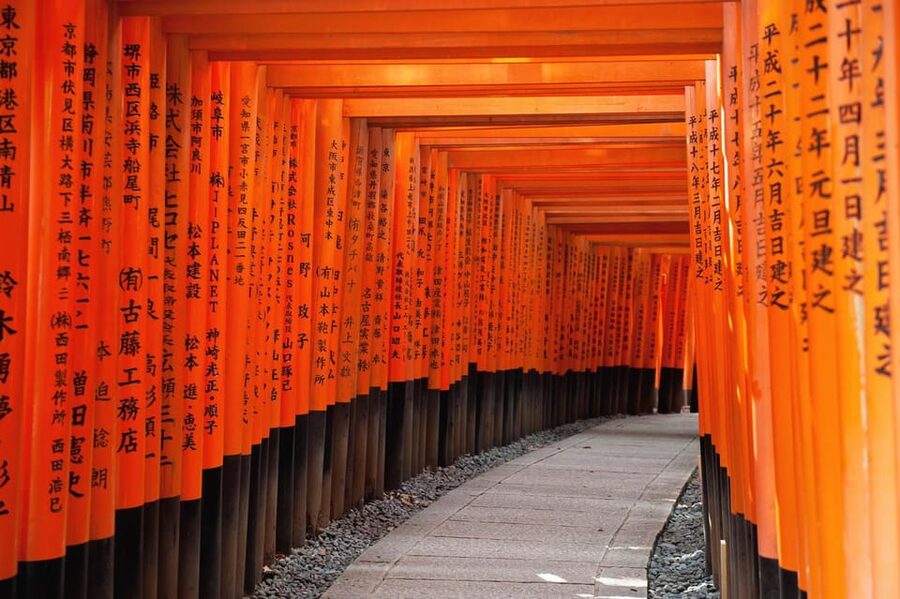
Finally, you’ll reach Fushimi Inari Taisha for about 1 hour of free time and sightseeing. This is one of Kyoto’s best-known spiritual landmarks, and ending here gives the day a satisfying, recognizable climax.
That last hour is also practical. Late-day stops tend to need flexibility because you might want extra time for photos and shopping. You have the option to adjust while you’re traveling, within the Kyoto urban area.
As with other places, remember the service is built around self-guided time. Bring your own plan for what you want to do in that hour, whether it’s viewing, walking, or finding a specific spot.
Price and value: what you get for $509 and what costs extra
The price is listed at $509 per group up to 6 for a 10-hour day. For a private car in Kyoto, that’s the value equation most people care about.
What you get included:
- air-conditioned vehicle
- private transportation
- hotel pick-up and drop-off
- 10 hours of service (extendable for a fee)
- highway tolls and parking
What you pay extra for:
- admission tickets
- food and drinks
- a second baby seat (the first baby seat is free, if you tell them before departure)
- overtime if you go past 10 hours
- night service fees after 21:00 local time
So the question is whether it’s worth it for you. I think it is when you meet at least two of these conditions:
- You have multiple must-see stops packed into one day
- You hate transit logistics and want the day to feel smoother
- Your group is small enough that private routing saves time and energy
- You want flexibility to customize without negotiating public transport
If you’re traveling solo, very short on energy, or only want one or two stops, a private full-day car may feel pricey. But if your goal is to hit major Kyoto highlights plus a market and a neighborhood walk, the private structure makes the day more realistic.
One more value angle: this experience includes the driving time planning, and it handles tolls and parking. Those little “annoyance costs” add up when you’re navigating and paying as you go.
The practical reality: pick-up locations and common gotchas
Pick-ups and drop-offs are flexible, but they’re not identical everywhere. You can depart from or be picked up in Kyoto, Osaka, Nara, and Kobe. For Osaka and Kobe, pick-up is at the Port. Also, the service notes you can only be picked up if you live in urban areas.
This matters if you’re staying just outside city zones. Double-check your address details when the company contacts you.
Also note: the schedule is for reference only, and actual timing can shift due to traffic, passenger flow, and visit times. When you confirm your itinerary with the driver, you can discuss and adjust it based on the moment.
Driver performance can vary
Most bookings mention punctual, helpful drivers. In real cases, some drivers were punctual and offered tips, while others provided little guidance and interacted minimally. The clearest lesson is this: go in with a written stop list, clear priorities, and a plan for how long you want at each place. That way, even if your driver is not talkative, you still get a good day.
Should you book this private day tour?
Book it if you want a high-efficiency Kyoto day without transit stress, and you’re comfortable being self-guided once you arrive at each attraction. It’s especially good for couples, small groups, and travelers who hate the mental load of switching trains, decoding signs, and coordinating meetups.
Don’t book it if you want someone to explain Kyoto in depth, translate in real time, and manage your timing minute by minute. This service can move you smoothly, but it does not function as a guide.
My final advice: if bamboo and the major Kyoto stops are non-negotiable for you, send your priorities early and confirm them clearly. If the driver is flexible, your day can feel exactly like the Kyoto you imagined.
FAQ
Can I customize my itinerary for this Kyoto day tour?
Yes. You can fully customize your itinerary in Kyoto’s urban area. You can also choose to follow a recommended route, and you can request changes even while you are traveling within Kyoto’s urban area.
What is the total duration of the tour?
The tour provides 10 hours of service in total. There is also an option to extend the service with an additional charge.
How much does the tour cost, and how many people is it for?
The price is listed as $509 per group up to 6 people for the 10-hour experience. The provider also uses different vehicle sizes (6, 9, or 13 seats) depending on group needs.
Where can the pickup and drop-off happen?
The tour offers pickup and drop-off options in Kyoto, Osaka, Kobe, and Nara. For Osaka and Kobe, pickup is at the Port. The service notes it can only pick up customers who live in urban areas, and the remaining time accounts for transportation.
Are admission tickets included?
No. Admission tickets are not included, so you’ll need to pay for entry fees directly at each site if needed.
Is lunch included?
Food and drinks are not included. However, the schedule includes time set aside for lunch at Nishiki Market, so you can buy and eat there during your free time.
Do I get a tour guide or translation?
No. The tour provides no translation or tour guide. You’ll have a driver for transportation and you’ll explore on your own during the sightseeing time.
What languages do the drivers speak?
Drivers speaking English, Japanese, or Chinese are arranged at random. You can’t select the driver’s nationality.
Is the vehicle wheelchair accessible?
Yes. The activity is wheelchair accessible.
What if I’m traveling with a baby or toddler?
The first baby seat is free if you tell the provider before departure. A second baby seat costs an additional 2,000 yen per child, and you need to notify them in advance.
What extra costs apply if I run over 10 hours or travel late?
Overtime past 10 hours costs 5,000 yen per hour for 6/9 seat vehicles, and 10,000 yen per hour for 13 seat vehicles. There is also a night service fee of 2,000 yen per hour after 21:00 local time.
Newly listed around Kyoto
- Kyoto: Mindful Tea Ceremony in 100-Year-Old Teahouse★ 4.8 · 160 reviews
- Nishiki Market Food Tour with Cooking Class★ 4.9 · 42 reviews
- Nara Optional:Kyoto Private Car Tour with Japanese Navigator★ 4.8 · 17 reviews
- Half Day Matcha Tour in Uji, home of culture, with a local★ 4.8 · 14 reviews
- Making Fresh To-fu from soybeans in Kyoto★ 5.0 · 8 reviews
- Let’s make only one original onigawara in the world!!★ 4.9 · 21 reviews
- Kyoto:Private Tour/Luxury Vehicle with Guide & photographer★ 4.8 · 35 reviews
- Kyoto/Osaka: Kyoto Coast, Amanohashidate & Ine Bay Day Trip★ 4.4 · 7 reviews
Self-Guided Tours, compared.
Open Top Panoramic Sightseeing Bus with Audio Guide
Read our review →
60min Panoramic Open Top Bus Tour with Audio Guide
Read our review →
Akihabara: Self-Guided Tour with a special brochure
Read our review →
Fushimi Inari Shrine: Explore the 1,000 Torii Gates on an audio walking tour
Read our review →Browse the lists this tour appears in