
Review · SUSHI COOKING WORKSHOPS
Tokyo: Sushi Cooking Class with Sake Tasting
Sushi lessons begin at the supermarket. This Tokyo class takes you from a local grocery stop to a professional kitchen studio, with sake tasting built right into the meal. You learn hands-on skills, then sit down to eat what you made, plus get recipe notes to take home.
What I like most is the way the class keeps teaching practical fundamentals, from knife technique to seasoning sushi rice and building flavor with dashi. The guidance has a clear pattern too, with instructors such as Tiger, Suzy, Takahito, and Mahori praised for step-by-step explanations and lots of patience, including with families.
One thing to think about: this is not an allergy-free kitchen. The food is prepared in kitchens not guaranteed to be allergy-safe, and some stops are not wheelchair or stroller friendly, so you’ll want to plan accordingly and show up on time.
In This Review
- Quick highlights you’ll feel in your hands
- Entering the Iriya supermarket hunt at the meeting point
- The supermarket walk: how you learn to pick ingredients like a local
- Moving to the kitchen studio near Asakusa and Kappabashi
- Knife basics and sushi rice: the core skills that unlock everything
- Making miso soup, eggplant dengaku, and dashimaki tamago
- Sushi rolls plus lunch: you eat your way through the lesson
- Four kinds of sake pairing: learning by tasting, not just drinking
- The Asakusa window: sightseeing and shopping after you eat
- Recipes to take home, plus what you’ll actually use later
- Price and value for a 4-hour class with ingredients, lunch, and sake
- Who this Tokyo sushi and sake class is best for
- Practical tips so your class day goes smoothly
- Should you book this Tokyo sushi cooking class with sake tasting?
- FAQ
- How long is the cooking class?
- Where is the meeting point in Tokyo?
- Is this a small group class?
- What’s included besides cooking?
- Do they teach sushi and other dishes?
- Is the class suitable for kids?
- Can vegans or vegetarians join?
- Is the food allergy-free?
- Where does the tour end?
Quick highlights you’ll feel in your hands
- Start at a real Tokyo supermarket in the Iriya area, learning what to buy and why
- Learn sushi basics plus home-style Japanese dishes, including miso soup and sushi rice with vinegar
- Knife instruction for beginners, so you’re not just copying steps
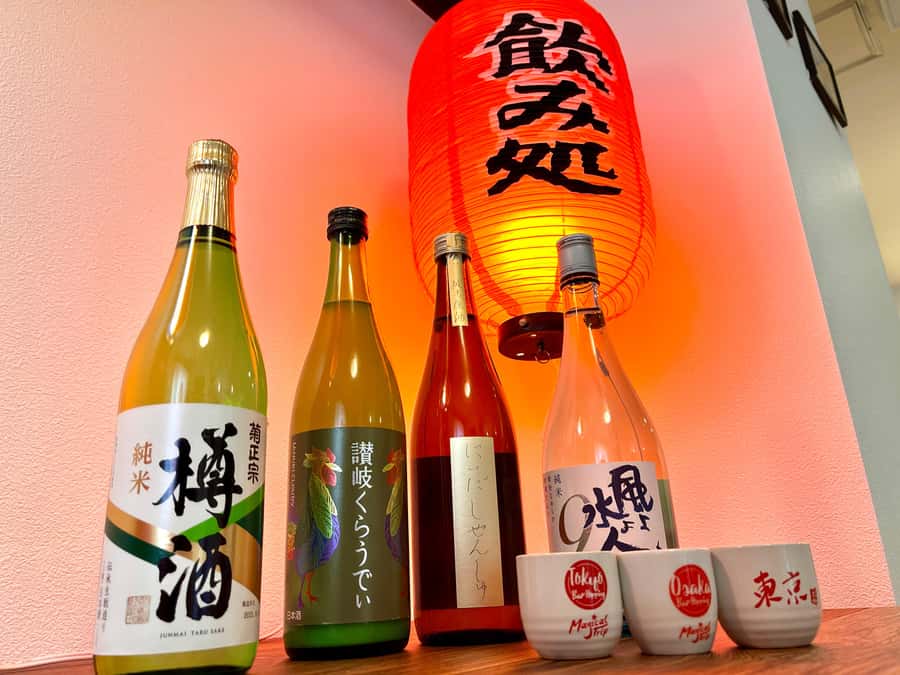
- Sake tasting with four options, paired with what you cooked
- Small group capped at 7, with a live English-speaking guide
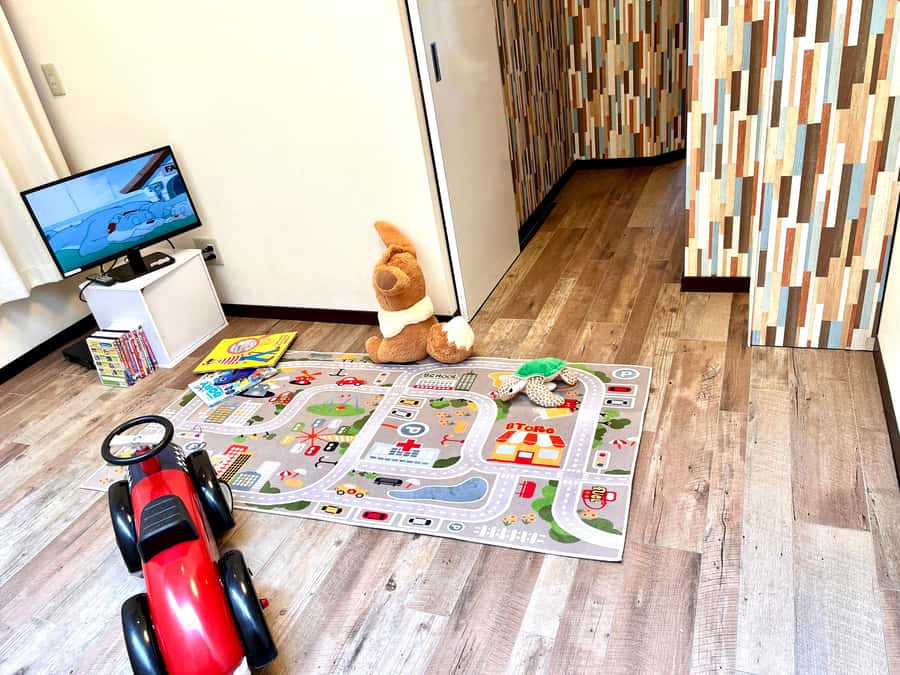
- Kids playroom available, so families can relax a bit while cooking
Entering the Iriya supermarket hunt at the meeting point
The experience starts at a very specific spot: in front of the FamilyMart next to the Gindako shop at Iriya Station Exit 2. There are two FamilyMarts at Iriya Station, so look for the one next to Gindako takoyaki and Doutor Coffee shop.
From that starting point, you’re not just “walking somewhere.” You’re entering the part of Tokyo where you can actually see and smell the ingredients that drive Japanese flavor, from fish and vegetables to sauces and seasonings. This matters because sushi is not only about rolling, it’s about choosing the right ingredients for the style you want.
Also, this is a live, English-guided tour, and the group is kept small (up to 7). That size helps you ask questions, especially if you’re nervous about knives, rice, or sauce timing.
More Cooking Classes in Tokyo
- Ramen & Gyoza Cooking Class in Tokyo with Local Supermarket Visit
★ 5.0 · 823 reviews - Tokyo: Easy Ramen Cooking Experience in Kabukicho, Shinjuku
★ 4.6 · 321 reviews - Ramen and Sushi Cooking Class with Sake Pairing Set in Tokyo
★ 5.0 · 291 reviews
The supermarket walk: how you learn to pick ingredients like a local
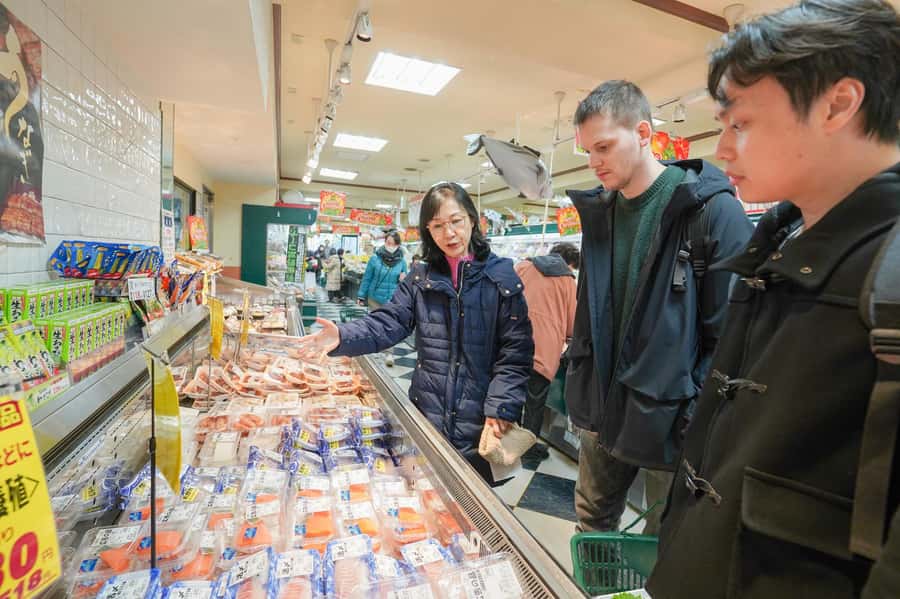
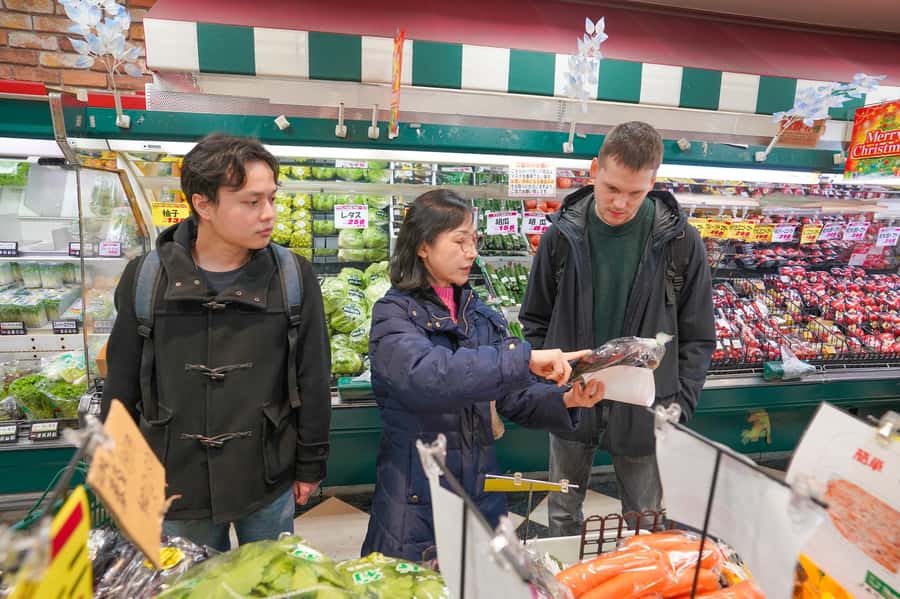
In the supermarket portion, your guide leads you through the aisles and explains how to select the freshest items. The tour is built around the idea that good cooking starts before the stove. You’ll learn what to look for when choosing fish, produce, and the key seasonings that show up in Japanese home cooking.
This is one of those underrated parts of the day. You’ll be leaving with a better sense of what ingredients matter, and that makes the recipes you get later far more usable. If you’ve ever eaten great sushi and wondered why yours didn’t taste the same, it often comes down to sourcing and seasoning choices.
If you’re vegetarian or vegan, you’re not left out. The class welcomes veg and veg-forward diets and arranges ingredients and the cooking process accordingly. Just keep in mind that the tour can’t guarantee allergy-free cooking.
Moving to the kitchen studio near Asakusa and Kappabashi
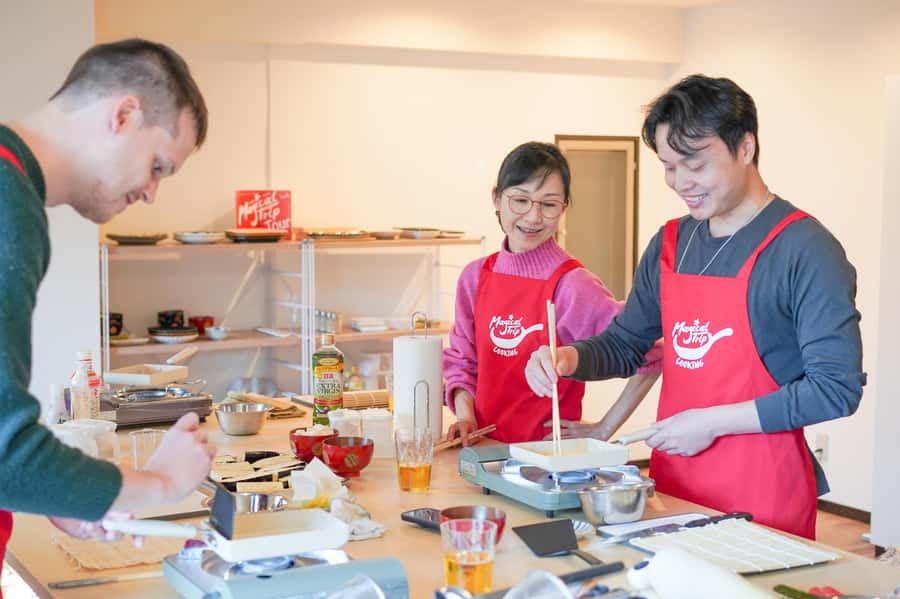
After the shopping, you shift to a professional kitchen studio. The studio is conveniently located in the Asakusa and Kappabashi shopping district, an area known for lots of restaurant supply shops. Even if you don’t buy anything, it’s a nice neighborhood to see, because it feels tied to real food work.
Then comes the hands-on part. This is where you go from ingredient shoppers to cooks, learning home-style techniques that are very doable at home.
A quick reality check: it’s still cooking, and the class is scheduled to start on time. You’ll want to arrive early so you can join the group fully. If you show up late and miss the start, you won’t be able to join, with no refund or reschedule.
Knife basics and sushi rice: the core skills that unlock everything
Most sushi classes focus on the roll. This one starts earlier, with foundational skills. You’ll learn how to hold a Japanese kitchen knife, and you’ll practice the basic motions needed to cut ingredients cleanly.
Then you tackle sushi rice, including how it’s seasoned with vinegar. This is where the class earns its keep. Sushi rice is the flavor base for the whole roll, and getting the rice right makes the rest much easier.
The guide also teaches foundational flavor building like dashi for miso soup. Dashi sounds simple, but it’s the difference between soup that tastes flat and soup that tastes like Japan at home.
And because the class is limited to 7 participants, the instruction doesn’t feel like a lecture. You can get help as you go, which matters a lot if you’re a first-timer.
More Cooking Workshops in Tokyo
- Tokyo: Wagyu and 7 Japanese Dishes Cooking Class
★ 4.9 · 273 reviews - Tokyo Washoku 4-hour Cooking Class: From Market to Table
★ 5.0 · 253 reviews - Tokyo: Tsukiji Market Walking Tour & Sushi Cooking Class
★ 4.6 · 122 reviews - Tokyo: Sushi and Ramen Cooking Class with Sake Pairing Set
★ 5.0 · 81 reviews
Making miso soup, eggplant dengaku, and dashimaki tamago
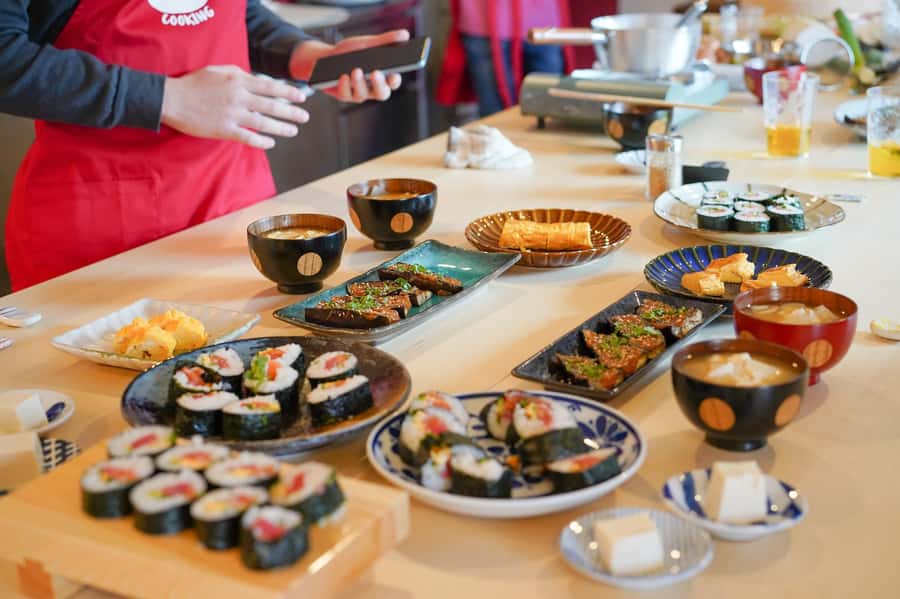
Beyond sushi rolls, you’ll cook a set of traditional Japanese dishes. The lineup includes miso soup, eggplant dengaku, and dashimaki tamago, which is a rolled egg dish.
Each dish teaches a different kind of Japanese cooking skill:
- Miso soup reinforces flavor balance and the role of dashi
- Eggplant dengaku shows how to prepare and glaze for sweet-salty depth
- Dashimaki tamago is great for learning technique, because the rolling and timing matter
You’ll also create small dishes as part of the overall meal. That variety is a smart move. It helps you understand Japanese cuisine beyond a single format, and it makes the lunch feel like a proper set rather than a snack.
Sushi rolls plus lunch: you eat your way through the lesson
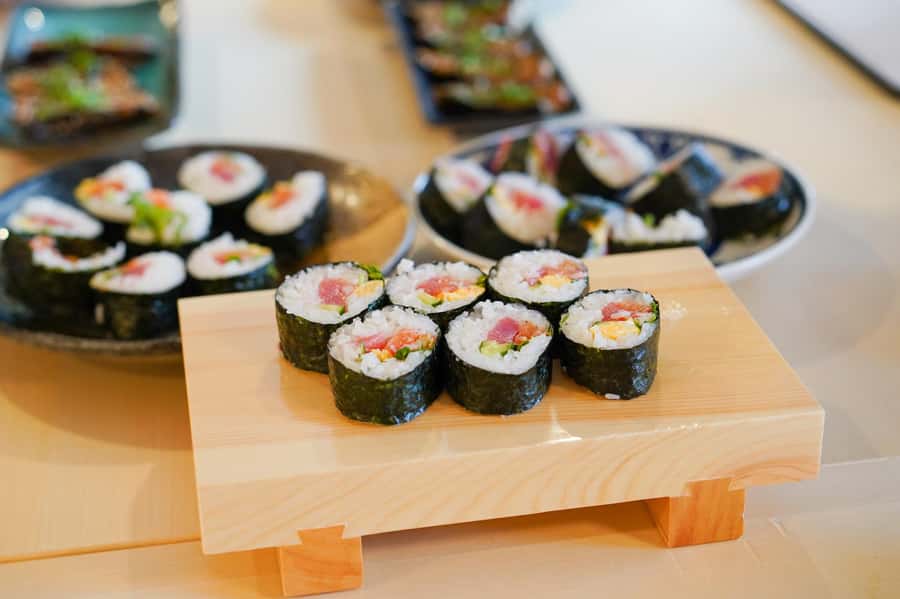
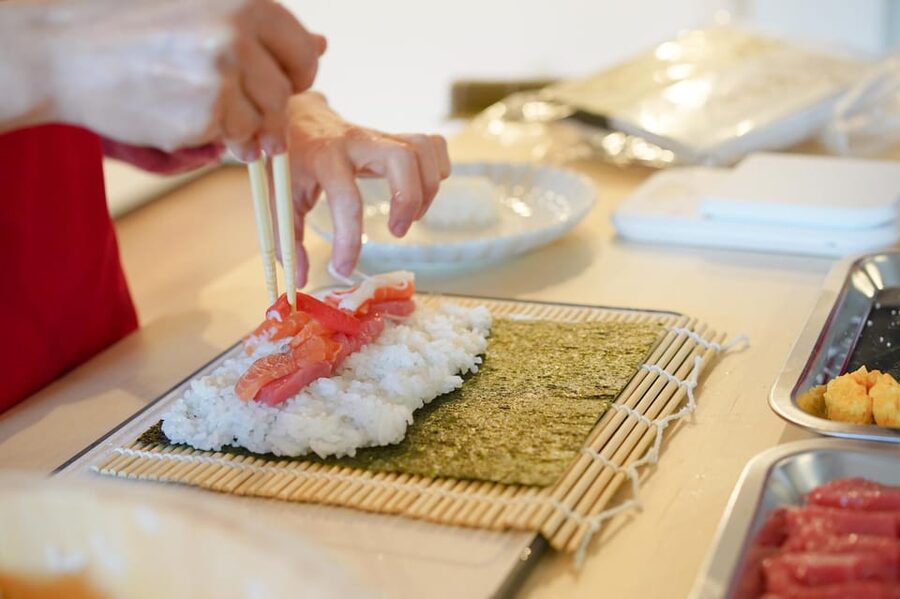
After you cook, you get lunch with your creations. The tour includes cooking experience and lunch, plus tea, and there’s a chance to see everyone’s work before the meal really starts.
This is a big value point. Cooking classes can become “theatrical,” where you do a few steps and then watch. Here, you’re actively making items and then tasting them. That feedback loop matters, because you’ll remember flavors you recognized in your own bowl.
Also, you get photos during the tour. That’s helpful if you want a record of what you made, especially since sushi and rolled egg can look very different depending on how you handle the technique.
Four kinds of sake pairing: learning by tasting, not just drinking
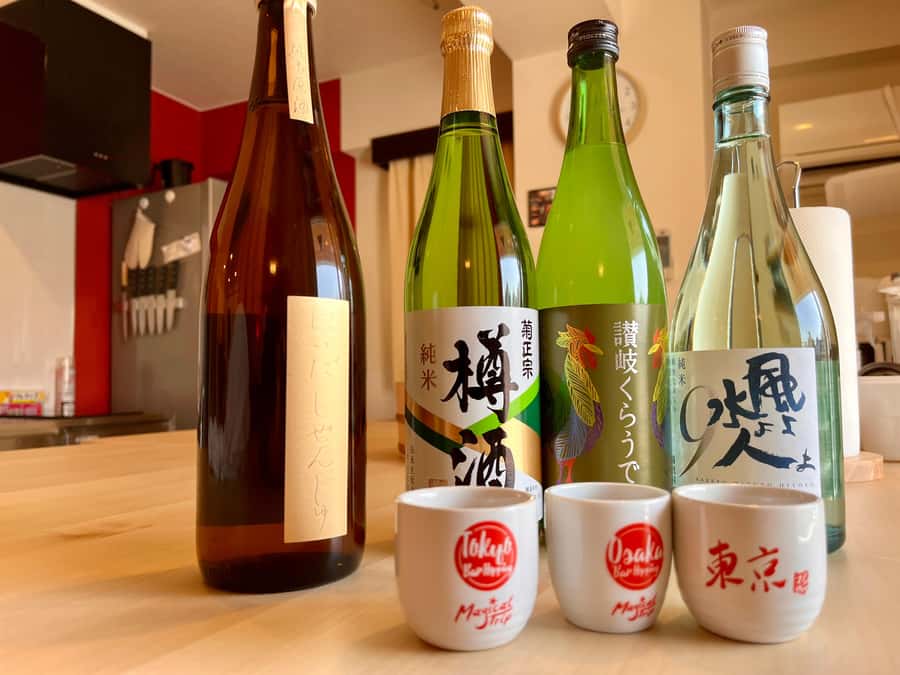
The standout cultural bonus is the sake tasting. You get to choose your favorite from four premium sake varieties, and you’ll pair them with sushi and the traditional dishes you cooked.
This part is more than a beverage service. It trains your palate. When you taste different sake styles alongside salty, vinegary, and umami-rich food, you start to understand why Japanese pairings often feel harmonious without needing heavy sauce.
If you’re new to sake, don’t worry. The experience is set up so you can make sense of the pairings while staying focused on the food. You’ll leave with a practical sense of what works, which you can apply if you buy sake later or try a similar pairing at home.
The Asakusa window: sightseeing and shopping after you eat
Once the cooking and lunch are done, you’re invited to explore Asakusa, a famous Tokyo landmark area. You’ll have time for sightseeing and shopping, which is a nice contrast to the kitchen focus.
The key is that you don’t feel rushed into “one more stop.” You’ve already learned food culture through hands-on cooking, so wandering Asakusa afterward feels like continuing the story, not swapping it for unrelated sightseeing.
Do note that the itinerary includes some locations that may not be accessible by wheelchair or stroller. If that applies to you, it’s worth thinking about how much walking you can comfortably do during the sightseeing portion.
Recipes to take home, plus what you’ll actually use later
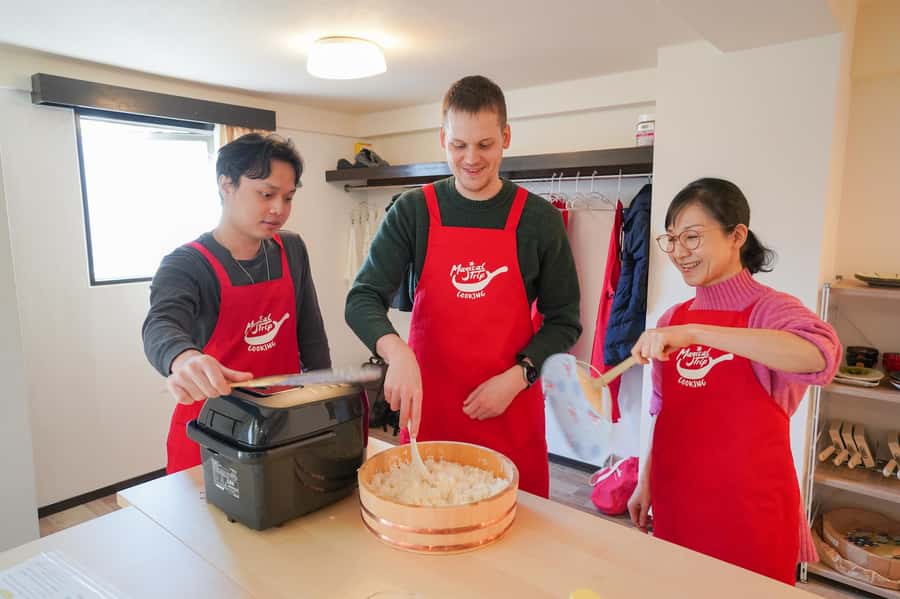
At the end, you receive recipes. That’s common for classes, but the real benefit is how specific the skills are here: knife basics, sushi rice seasoning, dashi for miso soup, and traditional dishes like eggplant dengaku and dashimaki tamago.
If you’ve cooked at home before, you’ll probably notice something. With cooking classes like this, the recipes work best when you understand the “why,” not only the “what.” The supermarket portion helps with that. You get a better sense of ingredient selection, which makes the written recipes more than just instructions.
And if you’re planning a dinner for friends back home, this is one of the few classes that gives you a spread that feels like more than a snack.
Price and value for a 4-hour class with ingredients, lunch, and sake
At $112 per person for a 4-hour experience, this is not a budget cooking activity. But when you break down what’s included, it starts to look like fair pricing.
You’re paying for:
- A guide-led supermarket ingredient procurement
- A professional kitchen cooking session
- Ingredients
- Lunch plus tea
- Sake tasting (four kinds)
- Photos taken during the tour
- A small group format capped at 7
- Recipes to take home
Many cooking classes in Tokyo either focus on cooking only, or they add tastings without fully teaching ingredient choices. Here, the day ties together selection, technique, and tasting. That combination is exactly what makes the class worth repeating.
If you’re someone who wants a souvenir you can eat later, the recipes plus your own skills are the long-term value. If you’re only chasing the experience of making sushi once, you might wonder if the price is steep. But if you want usable technique, it makes more sense.
Who this Tokyo sushi and sake class is best for
This is a great fit for:
- First-timers who want structured guidance, especially with knives and sushi rice
- Food lovers who want more than one dish, including miso soup and dashimaki tamago
- People traveling with kids, since there is a kids playroom and the class is open to all ages
- Couples and small friend groups who like hands-on instruction in a small group
It may be less ideal if:
- You have strict allergy needs. The tour can’t guarantee allergy-free preparation or accommodate all allergy types.
- You need full wheelchair or stroller access throughout every stop, since some locations aren’t accessible.
Practical tips so your class day goes smoothly
Tokyo cooking classes run on timing. Start on time, or you risk missing the group and losing your chance to participate.
Because Japan can be hot and humid in summer, bring water and wear a hat to help avoid heat issues. Even though the main cooking is indoors, the route begins with time outside for the supermarket portion.
Also, pack a basic mindset: you’re going to handle knives, cook, taste, and learn. The best results come from being ready to participate, not just observe. The teaching style described by instructors like Tiger, Suzy, Takahito, Mahori, and Fuji has a strong theme of patience and thorough step-by-step coaching, which is exactly what you want when you’re learning something new.
Should you book this Tokyo sushi cooking class with sake tasting?
Yes, if you want a Tokyo food experience that’s more than watching. The mix of supermarket ingredient selection, hands-on sushi and Japanese dishes, and a real sake tasting pairing makes it a complete day.
Book it if you’re excited to learn technique you can actually repeat at home. The recipes and the focus on basics like sushi rice seasoning and dashi for miso soup mean you’re not leaving with only memories.
Skip it only if allergy safety is a non-negotiable requirement for you, or if mobility access is a serious concern across every stop. If those aren’t issues, this is the kind of class that leaves you with skills, food, and a better feel for how Japanese cooking tastes work.
FAQ
How long is the cooking class?
The experience runs for 4 hours, so you’ll want to plan your schedule around the start time shown when you check availability.
Where is the meeting point in Tokyo?
Meet in front of the FamilyMart next to the Gindako shop at Iriya Station Exit 2. There are two FamilyMarts at the station, so choose the one next to Gindako takoyaki and Doutor Coffee shop.
Is this a small group class?
Yes. It’s limited to a small group, with a maximum of 7 participants.
What’s included besides cooking?
You get cooking experience and lunch, sake tasting with four kinds, ingredients, tea, and photos taken during the tour.
Do they teach sushi and other dishes?
Yes. You’ll learn to make sushi rolls and also cook traditional Japanese dishes such as miso soup, eggplant dengaku, and dashimaki tamago, plus small dishes.
Is the class suitable for kids?
All ages can join the tour, and there is a kids playroom for your little ones.
Can vegans or vegetarians join?
Yes. Vegan and vegetarian guests are welcome, and the tour will arrange ingredients and the cooking process.
Is the food allergy-free?
No. The tour cannot guarantee allergy-free cooking or that dietary restrictions can be fully accommodated, since food is prepared in kitchens not belonging to the tour operator.
Where does the tour end?
The activity ends back at the meeting point.
More Food Tours in Tokyo
- Tokyo: Shinjuku Food Tour (13 Dishes at 4 Local Eateries)
★ 5.0 · 6,603 reviews - Tokyo Tsukiji Fish Market Food and Culture Walking Tour
★ 5.0 · 3,184 reviews - Tokyo: Shinjuku Food Tour (15 Dishes and 4 Eateries)
★ 4.9 · 2,033 reviews - Tokyo: Tsukiji Fish Market Food and Walking tour
★ 5.0 · 1,724 reviews
More Drinking Tours in Tokyo
- Tokyo Bar Hopping Tour in Shinjuku (All-You-Can-Drink + Dinner)
★ 5.0 · 3,587 reviews - Tokyo: Shinjuku Local Bar and Izakaya Guided Walking Tour
★ 4.9 · 1,794 reviews - Shibuya Meltdown Nightlife Tour: All-You-Can-Drink Bar Hopping
★ 5.0 · 1,058 reviews - Shinjuku Izakaya Food Tour
★ 5.0 · 1,041 reviews
Newly listed around Tokyo
- Tokyo private transfer for Yokohama Port★ 4.5 · 63 reviews
- Luxury Kimono Photoshoot at Ginza Tokyo★ 5.0 · 7 reviews
- Tokyo Allstar Food Tour★ 4.5 · 206 reviews
- Tokyo Art Aquarium Museum E-Ticket with optional Tokyo Metro Pass★ 5.0 · 17 reviews
- Tokyo: Best Ginza Food Tour at 3 Local Eateries★ 5.0 · 83 reviews
- Private One Day Nikko Tour with Bilingual driver★ 3.5 · 11 reviews
- PRIVATE tour in 180SX to Daikoku+++++★ 5.0 · 6 reviews
- Kabuki Talk★ 5.0 · 10 reviews
Sushi Cooking Workshops, compared.
Sushi Making Tokyo Roll and Authentic Japanese Sushi Class
Read our review →
Roll and Authentic Sushi Making Class in Asakusa
Read our review →
Sushi Making Class in a Happi Coat near a Famous Spot
Read our review →
Sushi Making Tokyo! Popular Maki Sushi & Japanese Sushi(+Recipe!)
Read our review →
Tokyo Sushi Making Class in Tsukiji with Professional Chef
Read our review →
Tokyo Night Foodie Tour in Shinjuku – Seasonal Sushi, Wagyu Beef
Read our review →
Tsukiji Fish Market Guided Tour and Sushi Making with Pro Chef
Read our review →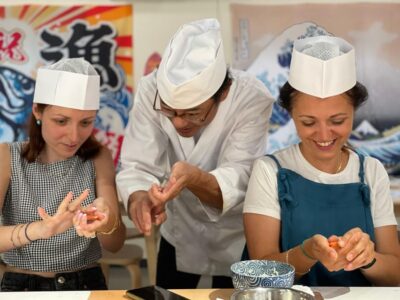
Tsukiji Fish Market Sushi Making Class with Pro Chef
Read our review →Browse the lists this tour appears in