
Review · SUSHI COOKING WORKSHOPS
Sushi Making Experience Class in Naha Makishi Public Market
Your sushi starts at the market.
This Naha class pairs a walk through Makishi Public Market with a hands-on sushi-making session that turns fresh Okinawan fish into the kind of meal you do not often see on the island. You also get to sit down and eat the sushi you make, plus a ready-to-go bonus in the form of a tenugui towel for participants. One heads-up: aprons are not provided, and alcohol is extra, so plan accordingly if you want to linger with sake.
What I like most is the way you actually shop for ingredients first, then translate that shopping into technique. The experience is also led by a fun instructor, including a guide some groups called I in English, and the vibe stays patient and relaxed, not rushed. Still, the class is timeboxed to about 2 hours 30 minutes, so come hungry, but do not expect a long, slow meal service.
The other consideration is that sushi ingredients can change by season, so if you have a very specific topping in mind, you might need to be flexible. You will still get 8 pieces of sushi, plus red soup stock, gari, and green tea, but the exact fish lineup varies.
In This Review
- Key things that make this class worth your time
- Arriving at Makishi Public Market, right where your meal begins
- The market tour portion, learning by watching and asking
- Sushi-making in about 2.5 hours, from fish to finished pieces
- The sushi lineup and what you’ll actually eat
- Optional sake and beer, and how to think about it
- The instructor, the class vibe, and why patience matters
- Timing and meeting point, so you do not feel late
- Price and value: is $164.72 a fair deal?
- Who this sushi class fits best (and who should skip it)
- Should you book this Makishi Public Market sushi class?
- FAQ
- Where does the experience start?
- How long is the sushi making experience?
- What is included in the price?
- How many pieces of sushi will I make and eat?
- Will the fish ingredients be the same every time?
- Are drinks included, like sake or beer?
- What is the minimum drinking age?
- Is an apron provided?
- What group size should I expect?
- Is it refundable if I cancel?
- How far in advance should I book?
Key things that make this class worth your time
- Makishi Public Market sourcing first, then you turn what you bought into sushi
- 8 pieces of sushi to eat after you make them, not a separate plated course
- Small group size up to 20, so you are not lost in a crowd
- Seasonal fish selection, with a menu that can include items like local tuna and salmon
- Optional sake and beer for 18+, sold separately if you want it with your meal
Arriving at Makishi Public Market, right where your meal begins
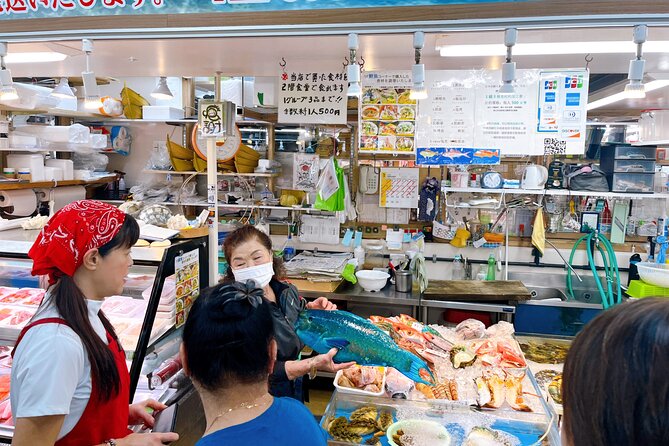
Makishi Public Market is the heart of this experience, and you feel it immediately. You are starting at the market itself at 2-chōme-10-1 Matsuo, Naha, Okinawa 900-0014, and that matters because it sets the tone: this is not just a cooking demo. It is ingredient-first, which is exactly how you learn to taste Okinawa, even if you are new to sushi.
The class is designed around what the market sells that day, specifically fresh Okinawan fish. That means you get a practical education, not just a theoretical one. You will walk among the fish and food stalls, see what is available, and then understand how those ingredients show up in the sushi you will make.
Also, the group size caps at 20 travelers, which helps a lot here. In a market, crowds can turn into chaos fast. In this format, you can actually follow along and ask questions without losing your place every two minutes.
More Sushi workshops in Naha:
- Naha Makishi Public Market : Sushi making experience
★ 4.5 · 6 reviews - Sushi Making Tokyo Roll and Authentic Japanese Sushi Class
★ 5.0 · 3,971 reviews - Tokyo: Roll and Authentic Sushi Making Class in Asakusa
★ 4.9 · 1,957 reviews
The market tour portion, learning by watching and asking
Before hands go onto the sushi ingredients, you get time in the market area to meet the food environment. The goal is simple: you learn what the fresh fish stores look like, how ingredients are chosen, and what you will need for your sushi pieces.
This is also where the cultural angle shows up in a natural way. In a couple of the feedback I read, people called out that the market tour taught them about Okinawa’s food culture and market history in a way that felt grounded. It is not a lecture format. It is more like, look at this, understand why it matters, then use it.
One smart tip if you want the most out of the tour: ask small questions as they come up. If your instructor or interpreter offers context on the ingredient you are staring at, grab that moment. You will use that same ingredient later, and the understanding sticks.
If there is a language gap, do not worry. The experience includes an interpreter support layer, and one group specifically thanked an interpreter as the bridge that made things memorable. That is a good sign that you will not feel stranded if your Japanese is basic.
Sushi-making in about 2.5 hours, from fish to finished pieces
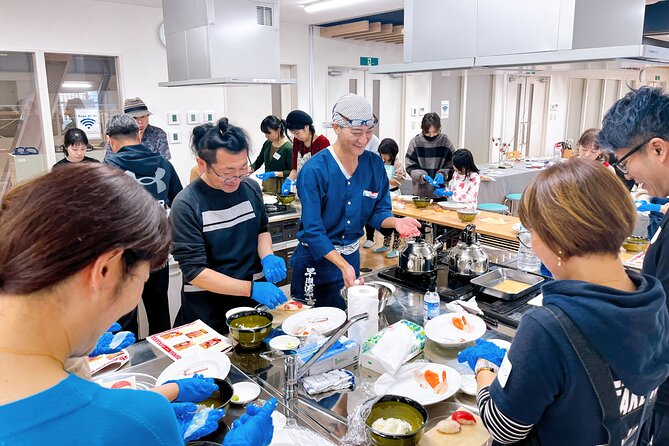
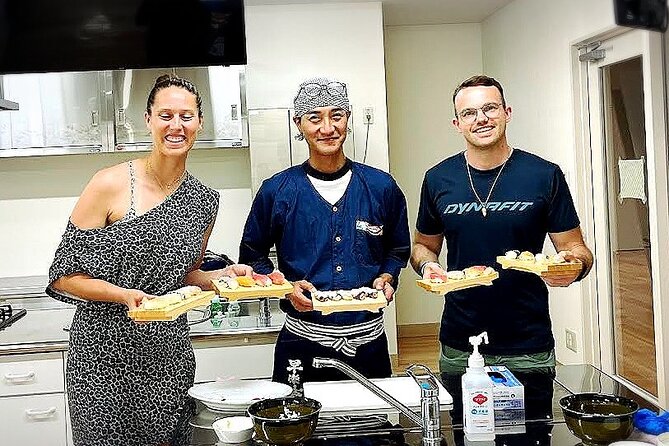
After the market stop, it turns into a hands-on sushi-making experience. You learn from the instructor how to put the sushi together, and then you produce your own pieces. The structure is straightforward: you walk in, you learn the steps, you build, and you end by eating what you made.
A key detail for your expectations: everyone eats. This is not a sit-and-watch class where only a few people get to assemble. You are part of the work and part of the tasting, and that makes it feel fair, fun, and motivating.
The class also includes use of the galley as part of the cost. That tells you they are providing the workspace and equipment you need, not expecting you to bring your own kitchen setup. Still, you should come prepared to get hands-on.
What I’d personally plan for: keep your sleeves simple. Since you do not have an apron included, you might want to wear something you can manage if it gets a little messy. Bring a small towel if you want extra comfort, especially if you tend to be careful about kitchen clean-up.
The sushi lineup and what you’ll actually eat
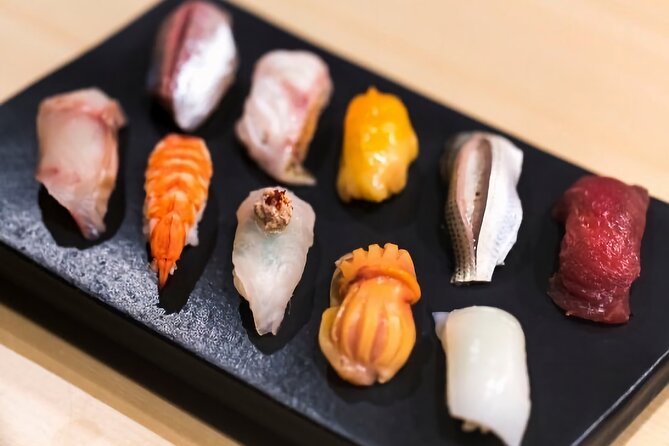
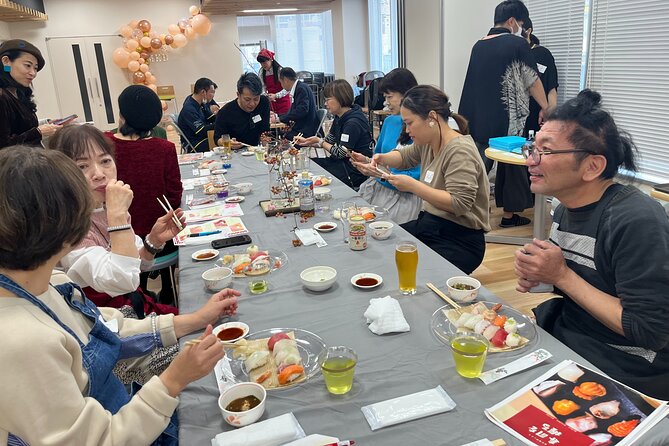
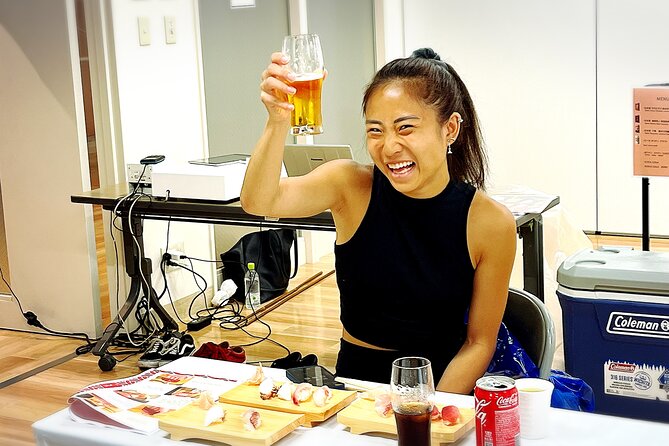
At the end, you sit down for your meal, built from the sushi you made. You get 8 pieces of sushi, and the ingredient list can vary depending on the season.
The menu you might see includes items such as mibai, red machi, irabucha, stew machi, local bonito, local tuna, kubushimi, and salmon. That is a big part of the value here. You are not just learning how to assemble sushi, you are eating a lineup of Okinawan-leaning fish choices that feels local rather than generic.
Along with the 8 pieces, the meal includes red soup stock, gari, and green tea. So even if you go in thinking you will only leave with sushi, you actually get a fuller Okinawan-style meal component set.
Another small but meaningful point: the ingredients can change. If you are visiting during a season where your favorite fish is not on the menu, you still get a complete experience. You can treat it like a flexible tasting, guided by what the market has right then.
A few more Naha days to weigh up
- Tokyo Tsukiji Fish Market Food and Culture Walking Tour
★ 5.0 · 3,184 reviews - Tokyo: Tsukiji Fish Market Food and Walking tour
★ 5.0 · 1,724 reviews - Tokyo: Tsukiji Fish Market Guided Walking Tour
★ 4.9 · 1,397 reviews - Nishiki Market Brunch Walking Tour (7 Tastings + Brunch)
★ 5.0 · 1,355 reviews
Optional sake and beer, and how to think about it
Alcohol is not included, but it is available for an additional fee. Sake starts around 1,000 yen, and beer around 500 yen, depending on what you choose.
If you want to drink, the minimum age is 18 years old. That matters for family travel. If you are traveling with younger kids, this is one of the few parts of the experience where the adult-only angle may show up, since you can buy alcohol but you might not want to base your entire night around it.
How to make this practical: decide in advance whether you want a simple meal or a pairing-style experience. If you only want a taste, go for one drink. If you are doing this as part of an evening plan, you can budget for more. Either way, the core of the value is still the market tour plus the hands-on sushi making and eating.
The instructor, the class vibe, and why patience matters
The biggest praise coming through is the human factor. People described a fun instructor and a class that felt patient, not mechanical. One group specifically mentioned a young woman guide named I in English, calling her fun and patient, with strong know-how and an easy pace.
That matters because sushi technique can feel technical when you are new. If your instructor is strict, you might feel rushed. If your instructor is too casual, you might wonder if you are learning anything. In this experience, the feedback points to a middle ground: you learn the steps, you get support while you build, and you end up with sushi you are genuinely excited to eat.
Interpreters help too, especially when you want cultural context rather than just step-by-step instruction. When the language bridge works, you stop thinking of it as a class and start thinking of it as a shared evening with locals and their food rhythm.
Timing and meeting point, so you do not feel late
The duration is about 2 hours 30 minutes. That is a good length for a day in Naha because it gives you something substantial without swallowing your whole schedule.
You start at Makishi Public Market, and the activity ends back at the meeting point. That means you do not have to plan a complicated route afterward to get back to the rest of your day. You can treat it as a main-event stop, then continue exploring Naha afterward.
Also, this is near public transportation, which is a big deal in a city where walk times can sneak up on you. If you are arriving from a hotel, check your route the night before and build in buffer time for market-level walking.
Price and value: is $164.72 a fair deal?
$164.72 per person sounds steep until you break down what you actually get. You pay for the market-guided ingredient portion, the hands-on sushi instruction, and the included meal components. The cost also covers all fees and taxes, plus the use of the galley.
On top of that, you receive a tenugui towel from RYUKYUMONO. That is a nice bonus, but it is not the real value driver. The real value is the full loop: shop, learn, make, eat. Many food experiences stop at tasting. This one has you producing.
The group size cap at 20 is also part of the pricing logic. Smaller groups mean you get more attention while you are working, which is what you want when you are learning by doing.
If you like the idea of sushi as a craft and you like markets as a place to learn local food behavior, this is the kind of class that can feel worth it fast. If you mainly want a casual photo op, you might feel it is pricier than you expected. But if you want technique plus ingredients plus a meal you made yourself, it hits the target.
One more small value note: it is commonly booked about 20 days in advance on average. If you are traveling in peak season or on a short trip, book earlier rather than later so you get a time that fits your schedule.
Who this sushi class fits best (and who should skip it)
This experience is ideal if you:
- want a market-and-cooking format rather than a seated tasting
- enjoy hands-on cooking and eating your own results
- want a sushi experience specifically tied to Okinawan fish, not just generic sushi flavors
- appreciate a guided flow that includes interpreter support and cultural context
You might skip it if you:
- hate any chance of getting your hands a little messy (since an apron is not provided)
- are only interested in sushi as something you buy, not something you learn to make
- expect alcohol to be included, because sake and beer are separate add-ons
Should you book this Makishi Public Market sushi class?
Yes, if you want a fun, real-world sushi lesson with ingredients sourced where you can actually see the supply. The standout strength here is the flow and the support: you shop in Makishi Public Market, you learn and build sushi with help from a patient instructor like I in English, and you leave with a meal you made yourself.
I would book it if you are planning a Naha day where you want something more grounded than a typical dinner. It also works well for groups of friends since the group size stays capped at 20, and the experience is designed for everyone to eat their own sushi.
Just go in prepared. Wear something you can tolerate if it gets a little messy, and decide early whether you want to add sake or beer for your meal.
If that sounds like your kind of evening, this sushi making class is a smart use of time in Naha.
FAQ
Where does the experience start?
It starts at Makishi Public Market at 2-chōme-10-1 Matsuo, Naha, Okinawa 900-0014, Japan, and it ends back at the same meeting point.
How long is the sushi making experience?
The duration is about 2 hours 30 minutes.
What is included in the price?
The price includes all fees and taxes, use of the galley, and an RYUKYUMONO original tenugui towel. The meal includes red soup stock, gari, and green tea along with the sushi you make.
How many pieces of sushi will I make and eat?
You will make and eat 8 pieces of sushi.
Will the fish ingredients be the same every time?
No. The sushi ingredients may change depending on the season.
Are drinks included, like sake or beer?
Alcoholic beverages are not included. Sake and beer are sold separately for an additional fee.
What is the minimum drinking age?
The minimum drinking age for alcohol is 18 years old.
Is an apron provided?
No. Aprons are not provided, so you may want to prepare one yourself.
What group size should I expect?
The experience has a maximum of 20 travelers.
Is it refundable if I cancel?
No. This experience is non-refundable and cannot be changed for any reason. If it is canceled because the minimum number of travelers is not met, you will be offered a different date or a full refund.
How far in advance should I book?
On average, it is booked about 20 days in advance. Booking earlier can help you get the timing you want.
More Markets in Naha
- Tsukiji Fish Market Guided Tour and Sushi Making with Pro Chef
★ 5.0 · 775 reviews - Tokyo: Tsukiji Fish Market Food and Culture Walking Tour
★ 4.7 · 757 reviews - Tsukiji Fish Market: Street Food & Culture Walking Tour
★ 5.0 · 669 reviews - Tsukiji Fish Market Small-Group Food Walking Tour
★ 5.0 · 621 reviews
Newly listed around Naha
- Port Pick-Up: Naha Private Tour Licensed Guide& Vehicle★ 4.5 · 16 reviews
- Zodiac Shrines and Naha Backstreets Cycling Tour★ 5.0 · 29 reviews
- E-Bike Nature Tour in Shuri★ 5.0 · 25 reviews
- Naha 6hr Private Walking Tour with Government Licensed Guide★ 5.0 · 73 reviews
- Okinawa Sightseeing Bus Tour★ 3.5 · 9 reviews
- Okinawa:Kerama Islands experience Diving/Snorkeling/WhaleWatching★ 4.5 · 16 reviews
- Naha Bar Hopping Tour in Okinawa★ 5.0 · 28 reviews
- Traditional Japanese Costumes “Kimono”, “Yukata”, “Ryuso”, “Photograph Course “Hair Set & Lipstick & Kimono & Photography”★ 5.0 · 17 reviews
Sushi Cooking Workshops, compared.
Sushi Making Tokyo Roll and Authentic Japanese Sushi Class
Read our review →
Roll and Authentic Sushi Making Class in Asakusa
Read our review →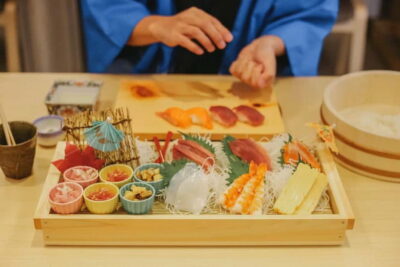
Sushi Making Class in a Happi Coat near a Famous Spot
Read our review →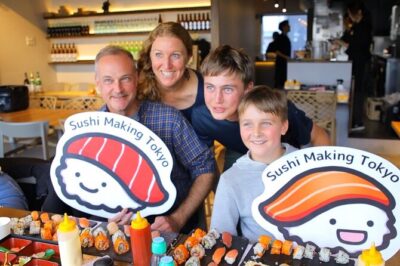
Sushi Making Tokyo! Popular Maki Sushi & Japanese Sushi(+Recipe!)
Read our review →
Tokyo Sushi Making Class in Tsukiji with Professional Chef
Read our review →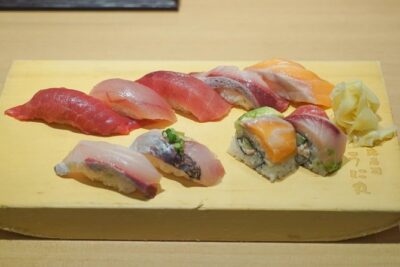
Tokyo Night Foodie Tour in Shinjuku – Seasonal Sushi, Wagyu Beef
Read our review →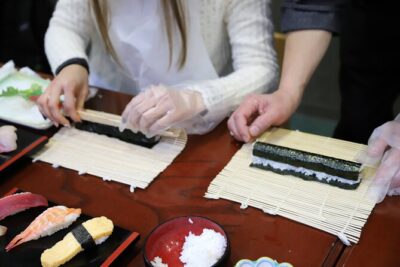
Tsukiji Fish Market Guided Tour and Sushi Making with Pro Chef
Read our review →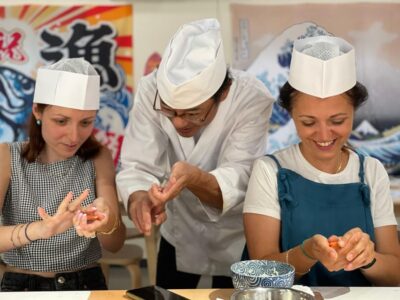
Tsukiji Fish Market Sushi Making Class with Pro Chef
Read our review →Browse the lists this tour appears in