
Review · WORKSHOPS
Authentic Pure Gold Kintsugi Workshop with Master Taku in Tokyo
Gold dust. Fixed by hand in Tokyo.
If you want a break from Tokyo’s nonstop sights, this pure gold kintsugi workshop turns a broken plate into something meaningful. You’ll work with real materials, learning the craft and the Wabi-Sabi mindset behind it, guided by Master Taku in a focused small class.
I especially like that you leave with an actually unique souvenir you assemble yourself, not a pre-made product. The process is practical, step-by-step, and the group stays small so you get help when you need it.
One thing to consider: this is hands-on craft time, not a guided city tour, and there is no hotel pickup. Also, food and drinks are not included, so plan a snack before you go.
In This Review
- Key things that make this workshop worth your time
- Tokyo’s best kind of break: calm craft time with real materials
- Where you go in Tokyo: Minami-Aoyama Studio and how to plan arrival
- How the kintsugi process works, and why it is more than decoration
- Meet Master Taku Nakano, and what you’ll learn from his teaching style
- Your three plate options, and how to choose the look you want
- Option A: Shuurushi kannyuzome kintsugi (110 mins)
- Option B: Black & Gold Shikkokurai (90 mins)
- Option C: Yobitugi experience (90 mins)
- Class duration and what happens during the session
- What makes the take-home souvenir feel special (and not gimmicky)
- Price and value: what $142.60 gets you in real terms
- Logistics that make or break your experience
- Getting there
- What to wear
- Food, drink, and energy
- Group size
- Who should book this kintsugi workshop, and who might skip it
- Should you book Authentic Pure Gold Kintsugi with Master Taku?
- FAQ
- How long is the kintsugi workshop?
- Where does the workshop take place?
- What do I take home?
- What is included in the price?
- Is hotel pickup or drop-off included?
- Are food and drinks provided?
- What are the three kintsugi options?
- How small is the group?
- What if I need to cancel?
Key things that make this workshop worth your time
- Master Taku’s authentic approach focuses on technique and philosophy, not just a quick craft activity
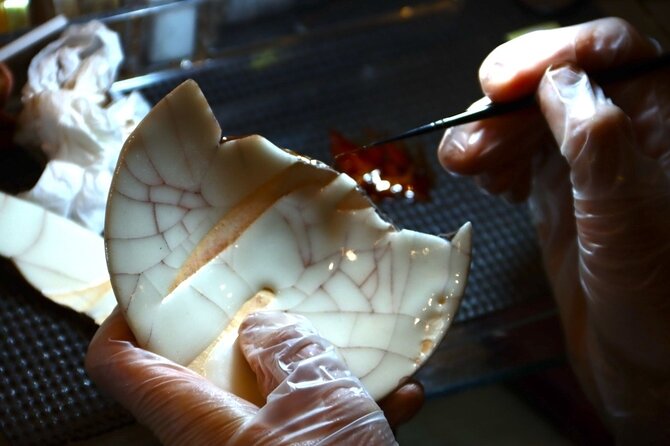
- Pure gold powder + real urushi lacquer are used, so the look and process feel truly traditional
- Small group size (max 5) means you get patient, clear guidance while you work
- You take the finished plate home the same day, assembled by you
- Three project styles let you choose classic gold lacquer, black-and-gold, or a more decorative Yobitugi option
Tokyo’s best kind of break: calm craft time with real materials
Tokyo can feel like a highlight reel. So when you’re ready for a quieter reset, this workshop is a smart move. Kintsugi is famous for the gold seams on repaired ceramics, but the real value here is how the class slows you down. You’re not just making something pretty, you’re practicing attention.
What makes it feel authentic is the emphasis on Urushi lacquer and pure gold powder. That matters because the final result is not only about the visual effect. The materials have specific roles in the restoration process, and you learn the “why,” not just the “do this, then that.”
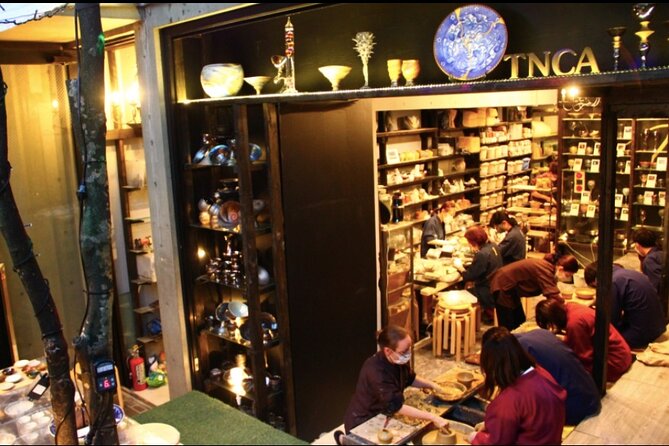
The setting also helps. The studio is in Omotesando/Minami-Aoyama, a fashion area where you can contrast Tokyo’s sleek streets with an ancient craft. And because the group is small, the teacher can adjust the pace for different comfort levels, including first-timers.
A few more Tokyo days to weigh up
- Mt Fuji and Hakone 1-Day Bus Tour Return by Bullet Train
★ 5.0 · 26,383 reviews - 1-Day Tokyo Bus Tour
★ 5.0 · 14,250 reviews - Tokyo: TOKYO SKYTREE® Admission ticket
★ 4.5 · 11,192 reviews
Where you go in Tokyo: Minami-Aoyama Studio and how to plan arrival
You meet at TNCA Minami-Aoyama Studio, 3-chōme-8-2 Minamiaoyama, Minato City, Tokyo 107-0062. The workshop ends back at the same meeting point. That means you can plan the rest of your day without worrying about a complicated route home.
It’s near public transportation, which is your best friend in this city. Still, the studio is in a neighborhood setting, so give yourself a little buffer to find the place calmly. One practical tip: wear something you can move in, because you’ll be working at close range with your hands and materials.
Also remember: food and drinks are not included, so don’t schedule this as the first thing after a late lunch. If you come hungry, the work can still be fun, but you’ll feel it in your focus.
How the kintsugi process works, and why it is more than decoration
Kintsugi is often described as repairing with gold, but the lesson is really about “repair as a new story.” The workshop connects the technique to Wabi-Sabi, the Japanese idea that beauty includes imperfection and change.
Here’s what you can expect the class to do with that idea:
- You start with a prepared ceramic vessel, designed for this lesson.
- The vessel has been handled in advance using a lacquer approach linked to the Sabi-feeling concept, so you’re not guessing from scratch.
- Then you follow the step-by-step workflow for authentic kintsugi, using real Urushi lacquer and pure gold powder.
You’ll create what the class calls imperfect beauty, Wabi, while the restoration process ties back to Sabi. In plain terms, you’re learning how to treat breakage as material for transformation, not a problem to hide.
Meet Master Taku Nakano, and what you’ll learn from his teaching style
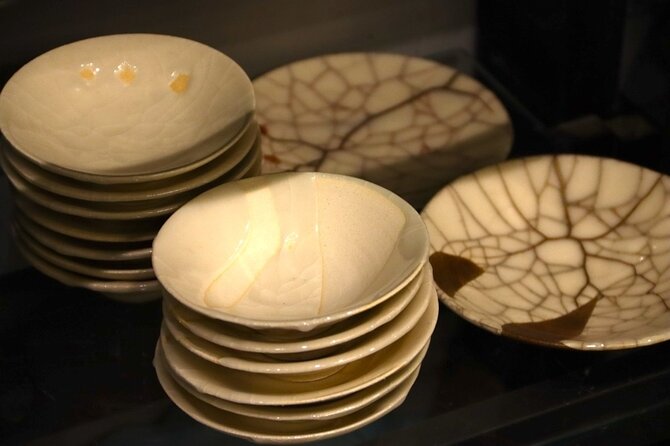
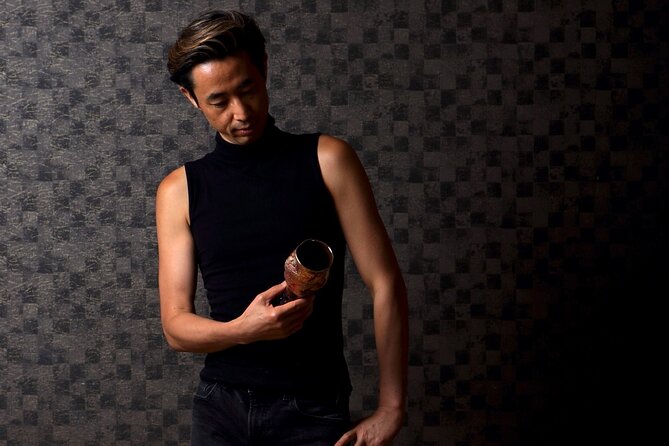
The instructor for this experience is Taku Nakano, a ceramist who runs his pottery studio in Omotesando. His motto is simple and powerful: even more beautiful and more robust than before it broke. That line is more than branding. It shows up in the lesson tone.
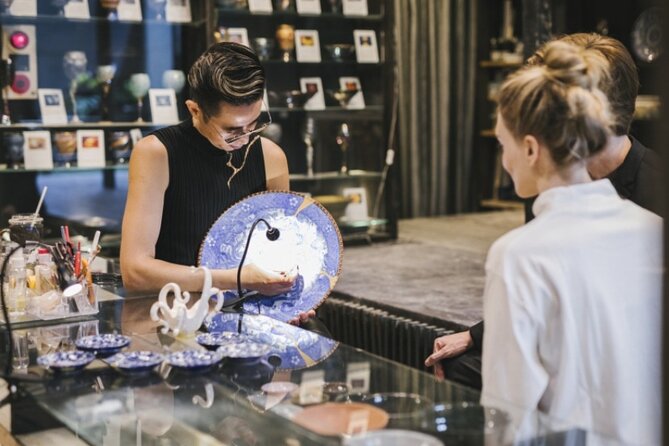
From what you can take away from the teaching approach, the class is designed for clarity. The instructor explains the steps at a good pace and stays patient while you work through the details. I like that there is a calm rhythm to the session, so you do not feel rushed or judged if you make a mistake.
The workshop also uses practical help if you need it. In some group sessions, an assistant such as Junko helps with guidance while you repair your plate. That kind of support is great when you’re trying to translate hand motions into a clean result.
One more helpful detail: the teacher can explain effectively in English, which makes the craft concepts easier to absorb. If you’re someone who likes understanding the philosophy instead of just copying steps, this matters.
A different sort of day in Japan:
- Tokyo: teamLab Planets TOKYO Digital Art Museum Entry Ticket
★ 4.6 · 9,779 reviews - Mt Fuji & Hakone Cruise, Drum Show Bullet Train 1 Day from Tokyo
★ 4.0 · 7,413 reviews - Tokyo: Sumo Show Experience with Chicken Hot Pot and a Photo
★ 4.8 · 6,678 reviews - Tokyo: Shinjuku Food Tour (13 Dishes at 4 Local Eateries)
★ 5.0 · 6,603 reviews
Your three plate options, and how to choose the look you want
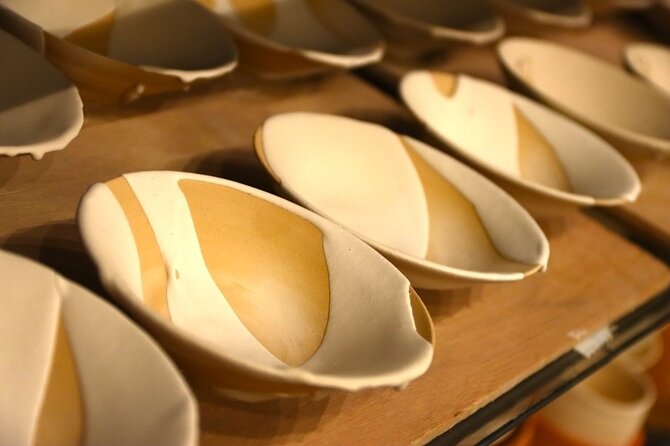
You do not just pick a time slot here. You pick a style of repair. The method is similar across options, but the visuals and complexity differ.
Option A: Shuurushi kannyuzome kintsugi (110 mins)
This is the classic choice for authenticity. You use real natural lacquer and pure gold. It’s built for people who want the most straightforward traditional look and a full feel for the process.
If you’re the kind of person who likes classic over trendy, choose this. It also gives you a bit more time (110 minutes), which helps if you like to work carefully.
Option B: Black & Gold Shikkokurai (90 mins)
Same basic idea, different vibe. You repair a black plate and the end result feels cooler and more graphic, with gold catching the light against dark ceramics.
Choose this if you want your souvenir to look less like a traditional museum example and more like modern table art.
Option C: Yobitugi experience (90 mins)
This option adds a higher-level element described as attaching different decorations and materials to the missing parts. In other words, it’s the chance to create a more personalized reconstruction.
Choose this if you want to play with design and turn the repair into a statement piece. The workshop frames it as the highest technique among kintsugi techniques, so it tends to be the most “creative freedom” option.
Class duration and what happens during the session
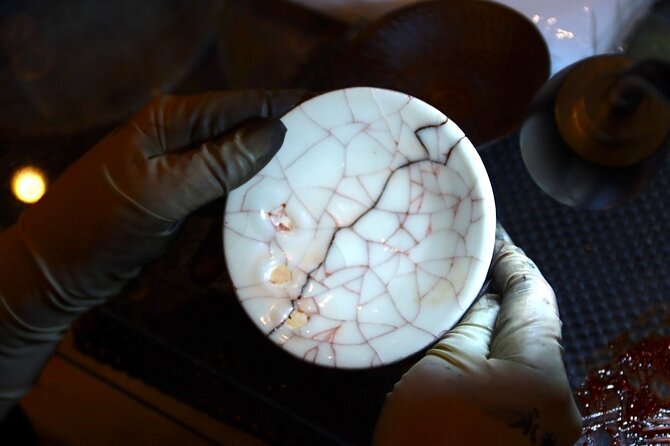
The workshop runs about 2 hours. Exact timing depends on the option you choose:
- Option A: about 110 minutes
- Options B or C: about 90 minutes
The time matters because kintsugi is not a race. You are working with lacquer and gold, and the craft expects patience. The lesson is paced so you can complete your project within the allotted time, and the instructor and assistants are there to help.
Here’s the practical flow you should expect:
- You start with your prepared plate and the materials set up for your chosen style.
- You learn the steps for applying urushi lacquer and working with pure gold powder.
- You assemble and restore the missing or broken parts following the kintsugi method for your option.
- You finish during the session so you can take the plate home the same day.
That last part is a big deal. Some craft experiences look finished but require later pickup. Here, you get a real souvenir you helped create immediately.
What makes the take-home souvenir feel special (and not gimmicky)
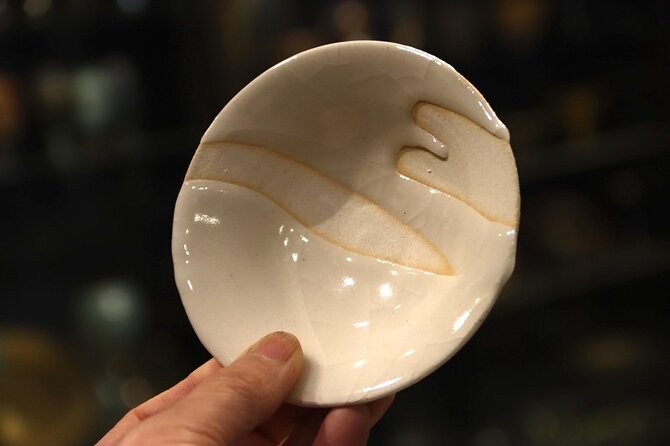
You’ll leave with a plate you can bring home, and it is the one you used during the lesson. That’s the difference between a craft class and a manufactured souvenir.
Kintsugi repairs are inherently personal because the gold lines follow the reality of the break. Even if the starting piece is prepared for the workshop, your placement and handling create the final look. It’s also a thoughtful gift idea for people who appreciate handmade objects, not mass-produced ones.
A practical angle: this kind of item is best treated as a display or careful-use piece. If you plan to use it like everyday dishware, keep your expectations realistic and follow any handling guidance you’re given during the workshop.
Price and value: what $142.60 gets you in real terms
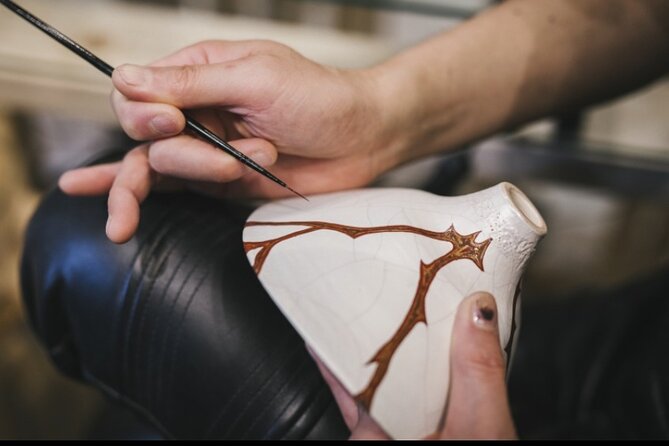
The price is $142.60 per person. For Tokyo, that’s not cheap on the surface. But the value is clearer when you look at what’s included:
- All necessary equipment
- The plate you use, and then take home
- Lesson fee
- Taxes, fees, and handling charges
Because the workshop includes materials like Urushi lacquer and pure gold powder, you are paying for the quality ingredients and the instruction time. You’re also not paying extra for tools or for a separate take-home kit. That’s where many craft classes feel pricey, because the materials are often what push the cost up.
So think of it as paying for an instructor who can guide a technique that is difficult to do well on your own. You’re buying a skill transfer plus a finished object.
Logistics that make or break your experience
Here are the details that help you enjoy the workshop instead of wrestling with logistics.
Getting there
Meet at Minami-Aoyama Studio and plan to use public transit. It is near transit, but the area is less about famous monuments and more about streets and studio locations. Give yourself extra time so you are not stressed before you start.
What to wear
You’ll be working at a table with small materials. Wear comfortable clothes and avoid anything you’ll worry about if lacquer or gold dust is involved. The class supplies the equipment, but you still want to be practical.
Food, drink, and energy
No food or drinks are included. If you want your hands to stay steady and your brain to stay calm, eat before you arrive.
Group size
The maximum group size is 5 travelers. That keeps it personal. It also means you’ll likely share attention with a few others, which is good for conversation but still feels like a mini studio lesson.
Who should book this kintsugi workshop, and who might skip it
This is ideal if you want one of Tokyo’s best types of souvenirs: a handmade object with an explanation you actually understand. It also suits couples, friends, and parents traveling with a child who can handle a calm craft setting.
It’s a great fit for people who like mindful activities, including those who feel burned out by constant train stations and lines. Kintsugi gives you that quiet focus without needing to be good at art in advance.
You might skip it if your schedule needs a very quick, photo-only activity, because this takes real craft time. It’s also not designed as an outdoor sightseeing stop, so treat it like your main event for those two hours.
Should you book Authentic Pure Gold Kintsugi with Master Taku?
I think you should book it if you want an authentic-feeling craft experience in Tokyo that leaves you with something real, handmade, and tied to Japanese philosophy. The combination of Master Taku’s instruction, pure gold and Urushi lacquer, and the chance to take your repaired plate home that same day makes it strong value.
If you’re on the fence, choose the option that matches your vibe:
- Classic gold lacquer look: Option A
- Modern black-and-gold contrast: Option B
- More decorative, design-forward restoration: Option C
One last check: confirm you have time to find the studio, and eat beforehand since there is no food provided. If you handle those two things, you’re set for a memorable, calming Tokyo moment.
FAQ
How long is the kintsugi workshop?
The workshop is about 2 hours. Option A is around 110 minutes, while Options B and C are about 90 minutes.
Where does the workshop take place?
You meet at TNCA Minami-Aoyama Studio, 3-chōme-8-2 Minamiaoyama, Minato City, Tokyo 107-0062, Japan. It ends back at the same meeting point.
What do I take home?
You take home the plate you use for the lesson after you finish repairing it.
What is included in the price?
The price includes all necessary equipment, the plate for the lesson, the lesson fee, and all taxes, fees, and handling charges.
Is hotel pickup or drop-off included?
No, hotel pickup and drop-off are not included.
Are food and drinks provided?
No, food and drinks are not included.
What are the three kintsugi options?
Option A is Shuurushi kannyuzome kintsugi with real natural lacquer and pure gold. Option B is Black and Gold Shikkokurai using the same method on a black plate. Option C is Yobitugi, an experience that adds decorations and materials to the missing parts.
How small is the group?
The workshop has a maximum of 5 travelers.
What if I need to cancel?
This experience is non-refundable and cannot be changed for any reason.
Newly listed around Tokyo
- Tokyo private transfer for Yokohama Port★ 4.5 · 63 reviews
- Luxury Kimono Photoshoot at Ginza Tokyo★ 5.0 · 7 reviews
- Tokyo Allstar Food Tour★ 4.5 · 206 reviews
- Private One Day Nikko Tour with Bilingual driver★ 3.5 · 11 reviews
- Tokyo Art Aquarium Museum E-Ticket with optional Tokyo Metro Pass★ 5.0 · 17 reviews
- Tokyo: Best Ginza Food Tour at 3 Local Eateries★ 5.0 · 83 reviews
- PRIVATE tour in 180SX to Daikoku+++++★ 5.0 · 6 reviews
- Kabuki Talk★ 5.0 · 10 reviews
Workshops, compared.
Sushi Making Tokyo Roll and Authentic Japanese Sushi Class
Read our review →
Roll and Authentic Sushi Making Class in Asakusa
Read our review →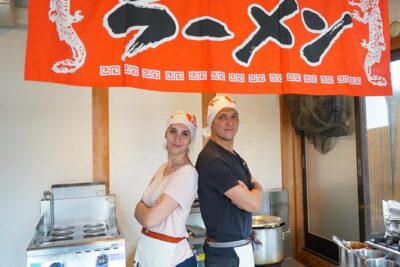
Ramen Cooking Class at Ramen Factory in Kyoto
Read our review →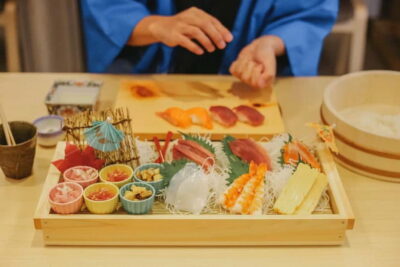
Sushi Making Class in a Happi Coat near a Famous Spot
Read our review →
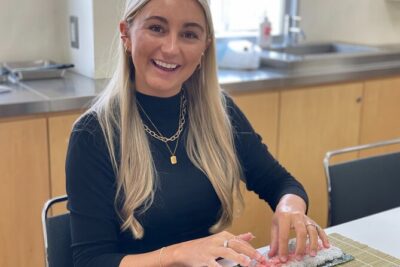
Tokyo Sushi Making Class in Tsukiji with Professional Chef
Read our review →
Ramen & Gyoza Cooking Class in Tokyo with Local Supermarket Visit
Read our review →Browse the lists this tour appears in