
Review · HISTORIC CASTLE VISITS
Himeji Castle and Akashi Kaikyo Bridge Walking Tour from Kyoto
Himeji Castle plus Akashi Bridge in one day is a serious Japan hit. This full-day walking tour pairs UNESCO Himeji Castle with a guided look inside and out, then finishes with jaw-dropping Akashi Kaikyo Bridge views from the Maiko Marine Promenade. I especially like the mix of guided history at Himeji and the clear, photo-friendly bridge viewpoints. One possible drawback is that this is a long day of trains and walking, and indoor castle areas require shoe removal.
You’ll spend most of your time moving, not lingering, so it helps to show up ready for stairs and a busy schedule. The good news is the structure keeps things simple: JR trains round-trip, timed sightseeing blocks, and a buffet lunch that covers both Japanese and Western options. Also, since train seating is non-reserved, you should expect it can be a bit hit-or-miss during peak hours.
In This Review
- Key things I’d plan around before you go
- A rail-first day trip that keeps Kyoto convenient
- Himeji Castle: the White Heron and the real climbing day
- What the castle visit includes
- A realistic note on crowds and queues
- Why the guide matters most at Himeji
- Hotel Nikko Himeji buffet: a break that actually fuels the day
- The one constraint to understand
- Maiko Marine Promenade: where you get scale and a clear view
- What makes the Maiko promenade special
- The bridge numbers that help you picture it
- Timing, pacing, and how the walking adds up
- A helpful mindset for this day
- Non-reserved seats: what to do with that reality
- Price and value: what you’re paying for at $252.90
- Who this tour suits best (and who should skip it)
- Should you book this Himeji and Akashi day tour?
Key things I’d plan around before you go
- World Heritage Himeji Castle, guided with time for interior and exterior areas
- Hotel Nikko Himeji buffet lunch, featuring both Japanese and Western dishes
- Maiko Marine Promenade under the roadway, including enclosed sections and glass-floor views
- Bridge Exhibition Center stop, so you get context before you look out over the strait
- JR Shinkansen and rapid services with non-reserved seats, so go with a flexible mindset
- About 4 km of walking, plus steep castle steps where socks matter
A rail-first day trip that keeps Kyoto convenient
This tour is built around trains, not buses. You meet at the JTB Sunrise Tours desk in Kyoto (Avanti, B1F), then head to the station area to start your day. The timing is early, with a 8:30 am start, and the day is set up so you can see two major Hyogo icons without having to figure out transit on your own.
I like that the pacing is predictable even if the day feels packed. You do the Himeji portion first, then you move on to Maiko and the Akashi Kaikyo Bridge area. And you get back to Kyoto around 6:00 pm, which is great if you still want dinner near your hotel instead of hunting for an overnight plan.
The logistics that matter most for your comfort are the seats and the walking. The tour uses non-reserved seating on public trains, so you might not get the exact seat you want. Still, you’ll have an assistant to help you board the Shinkansen, and the day is organized so you are not left to manage everything alone.
More Castle Visits in Kyoto
- Kyoto: Nijo-jo Castle and Ninomaru Palace Guided Tour
★ 4.7 · 1,020 reviews - Kyoto: Imperial Palace & Nijo Castle Guided Walking Tour
★ 4.7 · 453 reviews - Kyoto Imperial Palace & Nijo Castle Guided Walking Tour – 3 Hours
★ 4.5 · 106 reviews
Himeji Castle: the White Heron and the real climbing day
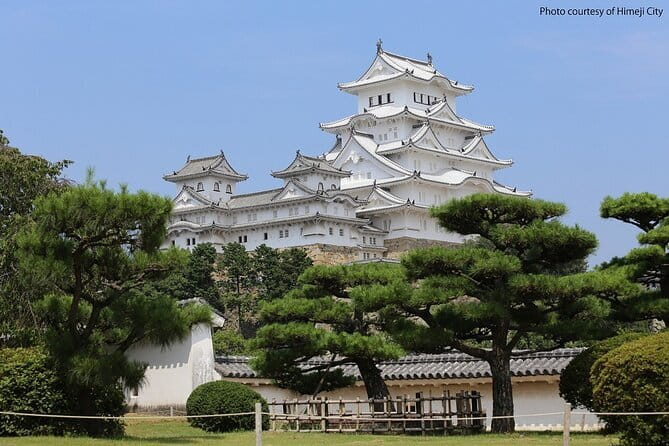
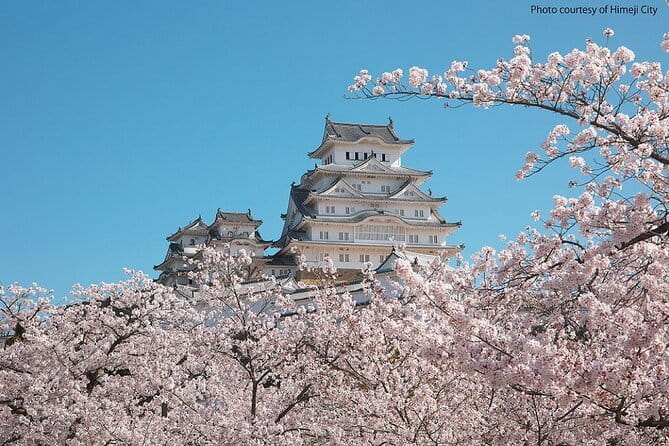
Himeji Castle is one of Japan’s big-ticket sites for a reason. It’s World Heritage listed, famous for its crisp white exterior, and often called Shirasagi Castle, or White Heron Castle. The “heron” nickname isn’t just marketing. The outer architecture gives that impression of a bird with wings spread as the castle rises.
What you’ll love here is that the visit is not just a wander. Your guide helps you understand what you’re looking at: the castle’s overall defensive design, how the grounds connect to feudal-era priorities, and what parts of the complex mean in practice. Even if you’ve seen castle photos before, a guided walk changes the feel from postcard to place.
What the castle visit includes
You get admission, and the tour builds in time to:
- stroll the grounds
- see major exterior features
- experience interior areas as well
Plan for the practical side too. To walk inside Himeji Castle, you remove your shoes. The tour specifically recommends wearing socks, and based on what people have described, floors can be slippery and the interior route involves steep steps and lower ceilings in places. That is not meant to scare you. It’s meant to help you pack smart.
A realistic note on crowds and queues
This is a top attraction, so lines can happen. At least one person reported a long queue for tickets and entry during a busy period. You can’t control that, but you can control your attitude. Bring something small to keep hands busy while you wait, and keep moving as soon as the flow allows.
More Walking Tours in Kyoto
- Kyoto Geisha Walking Tour: Gion District & Hidden Gems
★ 4.7 · 3,273 reviews - Kyoto: Gion Geisha District Walking Tour – Stories of Geisha
★ 4.7 · 2,187 reviews - Night Walk in Gion: Kyoto’s Geisha District
★ 4.5 · 2,003 reviews - Kyoto Gion Geisha District Walking Tour – The Stories of Geisha
★ 5.0 · 1,441 reviews
Why the guide matters most at Himeji
Himeji is dense. If you go unguided, you might admire the walls and roofs and still miss how the layout supports defense. With a good English guide, you get the “why,” not just the “what.” Several named guides have been praised for making the walk feel easier and for pointing out the best photo spots. On the day, that means less guesswork for you, and more time actually noticing details.
Hotel Nikko Himeji buffet: a break that actually fuels the day
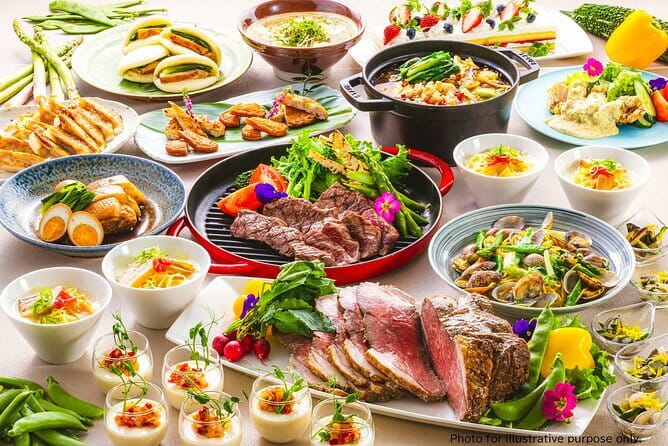
After the castle, you’ll have lunch at Hotel Nikko Himeji. This is a buffet, and the menu changes with the season. What I like about this stop is that it’s not just one style of food.
You’ll usually find both Japanese and Western options, which helps a lot if your group has mixed tastes. And the venue choice matters. Using a sit-down buffet lunch keeps you from having to hunt for a quick meal near train stations, which can be stressful on a schedule like this.
The one constraint to understand
Dietary requests are not accepted for the buffet, including vegetarian meals and allergy-friendly meals. So if you need special meals, you’ll want to think ahead and decide whether this tour fits your needs. If you can eat buffet-style Japanese and Western dishes without restrictions, this lunch is a solid energy reset.
Maiko Marine Promenade: where you get scale and a clear view
After lunch, you transfer by JR rapid service (non-reserved seats) from Himeji to Maiko Station. From Maiko, it’s a short walk to the Akashi Kaikyo Bridge area. The bridge itself is the focus, but what makes this part work is that you don’t just show up at a viewpoint.
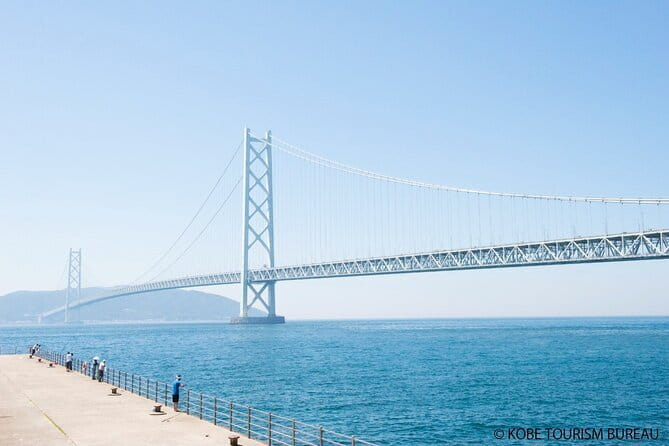
You stop into the Bridge Exhibition Center first. That’s valuable because it helps you understand the bridge’s size and engineering in plain terms before you look out. Then you move to the Maiko Marine Promenade, an observation walkway that lines the Kobe side.
What makes the Maiko promenade special
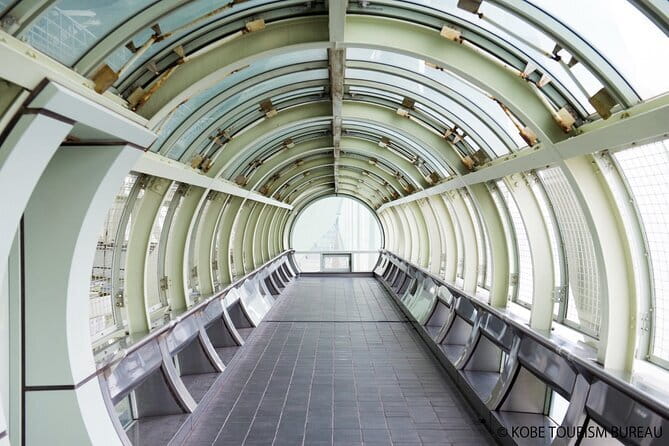
This walkway is under the roadway and about 47 meters above the waters of Akashi Strait. The layout includes enclosed sections, and some stretches have glass flooring. That means you can see down toward the water while you stay protected from some elements.
If you’re a photo person, this is a friendly setup because the bridge structure runs across your view, and the walkway gives you angles instead of only one flat shot. Even if you are not into photography, glass-floor sections change the feeling from distant to immediate. You see how the scale sits over the water.
The bridge numbers that help you picture it
Akashi Kaikyo Bridge is the longest suspension bridge in the world, spanning 12,828 feet (3,910 meters) between Kobe and Awaji-shima Island. When you’ve got those numbers in your head, the promenade makes more sense. You’re not just looking at a big structure, you’re checking the engineering and the sweep of cables that create that span.
Timing, pacing, and how the walking adds up
The tour runs about 9 hours 30 minutes. A lot of that time is train travel. Kyoto to Himeji by Shinkansen is listed at about 45 minutes, and the return from Maiko to Kyoto is about 90 minutes. That travel time is not “wasted,” but it is time you should accept as part of the deal.
Your total walking distance is about 4.0 km (around 2.5 miles). That sounds manageable until you factor in castle stairs and indoor floor changes. People have noted the steep steps inside Himeji Castle and the need to keep your footing in socks. So for your comfort, think in terms of footwear and stamina, not just distance.
A helpful mindset for this day
If you like fast-moving schedules and clear goals, you’ll probably enjoy it. If you prefer slow sightseeing with long cafe breaks, you may feel rushed. This tour is designed for a “see the sights, keep moving” style.
Also, the guide service ends partway. The day includes an accompanying guide from arrival at Himeji Station until Osaka Station partway. You’ll get instructions for how to return to Kyoto Station on your own afterward. There is also an assistant to help you board the Shinkansen at Kyoto Station.
Non-reserved seats: what to do with that reality
Because the trains use non-reserved seating, you cannot count on having exactly the right seat. The upside is you are not locked into one car and one seat number. The downside is you might spend time finding a spot. My practical advice is to keep your boarding routine calm. Line up early, be flexible about your carriage, and keep your bags positioned so you can move fast.
The tour is capped at a maximum of 15 travelers, which usually helps. Smaller groups mean less chaos in station corridors and quicker coordination for walking to platforms.
Price and value: what you’re paying for at $252.90
At $252.90 per person, you’re not buying a cheap thrill. You are paying for a full-day package that includes:
- the lunch buffet
- admission fees
- transportation costs
- a National Government Licensed English guide interpreter fee
- a mobile ticket
When I judge value, I look at the parts you would normally pay for separately. Here, admissions and guided interpretation are built in. You also avoid the time cost of researching train routes and figuring out which viewpoints to target.
Could you do this day by yourself? Sure, but you’d spend time planning, and you’d likely spend more time on your own when you hit the “where do we go next” moments at each site. If you value time and want the day structured, the price can make sense.
The best value angle is that you get two major attractions in one shot, and the day is timed so you are not zig-zagging across Japan. You also get a guide’s help at the castle, where interpretation makes a big difference.
Who this tour suits best (and who should skip it)
This is a strong fit for first-time visitors who want big-name sights without spending the day figuring out transit. It also works well if you like structured itineraries and want an English-speaking guide to connect the dots between architecture, engineering, and what you are seeing.
You might want to reconsider if:
- you have tight mobility needs or struggle with steep steps
- you need special dietary meals, since the buffet does not accept requests like vegetarian or allergy-friendly options
- you hate non-reserved seating and would rather guarantee your exact train seats
Should you book this Himeji and Akashi day tour?
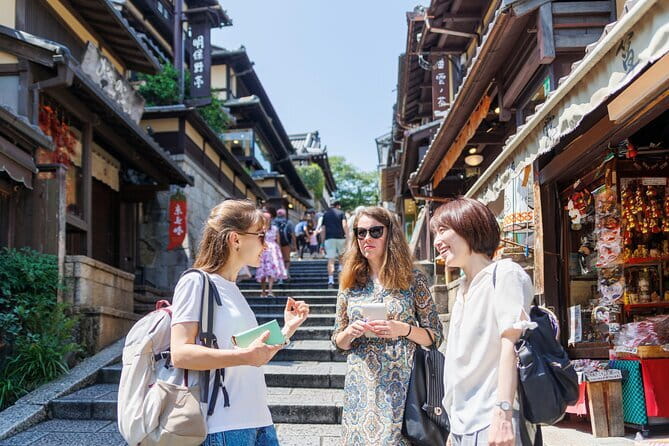
I’d book it if your priorities are Himeji Castle, the engineering scale of Akashi Kaikyo Bridge, and a guided day that keeps Kyoto and transport simple. The castle portion is the centerpiece, and when the guide pacing clicks, the rest of the day feels smoother. If you can handle shoe-off walking, socks, and a long transit schedule, you’ll get your money’s worth in two standout sights.
If you want a more relaxed day with fewer transfers, or you need diet accommodations, you may be happier choosing a different format. For everyone else, this is a practical, high-impact day that turns Japan’s rail network into your sightseeing tool.
Newly listed around Kyoto
- Zen Meditation for Life in Kyoto★ 5.0 · 10 reviews
- Kyoto: Zen Meditation at a Private Temple with a Monk★ 5.0 · 25 reviews
- Kyoto Private Customizable Day Tour with Guide and Vehicle★ 5.0 · 52 reviews
- Private Wagyu Beef Tour with a Local Guide★ 5.0 · 6 reviews
- Kyoto: Gion Geisha District & Sake-in-Hand Walking Tour★ 5.0 · 37 reviews
- Your Private Vacation Photography Session In Kyoto★ 5.0 · 110 reviews
- Private Guided Traditional Buddhist Cooking in Japan★ 5.0 · 16 reviews
- Private Pewter Sake Cup Experience with a Kyoto Artisan★ 5.0 · 31 reviews
Historic Castle Visits, compared.
Tokyo Castle & Imperial PalaceーShogun Walking Tour
Read our review →
Nijo-jo Castle and Ninomaru Palace Guided Tour
Read our review →
Ultimate Osaka Walking Tour: Castle, Dotonbori & Hidden Gems
Read our review →Tokyo Castle & Imperial PalaceーShogun Walking Tour
Read our review →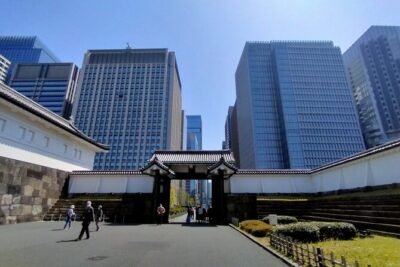
Imperial Palace East Garden and Edo Castle Walking Tour in Tokyo
Read our review →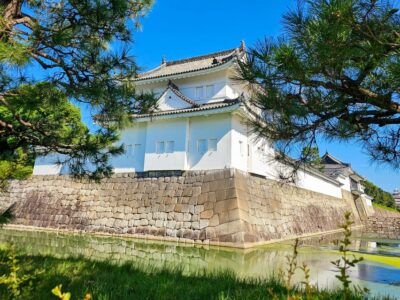
Imperial Palace & Nijo Castle Guided Walking Tour
Read our review →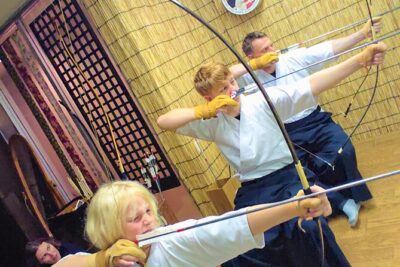
Japanesel Archery Experience HIROSHIMA CASTLE SHARAKU
Read our review →Browse the lists this tour appears in