
Review · LICENSED GUIDES & PRIVATE DRIVERS
Kyoto 4hr Private Tour with Government-Licensed Guide
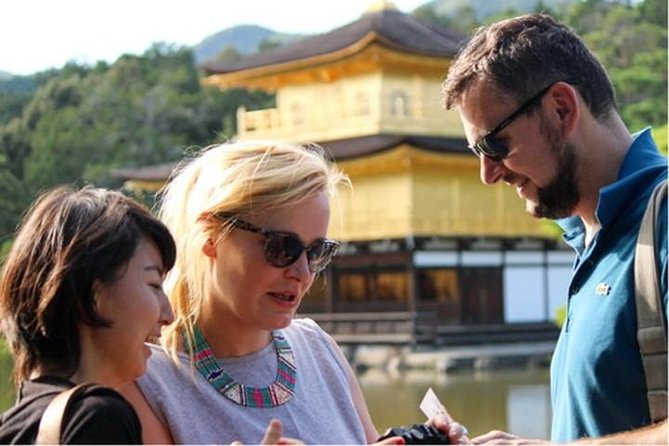
Kyoto in 4 hours with a plan. This private, government-licensed guide tour helps you pick what matters most, then connects the dots with clear commentary and smart local transit. You get hotel-area pickup on foot, so you start moving fast instead of hunting for the right station.
What I like most is the flexibility. You build a custom half-day itinerary by choosing 2-3 sites from the options, then your guide shapes the flow around your interests and time. I also really enjoy how many different guide styles show up in the reviews, from Yuri’s way of turning signs into stories to Maya’s photo-stop instincts, plus Tomy and Mizu helping people feel confident using trains and buses.
The main thing to consider is pacing. This is a walking tour, and some Kyoto stops involve hills and stairs, plus entrance fees and transportation costs are not included, so your total day cost can rise depending on what you choose and how you get between areas.
In This Review
- Key points to know before you go
- A government-licensed guide makes Kyoto feel organized fast
- Choose the right 2-3 stops, then let the route do the work
- Getting around: walking tour plus local transit choices
- The classic Kyoto intro: Fushimi Inari, Nijo Castle, Gion, and Nishiki Market
- Stop 1: Fushimi Inari-taisha Shrine
- Stop 2: Nijo Castle
- Stop 3: Gion
- Stop 4: Nishiki Market Shopping District
- Stop 7: Pontocho
- Higashiyama and Kiyomizu-dera: the classic temple hillside day
- Stop 5: Kiyomizu-dera Temple
- Stop 8: Higashiyama Ward
- Stop 9: Ginkakuji Temple (Silver Pavilion)
- Stop 10: Nanzenji Suirokaku
- Stop 18: Ryoan-ji Temple (rock garden)
- West and north temples: Kinkakuji, Toji, Tofuku-ji, Ninna-ji, and the Imperial-style stops
- Stop 12: Toji
- Stop 11: Tofuku-ji
- Stop 13: Kinkakuji (Golden Pavilion)
- Stop 14: Ninna-ji
- Stop 15: Shugakuin Imperial Villa
- Stop 16: Kyoto Imperial Palace
- Stop 23: Byodoin Temple (Phoenix Hall), with extra travel time
- Arashiyama: Togetsukyo, bamboo groves, Tenryu-ji, and the quiet hillside temples
- Stop 19: Arashiyama
- Stop: Togetsukyo Bridge
- Bamboo grove walking paths
- Stop 22 and again listed: Tenryu-ji Temple
- Stop 20: Katsura Imperial Villa
- Stop 21: Daikakuji Temple
- Stop 24: Okochi Sanso Garden
- Yoshimine-dera, a calmer temple pick
- Quiet hillside temples: Jojakkoji, Nisonin, and Gioji
- Adashino and Otagi Nenbutsu-ji: stone-statue temples
- Kibune and Kurama: when you want rural Kyoto, not just downtown icons
- Stop 16: Kibune River
- Stop 17: Kurama-dera
- Price and what you actually pay for in a 4-hour private Kyoto day
- Tips that make your tour day smoother
- Should you book this Kyoto private tour?
- FAQ
- How long is the Kyoto private tour?
- How many sites can I choose for my itinerary?
- Is pickup included?
- Are entrance fees included?
- Is this tour only for my group?
- Can I get a full refund if I cancel?
Key points to know before you go
- Government-licensed English guide means better context at temples, castles, and old neighborhoods
- Pick 2-3 sites from a long menu, so you can match Kyoto to your energy level
- Hotel-area pickup on foot saves time, especially if you do not want to navigate first
- Public transport or taxi options help you cover more without feeling lost
- Entrances and transit fees are separate, so plan for extra spending at the gate
- Crowds happen fast at places like Fushimi Inari, so timing and route matter a lot
A government-licensed guide makes Kyoto feel organized fast
Kyoto can feel like a choose-your-own-adventure book, except the pages are in Japanese and the temples all look important. This tour keeps it practical. You are not locked into one rigid route, because you choose a short list of 2-3 stops and your guide builds the day around them.
The other big win is the guide license. A nationally licensed, English-speaking guide is the difference between seeing sights and understanding what you are looking at. In the tour style across guides, you get context and explanations tied to each place, not just a list of facts. That is how people walk away saying Kyoto felt like a story, not a checklist.
You also start with an easy handoff. Pickup is offered, and in practice it is described as meeting on foot within a designated Kyoto area, with front-door pickup at your hotel. If you do not want to spend your first hour figuring out where your guide stands, this setup helps.
More Private Guides in Kyoto
- Kyoto Early Morning Tour with English-Speaking Guide
★ 5.0 · 1,427 reviews - Kyoto 6hr Private Tour with Government-Licensed Guide
★ 5.0 · 1,369 reviews - Kyoto: Early Morning Tour with English-Speaking Guide
★ 4.9 · 1,128 reviews
Choose the right 2-3 stops, then let the route do the work
Here is the trick with a 4-hour private tour: the best day is the one that matches your “walking appetite.” Kyoto has clusters that naturally pair together, and your guide is there to connect them. If you pick stops that are too spread out, you will spend more time in transit and less time at the actual sights.
A good plan is to pick one anchor area, then add one or two nearby complements. For example:
- East side heritage: Fushimi Inari, then move toward Gion and Higashiyama
- Temple-and-garden focus: Ginkakuji, Nanzenji Suirokaku, or Kinkakuji
- West Kyoto mood: Arashiyama plus one temple option, like Tenryu-ji or one of the hillside spots
Your guide can also help you pick the “right kind” of stop. Some places are active and photo-friendly. Others are quiet temple grounds with more space to slow down. If your group includes kids, elderly travelers, or anyone who tires quickly, this is where a private pace matters.
Getting around: walking tour plus local transit choices
This tour is described as a walking tour. Even with pickup, you will still be moving on foot to meet and between sights. That means the footwear question is not optional. One review mentioned cracking 20k steps, which matches what you should expect when you combine Kyoto icons with stairs and short uphill stretches.
In terms of transport, you can travel like locals using public transportation or taxi. There is also an upgrade option to arrange a private vehicle for an added cost. That upgrade can be worth considering if you want to reduce walking between distant areas, especially when you choose northern spots like Kurama-dera or river valleys like Kibune.
Also note: entrance fees and transportation fees are not included. So you will want to budget for tickets at the sites you choose, and you might also need to cover rides or transit fares.
The classic Kyoto intro: Fushimi Inari, Nijo Castle, Gion, and Nishiki Market
If you want your Kyoto day to start with impact and immediately look like Kyoto, start here.
A different sort of day in Japan:
- PERFECT KYOTO 1-Day Bus Tour
★ 5.0 · 13,518 reviews - Kyoto: Fushimi Inari, Kinkakuji, Bamboo Grove 1 Day Bus Tour
★ 4.8 · 4,316 reviews - Kyoto: Tea Ceremony in a Traditional Tea House in Kiyomizu
★ 4.9 · 3,519 reviews - Kyoto Geisha Walking Tour: Gion District & Hidden Gems
★ 4.7 · 3,273 reviews
Stop 1: Fushimi Inari-taisha Shrine
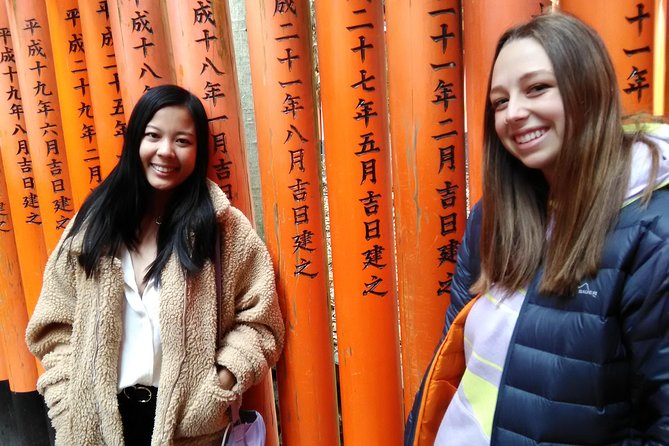
This is famous for its vermillion-red torii gates tunnels. But the tour description also hints that it is more than the tunnel photos, with stories behind the site. If you are the kind of person who likes meaning and context, a guide helps you look past the obvious route.
Consideration: it is crowded. In practice, when you add a popular shrine to a half-day, you want your guide to help manage timing and photo spots so you still enjoy the place, not just stand in a crowd.
Stop 2: Nijo Castle
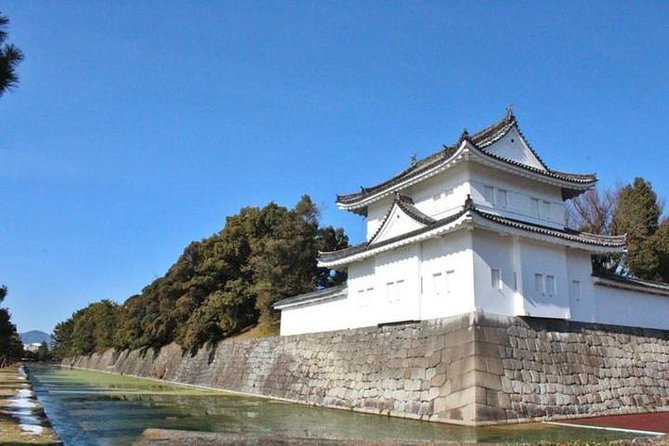
Built in 1603 as the Kyoto residence of Tokugawa Ieyasu, and listed as a UNESCO World Heritage site. This stop works well if you want a different Kyoto vibe than shrines, and you like the historical backbone behind the city.
Consideration: castle interiors depend on your choices and what you want to linger on, so be sure your group is ready to slow down for a more structured visit.
Stop 3: Gion
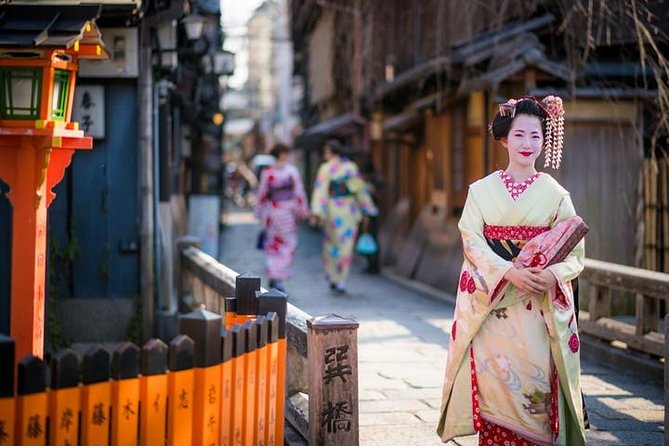
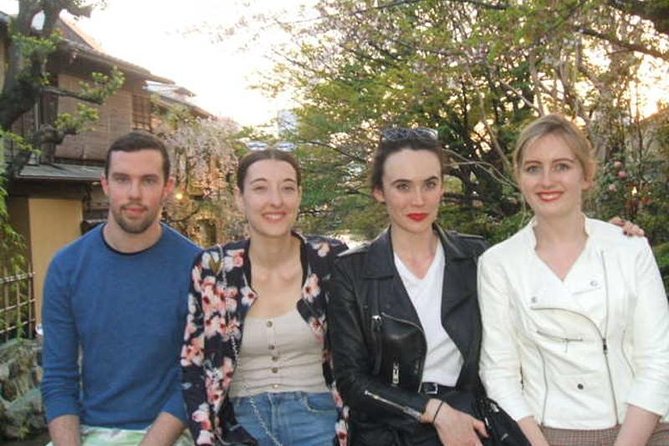
Gion is Kyoto’s geisha district, known for narrow alleyways. For first-time visitors, your guide is a big help because the area can feel confusing without a plan.
Consideration: it is very easy to lose time wandering. A private guide keeps you moving through the parts that match your interests, without turning the whole day into aimless scrolling.
Stop 4: Nishiki Market Shopping District
Nishiki Market is described as a narrow, five-block-long street with more than one hundred shops and restaurants. It is known as Kyoto’s Kitchen, which is a fun way to frame it as a place to snack, browse, and orient yourself to local food culture.
Consideration: markets can be crowded, and it is easy to overspend on small items if your group is hungry. Decide in advance if you want snacks or if you prefer to keep meals for later.
Stop 7: Pontocho
Pontocho is an atmospheric dining alley running from Shijo-dori to Sanjo-dori, one block west of Kamogawa River, with many restaurants. It is a great choice if you want Kyoto at night vibes, even during daylight, because the narrow street layout already does most of the work.
Higashiyama and Kiyomizu-dera: the classic temple hillside day
If your ideal Kyoto day is scenic, photogenic, and walk-heavy, Higashiyama style stops are your best bet.
Stop 5: Kiyomizu-dera Temple
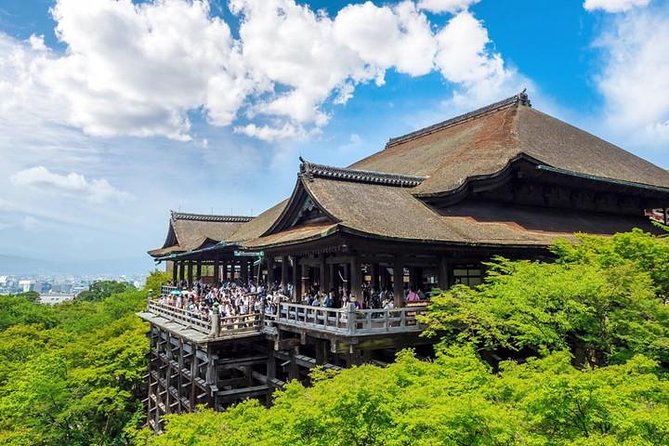
This is one of Kyoto’s most popular temples. The tour description highlights a comprehensive 1-hour guided visit, which suggests you can count on time inside the grounds rather than only quick exterior views.
Consideration: popularity means queues and dense foot traffic. Pair it with one other nearby stop, not two far-away ones, or you will spend your energy in transit.
Stop 8: Higashiyama Ward
Higashiyama is a best-preserved historic district along the lower slopes of eastern mountains. If you want “old Kyoto” without planning every turn, this is the area that delivers.
Consideration: it is not just walking, it is also stairs and slopes, depending on where you start and stop. Choose this when your group is comfortable moving.
Stop 9: Ginkakuji Temple (Silver Pavilion)
A Zen temple in the Higashiyama area. The description calls it the Silver Pavilion and notes Ashikaga Yoshimasa built a retirement villa there in 1482.
Consideration: Zen gardens tend to reward time. If your group wants quick photo stops only, tell your guide early so you do not feel rushed later.
Stop 10: Nanzenji Suirokaku
Nanzenji is described as an important Zen temple at the base of forested Higashiyama mountains, and the description says it is head temple of a Zen grouping. This stop adds a more spacious, grounded feel compared with tight shopping streets.
Consideration: it can be a “walking points first” kind of visit. If your group needs low-key movement, plan a shorter second stop.
Stop 18: Ryoan-ji Temple (rock garden)
Ryoan-ji is famous for Japan’s most known rock garden. If you want a Kyoto stop that feels quiet and contemplative, this is the one that often delivers that mood.
Consideration: rock gardens are not crowds’ favorite activity for long pauses. With only 4 hours total, you want to be intentional about how long your group stays.
West and north temples: Kinkakuji, Toji, Tofuku-ji, Ninna-ji, and the Imperial-style stops
Kyoto also has a temple “ring” where you can swap in different moods: gold-leaf drama, big Zen complexes, and imperial garden-style spaces.
Stop 12: Toji
Toji is the East Temple, founded at the beginning of the Heian Period just after Kyoto became the capital in the late 700s. The tour description notes it is a large temple and pairs it with a now defunct sister temple.
Consideration: large temple grounds can swallow time. Pick this when you want a major sight, not when you need a quick hit.
Stop 11: Tofuku-ji
Tofuku-ji is known for spectacular autumn colors, with a founding date in 1236 at the request of Fujiwara powers.
Consideration: if you are visiting in another season, you can still enjoy the temple grounds, but your “big payoff” may be different than autumn visitors expect.
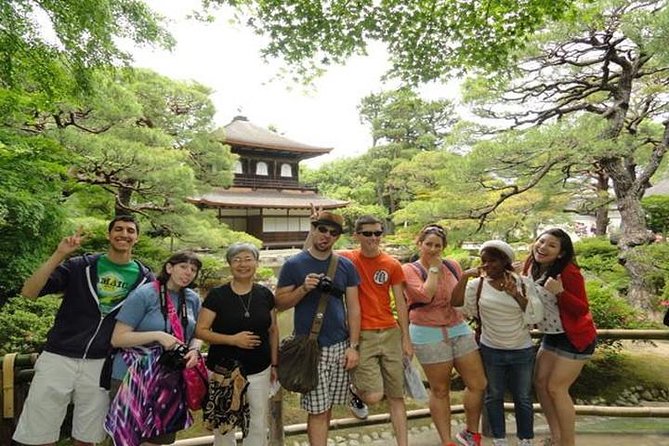
Stop 13: Kinkakuji (Golden Pavilion)
Kinkakuji is a Zen temple with top two floors covered in gold leaf. The description also frames it as Ashikaga Yoshimasa’s retirement villa.
Consideration: the golden visual impact is the headline, and that can mean crowds. In a half-day, your guide’s timing choices matter.
Stop 14: Ninna-ji
Ninna-ji is a World Heritage listed temple and head temple of the Omuro School of the Shingon sect. Founded in 888.
Consideration: if your group likes variety, Ninna-ji is a nice swap from Gion and market areas.
Stop 15: Shugakuin Imperial Villa
Shugakuin Imperial Villa was built in the 17th century by Emperor Gomizuno and is managed by the Imperial Household Agency. It includes upper, middle, and lower villas.
Consideration: this is an imperial villa type stop. It can feel like a “slow” experience, so pair it with one other temple and keep expectations realistic for a 4-hour window.
Stop 16: Kyoto Imperial Palace
The former residence of Japan’s Imperial family until 1868, when the emperor and capital moved to Tokyo. It sits in spacious grounds.
Consideration: palace grounds can be broad. If you want compact stops with lots of quick points of interest, you might choose a different anchor site.
Stop 23: Byodoin Temple (Phoenix Hall), with extra travel time
Byodoin Temple in Uji is known for the Phoenix Hall, a National Treasure and UNESCO World Heritage site. The tour notes extra travel time because Uji is outside Kyoto city.
Consideration: this is the biggest “budget your time” choice. If you choose Byodoin, you may need to keep the rest of your plan tight and nearby.
Arashiyama: Togetsukyo, bamboo groves, Tenryu-ji, and the quiet hillside temples
Arashiyama is a separate mood from the rest of Kyoto. It is described as a pleasant, touristy district in western outskirts, with appeal dating back to the Heian Period when nobles enjoyed the natural setting.
Stop 19: Arashiyama
Use Arashiyama as your anchor if you want a slower, nature-forward Kyoto feel.
Consideration: because it is a popular district, your day still depends on timing and route. Your guide helps keep the walk efficient.
Stop: Togetsukyo Bridge
The Moon Crossing Bridge is Arashiyama’s iconic landmark. It was originally built during the Heian Period and reconstructed in the 1930s.
Consideration: it is a must-see view point, but it is also photo central. That is why a guided route helps you move through quickly and still enjoy the moment.
Bamboo grove walking paths
The walking paths through bamboo groves are described as nice for walking or bicycle riding. The groves are especially attractive with a light wind, when tall stalks sway.
Consideration: this is a place to slow down for atmosphere, not speed through for photos.
Stop 22 and again listed: Tenryu-ji Temple
Tenryu-ji is described as the most important temple in Arashiyama, ranked first among Kyoto’s five great Zen temples, and registered as a world heritage site.
Consideration: Zen temples often reward time. If your group is hungry or tired, tell your guide what you need so they adjust the pace.
Stop 20: Katsura Imperial Villa
Katsura Imperial Villa is described as one of the finest examples of Japanese architecture and garden design, with the villa and garden completed in 1645 as the residence for the shogun.
Consideration: like other imperial villa options, it fits best when you want a slower, more reflective stop.
Stop 21: Daikakuji Temple
Daikakuji is a large temple in the Sagano district, built in the early 800s as the detached palace of Emperor Saga.
Consideration: palace-temple sites can feel big. Choose this when you want a major cultural anchor.
Stop 24: Okochi Sanso Garden
Okochi Sanso is the former villa of actor Okochi Denjiro and sits behind Arashiyama bamboo groves. The description says it includes several gardens and buildings.
Consideration: this one is more garden-centered. If your group loves views and calm, it works well.
Yoshimine-dera, a calmer temple pick
Yoshiminedera is a Tendai sect temple in western mountains, built along… with details cut off in the description. Still, it is listed as an option for a more tucked-away temple feel.
Quiet hillside temples: Jojakkoji, Nisonin, and Gioji
These three are grouped in the options as mountainside, hillside, and forest-temple experiences:
- Jojakkoji: founded in 1596, quiet atmosphere, maple trees and moss nearby
- Nisonin: similar hillside temple with understated feel, partly due to overhanging trees
- Gioji: known for a moss garden with tall maple trees, with a gate and thatched-roof main hall
Consideration: these tend to be good when your group wants calm and you want to escape the busiest streets.
Adashino and Otagi Nenbutsu-ji: stone-statue temples
- Adashino Nenbutsu-ji: founded in the early 9th century, with stone statues connected to monk Kobo Daishi
- Otagi Nenbutsu-ji: famous for 1200 stone statues of rakan, each with a different face
Consideration: this kind of stop can be surprisingly engaging, but it also involves walking between areas inside or around the site grounds.
Kibune and Kurama: when you want rural Kyoto, not just downtown icons
If your group wants a break from the city center, the northern valley options are your best bet.
Stop 16: Kibune River
Kibune is a small town in a forested valley in Kyoto’s northern mountains, developed around Kifune Shrine. The description includes a legend about a goddess traveling by boat from Osaka up to the area.
Consideration: this is a great choice for a mood shift, but it may be harder to pair with far-away attractions within 4 hours.
Stop 17: Kurama-dera
Kurama is a rural town less than one hour from the city center, known for Kurama-dera and a hot spring.
Consideration: this stop fits best when your group can handle some extra walking for a rural feel.
Price and what you actually pay for in a 4-hour private Kyoto day
At $109.43 per person for about 4 hours, this tour’s value depends on how you travel and what you choose. You are paying for a private, government-licensed English guide and a plan that keeps your day efficient.
Here is what you should expect to pay extra:
- Transportation fees between stops
- Entrance fees at the sights
- Lunch and personal expenses
- If you upgrade to a private vehicle, that also costs extra
So the best value comes when you pick 2-3 high-priority sites from the options and let the guide handle routing and context. If you try to stack multiple far-apart destinations, you will likely spend more on transit than you planned, and your guided time at the main sights shrinks.
A practical budgeting tip: bring some cash, because not everything is set up for card payments everywhere you might stop. A Suica card can help you glide through train stations if your route uses public transit, which is part of the tour’s approach.
Tips that make your tour day smoother
These are the small moves that matter for Kyoto’s half-day format.
Wear comfortable shoes. Kyoto is not a sit-and-scroll city. Even when your stops sound close on a map, you will climb and walk.
Plan for crowd reality at the headline sights. Fushimi Inari is described as a place where many people are satisfied by the scenic tunnel views, which also means it is busy. If you want photos plus calm, timing and route choices from your guide matter.
Bring water and snack smart. One review-style tip emphasized hydration for touring in warm weather. Even in pleasant seasons, temple and market days involve a lot of walking.
Use the guide as your translation tool, not just a sight marker. Multiple guides in the reviews emphasized helping people get around with trains and buses, and interpreting what you are seeing so you do not miss the meaning.
Should you book this Kyoto private tour?
Book it if you want a private, flexible Kyoto day where you choose 2-3 sites and still get context and transit help. It is especially a strong fit if this is your first Kyoto visit, if you dislike feeling lost in a maze of streets, or if your group includes different ages and energy levels.
Skip it or adjust expectations if your dream plan depends on multiple far-flung areas in one day. The tour time is short, and it is a walking experience. Also budget for entrance fees and transportation costs, since they are not included.
If you want, tell me the 2-3 Kyoto stops you are leaning toward and your travel month, and I’ll suggest a tight pairing that fits a 4-hour pace.
FAQ
How long is the Kyoto private tour?
It runs for about 4 hours.
How many sites can I choose for my itinerary?
You customize your plan with your choice of 2-3 sites from the available options.
Is pickup included?
Pickup is offered. The tour is described as a walking tour, with meet-up on foot in a designated area in Kyoto and front-door pickup at the hotel.
Are entrance fees included?
No. Entrance fees are not included, and transportation fees are also not included.
Is this tour only for my group?
Yes. It is a private tour/activity, so only your group participates.
Can I get a full refund if I cancel?
Yes. You can cancel up to 24 hours in advance for a full refund. If you cancel less than 24 hours before the start time, the amount paid will not be refunded.
Newly listed around Kyoto
- Taste of Nishiki Market Walking Food Tour with Local guide★ 5.0 · 17 reviews
- Kyoto: Sushi Making Class with Sushi Chef★ 4.8 · 64 reviews
- Simple Plan with Maiko★ 4.4 · 10 reviews
- Shibori Furoshiki Course at Kyoto Shibori Museum★ 5.0 · 21 reviews
- Kyoto: City Secrets eBike Tour★ 4.9 · 196 reviews
- Sacred Pathways: Discover the Philosopher’s Path of Kyoto★ 4.9 · 20 reviews
- Private Tour to Monkey Park and Arashiyama Highlights★ 5.0 · 22 reviews
- Private Nara Tour from Osaka – Meet at Your Hotel★ 5.0 · 22 reviews
Licensed Guides & Private Drivers, compared.
Tokyo 6hr Private Tour with Government-Licensed Guide
Read our review →
Kyoto Early Morning Tour with English-Speaking Guide
Read our review →
Tokyo 4hr Private Tour with Government-Licensed Guide
Read our review →
Kyoto 6hr Private Tour with Government-Licensed Guide
Read our review →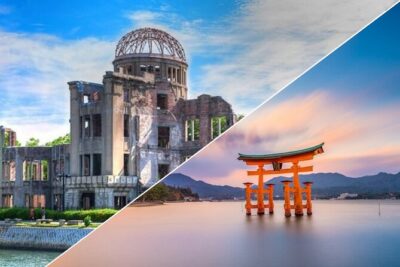
Hiroshima / Miyajima Full-day Private Tour with Government Licensed Guide
Read our review →Early Morning Tour with English-Speaking Guide
Read our review →
Tokyo Private Sightseeing Tour by Car- English speaking chauffeur
Read our review →
Mt Fuji Private Tour with English Speaking Driver
Read our review →Browse the lists this tour appears in