
Review · GEISHA DISTRICT WALKS
Kyoto 6h Private Tour Fushimi Inari, Kiyomizu, Gion & Hidden Gems
Your Kyoto first day, organized in 5.5 hours. I like how this private guide connects the headline shrines with calmer streets, so you are not stuck building an itinerary from scratch. The Fushimi Inari torii gates are a Kyoto must, and having someone manage the flow helps you enjoy the walk instead of just queueing. The trade-off: the route is set for a half day, and there is no lunch stop built in.
Guides can make or break Kyoto. Names like Kaori and Yoshi come up with praise for clear explanations, patience, and a comfortable pace, and I also like that guides such as Mutsumi tend to be open to small adjustments when your group wants a slightly different focus.
This tour is designed to save energy. You use a mix of taxis and public transportation, and you get a mobile ticket, but you should come ready with yen for temple fees, rides, and souvenirs, since cards and foreign currency are often a no-go.
In This Review
- Key things to know before you go
- How the 5.5-hour plan fits together
- Fushimi Inari and the torii gates, without the stress
- Chishaku-in: the calm garden pause
- Sanjusangendo and the long hall of Kannon
- Kiyomizu-dera UNESCO: the balcony view and the big moment
- Sannenzaka and Ninenzaka: photo-friendly streets and shopping time
- Yasaka-noto from the outside: a quick but worthwhile photo stop
- Gion at the end: how to use your last 20 minutes
- Price and logistics: what you pay, what you should budget
- Transportation style: why the mix of taxis and transit helps
- What to expect on the ground (and what to bring)
- Who this Kyoto private tour suits best
- Should you book this private Kyoto tour?
- FAQ
- Is lunch included in this Kyoto tour?
- How long is the tour?
- What is included in the price?
- Are temple admission fees included?
- Do I need to pay for transportation during the tour?
- Where does the tour start and end?
- What is the cancellation policy?
Key things to know before you go
- A private group plan (up to 3 people) means you are not squeezed into a big bus rhythm.
- Big icons plus quieter stops: Fushimi Inari, Kiyomizu-dera, and Gion, then a temple garden break at Chishaku-in.
- Taxis plus public transit helps you cover ground without spending the whole half day in line for buses.
- You see key photography moments from close by but without trying to do everything too fast.
- Bring cash for add-ons: temple admission, transit, and taxi costs are not included.
How the 5.5-hour plan fits together
This is a half-day Kyoto sampler that still feels purposeful. The schedule is tight enough to hit seven major stops in about 5 hours 30 minutes, but it avoids the common mistake of treating Kyoto like a checklist. The guide moves you from one area to the next, using taxis when it makes sense and public transportation when it saves time.
The starting point is Kyoto Station area, at the Kyoto Tourist Information Center Kyo-NaviJapan (Kyoto Station building, 2nd floor). The tour begins at 12:00 pm and ends in the Gion area, around Gionmachi Minamigawa. That end point matters. You finish near the streets where you can keep strolling without needing another big transit move.
A simple but important tip: because the tour packs in a lot of walking and temple interiors, it is smart to wear comfortable shoes and plan your day so you have eaten lunch or are fine with skipping it until after the tour.
More Shrine & Temple Visits in Kyoto
- Kyoto: Fushimi Inari, Kinkakuji, Bamboo Grove 1 Day Bus Tour
★ 4.8 · 4,316 reviews - Kyoto: Tea Ceremony Ju-An at Jotokuji Temple
★ 4.9 · 3,207 reviews - Fushimi Inari Hidden Hiking Tour (Private Option Available)
★ 5.0 · 1,750 reviews
Fushimi Inari and the torii gates, without the stress
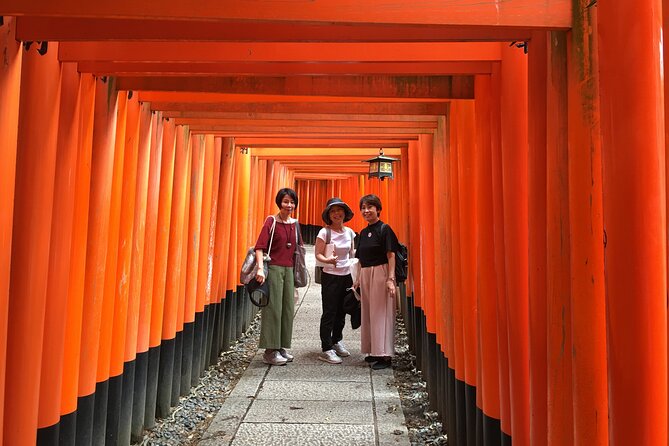
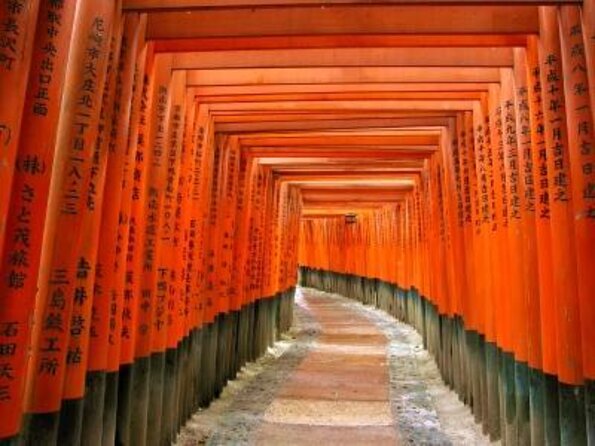
Fushimi Inari-taisha is the moment most people picture when they think of Kyoto. The point is not just seeing the shrine sign and leaving. It is the walk through thousands of torii gates, climbing into a corridor of orange gates that keeps going and going. The tour includes this stop first, which is useful. The earlier timing helps you avoid feeling like you are entering at the peak of the crowd wave.
What I like about guided timing here is simple. The guide can help you manage where to pause for photos, when to change direction, and how to keep the walk enjoyable instead of exhausting. The route also makes sense because the guide can align your next stops based on what will be easiest to reach after the torii section.
This stop has free admission in the tour plan, so your main costs are just the time and energy you spend walking. If you prefer a shorter walk, tell your guide early. Because it is private, you are more likely to get a practical adjustment than on a large group tour.
Chishaku-in: the calm garden pause
Between the famous shrines, Kyoto needs a breather. Chishaku-in is built for that. The highlight here is its Japanese garden, with a more relaxed feel than the busiest photo zones.
This is also where the guide’s role becomes more than logistics. A good guide helps you notice what you might otherwise miss, like how the garden layout shapes your sight lines and how the temple atmosphere changes once you step away from the crowds.
You should plan for about 40 minutes at Chishaku-in. Admission is not included, so budget for entrance fees. Also, even though the garden time is calmer, you are still in temple walking mode. Comfortable shoes help again.
Sanjusangendo and the long hall of Kannon
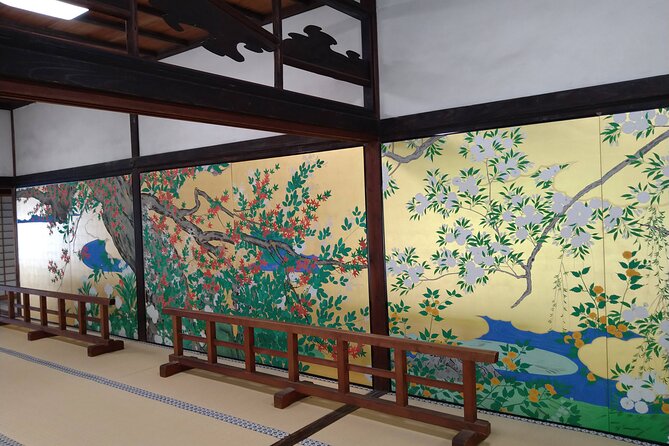
Next is Sanjusangendo Temple, known for its extraordinary collection of statues. The big draw is the long wooden hall lined with about 1,000 statues of Kannon, the goddess of mercy. It is not the kind of “see one thing and move on” stop. The scale is the attraction.
In practical terms, you spend around an hour here, which is usually just right if you want to look carefully. Admission is not included, so again think in terms of add-on temple fees rather than assuming everything is bundled.
What makes this stop worth it is the way it breaks the rhythm. After Fushimi Inari’s gate corridor and before Kiyomizu-dera’s famous balcony, Sanjusangendo shifts your focus from outdoors to interiors, from motion to stillness. If you like art and religious objects, this is the kind of stop that gives Kyoto a different texture.
More Shrine and Temple visits in Kyoto:
- Osaka/Kyoto:Kinkakuji,Arashiyama,FushimiInariShrine,NaraPark
★ 4.1 · 1,596 reviews - Kyoto/Osaka: Nara, Fushimi Inari Taisha, Arashiyama Bus Tour
★ 4.7 · 1,275 reviews - Arashiyama Bamboo, Temple, Monkeys, or Secret Sake Brewery
★ 4.8 · 886 reviews - Osaka/Kyoto: Arashiyama, Nara & Fushimi Inari Shrine w/Lunch
★ 4.4 · 754 reviews
Kiyomizu-dera UNESCO: the balcony view and the big moment
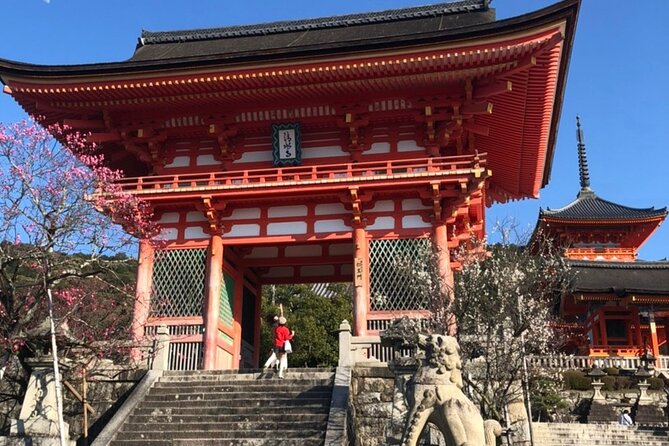
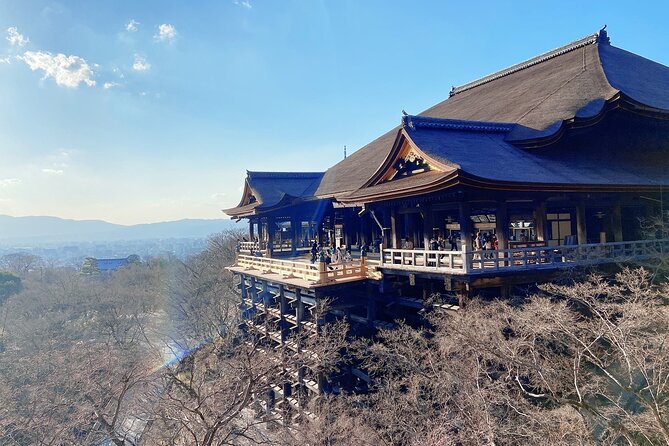
Kiyomizu-dera is the UNESCO World Cultural Heritage site on the itinerary, and it is easy to see why it is so central to Kyoto. The defining feature for many first-time visitors is the huge balcony area, which gives panoramic views when the weather cooperates.
The tour allocates about 1 hour here. That is enough time to get your bearings, take photos from key viewpoints, and still get inside areas without rushing. It also helps that the guide can manage your movement through the busiest parts.
Admission is not included for this temple, so plan for temple entry fees. Also, because the schedule is fixed, you should be ready for the “see it, enjoy it, move on” structure. If you want longer at Kiyomizu-dera, ask your guide whether you can spend a bit more time at the expense of a later exterior stop.
Sannenzaka and Ninenzaka: photo-friendly streets and shopping time
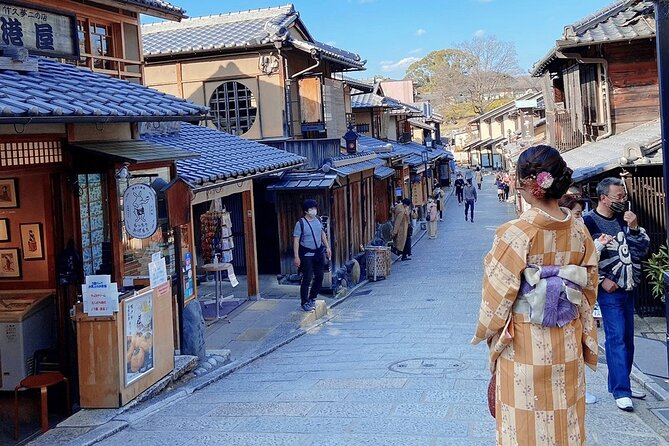
After the temple weight, you get back to Kyoto streets. The route includes the slopes of Sannenzaka and Ninenzaka, lined with traditional wooden buildings. This is where you walk through the slower, older-feeling neighborhood vibe, with plenty of small shops selling souvenirs and snacks.
The tour gives about 1 hour for this area. Admission is listed as free here, which is good because it keeps costs down while you browse. Still, this is a walking stop, and you are on the clock. If you love shopping, keep your purchases realistic. Kyoto souvenirs add up quickly, and you will be using yen for most things.
This is also a great moment to ask your guide for quick street advice. A private guide can point you toward side lanes that feel more Kyoto and less like a theme park, without you having to guess where to go.
Yasaka-noto from the outside: a quick but worthwhile photo stop
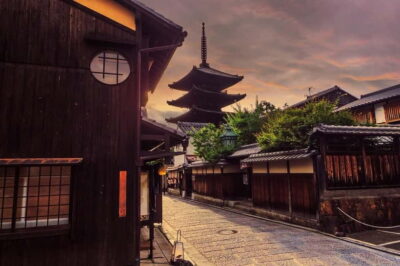
Yasaka-noto is a five-story pagoda, and it is one of Kyoto’s classic exterior landmarks. The tour gives only about 5 minutes here, with the plan set to view it from outside.
That short timing is intentional. It is a good use of time because it gives you the shot and the orientation point, while the guide keeps you moving toward Gion. If you are the kind of traveler who loves photographing architectural details, this is a “get your framing right fast” moment. If you hate being rushed, you might still appreciate that it is brief enough that it does not swallow your whole itinerary.
Gion at the end: how to use your last 20 minutes
The tour finishes in the Gion area, around Gionmachi Minamigawa, and you get about 20 minutes there. Gion is famous for Maiko and Geiko, and this stop is mainly about soaking in the atmosphere before you continue on your own.
This is where you should shift gears from “tour mode” to “wander mode.” Use the last minutes to locate a street you like and then keep going after the tour ends. Since the tour ends here, you will not need to immediately solve transportation again.
One practical thought: 20 minutes can feel short, but it is also a smart time box. It prevents the tour from turning into a long wait for people to appear. Instead, you get the district orientation, then you choose how to extend your evening.
Price and logistics: what you pay, what you should budget
The listed price is $236.48 per group, up to 3 people. That sounds like a group rate, not a per-person ticket, which can make it good value if you are traveling with someone. You also get a selected local professional guide and an itinerary that uses both taxis and public transportation to reduce wasted travel time.
Still, there are costs you should plan for. Temple admission is listed as about 1,500 yen per person for all temples. Public transportation is listed as 150 yen per person. Taxi rides are expected to cost about 2,500 to 3,000 yen per one taxi.
Lunch is not included. Since the tour is timed tightly, eating before you start is the easiest way to avoid losing your energy halfway through. The tour also does not include pick-up service, so you should plan to arrive at the Kyoto Station meeting point on your own.
Here is how I think about value for this kind of tour:
- You are paying for time savings and someone to manage the route.
- You are also paying for comfort, especially around crowded shrine areas.
- You still pay add-on entrance fees, transit, and taxi costs.
If you are a fast walker and you love self-guided wandering, you can absolutely design your own Kyoto route. But if your priority is seeing a lot without stress, this format can be worth it, especially for small groups.
Transportation style: why the mix of taxis and transit helps
The tour uses taxis and public transportation, and that matters more than it sounds. Kyoto neighborhoods can be close on a map but slow in real life because of pedestrian congestion, curving streets, and the way people cluster around major entrances.
A taxi segment helps you cross those “slow zones” without burning time. Public transportation keeps it efficient in areas where trains and buses are simple. Because it is private, the guide can choose the practical route for your group instead of forcing everyone into the same rigid transit plan.
You also avoid the classic problem of arriving late to the next stop because you guessed wrong on transit timing. The guide handles the next transition, and your group just follows.
What to expect on the ground (and what to bring)
The tour is designed for most travelers who can handle walking and temple stairways. It also visits both famous spots and traditional streets and back alleys, which is great if you want more than postcard landmarks.
Bring:
- Comfortable shoes
- Japanese yen for temple admission, transit, taxi rides, and shopping
- A little patience for crowded areas at major sights like Fushimi Inari
If you get motion sick easily, plan for short taxi rides and street walking, which is typical for this kind of Kyoto route.
Also note: you cannot change the itinerary or the starting point because it is timed as a half day. If your group has strong preferences, communicate them at the start so the guide can make small practical adjustments where possible.
Who this Kyoto private tour suits best
This is a strong fit if you:
- Want a first-day Kyoto highlight route without planning headaches
- Are traveling with up to 3 people and want private guide attention
- Prefer a steady pace with history and practical navigation help
- Like mixing big shrines with quieter neighborhood streets
It is less ideal if you:
- Want a slow, open-ended day with lots of free time at each stop
- Plan to rely on cards and international currency for payments (yen is repeatedly practical here)
- Need a lunch break built into the tour schedule
Should you book this private Kyoto tour?
Book it if you want your half day to feel efficient and guided, with the big icons plus a calmer garden temple stop and a finish in Gion where you can keep moving on your own. The best part is the private guide experience, especially given how guides like Kaori, Yoshi, and Mutsumi are known for being patient, informative, and comfortable to spend time with.
Skip it or consider a different format if you hate fixed itineraries, because you only get set amounts of time at each major site, and lunch is not included.
If you decide to book, your best move is simple: eat before you start, bring yen, and tell your guide what kind of Kyoto day you want. That small conversation can steer how enjoyable the schedule feels.
FAQ
Is lunch included in this Kyoto tour?
No. Lunch is not included, and there is no time to eat during the tour, so it is recommended that you finish your lunch first.
How long is the tour?
The duration is listed as about 5 hours 30 minutes.
What is included in the price?
The tour includes a selected local professional guide. It also uses a mobile ticket.
Are temple admission fees included?
No. Temple admission is not included and is listed as about 1,500 yen per person for all temples.
Do I need to pay for transportation during the tour?
Yes. Public transportation is listed as about 150 yen per person, and taxi fees are about 2,500 to 3,000 yen per one taxi.
Where does the tour start and end?
It starts at Kyoto Tourist Information Center Kyo-NaviJapan in Kyoto Station (2nd floor) and ends around Gionmachi Minamigawa in the Gion area.
What is the cancellation policy?
You can cancel for a full refund if you cancel at least 24 hours before the experience start time. Free cancellation is also subject to the local cut-off time. The tour requires good weather, and if it is canceled due to poor weather you are offered a different date or a full refund.
Popular Geisha District Walks in Kyoto
- Kyoto Geisha Walking Tour: Gion District & Hidden Gems
★ 4.7 · 3,273 reviews - Kyoto: Gion Geisha District Walking Tour – Stories of Geisha
★ 4.7 · 2,187 reviews - Best of Kyoto: Gion, Geisha, Pagodas & Cobblestones
★ 4.9 · 2,058 reviews - Night Walk in Gion: Kyoto’s Geisha District
★ 4.5 · 2,003 reviews
Newly listed around Kyoto
- Zen Meditation for Life in Kyoto★ 5.0 · 10 reviews
- Kyoto: Zen Meditation at a Private Temple with a Monk★ 5.0 · 25 reviews
- Kyoto Private Customizable Day Tour with Guide and Vehicle★ 5.0 · 52 reviews
- Private Wagyu Beef Tour with a Local Guide★ 5.0 · 6 reviews
- Kyoto: Gion Geisha District & Sake-in-Hand Walking Tour★ 5.0 · 37 reviews
- Your Private Vacation Photography Session In Kyoto★ 5.0 · 110 reviews
- Private Guided Traditional Buddhist Cooking in Japan★ 5.0 · 16 reviews
- Private Pewter Sake Cup Experience with a Kyoto Artisan★ 5.0 · 31 reviews
Geisha District Walks, compared.
Kyoto Geisha Walking Tour: Gion District & Hidden Gems
Read our review →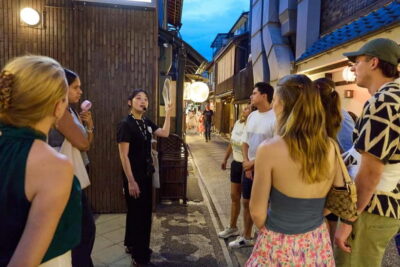
Gion Geisha District Walking Tour – Stories of Geisha
Read our review →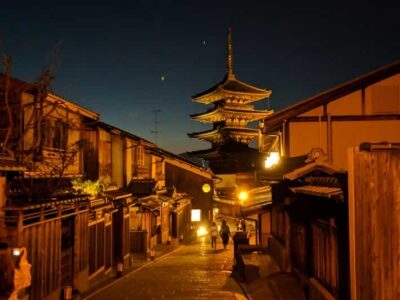
Best of Kyoto: Gion, Geisha, Pagodas & Cobblestones
Read our review →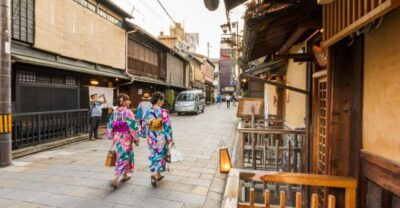
Kyoto Night Foodie Tour in Gion (9+ dishes + 6 Sake tastings)
Read our review →
Kyoto Gion Geisha District Walking Tour – The Stories of Geisha
Read our review →
Gion Magical Night Walking Tour with Geisha Insights
Read our review →
Kyoto Gion Night Walk & Geisha District Guided Tour
Read our review →Browse the lists this tour appears in