
Review · 1-DAY TOURS
Kyoto and Nara Day Trip from Kyoto
A full day in two ancient cities. This tour strings together top UNESCO sights like Nijo Castle and Kinkaku-ji, then finishes in Nara with Todai-ji and Kasuga Shrine. I especially like the air-conditioned transport between stops, because Kyoto traffic can turn a DIY day into a stress test.
Second, you get a licensed English guide who turns stone, gold leaf, and big history into something you can actually follow. The main drawback is time. Each highlight gets a set slot, so this is more “see and understand” than “slow and linger.”
A strong way to do this is to treat it like a sampler that gives you a base map for where you want to go next on your own.
In This Review
- Key things I’d circle in your planner
- Kyoto and Nara in One Day, Without the Transit Headache
- Price and What You Are Actually Buying for $194.85
- Where You Meet, and How to Not Lose 20 Minutes
- Stop 1, Nijo Castle: The Shogun’s Power in a Calm Package
- If Nijo Castle is closed
- Stop 2, Kinkaku-ji: Golden Pavilion Seeing That Actually Feels Like a Treat
- Stop 3, Kyoto Imperial Palace: A Quick Taste, Plus a Backup Plan
- If the Imperial Palace is closed
- Stop 4, Kasuga Grand Shrine: Lanterns, Deer Lore, and a Special Area Option
- The Main Sanctuary special visit area
- Stop 5, Todai-ji and the Great Buddha Hall: The Nara Anchor
- Nara Park and the Deer Park Finale: Fun, but Keep Your Guard Up
- The Day’s Rhythm, and Why It Can Feel Rushed
- Comfort Tips That Actually Help on Day Trips Like This
- Lunch options: what you need to know
- Guides and the Human Side of the Experience
- Who This Tour Fits Best, and Who Might Prefer DIY
- Should You Book This Kyoto and Nara Day Trip?
- FAQ
- How long is the Kyoto and Nara day trip from Kyoto?
- Where do I meet the tour, and where does it end?
- Is the tour guided in English, and are admissions included?
- Are the tickets mobile?
- Is lunch included?
- What if Kyoto Imperial Palace is closed on the day I book?
- What if Nijo Castle is closed?
- Does Kasuga Grand Shrine include entry to the special area?
- What is the cancellation policy?
Key things I’d circle in your planner
- A tight best-of route through Kyoto and Nara in one day, with major landmarks packed in.
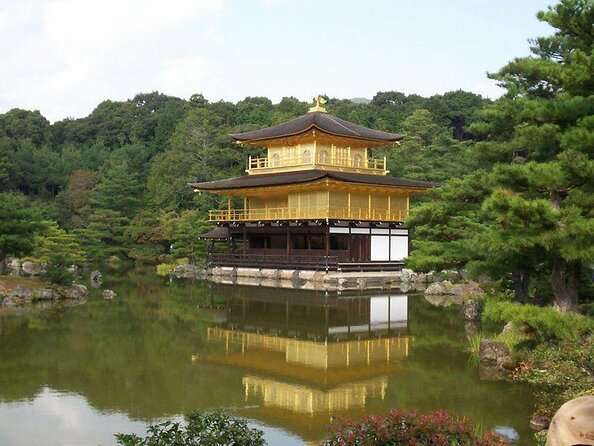
- Photo-friendly Kinkaku-ji with the Golden Pavilion by its pond.
- Todai-ji and the Great Buddha Hall as the Nara anchor stop.
- Kasuga Shrine lantern corridor plus a chance to enter the Main Sanctuary special visit area.
- Fast shoe-on and shoe-off rules at Nijo Castle, so plan footwear accordingly.
- A guide-driven experience with English speaking tour leaders including KC, Momo, Yuki, Yoshito, and Etsuko (names you may see assigned).
Kyoto and Nara in One Day, Without the Transit Headache
If you only have a short window in Kansai, this is the kind of plan that makes sense. You start in Kyoto and spend the morning working your way through the city’s most famous cultural stops. Then you drive south to Nara and end in Nara Park, where the deer are part spectacle, part reminder to watch your pockets.
The big value here is not just the sights. It is the structure. Kyoto and Nara can be spread out, and getting from one major temple to the next takes time, tickets, and navigation. This tour handles that with included transportation and a guide who keeps the day moving.
You also get a better sense of why these places matter. Kyoto leans toward imperial history and the power structures behind it. Nara is where you see Japan’s early Buddhist world come into focus, especially at Todai-ji.
A few more Kyoto days to weigh up
- PERFECT KYOTO 1-Day Bus Tour
★ 5.0 · 13,518 reviews - Kyoto: Fushimi Inari, Kinkakuji, Bamboo Grove 1 Day Bus Tour
★ 4.8 · 4,316 reviews - Kyoto: Tea Ceremony in a Traditional Tea House in Kiyomizu
★ 4.9 · 3,519 reviews
Price and What You Are Actually Buying for $194.85
At about $194.85 per person, you are paying for a full, guided “sampler day.” That price includes a national government licensed English guide, admission fees for the listed stops, and transportation costs.
That bundle matters. If you try to price this DIY, you quickly end up paying for each temple ticket, then spending time and money figuring out rail or bus options. Here, the tour does the busywork for you, so you can focus on standing where the history is.
One note: the day is long, about 10 to 11 hours. You are not getting “relaxed sightseeing.” You are getting a packed route with set time windows.
Where You Meet, and How to Not Lose 20 Minutes
Your meeting point is the JTB Sunrise Tours desk at AVANTI near Kyoto Station, specifically at JTB SUNRISE TOURS DESK KYOTO in Kyoto Minami Ward. The start time is 8:20 am.
I recommend you arrive early. Several guides use a strict timing style, and reviews highlight that you should be on time so the schedule works for everyone. Also, if you are not familiar with Kyoto Station, it can take a few tries to orient yourself. The good news: once you find the desk, the rest is straightforward.
You end back at Kyoto Station around 6:30 pm. There is no hotel drop-off, so plan to navigate back yourself.
Stop 1, Nijo Castle: The Shogun’s Power in a Calm Package
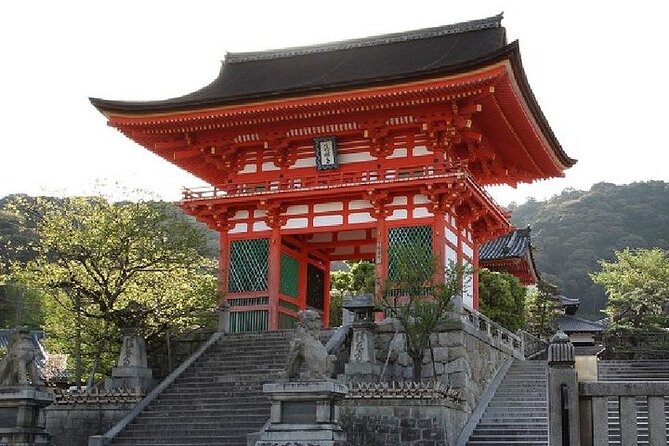
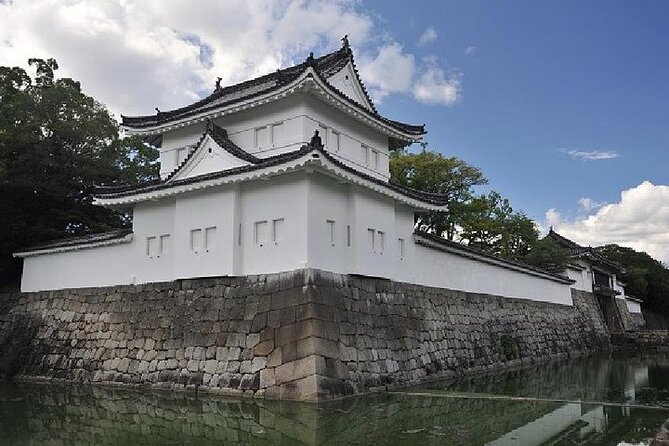
Nijo Castle is your first major Kyoto stop, with a 50-minute visit and admission included. It is a World Heritage site completed in 1626, and it served as lodging for the Tokugawa Shogun while also acting as a kind of protection point tied to Kyoto’s imperial sphere.
What you will feel there is contrast. The exterior is solemn and formal. The inside is full of craftsmanship and careful design. Even if you know almost nothing about Tokugawa rule, the guide’s narration helps you connect the castle spaces to how power was performed.
Practical tip: plan for shoe rules. At Nijo Castle, you should expect to take off your shoes. Wear footwear that is easy to remove and put back on quickly.
A different sort of day in Japan:
- Kyoto Geisha Walking Tour: Gion District & Hidden Gems
★ 4.7 · 3,273 reviews - Kyoto: Tea Ceremony Ju-An at Jotokuji Temple
★ 4.9 · 3,207 reviews - Kyoto: 45-Minute Tea Ceremony Lesson Experience
★ 4.3 · 2,378 reviews - Kyoto: Gion Geisha District Walking Tour – Stories of Geisha
★ 4.7 · 2,187 reviews
If Nijo Castle is closed
This can happen on specific dates. If Nijo Castle is closed on a Tuesday during certain months (January, July, August, and December) or during the period from December 26 to January 3, the tour visits Ryoan-ji Temple instead. Important detail: the tour notes that refunds are not issued for these alternative destination changes.
Stop 2, Kinkaku-ji: Golden Pavilion Seeing That Actually Feels Like a Treat
Next is Kinkaku-ji, the Golden Pavilion, with about 45 minutes. This is the kind of stop that makes sense on a day trip, because you can see it quickly and still get the full wow factor.
The pavilion is a three-story wooden structure covered in thin layers of gold leaf. It sits beside a pond, which gives you a steady backdrop for photos and reflections. Your guide typically explains why the site became so iconic and what the garden setting adds.
This is a great example of why a guided day works. Without context, you might just photograph the gold. With context, you understand the atmosphere and the design choices.
Stop 3, Kyoto Imperial Palace: A Quick Taste, Plus a Backup Plan
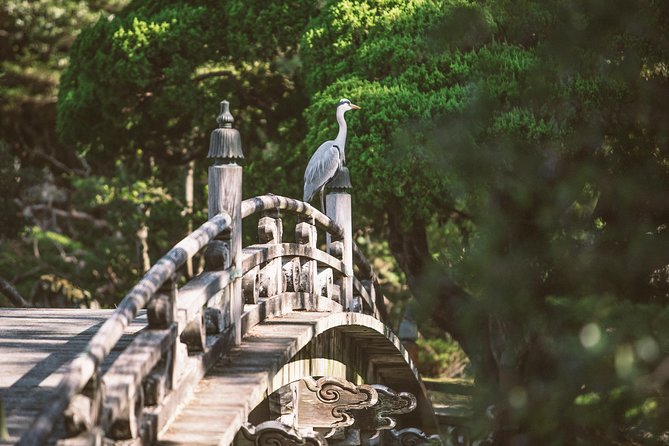
Your third stop is the Kyoto Imperial Palace area, around 40 minutes. The palace was used as the Emperor’s residence until about 150 years ago. You may get the chance to see the Shishin-den, which relates to important state ceremonies, and you can walk through the beautiful palace grounds.
Here is the key practical reality: the palace is not always open. It is closed to visitors on Mondays (or the following day if Monday is a holiday), and also on days when there is an Imperial Household Agency event.
If the Imperial Palace is closed
The tour has built-in options:
- If the Imperial Palace closed day is replaced, you visit Kitano Tenmangu Shrine.
- If the closed day falls on the 25th, the tour visits Nishi Hongan-ji Temple instead.
Again, refunds are not issued if the tour uses these alternative stops.
Stop 4, Kasuga Grand Shrine: Lanterns, Deer Lore, and a Special Area Option
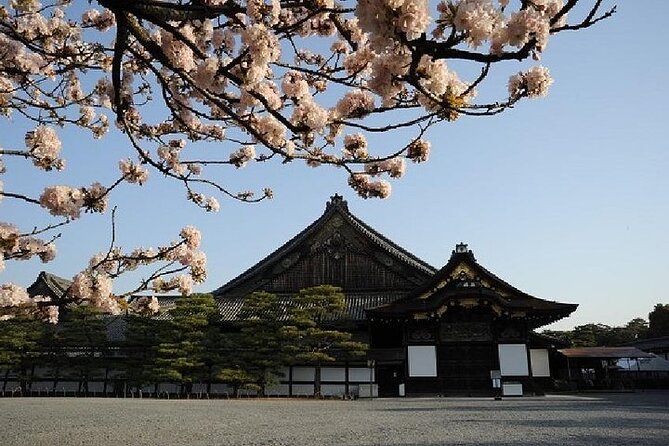
After you cross to Nara, you get Kasuga Grand Shrine for about 1 hour, with admission included. Kasuga Taisha is famous for the more than 3,000 lanterns lining the interior.
This stop is especially good on a guided format because the shrine’s meaning connects to Nara Park’s deer. The tour notes that the deer are thought to be messengers for the shrine. Whether you fully buy into the belief story or not, it gives you a richer lens for what you see in the park later.
The Main Sanctuary special visit area
The tour also enters the Main Sanctuary special visit area at Kasuga Taisha. If the special visit area cannot be entered due to events or operational circumstances, the tour instead visits the Kasuga Taisha Museum or the Todaiji Museum.
So you are not left with nothing. You are just redirected.
Stop 5, Todai-ji and the Great Buddha Hall: The Nara Anchor
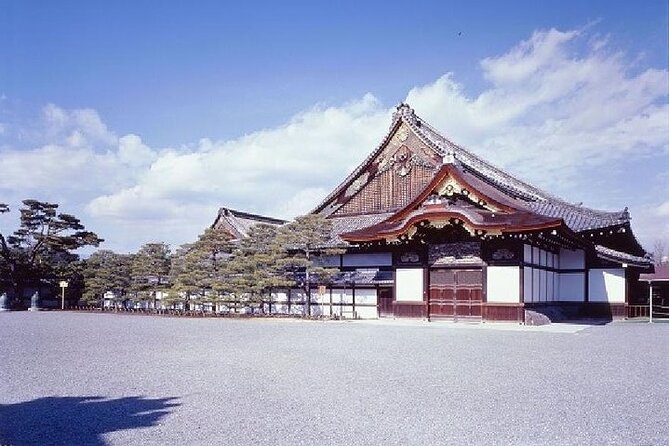
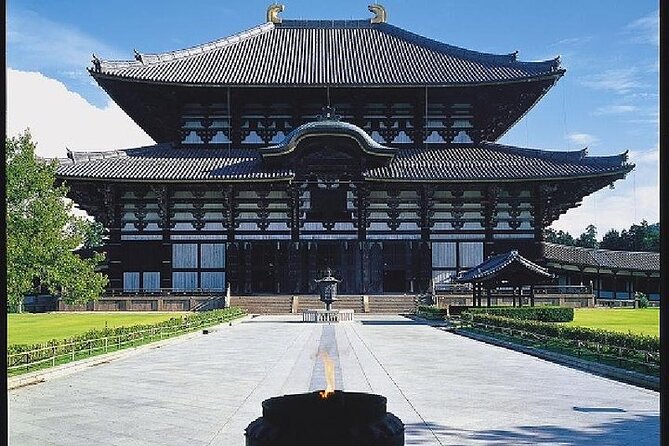
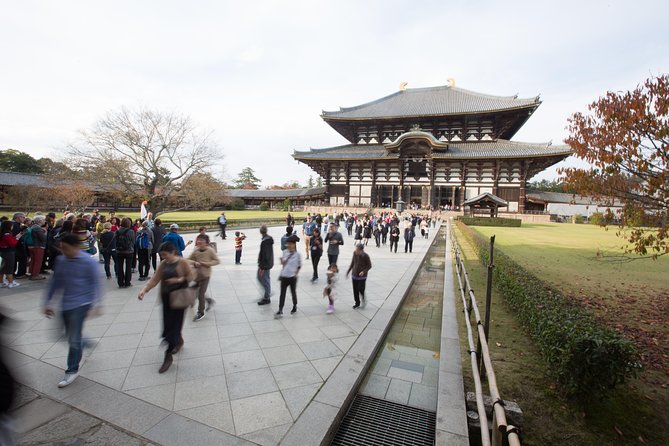
Todai-ji is the Nara centerpiece, with about 1 hour 10 minutes, admission included. It is a World Heritage site and a symbol of the Nara Period. It is also one of the world’s largest wooden structures.
Inside the Great Buddha Hall, you see the bronze Great Buddha, one of the largest Buddha statues anywhere. This is the moment where the day stops feeling like a list of famous names and starts feeling like a real historical place.
The size hits you fast. Even if you are not the biggest temple person, Todai-ji is the stop that gives you scale, literally. Your guide helps you understand the structure and the religious significance so you are not just staring upward with your camera.
Then you continue to the adjacent Nara Park area as part of the day’s finale.
Nara Park and the Deer Park Finale: Fun, but Keep Your Guard Up
Your final stretch is Nara Park, where the deer roam freely. This is where the mood often shifts from “temple mode” to “walk and wander,” at least for a while.
There is a practical side to this. Some guides warn that deer can get aggressive. So do not treat them like props. Give them space. Keep your belongings secured and avoid sudden movements around them.
Also, be ready for walking. One common theme from people who take this tour is that the end of the day can involve more walking than expected, especially when getting from the final area back to where you need to be.
The Day’s Rhythm, and Why It Can Feel Rushed
This tour is built like a hits-and-anchors schedule:
- Nijo Castle first in the morning
- Kinkaku-ji right after
- Then the Imperial Palace stop
- Then drive to Nara for Todai-ji and Kasuga
- Finish at Nara Park
That structure is efficient. But it means you should not expect long, quiet time in every single place. Some people also mention wanting more free time in Nara.
My advice is to choose your tempo before you go. If you want to see a lot and get the story, you will likely love this format. If you hate rushing, you might want to pair the day trip with a slower follow-up day in Kyoto or Nara.
Comfort Tips That Actually Help on Day Trips Like This
You will spend most of the day on your feet, and you will be getting on and off a bus multiple times. Since the tour includes air-conditioned transport, at least that part is comfortable in warm weather.
Still, plan for these basics:
- Bring good walking shoes, especially because of shoe-off expectations at Nijo Castle.
- Bring a layer. Temperatures inside buildings and between air-conditioned transit can change quickly.
- Keep a simple plan for meals. Lunch is included only if you select a lunch option.
Lunch options: what you need to know
If you book the option that includes lunch, you get a set meal. The tour offers:
- A Western-style set menu (with a vegetarian request option if you inform them at reservation time)
- Or an Indian thali set menu suitable for vegetarians, with items listed on the booking details: three kinds of curry, vegetable pakora, yogurt, naan or roti, rice, salad, and one non-alcoholic drink
Important constraints: halal and gluten-free, and other meal requests are not available. Also, if you choose the Western lunch option vs Indian thali, you cannot switch on the day.
If you pick the no lunch option, you get free time to eat on your own in the Kyoto Station area.
Guides and the Human Side of the Experience
A lot of your enjoyment here comes from the guide. Many tours run on rails. This one leans harder into storytelling and pacing.
Names that show up in guide assignments include KC, Momo, Yuki, Yoshito, Etsuko, and Tammy, and the consistent pattern is a style that mixes history with humor, plus steady timekeeping. It is also clear that drivers and guides work together to keep things safe and on schedule.
If you like learning while you walk, you are in the right place.
Who This Tour Fits Best, and Who Might Prefer DIY
This Kyoto and Nara day trip is a good match if:
- You want a first-time orientation to both cities
- You prefer not thinking about transit, tickets, and entrance logistics
- You like structured sightseeing with a guide who explains what you are seeing
- You have limited time and want the big UNESCO hits in one long day
You might prefer a DIY approach if:
- You hate “on-the-clock” sightseeing
- You want long, unhurried time in museums or inside multiple buildings
- You are planning to revisit a specific temple deeply, because this route is designed for coverage, not depth
Should You Book This Kyoto and Nara Day Trip?
I would book it if your goal is to see Kyoto’s signature sites like Nijo Castle and Kinkaku-ji, then hit Nara’s major must-dos like Todai-ji and Kasuga Shrine in one day, with transportation handled for you.
I would think twice if you know you get cranky when you have to move quickly between stops, or if you strongly prefer extra free time in Nara Park. In that case, consider using this as a “preview” day and then returning later on your own.
If you do book, arrive early at the meeting desk near Kyoto Station, wear shoes you can handle easily for temple rules, and treat the day like a guided highlight reel. It is long, but it hits the right places.
FAQ
How long is the Kyoto and Nara day trip from Kyoto?
The tour runs about 10 to 11 hours.
Where do I meet the tour, and where does it end?
You start at the JTB Sunrise Tours desk at AVANTI near Kyoto Station. The tour ends at Kyoto Station around 6:30 pm, with no drop-off to hotels.
Is the tour guided in English, and are admissions included?
Yes. You get a national government licensed English guide interpreter, and admission fees and transportation costs are included for the stops listed in the tour.
Are the tickets mobile?
Yes. The tour uses a mobile ticket.
Is lunch included?
Lunch is included only if you choose the With Lunch option when booking. There is also a No Lunch option, where you have free time to eat on your own in the Kyoto Station area.
What if Kyoto Imperial Palace is closed on the day I book?
If Kyoto Imperial Palace is closed to visitors (such as Mondays, the following day if Monday is a holiday, or on certain event days), the tour visits Kitano Tenmangu Shrine instead. If the closed day falls on the 25th, the tour visits Nishi Hongan-ji Temple.
What if Nijo Castle is closed?
Nijo Castle can be closed on certain Tuesdays in specific months, and during the period from December 26 to January 3. If closed, the tour visits Ryoan-ji Temple instead.
Does Kasuga Grand Shrine include entry to the special area?
The tour enters the Main Sanctuary special visit area at Kasuga Taisha. If entry is not possible due to events or operational circumstances, the tour visits the Kasuga Taisha Museum or the Todaiji Museum instead.
What is the cancellation policy?
You can cancel for a full refund if you cancel at least 24 hours before the experience’s start time. Free cancellation is available up to that point.
Newly listed around Kyoto
- Taste of Nishiki Market Walking Food Tour with Local guide★ 5.0 · 17 reviews
- Kyoto: Sushi Making Class with Sushi Chef★ 4.8 · 64 reviews
- Simple Plan with Maiko★ 4.4 · 10 reviews
- Shibori Furoshiki Course at Kyoto Shibori Museum★ 5.0 · 21 reviews
- Kyoto: City Secrets eBike Tour★ 4.9 · 196 reviews
- Sacred Pathways: Discover the Philosopher’s Path of Kyoto★ 4.9 · 20 reviews
- Private Tour to Monkey Park and Arashiyama Highlights★ 5.0 · 22 reviews
- Private Nara Tour from Osaka – Meet at Your Hotel★ 5.0 · 22 reviews
1-Day Tours, compared.
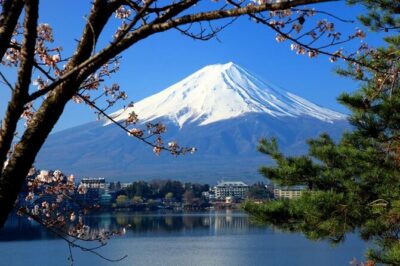
Mt Fuji and Hakone 1-Day Bus Tour Return by Bullet Train
Read our review →
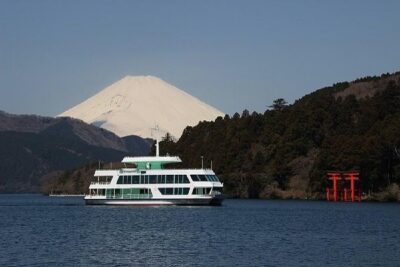
Mt Fuji & Hakone Cruise, Drum Show Bullet Train 1 Day from Tokyo
Read our review →
Peaceful Hiroshima & Miyajima UNESCO 1 Day Bus Tour
Read our review →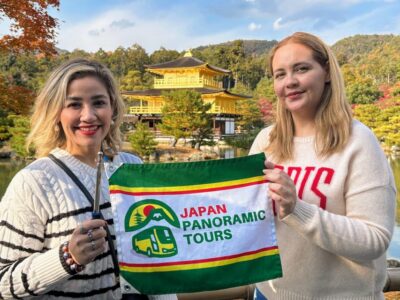
Fushimi Inari, Kinkakuji, Bamboo Grove 1 Day Bus Tour
Read our review →

Browse the lists this tour appears in