
Review · GEISHA DISTRICT WALKS
Kyoto Gion Cultural Walk & Geisha Show with Dining Options
Gion turns into a living classroom. This 3-hour walk pairs Gion district storytelling with a close-up apprentice geisha meeting and dance show, plus time to ask questions. You start with theater roots and finish with a performance that makes the culture feel real, not museum-flat.
Two things I like a lot: the group stays small, max 9 people, so your guide can actually slow down for questions. And the route mixes big-name landmarks with the smaller spiritual stops that help explain why Kyoto traditions still work.
One thing to consider: if you choose the dining option, double-check what’s included for your ticket type. One guest felt the meal was too light for the price, even though others praised the food.
In This Review
- Key things that make this tour worth your time
- Gion After Dark: What You Really Get in 3 Hours
- Izumo-no-Okuni and Minamiza: Kabuki’s Female Beginning Meets Gion Culture
- Gion Shirakawa and Hanamikoji: The Streets That Make Geiko Traditions Legible
- Tatsumi-jinja Shrine and Kennin-ji: Shinto and Zen Without the Word Soup
- Zenkyoan Boar Guardians: Luck and Safety in a Subtemple Stop
- The 45-Minute Maiko Meeting and Dance Show: How to Make It Count
- Dining Options: When the Meal Helps, and When It Becomes a Problem
- Price and Logistics: Does This Cost Make Sense?
- Should You Book This Kyoto Gion Walk and Geisha Show?
- FAQ
- How long is the Kyoto Gion Cultural Walk and Geisha Show?
- Is the tour guided?
- How long is the geisha show and meeting?
- How many people are in the group?
- Do I need a paper ticket?
- Is this mostly a walking experience?
- Which stops are included, and are admissions covered?
- Does the tour include dining?
- Do I need to tip?
- What happens if the weather is bad?
- Can I cancel for free?
Key things that make this tour worth your time
- Small-group pace so you are not standing in a mob while the explanation happens
- Maiko meeting plus Q&A with a 45-minute dance show element
- Gion Shirakawa and Hanamikoji included, the streets where geiko and maiko culture is easiest to picture
- Theater-to-geiko connections through Izumo-no-Okuni and Minamiza stops
- Shinto and Zen stops that translate religion into something you can actually see and understand
- Guides who handle questions with calm, respectful hosting, including names like Ken and Akari you may meet
Gion After Dark: What You Really Get in 3 Hours
This tour is built for people who want more than pretty streets. In about three hours, you get guided time in the Gion area plus a sit-down style meet and show with an apprentice geisha. It runs with a mobile ticket, and it is near public transportation, so you should be able to line it up with the rest of your Kyoto evening without stress.
The big practical win is the size. With a maximum of 9 travelers, it is easier to hear commentary and ask follow-up questions, especially at the end when the maiko interaction matters most. It is also a walking-focused experience. Good shoes help, and it is not recommended if you have trouble walking or long-standing.
Another detail I appreciate: the day-to-day feel stays flexible. The tour requires good weather, and if it is canceled due to poor conditions, you get offered a different date or a full refund. Kyoto evenings can swing fast, so build in a little weather patience.
More Dining Experiences in Kyoto
- Dinner with Maiko in a Traditional Kyoto Style Restaurant Tour
★ 5.0 · 175 reviews - Mesmerizing Dinner with Maiko & Geisha
★ 5.0 · 131 reviews - Kyoto: Geisha Dinner & Gion Cultural Walk
★ 5.0 · 73 reviews
Izumo-no-Okuni and Minamiza: Kabuki’s Female Beginning Meets Gion Culture
The tour starts with a theater story, and it is a smart move. At the Statue of Izumo-no-Okuni, you learn about Kabuki’s early roots and how the performance world began with women. That matters because it gives you context before you ever see a maiko dance. You are not just watching movement, you are learning the lineage behind certain stage traditions.
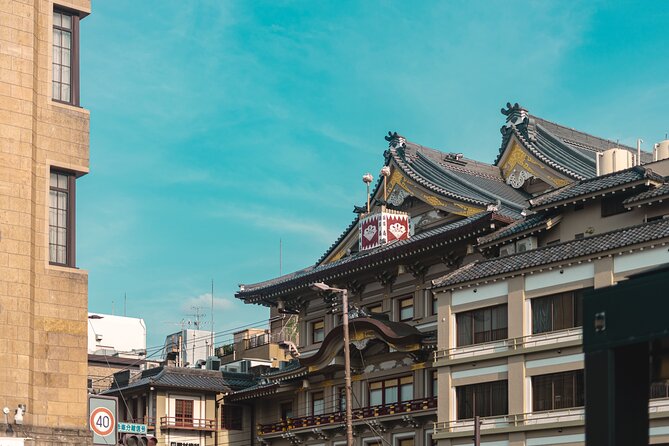
Next comes Minamiza Theater. This stop is short, but it hits two useful things: you see architecture tied to Kabuki history, and you get the kind of connection-making that helps you connect old arts to what visitors often do not think about. One item mentioned is how VR and Kabuki get linked in the story. Even if that is not the first topic on your mind, it is a good reminder that traditional performance keeps finding new ways to be seen.
Potential drawback here: these two theater stops are brief. If you want a deep, long museum-style explanation, you might wish you had more time. The tradeoff is that you then get more time for the Gion streets and the maiko meeting.
Gion Shirakawa and Hanamikoji: The Streets That Make Geiko Traditions Legible
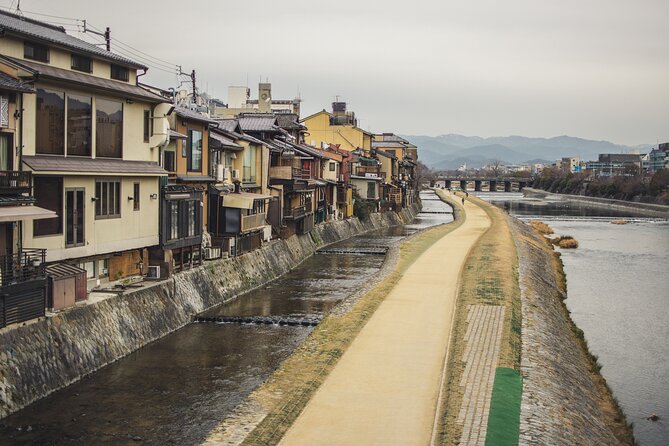
After the theater context, you move into the real stage setting: Gion. Gion Shirakawa is described as the largest geisha district area and, more importantly, one of the most beautiful sections. You get old-fashioned streets, traditional buildings, and riverside scenery, which helps you understand why people come to Kyoto and immediately sense that the culture is still living, not just preserved.
Then you hit Hanamikoji Street, the main street of Gion. This is the spot where you might catch geisha walking around if you are lucky. I like this part because it gives you a chance to practice respectful noticing. You are not trying to force a photo or chase a celebrity moment. You are learning how the district works in real time, with shrines, small storefronts, and the rhythms of a neighborhood.
A practical note from the experience theme: some photography rules can be stricter during the meeting portion. One guest mentioned that they were not allowed to share photos from the experience on social media. Plan on being cautious with phone use, and follow whatever guidance your guide gives in the moment.
Tatsumi-jinja Shrine and Kennin-ji: Shinto and Zen Without the Word Soup
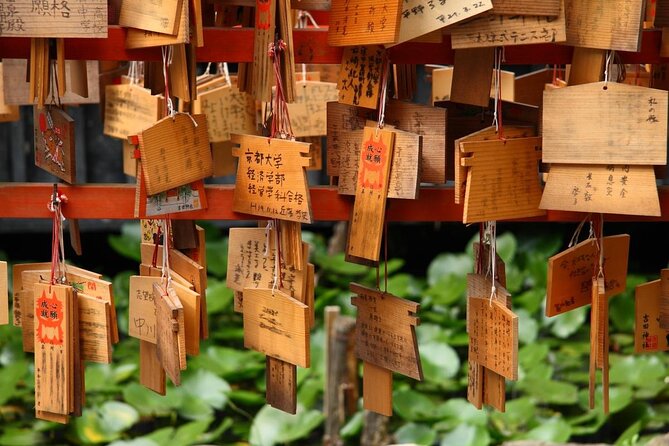
The tour does something that many culture walks skip: it explains belief systems in plain Kyoto terms. At Tatsumi-jinja (Tatsumi Dai-myojin), you learn what Shinto is and the idea of many gods. One detail stated clearly is that Japan has an estimated eight million gods. You do not have to agree with the belief to understand why shrines feel central to daily life in Kyoto.
You then move into Kennin-ji Temple, a Zen Buddhist temple built in 1202. This stop is where the day shifts from public streets into quieter, older spaces. You get the basics of Zen Buddhism, and you can actually see how a temple setting shapes how people behave. If you have ever wondered why rituals and silence matter, this is where Kyoto answers you with atmosphere.
Admission timing is something to watch. Kennin-ji Temple and Zenkyoan are listed as admission not included. In other words, you should expect some on-the-spot entrance cost for those two stops, even though other stops are free.
More Walking Tours in Kyoto
- Kyoto Geisha Walking Tour: Gion District & Hidden Gems
★ 4.7 · 3,273 reviews - Kyoto: Gion Geisha District Walking Tour – Stories of Geisha
★ 4.7 · 2,187 reviews - Night Walk in Gion: Kyoto’s Geisha District
★ 4.5 · 2,003 reviews - Kyoto Gion Geisha District Walking Tour – The Stories of Geisha
★ 5.0 · 1,441 reviews
Zenkyoan Boar Guardians: Luck and Safety in a Subtemple Stop
Zenkyoan (Marishitendo) is a subtemple of Kennin-ji in the Gion area, and it adds personality fast. The point of this stop is simple and memorable: boar guardians tied to luck and safety. It is the kind of detail that makes a temple visit feel more than architecture. Small stories like this are part of why Kyoto places stick in your mind.
This stop is also a good breather in the walk. Even though it is still part of the cultural flow, it is not just another photo corner. You get meaning behind what you see.
Again, admissions for Zenkyoan are not included, so budget for it if your route includes this stop as listed.
The 45-Minute Maiko Meeting and Dance Show: How to Make It Count
This is the heart of the experience. The show runs about 45 minutes and centers on an apprentice geisha dance, with one or two songs. What makes it special is the meeting plus Q&A. This is not a passive performance where you sit politely and hope you understand the story. You get a chance to ask questions, which is where the culture becomes clearer.
Guides are part of why this works. In the experiences shared, hosts like Ken, Akari, and Kenta are praised for being respectful and for translating and answering questions with patience. One recurring theme: they help you avoid misconceptions and connect what you see onstage to real life in Kyoto.
How should you prepare? Keep your questions practical. Ask about what training looks like, what daily life is like for an apprentice, or what certain gestures mean in the dance. If you are unsure, start with the basics and let your guide steer you.
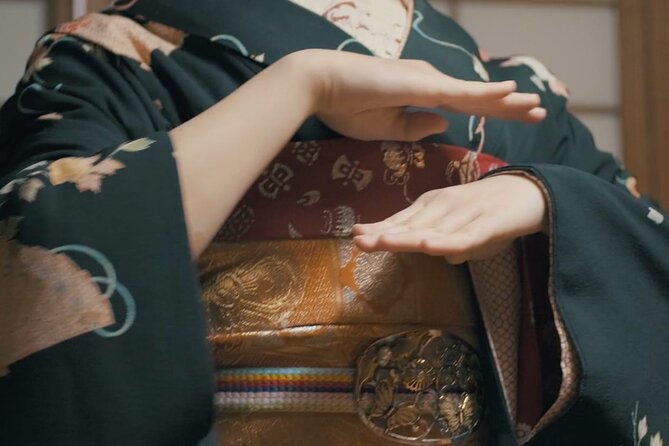
Also, expect that the experience can have an emotional tone. Several guests described the session as a highlight right after the guided walk, with tea and then performance elements building toward the moment where you meet the apprentice and can talk. Even if the exact pacing varies slightly by group, the structure is designed to end strong.
Weather can also be a factor. One review mentioned a guide prepared with cold towels and icy drinks, and then rain ponchos and umbrellas when storms hit. That tells you to expect the guide may manage sudden changes, but you should still bring a light layer for the evening and be ready for quick weather shifts in Kyoto.
Dining Options: When the Meal Helps, and When It Becomes a Problem
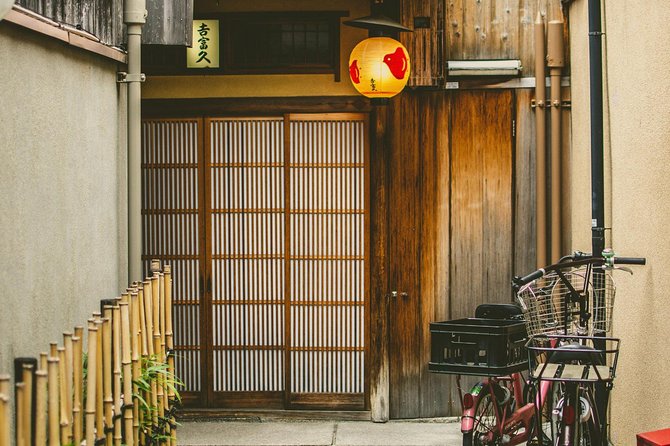
The tour title includes dining options, and some versions pair the evening with a family-style meal. Guests who praised it described it as family style with lots of options and consideration for dietary restrictions. That is useful if you travel with food limits and do not want to spend the evening hunting for a safe restaurant.
But there is an important caution. At least one guest felt the dining portion was too small for what they paid, and they left dissatisfied and hungry. That does not mean every departure is the same, but it does mean your ticket choice matters.
My advice: treat the meal as an add-on you should confirm, not an automatic guarantee of a full dinner. If you get a dining-inclusive option, check what kind of meal it is and whether it is meant to replace a full Kyoto dinner. If you are the type who hates leaving meals to chance, plan a backup snack nearby just in case.
Price and Logistics: Does This Cost Make Sense?
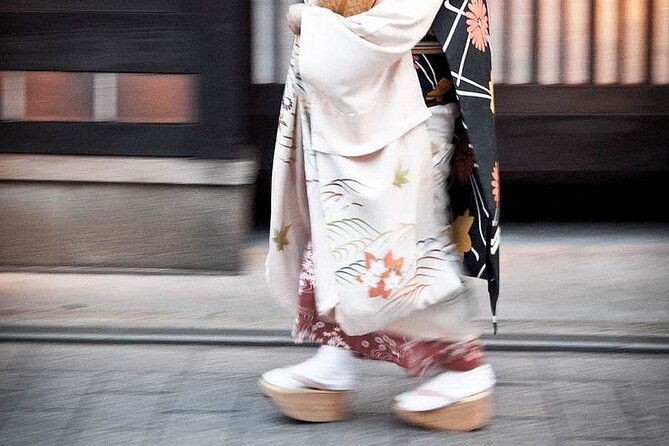
At $121.37 per person, the price is not low. But you are paying for more than walking.
You get about 1.5 to 2 hours of guiding in Gion and then a 45-minute geisha meeting and dance show element. That includes the rare opportunity to meet an apprentice geisha and ask questions. You also get a structured route that includes multiple cultural sites: theater, streets, shrines, Zen temples, and a subtemple stop.
You should also factor in what is free and what is not. Some stops list admission ticket free, while Kennin-ji and Zenkyoan are admission not included. That does not change the core value much, but it does mean your final cost can tick up depending on entry fees.
The small group size is part of the value equation too. A max of 9 people is a real difference versus the large group experiences that rush you along with little chance to ask questions.
Who is it for? Best fit if you want cultural context without spending your whole trip reading guidebooks. It also works well for first-time visitors who want to understand the Gion world through stories connecting Kabuki, Shinto, and Zen to what you see later at the performance.
Who should skip? If you have limited mobility, the walking component may be a problem. If you want total free time to roam and no scheduled stops, a structured evening walk like this can feel too tight.
Should You Book This Kyoto Gion Walk and Geisha Show?
Book it if you want one focused night in Kyoto that connects the dots. The combination of guided Gion walking plus a maiko meeting and Q&A is the big reason to choose this. It is also well suited to travelers who care about respectful context, not just snapping photos and moving on.
Consider skipping or at least being extra careful with expectations if dining is a major part of why you booked. Because the meal experience can vary by option and how much you get, confirm your exact inclusion details when you reserve. Also, plan for walking and possible temple admission costs.
If you like small groups, enjoy cultural explanations, and you want the kind of question-and-answer time that turns a performance into understanding, this is a strong pick.
FAQ
How long is the Kyoto Gion Cultural Walk and Geisha Show?
The experience runs about 3 hours.
Is the tour guided?
Yes. A guide leads you through the Gion district and the cultural stops.
How long is the geisha show and meeting?
The geisha meeting and show portion lasts about 45 minutes.
How many people are in the group?
The tour has a maximum of 9 travelers.
Do I need a paper ticket?
No. You receive a mobile ticket.
Is this mostly a walking experience?
Yes. It is a walking tour, and it is not recommended if you have trouble with walking or leg problems.
Which stops are included, and are admissions covered?
Some stops are listed as free. Kennin-ji and Zenkyoan are listed as admission not included.
Does the tour include dining?
The experience title includes dining options. The included information lists guiding and the geisha meeting and show, so the dining portion depends on the option you select. If dining is part of your booking, it is described as family-style by some guests.
Do I need to tip?
Tips for maiko (apprentice geisha) are not included.
What happens if the weather is bad?
The tour requires good weather. If it is canceled due to poor weather, you are offered a different date or a full refund.
Can I cancel for free?
Yes. You can cancel up to 24 hours in advance for a full refund.
More Show in Kyoto
- 1 Hour Geisha Show in Kyoto
★ 5.0 · 452 reviews - Kyoto: Samurai Kenbu Traditional Sword Dancing Show
★ 4.5 · 426 reviews - Kyoto: Gion Cultural Walk with Geisha Show
★ 5.0 · 315 reviews - Kyoto: Meet-and-Greet, Maiko Show and Experience
★ 4.8 · 286 reviews
Popular Geisha District Walks in Kyoto
- Best of Kyoto: Gion, Geisha, Pagodas & Cobblestones
★ 4.9 · 2,058 reviews - Kyoto Night Foodie Tour in Gion (9+ dishes + 6 Sake tastings)
★ 5.0 · 1,762 reviews - Kyoto: Gion Magical Night Walking Tour with Geisha Insights
★ 4.9 · 1,286 reviews - Kyoto Gion Night Walk & Geisha District Guided Tour
★ 5.0 · 786 reviews
Newly listed around Kyoto
- Taste of Nishiki Market Walking Food Tour with Local guide★ 5.0 · 17 reviews
- Kyoto: Sushi Making Class with Sushi Chef★ 4.8 · 64 reviews
- Simple Plan with Maiko★ 4.4 · 10 reviews
- Shibori Furoshiki Course at Kyoto Shibori Museum★ 5.0 · 21 reviews
- Kyoto: City Secrets eBike Tour★ 4.9 · 196 reviews
- Sacred Pathways: Discover the Philosopher’s Path of Kyoto★ 4.9 · 20 reviews
- Private Tour to Monkey Park and Arashiyama Highlights★ 5.0 · 22 reviews
- Private Nara Tour from Osaka – Meet at Your Hotel★ 5.0 · 22 reviews
Geisha District Walks, compared.
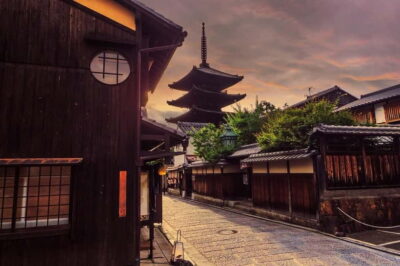
Kyoto Geisha Walking Tour: Gion District & Hidden Gems
Read our review →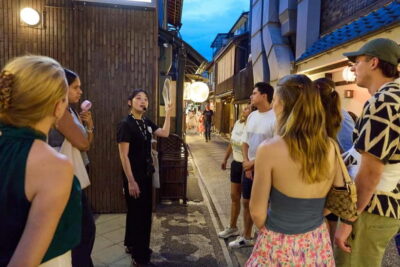
Gion Geisha District Walking Tour – Stories of Geisha
Read our review →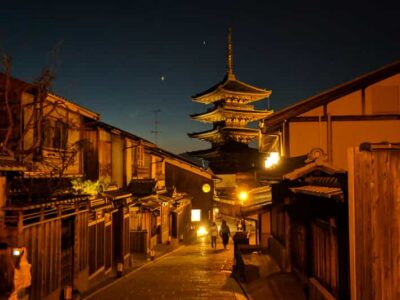
Best of Kyoto: Gion, Geisha, Pagodas & Cobblestones
Read our review →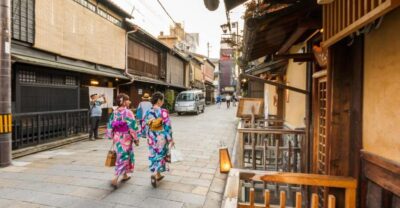
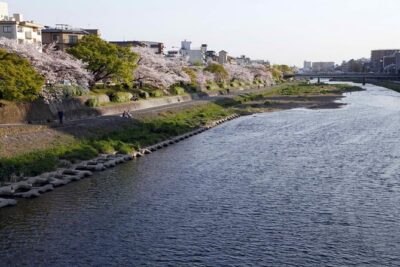
Kyoto Night Foodie Tour in Gion (9+ dishes + 6 Sake tastings)
Read our review →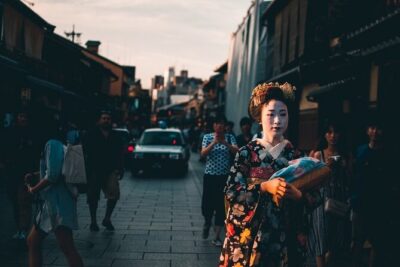
Kyoto Gion Geisha District Walking Tour – The Stories of Geisha
Read our review →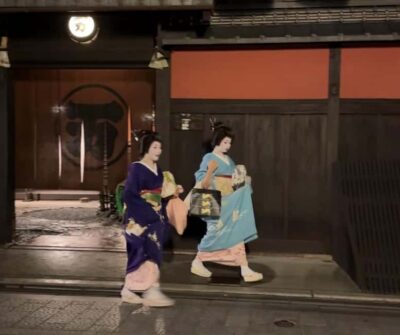
Gion Magical Night Walking Tour with Geisha Insights
Read our review →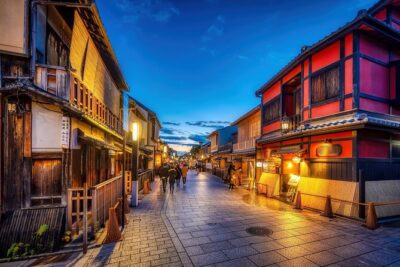
Kyoto Gion Night Walk & Geisha District Guided Tour
Read our review →Browse the lists this tour appears in