
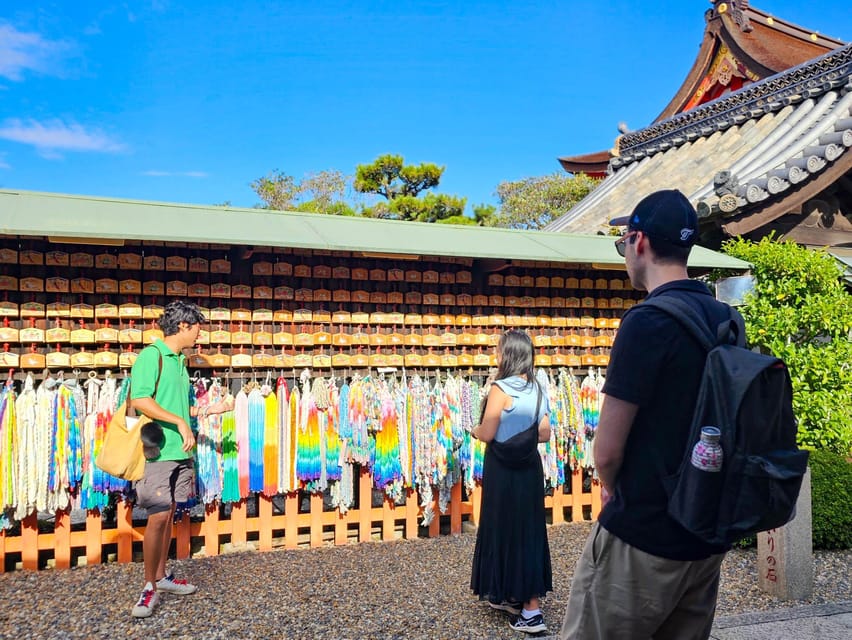
Review · SHRINE & TEMPLE VISITS
Kyoto: Fushimi Inari Taisha Guided Walking Tour
Torii gates, in a tight 2 to 3 hour plan. I like that you get the big picture fast at Fushimi Inari Taisha, then walk through the torii gates with an English-speaking guide who keeps it clear and practical. The other reason I enjoy this tour is the pacing, it’s a small group and the route is short enough that you can still enjoy Kyoto afterward. One heads-up: if you choose the longer climb option, you’ll be on your feet more, and the tour is not for everyone.
If you want a full-on walk up Mount Inari, the timing matters. I recommend picking the lower shrine only option if your energy or knees are questionable, because the upper portion takes extra effort on hiking trails lined with torii. The one real drawback I’d flag is that this experience is listed as not suitable for pregnancy, mobility impairments, heart problems, or respiratory issues.
In This Review
- Key tour takeaways
- Fushimi Inari Taisha, Kyoto, in 2 to 3 hours that actually works
- Why those red torii gates matter more than the photos
- Meeting at Daily Yamazaki Fushimi Inari Shrine, and why being on time counts
- Lower Shrine option B: the fast route to the most famous gates
- Upper Shrine option A: the Mount Inari climb for city and mountain views
- The guide makes it feel human, not just scenic
- Street food time near the shrine, and how to not overdo it
- Comfort tips that help you enjoy the gates more
- Getting value from $24: what you truly pay for
- Who this tour suits best, and who should skip it
- Should you book the Kyoto Fushimi Inari guided walking tour?
- FAQ
- How long is the Kyoto: Fushimi Inari Taisha Guided Walking Tour?
- Where is the meeting point?
- What does the $24 price include?
- Is street food included?
- What are Option A and Option B?
- Is the tour in English?
- What should I bring and wear?
- What is the maximum group size?
- How late can I arrive?
- Is cancellation free?
Key tour takeaways
- Pick Option A or B to match your walking level, from lower gates only to the full upper climb
- Inari basics, explained simply including why foxes show up in the story
- Small-group pace limited to 9 people, so questions and photo stops feel easy
- Mount Inari views with extra time if you want the upper shrine scenery
- Guides with real people skills you might meet leaders like Katz, Christiana, Raphael, or Nobumasa
- A planned street food moment so you don’t have to guess when to eat
Fushimi Inari Taisha, Kyoto, in 2 to 3 hours that actually works
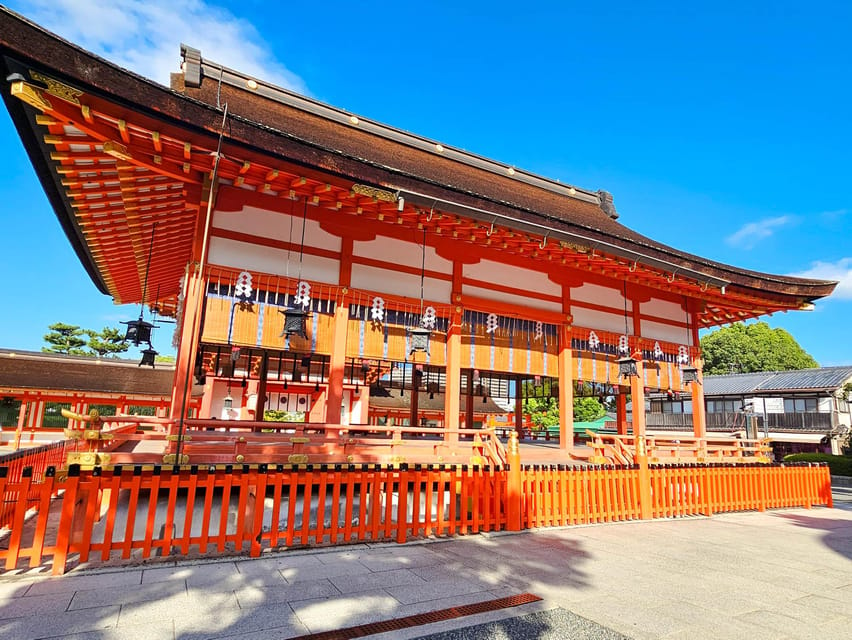
Fushimi Inari Taisha is one of those places where the photos look like someone edited reality. In person, it’s still dramatic, but what makes it more fun is the way the shrine unfolds as you walk. This guided tour is built for that exact feel. You’re not stuck staring at one spot, you move through the lower area, then choose whether you go further up the mountain.
At 2 to 3 hours, you can fit it into a day without turning your whole Kyoto plan into a logistics puzzle. I also like that the price is straightforward. For $24 per person, you’re paying for an English-speaking guide plus entrance fees, not just someone pointing at a gate and walking away.
Because it’s a small group limited to 9, it tends to feel more like a shared walk with someone who cares than a cattle-line experience. If you’re the kind of traveler who likes explanations, photos, and time to pause, this format makes sense.
More Shrine & Temple Visits in Kyoto
- Kyoto: Fushimi Inari, Kinkakuji, Bamboo Grove 1 Day Bus Tour
★ 4.8 · 4,316 reviews - Kyoto: Tea Ceremony Ju-An at Jotokuji Temple
★ 4.9 · 3,207 reviews - Fushimi Inari Hidden Hiking Tour (Private Option Available)
★ 5.0 · 1,750 reviews
Why those red torii gates matter more than the photos
Yes, you’ll see thousands of bright red torii gates. But the real payoff is understanding why you’re walking through them. Fushimi Inari Taisha is a Shinto shrine dedicated to Inari, a deity associated with agriculture and commerce, with foxes acting as messengers.
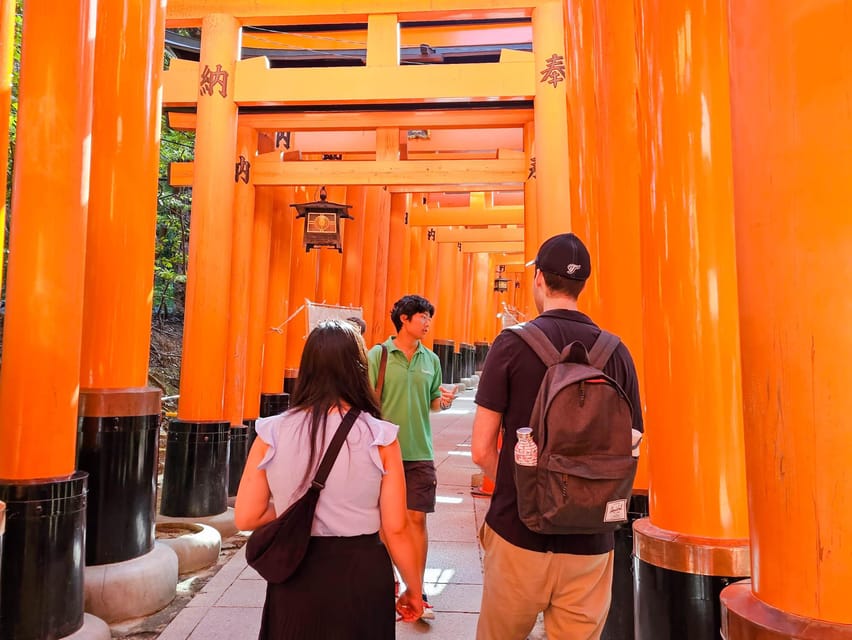
Your route follows the shrine’s logic: you start in the lower area and then, if you choose it, you work your way up the trails of Mount Inari. Along the way you’ll notice smaller shrines tucked into the path, and the torii gates framing the route create a sense of movement. It’s not random decoration. It’s a guided experience through a sacred landscape, and the guide helps you read what you’re seeing.
One practical plus: this kind of context makes the place feel less like a sightseeing checklist. Even if you only have a short time in Kyoto, you leave with a clearer idea of what the gates represent and why foxes show up again and again in Inari storytelling.
Meeting at Daily Yamazaki Fushimi Inari Shrine, and why being on time counts
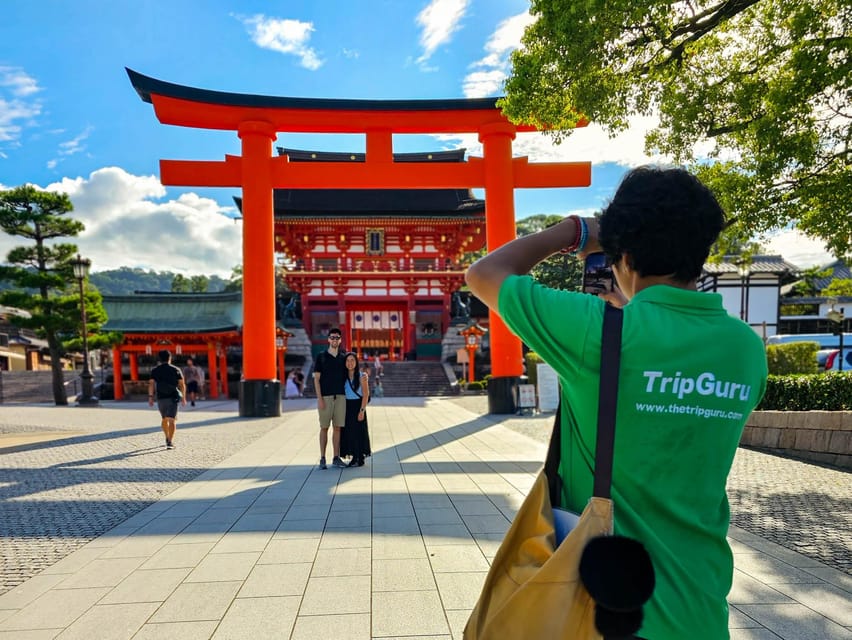
The tour meets at Daily Yamazaki Fushimi Inari Shrine. Look for a guide wearing a TripGuru shirt or holding a TripGuru sign. Simple, but do not show up late. The guide waits up to 10 minutes before moving to the next stop.
Also, plan for morning traffic. Navigation apps can underestimate travel time when roads get busy. If you’re late because of traffic, you lose time you can’t get back in a 2 to 3 hour tour.
This is one of those details that quietly affects the whole experience. You’ll enjoy the walk more if you arrive with a little buffer, not right at the starting minute.
Lower Shrine option B: the fast route to the most famous gates
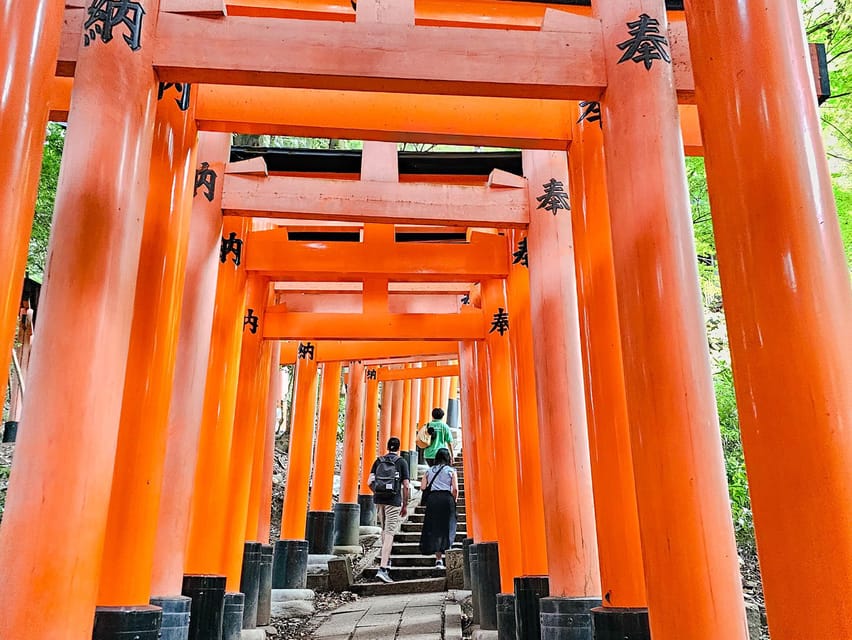
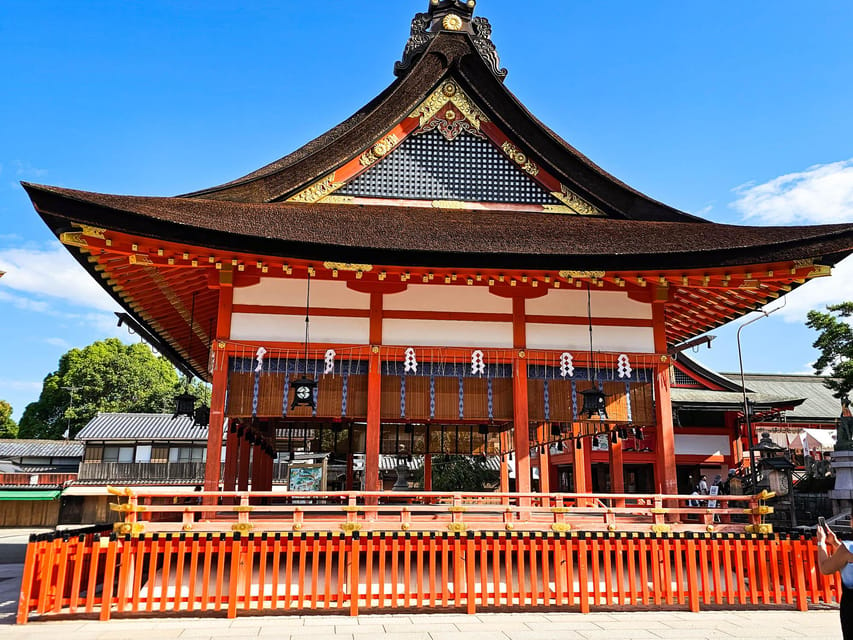
If you’re short on time or you want a gentler walk, choose the lower shrine focus. This route targets the base area of Mount Inari, where you’ll find the main entrance, an offering hall, and several smaller shrines.
This is where a lot of the iconic gate scenes happen, because the paths start right at the base. You get the big visual payoff without committing to the deeper climb. It’s also the best choice if you’re traveling with limited mobility or you just want to conserve energy for the rest of Kyoto.
A tip that helps: even on the shorter route, don’t sprint through the area. The shrine is more interesting when you slow down enough to notice the layout and the way the gates rhythmically repeat along the path.
Lower shrine option B is essentially your “get the heart of it, keep the day flexible” plan.
More Walking Tours in Kyoto
- Kyoto Geisha Walking Tour: Gion District & Hidden Gems
★ 4.7 · 3,273 reviews - Kyoto: Gion Geisha District Walking Tour – Stories of Geisha
★ 4.7 · 2,187 reviews - Night Walk in Gion: Kyoto’s Geisha District
★ 4.5 · 2,003 reviews - Kyoto Gion Geisha District Walking Tour – The Stories of Geisha
★ 5.0 · 1,441 reviews
Upper Shrine option A: the Mount Inari climb for city and mountain views
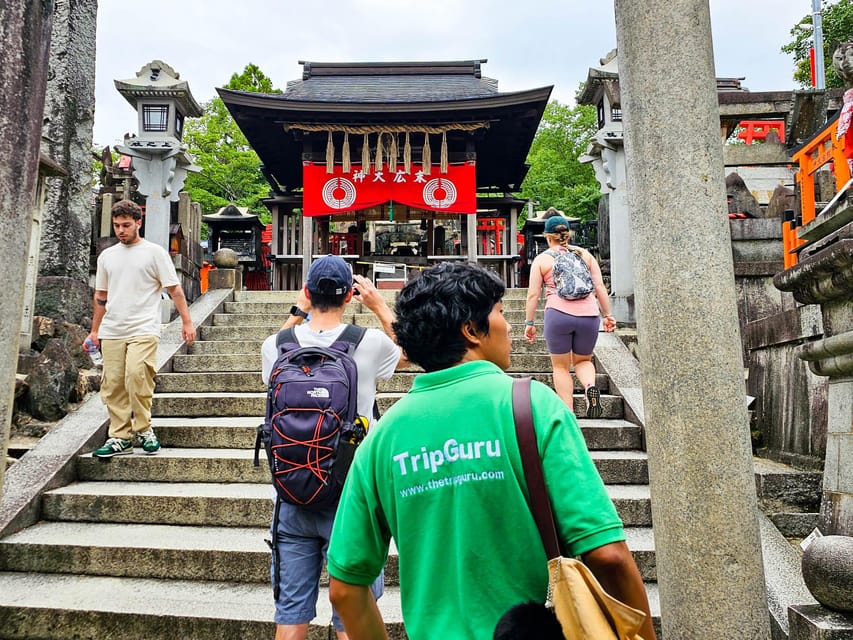
Want more walking and better views? Choose the upper shrine option. The upper portion is accessed by the hiking trail lined with thousands of vermillion torii gates. You’ll also encounter smaller shrines along the way, and the sense of scale grows as you climb.
Option A adds about an hour more of walking compared to the lower shrine only route. That extra time is worth it if you enjoy hiking-style sightseeing, and if you want the view side of Fushimi Inari, not just the gate side.
Keep expectations realistic. You’re walking on trails that feel more like a hike than a flat city stroll. Comfortable shoes are a must, and if your body starts complaining, you’ll be happier choosing option B next time.
The guide makes it feel human, not just scenic
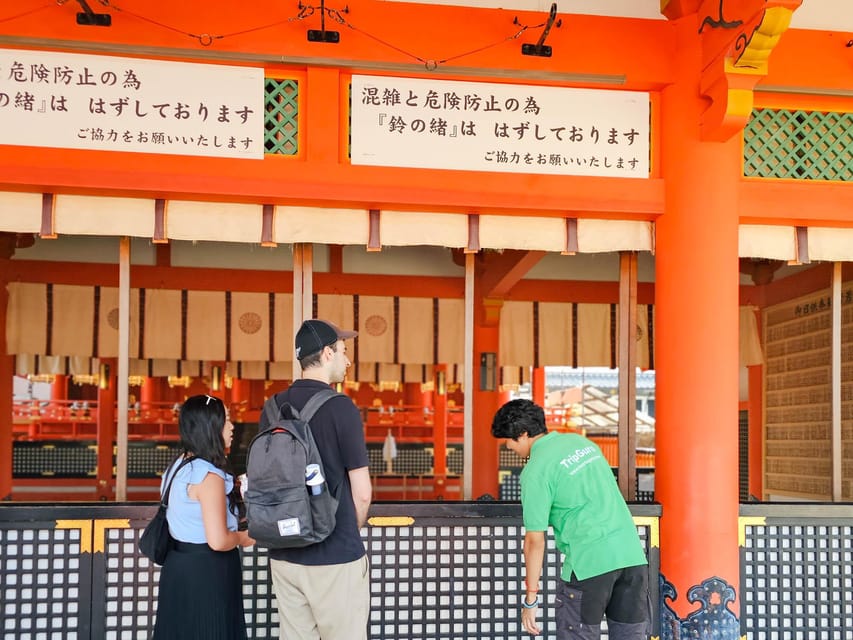
The biggest difference between a guided shrine walk and a solo wander is the human layer. This tour is led by an English-speaking guide, and the praise for the guides is consistent: friendly, patient, and good at making the story make sense.
You might meet guides such as Katz, Christiana, Raphael, or Nobumasa. One thing that shows up in the way people describe their experience is how guides adjust to the group. For example, one guide was noted for accommodating a group that included kids and strollers, and another guide was praised for being patient with older group members and keeping people comfortable.
Practical things you may notice during the walk:
- frequent check-ins, including whether people need a break
- help with photos and group pictures
- hydration support like water and even small sweets to keep energy up
You should still be ready to walk and watch your pace, but having a guide who reads the group makes a short tour feel surprisingly considerate.
Street food time near the shrine, and how to not overdo it
Your tour includes time for street food plus a walking segment of about 30 minutes. The tour is not listed as including meals and drinks, so you should plan on paying for what you eat.
This time slot is valuable because it solves a common Kyoto problem: you’re hungry, but you don’t want to stop and lose the flow of your sightseeing. Here, you get a built-in chance to grab something while you’re already in the right area.
The best way to use this window is to treat it as a snack, not a full meal. With only 2 to 3 hours total, you want your energy for the shrine walk, especially if you picked option A.
Comfort tips that help you enjoy the gates more
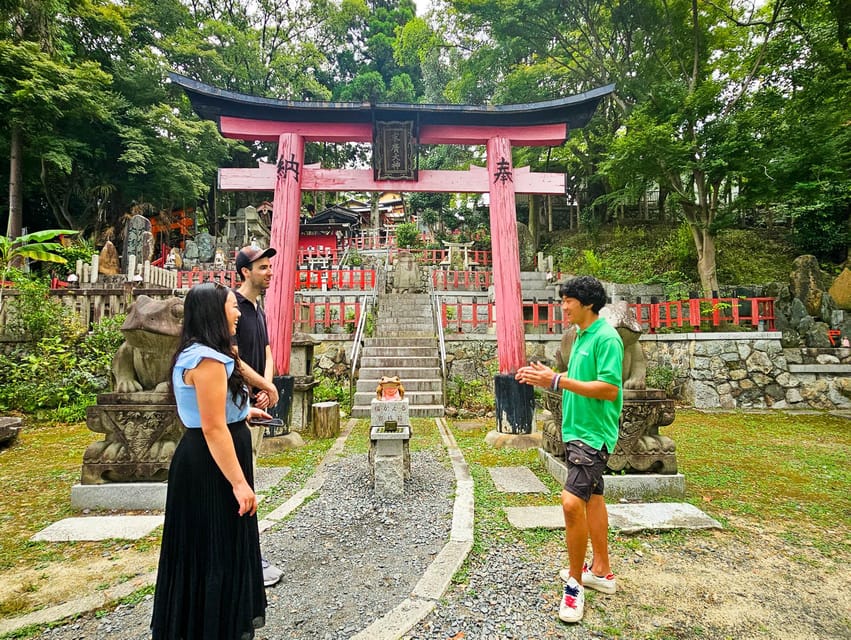
This tour is straightforward, but small comfort choices make a big difference.
Wear comfortable shoes. You’ll be walking on shrine paths, and in the upper option you’ll be doing more of a hiking-style route.
Dress for shrine etiquette. You’re expected to dress modestly and respectfully, meaning avoid clothing that is too revealing, including shorts or tank tops. If you’re the type who wears quick-dry athletic gear, you can still pack something light and modest. It’s an easy way to show respect and avoid awkward moments.
If you get warm, take it seriously. This is a short duration tour, so you want to avoid overheating on the climb. Since guides have been praised for hydration help, it’s smart to mention if you need to slow down.
Getting value from $24: what you truly pay for
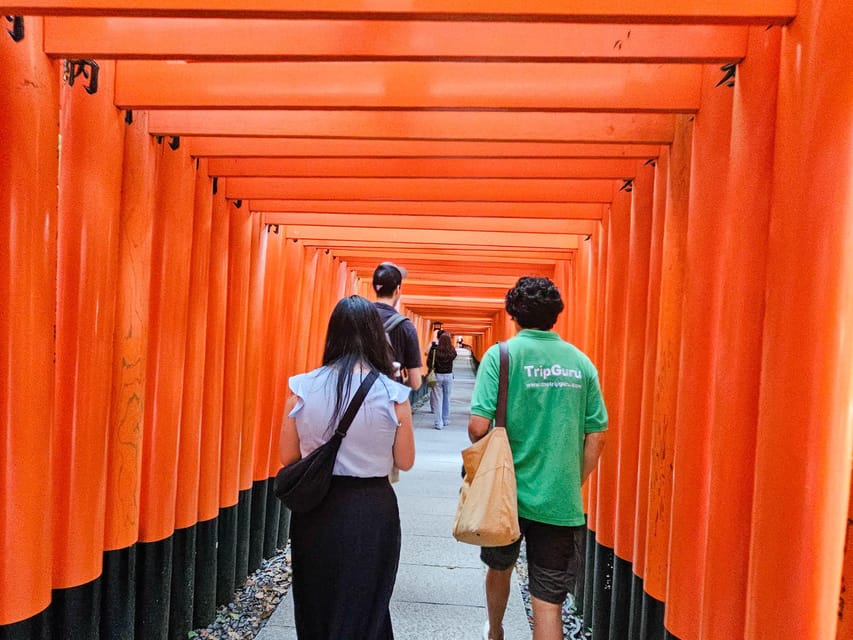
Let’s talk value in plain terms. At $24 per person, you’re not only paying for a walking route. You’re paying for:
- an English-speaking guide
- entrance fees
- a guided experience that helps you choose what to see, lower only or upper plus
Many tours charge extra for basic extras like guide time or entry. Here, it’s bundled, which makes planning easier if you’re trying to squeeze Kyoto into a tight schedule.
Also, the small group size matters. With up to 9 participants, you’re less likely to feel rushed or stuck behind someone moving slowly. If you like to ask questions and want time to take pictures without feeling like you’re slowing down a machine, that group size is part of the value.
Who this tour suits best, and who should skip it
This tour is a good fit if you:
- want to see Fushimi Inari Taisha without spending hours figuring out routes
- like learning the meaning behind what you see, including Inari and the fox connection
- want a short, guided day plan, with room to still explore Kyoto afterward
- prefer a small group experience
If you’re choosing between options, here’s a simple guide:
- Choose option B if you want the main gate experience with less hiking
- Choose option A if you want more walking, plus the better views from higher on the mountain trails
Safety is also part of the “should you book” decision. This tour is listed as not suitable for pregnant women, people with mobility impairments, heart problems, and respiratory issues. If any of those apply, you’ll want to choose a different experience that fits your needs.
Should you book the Kyoto Fushimi Inari guided walking tour?
I’d book this tour if you have only a half day and you want the shrine experience done in a smart, guided way. The combination of short duration, included entrance fees, and a friendly English-speaking guide makes it a good value plan, especially for first-time visitors to Kyoto who want the torii gates without getting lost.
Skip it or choose a different format if you know you cannot handle the walking. Option A adds time and elevation-style effort, and the tour is already flagged as not suitable for certain health and mobility situations.
If you’re on the fence, I’d use one decision rule: pick the option that matches your body, not your ambition. Lower shrine option B can still deliver the iconic Fushimi Inari feeling.
FAQ
How long is the Kyoto: Fushimi Inari Taisha Guided Walking Tour?
The tour duration is 2 to 3 hours.
Where is the meeting point?
Meet your guide at Daily Yamazaki Fushimi Inari Shrine. Your guide will be wearing a TripGuru shirt or holding a TripGuru sign.
What does the $24 price include?
The tour includes an English-speaking guide, entrance fees, and a walking tour.
Is street food included?
The schedule includes time for street food, but meals and other drinks are listed as not included, so you should expect to pay for what you eat.
What are Option A and Option B?
Option A covers both the upper and lower shrine areas, including the hiking trail, and it adds about an hour more of walking. Option B focuses on the lower shrine only if you want to skip the longer hike.
Is the tour in English?
Yes, the live tour guide is English-speaking.
What should I bring and wear?
Bring comfortable shoes. Dress modestly and respectfully, and avoid clothing that is too revealing such as shorts or tank tops.
What is the maximum group size?
The group is small, limited to 9 participants.
How late can I arrive?
Your guide will wait a maximum of 10 minutes before proceeding.
Is cancellation free?
Yes, free cancellation is available up to 24 hours in advance for a full refund.
Newly listed around Kyoto
- Taste of Nishiki Market Walking Food Tour with Local guide★ 5.0 · 17 reviews
- Kyoto: Sushi Making Class with Sushi Chef★ 4.8 · 64 reviews
- Simple Plan with Maiko★ 4.4 · 10 reviews
- Shibori Furoshiki Course at Kyoto Shibori Museum★ 5.0 · 21 reviews
- Kyoto: City Secrets eBike Tour★ 4.9 · 196 reviews
- Sacred Pathways: Discover the Philosopher’s Path of Kyoto★ 4.9 · 20 reviews
- Private Tour to Monkey Park and Arashiyama Highlights★ 5.0 · 22 reviews
- Private Nara Tour from Osaka – Meet at Your Hotel★ 5.0 · 22 reviews
Shrine & Temple Visits, compared.

Fushimi Inari, Kinkakuji, Bamboo Grove 1 Day Bus Tour
Read our review →

Meiji Shrine, Asakusa, Skytree Bus Tour and Cruise
Read our review →
Fushimi Inari Hidden Hiking Tour (Private Option Available)
Read our review →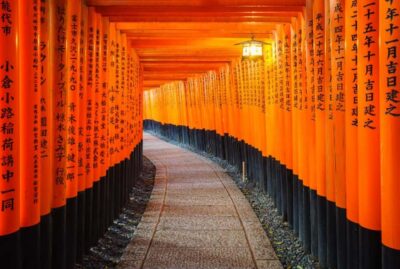
Osaka/Kyoto:Kinkakuji,Arashiyama,FushimiInariShrine,NaraPark
Read our review →
Asakusa Walking Tour with Sensoji Temple Visit
Read our review →
Nikko: Kegon Falls, Lake Chuzenji & Toshogu Temple
Read our review →
Kamakura & Enoshima Day Trip including Temple Tickets
Read our review →Browse the lists this tour appears in