
Review · GEISHA DISTRICT WALKS
Kyoto Gion Morning Walk: Zen, Temples, Geisha District & Secrets
Morning in Gion feels like stepping into Kyoto’s pause. This half-day walk strings together the geisha district streets with Zen calm and major Higashiyama landmarks, so you get context fast, not just sightseeing. I like the format too: small-group pacing (max 10) with a mobile ticket and a route that makes sense from stop to stop.
Two things I especially like are the mix of temple gardens and iconic viewpoints and the fact that several stops are either free or included, so you are not constantly wondering what costs extra. I also like that the tour is built around classic Kyoto neighborhoods, with Gion and Hanamikoji Street leading you into the quieter temple part of the morning.
One drawback to consider: it is a walking tour with real steps and uphill areas around Kiyomizudera and the Ninenzaka lane, and geisha sightings are possible but not guaranteed.
In This Review
- Key highlights and what they mean for you
- Entering Gion at 10:00, then switching gears to Zen and Shinto
- Gion and Hanamikoji Street: lantern lanes and the geisha district feeling
- What to watch for
- Kennin-ji Zen Garden: rock calm, fusuma art, and twin dragons
- A small timing trick
- Hokanji Temple and Yasaka Pagoda: Kyoto’s tall wooden landmark
- Kiyomizudera: the UNESCO view from the wooden stage
- The main thing to plan for
- Ninenzaka: stone steps, old Kyoto shops, and sweet stops
- A realistic note
- Yasaka Shrine near Shijo Street: vermilion gates and festival energy
- How much walking is this really? Timing and comfort
- Price and value for $28 in Kyoto
- Who should book this half-day walk with a small group
- Should you book the Kyoto Gion Morning Walk?
- FAQ
- Where do I meet for the Kyoto Gion Morning Walk?
- What time does the tour start?
- How long is the tour?
- What does the $28 price cover?
- Is any admission free or included?
- Will I definitely see a geisha?
- Is there pick-up service?
- Can I cancel for a full refund?
- What languages do guides offer?
Key highlights and what they mean for you
- Small group, max 10 people: easier questions, less crowding around your guide.
- Geisha district streets first: Gion and Hanamikoji Street set the mood before the temples.
- Kennin-ji Zen Garden includes admission: you get a guided look at rock gardens and art details.
- Kiyomizudera is included: UNESCO site with the wooden stage viewpoint.
- Yasaka Shrine and the Yasaka Pagoda area: Shinto and Buddhism landmarks in one morning flow.
- Mobile ticket: less fuss once you arrive in Higashiyama.
Entering Gion at 10:00, then switching gears to Zen and Shinto
This Kyoto Gion Morning Walk runs about 4 hours 30 minutes, starting at 10:00 am from the Statue of Izumo-no-Okuni in Higashiyama (and ending back at the same meeting spot). That start time is smart. You are out early enough to get a calmer feel in the neighborhoods, then you move into the temple cluster where the sights reward slower attention.
The tour is led by a local guide through a tight route, and that matters. Big Kyoto days can turn into a blur of entrances and photo lines. Here, the rhythm is built around distinct “chapters” of the city: Gion and Hanamikoji first, then Zen and Buddhist gardens and halls, then Kiyomizudera, then Yasaka Shrine to wrap.
And yes, the geisha district angle is part of the point. Your walk moves through places linked to geiko and maiko, and you might see someone out and about, but the tour is honest that sightings are rare. I like that kind of expectation-setting. It keeps your eyes open without turning the morning into a waiting game.
More Shrine & Temple Visits in Kyoto
- Kyoto: Fushimi Inari, Kinkakuji, Bamboo Grove 1 Day Bus Tour
★ 4.8 · 4,316 reviews - Kyoto: Tea Ceremony Ju-An at Jotokuji Temple
★ 4.9 · 3,207 reviews - Fushimi Inari Hidden Hiking Tour (Private Option Available)
★ 5.0 · 1,750 reviews
Gion and Hanamikoji Street: lantern lanes and the geisha district feeling
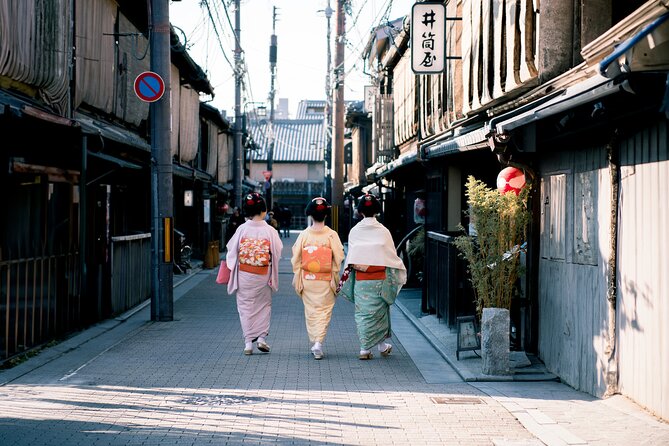
You start in Gion, Kyoto’s best-known old-wood district of teahouses and traditional streetscapes. The guide-focused value here is that Gion is not just a pretty backdrop. It is a neighborhood with a specific identity, and learning how the streets relate to the teahouse culture makes the architecture and atmosphere click.
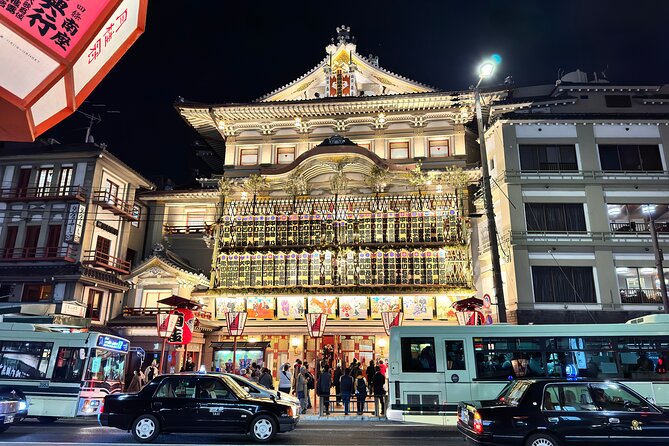
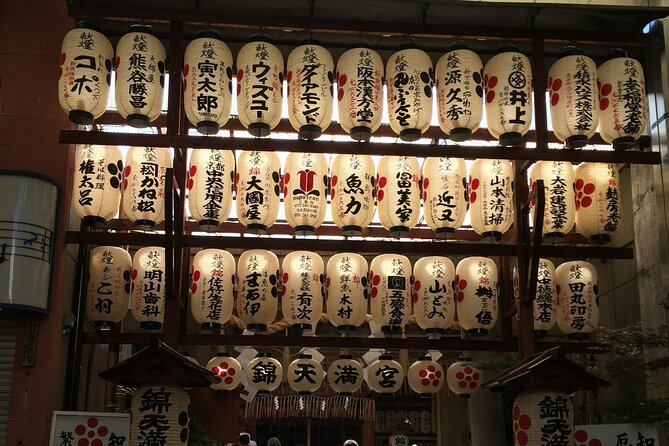
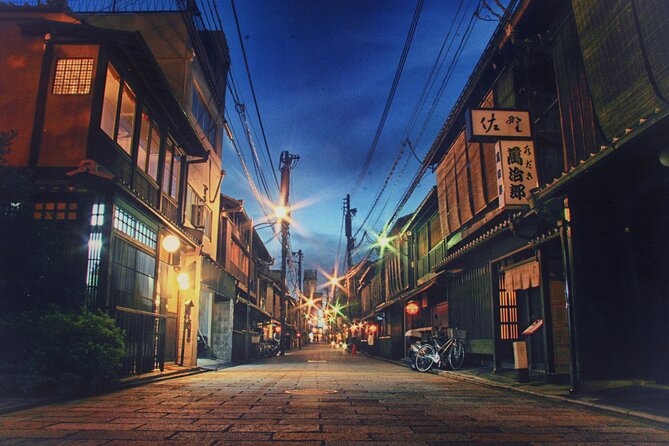
From there you move through Hanamikoji Street, one of the most famous lanes in the area. The street is lined with machiya style buildings, tea houses, and small shops, and it has that cobblestone, walk-slow pace that makes you want to look up as much as you look forward. Even though this is a morning walk, Hanamikoji is often described as especially magical at night when lanterns glow, so you can still spot the structure and details that would matter later.
A practical note: this section is short and sweet on purpose. It gives you the cultural framing for Gion, then the itinerary shifts toward Zen temples where the mood changes from street theater to quiet contemplation.
What to watch for
- Traditional wooden façades and the way the lane narrows and opens.
- Small craft and snack stops along Hanamikoji and nearby streets.
- The chance to spot geiko or maiko, with the clear caveat that it is not something you can count on.
Kennin-ji Zen Garden: rock calm, fusuma art, and twin dragons
Next comes Kennin-ji, a Zen temple in the Gion district with deep roots in Japan’s Zen story. The temple was founded in 1202 by the monk Eisai, who introduced the Rinzai school of Zen Buddhism to the country. That founding detail is more than a trivia nugget. It gives context for what you are seeing, because Kennin-ji is known for artistic Zen, not only ceremonies.
You spend about 30 minutes here, and the admission is included. The highlights are the rock gardens, fusuma sliding door paintings, and the famous twin dragon ceiling artwork. I like that mix because it gives you different “entry points” even if you do not consider yourself a temple expert.
- The gardens slow your eyes down. You are meant to notice how the forms and stones guide calm.
- The fusuma paintings bring art into the daily architecture of worship.
- The twin dragon ceiling is a reminder that Zen spaces are also places of craft and symbolism.
More Walking Tours in Kyoto
- Kyoto Geisha Walking Tour: Gion District & Hidden Gems
★ 4.7 · 3,273 reviews - Kyoto: Gion Geisha District Walking Tour – Stories of Geisha
★ 4.7 · 2,187 reviews - Night Walk in Gion: Kyoto’s Geisha District
★ 4.5 · 2,003 reviews - Kyoto Gion Geisha District Walking Tour – The Stories of Geisha
★ 5.0 · 1,441 reviews
A small timing trick
Since this is only about half an hour, it helps to decide what you want to focus on first. If you love art, prioritize the fusuma and ceiling features. If you love stillness, prioritize the garden view first, then circle back for details.
Hokanji Temple and Yasaka Pagoda: Kyoto’s tall wooden landmark
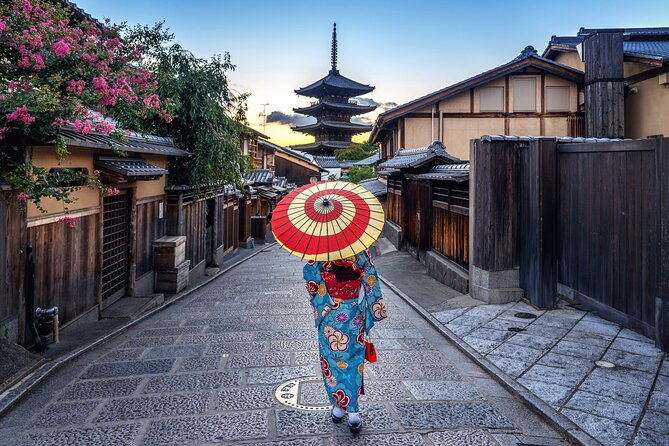
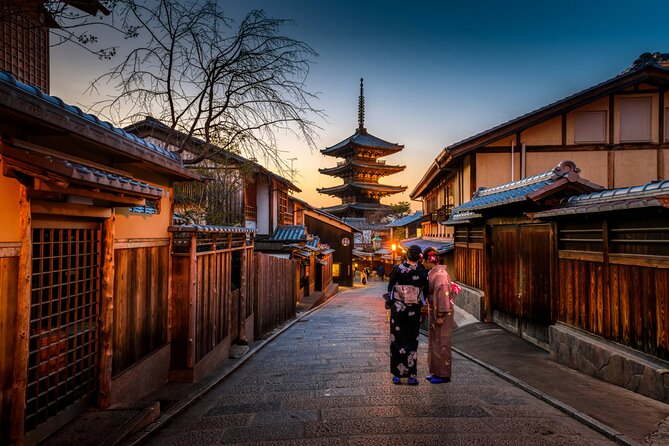
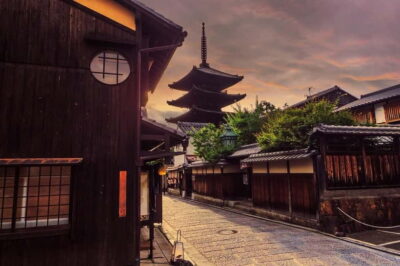
After Kennin-ji, the route brings you to the Hokanji Temple, also known as the Yasaka Pagoda. This is one of Kyoto’s recognizable vertical landmarks, a five-story pagoda around 46 meters tall, tied to one of the city’s old religious areas.
The tour frames it as a long-standing presence in Kyoto: dating back to the 6th century, while the current pagoda was rebuilt in the 15th century after a fire. That “old foundation with rebuilt form” story is common in Kyoto, but it is especially useful here because you are looking at an object that feels ancient, even though the structure you see has its own rebuilding chapter.
The pagoda’s architecture is elegant and wooden, and the guide points out how it can be seen from different parts of the city. If you are a view-and-photograph person, this stop is a good setup for what comes next at Kiyomizudera.
It is also linked with cherry blossom season, which means the pagoda’s popularity can spike depending on the time of year. Even on a normal day, it is a strong landmark to anchor your bearings.
Kiyomizudera: the UNESCO view from the wooden stage
Kiyomizudera (officially Otowa-san Kiyomizu-dera) is the big centerpiece on this walk. The temple was founded in 778 and is a UNESCO World Heritage site. You spend about 45 minutes, and admission is included.
The defining feature here is the famous wooden stage that juts out from the main hall, offering city views. Even if the weather blocks a perfect panorama, the sense of “how this place is designed for looking out” still comes through.
The name also matters. Kiyomizudera is named after the Otowa Waterfall. The waters are believed to have wish-granting powers. That idea gives a spiritual purpose to the sight, beyond just the architecture.
The main thing to plan for
This stop comes with physical effort. You are in the Kiyomizudera and Higashiyama area, and the route continues toward Ninenzaka after. That means comfortable shoes matter more than your outfit. Also, if you want photos at the stage, arrive with patience. This is a major Kyoto magnet.
Ninenzaka: stone steps, old Kyoto shops, and sweet stops

After Kiyomizudera, the walk shifts toward Ninenzaka, a pedestrian-only historic street known for preserved traditional wooden buildings, quaint shops, and teahouses. Ninenzaka sits near Kiyomizudera, and it feels like Kyoto’s past has been kept walkable.
What I like about this segment is that it is not only sightseeing. It is an atmospheric buffer between temples. You can slow down, browse what people actually sell in the area, and pick up small gifts without making it feel like a mall run.
Ninenzaka is described as having stone-paved steps and an ambiance that feels old Kyoto. You also find souvenirs and traditional sweets. If you want a practical souvenir strategy, this is the type of stop that makes sense because it is close to the temples, and you are already in the zone.
A realistic note
This is a shopping lane, but it is also a staircase lane. If your legs are already tired from Kiyomizudera, take breaks. The tour pace is guided, but you still choose how much browsing you do once you get there.
Yasaka Shrine near Shijo Street: vermilion gates and festival energy
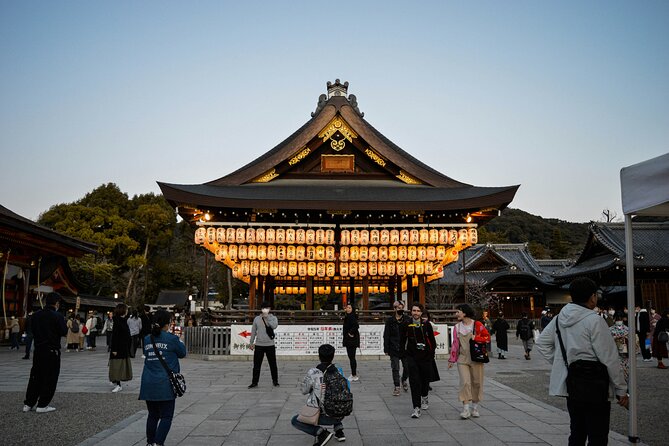
The final major stop is Yasaka Shrine, also called Yasaka Jinja. It is in the Gion district at the end of Shijo Street. The shrine is famous for its vermilion gates and lanterns, and it is strongly associated with festivals, especially the Gion Matsuri in July.
The shrine is described as founded over 1350 years ago. That kind of age is part of why it feels like a living landmark, not a museum piece. The tour wraps up with this Shinto note after Buddhism and Zen, which makes the morning feel rounded.
You spend about 30 minutes here, and admission is free. Ending at Yasaka Shrine is also a good choice because it sits in a central area of Gion, so you can extend your day easily if you want to keep exploring.
How much walking is this really? Timing and comfort
This is a true walking tour. The total duration is about 4 hours 30 minutes, and the route moves through multiple neighborhoods rather than sitting in one compact area.
Here is what to expect based on the stops:
- Gion and Hanamikoji give you a street-paced introduction, with lots of looking up at traditional buildings.
- Kennin-ji is a calmer pause, about 30 minutes.
- Yasaka Pagoda and shrine areas add landmark viewing and transitions.
- Kiyomizudera is the biggest site time-wise at about 45 minutes, and it is a natural place to take in the layout before continuing.
- Ninenzaka includes stone-paved steps, which is where shoes and pacing matter most.
I would plan your day around this being your main event in Kyoto. If you also try to squeeze in far-away sites the same morning, you will feel it.
Price and value for $28 in Kyoto
At $28 for roughly 4.5 hours, this tour is priced like a smart “value of time” option. You are paying for guided flow through major named stops, not just a self-led walk.
Value comes from three sources:
- Coverage of major landmarks: Gion, Kennin-ji, Kiyomizudera, Yasaka Shrine.
- Entrance costs handled for key sites: Kennin-ji and Kiyomizudera are marked included, while Gion and Yasaka Shrine are marked free.
- Small group size: max 10 travelers means your guide can answer questions without rushing you.
It also helps that the tour uses a mobile ticket, which cuts down on hassle once you are in Kyoto.
What is not in the price: tips are welcome, pick up service is not available, and dinner is not included. If you want a smooth day, plan your next meal after the tour ends back at the meeting spot.
Who should book this half-day walk with a small group
This tour fits best if you want:
- A first Kyoto morning with strong neighborhood context (Gion and Higashiyama).
- A mix of Zen, Buddhism, and Shinto landmarks in one route.
- Less stress than doing everything alone, especially around the bigger sites.
It is also a good fit if you like asking questions. The experience style here is guided with stories and respectful pacing, which shows up in the way people describe the hosts. You can also expect patience for photos, because the route is made for short sight-to-sight transitions.
I would think twice if you dislike walking. Even though it is only one day, the sequence includes stair-heavy areas like Ninenzaka and major temple complexes like Kiyomizudera.
Also keep expectations in check on geisha. This is a geisha district walk, and you might see someone, but it is rare.
Should you book the Kyoto Gion Morning Walk?
Yes, I’d book it if you want a structured first look at Gion and Higashiyama without wasting time figuring out what connects to what. The combination of Gion street context, Zen garden details at Kennin-ji, the UNESCO stop at Kiyomizudera, and the wrap at Yasaka Shrine gives you a satisfying arc for a half-day.
If you are on a tight schedule, the 4 hours 30 minutes format is a real advantage. If you are sensitive to stairs, wear shoes you trust and take short breaks when you need them. And if seeing a geisha is your only goal, book it for the whole district and temples, not for a guaranteed sighting.
FAQ
Where do I meet for the Kyoto Gion Morning Walk?
You meet at the Statue of Izumo-no-Okuni in Higashiyama Ward, Kyoto 605-0076, Japan. The tour ends back at the meeting point.
What time does the tour start?
The start time is 10:00 am.
How long is the tour?
The tour lasts about 4 hours 30 minutes.
What does the $28 price cover?
The tour price covers a guided walking experience through Gion and surrounding highlights. Mobile ticket is used, and admission is included for Kennin-ji Temple Garden and Kiyomizudera.
Is any admission free or included?
Gion and Yasaka Shrine are marked as free. Kennin-ji Temple Garden and Kiyomizudera are marked as included. Other stops are listed as part of the route.
Will I definitely see a geisha?
No. Geisha might be seen, but they are quite rare.
Is there pick-up service?
No, pick-up service is not available.
Can I cancel for a full refund?
Yes. You can cancel up to 24 hours in advance for a full refund. If you cancel within 24 hours of the start time, the amount paid will not be refunded.
What languages do guides offer?
English is guaranteed for shared tours. German and Italian are available, but you should contact the provider to confirm availability for your tour date.
Popular Geisha District Walks in Kyoto
- Best of Kyoto: Gion, Geisha, Pagodas & Cobblestones
★ 4.9 · 2,058 reviews - Kyoto Night Foodie Tour in Gion (9+ dishes + 6 Sake tastings)
★ 5.0 · 1,762 reviews - Kyoto: Gion Magical Night Walking Tour with Geisha Insights
★ 4.9 · 1,286 reviews - Kyoto Gion Night Walk & Geisha District Guided Tour
★ 5.0 · 786 reviews
Newly listed around Kyoto
- Zen Meditation for Life in Kyoto★ 5.0 · 10 reviews
- Kyoto: Zen Meditation at a Private Temple with a Monk★ 5.0 · 25 reviews
- Kyoto Private Customizable Day Tour with Guide and Vehicle★ 5.0 · 52 reviews
- Private Wagyu Beef Tour with a Local Guide★ 5.0 · 6 reviews
- Kyoto: Gion Geisha District & Sake-in-Hand Walking Tour★ 5.0 · 37 reviews
- Your Private Vacation Photography Session In Kyoto★ 5.0 · 110 reviews
- Private Guided Traditional Buddhist Cooking in Japan★ 5.0 · 16 reviews
- Private Pewter Sake Cup Experience with a Kyoto Artisan★ 5.0 · 31 reviews
Geisha District Walks, compared.
Kyoto Geisha Walking Tour: Gion District & Hidden Gems
Read our review →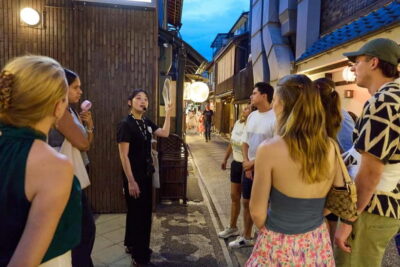
Gion Geisha District Walking Tour – Stories of Geisha
Read our review →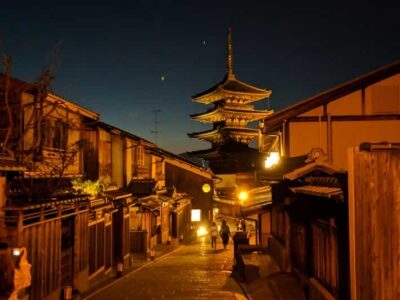
Best of Kyoto: Gion, Geisha, Pagodas & Cobblestones
Read our review →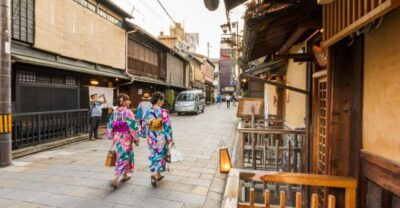
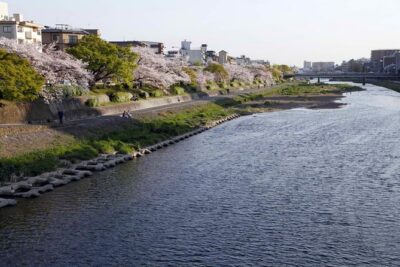
Kyoto Night Foodie Tour in Gion (9+ dishes + 6 Sake tastings)
Read our review →
Kyoto Gion Geisha District Walking Tour – The Stories of Geisha
Read our review →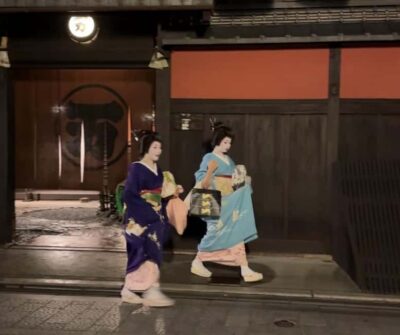
Gion Magical Night Walking Tour with Geisha Insights
Read our review →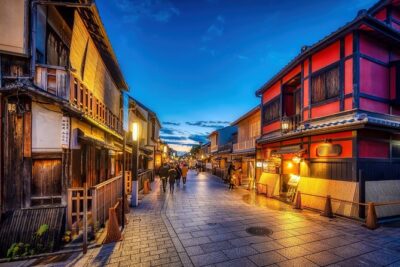
Kyoto Gion Night Walk & Geisha District Guided Tour
Read our review →Browse the lists this tour appears in