
Review · CYCLING & E-BIKE RIDES
Kyoto: Higashiyama Slow Cycling Tour along the quiet waterfront
Kyoto glides when you pedal slowly. This BROMPTON ride is all about swapping crowded footpaths for quiet waterfront lanes, while a local navigator steers you toward calm corners and cultural context you would not find on your own. The one thing to consider is that easy does not mean zero effort, you still cycle about 12 km and it is best if you have moderate comfort riding.
I love that everything ride-related is handled for you. You get the bike, a helmet, and transport bags, so you can show up with a phone and good shoes, not a packing list.
You also get the benefits of a small group. With a maximum of 6 riders, the pace stays genuinely slow and the route can be adjusted to your wishes as you go.
In This Review
- Key highlights from this Higashiyama slow cycling tour
- Why Higashiyama feels calmer from the saddle
- Price and what you get for $129
- Your ride setup: BROMPTON comfort and slow pacing
- Kamogawa River: start with nature inside the city
- Shimogamo Jinja and the Tadasunomori forest calm
- Philosopher’s Walk: quiet contemplation by the Lake Biwa Canal
- Nanzen-ji: a Rinzai temple with garden drama and theatre links
- Nanzenji Suirokaku: brick aqueduct still doing its job
- Keage Incline: preserved industrial heritage with cherry blossoms in mind
- Kyoto Gyoen National Garden: imperial grounds near the heart of Kyoto
- Small-group value: why 6 riders feels like the sweet spot
- What kind of traveler should book this?
- Should you book this Higashiyama slow cycling tour?
- FAQ
- What is the duration of the Kyoto Higashiyama slow cycling tour?
- What is the starting point and start time?
- How far will I cycle during the tour?
- Is the bicycle and safety gear included?
- Do I need to pay for temple admissions?
- Is insurance included in the price?
- What happens if the weather is bad?
Key highlights from this Higashiyama slow cycling tour
- Quiet waterfront focus along Kyoto’s waterways, with photo-friendly stops that feel unhurried
- BROMPTON bikes that look great and help you feel like you are part of the city, not just passing through
- A navigator who handles the details so you can concentrate on sights, not navigation
- UNESCO and temple classics including Shimogamo Jinja and Nanzen-ji areas
- Meiji-era engineering in brick at Nanzenji Suirokaku, still in use
- Small-group pacing (up to 6) that keeps the experience calm and manageable
Why Higashiyama feels calmer from the saddle
Kyoto’s Higashiyama area can be beautiful, but it can also be crowded on foot. This tour changes the rhythm. You ride, then you stop, then you ride again, which makes the city feel larger and less pressured.
The route is built around water, starting with the Kamogawa River and then working through a chain of temples, shrines, and old-world paths at a relaxed speed. Cycling here is not about speed, it is about flow, and that is exactly why it works so well for a half-day.
Also, the quiet streets matter. You spend time on narrow lanes and bike-friendly segments where you are not constantly stepping aside for tour groups. The result is a Kyoto that feels more local, even though you are right in the classic tourist zone.
More Bike Rides in Kyoto
- Bike Tour Exploring North Kyoto plus Lunch
★ 5.0 · 1,087 reviews - Arashiyama Bamboo Forest & Hidden Gems Bike Tour (Early Bird)
★ 5.0 · 613 reviews - 5 Top Highlights of Kyoto Full Day Bike Tour (E-bike option)
★ 5.0 · 511 reviews
Price and what you get for $129
At $129 per person for about 4 hours, this is priced like a guided activity, not like a cheap rental. The value comes from what is included: the bicycle rental, an exclusive navigator fee, and the ride equipment.
That equipment list is practical. Helmets are provided, and you also get transport bags for wheeled items, which helps if you are carrying a small bag or need to keep things secure while you ride. Since you are not worrying about logistics, you can stay in sightseeing mode.
One small cost to plan for: insurance is not included, and it is listed as 500 yen. Also, snacks are not included, though your navigator can suggest lunch options based on what you want. If you prefer to eat light and keep moving, you may feel good about skipping snacks. If you like a full lunch stop, plan to budget for it.
Your ride setup: BROMPTON comfort and slow pacing
This is a slow cycling tour, and you should treat it like that. The goal is to make Kyoto accessible even if you are not training for a bike race. The tour notes a moderate fitness level, so you are not looking at extreme hills or long stretches at hard effort.
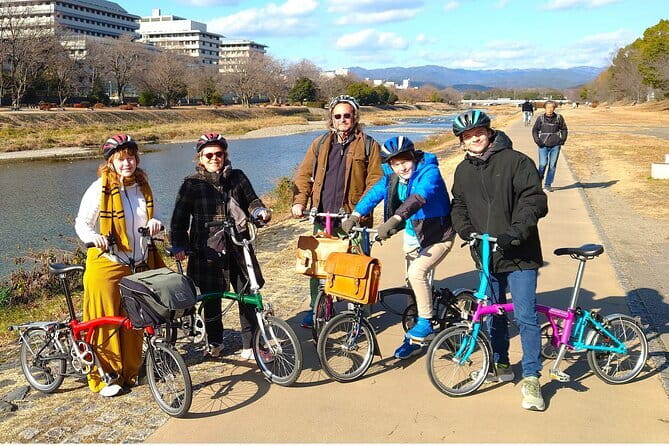
Bikes matter here. Using BROMPTON bicycles is not just a branding detail, it is part of the experience feel. The bike style makes quick photo stops natural, and it also keeps the ride more comfortable for people who are not used to strict cycling posture.
The group size is capped at 6 riders. In practical terms, that means you can keep a steady pace and still hear explanations. It also makes it easier for the navigator to manage the rhythm around temple entrances, narrow paths, and photo time.
If you are considering this tour because you like stories, this is the right idea. A navigator with local knowledge helps you interpret what you are seeing, and it also helps you choose calmer routes around popular sightseeing moments.
Kamogawa River: start with nature inside the city
You begin at Demachiyanagi Station, and the tour kicks off with the Kamogawa River. This is Kyoto’s central river and a big part of the city’s everyday life. Even though it sits in the middle of Kyoto, it feels like you are pulling away from the concrete.
Expect your first stop to be a reset. It is a short visit, about 15 minutes, and admission is free. But it sets the tone for the whole ride: water, breathing room, and the sense that Kyoto’s water systems shape how the city developed.
If you are the kind of traveler who likes orientation, this stop helps. You get a real sense of where the river is and how the city flows alongside it, so later temple and shrine areas make more sense.
More Bike Tours in Kyoto
- Hidden Kyoto E-Biking tour
★ 5.0 · 1,843 reviews - Full Day Biking Tour Exploring the Best of Kyoto
★ 5.0 · 498 reviews - Kyoto: Memory Kyoto E-Bike Tour
★ 4.8 · 297 reviews - E-Bike Tours of the highlights of Kyoto!!!
★ 5.0 · 291 reviews
Shimogamo Jinja and the Tadasunomori forest calm
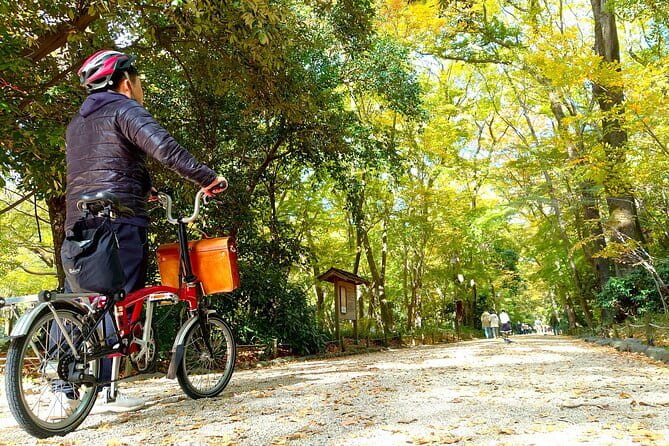
From the river, you move into Shimogamo Jinja, a UNESCO World Heritage Site north of the Kamogawa River delta. UNESCO sites can sometimes feel like checklists, but this one is known for a calm atmosphere, especially around the Tadasunomori forest.
Your stop here is about 45 minutes and admission is free. That time window is useful. You are not just walking by. You can slow down, look at the wooded light, and take in how the sanctuary setting changes the mood compared to open streets.
One consideration: because this area is outdoors and forested, your comfort will depend on the weather. The tour requires good weather overall, and stops like this make that requirement feel even more real. If it is rainy, the overall feel changes quickly, so keep an eye on forecasts.
Philosopher’s Walk: quiet contemplation by the Lake Biwa Canal
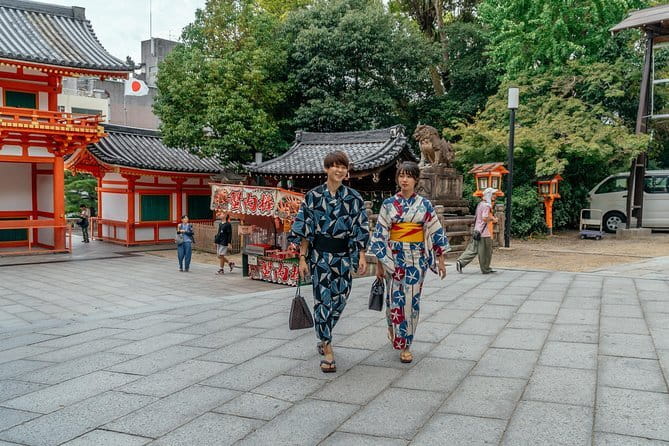
Next comes the Philosophy Path, commonly tied to contemplation and quiet strolling. Here, it is not framed as a crowd magnet, but as a footpath along the Lake Biwa Canal at the foot of Mount Higashiyama.
Your stop is about 30 minutes with free admission. On foot, this kind of path can be crowded at peak times, but on a bike tour with a planned rhythm, you can often experience it at a calmer pace than you would have managing your own timing.
What I like about this stop is the sense of continuity. You are moving through a network of water-related spaces that connect Kyoto’s geography to everyday culture. Even if you know Kyoto only from photos, you start to understand how the city uses canals, streams, and water channels as public space.
If you prefer photography, this is a good stretch to slow down and frame shots. But keep it practical. Save the longest photo time for the stops where the scenery is built into the route, so you do not end up rushing later.
Nanzen-ji: a Rinzai temple with garden drama and theatre links
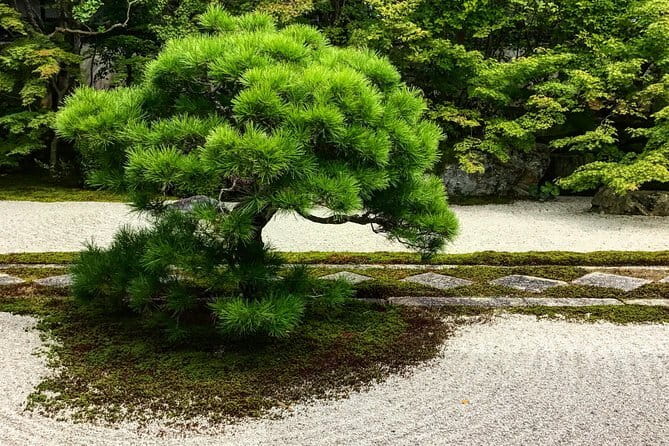
Nanzen-ji is one of the major stops on the route, with about 30 minutes here. Admission is not included, so you will want to plan to pay for entry if you go in.
This temple is famous for its garden and for the Sanmon Gate. The interesting detail is that the Sanmon Gate is featured in Kabuki plays. Even if Kabuki is not your main interest, that cross-over gives you a new angle: these temple forms have lived beyond religion and into performance culture.
What makes this stop work on a cycling tour is the way it breaks the pacing. You ride through quieter spaces, then you arrive at a heavyweight cultural site. It feels like a change of gear, not a sudden endurance test.
One drawback to note: because entry is not included, you may spend a bit of time thinking about tickets on the spot. If you like to travel with a clear plan, factor that into your mindset, rather than expecting everything to be automatically covered.
Nanzenji Suirokaku: brick aqueduct still doing its job
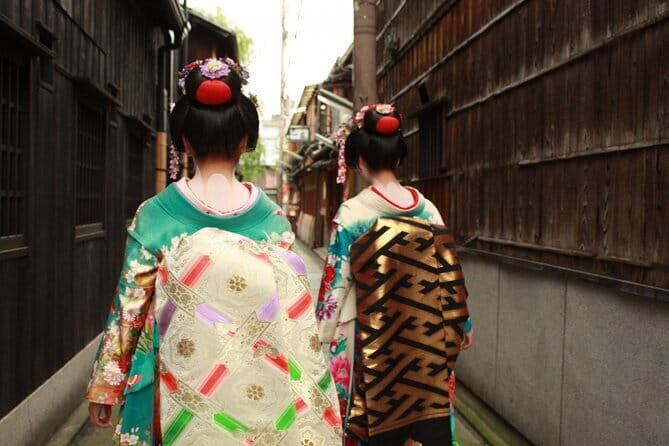
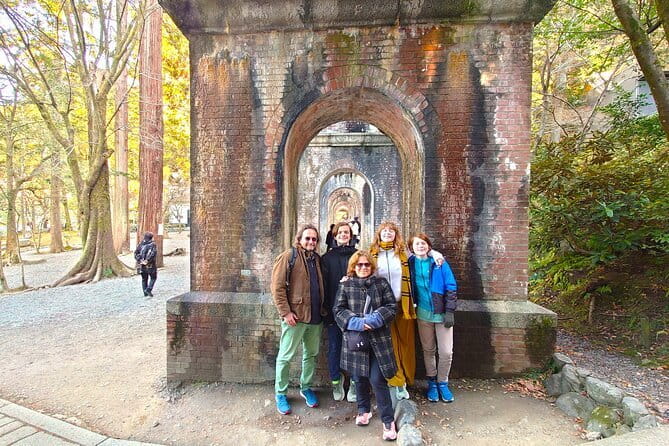
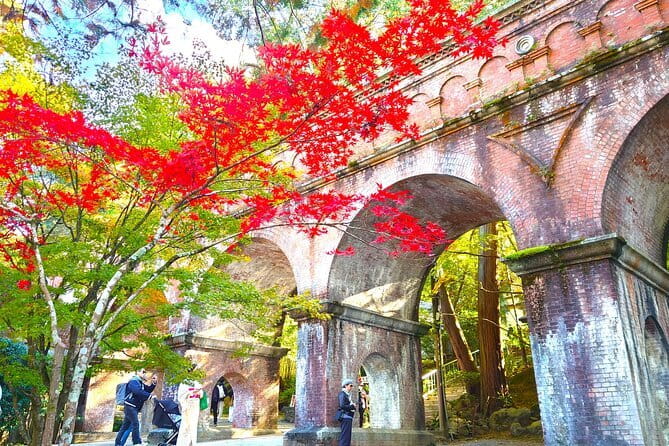
Right in the precincts of Nanzen-ji is Nanzenji Suirokaku, the brick aqueduct tied to the Lake Biwa water system. This stop is also about 30 minutes, and admission is free.
Here is the practical cool factor: it is still in use today. That turns it from a pretty landmark into something with function, built to modernize Kyoto during the Meiji era, then kept relevant.
This is the kind of stop that you might miss if you are only chasing the biggest temple names. It is a strong example of how Kyoto mixes old aesthetics with practical infrastructure. You see structure, not just decoration.
If you care about engineering and historical transitions, you will probably enjoy this stop more than you expect. It is also a great place to pause and look at details. The aqueduct’s material, shape, and water-related purpose gives your camera a subject beyond gates and halls.
Keage Incline: preserved industrial heritage with cherry blossoms in mind
Next is the Keage Incline, about 30 minutes and free admission. This is part of an industrial heritage story connected to the old boat transport route by the Lake Biwa Canal.
The incline is preserved, and it is also a sightseeing spot known for cherry blossoms. Even if you are not traveling in blossom season, the preserved machinery and slope shape give it a distinctive look that feels different from the typical temple streetscape.
What makes this stop valuable on a slow cycling tour is contrast. You go from shrine and temple atmosphere into something that feels industrial and historical, but still visually poetic. It gives Kyoto a wider identity.
The only consideration is timing and weather. This kind of outdoor heritage stop depends on visibility and comfort, so it helps if the day is dry and calm.
Kyoto Gyoen National Garden: imperial grounds near the heart of Kyoto
You finish at Kyoto Gyoen National Garden, with about an hour here and free admission. This area is tied to the Kyoto Imperial Palace, which was the emperor’s residence until the middle of the 19th century.
Even though it is called a national garden, it is not only about plants. It is about place. You are stepping into ground that connects Kyoto’s political role to its physical layout.
If you like a tour that feels like a story ending in a broader setting, this is a good choice. It gives the day an exhale after earlier stops. Your ride ends back at the meeting point, so you are not left wondering how to get home with tired legs.
Small-group value: why 6 riders feels like the sweet spot
The tour caps at 6 travelers. That small number is more than a nice-to-have. It changes how the experience feels.
You are less rushed at stops, and the navigator can keep your group together on narrow stretches. You also tend to get more direct attention if you have questions about what you are seeing.
The slow pace matters for another reason: Kyoto rewards observation. When you are not constantly moving for distance, you can notice small shifts, like how the sound changes near water, how forest light looks different from open streets, and how temple space changes your posture.
And yes, there is a practical side too. With fewer riders, you can handle photo pauses without turning every stop into a waiting game.
What kind of traveler should book this?
This is a strong fit if you want:
- A guided Kyoto ride without heavy physical strain
- A calmer alternative to hopping between stops on foot
- A day that includes both classic sites and quieter settings tied to water
- Time to slow down for photos and explanations
It is also a good fit if you want to eat locally with help. The navigator can suggest restaurants for lunch during the tour based on your wishes. That is useful when you want good food but you do not want to gamble with random picks.
If you are extremely comfortable on bikes and want to cover as many major landmarks as possible, you might find this too slow. But if you prefer quality time, the pacing is the point.
Should you book this Higashiyama slow cycling tour?
I would book it if you want a Kyoto experience that feels human. This tour is designed for pacing, not speed. You get a guided loop through water-focused spaces, iconic spiritual sites, and industrial heritage details that explain Kyoto beyond postcards.
The value is strongest if you appreciate guidance and you want the route handled for you. The navigator plus the provided gear remove a lot of friction, so you spend your energy on the places.
I would think twice if you have limited bike comfort, because you will still cover about 12 km. And if you dislike paying separate temple entry fees, note that Nanzen-ji admission is not included.
If you are aiming for a half-day that mixes water, culture, and an easygoing rhythm, this is a smart way to experience Higashiyama without getting swallowed by crowds.
FAQ
What is the duration of the Kyoto Higashiyama slow cycling tour?
The tour lasts about 4 hours.
What is the starting point and start time?
The tour starts at Demachiyanagi Station, with a start time of 10:00 am.
How far will I cycle during the tour?
The distance is approximately 12 km.
Is the bicycle and safety gear included?
Yes. The bicycle rental fee is included, and you also get bicycle equipment such as helmets and transport bags.
Do I need to pay for temple admissions?
Nanzen-ji Temple admission is not included, while the other listed stops have free admission.
Is insurance included in the price?
Insurance is not included. The listed insurance fee is 500 yen.
What happens if the weather is bad?
The tour requires good weather. If it is canceled due to poor weather, you will be offered a different date or a full refund.
More Cycling Tours in Kyoto
- Afternoon Kyoto Bike Tour: Bamboo Forest, Monkeys & Hidden Spots
★ 5.0 · 283 reviews - South Kyoto in a Nutshell: Gentle Backstreet Bike Tour!
★ 5.0 · 225 reviews - Kyoto: City Secrets eBike Tour
★ 4.9 · 196 reviews - Pedal Adventure Kyoto’s iconic landmarks on an e-bike tour
★ 5.0 · 189 reviews
Newly listed around Kyoto
- Zen Meditation for Life in Kyoto★ 5.0 · 10 reviews
- Kyoto: Zen Meditation at a Private Temple with a Monk★ 5.0 · 25 reviews
- Kyoto Private Customizable Day Tour with Guide and Vehicle★ 5.0 · 52 reviews
- Private Wagyu Beef Tour with a Local Guide★ 5.0 · 6 reviews
- Kyoto: Gion Geisha District & Sake-in-Hand Walking Tour★ 5.0 · 37 reviews
- Your Private Vacation Photography Session In Kyoto★ 5.0 · 110 reviews
- Private Guided Traditional Buddhist Cooking in Japan★ 5.0 · 16 reviews
- Private Pewter Sake Cup Experience with a Kyoto Artisan★ 5.0 · 31 reviews
Cycling & E-Bike Rides, compared.
3h Tokyo E-Bike Tour: Hidden Gems, and Local Life with guide
Read our review →
Arashiyama Bamboo Forest & Hidden Gems Bike Tour (Early Bird)
Read our review →
5 Top Highlights of Kyoto Full Day Bike Tour (E-bike option)
Read our review →

Hiroshima 2hr Peace Cycling Tour with Local Guide
Read our review →Browse the lists this tour appears in