
Review · GEISHA DISTRICT WALKS
Kyoto: Kiyomizu-dera, Fushimi Inari & Gion Geisha District
Torii gates, temple charms, and geisha talk in one loop. This Kyoto half-day strings together Fushimi Inari and Kiyomizu-dera with hands-on explanations, plus a walk through old streets to Gion.
I especially like how the guide turns landmarks into stories, with clear visuals on an iPad and culture made practical for what you see. I also like the photo help, since Roberto takes pictures for you as much as you want. One consideration: this is a walk-heavy route with stairs and uneven spots, so it is not a great fit for low fitness or mobility limitations.
In This Review
- Key moments that make this Kyoto tour click
- Why this 4-hour Kyoto route feels like a smart hit of the highlights
- Meeting in Kyoto Station, then moving fast with public transit
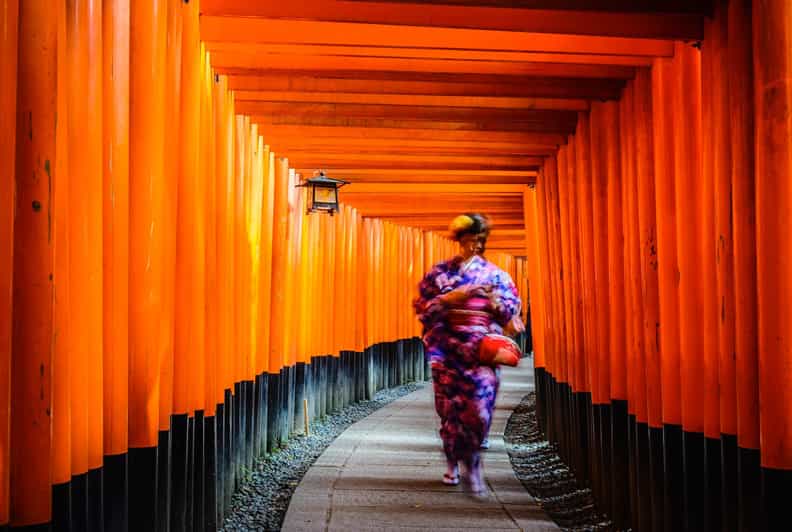
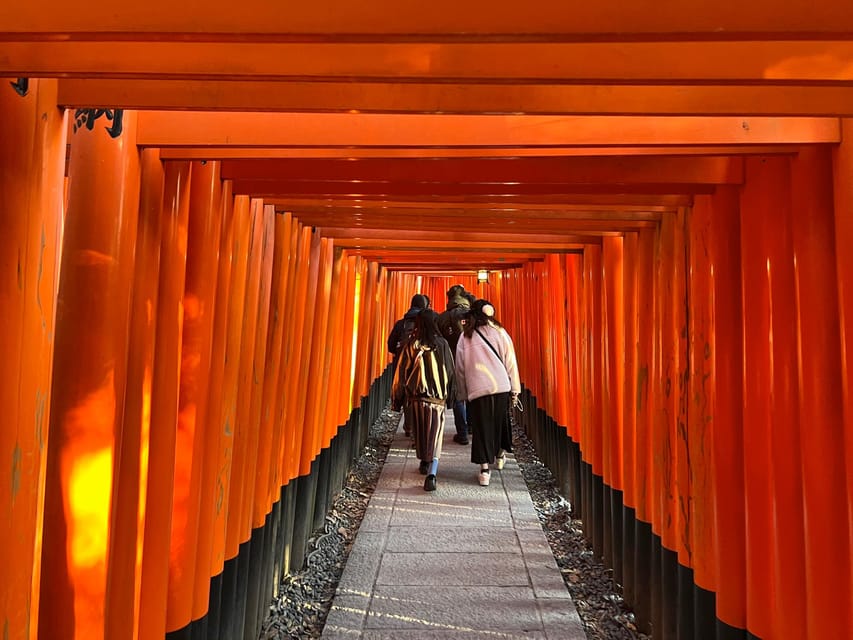
- Fushimi Inari Taisha and the 1,000 vermilion torii gates
- Kiyomizudera’s power spots: love, longevity, and academic success
- Ninen-zaka and Sannen-zaka, two short walks that feel like old Kyoto
- Gion geisha district walk: what you learn about geisha and maiko
- The guide experience, Roberto’s style, and why it changes the day
- Price and value: why $90 can make sense for this mix
- Timing, walking pace, and what you should bring
- How to decide if this tour matches your Kyoto style
- Should you book this Kyoto: Kiyomizu-dera, Fushimi Inari & Gion Geisha District tour?
- FAQ
- How long is the Kyoto tour?
- Where do we meet?
- What sites are included?
- Is the guide’s entrance fee included?
- Are entrance fees included for the temples?
- Is transportation included in the price?
- What languages is the live guide available in?
- Is food and drinks included?
- Who should avoid this tour?
Key moments that make this Kyoto tour click
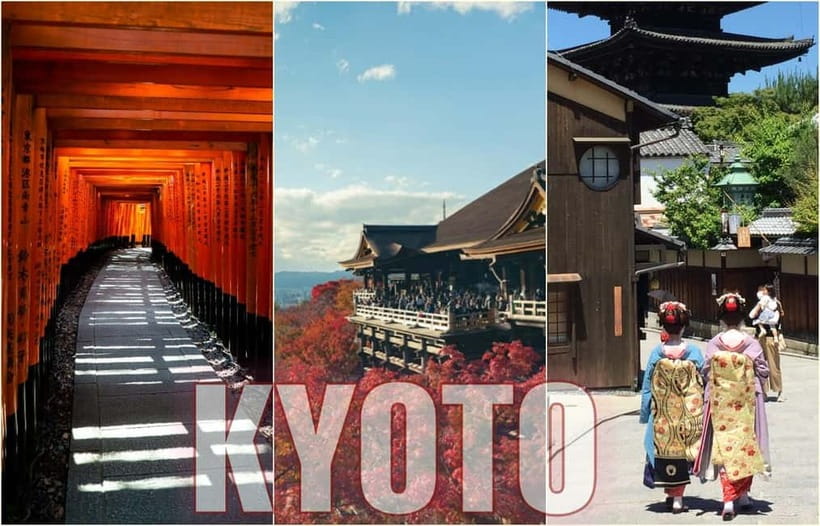
- Power spots at Kiyomizu-dera, tied to blessings for love, longevity, and academic success
- Shinto stories at Fushimi Inari Taisha, so the torii trail feels meaningful, not just pretty
- Old Kyoto street walking, with Ninen-zaka and Sannen-zaka’s classic wooden storefront vibe
- Gion geisha and maiko facts, plus what ochaya are and how the district works
- Photo-friendly guiding, with iPad visuals and picture-taking on request
Why this 4-hour Kyoto route feels like a smart hit of the highlights
This tour is built for people who want a lot of Kyoto in one compact window. In four hours, you get two of the biggest headline sights, then you finish with a walk through Gion, the most famous geisha district.
The real value is not only the locations. It is how the guide frames what you are looking at, especially with iPad explanations that help you follow along without getting lost or overwhelmed.
More Shrine & Temple Visits in Kyoto
- Kyoto: Fushimi Inari, Kinkakuji, Bamboo Grove 1 Day Bus Tour
★ 4.8 · 4,316 reviews - Kyoto: Tea Ceremony Ju-An at Jotokuji Temple
★ 4.9 · 3,207 reviews - Fushimi Inari Hidden Hiking Tour (Private Option Available)
★ 5.0 · 1,750 reviews
Meeting in Kyoto Station, then moving fast with public transit
You meet at the JR Kyoto Station area, in front of the 7-Eleven Heart-In (Kyoto Tower side exit). The guide holds an iPad and a red card that says RBRT (Roberto), so spotting them is usually simple.
You will use public transportation, including a short train ride to get going. Transportation fees are not included, so it is smart to have some cash on hand for transit and small purchases.
Private group matters here. With fewer people, the pace is easier to manage, and your guide can adapt explanations to your questions.
Fushimi Inari Taisha and the 1,000 vermilion torii gates
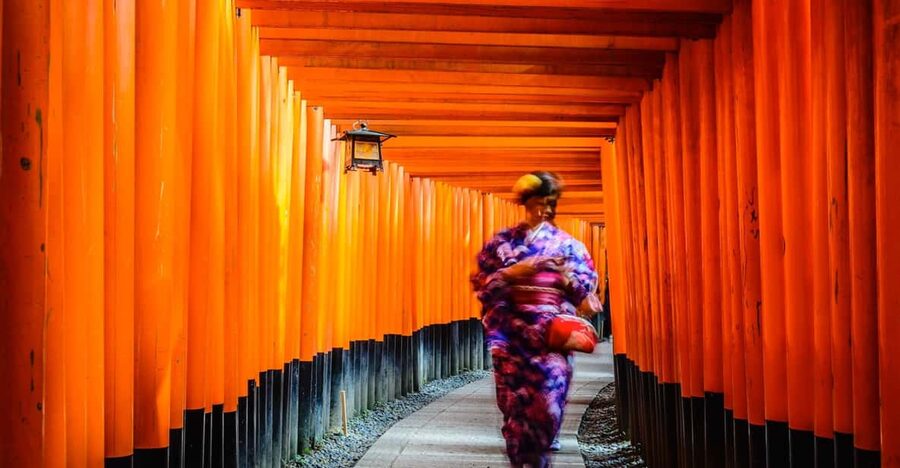
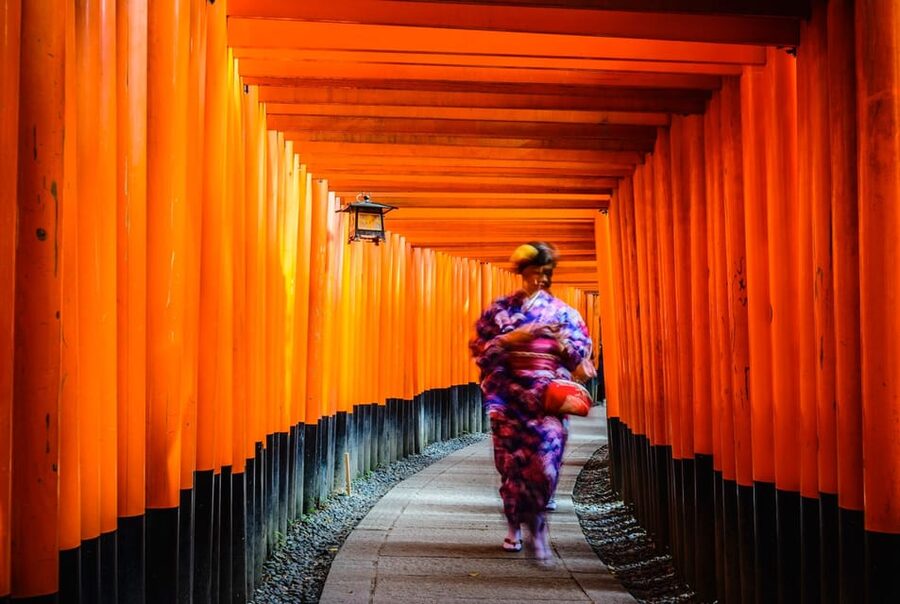
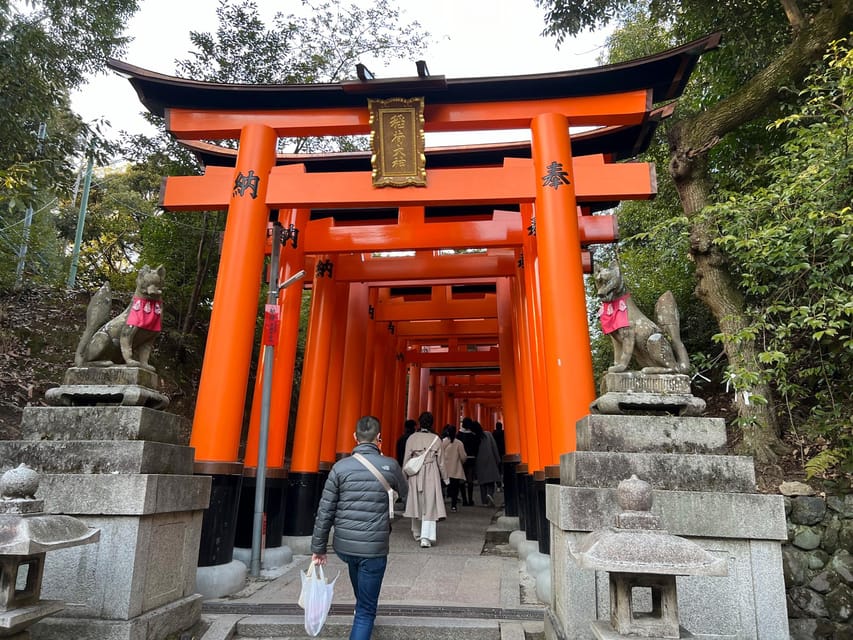
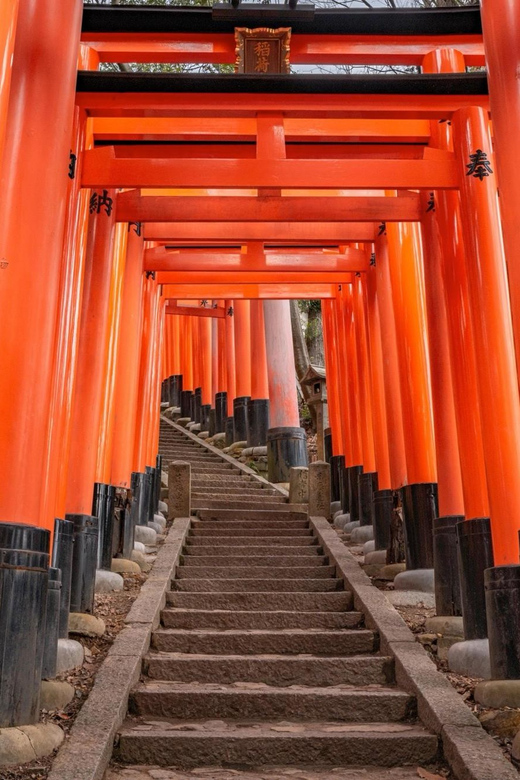
Fushimi Inari is famous for its torii gates, and you will see the famous trail of vermilion gates on this tour. The key difference with a guided walk is the context.
You get the shrine basics, including the ancient origins and the Shinto perspective that explains why people come and what the grounds represent. Instead of treating it like a photo line, you start to notice patterns in the path and the way visitors move through the shrine area.
What I like about this stop is that it is timed well. You get a guided visit for about 75 minutes, which gives you time to walk the torii corridor without feeling rushed out the moment you take your first photos.
Practical note: expect steps and lots of walking. Even when the route is manageable for most people, the torii corridor can feel longer than you think once you are moving through it.
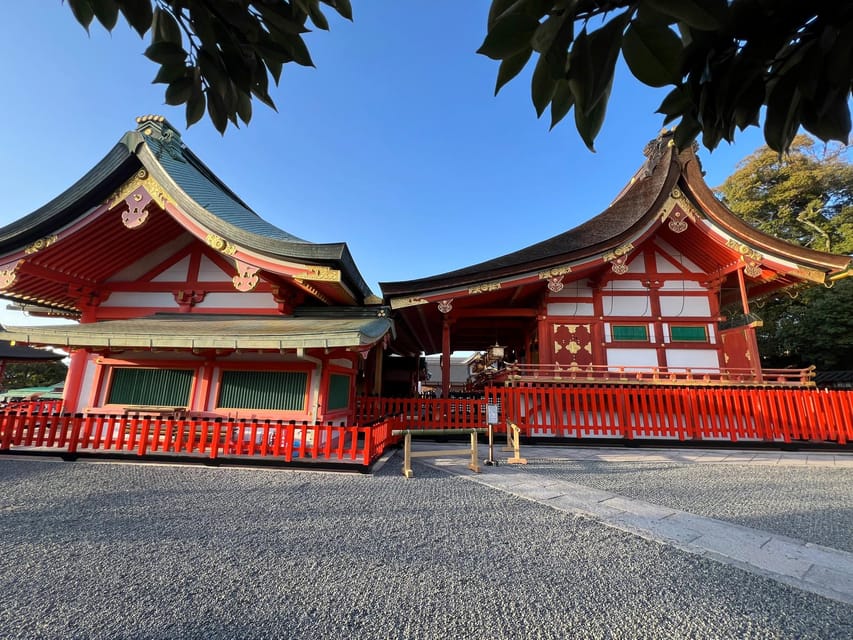
Kiyomizudera’s power spots: love, longevity, and academic success
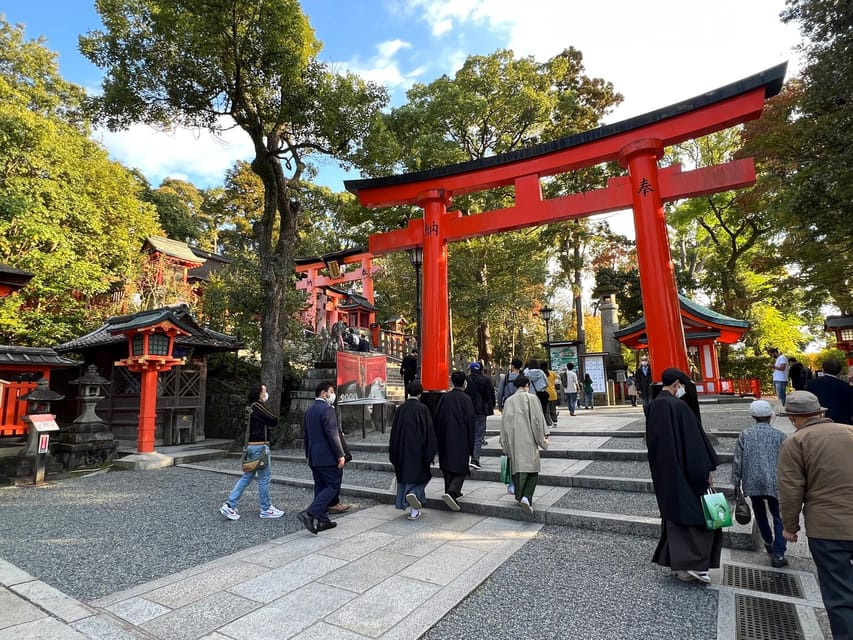
Next comes Kiyomizudera, one of Kyoto’s most iconic temples. The tour does not just point out the buildings. It focuses on Kiyomizudera’s power spots, the specific areas associated with blessings.
You will learn the themes people pray for, including love, longevity, and academic success. That matters because these temples are not only sightseeing stops. They are living places of belief, and knowing the focus helps you understand what you are seeing.
You will also have about 80 minutes for the temple visit with a guided explanation. Entrance to Kiyomizudera is not included, and the fee is 500 yen (about US$3.10). You will want to carry cash for it.
A small but important detail: the route here can include uneven stones and stairs. Comfortable shoes are not optional.
More Shrine and Temple visits in Kyoto:
- Osaka/Kyoto:Kinkakuji,Arashiyama,FushimiInariShrine,NaraPark
★ 4.1 · 1,596 reviews - Kyoto/Osaka: Nara, Fushimi Inari Taisha, Arashiyama Bus Tour
★ 4.7 · 1,275 reviews - Arashiyama Bamboo, Temple, Monkeys, or Secret Sake Brewery
★ 4.8 · 886 reviews - Osaka/Kyoto: Arashiyama, Nara & Fushimi Inari Shrine w/Lunch
★ 4.4 · 754 reviews
Ninen-zaka and Sannen-zaka, two short walks that feel like old Kyoto
After the temple, you shift to Kyoto’s classic streets with Ninen-zaka and Sannen-zaka. This is where the day turns from big religious landmark to old-capital atmosphere.
You walk through streets lined with traditional wooden buildings and merchant shops. The charm is not only visual. It is the pace, the slight narrowing of the lanes, and the way the area makes you feel you are moving through a preserved Kyoto scene rather than a modern tourist zone.
This portion is short, about 10 minutes each for Ninen-zaka and Sannen-zaka. That is a good plan because it keeps you energized for the final walk in Gion.
Gion geisha district walk: what you learn about geisha and maiko
The tour ends in Gion, which is Kyoto’s most well-known geisha district. You will take a guided walk (about 15 minutes) through the area and get the basics that many people miss when they just wander.
You learn facts about geishas and maiko, and you also hear about ochaya, the teahouses where geisha and maiko provide entertainment. The guide helps you understand how these places fit into the district, and why the streets look the way they do.
Another plus is the built-environment you get to notice. Gion’s traditional machiya merchant houses are a big part of the district’s character, and the explanations help you see them as more than old wooden buildings.
Finish location is Gion, and from there you can take a city bus or taxi back to your hotel. If you plan your dinner, consider staying in the area so you can enjoy the atmosphere a bit longer without rushing to transport.
The guide experience, Roberto’s style, and why it changes the day
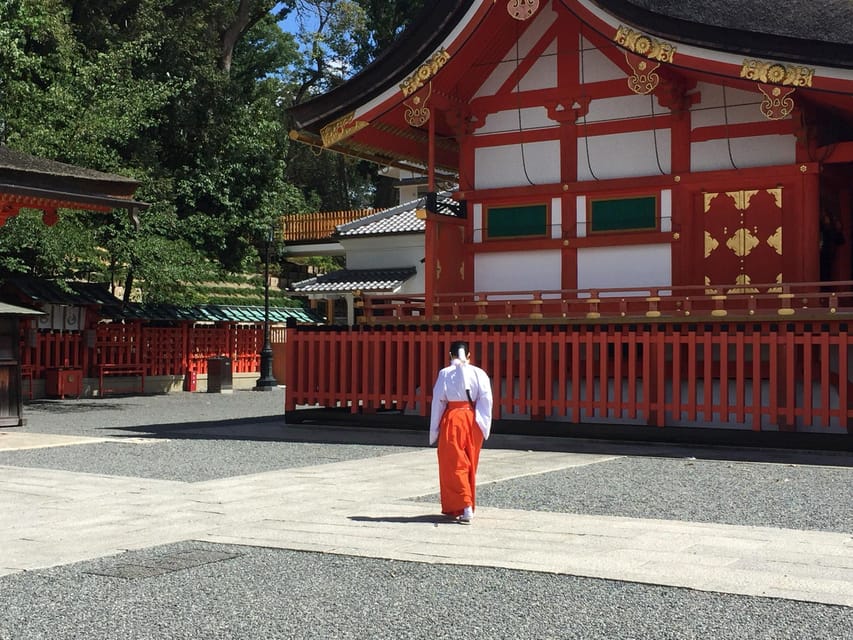
Roberto is the name you will see referenced most in the experience details. The strongest praise ties to how he explains culture clearly, without being pushy or heavy.
A big advantage is the iPad visuals. When you can see what the guide is referring to, it is easier to connect the story to the exact spot you are standing in. That is especially helpful for places like Kiyomizudera and Fushimi Inari, where people can feel like they are just following lines or stepping stones.
Another highlight is photo-taking. Roberto can take as many pictures of you as you want, which solves the annoying problem of trying to capture good shots while also reading signage and listening.
If you like structured walking with room for questions, this kind of guided half-day usually lands well.
Price and value: why $90 can make sense for this mix
At about $90 per person for a 4-hour private tour, the price feels fair when you look at what is included and what it replaces.
You get:
- a Kyoto City Certified Tourist Guide
- explanations with iPad images
- photo-taking support
- a route that covers Fushimi Inari, Kiyomizudera, Ninen-zaka and Sannen-zaka, and the walk into Gion
What is not included:
- food and drinks
- transportation fees
- entrance fee to Kiyomizudera (500 yen)
In plain terms, you are paying for guided interpretation and time efficiency. The two big temples alone can eat up a half day, and doing it without a guide often leaves you with a lot of questions. Here, you get the why behind the where.
Also, the group is private. That is usually where value improves, since a guided explanation makes more sense when you can ask questions and move at a comfortable pace.
Timing, walking pace, and what you should bring
This is a half-day that runs about four hours total. You move by public transit between sites, with walking connecting the key stops.
The day includes:
- a short train ride to reach Fushimi Inari
- about 75 minutes at Fushimi Inari
- a train ride onward (around 30 minutes)
- about 80 minutes at Kiyomizudera
- short walking stretches through Ninen-zaka and Sannen-zaka
- final walk into Gion
What to bring is straightforward:
- comfortable shoes
- water
- comfortable clothes
- cash
You should also plan for luggage limits. Smoking is not allowed, and you should not bring luggage or large bags.
Fitness note: this tour is not suitable for people with back problems, mobility impairments, wheelchair users, visually impaired people, people over 75 years, or people with low level of fitness. If any of those apply, it is worth choosing a different style of Kyoto outing with less walking.
How to decide if this tour matches your Kyoto style
You should book this tour if you want:
- one guide-led loop that hits Fushimi Inari, Kiyomizudera, and Gion
- explanations about Shinto at Inari and the “power spots” idea at Kiyomizudera
- learning about geisha and maiko culture in Gion, not just photos
- a guide who takes pictures for you and uses iPad visuals to keep things understandable
You might skip it if:
- you have trouble with stairs or walking long distances
- you prefer totally independent wandering without any guided structure
- you want food built into the program, since food and drinks are not included
Should you book this Kyoto: Kiyomizu-dera, Fushimi Inari & Gion Geisha District tour?
If your Kyoto plan has only a half day, this tour is one of the most practical ways to connect major sights with real context. The best part is not the checklist. It is Roberto’s ability to explain what you are seeing, plus the photo support that makes the day feel easy.
Just be honest about your walking comfort. If you can handle temple steps and the torii-gate stroll, this is a strong value at around $90, especially because transportation and entrance fees are kept separate and you can plan your budget with cash in hand.
FAQ
How long is the Kyoto tour?
It lasts about 4 hours.
Where do we meet?
Meet in front of the door of 7-Eleven at JR Kyoto Station Bldg. 1F. Use the Kyoto Tower side exit.
What sites are included?
You visit Fushimi Inari Taisha, Kiyomizudera, walk through Ninen-zaka and Sannen-zaka, and end in Gion.
Is the guide’s entrance fee included?
The guide’s entrance fees and transportation are not something you need to pay.
Are entrance fees included for the temples?
No. Kiyomizudera entrance fee is 500 yen (approximately US$3.10) and is not included.
Is transportation included in the price?
Transportation costs are not included. The tour uses public transportation (city bus and train).
What languages is the live guide available in?
The live tour guide is available in English and Spanish.
Is food and drinks included?
No, food and drinks are not included.
Who should avoid this tour?
It is not suitable for people with back problems, mobility impairments, wheelchair users, visually impaired people, people over 75 years, or people with low level of fitness.
Popular Geisha District Walks in Kyoto
- Kyoto Geisha Walking Tour: Gion District & Hidden Gems
★ 4.7 · 3,273 reviews - Kyoto: Gion Geisha District Walking Tour – Stories of Geisha
★ 4.7 · 2,187 reviews - Best of Kyoto: Gion, Geisha, Pagodas & Cobblestones
★ 4.9 · 2,058 reviews - Night Walk in Gion: Kyoto’s Geisha District
★ 4.5 · 2,003 reviews
Newly listed around Kyoto
- Taste of Nishiki Market Walking Food Tour with Local guide★ 5.0 · 17 reviews
- Kyoto: Sushi Making Class with Sushi Chef★ 4.8 · 64 reviews
- Simple Plan with Maiko★ 4.4 · 10 reviews
- Shibori Furoshiki Course at Kyoto Shibori Museum★ 5.0 · 21 reviews
- Kyoto: City Secrets eBike Tour★ 4.9 · 196 reviews
- Sacred Pathways: Discover the Philosopher’s Path of Kyoto★ 4.9 · 20 reviews
- Private Tour to Monkey Park and Arashiyama Highlights★ 5.0 · 22 reviews
- Private Nara Tour from Osaka – Meet at Your Hotel★ 5.0 · 22 reviews
Geisha District Walks, compared.

Kyoto Geisha Walking Tour: Gion District & Hidden Gems
Read our review →
Gion Geisha District Walking Tour – Stories of Geisha
Read our review →
Best of Kyoto: Gion, Geisha, Pagodas & Cobblestones
Read our review →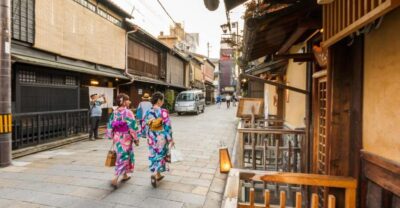

Kyoto Night Foodie Tour in Gion (9+ dishes + 6 Sake tastings)
Read our review →
Kyoto Gion Geisha District Walking Tour – The Stories of Geisha
Read our review →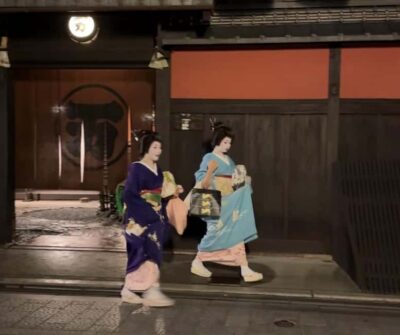
Gion Magical Night Walking Tour with Geisha Insights
Read our review →
Kyoto Gion Night Walk & Geisha District Guided Tour
Read our review →Browse the lists this tour appears in