
Review · GEISHA DISTRICT WALKS
Kyoto Magical Night English Tour: Gion & Fushimi Inari Shrine
Kyoto at night has a quiet magic. This 2.5-hour guided walk strings together Fushimi Inari and Gion after dark, when the torii glow and the old streets feel calmer. I especially like that the tour leans into the why, not just the what, with a guide who explains shrine and temple etiquette as you go. One thing to plan around, the route is built for walking, so you’ll want good shoes and a decent pace.
My favorite part is the value mix: the guide is included, shrine and temple admissions are free, and you get professional photos without having to stop every two seconds. The second big win for me is timing. You get classic Kyoto sights in the evening light, when it’s easier to take photos and pay attention to details (instead of just squeezing through crowds).
In This Review
- Key Highlights You’ll Feel Fast
- Entering Kyoto After Dark: What Makes This Night Route Work
- Price and Logistics: Why This Tour Is Such Good Value
- Stop 1, Fushimi Inari-taisha at Night: The Torii Gates Feel Different
- Stop 2 and 3, Hanamikoji Street and Gion: The Old Kyoto Show, Without the Daytime Noise
- Stops 4, 5, and 8: Shrines and Prayers That Explain the Why
- Yasui-Konpiragu: For Ending Bad Relationships
- Yasaka Pagoda (Hokanji Temple): Nails or No Nails?
- Yasaka Shrine: Protection and Prosperity, Plus a Big Network
- Stops 6 and 7, Sannenzaka, Ninenzaka, and Nene-no-Michi: Old Streets You Can Actually Feel
- Sannenzaka and Ninenzaka: The Stone-Paved Time Machine
- Nene-no-Michi: A Serene Path With Historical Links
- The Guide Factor: How People Like Ikki, Yui, Yuri, Yuki, Mariko, and Joi Change the Tour
- Photo Stops and Night Visibility: When Professional Help Saves Your Battery
- Best Times and Weather Notes: Rain Adds Magic, But Come Prepared
- Who This Kyoto Night Tour Fits Best
- Should You Book This Kyoto Magical Night Tour?
- FAQ
- How long is the Kyoto Magical Night English Tour?
- What are the main stops on the tour?
- Are temple and shrine admission fees included?
- Is the tour’s price inclusive of public transportation?
- Are photos included in the tour?
- Is this tour private?
- What if I’m late to the meeting point?
Key Highlights You’ll Feel Fast
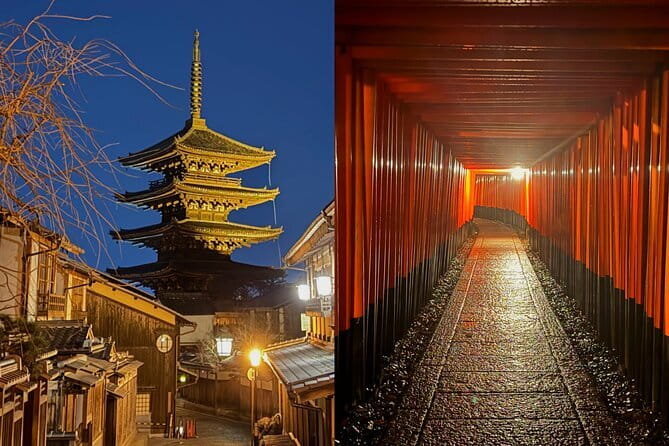
- Glowing Fushimi Inari with photo-friendly pacing and a guide who knows the flow.
- Gion’s evening streets around Hanamikoji, with a real sense of old Kyoto.
- Shrines with meaning, including Yasui Konpiragu and Yasaka Shrine.
- Old-street walking through Sannenzaka, Ninenzaka, and Nene-no-Michi.
- Professional photo stops built into the route, so you don’t waste time coordinating shots.
- English guidance that feels personal, and in at least some cases the tour can run as a small or effectively private group.
Entering Kyoto After Dark: What Makes This Night Route Work
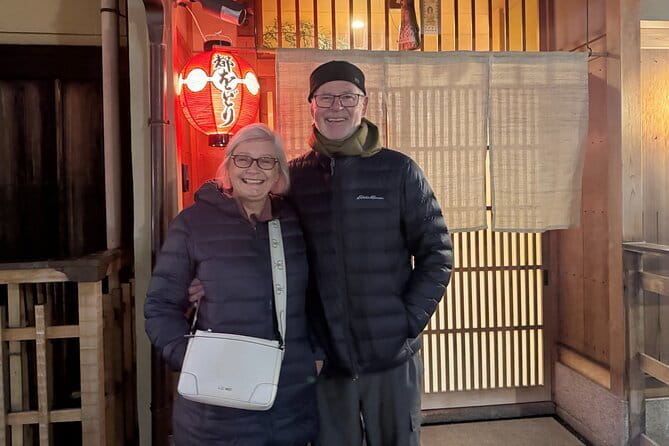
This tour is designed as a walking loop through Kyoto’s most story-rich neighborhoods, starting and ending at the same spot near public transit. The big idea is simple: you see iconic places like Fushimi Inari and Yasaka Shrine, but you experience them in the soft evening rhythm when signage, lantern light, and temple atmosphere do more than daylight crowds usually allow.
I like that the pace is structured. You’re not left wandering with a map and guesswork. Your guide keeps you moving between the stops listed, and you get short windows at each place so you can look, pause, and understand without burning the whole night on one photo spot.
There’s also a practical expectation set up front. You’re doing a walking experience with moderate fitness needs, so plan for time on your feet. If you tend to power-walk while sightseeing, you’ll likely enjoy it. If you need lots of long sit-down breaks, this might feel tight.
More Evening Tours in Kyoto
- Night Walk in Gion: Kyoto’s Geisha District
★ 4.5 · 2,003 reviews - Kyoto Night Foodie Tour in Gion (9+ dishes + 6 Sake tastings)
★ 5.0 · 1,762 reviews - Kyoto: Gion Magical Night Walking Tour with Geisha Insights
★ 4.9 · 1,286 reviews
Price and Logistics: Why This Tour Is Such Good Value
At $26.43 per person for about 2 hours 30 minutes, the headline value is that you’re paying for more than entry tickets. You’re getting a local English-speaking guide, and the tour includes admission fees for the temples and shrines on the itinerary. Since these are the places you’d normally want to visit anyway, that part helps your budget feel cleaner.
Your extra cost to remember is transportation, listed as ¥480 per person, plus food and drinks. In other words, you’re not buying a full dinner-and-transit package. But you are buying an evening route that connects several highlights into one guided circuit, which usually costs less than paying for separate tours or trying to stitch together everything on your own while tired.
You should also note the tour is private in the sense that only your group participates. In practice, that can mean a more relaxed feel, and in one example a group ended up with extra guided time because there weren’t many other bookings. If you want your evening to feel like Kyoto with a friend who knows the shortcuts and the etiquette, that structure matters.
Stop 1, Fushimi Inari-taisha at Night: The Torii Gates Feel Different
Fushimi Inari is famous for its thousands of red torii gates winding up Mount Inari. Daytime, it can feel like a highlight machine, everyone moving toward the next photo angle. At night, the lights and the calmer atmosphere make the shrine feel more like a place, not a stop on a checklist.
What you’ll love here is the way the guide handles pacing and respect. The tour is built around walking the grounds and learning what you’re looking at. You’ll also get a smoother experience because you’re not doing the hardest part alone, which is knowing how to move through a famous site without turning it into a traffic jam.
A practical tip: wear shoes that can handle uneven temple paths. Fushimi Inari’s terrain up and around the shrine grounds can be slippery when the weather turns, and evening tours often mean you’re walking longer after a full day on your feet.
Stop 2 and 3, Hanamikoji Street and Gion: The Old Kyoto Show, Without the Daytime Noise
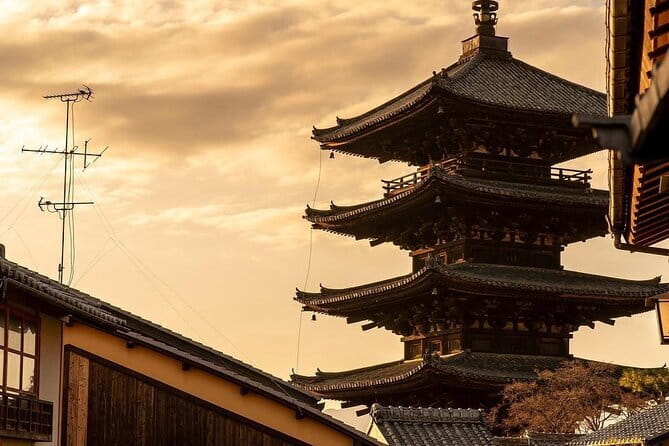
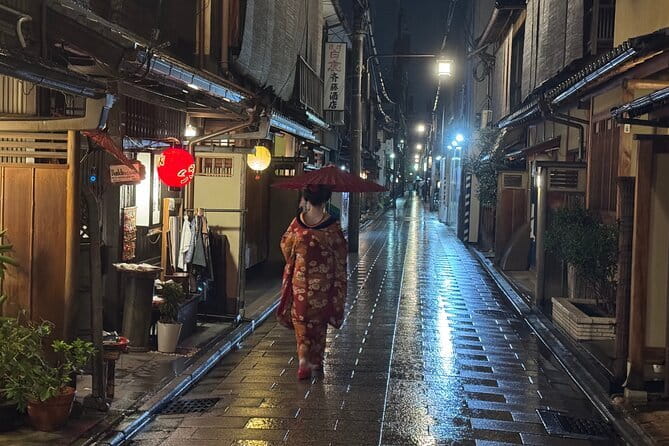
After Fushimi Inari, you shift into Kyoto’s most recognizable “old streets” zone: Gion. The itinerary specifically calls out Hanamikoji Street, a classic lane known for traditional teahouses, historic machiya houses, and the chance to spot geisha and maiko.
Here’s the key expectation to set correctly. Seeing geisha or maiko is never guaranteed. What is realistic is the atmosphere. The guide helps you read the streets, not just photograph them. You’ll learn why Gion matters, what you’re seeing in terms of architecture, and how the district preserves its older character.
I like that the tour keeps these stops short but purposeful. Ten minutes at Hanamikoji and another ten at Gion isn’t trying to overload you. It’s enough time to get the feel of the neighborhood, then move on before you get numb from over-walking.
One small consideration: Gion streets can be lively even at night, especially around popular corners. Your guide’s job is to manage that, so you’re not always stuck behind someone else’s tripod.
More Shrine & Temple Visits in Kyoto
- Kyoto: Fushimi Inari, Kinkakuji, Bamboo Grove 1 Day Bus Tour
★ 4.8 · 4,316 reviews - Kyoto: Tea Ceremony Ju-An at Jotokuji Temple
★ 4.9 · 3,207 reviews - Fushimi Inari Hidden Hiking Tour (Private Option Available)
★ 5.0 · 1,750 reviews - Osaka/Kyoto:Kinkakuji,Arashiyama,FushimiInariShrine,NaraPark
★ 4.1 · 1,596 reviews
Stops 4, 5, and 8: Shrines and Prayers That Explain the Why
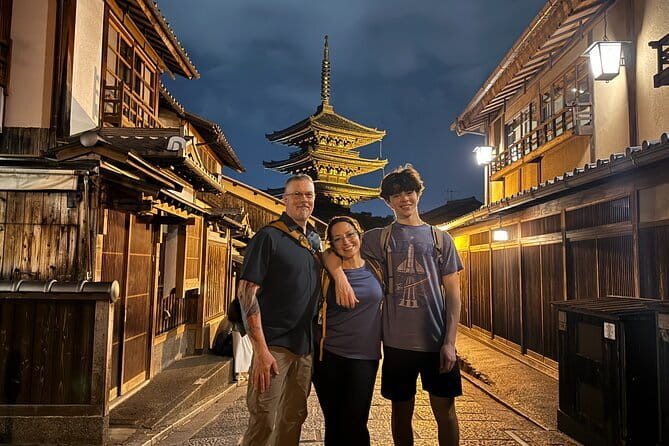
This tour doesn’t treat shrines as background scenery. It leans into meaning, and that’s where the night walk becomes more than photos.
Yasui-Konpiragu: For Ending Bad Relationships
Yasui Konpiragu is known as a powerful shrine for severing bad relationships. People come to pray for the end of negative ties and for more positive connections. A practical detail you might appreciate is that you may want to bring coins for wishing, since this shows up in guidance during the experience.
The way to get more out of this stop is to slow down briefly and follow the guide’s cues on how to pay respects. A quick etiquette lesson can turn a “look and leave” visit into something more personal.
Yasaka Pagoda (Hokanji Temple): Nails or No Nails?
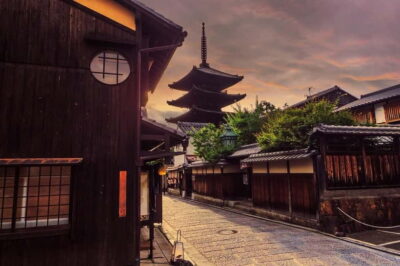
Next is Yasakanoto, the Yasaka Pagoda, connected with Hokanji. The itinerary highlights one specific reason it’s unforgettable: it’s one of the oldest wooden structures in Japan, and the sheer scale makes it hard to believe it was built without using nails.
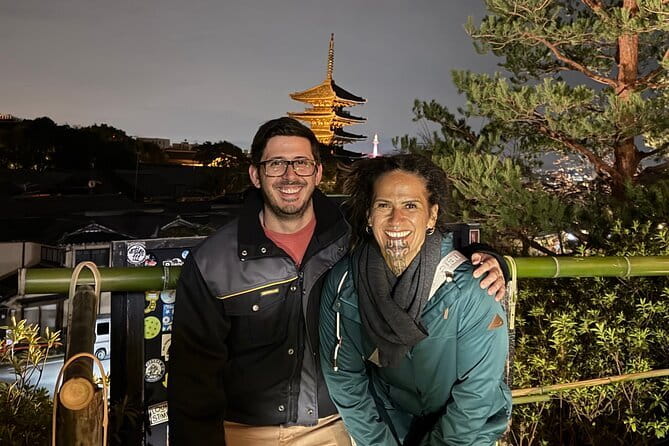
At this stop, I’d expect you to do the classic Kyoto visitor thing, which is staring upward. The scale hits harder at night because you can see the silhouette and structure without the same glare you get in daytime.
Yasaka Shrine: Protection and Prosperity, Plus a Big Network
The final shrine stop is Yasaka Shrine, described as the headquarters of 2,300 related shrines across Japan. It’s dedicated to the gods of prosperity and protection, so it fits perfectly with a night tour that ends with a sense of “you’ve finished your Kyoto intro.”
If you want to get a little more than sightseeing here, listen carefully to what your guide explains. When you understand why people visit a shrine, the place stops being just architecture and starts feeling like living tradition.
Stops 6 and 7, Sannenzaka, Ninenzaka, and Nene-no-Michi: Old Streets You Can Actually Feel
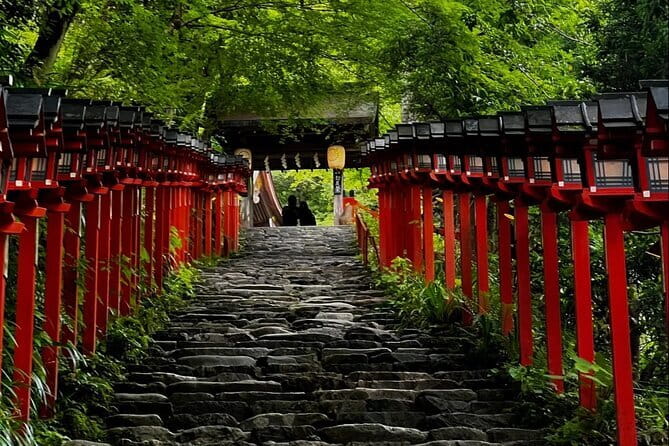
After the shrines, the tour shifts to street-level Kyoto, where the details are the whole point.
Sannenzaka and Ninenzaka: The Stone-Paved Time Machine
Sannenzaka and Ninenzaka are traditional stone-paved lanes lined with souvenir shops and restaurants housed in historic wooden buildings. Walking here feels like stepping back in time, because the street form and the building style are part of the experience, not just the backdrop.
Even if you’re not shopping, this is a strong stretch for photos and for taking in the texture of Kyoto. At night, the mood can be gentler, and you can sometimes move more freely than you would on a busy daytime loop.
Nene-no-Michi: A Serene Path With Historical Links
Then you get Nene-no-Michi, a quieter route named after Nene, the wife of a powerful Japanese shogun. The itinerary describes it as a peaceful walk through Kyoto’s cultural areas, passing historic temples.
This is where I’d aim to let your feet slow down a notch. It’s not just “more walking,” it’s a change in rhythm. If you like quieter paths and you enjoy seeing temple grounds from street approaches, you’ll probably find this section helps the tour feel balanced, not rushed.
The Guide Factor: How People Like Ikki, Yui, Yuri, Yuki, Mariko, and Joi Change the Tour

The tour’s biggest repeat theme in the guide feedback is how much the guide shapes the experience. Names you might see associated with this tour include Ikki, Yui, Yuri, Yuki, Mariko, and Joi. Across different groups, the common pattern is clear: guides don’t just point. They explain, and they help you navigate.
In some cases, guides use visual aids like laminated charts with explanations and graphics. That’s not just neat. When you can see diagrams of what a shrine teaches or what features mean, you can follow along even when the surroundings are busy or dark.
Also, several guides are praised for being easy to talk to and friendly, not robotic. If you ask questions about customs or practical stuff like how to move through neighborhoods, you’re more likely to get useful answers, not a generic script.
And yes, pace matters. More than one person noted that guides walk fast. That can be great for coverage in a short night, but if you’re slower, ask your guide at the start to match your pace so you don’t feel like you’re sprinting.
Photo Stops and Night Visibility: When Professional Help Saves Your Battery
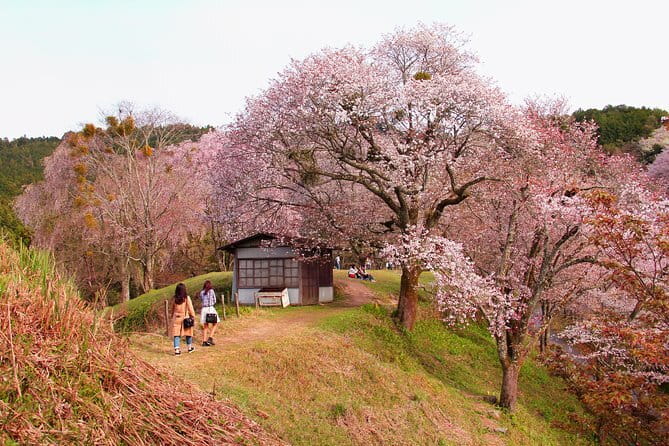
The tour includes professional photos taken during the experience. I love this because at night your phone battery drops fast, and night photos can be hit or miss. A guide-led photo moment also helps you get better positioning without spending time figuring it out while you stand in the wrong spot.
Bring a fully charged phone anyway, but don’t plan on relying on it for everything. You’ll be moving between shrines and streets, and the tour already builds in photo moments so you can keep enjoying the sights instead of constantly switching roles between tourist and photographer.
Best Times and Weather Notes: Rain Adds Magic, But Come Prepared
This is a night tour, so you’re dealing with evening temperatures and sometimes mist or drizzle. One recurring sentiment is that rain does not ruin the magic, and some guides handle it well. Still, you should plan like a grown-up about comfort.
Bring a small umbrella or a light rain layer, and keep an eye on slippery stone paths. Kyoto’s traditional lanes look dramatic in wet weather, but they can be slick underfoot. That matters more than you think until you’re halfway down Sannenzaka.
Who This Kyoto Night Tour Fits Best
This tour is ideal if you want a guided introduction to Kyoto’s spiritual sites and historic districts without building your own route from scratch.
It’s especially good for:
- First-time Kyoto visitors who want a tight loop of highlights in 2.5 hours
- People who care about Shinto shrines and Buddhist temple basics and want etiquette explained
- Anyone who likes night photos, but would rather have someone else handle the best angles
- Small groups who prefer a more personal guide experience (including a potentially smaller group feel)
It may not be the best fit if:
- You strongly dislike walking and need long rest stops
- You want unlimited time in just one place, since each stop is paced to keep the whole evening moving
- You need a completely flexible route, because the itinerary has set destinations and time windows
Should You Book This Kyoto Magical Night Tour?
If you want a compact, high-value evening that connects Fushimi Inari, Gion, and several major shrine and temple stops, I think this is an easy yes. The price makes sense for what’s included, and the free shrine and temple admissions plus professional photos take pressure off your planning.
Book it if you’re excited to learn what you’re seeing, not just collect pictures. Skip it only if walking for 2.5 hours sounds miserable, or if you prefer to explore without any guide direction at all. For most people, especially those doing Kyoto for the first time, this is one of the more satisfying ways to understand Higashiyama after dark.
FAQ
How long is the Kyoto Magical Night English Tour?
It runs for about 2 hours 30 minutes.
What are the main stops on the tour?
You’ll visit Fushimi Inari-taisha Shrine, Hanamikoji Street and Gion, Yasui-Konpiragu, Yasakanoto (Yasaka Pagoda at Hokanji), Sannenzaka and Ninenzaka, Nene-no-Michi, and Yasaka Shrine.
Are temple and shrine admission fees included?
Yes. Admission fees for all temples and shrines are included.
Is the tour’s price inclusive of public transportation?
No. Public transportation fare is listed as ¥480 per person and is not included.
Are photos included in the tour?
Yes. Professional photos are taken during the tour.
Is this tour private?
Yes. Only your group will participate.
What if I’m late to the meeting point?
If you’re late for the meeting time, you will not be able to join the tour or receive a refund.
More Evening Experiences in Kyoto
- Kyoto Gion Night Walk & Geisha District Guided Tour
★ 5.0 · 786 reviews - Kyoto Ghost Tour: Dark Tales, Urban Legends, Bamboo Forest Night
★ 5.0 · 625 reviews - Kyoto Bar Hopping Night Tour
★ 5.0 · 613 reviews - Kyoto Night All-Inclusive Eats and Streets, Gion and Beyond
★ 4.7 · 601 reviews
Popular Geisha District Walks in Kyoto
- Kyoto Geisha Walking Tour: Gion District & Hidden Gems
★ 4.7 · 3,273 reviews - Kyoto: Gion Geisha District Walking Tour – Stories of Geisha
★ 4.7 · 2,187 reviews - Best of Kyoto: Gion, Geisha, Pagodas & Cobblestones
★ 4.9 · 2,058 reviews - Kyoto Gion Geisha District Walking Tour – The Stories of Geisha
★ 5.0 · 1,441 reviews
Newly listed around Kyoto
- Zen Meditation for Life in Kyoto★ 5.0 · 10 reviews
- Kyoto: Zen Meditation at a Private Temple with a Monk★ 5.0 · 25 reviews
- Kyoto Private Customizable Day Tour with Guide and Vehicle★ 5.0 · 52 reviews
- Private Wagyu Beef Tour with a Local Guide★ 5.0 · 6 reviews
- Kyoto: Gion Geisha District & Sake-in-Hand Walking Tour★ 5.0 · 37 reviews
- Your Private Vacation Photography Session In Kyoto★ 5.0 · 110 reviews
- Private Guided Traditional Buddhist Cooking in Japan★ 5.0 · 16 reviews
- Private Pewter Sake Cup Experience with a Kyoto Artisan★ 5.0 · 31 reviews
Geisha District Walks, compared.
Kyoto Geisha Walking Tour: Gion District & Hidden Gems
Read our review →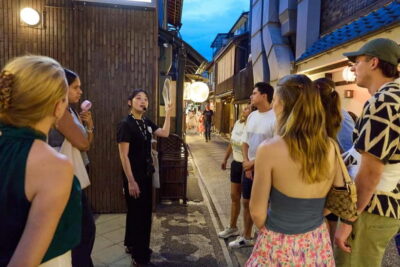
Gion Geisha District Walking Tour – Stories of Geisha
Read our review →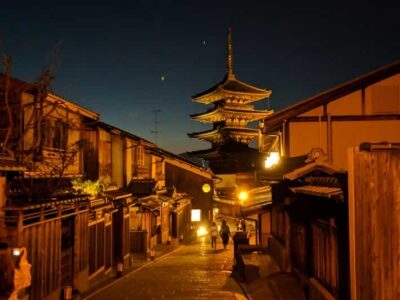
Best of Kyoto: Gion, Geisha, Pagodas & Cobblestones
Read our review →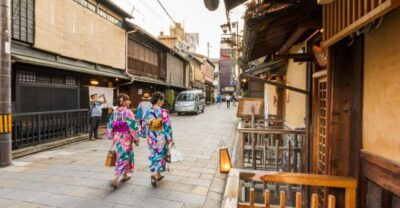

Kyoto Night Foodie Tour in Gion (9+ dishes + 6 Sake tastings)
Read our review →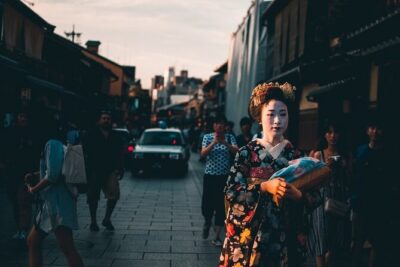
Kyoto Gion Geisha District Walking Tour – The Stories of Geisha
Read our review →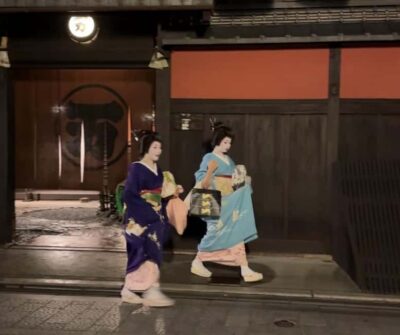
Gion Magical Night Walking Tour with Geisha Insights
Read our review →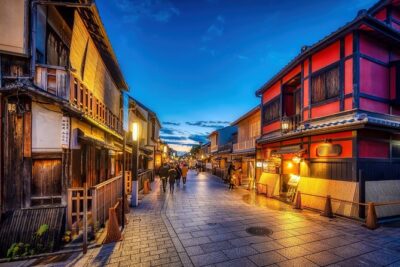
Kyoto Gion Night Walk & Geisha District Guided Tour
Read our review →Browse the lists this tour appears in