Review · MATCHA & TEA CEREMONY SESSIONS
Kimono Tea Ceremony Experience at Kyoto Oritzuruya, Nishiki
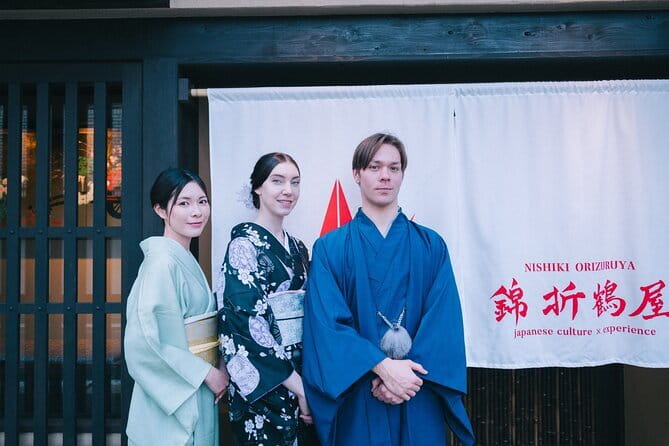
Your Kyoto day can start with a kimono. This small-group tea ceremony at Nishiki Orizuruya (max 10 people) turns a culture lesson into a hands-on experience. I like how you pick your own kimono from 200+ designs and get assisted dressing, and I also like that you actually make your own matcha with a traditional chasen whisk in the tea room.
The setting feels elegant, but there is a practical, tourist-friendly flow here. If you expected a long, deeply participatory tea ceremony with lots of spoken nuance and quiet spiritual pacing, you may find it a bit more perform-and-participate than you hoped.
In This Review
- Key highlights at a glance
- Kyoto Kimono Tea Ceremony at Nishiki Orizuruya: What You’re Really Signing Up For
- Where You Meet, and Why Location Matters Near Nishiki Market
- Timing and the Rhythm: Dressing Takes Time, Tea Happens When It’s Ready
- Picking Your Kimono From 200+ Designs (and Actually Getting Dressed)
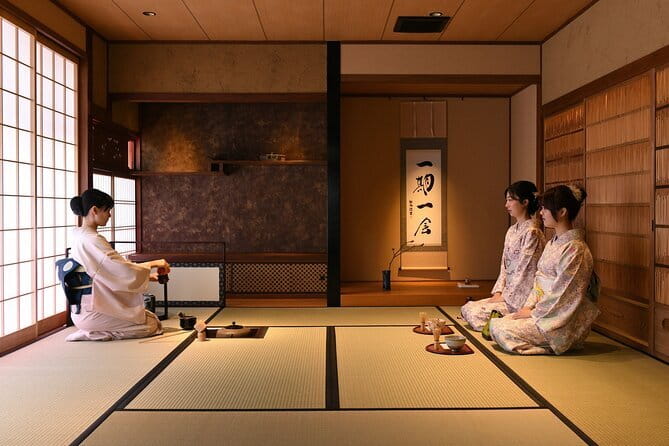
- The Tea Room Rituals: Matcha With a Chasen, Plus Purification Steps
- Wagashi and What to Taste During Your Matcha Break
- Optional Calligraphy: Your Brush Skill Comes Home With You
- How Photo-Friendly Is This, and How to Keep It From Feeling Commercial
- Price and Value: Is $50.87 Worth It?
- Who Should Book This Kimono and Matcha Workshop
- Should You Book This Kyoto Tea Ceremony and Kimono Experience?
- FAQ
- Where is the meeting point for the kimono tea ceremony?
- How long does the experience last?
- Is transportation or hotel pickup included?
- What’s included in the price?
- Do I have to use my smartphone for the voucher?
- How big is the group?
- Is the kimono experience limited by size?
- Can I add calligraphy to the experience?
- What if the weather is bad?
- Can I cancel for a full refund?
Key highlights at a glance
- 200+ kimono designs so you can choose a look that fits your style, not just whatever is left
- Maximum 10 guests for a calmer atmosphere during dressing and the ceremony
- Kimono dressing help plus hair styling for women, including choosing accessories like obi and hair ornaments
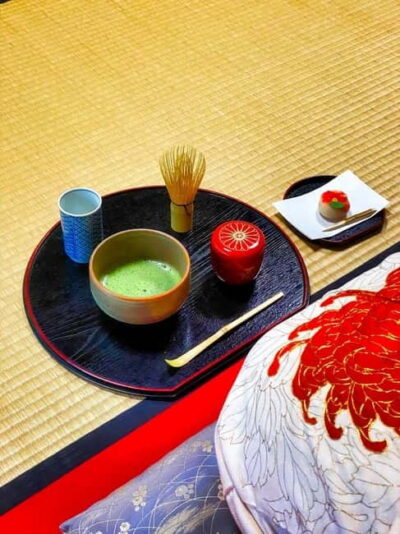
- Hands-on matcha prep using a bamboo whisk (chasen), then you drink what you made
- Wagashi and matcha snack pairing to balance the flavors
- Optional calligraphy add-on for a take-home souvenir you can keep for years
Kyoto Kimono Tea Ceremony at Nishiki Orizuruya: What You’re Really Signing Up For
This is a Kyoto workshop where you start as a visitor and end as someone who can actually make matcha. The “tea ceremony” part is real and guided, but the experience also puts serious focus on the kimono dressing process. That mix is why it works for many people, even if you are not sure what to expect from Japanese etiquette.
The basic shape is simple: check in, choose a kimono, get dressed and styled, go to the tea room, learn the steps, whisk matcha, and enjoy it with sweets. If you add calligraphy, you’ll also get time to learn brush basics and create your own piece.
My practical take: if you want a day in Kyoto where you feel like you stepped into the culture, not just watched it, this fits well. If you want a strict, quiet tea-arts immersion with minimal photography energy, you may want to manage expectations.
More Kimono Rentals in Kyoto
- Kimono Tea Ceremony at Kyoto Maikoya, NISHIKI
★ 5.0 · 911 reviews - Kyoto: Kimono Rental with Hairstyling and Accessories
★ 4.8 · 653 reviews - KYOTO Tea Ceremony with kimono near by Imamiya Jinjya Shrine
★ 5.0 · 343 reviews
Where You Meet, and Why Location Matters Near Nishiki Market
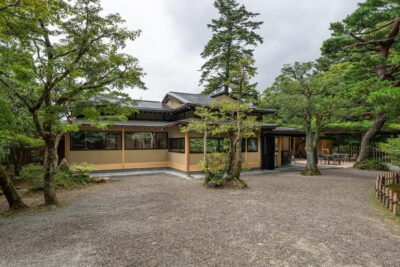
You meet at Nishiki Orizuruya, 452 Jūmonjichō, Nakagyo Ward, Kyoto, 604-8121. The big advantage is that you are near Nishiki Market, one of the easiest places in Kyoto to orient yourself. That means you can pair this activity with wandering nearby shops after you’re done, instead of hauling across town.
You should also know it is not a hotel pickup. Plan to get yourself there using public transportation, then you’re set. The good news is that the meeting point is described as near public transportation, which usually means less hassle and fewer taxis.
The experience ends back at the meeting point, so you do not have to figure out a complicated end location. You can simply continue exploring from the same area you started.
Timing and the Rhythm: Dressing Takes Time, Tea Happens When It’s Ready
Duration is listed as about 1 hour 30 minutes. That time block includes kimono dressing and the tea ceremony activities, and it tends to feel structured: there is a check-in moment, then a longer dressing stretch, then a guided tea room segment.
One review theme is worth highlighting: some people felt there is more waiting than they expected. Even when the staff are kind and efficient, dressing takes stages, and groups move in an organized way. Another theme is that the ceremony can feel a bit short. In other words, you get real steps and real matcha, but you might not get a long, slow tea education session.
If you thrive on clear schedules and you enjoy the kimono experience as much as the tea lesson, this pacing usually feels fine. If you want deep storytelling and long ritual time, build in extra time for your own follow-up reading and reflection later.
Picking Your Kimono From 200+ Designs (and Actually Getting Dressed)
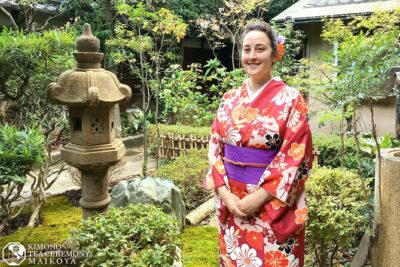
This part is the headliner for many people, and for good reason. You do not just get handed a random robe. You select your favorite kimono from over 200 designs, then staff help you into it. It’s a hands-on, tactile experience that feels playful and a little glamorous.
For women, complimentary hair styling is included. Reviews mention women getting beautiful hairstyles and hair accessories like hair sticks and hair flowers, not just a basic fix. There is also mention of wide selection for different body types. One reviewer who is plus sized said they had many options and plenty of choices, and the staff made it work.
What you should expect during dressing:
- Staff help you put on the kimono
- You choose accessories, like hair ornaments and the sash details (obi and related pieces)
- There may be a small photo moment while you’re fully dressed
- You’ll end up with the full look, including sandals
Practical note: this is a hands-on dressing experience. If you have mobility concerns, it’s still worth checking in, because one review notes they accommodated an older guest who couldn’t sit on the floor by bringing a small table and chair. That is a good sign that the team thinks about comfort.
If you are the kind of traveler who worries about getting everything right, this is the advantage. The staff handle the tricky bits, and you get to enjoy the process.
More Market Walks in Kyoto
- Nishiki Market Brunch Walking Tour (7 Tastings + Brunch)
★ 5.0 · 1,355 reviews - Kyoto Nishiki Market Food and Culture Walking Tour
★ 5.0 · 412 reviews - Kyoto: Nishiki Market Tea Ceremony with Koto Performance
★ 4.8 · 294 reviews - Kyoto: Nishiki Market Brunch Walking Tour-7 Tastings+Brunch
★ 4.8 · 197 reviews
The Tea Room Rituals: Matcha With a Chasen, Plus Purification Steps
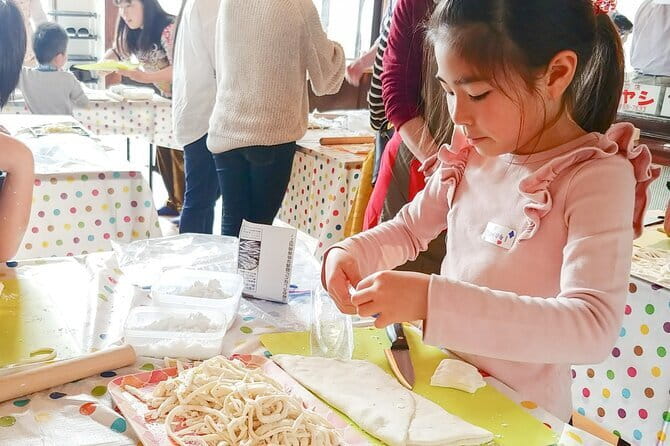
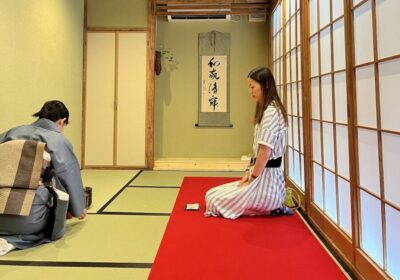
Once you’re in the tea room, you’ll be guided through the rituals. You learn the grace and order behind the movements, and the “how” matters. One review specifically praised learning about the purification process that happens before the tea ceremony begins.
The matcha part is where you go from watching to doing. You’ll learn how to prepare matcha using a traditional bamboo whisk, the chasen, and then you try making your own bowl. That gives you a skill, not just a memory.
What makes this step valuable:
- Matcha whisking is not instant. You’ll feel the difference between quick stirring and the correct technique.
- You get to experience the final taste right away, so the lesson sticks.
- The ceremony is quiet enough that it can feel calming, even for people who are usually “always on.”
Balanced reality check: a low-star review complains that the ceremony can feel performative, with guests mostly watching and doing limited actions like stirring and frothing. That does not sound like the overall pattern from the high-rating feedback, but it is a fair warning if you are expecting to take every role in a full traditional sequence.
If you are okay with guided participation and you mainly want to learn matcha steps and tea etiquette basics, you’ll likely feel satisfied.
Wagashi and What to Taste During Your Matcha Break
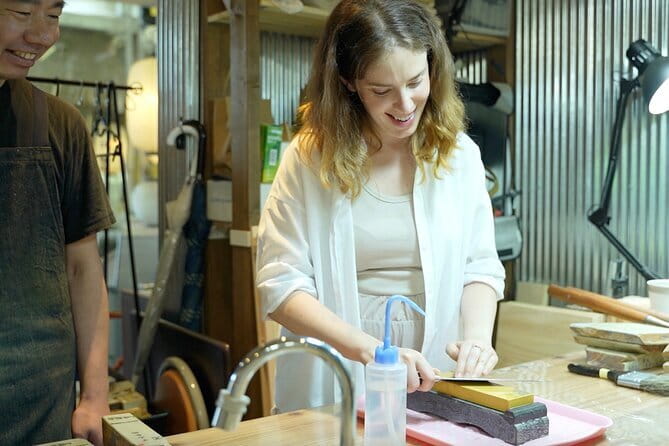
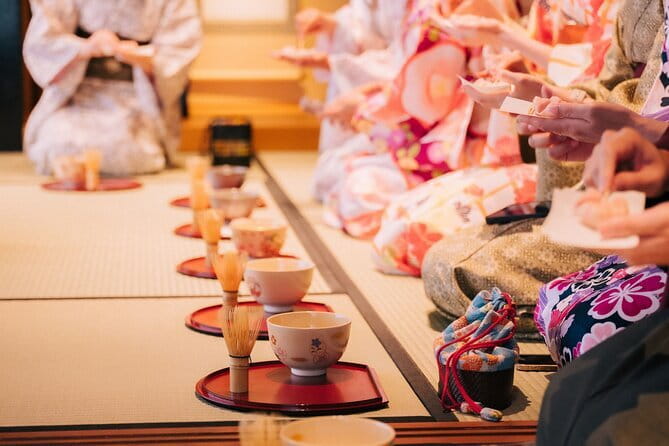
You get snacks: wagashi and matcha. You also enjoy your tea with exquisite Japanese sweets from a century-old confectionery (as described in the experience overview). That matters more than it sounds. The sweetness is not there to mask matcha. It’s there to balance the flavor and help you experience the contrast that tea rooms often use.
As you taste, focus on:
- The bitterness and depth of the matcha
- The sweetness and texture of the wagashi
- How the matcha flavor changes as it cools slightly in your cup
A small but useful tip: if you are sensitive to strong flavors, start slow. Matcha is bold, and doing it fresh in a small group setting is part of the charm, but you still get to control your pace.
Optional Calligraphy: Your Brush Skill Comes Home With You
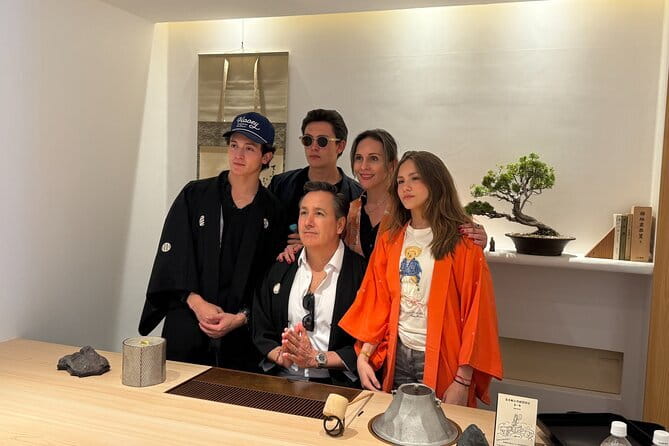
If you add the calligraphy session, you get to learn basic brush techniques and create your own piece. Reviews mention calligraphy as a highlight, and at least one person chose a personal kanji and was delighted with the result.
This is a smart add-on if you want a souvenir with meaning. A photo is fun, but a brush piece becomes a talking point at home. It also slows the experience down in a good way. After matcha and kimono dressing energy, calligraphy offers a calmer, focused activity.
If you are on the fence, I’d treat it as optional value. The tea ceremony teaches you a skill. Calligraphy gives you a tangible keepsake and a different cultural art form.
How Photo-Friendly Is This, and How to Keep It From Feeling Commercial
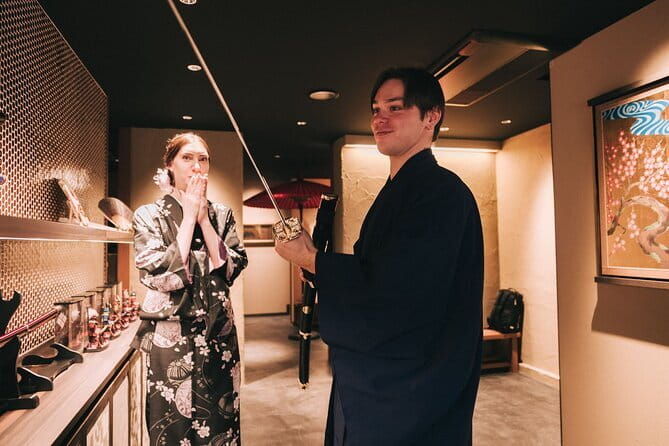
This experience can look like a picture set when you arrive. People are choosing kimono patterns, fixing hair ornaments, and being guided into place. That’s normal. Kyoto has plenty of quiet spaces, but this workshop is intentionally designed so you leave with the full kimono moment.
So the question is not whether there are photos. It’s whether the experience still feels respectful and educational.
Here’s how you can keep it grounded:
- Pay attention during the purification and ceremony steps, even if your brain is excited about the kimono.
- Ask the guide to explain what you’re doing with the whisk. You’ll remember the lesson more than the photos.
- Treat the wagashi and matcha as part of the ritual, not just a snack break.
One lower review complains it leaned more toward photos than spiritual meaning. On the higher end, many guests praise the teacher as charming, informative, and patient. Your best bet is to show up with the right mindset: this is a cultural workshop with a strong kimono and matcha focus, not a long silent tea meditation.
Price and Value: Is $50.87 Worth It?
At $50.87 per person for about 1.5 hours, this is not a budget bargain. It is a paid workshop, and you’re buying more than tea. You’re paying for:
- Kimono rental and the time of staff helping you dress
- Hairstyling for women
- Tea room guidance and the matcha lesson
- Wagashi and matcha included
- Utensils provided
- All fees and taxes
- A licensed guide
In value terms, the sweet spot is when you really want both sides of the experience. If you just want tea, you can find tea tasting elsewhere in Kyoto for less. If you only want a kimono photo op, this can feel like it is doing more work than you expected.
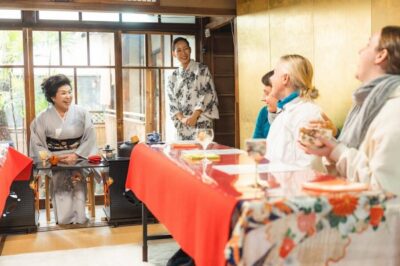
But if you want a structured kimono day plus a hands-on matcha skill, it’s easier to justify the cost. The small-group size also matters. Less crowding makes dressing smoother and the tea room calmer, which is where the experience quality lives.
One more value perk: you may be allowed to keep wearing the kimono outside after the ceremony for the rest of the afternoon until 18:00 when they close, as noted in a review. That extends the “wow” factor beyond the tea room itself.
Who Should Book This Kimono and Matcha Workshop
This works especially well if you:
- Want a small-group Kyoto activity that feels special right away
- Like learning by doing, not just watching
- Want an easy way to understand matcha making fundamentals
- Are excited by kimono dressing and accessories
- Want a cultural souvenir like calligraphy if you add it
It may not be the best fit if you:
- Want a long, deeply traditional ceremony with heavy emphasis on spiritual meaning
- Prefer minimal photography energy
- Have a strong preference for longer Q and A or lecture-style detail (some participants felt the explanation could be deeper)
If you are traveling with a partner, it’s also a nice shared memory. Several reviews describe it as a highlight for couples and families.
Should You Book This Kyoto Tea Ceremony and Kimono Experience?
I think you should book it if you want a fun, guided Kyoto cultural moment with real skill building. The kimono selection from 200+ designs, the guided matcha lesson with a bamboo whisk, and the included wagashi pairing are the core reasons the price makes sense.
Before you book, set expectations: this is a workshop format. It’s not a private tea school that lasts hours. You will learn, you will participate in key actions like whisking and tasting, and you’ll get guidance through the ritual steps, but it is still shaped for visitors.
If you can, add calligraphy. It turns the day from a great photo and tea memory into a keepsake and a second art form. And if you are the type who likes checking off one “Kyoto must” activity near Nishiki Market, this gives you a smooth start and an easy day plan afterward.
FAQ
Where is the meeting point for the kimono tea ceremony?
You meet at Nishiki Orizuruya, 452 Jūmonjichō, Nakagyo Ward, Kyoto, 604-8121, Japan. The experience ends back at the meeting point.
How long does the experience last?
The experience duration is approximately 1 hour 30 minutes.
Is transportation or hotel pickup included?
No. Transportation and hotel pickup and drop-off are not included.
What’s included in the price?
Included snacks are wagashi and matcha. You also get a kimono costume, utensils, and hairstyling (simple style). The price includes all fees and taxes, plus a licensed guide.
Do I have to use my smartphone for the voucher?
Yes. You need to connect your smartphone to the internet and open the website link from your voucher on your smartphone screen. Screenshots or printed tickets are not accepted.
How big is the group?
The experience has a maximum of 10 travelers.
Is the kimono experience limited by size?
The information provided does not list a size policy, but one review notes that plus-sized guests were able to choose from a wide selection and felt they had many options.
Can I add calligraphy to the experience?
An optional calligraphy session is offered. You can add it if it’s selected as part of your booking.
What if the weather is bad?
This experience requires good weather. If it is canceled due to poor weather, you will be offered a different date or a full refund.
Can I cancel for a full refund?
You can cancel for a full refund if you cancel at least 24 hours in advance of the experience start time. Cancellations made less than 24 hours before start time are not refunded.
More Tea Ceremonies in Kyoto
- Kyoto: Tea Ceremony in a Traditional Tea House in Kiyomizu
★ 4.9 · 3,519 reviews - Kyoto: Tea Ceremony Ju-An at Jotokuji Temple
★ 4.9 · 3,207 reviews - Kyoto: 45-Minute Tea Ceremony Lesson Experience
★ 4.3 · 2,378 reviews - Kyoto: Table-Style Tea Ceremony at a Kyo-Machiya
★ 4.9 · 1,211 reviews
Newly listed around Kyoto
- Kyoto Samurai Discovery Samurai Sword Test Cutting Training★ 5.0 · 132 reviews
- Kyoto Sake Brewery Tour with Lunch★ 4.5 · 12 reviews
- Kyoto Sagano Insider: Rickshaw and Walking Tour★ 5.0 · 15 reviews
- Private Food & Sake Tour in Central Kyoto with Sake Sommelier★ 5.0 · 24 reviews
- Ramen Gyoza Onigiri Japanese Cooking Class in Kyoto★ 5.0 · 44 reviews
- Kyoto Rickshaw Tour★ 5.0 · 210 reviews
- Kyoto Ramen Tour★ 5.0 · 22 reviews
- Private Kyoto Customizable Day Tour With English Guide★ 4.5 · 9 reviews
Matcha & Tea Ceremony Sessions, compared.
Tea Ceremony in a Traditional Tea House in Kiyomizu
Read our review →
World Heritage Kyoto & Nara Uji Authentic Matcha Experience
Read our review →