
Review · WALKING TOURS
Kyoto : Private Custom Walking Tour With A Local Guide
Kyoto gets easier with a human map. This private custom walking tour lets you choose your pace and sights, then learn what you are looking at from a guide who can tailor the plan, including a museum stop if you want one.
I also like the mix of famous stops and calmer streets, with guides sharing practical advice for the rest of your Kyoto days. The main catch is simple: it is a walking tour, tickets and food are not included, and you should expect to move on foot and sometimes via public transport rather than by car.
In This Review
- Key highlights you can plan around
- Private Kyoto walking: what this format changes for you
- Pickup, route control, and when a museum fits
- Fushimi Inari to Gion streets: a best-of route that you actually understand
- Daimonji, the Philosophers Path, and heat-smart pacing that saves your day
- Temples vs shrines: the small explanations that change everything
- Tickets, transport, and what you should budget beyond the $62 price
- What you might see on the ground, with guide-style examples
- Who this tour suits best, and who should choose something else
- Should you book this private Kyoto walking tour?
- FAQ
- How long is the Kyoto private custom walking tour?
- Is this tour private or shared?
- What languages are the guides available in?
- Does the tour include hotel pickup?
- Is the tour wheelchair accessible?
- What is included in the price, and what should I pay separately?
- Can I cancel for free, and do I have to pay right away?
Key highlights you can plan around
- Private, customizable route that you shape around your interests and time window
- Hotel pickup in Kyoto if you are staying within the city area
- Museum option if you ask your guide ahead of time, plus help booking tickets when needed
- Heat and pacing control, with guides adjusting information volume for kids and adults
- Real local context, including shrine vs temple explanations and street-level guidance in places like Fushimi Inari and Gion
Private Kyoto walking: what this format changes for you

Kyoto can feel like a greatest-hits album, but it still helps when someone turns it into a story. With a private guide, you are not trying to keep up with a group rhythm. Instead, you can ask questions as you go and get answers right where they matter, from gate to garden to stone path.
I like that this tour is built around walking, which means you see the in-between stuff. The route is not just the “big photo” locations, it is also the streets, venues, and viewpoints that make Kyoto feel like Kyoto. Guides also tend to finish strong by sending you off with ideas for what to do next, including where to eat.
The private setup is especially valuable if you have specific constraints. Kids, slower walkers, people traveling solo, or couples who want photos without rushing all benefit from having the plan adjusted on the fly.
More Walking Tours in Kyoto
- Kyoto Geisha Walking Tour: Gion District & Hidden Gems
★ 4.7 · 3,273 reviews - Kyoto: Gion Geisha District Walking Tour – Stories of Geisha
★ 4.7 · 2,187 reviews - Night Walk in Gion: Kyoto’s Geisha District
★ 4.5 · 2,003 reviews
Pickup, route control, and when a museum fits
You start with pickup in Kyoto if your accommodation is located in the city. That matters more than it sounds. Instead of spending energy figuring out meeting points, you can spend that energy on getting oriented and starting the day smoothly.
The tour is customizable, and the guide can adapt the itinerary to your interests. One very practical detail in the tour description is the mention that you can include a museum visit. If that is on your list, tell your guide ahead of time so it can be timed into the walking rhythm.
You also have flexibility in duration, from 2 hours up to 8 hours. That range is a big deal in Kyoto, where one neighborhood can take longer than you expect. If you only have a short window, I would use the time for an efficient “see, understand, and orient” walk. If you have most of the day, you can combine major sites with quieter districts and still feel like you did more than tick boxes.
A small planning note: the tour includes walking and public transport depending on the option you choose. Car transport is not part of this experience, so you should assume you are building your day around your feet and whatever transit the guide suggests for efficiency.
Fushimi Inari to Gion streets: a best-of route that you actually understand
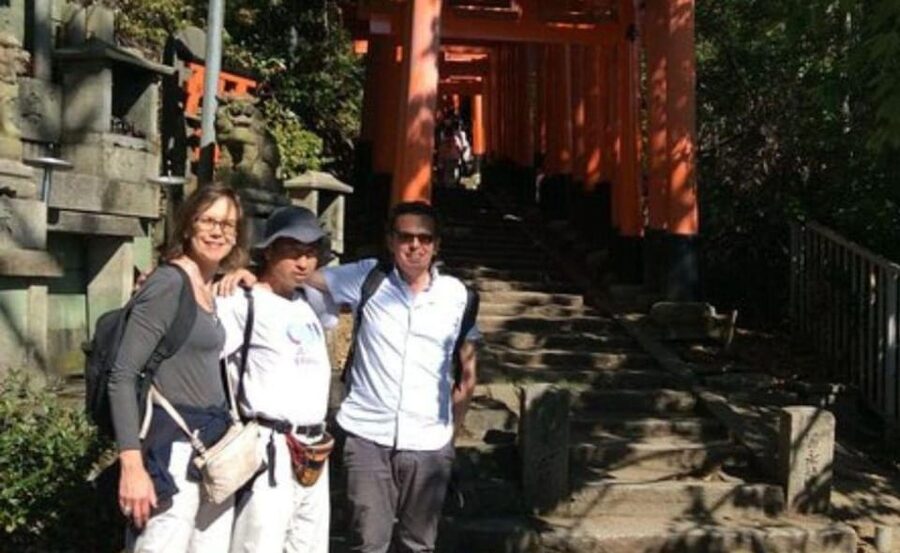
Kyoto has star attractions, and this tour format makes them easier to connect. Many guides build a route that can include Fushimi Inari Shrine, starting with the classic feeling of walking through torii gates. The value here is not just being there, it is having context for what you are seeing while you move through the crowds.
From there, Gion often comes up because it shows a different side of Kyoto street life. If you end up in Gion, you are likely to walk through the atmospheric lanes and see the kinds of details people miss when they only chase landmarks. One guide named Jerome is highlighted for guiding through Gion and adapting the pacing for kids, which tells me this is not a one-size-fits-all route.
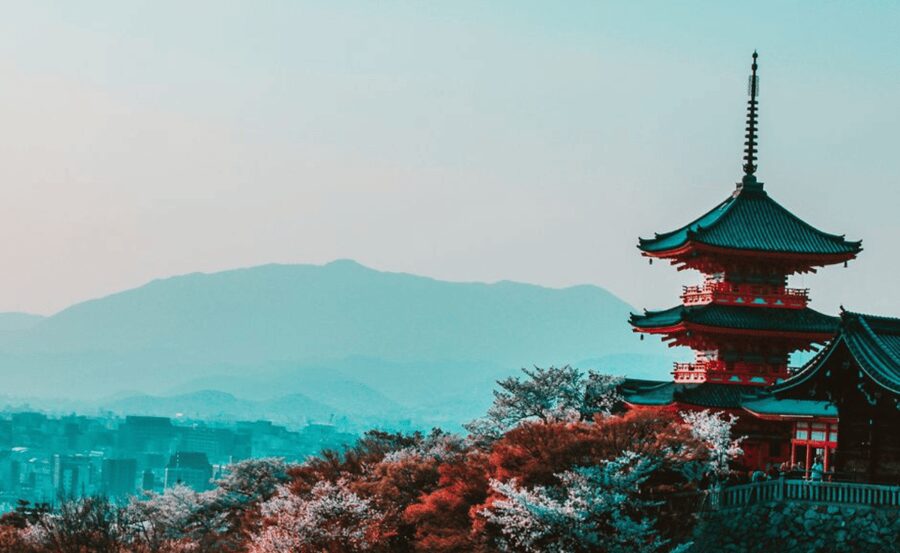
If Kiyomizu-dera enters your day, it can add a major “Kyoto wow” moment. It is listed as a UNESCO World Heritage site in the information you provided, and a guide named Wajid is praised for pacing it well. He also paired that stop with nearby old-street walking in Sannenzaka and Ninenzaka, where he pointed out cultural details and photo spots.
A practical benefit of having a private route is that the guide can choose which side streets to emphasize. That means less time stuck simply trying to interpret what you are seeing, and more time understanding how neighborhoods connect.
Daimonji, the Philosophers Path, and heat-smart pacing that saves your day
Kyoto can run hot, and you do not want your tour to turn into a sweat test. One guide named Kevin is noted for taking people to the trek up Daimonji while being careful about heat. That is a real advantage of booking a private guide, because you can slow down, shorten a section, or shift timing without the whole day collapsing.
Before heading up, Kevin is also praised for explaining the differences between temples and shrines. That type of lesson works best while your feet are actually on the ground. It means you are not memorizing terms later, you are learning how to look, so the city stops feeling random.
After the mountain leg, the same guide route includes Philosophers Path and a visit to Ginkakuji (spelled a couple of ways in the info you shared). This is the kind of sequence that makes sense on foot because it moves from viewpoint energy to quiet walking energy, instead of snapping back and forth between far-flung areas.
If you love gardens and the calmer Kyoto vibe, this style of day is a strong match. If you want only the headline temples, you might still enjoy this pacing, because it shows how Kyoto changes as you move through different “moods” of the city.
A few more Kyoto days to weigh up
- Kyoto Gion Geisha District Walking Tour – The Stories of Geisha
★ 5.0 · 1,441 reviews - Nishiki Market Brunch Walking Tour (7 Tastings + Brunch)
★ 5.0 · 1,355 reviews - Kyoto: Gion Magical Night Walking Tour with Geisha Insights
★ 4.9 · 1,286 reviews - Kyoto Arashiyama Walking Tour: Bamboo, Monkeys, Gardens & Secrets
★ 5.0 · 1,216 reviews
Temples vs shrines: the small explanations that change everything
Kyoto is full of temples and shrines, and you can only pretend to know the difference for so long. A recurring thread in the feedback you shared is that guides take time to explain what you are looking at and what that means.
Temple vs shrine explanations are specifically mentioned, and that kind of clarity is useful. Once you understand the basic concept, you can notice patterns in design and purpose without needing to stop every five minutes and Google something.
This also shows up in how guides handle major indoor and exterior sites. Sanjusangendo Temple is called out with an explanation of the 1,001 Buddha statues. Even if you do not memorize counts, knowing why the place is famous helps you focus your attention instead of drifting.
Another bonus is that guides do not just talk. They also guide behavior: when to pause for photos, how much information to share, and when to move on. Sophie’s praise of a guide who carefully managed how and when information was delivered is the kind of detail that matters on a walking tour. Too much lecture can ruin a day. Too little context makes the photos meaningless. The best guides find the balance.
Tickets, transport, and what you should budget beyond the $62 price

The price is $62 per person, and the real question is: what does that cover in a practical sense? Here is what is clearly included:
- Private walking tour
- Customization
- Hotel pickup if you are staying in the city
- Walking tour and public transport depending on the option selected
- Help from the team to book tickets for the visits you want
What is not included:
- Drink or food
- Tickets to attractions
- Local transportation around the city, with the note that car transportation is not included since this is a walking tour
So you should budget your day for two categories: anything you eat or drink, and entrance fees for attractions you decide to include. The tour helps with ticket booking, but it does not list tickets as included.
In value terms, the best way to think about the price is as payment for your guide’s time plus their ability to route you well. In Kyoto, the difference between a good route and a messy route is hours of walking fatigue and wasted time. A private guide can also help you avoid decision stress, because you are not choosing every turn yourself.
One more practical angle: the information you shared includes that cancellation is free up to 24 hours in advance and that you can reserve now and pay later. That is useful if your Kyoto plans are still shifting due to weather, train schedules, or temple hours.
What you might see on the ground, with guide-style examples
Kyoto days on this kind of private walk can vary, but the names and scenes in the info you provided point to common patterns.
You might get:
- Fushimi Inari and its torii gate experience, paired with explanations for what you are seeing
- A move into Gion, with guides who can adapt pacing for children, like Jerome
- Sanjusangendo with an explanation centered on the 1,001 Buddha statues
- Kiyomizu-dera as a UNESCO World Heritage stop, paced to keep the day from feeling rushed
- Old streets like Sannenzaka and Ninenzaka, including cultural details and photo-friendly angles
- Maruyama Park, where geisha culture is discussed and even a Pokémon manhole can appear as a fun local detail
Some guides also broaden the day beyond pure temple hopping. Flavio is mentioned for mixing temples and shrines with a quiet river walk, plus a sake tour and tasting, and even pizza and ramen suggestions at the end. That tells me you can steer the day toward food culture if you want, and you may finish with a recommendation that fits your taste instead of a random list.
And if you are traveling with kids, it helps that some guides are praised specifically for keeping children entertained and handling hot weather in a way that still feels fun.
Who this tour suits best, and who should choose something else
This is a great fit if you want:
- A private, low-stress day where you choose what matters
- Guides who adjust the plan for your group, including families
- A mix of famous sites and calmer streets
- Explanations that help you recognize temple and shrine differences and understand the “why” behind what you see
It may be less ideal if you want a hands-off, self-paced plan. Because this is private and walking-based, you get the most value by interacting with the guide and using their local advice.
It also helps to be honest about your energy level. Even though the tour can adapt, it is still a walking day. If you are expecting car rides between every stop, you will need a different kind of tour option.
If you have only a short stay in Kyoto, a 2 hour version can work well as an orientation session. If you have the time for deeper coverage, going longer helps you move beyond the “must-see photo” phase and actually learn how neighborhoods connect.
Should you book this private Kyoto walking tour?

Book it if you want Kyoto to feel understandable, not just impressive. The big win here is private customization plus the way guides add context while you walk, not after you leave.
I would also book it if you value practical guidance for the rest of your trip. Your guide is expected to share advice on what else to do, where to eat, and how to manage the city day by day. That turns your guide time into a wider benefit.
Skip it only if you truly dislike walking or you are not interested in learning while you sightseeing. Since tickets and food are not included, you also need to plan a budget for entrance fees and meals.
If you do book, decide before you start whether you want your day to lean more toward iconic sites, old neighborhoods, or museum time. Tell the guide, and let them build the route. That is where the value lives.
FAQ
How long is the Kyoto private custom walking tour?
The duration can be selected from 2 hours up to 8 hours. Starting times depend on availability.
Is this tour private or shared?
It is a private group tour, so you are not joining a large shared group.
What languages are the guides available in?
The live tour guides speak Spanish, English, French, and Italian.
Does the tour include hotel pickup?
Yes, hotel pickup is included if your accommodation is located in Kyoto city. If not, you will meet at the pickup location.
Is the tour wheelchair accessible?
Yes, the tour is listed as wheelchair accessible.
What is included in the price, and what should I pay separately?
Included are the private walking tour, customization, hotel pickup (when in the city), and walking tour plus public transport (except if you select one of the options). Not included are drink or food, tickets to attractions, and local transportation around the city since this is mainly a walking tour.
Can I cancel for free, and do I have to pay right away?
You can cancel up to 24 hours in advance for a full refund. You can also reserve now and pay later to keep your plans flexible.
Newly listed around Kyoto
- Private Tour to Monkey Park and Arashiyama Highlights★ 5.0 · 22 reviews
- Private Nara Tour from Osaka – Meet at Your Hotel★ 5.0 · 22 reviews
- Private Sake Tasting in Central Kyoto — 1 Group Only★ 5.0 · 11 reviews
- Private 8 hour Tour around Kyoto with Spanish guide★ 5.0 · 7 reviews
- Osaka/Kyoto: Private Kyoto and Nara Day Trip★ 4.3 · 49 reviews
- Osaka/Kyoto: Katsuoji, Kinkakuji, Arashiyama 1-Day Bus Tour★ 4.6 · 33 reviews
- Osaka & Nara: Private Tour with English speaking guide★ 3.9 · 15 reviews
- Osaka: Japanese Drum Taiko Workshop★ 5.0 · 9 reviews
Walking Tours, compared.
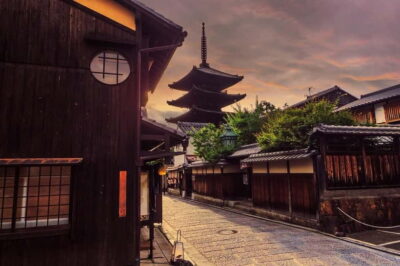
Kyoto Geisha Walking Tour: Gion District & Hidden Gems
Read our review →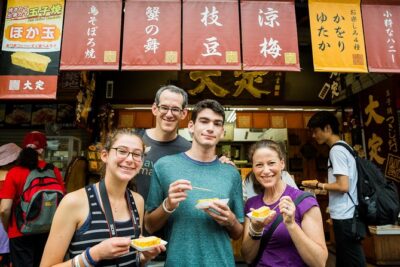
Tokyo Tsukiji Fish Market Food and Culture Walking Tour
Read our review →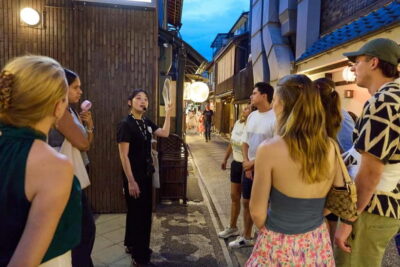
Gion Geisha District Walking Tour – Stories of Geisha
Read our review →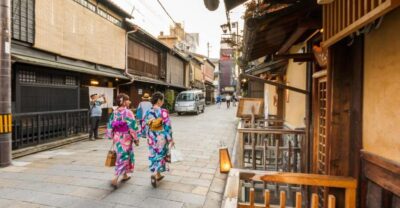
Shinjuku Local Bar and Izakaya Guided Walking Tour
Read our review →
Asakusa Walking Tour with Sensoji Temple Visit
Read our review →
Kyoto Gion Geisha District Walking Tour – The Stories of Geisha
Read our review →Browse the lists this tour appears in