
Review · WALKING TOURS
Kyoto Private & Personalized Half-Day Walking Tour with a Local
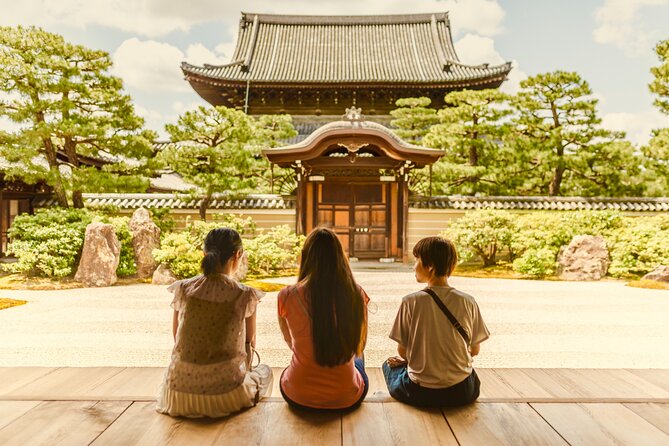
Kyoto can feel like a puzzle in motion, and this tour gives you the picture on the box. You get a private, personalized walking route built around your interests and pace, plus local context so the city makes sense fast. It is especially handy if language barriers and directional nerves are already wearing you down.
I like that you get to choose your neighborhood focus, so you are not stuck with a generic checklist. I also like the stop mix, because it pairs iconic Kyoto landmarks with lived-in areas along the Kamogawa River and the traditional entertainment district.
One thing to plan for: this is a walking tour, and Kyoto weather can change fast, so dress for cold or heat if you are traveling outside the sweet spot. Also, food and attraction tickets are not included, so you will want to budget for those.
In This Review
- Key Highlights You Will Actually Feel on the Ground
- Kyoto Private Walking Tour: What You Are Paying For
- Getting Started at Starbucks, Then Letting the City Unfold
- Stop 1: Your Insider Introduction to Kyoto, Tailored to Your Interests
- Sanjo Area and the Kamogawa River: Where Kyoto Feels Like Local Life
- Traditional Entertainment District Lanes and Tatsumi Bridge Crossings
- Yasaka Shrine: How a 1,350-Year Place Explains the City
- A 1895 Torii Gate Shrine: Imperial Spirits and Kyoto’s Story
- The Tokugawa Ieyasu Fortress Grounds: Walking Through Power
- How the Flexible Route Works (and Why It Saves You Time)
- Sanity Check on Price: Is $137.74 Worth It?
- Practical Tips: Weather, Walking Comfort, and What to Bring
- Who This Tour Suits Best
- Should You Book This Kyoto Half-Day Walking Tour?
- FAQ
- How long is the Kyoto private half-day walking tour?
- Is this tour private or do I join other travelers?
- Is food included during the tour?
- Are attraction tickets included?
- Where does the tour start and end?
- Can I get a full refund if I cancel?
Key Highlights You Will Actually Feel on the Ground
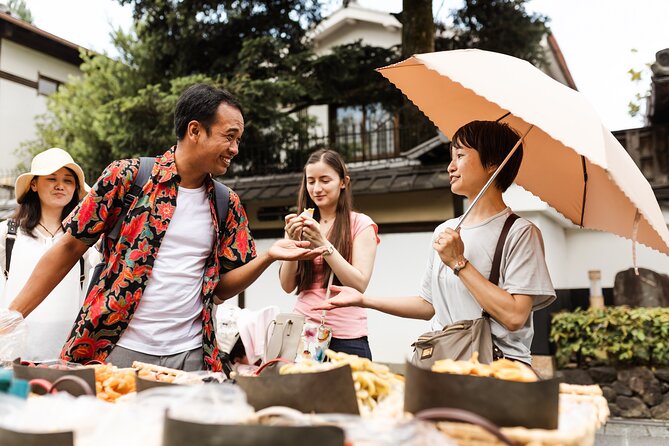
- Private route, tailored pace: Your host uses a pre-tour questionnaire to shape the day around your must-sees and walking comfort.
- Neighborhood flexibility: Pick one or two areas to lean into, instead of forcing your feet through everything.
- Orientation that prevents wrong turns: A good guide helps you get bearings quickly, including how to handle busy transit moments.
- Sanjo and the Kamogawa River setting: Historic shops and riverside storytelling give Kyoto texture beyond the postcard stops.
- Shrines with strong timing cues: Yasaka Shrine connects directly to the Gion Matsuri story, not just architecture photos.
- Cultural context at major sites: The tour ties what you see to who built it and why, from imperial spirits to Tokugawa-era power.
Kyoto Private Walking Tour: What You Are Paying For
This is a half-day, private walking experience priced at $137.74 per person. For many visitors, that number feels steep until you translate it into what you actually get: a local planner, a route that fits your interests, and someone who walks with you while answering the questions you would otherwise fumble through.
You also get real flexibility in how the day runs. You choose a start time, and after booking you send a short questionnaire so your host can tailor the itinerary to your preferences. That is a big deal in Kyoto, where neighborhoods can feel dramatically different and where getting lost costs time and energy.
With a solid 4.6 rating from 27 reviews, the consistent theme is not just “see famous sights.” It is guides helping you navigate, manage crowds, and move at a pace that works, even for travelers with young children or multi-generational groups.
More Walking Tours in Kyoto
- Kyoto Geisha Walking Tour: Gion District & Hidden Gems
★ 4.7 · 3,273 reviews - Kyoto: Gion Geisha District Walking Tour – Stories of Geisha
★ 4.7 · 2,187 reviews - Night Walk in Gion: Kyoto’s Geisha District
★ 4.5 · 2,003 reviews
Getting Started at Starbucks, Then Letting the City Unfold
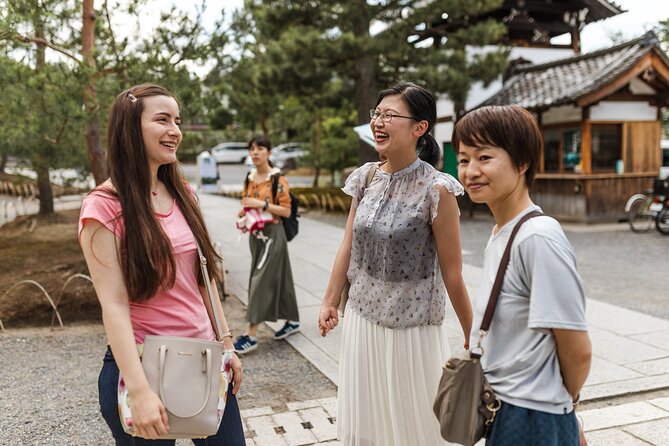
Your meeting point is Starbucks Coffee at Kyoto Sanjo-ohashi Bridge, in the Nakagyo Ward area. The tour ends back at the meeting point, which is a comfort if you like knowing your return point before you start wandering.
Pickup is offered, which matters if you are staying a bit off the main grid. Even with pickup, this is primarily a walking tour, so you should expect short transfers only when needed, usually by public transportation or local taxi if your host decides it will save time. Your host discusses any added transportation costs after your reservation is finalized.
Plan to arrive ready to move. This format works best when you treat it like guided walking with stops, not a museum-style sit-down tour. That is also why the day can feel more efficient than an all-day independent plan, especially for first-time visitors.
Stop 1: Your Insider Introduction to Kyoto, Tailored to Your Interests
The day starts with an authentic introduction to Kyoto with a local host on a private, fully personalized walking tour. Your route is tailored to your interests and pace, so the first hour can set the tone for everything that follows.
This part matters because Kyoto is not one “theme.” It is a patchwork of districts, histories, and daily rhythms. A good intro helps you recognize what you are looking at, understand how neighborhoods connect, and avoid the common mistake of treating every sight like it is the same story in different packaging.
You might notice that guides often adapt on the fly. One example from the guide style you might encounter is a host who focuses on practical navigation, helping you handle busy transit areas and crowds so the day does not turn into stress management.
Sanjo Area and the Kamogawa River: Where Kyoto Feels Like Local Life
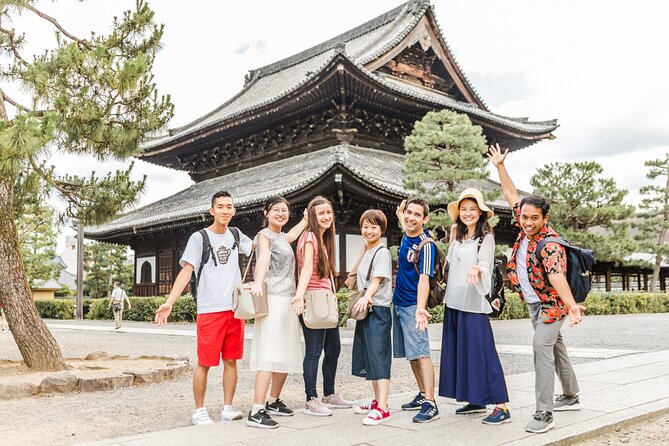
One of the core stretches is the Sanjo area, known for historic family-run shops and specialty stores. Instead of only passing major monuments, you get streets that feel lived in, where you can see what people actually buy and use.
From there, the tour walks along the Kamogawa River. This is not just scenic walking. Your host shares stories about Kyoto’s heritage and local traditions that make this area unique, which helps you connect the physical city layout to cultural patterns.
What I like about this segment for your experience is the timing. Riverside routes and neighborhood streets can be easier to enjoy than constant shrine and temple hopping. If your feet or patience need a reset, this portion often gives you that breathing room without losing the cultural thread.
A few more Kyoto days to weigh up
- Kyoto Gion Geisha District Walking Tour – The Stories of Geisha
★ 5.0 · 1,441 reviews - Nishiki Market Brunch Walking Tour (7 Tastings + Brunch)
★ 5.0 · 1,355 reviews - Kyoto: Gion Magical Night Walking Tour with Geisha Insights
★ 4.9 · 1,286 reviews - Kyoto Arashiyama Walking Tour: Bamboo, Monkeys, Gardens & Secrets
★ 5.0 · 1,216 reviews
Traditional Entertainment District Lanes and Tatsumi Bridge Crossings
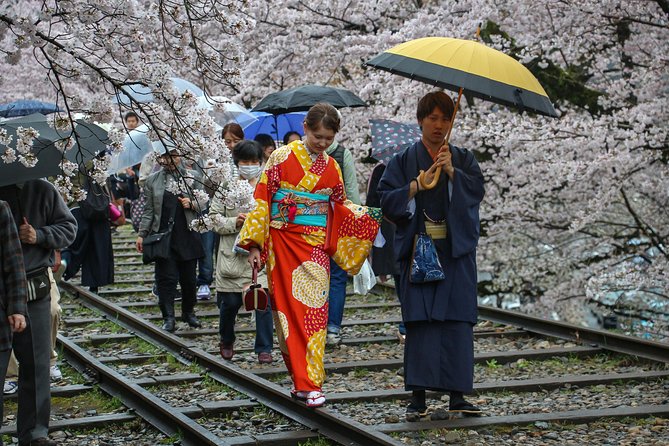
Next, you move into Kyoto’s iconic traditional entertainment district. Expect atmospheric lanes lined with wooden townhouses, teahouses, and refined restaurants. Your host points out what makes the district feel distinct, instead of just marching you from one landmark to another.
Then comes a highlight that is both practical and photogenic: crossing Tatsumi Bridge to reach the scenic area beyond. Even if you do not care about photos, bridge crossings in Kyoto tend to change perspective fast, so you get a “new view” moment without needing extra effort.
One thing to consider here: the Gion-style areas can be busy during peak hours. A strong guide can help you avoid the worst crush by choosing the right walking flow and pacing, which is exactly the kind of help highlighted in feedback about shepherding through crowds and keeping the group moving with purpose.
Yasaka Shrine: How a 1,350-Year Place Explains the City
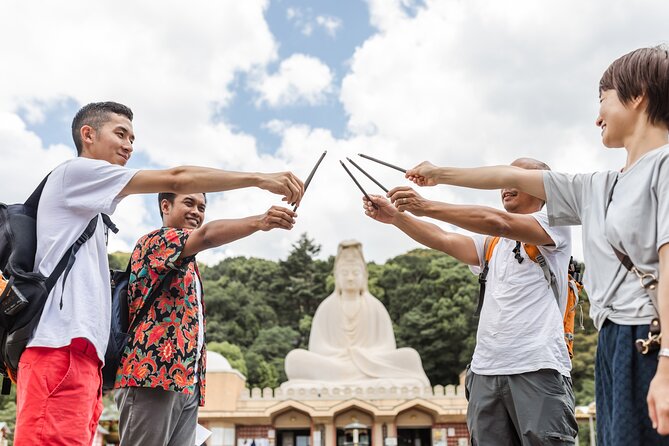
A big cultural stop is Yasaka Shrine. It is described as Kyoto’s guardian shrine for over 1,350 years, and the tour gives you time to enjoy its striking architecture while learning about its famous summer festival, the Gion Matsuri.
This is the kind of stop that works best when your guide ties the site to the calendar. Even if you are not visiting during the festival season, you can still understand what the festival represents and why the shrine matters so much in Kyoto’s identity.
What makes this stop valuable for you is context. Kyoto architecture can look impressive even when you do not know the story. With a host walking beside you, the shrine becomes part of a larger cultural system, not a standalone photo stop.
A 1895 Torii Gate Shrine: Imperial Spirits and Kyoto’s Story
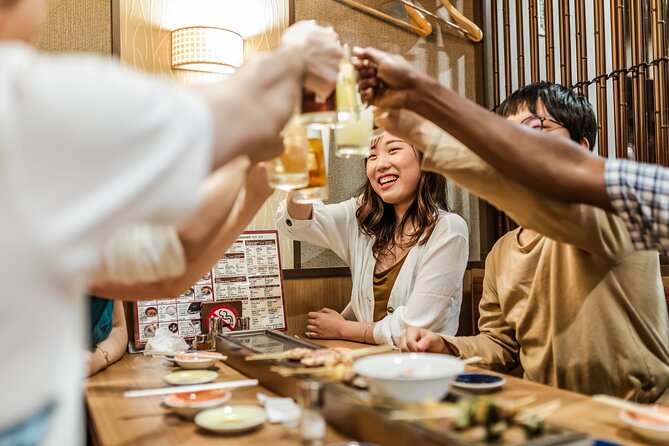
The tour then includes a shrine experience centered around a grand torii gate and a broad approach. This shrine is described as relatively modern but important, built in 1895, with a connection to Kyoto’s founding and the spirits of the emperors it enshrines.
If you like “why does this matter” answers, this stop tends to land well. You are not only seeing a gate. You are learning how the site links to Kyoto’s founding narrative and to the ideas of imperial reverence carried through the shrine tradition.
One possible drawback here is that your enjoyment will depend on how much you want interpretive context. If you only want the most visually famous, classic-photo scenery, you might find this stop more about understanding than about chasing a single must-see element. Still, for most visitors, the story layer is what makes Kyoto feel less like a checklist.
The Tokugawa Ieyasu Fortress Grounds: Walking Through Power
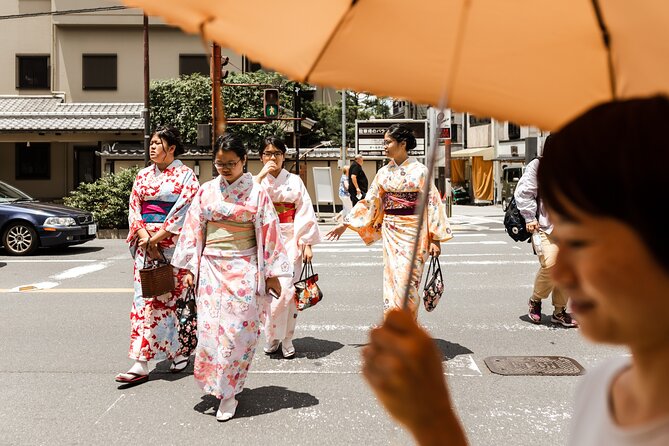
The final major historical stop is an Edo-period fortress built to showcase the power of Tokugawa Ieyasu. You wander the beautiful grounds while your host shares lively stories about samurai, shoguns, and Kyoto’s dramatic history.
This is a strong choice for the end of a half-day because it gives weight. A lot of Kyoto walking tours focus on beauty and tradition, which is great, but this adds political and military context. When you understand who held power and why, later sights make more sense.
Watch for how the host connects people to place. Fortress stories are easier to grasp when your guide explains how the layout relates to status and control, not just when things happened in the past. That is also where pacing matters, because fortress grounds can invite lingering.
How the Flexible Route Works (and Why It Saves You Time)
You get a tailored itinerary based on your interests, preferences, and must-sees collected through a questionnaire. Your host also reaches out directly after booking to build a fully customized plan that fits your style, whether you focus on history, food, hidden secrets off the beaten track, or cultural experiences.
That “direct communication” part is more practical than it sounds. Kyoto can be overwhelming, so being able to ask for help before you start walking can prevent hours of trial and error. You can also clarify what kind of pace you need, which is important if your group includes grandparents or kids, or if anyone in your party tires quickly.
Another small but real advantage: some guides help with logistics that go beyond sightseeing. In one case, a guide coordinated in advance and even helped with phone calls in Japanese. In another, the host helped take photos and continued offering recommendations after the tour. That type of follow-through turns the day from “a walk with a guide” into “a guide who helps you finish your Kyoto trip well.”
Sanity Check on Price: Is $137.74 Worth It?
For a private walking tour lasting about 3 to 4 hours, $137.74 per person can be a good value if you care about efficiency and local insight. If you are traveling solo or as a couple, you are basically buying time-saving navigation plus personalized interpretation.
If you are comparing it to DIY walking, the difference is not just a guide’s presence. It is the structure. Kyoto is full of meaningful routes, but without local context, you might miss why one lane matters more than another.
Also consider the booking lead time. On average, this tour is booked 36 days in advance, which suggests it tends to fill for certain dates. If you are traveling around busy seasons, plan ahead so you can align your start time with your energy level and schedule.
Practical Tips: Weather, Walking Comfort, and What to Bring
You should expect a lot of walking, including neighborhood streets and shrine or fortress grounds. One review mentioned a cold day in Kyoto, so take weather seriously. Bring layers you can adjust quickly, because Kyoto conditions can shift between sun and shade.
Since food, drinks, and attraction tickets are not included, you will want a plan for breaks and meals. That does not mean the tour stops being fun, it just means you should budget time to grab snacks on your own as you go.
You are also walking with a host, not a bus or a private vehicle. If you have mobility limits, it is worth messaging your host in advance so they can tailor pacing and route choices to your needs. The tour is described as suitable for most travelers, but your comfort matters more than the general suitability note.
Finally, think about photos. If you care about pictures, you will get more from the experience when you communicate what you want to capture, because guides often help with photo timing and angles during stops and crossings.
Who This Tour Suits Best
This is a great fit if you are:
- New to Kyoto and want to get oriented fast
- Planning a short trip and need a high-value half-day
- Traveling with family members who need a flexible pace
- Interested in both iconic landmarks and smaller neighborhood details
It is also a solid choice if you like learning stories that explain what you are looking at. Yasaka Shrine, a torii gate site built in 1895, and a Tokugawa Ieyasu fortress grounds are not hard to enjoy visually, but the real payoff is understanding how they connect to Kyoto’s identity.
If you are the kind of traveler who prefers totally independent wandering with no structure at all, you might feel a private route is too “guided.” Still, the itinerary is described as flexible, so you can steer it toward your interests rather than a fixed script.
Should You Book This Kyoto Half-Day Walking Tour?
Book it if you want a Kyoto day that feels like you have a smart local friend showing you the city, with a route built for your pace and priorities. The combination of flexible neighborhood choice, shrine and historical context, and practical help with navigation makes it a strong value for people who want results without wasting time.
Skip it only if you strongly prefer DIY wandering, or if you dislike walking through multiple districts in one afternoon. For everyone else, this is the kind of half-day that helps Kyoto click, not just get photographed.
FAQ
How long is the Kyoto private half-day walking tour?
The tour runs about 3 to 4 hours.
Is this tour private or do I join other travelers?
This is a private tour. Only your group participates.
Is food included during the tour?
No. Food and drinks are not included.
Are attraction tickets included?
No. Tickets to attractions are not included.
Where does the tour start and end?
It starts at Starbucks Coffee – Kyoto Sanjo-ohashi Bridge in Nakagyo Ward, and it ends back at the same meeting point.
Can I get a full refund if I cancel?
Yes, you can cancel up to 24 hours in advance for a full refund. Cancellation within 24 hours does not receive a refund.
Newly listed around Kyoto
- Zen Meditation for Life in Kyoto★ 5.0 · 10 reviews
- Kyoto: Zen Meditation at a Private Temple with a Monk★ 5.0 · 25 reviews
- Kyoto Private Customizable Day Tour with Guide and Vehicle★ 5.0 · 52 reviews
- Private Wagyu Beef Tour with a Local Guide★ 5.0 · 6 reviews
- Kyoto: Gion Geisha District & Sake-in-Hand Walking Tour★ 5.0 · 37 reviews
- Your Private Vacation Photography Session In Kyoto★ 5.0 · 110 reviews
- Private Guided Traditional Buddhist Cooking in Japan★ 5.0 · 16 reviews
- Private Pewter Sake Cup Experience with a Kyoto Artisan★ 5.0 · 31 reviews
Walking Tours, compared.
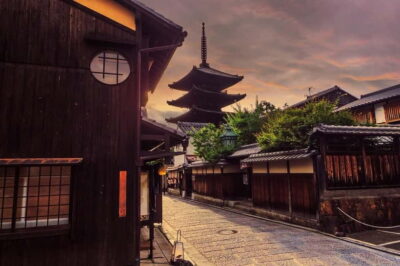
Kyoto Geisha Walking Tour: Gion District & Hidden Gems
Read our review →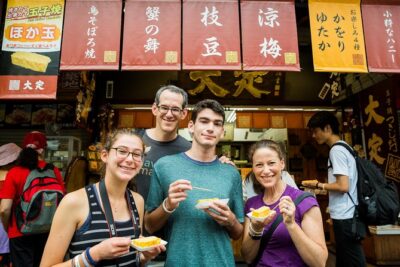
Tokyo Tsukiji Fish Market Food and Culture Walking Tour
Read our review →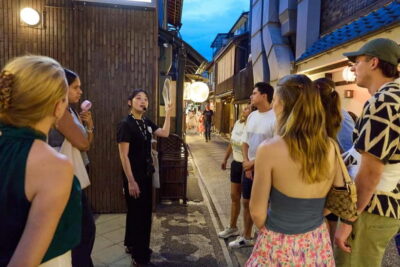
Gion Geisha District Walking Tour – Stories of Geisha
Read our review →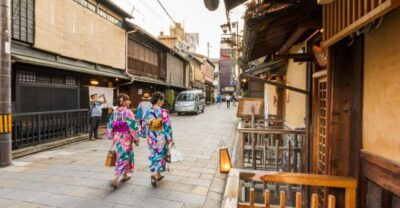
Shinjuku Local Bar and Izakaya Guided Walking Tour
Read our review →
Asakusa Walking Tour with Sensoji Temple Visit
Read our review →
Kyoto Gion Geisha District Walking Tour – The Stories of Geisha
Read our review →Browse the lists this tour appears in