
Review · LICENSED GUIDES & PRIVATE DRIVERS
Kyoto: Private Tour with Local Licensed Guide
Kyoto works best when you know what you are looking at, and this private walk does that fast. You get a nationally licensed local guide who can explain the history, the rituals, and the modern city in plain language, while you focus on sights like Fushimi Inari and Gion. I like that the route can be customized, so you are not stuck doing a one-size-fits-all checklist.
What I really love is the pacing. In a single day, you can cover major highlights and still get context, thanks to guides who plan logistics and transitions well, like Kazuo who mapped a full day with tight routing, or Yuri who brought a hand-made book that made each stop click. Another plus is how personal the experience feels, since it is private and you can steer the day toward your interests, from temples to shopping streets.
One consideration: this is a walking day tour with no private vehicle included. That means you will cover real distances, and you may need public transit or a taxi between areas if your chosen stops are spread out.
In This Review
- Key highlights that make this tour worth it
- Why a nationally licensed guide changes Kyoto
- How the private walking format works (and how far you’ll go)
- Best 4, 6, and 8 hour routes: what you can build
- Fushimi Inari to Gion: torii gates, temple views, and street life
- Kinkaku-ji, Ryoan-ji, and the temple arc you’ll remember
- Arashiyama, bamboo paths, and river scenery on your timetable
- Dining and shopping without losing your day
- Price and value: is $106 per person a smart use of time?
- Rain, crowds, and comfort: practical tips for a smooth day
- Who this tour is best for
- Should you book this private Kyoto walking tour?
- FAQ
- How long is the Kyoto private walking tour?
- What is included in the price?
- Are entrance fees included?
- Is food included?
- Do you use public transportation during the tour?
- What languages are available?
Key highlights that make this tour worth it
- A licensed guide-interpreter who understands Japanese culture and history, not just the basics
- Route customization using a set menu of Kyoto sites, with smart timing by tour length
- Crowd-smart choices and smoother transfers, often keeping you moving without feeling rushed
- Iconic Kyoto in one day, from Fushimi Inari to Kinkaku-ji to Gion streets
- Dining and shopping help in Gion and beyond, so you spend less time guessing
- Private group comfort, max 7 people, so questions and pace stay flexible
Why a nationally licensed guide changes Kyoto
Kyoto can feel like a postcard until someone hands you the backstory. With this tour, your guide has the Tour Guide-Interpreter certification issued by the Japanese government, which is a big deal in practice. You get cultural context that goes beyond reading signs, especially at shrines and temples where small details matter.
You also get a human layer. In different days, guides have shown how personal this can be. Kazuo, for example, built a full itinerary around logistics, while Akira and Haru focused on history woven into what you see, not history dropped like a lecture. Even something as simple as explaining how people pray or why a gate or hall is arranged a certain way can totally change your experience.
More Private Guides in Kyoto
- Kyoto Early Morning Tour with English-Speaking Guide
★ 5.0 · 1,427 reviews - Kyoto 6hr Private Tour with Government-Licensed Guide
★ 5.0 · 1,369 reviews - Kyoto: Early Morning Tour with English-Speaking Guide
★ 4.9 · 1,128 reviews
How the private walking format works (and how far you’ll go)
This is a walking tour, not a vehicle tour. Expect to explore on foot through key neighborhoods, then use public transport or taxis for connections when needed. The tour can start with pickup on foot if you are within a reasonable distance, and the guide waits in your hotel lobby or the station you request, about 10 minutes before pickup time.
Because you are private, you do not have to fight for elbow room. Your guide can also adjust pace if your group includes kids, seniors, or anyone who wants more frequent photo stops, which has come up in real tours. Just be honest about your walking comfort, because you will see a lot.
Good to know: entrance fees, food and drinks, and transport during the tour are not included. You will want Japanese yen on hand for transit costs if you use trains or taxis between sites. If you want a private vehicle, it can be arranged, but it must be booked at least 5 days in advance.
Best 4, 6, and 8 hour routes: what you can build
You choose your route from a list of Kyoto sites, and the tour length shapes what is realistic. A 4 hour day typically fits about 2 to 3 places. A 6 hour day usually works out to around 3 to 4 places. An 8 hour day is where you can string together 4 to 6 stops without feeling like a sprint.
Your guide can handle itinerary planning, or you can guide the process and pick must-sees from the list. Either way, the goal is a balanced day: iconic places plus at least a little breathing room, so the day feels like Kyoto and not just movement.
Here are three smart ways to think about your route planning:
- If it is your first time in Kyoto, start with a shrine and a temple big hitter (Fushimi Inari, Kiyomizu-dera, or Kinkaku-ji) plus a neighborhood like Gion or Higashiyama.
- If you love architecture and gardens, build around Kinkaku-ji and then add one or two quieter temple areas.
- If you want nature and scenery, lean into Arashiyama and add a river or garden stop.
Fushimi Inari to Gion: torii gates, temple views, and street life
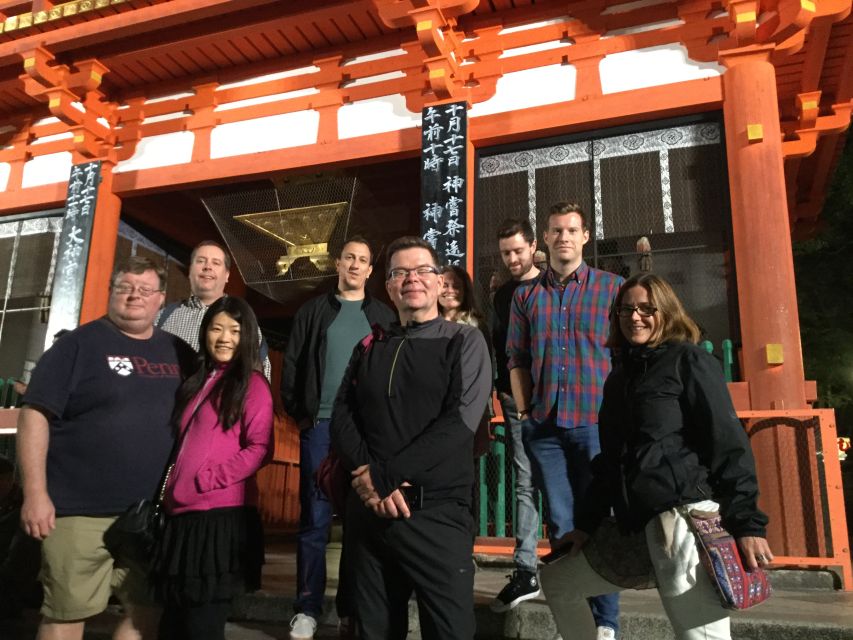
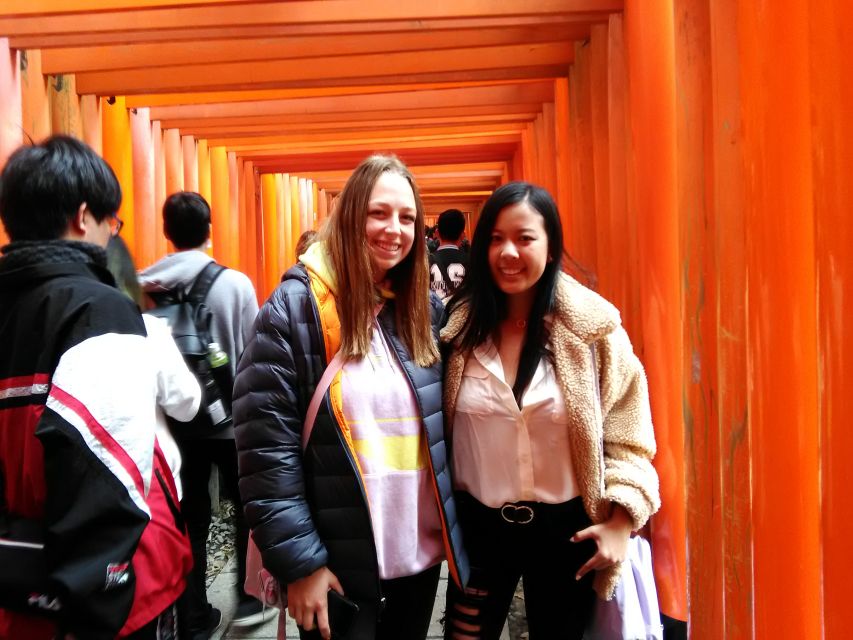
Most good Kyoto days start with Fushimi Inari-taisha. This shrine is famous for the torii gate corridor, and the experience is more than a pretty walk. Your guide can explain what you are seeing in practical terms, including how the shrine connects to the idea of continual passage between realms.
If you pick it, timing matters. Inari can get packed fast, so your guide may suggest a route rhythm that keeps you from getting stuck in slow moving crowds. One reason private helps: your guide can adapt your order of stops and pacing so you spend more time moving through the gates and less time waiting.
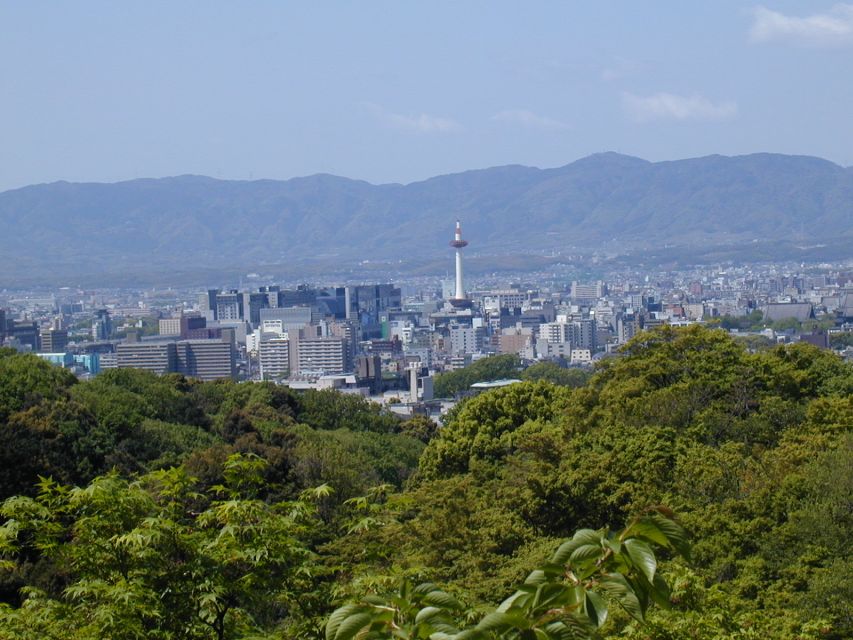
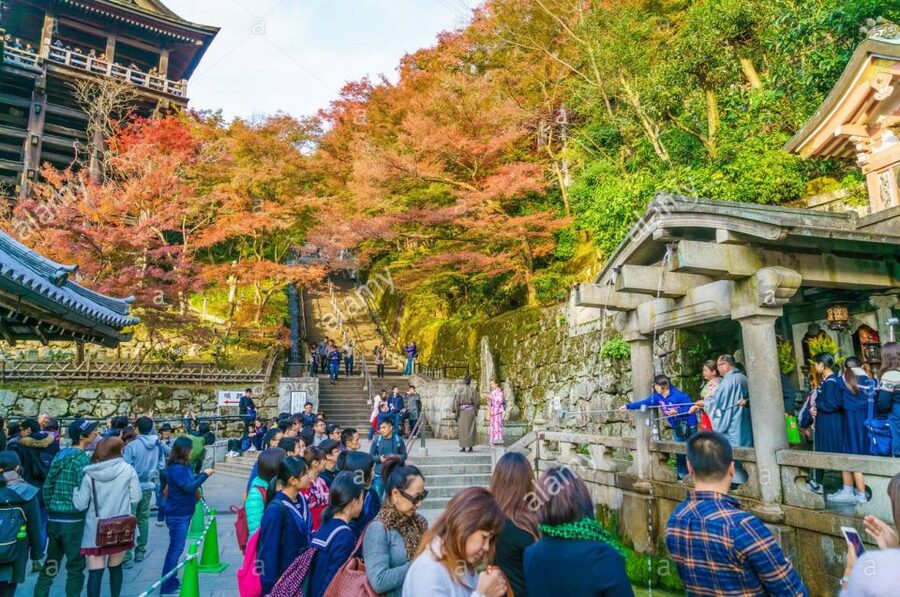
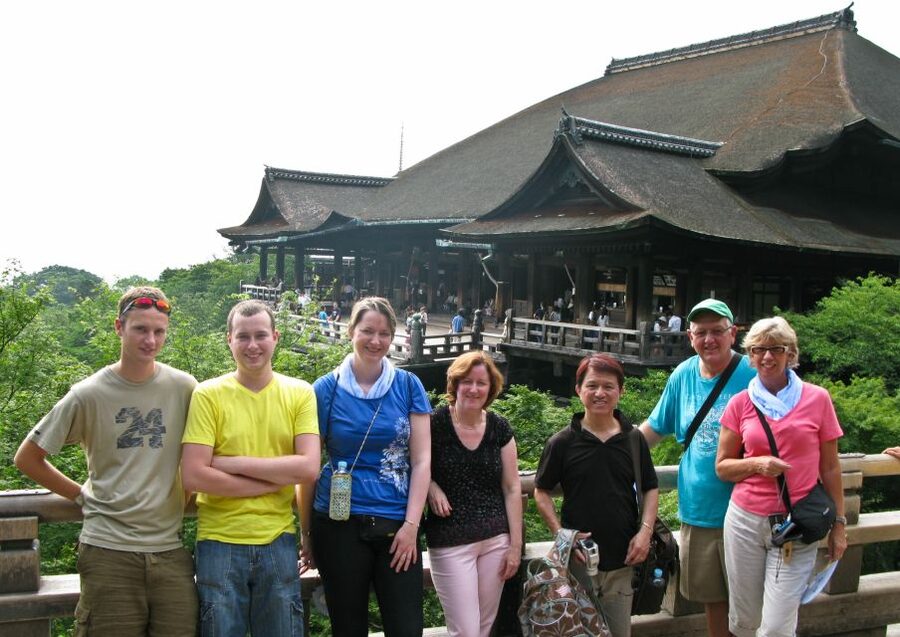
From there, you can head toward the east side to link in Kiyomizu-dera and the old streets leading down to Gion. Kiyomizu-dera is known for its large veranda and the panoramic city views it offers, especially when you are able to pause and take in the layout of the hills and rooftops below. Then you walk the atmosphere of Higashiyama with shops and Kyoto-style souvenirs.
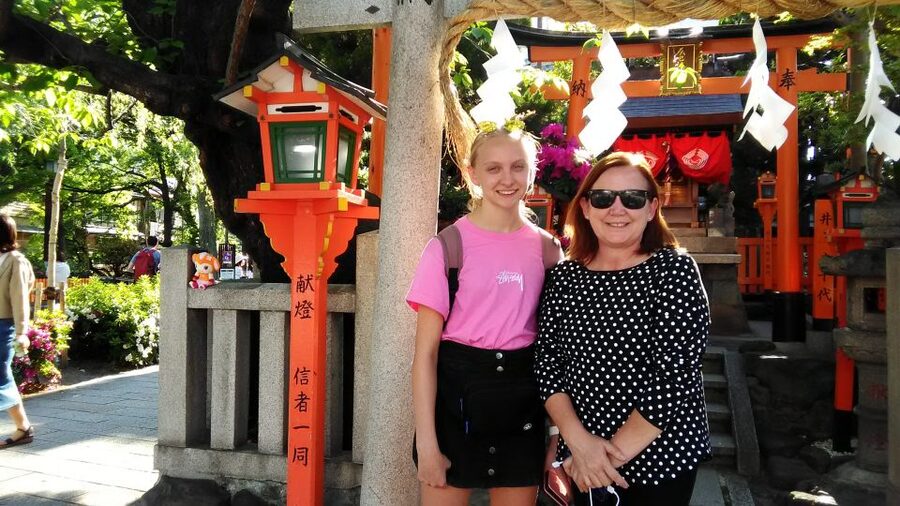
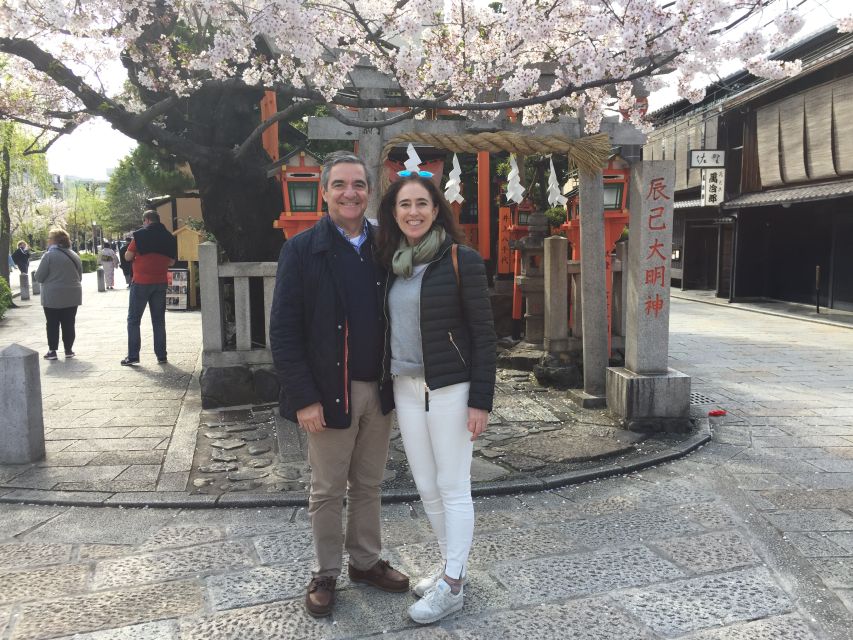
Once you reach Gion, you are in the Kyoto of lanterns, alleys, and late-day strolling. Your guide can help you choose where to shop and where to eat, and you will often get recommendations that feel specific, not generic. People have appreciated how guides like Yasu steered the day toward a strong ramen lunch or how Michi guided the group to a great end-of-day sushi meal in Gion.
If you want a slower, more photogenic stretch, you can add Pontocho, the narrow lane known for its atmospheric restaurant rows along the river. Pair it with Nishiki Market Shopping District if you want food sampling energy and a classic Kyoto shopping buzz, keeping in mind that both areas can be busy.
A different sort of day in Japan:
- PERFECT KYOTO 1-Day Bus Tour
★ 5.0 · 13,518 reviews - Kyoto: Fushimi Inari, Kinkakuji, Bamboo Grove 1 Day Bus Tour
★ 4.8 · 4,316 reviews - Kyoto: Tea Ceremony in a Traditional Tea House in Kiyomizu
★ 4.9 · 3,519 reviews - Kyoto Geisha Walking Tour: Gion District & Hidden Gems
★ 4.7 · 3,273 reviews
Kinkaku-ji, Ryoan-ji, and the temple arc you’ll remember
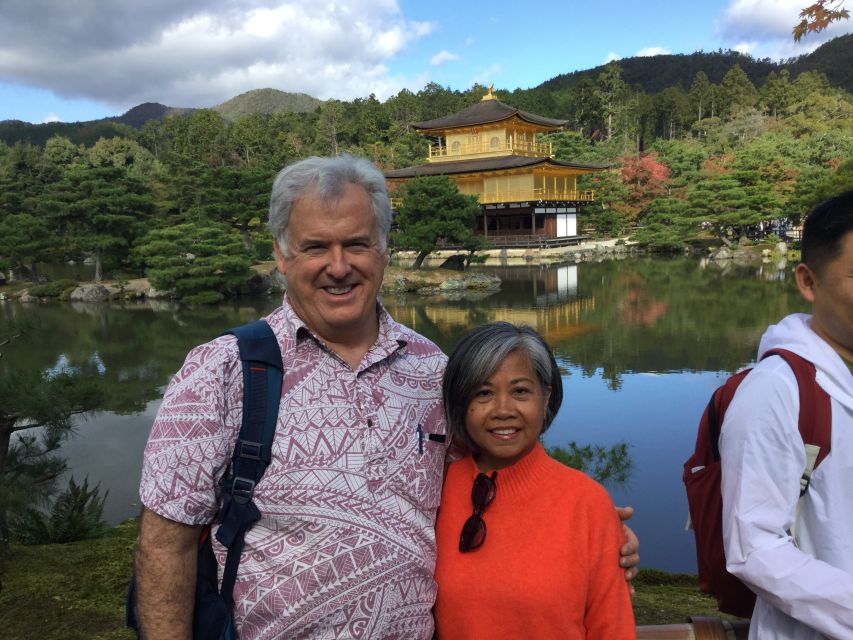
If there is one stop that many people picture when they think of Kyoto, it is Kinkaku-ji, the Golden Pavilion. It is iconic for a reason: the reliquary hall gets its name from its golden color, and the setting with mountain views makes it feel like a designed scene rather than just a building.
Your guide can help you see the structure in context, so you notice the relationships between hall, setting, and the way people move through the space. That context is exactly what people praise when they mention guides like Naoki and Haru, who connect history and culture to what you are physically standing in front of.
You can also build a temple arc by adding Ryoan-ji if your itinerary includes it. Some days combine multiple temple areas in a way that keeps your walking manageable while still hitting variety: one major landmark plus one quieter, reflective stop.
A smart way to plan this portion: pick your “must photo” temple first, then add one complementary site that slows the day down. For many, that means moving from the showpiece golden hall to a more contemplative experience, so you do not feel like you are just checking boxes.
Arashiyama, bamboo paths, and river scenery on your timetable
If you want scenery beyond shrines and formal temples, Arashiyama is the obvious choice. The area can include Togetsukyo Bridge for classic river views, Bamboo Forest Street for the iconic walking vibe, and larger temple or garden options like Tenryu-ji or Okochi Sanso Garden.
Arashiyama also works well for different travel styles. If you want a nature-heavy day, you can prioritize bridge and bamboo first, then add one temple. If you want gardens, Okochi Sanso Garden and similar options can add structure to your day.
One practical note: the region can get crowded depending on season and time of day. The private format helps you adapt. Tatsuyo Ito, for example, adjusted a 6 hour private route multiple times specifically to escape crowds and fit lesser-known sights, while keeping the day on track.
You can also mix in other western Kyoto temple options from the list, but it is best to keep your route compact so you do not spend your energy on transit.
Dining and shopping without losing your day
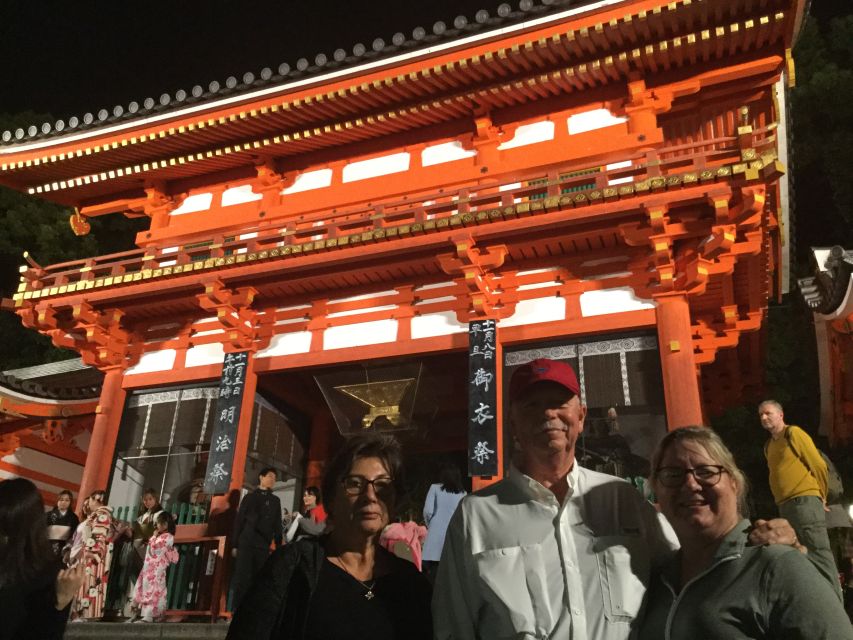
Kyoto food and shopping are not an afterthought here. The tour is built so you can factor in meals and browse time, especially in Gion and the surrounding Higashiyama lanes.
Your guide can suggest where to grab a snack or enjoy a dinner, and the recommendations tend to be more aligned with your day’s stops than random picks. People have mentioned guides offering end-of-day restaurant choices that match the mood, like finding a proper ramen lunch after temples or steering toward a sushi dinner to close the loop.
For shopping, you have two easy anchors. Nishiki Market Shopping District is strong for quick snacks and Kyoto food items, while Gion’s streets are where souvenirs and traditional-style shop displays tend to feel most “Kyoto.” Your guide can also help you avoid wasting time in the wrong place for what you actually want.
If you care about pacing, ask for breaks. In at least one tour, a coffee break request was treated as important, not optional.
Price and value: is $106 per person a smart use of time?
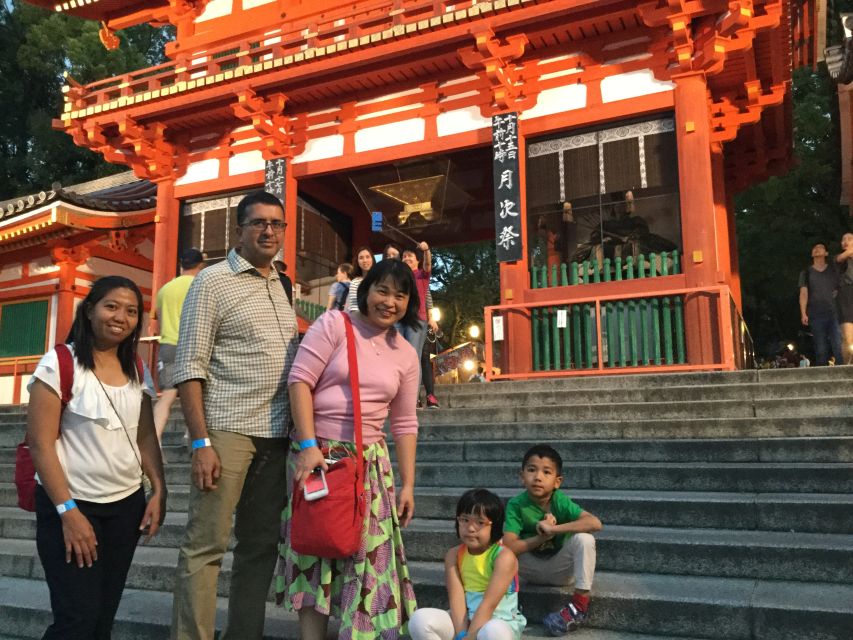
At $106 per person, this tour sits in the “paid guidance” category. Whether it feels like a good deal depends on how you value time and attention.
Here is the value logic that makes sense in Kyoto:
- A private, licensed guide saves you from turning Kyoto into a navigation problem. You get a plan, context, and smoother transitions.
- In a walking day, you can only do so much alone before you start cutting corners. With a guide, you can spend your energy on the sites, not on figuring out what matters and where to go next.
- The itinerary flexibility is real. You pick from a structured list, and your guide adjusts the plan to match the number of stops possible for your time slot.
What can reduce value if you are not careful: entrance fees and transit costs add up. Food and drinks are also extra. So before you book, think about your personal style. If you already plan to do only one or two major places and you are happy wandering, the savings might favor DIY. If you want a full Kyoto day with structure, interpretation, and less stress, this is a strong match.
Rain, crowds, and comfort: practical tips for a smooth day
The tour runs rain or shine. Kyoto weather can shift quickly, so wear shoes you trust. This is not the kind of tour where flimsy footwear is a fun idea, because your time is spent on steps between sights.
Crowds are part of Kyoto. The private format helps, but you still benefit from smart expectations. If your schedule is flexible, consider choosing the earliest time window you can, since guides have helped people jump on the crowds by starting early.
Also, bring patience for transitions. Since you may use public transportation or taxis between areas, plan to move a bit, then settle at each stop. Guides have often been praised for keeping transitions quick and organized, and that is exactly what makes the day feel efficient rather than chaotic.
If you want great photos, ask during the walk. Some guides have even brought practical help like telling you the best photo angles and where to position for pictures, which can save time and frustration.
Who this tour is best for
This tour is ideal if you want:
- A first-time Kyoto overview without sacrificing context
- A private guide who can tailor the day around your must-sees, not just the usual circuit
- A good fit for couples, families, and small groups who want comfort and flexibility
- Travelers who like asking questions at shrines and temples and actually understanding what is going on
It can be less ideal if:
- You want a mostly passive, free-form day with no structure
- Your group hates walking and does not want to plan for transit between far-flung areas
Should you book this private Kyoto walking tour?
If your goal is to see major Kyoto highlights in one day while understanding what you are looking at, I think you should book this tour. The combination of a licensed guide-interpreter, private pacing, and route customization is what makes it feel efficient and meaningful, not just busy.
My advice: pick your 2 to 3 must-sees for a 4 hour option, or 3 to 4 for 6 hours, and leave breathing room for the neighborhoods between. If you do that, you will get a Kyoto day that feels like a story, not a checklist.
FAQ
How long is the Kyoto private walking tour?
The tour is offered in lengths of 4, 6, or 8 hours.
What is included in the price?
The price includes a private and personalized walking tour, a licensed local guide, and pickup from your accommodation on foot if you are within reasonable distance.
Are entrance fees included?
No. Entrance fees are not included, and you will want to plan for any temple or shrine entry costs.
Is food included?
No. Food and drinks are not included, but your guide can make dining recommendations, especially around Gion.
Do you use public transportation during the tour?
The tour is walking-focused, and public transportation or taxis may be used to transfer between sites. The exact costs can be discussed with the guide, and you should have Japanese yen available.
What languages are available?
The live tour guide is available in English and Japanese.
Newly listed around Kyoto
- Taste of Nishiki Market Walking Food Tour with Local guide★ 5.0 · 17 reviews
- Kyoto: Sushi Making Class with Sushi Chef★ 4.8 · 64 reviews
- Simple Plan with Maiko★ 4.4 · 10 reviews
- Shibori Furoshiki Course at Kyoto Shibori Museum★ 5.0 · 21 reviews
- Kyoto: City Secrets eBike Tour★ 4.9 · 196 reviews
- Sacred Pathways: Discover the Philosopher’s Path of Kyoto★ 4.9 · 20 reviews
- Private Tour to Monkey Park and Arashiyama Highlights★ 5.0 · 22 reviews
- Private Nara Tour from Osaka – Meet at Your Hotel★ 5.0 · 22 reviews
Licensed Guides & Private Drivers, compared.
Tokyo 6hr Private Tour with Government-Licensed Guide
Read our review →
Kyoto Early Morning Tour with English-Speaking Guide
Read our review →
Tokyo 4hr Private Tour with Government-Licensed Guide
Read our review →
Kyoto 6hr Private Tour with Government-Licensed Guide
Read our review →
Hiroshima / Miyajima Full-day Private Tour with Government Licensed Guide
Read our review →Early Morning Tour with English-Speaking Guide
Read our review →
Tokyo Private Sightseeing Tour by Car- English speaking chauffeur
Read our review →
Mt Fuji Private Tour with English Speaking Driver
Read our review →Browse the lists this tour appears in