
Review · SAMURAI SWORD & NINJA TRAINING
Kyoto : Samurai Movie Star Experience at Myokaku-ji Temple
Swordplay in a real Kyoto temple dojo sounds unreal. This Myokaku-ji Samurai Movie Star experience is built around kimono dressing, hands-on sword tricks, and a chambara performance on authentic temple grounds. You’ll learn named sword techniques, then get filmed as you put them together like a movie scene.
Two things I really like: you get proper direction for the swordwork, not just a look-and-poses moment, and you leave with photo and video proof that your time in Kyoto was active, not passive. One consideration, though, is that this is still physical training, so if you have mobility issues or a back problem, you may want to skip it.
In This Review
- Kyoto Samurai Movie Star at Myokaku-ji Temple, The Key Things
- Why This Samurai Experience Works in Kyoto
- Getting Oriented at Myokaku-ji Dojo (Meeting Point to First Moment)
- Kimono Dressing: Included, Taught, and Camera-Friendly
- Sword Tricks Instruction at a Real Kendo-Style Dojo
- Watching Chbara Before You Film: Why the Performance Step Matters
- Your Samurai Swordplay and Filming Session, How to Get Better Footage
- Photos, Video, and the Tangible Souvenir You Actually Keep
- Price and Value: Is $133 Worth It?
- Who Should Book, and Who Should Skip
- Practical Tips So Your Day Runs Smoothly
- Should You Book This Samurai Movie Star Experience?
- FAQ
- Where do I meet for the Myokaku-ji Samurai experience?
- Is the kimono included?
- What should I bring?
- Can I use my own camera during the filming?
- Is this activity suitable for young children?
- Are smoking, alcohol, and drugs allowed?
Kyoto Samurai Movie Star at Myokaku-ji Temple, The Key Things
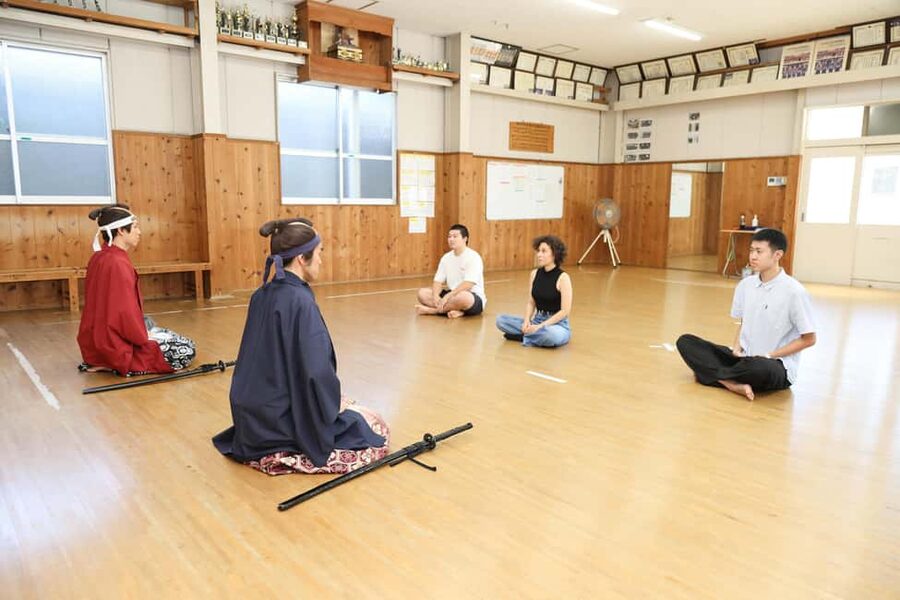
- Myokaku-ji dojo setting right inside a historic temple area in Kyoto
- Kimono rental included, plus hands-on help getting dressed
- Practice sword techniques like makkogiri and kesagiri with instruction
- A professional chambara performance before you film your own sequence
- You get photo download service and recorded footage tied to your camera
Why This Samurai Experience Works in Kyoto
Kyoto has plenty of cultural activities, but this one is different because it’s performance and training, not just watching from the sidelines. Myokaku-ji Temple is the stage, and the program is specifically set up so you can do Japanese sword fighting there. It is advertised as the only place in Japan where you can experience this at Myokaku-ji, which matters because it ties the class directly to the temple setting.
I also like that the day focuses on skills you can learn quickly. You start with instruction on holding and wielding the sword, then you practice recognizable techniques like makkogiri and kesagiri. That structure turns the experience from cosplay into actual, guided movement you can feel in your body.
The big bonus is the end result. You don’t just get a souvenir photo, you get a filmed swordplay session plus a photo download service, so the memory is shaped like a movie scene.
More Samurai & Ninja Sessions in Kyoto
- Kyoto Samurai Experience
★ 5.0 · 1,294 reviews - Kyoto: Kendo and Samurai Experience with Uniform and Gear
★ 4.9 · 815 reviews - Kyoto: Samurai Sword Class by Experts in Traditional Arts
★ 4.9 · 657 reviews
Getting Oriented at Myokaku-ji Dojo (Meeting Point to First Moment)
You’ll meet at the Myokaku-ji Dojo, which is to the left after you enter the main gate of Myokaku-ji Temple. Arriving with a calm mindset helps here. Kyoto temples can have traffic and crowds, and this experience has a clear start point.
Once you’re there, the vibe is geared toward motion and filming, so expect an instructor-led flow rather than a slow tour. You’ll also be told the practical rules, including what is allowed and what is not.
If you want an easier first minute, do this before you arrive:
- Wear comfortable clothes you can move in
- Bring a camera you’re comfortable using during active shooting
No need to dress like a warrior before you get there. The kimono part comes later, and you’ll be guided through it.
Kimono Dressing: Included, Taught, and Camera-Friendly
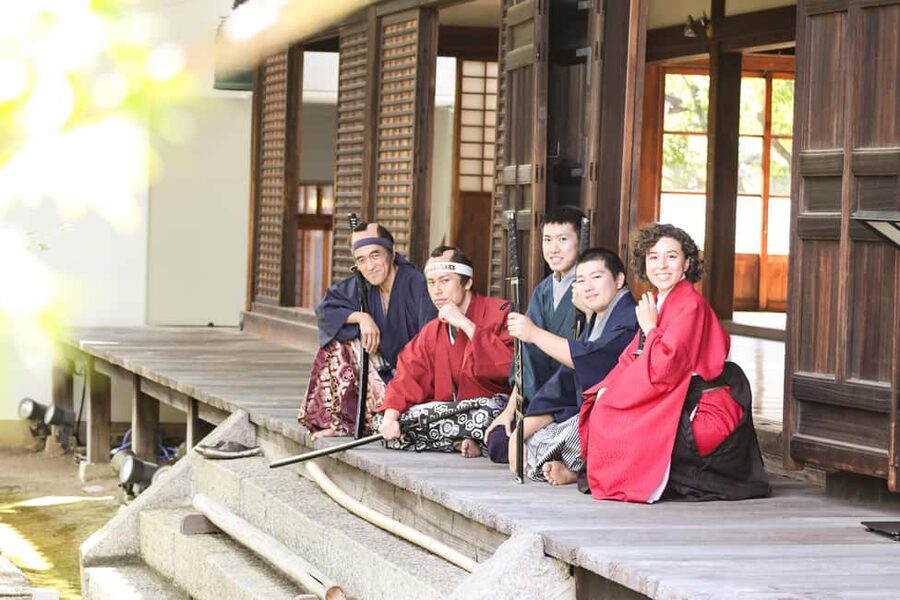
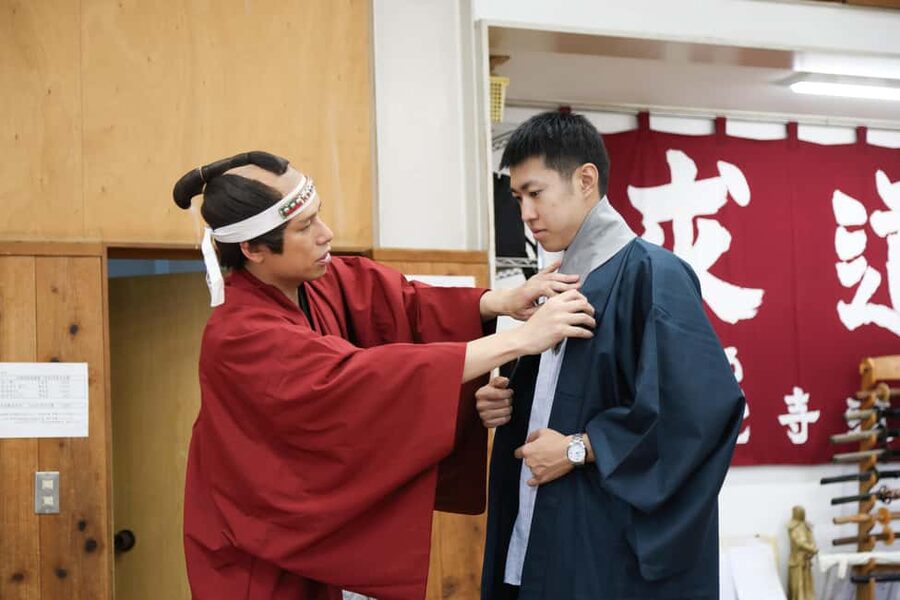
One of the most fun parts is that the kimono rental is included. And you’re not left alone to figure it out. There’s a dedicated kimono dressing experience where you learn the basics of getting into traditional attire.
This matters for two reasons. First, wearing a kimono changes how you move, and you’ll want help so you can focus on the sword training afterward. Second, the look is part of the final filming sequence, so getting dressed correctly helps the footage feel like a real movie moment, not a rushed afterthought.
Practical tip: wear comfortable layers under your kimono plan. The experience asks you to wear clothes suitable for physical activity, so don’t go with something that binds you up. Also, bring your camera-ready mindset, because you’ll likely be asked to pose and move for the recording setup.
Sword Tricks Instruction at a Real Kendo-Style Dojo
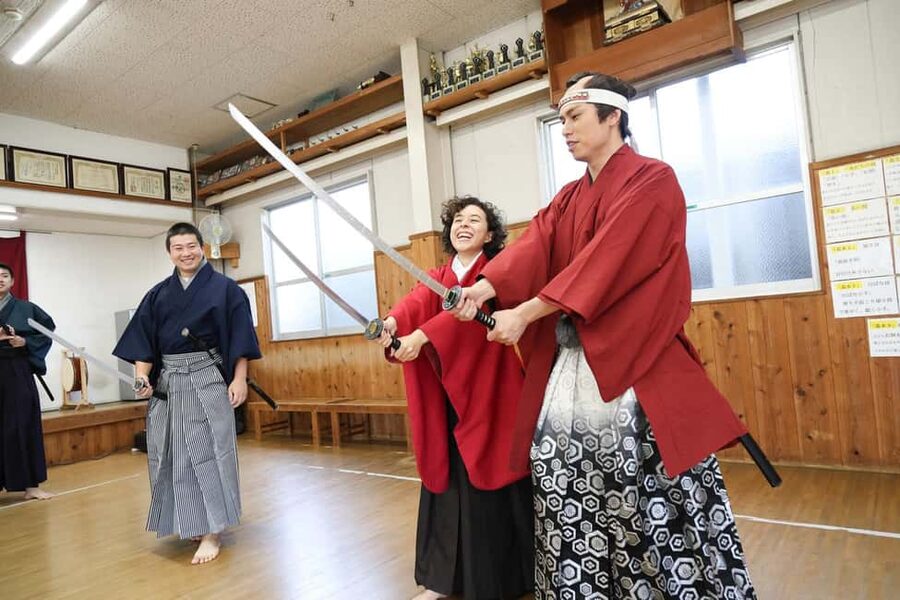
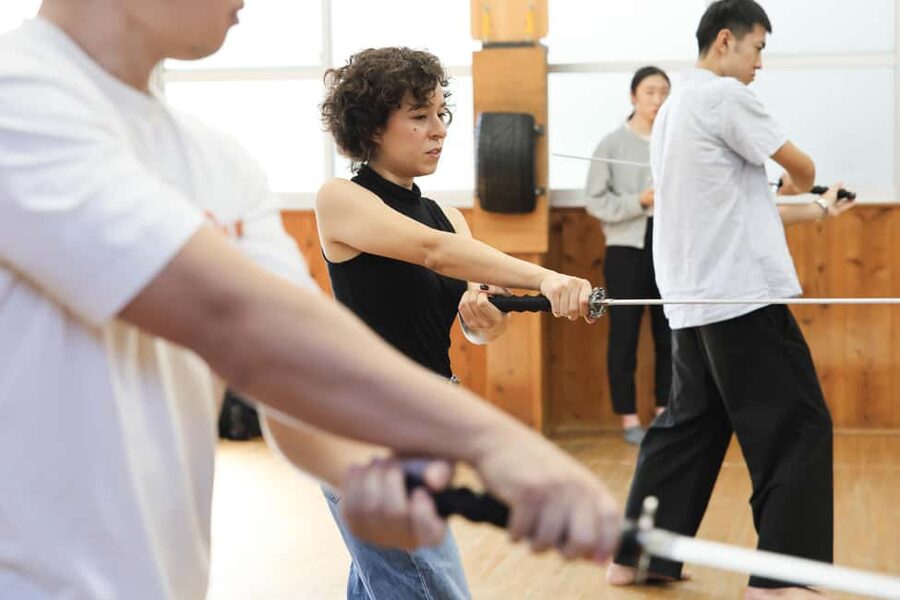
The sword portion is built around receiving instruction on holding and wielding the sword. You practice techniques including makkogiri and kesagiri, which keeps the class grounded in specific moves instead of generic waving.
I like this approach because it gives you something clear to aim for. It also means the instructors can correct your form, especially with grip and wrist angle. In a sword-fighting setup, small adjustments make a big difference, and you’ll feel that as you repeat the movements.
You’ll also learn the skills needed for actual sword fights, at least in the sense of controlled technique. The goal is safe, structured practice that still looks dramatic when filmed.
From the instructor side, reviews highlight that the teachers can be encouraging and patient, even when participants are doing “acting Samurai” for the first time. People also specifically called out instructors such as Kesuke Irie San and Kazuya Naito San, who have acted in Japanese movies and TV shows. That acting background likely helps the class feel both instructional and playful, which is exactly what you want when you’re about to get filmed.
More Shrine & Temple Visits in Kyoto
- Kyoto: Fushimi Inari, Kinkakuji, Bamboo Grove 1 Day Bus Tour
★ 4.8 · 4,316 reviews - Kyoto: Tea Ceremony Ju-An at Jotokuji Temple
★ 4.9 · 3,207 reviews - Fushimi Inari Hidden Hiking Tour (Private Option Available)
★ 5.0 · 1,750 reviews - Osaka/Kyoto:Kinkakuji,Arashiyama,FushimiInariShrine,NaraPark
★ 4.1 · 1,596 reviews
Watching Chbara Before You Film: Why the Performance Step Matters
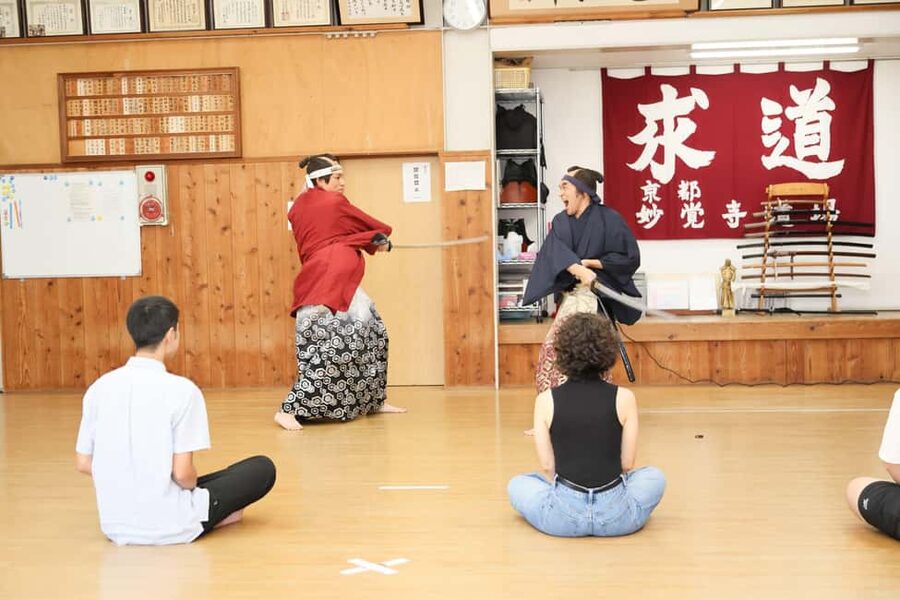
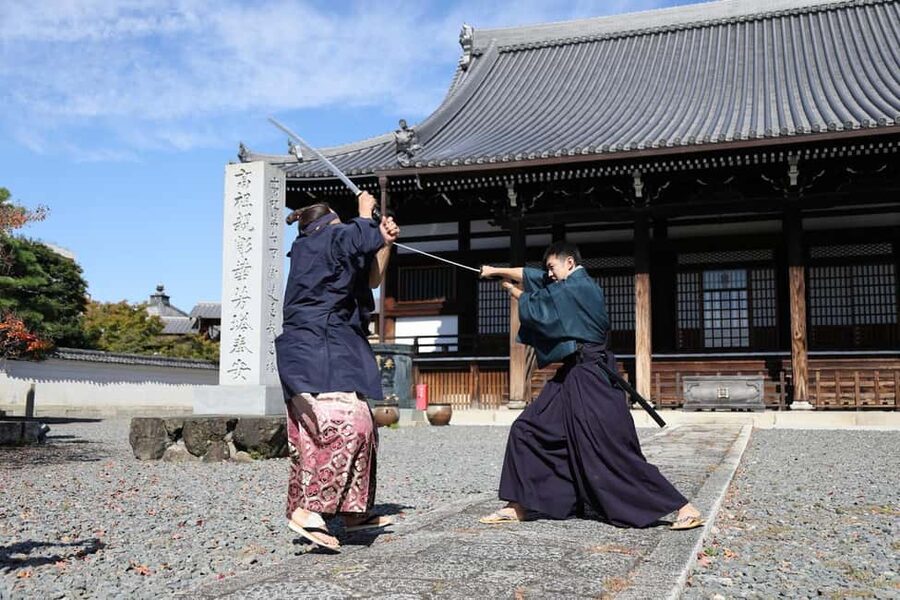
After learning the basic techniques, you watch a chambara performance by professional samurai actors. This is more than entertainment. It acts like a live example of timing, posture, and how sword movement reads on camera.
You’re seeing what the technique looks like when it’s performed with stage energy. That helps you connect what you practiced in the dojo with what you’ll do during your filming session.
The program also frames the setting with a Sengoku-era connection. Many warlords are said to have stayed at this temple area, including Nobunaga Oda about 400 years ago. You don’t need to be a Sengoku expert to enjoy that context. It just makes the whole scene feel more grounded, like you’re stepping into a place that once mattered.
Your Samurai Swordplay and Filming Session, How to Get Better Footage
The final act is the filming session. You’ll perform the sword techniques you learned and get photographed and recorded during that sequence.
Here’s how to get the most from it:
- Focus on control first, then speed. The footage will look better when your movement looks intentional
- Listen for corrections. If an instructor adjusts your posture or how you hold the sword, it usually improves the camera readability
- Use your energy, not your arms only. Swordwork looks sharp when your body position supports it
You’re welcome to shoot with your own camera as well, and the experience includes photography and video recording with the customer’s camera. So you’re not trapped with just one angle. If you’re traveling with a friend, you can also coordinate simple framing so you’re both captured.
Reviews frequently mention that instructors are fun and entertaining, and that the class atmosphere makes it easier to relax. That matters for filming, because relaxed movement typically reads better on camera than stiff “performing for fear of getting it wrong.”
Photos, Video, and the Tangible Souvenir You Actually Keep
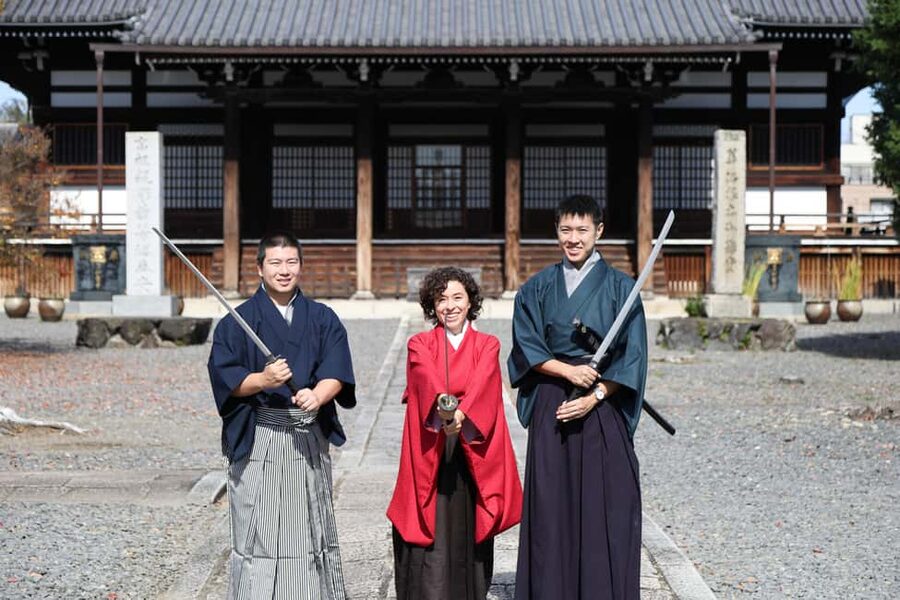
This experience comes with a photo download service. That turns your footage into something you can share quickly after your trip, instead of hoping your memory card survives your vacation.
You’re also getting both photography and video recording tied to your camera. So the result feels personal. It’s not a generic studio still, it’s you in the scene doing the sword tricks you practiced.
If you care about having a Kyoto memory you can show later, this is the big value lever. A kimono rental plus a sword class is fun, but the recorded performance is the part that makes it last.
Price and Value: Is $133 Worth It?
At about $133 per person, this isn’t a budget add-on. But it also isn’t just watching a show. You’re paying for four pieces that usually cost more if you book them separately:
- Kimono rental and dressing help
- Structured sword instruction with safety-conscious technique practice
- A chambara performance as part of the learning flow
- Recorded photos and video tied to your camera, plus a photo download service
In other words, you’re paying for your time in three roles at once: learner, performer, and filmed actor. That’s why the price can feel fair, especially if you’ve wanted a samurai experience that doesn’t end after a few posed photos.
Where it might feel pricey is if you’re hoping for a slow, scenic temple walk or a hands-off cultural talk. This activity is built around motion and filming, so it rewards people who want to participate.
Who Should Book, and Who Should Skip
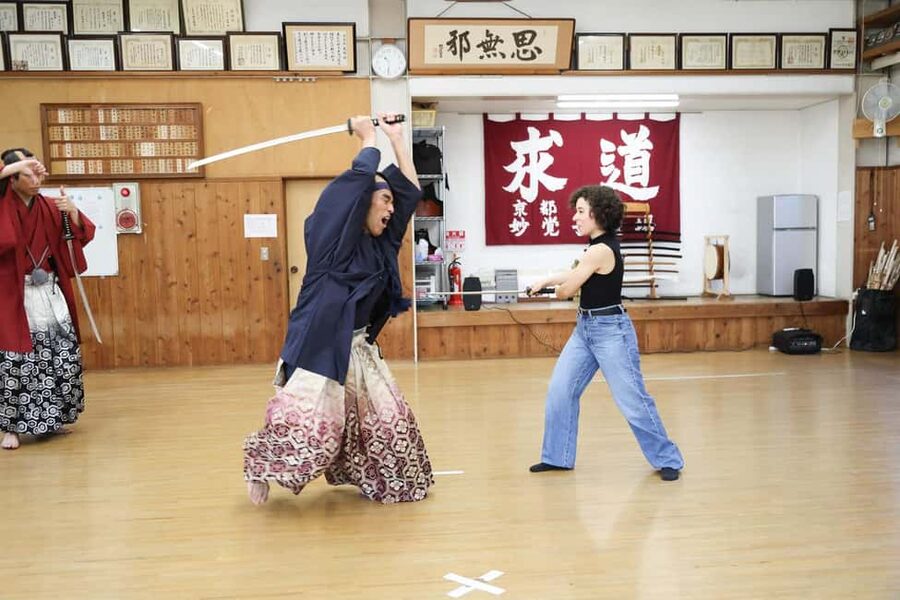
This is a great fit if you want an active Kyoto experience that looks great on camera and gives you instruction you can actually use. Reviews point to people having a very fun time, with instructors described as friendly, funny, and patient. There’s also a strong “do it with confidence” vibe, which is ideal for beginners.
It is not suitable for:
- Children under 5
- Pregnant women
- People with back problems
- People with pre-existing medical conditions
- People over 95
Also, avoid smoking and alcohol or drugs, since those are not allowed.
If you’re fit and comfortable following directions, you’re likely to enjoy the day. If you have any concerns about physical strain, it’s worth considering other Kyoto experiences that are more seated and less movement-based.
Practical Tips So Your Day Runs Smoothly
You can make this much smoother with a few small prep steps.
Bring:
- A camera
- Comfortable clothes suitable for physical activity
Wear:
- Clothes that let you move, because you’ll be practicing sword techniques and filming
Plan for Kyoto logistics:
- Transportation to and from Myokaku-ji Temple is not included, so you’ll want to handle getting there on your own
- Meals are not included, so consider eating before or after
If you want the best footage, arrive with enough time to find the Myokaku-ji Dojo meeting spot without stress. When you start relaxed, you usually perform better during filming.
Should You Book This Samurai Movie Star Experience?
Book it if you want a Kyoto activity where you actively learn sword tricks, wear a kimono, watch professional chambara, and then get filmed doing your own sequence. The combination of instruction plus a camera-ready finish is what makes this stand out.
Skip it if you’d rather avoid physical activity or you fit one of the listed “not suitable” categories. Also skip it if you’re mainly looking for a quiet temple visit. This is a performance-focused class, and the day is designed for doing, not just strolling.
If you’re on the fence, here’s my straightforward advice: if you can handle a beginner-friendly, physically active experience and you care about getting real, shareable video from Kyoto, this one is worth the money.
FAQ
Where do I meet for the Myokaku-ji Samurai experience?
Meet at the Myokaku-ji Dojo to the left after entering the main gate of Myokaku-ji Temple. The activity ends back at the meeting point.
Is the kimono included?
Yes. The rental kimono is included, along with a kimono dressing experience.
What should I bring?
Bring a camera and comfortable clothes suitable for physical activity.
Can I use my own camera during the filming?
Yes. Photography and video recording are done with the customer’s camera, and you are welcome to shoot during the scene.
Is this activity suitable for young children?
No. It is not suitable for children under 5 years old.
Are smoking, alcohol, and drugs allowed?
No. Smoking is not allowed, and alcohol and drugs are also not allowed.
Newly listed around Kyoto
- Taste of Nishiki Market Walking Food Tour with Local guide★ 5.0 · 17 reviews
- Kyoto: Sushi Making Class with Sushi Chef★ 4.8 · 64 reviews
- Simple Plan with Maiko★ 4.4 · 10 reviews
- Shibori Furoshiki Course at Kyoto Shibori Museum★ 5.0 · 21 reviews
- Kyoto: City Secrets eBike Tour★ 4.9 · 196 reviews
- Sacred Pathways: Discover the Philosopher’s Path of Kyoto★ 4.9 · 20 reviews
- Private Tour to Monkey Park and Arashiyama Highlights★ 5.0 · 22 reviews
- Private Nara Tour from Osaka – Meet at Your Hotel★ 5.0 · 22 reviews
Samurai Sword & Ninja Training, compared.
Samurai Ninja Museum Guided tour and Experience
Read our review →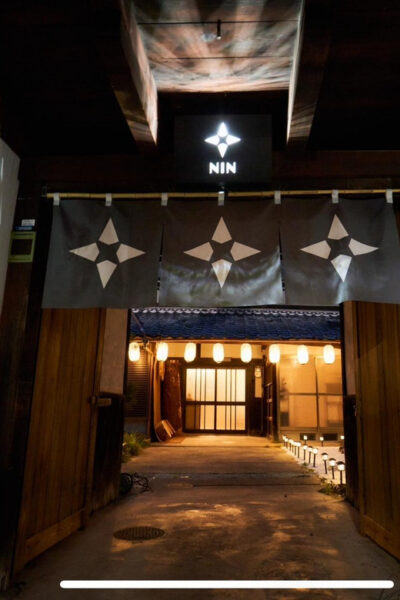
Kendo and Samurai Experience with Uniform and Gear
Read our review →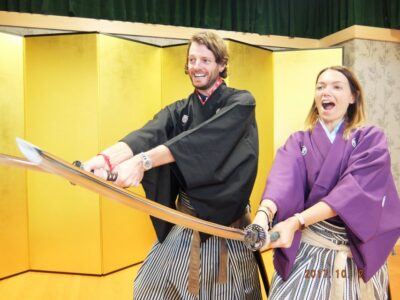
Samurai Sword Class by Experts in Traditional Arts
Read our review →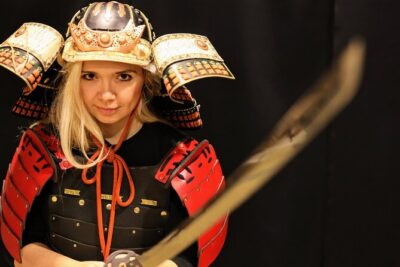
Skip the lines Basic Ticket at SAMURAI NINJA MUSEUM KYOTO
Read our review →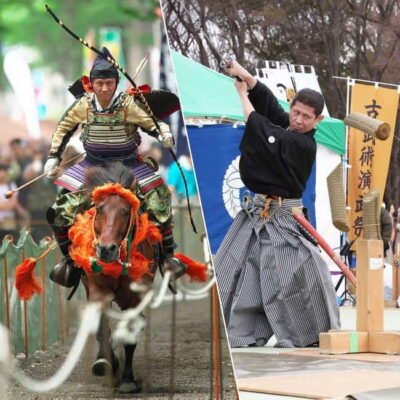
Samurai Sword & Archery Class from Samurai Descendant
Read our review →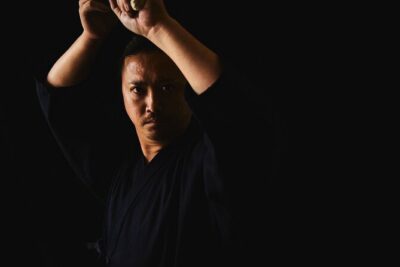
Browse the lists this tour appears in