
Review · SUSHI COOKING WORKSHOPS
Naha Makishi Public Market : Sushi making experience
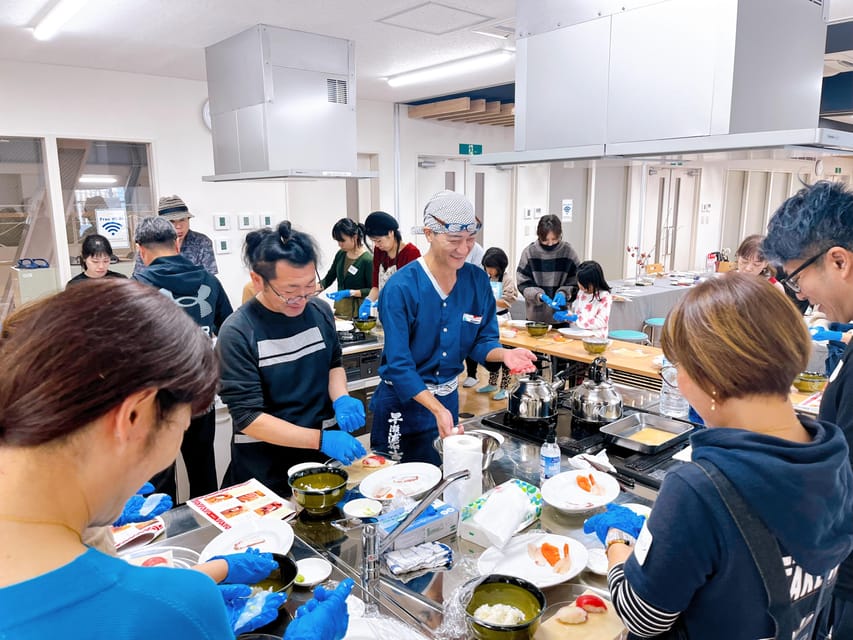
Fish first, sushi after. I like how Makishi Public Market turns into part classroom, part seafood scavenger hunt, and you make 8 pieces of sushi using the fish you see at the stalls. The one catch is the price, especially if you also expect sake or beer included.
You get an instructor-led lesson and you can talk with other participants through an interpreter in English or Chinese. I also like that the team keeps the vibe friendly and patient, which matters when you are learning knife skills and sushi shaping for the first time.
This works well for groups and even kids, but the menu is fish-focused. If you are vegan or vegetarian, this class is not designed for you, and you should plan what to wear since aprons are not provided.
In This Review
- Key things that make this class worth your time
- Makishi Market tour, then sushi making, not the usual tourist demo
- The schedule at a glance: 150 minutes, 11:00 or 17:00
- Where to meet on the 3rd floor (and how to not stress it)
- Market tour: seeing the sushi-grade fish before you handle anything
- The sushi making lesson: shaping, handling, and learning the rhythm
- What you eat afterward: 8 pieces plus red soup stock and tea
- Drinks, but keep expectations realistic
- Who this sushi experience is best for
- Price and value: when $161 feels right, and when it might not
- Should you book this sushi class in Makishi Public Market?
- FAQ
- Where is the meeting point?
- What time does the class start?
- How long is the experience?
- What is included in the price?
- Are sake and beer included?
- Do I get an interpreter?
- Can children participate?
- Is this class suitable for vegans or vegetarians?
- What happens if there are not enough participants?
- What are the main rules during the experience?
Key things that make this class worth your time
- Market tour that matches what you eat, you are learning with the ingredients right there
- Hands-on sushi making, not just watching someone else
- A clear timeline for two sessions, 11:00 or 17:00, both moving at a good pace
- Eight pieces of sushi to take pride in, plus red soup stock, gari, and green tea
- Alcohol is optional, sake or beer is sold separately if you want it
- Small-group feel, up to 20 people per event, with an interpreter assigned
Makishi Market tour, then sushi making, not the usual tourist demo
This is the type of experience that feels more grounded than most food classes. You start in Naha’s Makishi Public Market, and the point is simple: you learn where sushi ingredients come from before you touch any rice or fish.
For you, that means the lesson has context. Instead of memorizing steps with anonymous ingredients, you can connect the fish you saw at the stalls with the sushi you build later. That link is what makes the class stick in your head, even after the rice is long gone.
You also get to eat what you make, with the other people in your group. That matters more than you might think. When food learning ends with a shared meal, the whole thing feels like a small community moment, not a one-way performance.
More Sushi workshops in Naha:
- Sushi Making Experience Class in Naha Makishi Public Market
★ 5.0 · 35 reviews - Sushi Making Tokyo Roll and Authentic Japanese Sushi Class
★ 5.0 · 3,971 reviews - Tokyo: Roll and Authentic Sushi Making Class in Asakusa
★ 4.9 · 1,957 reviews
The schedule at a glance: 150 minutes, 11:00 or 17:00
The full experience runs 150 minutes, and it is offered twice daily.
Session 1 (morning)
- 11:00 to 11:30 reception
- 11:30 to 12:00 market tour
- 12:00 to 12:45 sushi making
- 12:45 to 14:00 everyone eats what they made
Session 2 (evening)
- 17:00 to 17:30 reception
- 17:30 to 18:00 market tour
- 18:00 to 18:45 sushi making
- 18:45 to 20:00 everyone eats together
This timing is practical. You get enough market time to actually notice things, but you still get a real hands-on sushi block without it dragging. If you are the kind of traveler who likes a plan that does not eat your whole afternoon, this schedule is a good fit.
Where to meet on the 3rd floor (and how to not stress it)
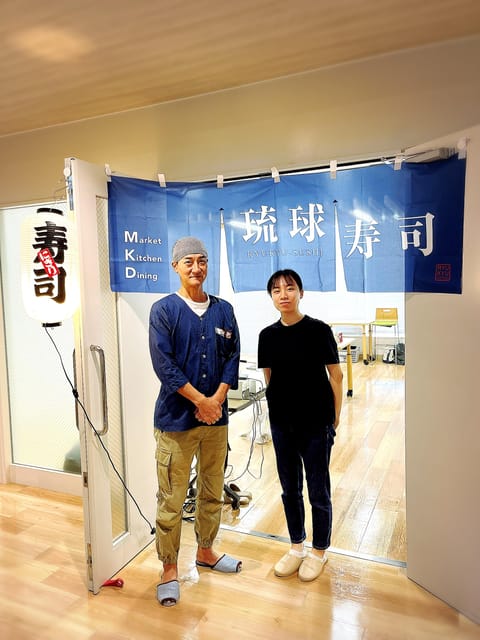
Meeting point is the 3rd floor of Makishi Public Market. Your reception starts 30 minutes before the class begins, so you will want to arrive about 10 minutes early.
That matters because market mornings can move fast. Even if you have no trouble finding the market itself, 3rd floor signage and elevators can take an extra minute or two when you are looking around. I would treat arrival time like part of the experience, not something you rush through.
Also note the language setup. You have an interpreter dispatched to each event, and languages listed are Chinese and English. If you speak either of those, you will likely feel very included. If not, do not panic, the structure is still clear and the instructor guidance is part of the deal.
Market tour: seeing the sushi-grade fish before you handle anything
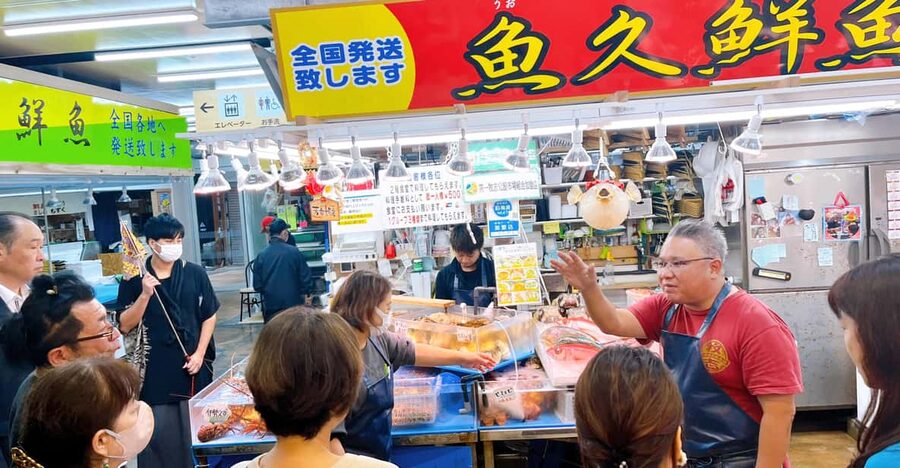
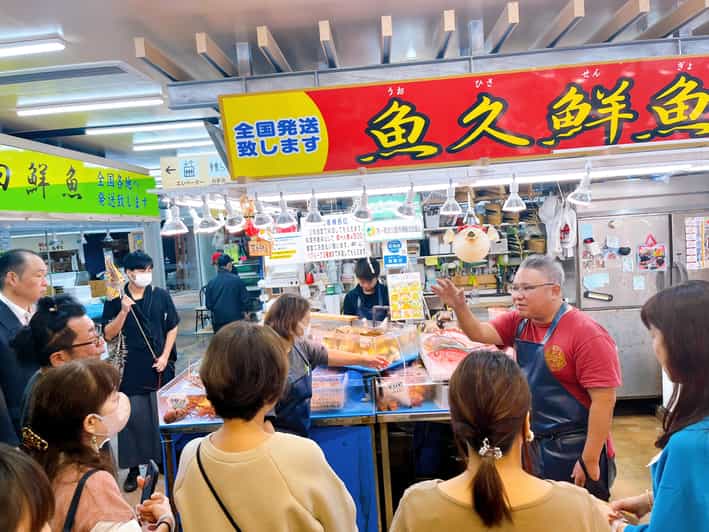
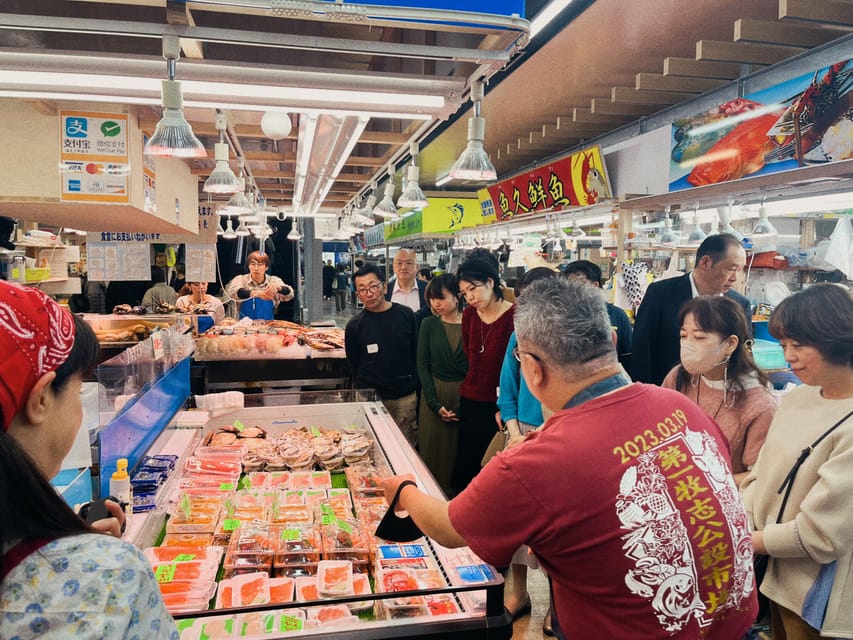
During the tour, you visit fresh fish stores in the public market where the class purchases the sushi ingredients. This is where the experience becomes more than a cooking lesson.
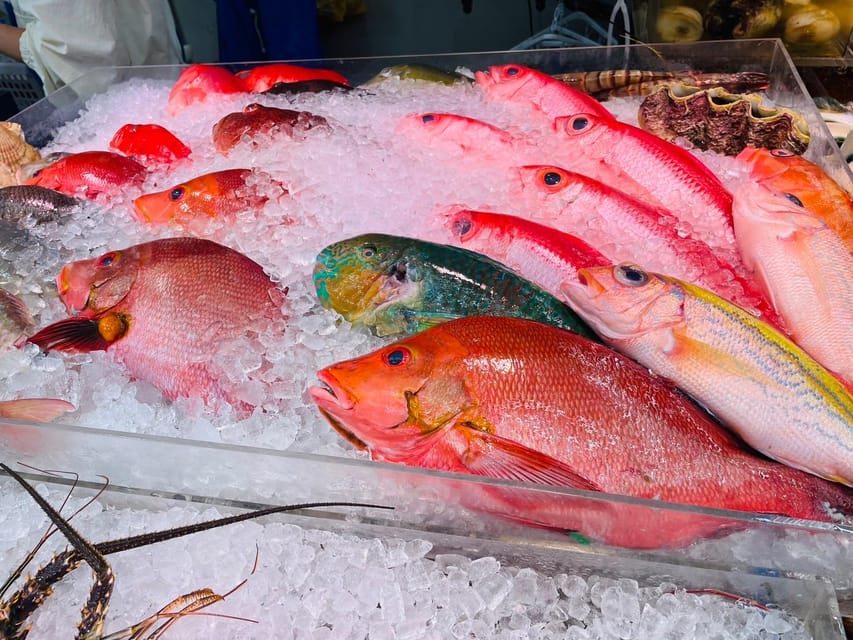
You will see seafood fresh enough that it looks like it just left the water. That visual context helps you understand why sushi is treated with respect, and why each piece matters. It also makes your later choices during the lesson feel less random.
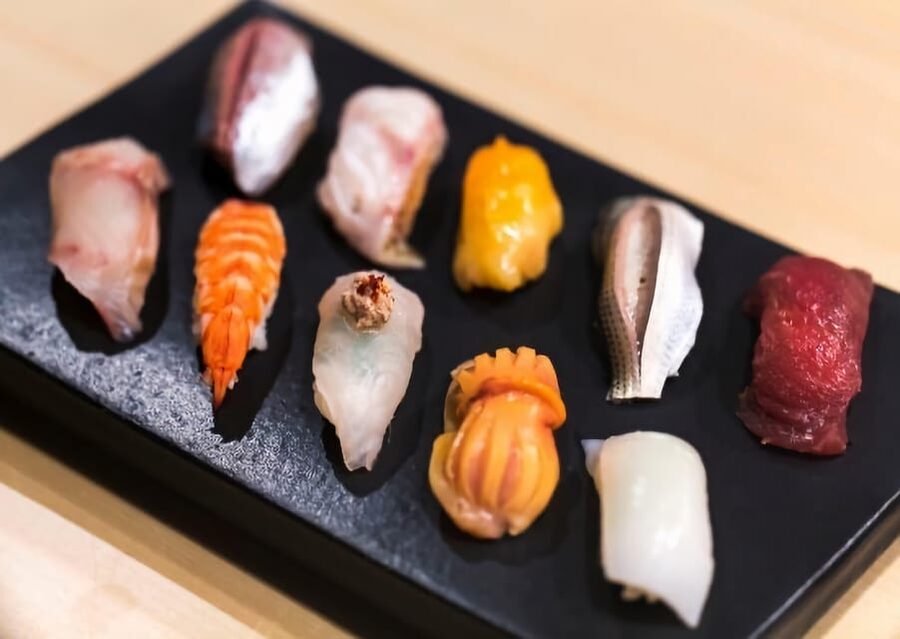
One practical point: sushi ingredients may change depending on the season. You might see options like mibai, red machi, irabucha, stew machi, local bonito, local tuna, kubushimi, or salmon, but the exact mix can shift with what is available.
In your head, you can use this simple rule: your lesson is based on what the market actually has that day. That is the whole point of doing this at Makishi, instead of learning from a generic classroom set.
A few more Naha days to weigh up
- Tokyo Tsukiji Fish Market Food and Culture Walking Tour
★ 5.0 · 3,184 reviews - Tokyo: Tsukiji Fish Market Food and Walking tour
★ 5.0 · 1,724 reviews - Tokyo: Tsukiji Fish Market Guided Walking Tour
★ 4.9 · 1,397 reviews - Nishiki Market Brunch Walking Tour (7 Tastings + Brunch)
★ 5.0 · 1,355 reviews
The sushi making lesson: shaping, handling, and learning the rhythm
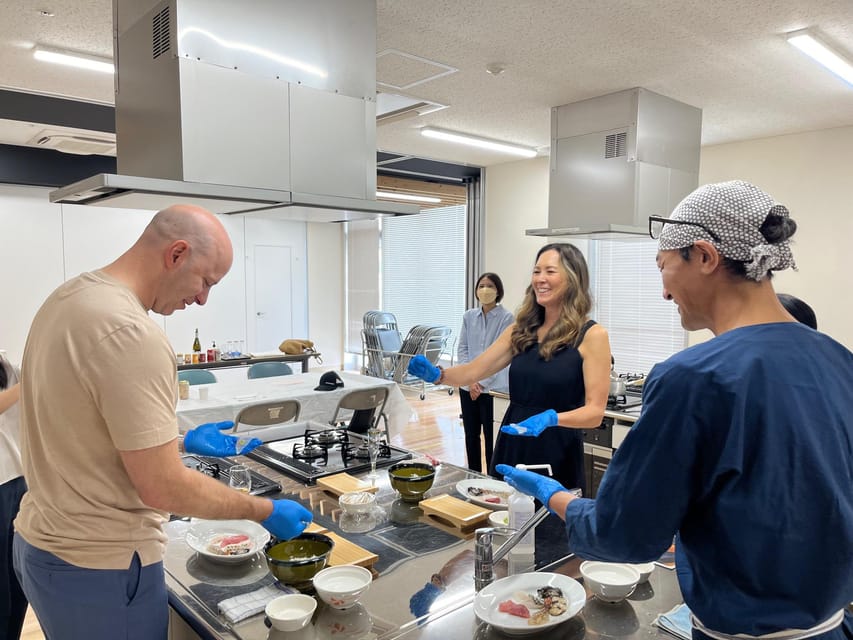
The sushi making portion runs 12:00 to 12:45 in the morning session, or 18:00 to 18:45 in the evening session. You learn from your instructor, and then you make sushi to eat later.
You get 8 pieces of sushi, and you learn the process from the instructor’s guidance. The class includes what you need for sushi ingredients, and the menu style is set as local fish-based sushi types.
You can also participate with optional drinks. Sake and beer are sold separately for an additional fee, so if you want to drink during the making, you should budget for it. I like that this is optional. You can focus on learning first, then add a little fun if you feel like it.
Also: aprons are not provided. Even if sushi is not a messy craft like deep-frying, you are working with wet rice and fish. Wear something comfortable you can handle getting a few little spots on. Nothing fancy, no fresh white shirt decisions on a market day.
And do follow the class rules. Smoking is not allowed, no intoxication, and you are asked not to make noise or litter. That keeps the shared learning space calm and safer for everyone.
What you eat afterward: 8 pieces plus red soup stock and tea
After making, the group sits down to eat the sushi you made together.
Included with your meal:
- 8 pieces of sushi (seasonal fish variety)
- red soup stock
- gari
- green tea
This part is not just a finish line. It is when you test whether the rice texture, shaping, and topping balance actually worked. If you have ever had sushi where the rice feels off, you will appreciate that you get to practice the feel firsthand.
It is also a good group experience. You are eating what you built, while you see how different people handled the same assignment. That comparison is low-key and friendly, and it helps you spot small technique differences.
One small thing I like as a souvenir detail: you receive an original tenugui towel. It is practical, and it makes sense for a market-style class where you are returning from buying and cooking.
Drinks, but keep expectations realistic
Here is the value question. The experience is $161 per person, and it includes the market tour, the sushi making lesson, the meal of what you make, and non-alcohol extras like green tea and red soup stock.
What is not included:
- sake or beer (sold separately)
- aprons
So if you want alcohol, you should expect extra cost. That does not make the price automatically bad, it just means you should treat it like a class plus meal package, not an all-in food and drink binge.
Also, you should compare price to the structure. You are paying for a guided market visit plus a full lesson plus a sit-down meal. If you were expecting a lot more food beyond the 8 pieces, you might feel the portion is straightforward. The upside is the lesson is the centerpiece, and the portion is sized for a class format.
Who this sushi experience is best for
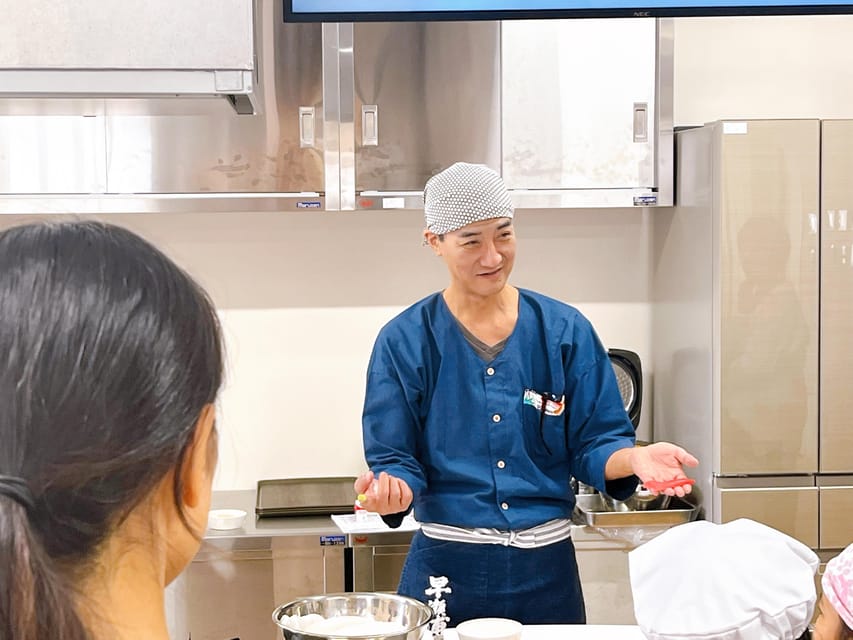
This is a good match if you want something that feels local in Okinawa, not a generic sushi workshop with imported fish.
It is especially strong for:
- Food lovers who enjoy seeing ingredients before cooking
- Travelers who like hands-on activities more than lectures
- People who enjoy meeting others, since the meal is shared with participants from different countries
- Families, since children can participate
It is not a fit if:
- You are vegan or vegetarian, since the class is not set up for those diets
- You want a quiet, sit-and-watch experience only, because you are expected to make sushi
If you are traveling with kids, this is one of the better choices because the structure is timed, guided, and built around doing. Just bring the expectation that your child will be learning a craft, not eating unlimited sushi.
Price and value: when $161 feels right, and when it might not
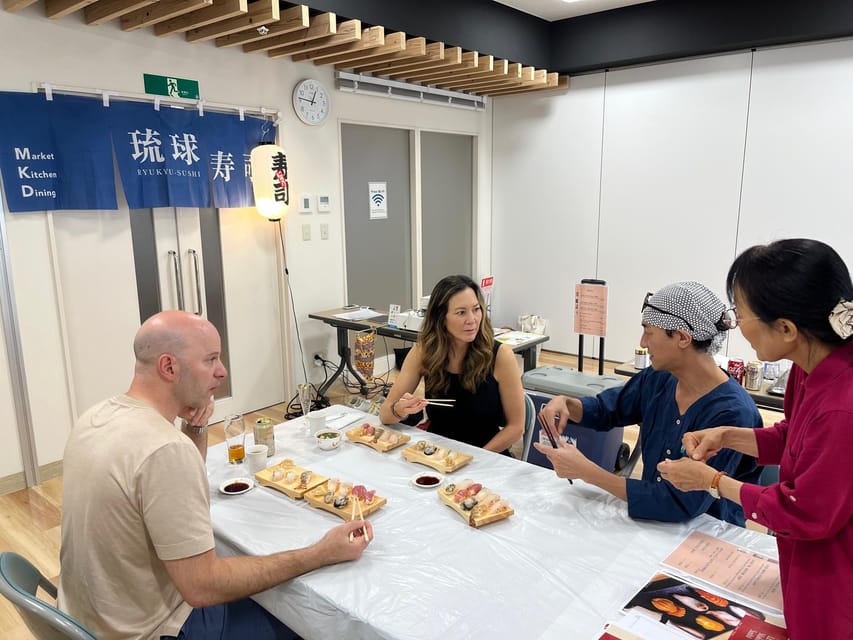
Let’s be honest about pricing. $161 per person is not a budget workshop. You are paying for access to Makishi Public Market, instruction, ingredients, and the full shared meal.
So when does it feel like good value?
- When you care about learning sushi technique, not just eating fish
- When you value the market tour that explains where ingredients come from
- When you plan to eat the class-made sushi and enjoy the tea and soup included
- When you would otherwise pay for guided market access plus a separate class
When might it feel too high?
- If you only want a quick taste and you are not that interested in learning technique
- If you plan to add sake or beer and compare the total to other meals you could buy nearby
- If your goal is a bigger quantity of sushi than the 8 pieces provided
My practical advice: decide what you are buying. You are buying a guided market-to-sushi story, plus real practice. If that is your style, the price usually makes sense.
Should you book this sushi class in Makishi Public Market?
Book it if you want a rare combo in Naha, market tour plus sushi making with Okinawa fish, and you like learning by doing. The pace is efficient, the included meal is part of the payoff, and the interpreter setup keeps it welcoming if you do not speak Japanese.
Skip or reconsider if you are strictly vegan or vegetarian, or if you want lots of alcohol and lots of food included in the base price. In those cases, you might feel the package is smaller than you expected.
If you do book, go with two tactics: arrive on time for the 3rd floor meeting so the tour starts smoothly, and dress for hands-on cooking since aprons are not provided. With that, you will leave with sushi technique confidence, plus the memory of seeing the fish stalls that fed your dinner.
FAQ
Where is the meeting point?
You meet on the 3rd floor of Makishi Public Market.
What time does the class start?
The experience runs twice daily, starting at 11:00 or at 17:00.
How long is the experience?
The duration is 150 minutes.
What is included in the price?
Included are the market tour, instruction to make sushi, and the sushi you make to eat with the group. It also includes 8 pieces of sushi, red soup stock, gari, and green tea, plus an original tenugui towel.
Are sake and beer included?
No. Sake and beer are sold separately for an additional fee.
Do I get an interpreter?
Yes. One interpreter is dispatched to each event, with languages listed as Chinese and English.
Can children participate?
Yes, children can participate.
Is this class suitable for vegans or vegetarians?
No. It is not suitable for vegans or vegetarians.
What happens if there are not enough participants?
If there are not more than 4 participants, the event will be canceled. In that case, you will be contacted and receive a full refund.
What are the main rules during the experience?
Smoking, intoxication, littering, making noise, and nudity are not allowed.
More Markets in Naha
- Tsukiji Fish Market Guided Tour and Sushi Making with Pro Chef
★ 5.0 · 775 reviews - Tokyo: Tsukiji Fish Market Food and Culture Walking Tour
★ 4.7 · 757 reviews - Tsukiji Fish Market: Street Food & Culture Walking Tour
★ 5.0 · 669 reviews - Tsukiji Fish Market Small-Group Food Walking Tour
★ 5.0 · 621 reviews
Newly listed around Naha
- Port Pick-Up: Naha Private Tour Licensed Guide& Vehicle★ 4.5 · 16 reviews
- Zodiac Shrines and Naha Backstreets Cycling Tour★ 5.0 · 29 reviews
- E-Bike Nature Tour in Shuri★ 5.0 · 25 reviews
- Naha 6hr Private Walking Tour with Government Licensed Guide★ 5.0 · 73 reviews
- Okinawa Sightseeing Bus Tour★ 3.5 · 9 reviews
- Sushi Making Experience Class in Naha Makishi Public Market★ 5.0 · 35 reviews
- Okinawa:Kerama Islands experience Diving/Snorkeling/WhaleWatching★ 4.5 · 16 reviews
- Naha Bar Hopping Tour in Okinawa★ 5.0 · 28 reviews
Sushi Cooking Workshops, compared.
Sushi Making Tokyo Roll and Authentic Japanese Sushi Class
Read our review →
Roll and Authentic Sushi Making Class in Asakusa
Read our review →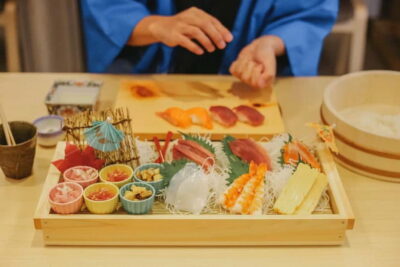
Sushi Making Class in a Happi Coat near a Famous Spot
Read our review →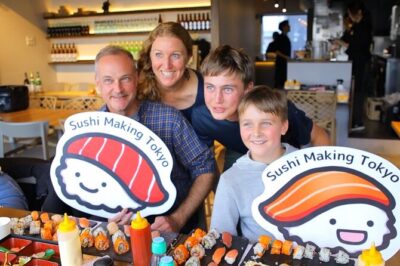
Sushi Making Tokyo! Popular Maki Sushi & Japanese Sushi(+Recipe!)
Read our review →
Tokyo Sushi Making Class in Tsukiji with Professional Chef
Read our review →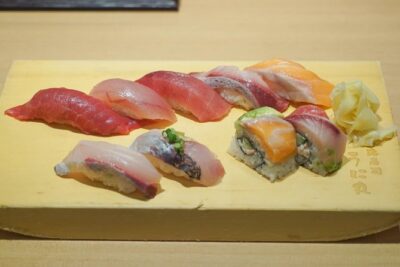
Tokyo Night Foodie Tour in Shinjuku – Seasonal Sushi, Wagyu Beef
Read our review →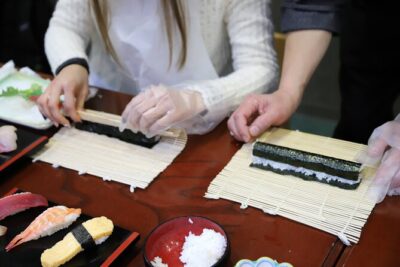
Tsukiji Fish Market Guided Tour and Sushi Making with Pro Chef
Read our review →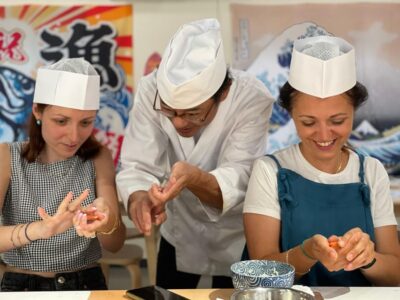
Tsukiji Fish Market Sushi Making Class with Pro Chef
Read our review →Browse the lists this tour appears in