
Review · 1-DAY TOURS
Osaka & Nara in 1-Day by Private Van with Local Expert Guide
One day, two legends of Kansai. I like the private van pace because it keeps you out of station chaos, and I love the Nara Park deer start that instantly sets the tone. The main thing to consider is that it is a packed highlights route, and Todai-ji admission is extra on the day.
You also get a true local workflow: a full English local guide plus driver, photo help when you want it, and practical stop-by-stop context so the sights make sense fast. The tour starts at 1:00 pm, and while the plan can flex by season and conditions, not every small add-on is guaranteed, so keep your must-dos in mind.
In This Review
- Key Things I’d Bookmark
- How This Private Van Day Flows (Kyoto to Nara, Then Osaka)
- Nara Park and the Deer That Don’t Care You’re Watching
- Todai-ji Temple: Big Buddha Scale, Plus a Meaningful Context Stop
- Todai-ji Shoro Bell Tower: A Short Stop With a Long Tradition
- Osaka Castle in 20 Minutes: The Symbol, Not the Marathon
- Yoshikien Garden: A Quick, Seasonal Breather
- American Village, Electronics Streets, and Osaka’s Youth Energy
- Dotonbori and Shinsaibashi: Neon, Food Smells, and the Running Man Sign
- Tsutenkaku Hondori Shopping Street: Osaka Street Food, Up Close
- The Red-Line District Stop: Know What You’re Walking Into
- Osaka Night Energy, Plus Dinner Time Guidance
- Price and Value: What You Get for $300 Per Group
- Who This Tour Suits Best (And Who Might Want Something Else)
- My Call: Should You Book This Private Osaka and Nara Day?
- FAQ
- What time does the tour start?
- How long is the Osaka and Nara private van tour?
- Where can I request pickup and drop-off?
- What is included in the price?
- What is not included, and do I need to pay for Todai-ji?
- What is the cancellation policy?
Key Things I’d Bookmark
- Private van, not a group shuffle: You move with just your party in an air-conditioned Nissan Serena (2-6 pax) or a mini convertible (1 pax).
- Nara first for the best vibe: Deer at Nara Park early in the day set a calmer mood before Osaka’s bigger energy.
- Todai-ji plus the bell tower stop: You get the big-hitter temple and also Todai-ji Shoro (bell tower).
- Osaka districts in tight order: American Village, Dotonbori/Shinsaibashi, Tsutenkaku, and shopping arcades keep you in the thick of the city.
- Dinner time guidance included: The guide plans your meal timing and points you to a local restaurant, but the dinner cost is on you.
How This Private Van Day Flows (Kyoto to Nara, Then Osaka)
This is a classic “hit two major cities in one day” route, but with the comfort and control that usually makes those days enjoyable instead of exhausting. You pick your preferred start point and end point, and they can be different inside Kyoto, Osaka, or Nara. That flexibility matters if you are staying in one city but need to end back near a train line, a cruise port, or your hotel.
The tour runs about 6 hours 30 minutes to 7 hours 30 minutes. Start time is 1:00 pm. Because it is private, you are not stuck waiting for other people’s bathroom breaks or photo debates. You also get a real driver, not just a transfer, which helps on days when traffic and parking are part of the plan.
One practical point I appreciate: you have a mobile ticket. That reduces friction once you meet up.
A few more Kyoto days to weigh up
- PERFECT KYOTO 1-Day Bus Tour
★ 5.0 · 13,518 reviews - Kyoto: Fushimi Inari, Kinkakuji, Bamboo Grove 1 Day Bus Tour
★ 4.8 · 4,316 reviews - Kyoto: Tea Ceremony in a Traditional Tea House in Kiyomizu
★ 4.9 · 3,519 reviews
Nara Park and the Deer That Don’t Care You’re Watching
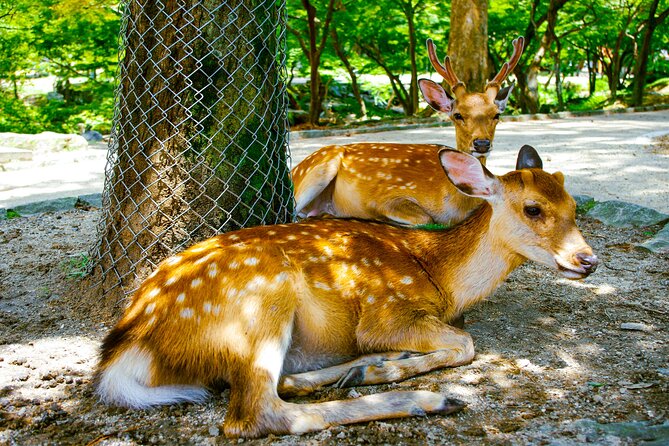
Your tour kicks off at Nara Park, and yes, this is the famous deer place. Plan for about 1 hour here, and treat it like a walk through a living postcard. The big surprise is how relaxed the deer can be, hanging out near paths, around temples, and essentially wherever the day happens to take people.
What I love about this stop is the atmosphere. It is not just “see deer, move on.” You get nature mixed with historic temple grounds, and that blend is why Nara feels different from most day trips.
A quick mindset tip: the deer are comfortable with people, so it is tempting to grab your best shots close up. Stay aware of your space anyway. Keep moving, do not block paths, and let the scene come to you. In a private setup, your guide can help you position for photos without turning it into a crowd problem.
Admission at Nara Park is listed as free, so you can focus on time, not cost.
Todai-ji Temple: Big Buddha Scale, Plus a Meaningful Context Stop
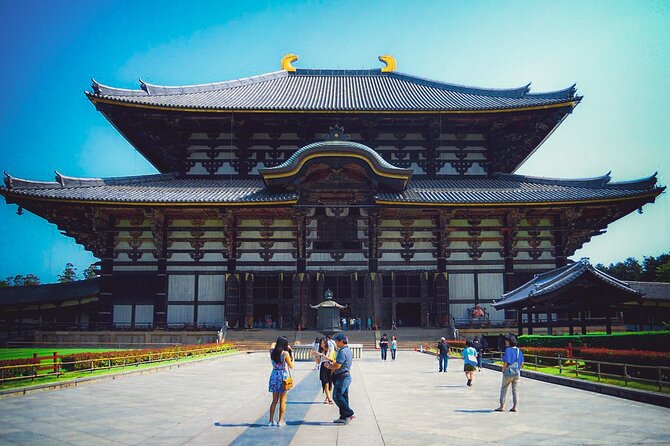
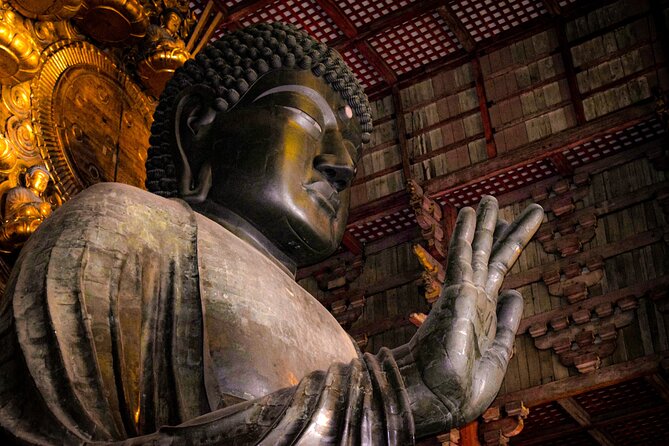
After Nara’s outdoor feel, you head toward one of Japan’s best-known temple sites: Todai-ji Temple. You get around 1 hour here. The draw is simple: it is the home of a massive wooden temple complex and the well-known giant Buddha statue inside.
Todai-ji is not included on cost. The admission listed is ¥800 per person. So for budget planning, add that to anything you spend on meals. It is still worth mapping out mentally because once you are inside, the scale hits fast.
One more detail I like about this stop is that your guide is there to translate the “why” behind the buildings and the traditions. A temple stop can feel like an architectural slideshow if you are on your own. With a local expert in the mix, you can connect what you see to what it means.
Todai-ji Shoro Bell Tower: A Short Stop With a Long Tradition
Later, you also visit Todai-ji Shoro (Bell Tower) for about 10 minutes. This is a brief add-on, but it is one of those places where a small time investment buys a memorable story.
The plan notes a 1300-year-old bronze bell and describes a tradition tied to monks ringing it around 8 pm, with the bell sounding over several days as part of the practice. Even if you only catch the explanation and the setting, it gives Todai-ji extra emotional weight beyond the main hall.
This is also a good “reset” stop. You break up the heavier temple viewing with something more contained, and then you transition back into the city side of the day.
A different sort of day in Japan:
- Kyoto Geisha Walking Tour: Gion District & Hidden Gems
★ 4.7 · 3,273 reviews - Kyoto: Tea Ceremony Ju-An at Jotokuji Temple
★ 4.9 · 3,207 reviews - Kyoto: 45-Minute Tea Ceremony Lesson Experience
★ 4.3 · 2,378 reviews - Kyoto: Gion Geisha District Walking Tour – Stories of Geisha
★ 4.7 · 2,187 reviews
Osaka Castle in 20 Minutes: The Symbol, Not the Marathon
Next up is Osaka Castle, with a listed time of about 20 minutes and free admission in the tour highlights. This is not meant to turn into a half-day history project. It is more of a “get your bearings fast” stop.
You will hear the standard big-picture story: the castle as an iconic symbol of Osaka and its ties to samurai-era leadership and founder legends that stretch back hundreds of years. Your guide’s job here is to give you the emotional map so you are not just looking at stone.
Is it enough time? If you love castles, you might want more. If you want to see the castle and keep moving to the districts that make Osaka feel like Osaka, this timing makes sense.
Yoshikien Garden: A Quick, Seasonal Breather
Right after the castle, you stop at Yoshikien, a Japanese garden split into distinct areas. You get about 15 minutes here. Admission is listed as free.
I like this stop for one reason: it slows your eyes down. Osaka can feel loud in motion, and a garden gives you a clean change of pace. The garden description focuses on seasonal flowers and trees, plus moss areas that look good in many seasons, so even a short visit can feel thoughtful rather than rushed.
Garden time can be small on a one-day route, but the key is choosing the right moment to walk. In this tour format, your guide helps you make the most of your brief window.
American Village, Electronics Streets, and Osaka’s Youth Energy
Now you shift into Osaka districts. The plan includes the area commonly referred to as American Village, where the vibe is described as a mix of Tokyo-style youth fashion and street energy, with nightlife and gigs.
In the itinerary you will also see a stop described as an Osaka version of Akihabara, focused on electronics and anime. That pairing is smart because it gives you contrast: modern pop culture and browsing energy, side by side with places that feel like they belong to another era.
These stops are great if you like walking and people-watching. They are also the places where photos are easiest because signage and streets give you instant visual variety.
A small caution: if you are sensitive to late-night areas or adult-themed areas later in the day, tell your guide upfront what makes you uncomfortable. A private guide can adjust your walking rhythm so you still get photos and atmosphere without stress.
Dotonbori and Shinsaibashi: Neon, Food Smells, and the Running Man Sign
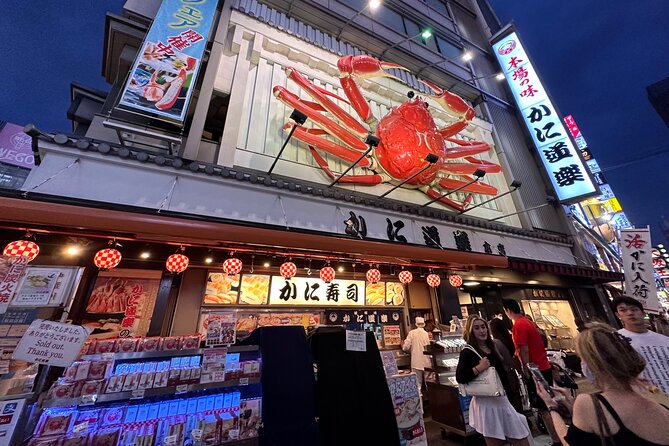
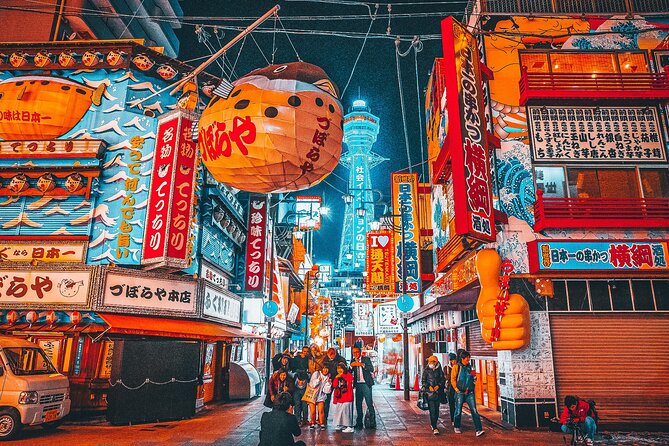
Your Osaka highlight stretch includes Dotonbori District, listed at 15 minutes with free admission. This is the district people mean when they say Osaka has energy. The itinerary calls out neon riverside views, the famous running man sign, and the long shopping streets that feel like a constant moving river.
Then you add a shopping arcade stop: Shinsaibashisuji Kita Shotengai, listed at about 5 minutes. It’s described as Japan’s most crowded shopping arcade, compared to Tokyo’s Shibuya Crossing in the density of people.
If you want the full Osaka punch in limited time, this is exactly where the schedule puts you. The upside of a short stop is you do not get worn out. The downside is you might not get to browse as deeply as you would on a longer trip.
If you are the type who likes to buy snacks and watch street life rather than shop for hours, these short windows are perfect.
Tsutenkaku Hondori Shopping Street: Osaka Street Food, Up Close
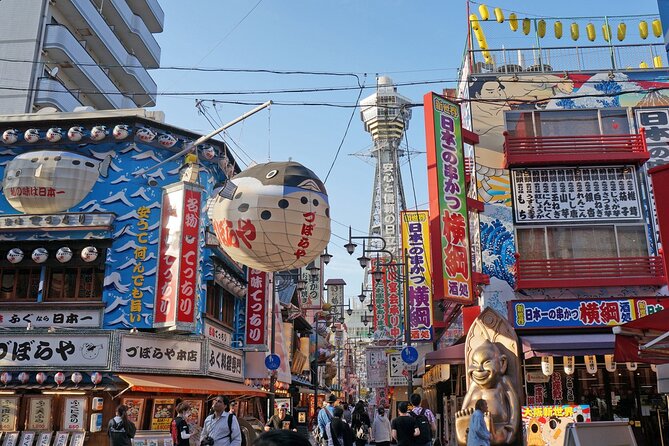
Next you head to Tsutenkaku Hondori Shopping Street, also listed at about 15 minutes. This area is framed as symbolic of Osaka, with unique shops and a lively local vibe.
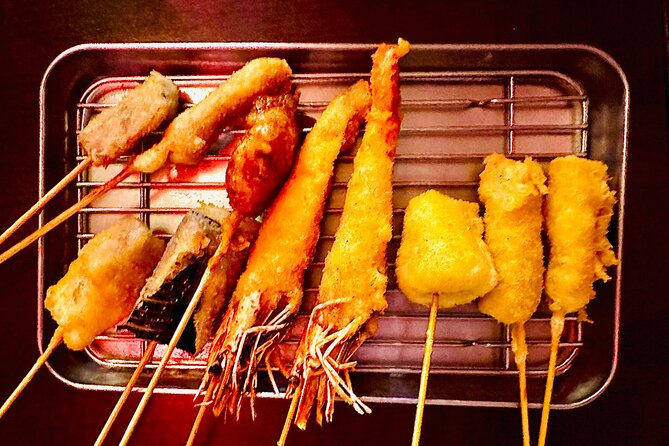
The itinerary specifically nudges you toward street food, especially takoyaki (octopus balls). If you have never tried takoyaki in Osaka, put it on your personal must-do list here. It is one of those “no matter what else you eat, this feels like Osaka” bites.
This is also a good place to get photos where the city feels textured. The billboards and storefronts give you that classic street scene without needing a long walk.
The Red-Line District Stop: Know What You’re Walking Into
The Osaka route includes a stop described as the red-line district, where the tour text mentions school-uniform themed prostitution and people waving from traditional houses.
I want to handle this carefully, because this is not everybody’s scene. If you feel awkward, do not force it. Ask your guide to help you keep it at a glance and focus on the surrounding streets and signage. You can still get the “this is a real neighborhood, not just a theme park” feeling without staring.
This stop is short, and your guide is there to keep the day flowing. Use that privacy to steer your comfort level.
Osaka Night Energy, Plus Dinner Time Guidance
At this point, the day shifts toward evening. The tour includes dinner time and a local restaurant guide. Dinner cost is not included, so plan on paying your own meal.
One detail I like: the guide is not just dropping you at a random place. Past experiences with this operator include getting pointed to local favorites such as ramen. In a private setup, that can mean better timing and a better match to your tastes.
Even if you do not go for ramen, use the guide’s restaurant guidance as a shortcut. It saves time and usually helps you avoid touristy traps in the wrong part of town.
Price and Value: What You Get for $300 Per Group
The price is listed at $300.61 per group (up to 1). That sounds high until you break it down the way this day is actually delivered.
You are paying for:
- A private English guide plus driver
- An air-conditioned car with fuel and highway fees
- Parking fees
- Pickup and drop-off anywhere in Kyoto, Osaka, and Nara
- Photo help and local recommendations
- A dinner-time restaurant guide
What is not included:
- Todai-ji admission (¥800 per person)
- Lunch and dinner fees
- Any extra costs from customization
For a one-day Osaka plus Nara plan, the value comes from time saved and stress reduced. Getting between Nara and Osaka and then hopping among multiple Osaka districts is exactly where public transport can turn into a lot of transfers and walking. Here, you trade that effort for comfort.
If you are traveling solo or as a small group, private transport often becomes the smart move because it prevents wasted hours. If you are a couple who can share one seat, you still get the same control and comfort.
Who This Tour Suits Best (And Who Might Want Something Else)
This tour works best if you:
- Want to see both Nara and Osaka in one afternoon-to-evening window
- Prefer private logistics over train routes and crowded lines
- Like a mix of temples, city symbols, and street-level districts like Dotonbori
- Want a guide to help you with photo positioning and local context
It might not fit you as well if you:
- Want deep, slow temple study or extended time inside museums
- Think you will want hours of shopping in each Osaka district
- Are easily uncomfortable with adult-themed neighborhoods, since the itinerary includes a red-line area stop
For many people, it lands in the sweet spot: a high-energy day that still feels curated, not chaotic.
My Call: Should You Book This Private Osaka and Nara Day?
If you have limited time in Kansai and you want a day that feels efficient but still human, I think this is a strong choice. The private van setup is the big win, and the stop mix makes sense: deer and temple scale in Nara, then Osaka’s symbols and street energy in the city.
Pay attention to two things. Todai-ji admission is extra, so budget for it. And the Osaka red-line district stop is real and specific, so decide how comfortable you want your day to be before you go in.
If those points fit your style, book it. Then show up hungry for both history and neon. Your guide, including the frequently mentioned Daiki Fukashi in past trips, is set up to keep the day moving and meaningful.
FAQ
What time does the tour start?
The tour start time is 1:00 pm.
How long is the Osaka and Nara private van tour?
The duration is approximately 6 hours 30 minutes to 7 hours 30 minutes.
Where can I request pickup and drop-off?
You can get free pickup and drop-off anywhere in Kyoto, Osaka, and Nara cities. Pickup and drop-off points can be different.
What is included in the price?
Included are a full English guide and driver, an air-conditioned private car, fuel and highway fees, parking fees, and dinner time plus a local restaurant guide. Pickup and drop-off within the stated cities are also included.
What is not included, and do I need to pay for Todai-ji?
Lunch and dinner are not included. Todaiji admission is not included, and the listed fee is ¥800 per person.
What is the cancellation policy?
You can cancel for free up to 24 hours in advance for a full refund. If you cancel less than 24 hours before the experience start time, the amount paid is not refunded.
Newly listed around Kyoto
- Zen Meditation for Life in Kyoto★ 5.0 · 10 reviews
- Kyoto Private Customizable Day Tour with Guide and Vehicle★ 5.0 · 52 reviews
- Kyoto: Zen Meditation at a Private Temple with a Monk★ 5.0 · 25 reviews
- Private Wagyu Beef Tour with a Local Guide★ 5.0 · 6 reviews
- Kyoto: Gion Geisha District & Sake-in-Hand Walking Tour★ 5.0 · 37 reviews
- Your Private Vacation Photography Session In Kyoto★ 5.0 · 110 reviews
- Private Guided Traditional Buddhist Cooking in Japan★ 5.0 · 16 reviews
- Private Pewter Sake Cup Experience with a Kyoto Artisan★ 5.0 · 31 reviews
1-Day Tours, compared.
Mt Fuji and Hakone 1-Day Bus Tour Return by Bullet Train
Read our review →
Mt Fuji & Hakone Cruise, Drum Show Bullet Train 1 Day from Tokyo
Read our review →
Peaceful Hiroshima & Miyajima UNESCO 1 Day Bus Tour
Read our review →
Fushimi Inari, Kinkakuji, Bamboo Grove 1 Day Bus Tour
Read our review →

Browse the lists this tour appears in