
Review · PRIVATE CAR WITH DRIVER
Private car tour in Kyoto (up to 9)
Kyoto is easier with a plan. This private car tour is built for one smooth day, with Kosuke showing you major landmarks plus the local vibe that makes the city feel livable. I love how it moves between sights without you wrestling trains, and I also like that the guide can flex based on what your group wants. One possible drawback is that admission fees and lunch are not included, so you’ll want to budget a bit beyond the tour price.
You’ll start in the morning with pickup options and then ride in an air-conditioned vehicle to five stops that cover temple awe, samurai-era atmosphere, and street-level Kyoto food and culture. Kosuke is a confident English-speaking guide, and from what people highlight, he answers questions clearly and adjusts on the fly. The consideration here is simple: you’ll spend a lot of the day outdoors and on your feet, so plan good shoes, especially around the temple crowds.
In This Review
- Key highlights you should care about
- How the private car changes your Kyoto day
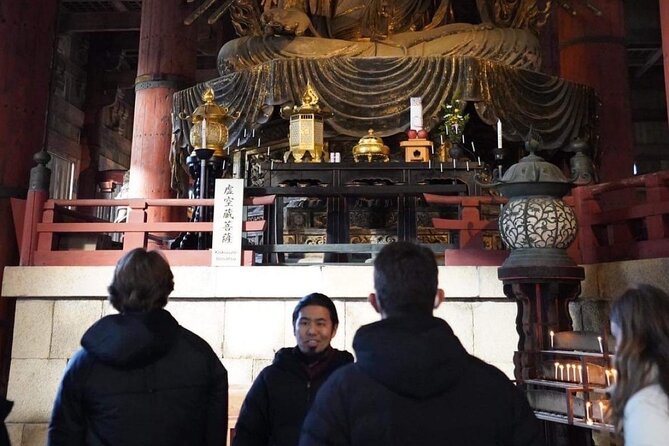
- Sanjusangendo Temple: 1,000 statues in one long wooden room
- Nijo Castle: a samurai-era checkpoint built in 1603
- Kiyomizu-dera: the open veranda views you actually remember
- Nishiki Market: Kyoto’s kitchen for food hunting and gift shopping
- Gion: geisha district atmosphere, without the performance trap
- Timing, comfort, and what seven hours really means
- Price and value: is $375 for up to 9 a fair deal?
- Who this tour fits best
- Quick practical tips before you go
- Should you book this private Kyoto car tour?
- FAQ
- How long is the private Kyoto car tour?
- How many people can join this private tour?
- Where does the tour start, and what time does it begin?
- What is included in the tour price?
- Are admission tickets included for the temples and castle?
- Is there a mobile ticket?
- What happens if weather is bad or I need to cancel?
Key highlights you should care about
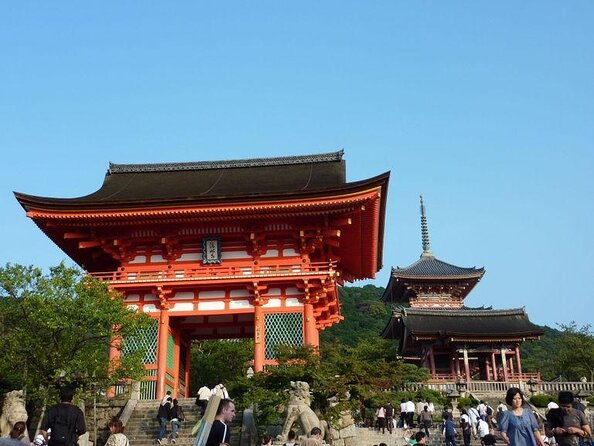
- Private group up to 9: your day stays controlled, not rushed by a big tour bus rhythm.
- Sanjusangendo’s 1,000 golden statues in Kyoto’s long wooden hall: a wow moment that doesn’t need hype.
- Nijo Castle from 1603: a classic early Tokugawa stop that’s ideal with a guide to point out what matters.
- Kiyomizu-dera’s open veranda views: you get the viewpoint focus, not just a quick pass-by.
- Nishiki Market as Kyoto’s kitchen with 150 shops and restaurants: perfect for nibbling and planning meals.
- Gion’s geisha district: a cultural area you can see respectfully without overthinking it.
How the private car changes your Kyoto day
Kyoto can feel like a puzzle at first: sites are beautiful, but getting from A to B can eat your energy. This tour keeps the effort level down by using a private car and handling parking (it’s included). For a day that’s about seven hours, that matters a lot, because it gives you time to actually look, ask, and adjust.
The tour is designed around a steady flow. You’ll have about an hour at each main stop, which is just enough to see the highlights without turning the day into a sprint. Kosuke’s style also seems people-pleasing in a useful way, because groups report he’s flexible and can tailor parts of the route to what they care about.
You’ll also get a mobile ticket, which is a small thing, but it reduces hassle on the day. If you’re traveling with a group of friends or family, the “up to 9” size is a sweet spot, because you keep privacy while still feeling like a shared experience.
A few more Kyoto days to weigh up
- PERFECT KYOTO 1-Day Bus Tour
★ 5.0 · 13,518 reviews - Kyoto: Fushimi Inari, Kinkakuji, Bamboo Grove 1 Day Bus Tour
★ 4.8 · 4,316 reviews - Kyoto: Tea Ceremony in a Traditional Tea House in Kiyomizu
★ 4.9 · 3,519 reviews
Sanjusangendo Temple: 1,000 statues in one long wooden room
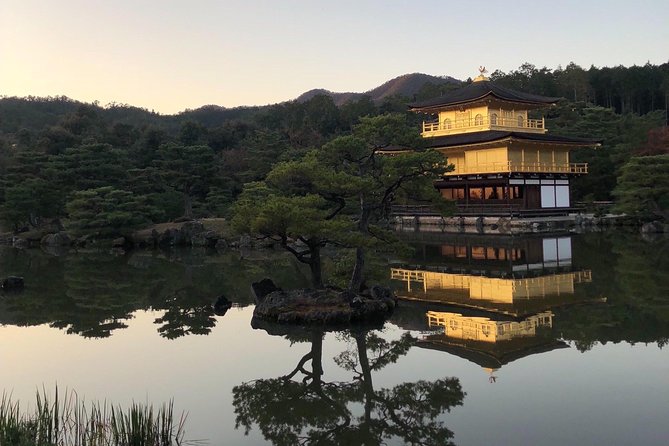
This is the stop that tends to hook people fast. Sanjusangendo is famous for 1000 beautiful golden statues of Buddhist deities inside the longest wooden building. Instead of scattering you across a massive complex, the architecture focuses your attention, and that makes the scale feel real rather than abstract.
What you’ll enjoy most is the “look again” effect. Even if you only have about an hour, the hall invites repeat looking. A guide helps you notice the pattern of the statues and what to look for so you don’t feel like you’re just walking past a wall of gold.
The only practical thing to watch: admission tickets are not included. That means you should plan extra time for entry and be ready to pay onsite. If you’re the type who likes to linger for photos, build in a few extra minutes for the photo lines and for just letting the room sink in.
Nijo Castle: a samurai-era checkpoint built in 1603
Next comes Nijo Castle, a historical site built in 1603 by a shogun-era leader. This matters because it gives you a direct window into the period when power in Japan was concentrated around the shogunate. With a guide, you get more context than you would walking in cold, which is helpful because castles are not just for “big views.”
This stop works well in a private format because you can pace your interests. If your group likes storytelling, you’ll get it. If you prefer structure and details, you can linger where it makes sense. People also mention Kosuke’s strong knowledge and ability to answer questions with confidence, which makes time inside a historical site feel more meaningful.
Admission tickets are also not included here. Like with Sanjusangendo, that’s the main tradeoff. You’ll want to budget for entry and be prepared for crowds that come with Kyoto’s popularity.
Kiyomizu-dera: the open veranda views you actually remember
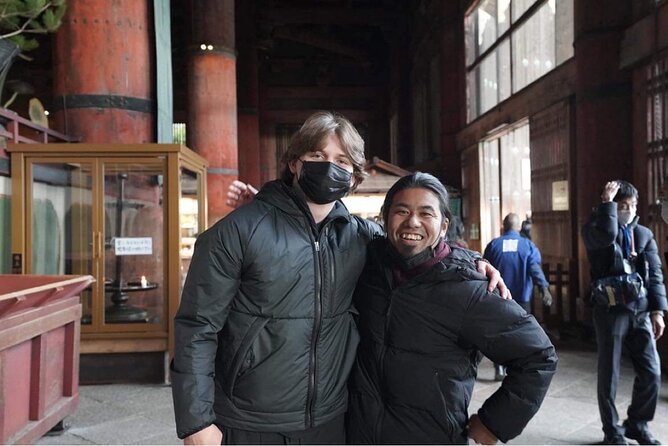
Kiyomizu-dera is the kind of place where you understand why postcards exist. The key highlight is the magnificent view from the open veranda on the hillside. Instead of treating it like a quick photo stop, this tour gives you about an hour, which is usually enough to see the main viewpoints without turning your whole trip into a queue marathon.
What I like about this choice on a private tour is the timing. A guide can help you decide where to stand and when to move, so you spend your limited time on the spots that deliver the best perspective. You also get a better sense of the flow of the temple grounds, which helps you avoid the feeling of wandering aimlessly with a tight schedule.
One more useful detail: some shrines or sacred areas require visitors to be barefoot. In the reviews, Kosuke is praised for bringing slippers for situations like that. I’d still suggest you wear shoes that are easy to remove or carry socks you’re comfortable with, just in case you run into a bare-foot requirement at the temples you visit.
As always, admission tickets are not included, so plan your budget accordingly and arrive ready to pay entry fees.
A different sort of day in Japan:
- Kyoto Geisha Walking Tour: Gion District & Hidden Gems
★ 4.7 · 3,273 reviews - Kyoto: Tea Ceremony Ju-An at Jotokuji Temple
★ 4.9 · 3,207 reviews - Kyoto: 45-Minute Tea Ceremony Lesson Experience
★ 4.3 · 2,378 reviews - Kyoto: Gion Geisha District Walking Tour – Stories of Geisha
★ 4.7 · 2,187 reviews
Nishiki Market: Kyoto’s kitchen for food hunting and gift shopping
After temples, your brain deserves something tangible. Nishiki Market is known as the kitchen of Kyoto, with 150 shops and restaurants offering authentic food options. This is the part of the day where you can get playful and hands-on, tasting if you want, and buying small edible souvenirs if that’s your style.
This stop also helps you understand Kyoto beyond sightseeing. It’s one of the easiest ways to feel daily life in the city. Even if you don’t eat much, you’ll still get the sensory experience, and you can use it as a reference point for what you want later in your trip.
A practical note: lunch is not included. That doesn’t mean you can’t eat well during the tour. It means you should plan meals either at Nishiki Market or elsewhere, depending on what the group wants. Reviews mention Kosuke recommending a restaurant for lunch, and one person called it the best Japanese restaurant they’d ever had. I can’t name a specific place from your info, but the pattern is clear: the guide seems comfortable steering you toward good options.
Because this is a shopping district, bring small cash or ensure your payment method works. Also keep your bag strategy simple, because you may pick up snacks or small items as you walk.
Gion: geisha district atmosphere, without the performance trap
Gion is a world-famous neighborhood for geisha culture, and it’s also one of the easiest areas to enjoy from a respectful distance. This tour gives you about an hour here, which is enough to walk the key lanes, absorb the street vibe, and understand why the area looks the way it does.
Here’s what you should expect: the atmosphere is part of the point. It’s not just about a single landmark, it’s about how Kyoto’s older culture shows up in the streets and the pace of people walking. With a guide, you’ll also be better at spotting what’s meaningful versus what’s just marketing.
Admission fees are not part of this stop, so your cost is mainly your time and attention. The real consideration is behavior. In culturally sensitive areas like this, I always recommend quiet volume and no aggressive photo behavior. You’ll get a better experience and you’ll make it easier for everyone around you to enjoy the neighborhood.
Timing, comfort, and what seven hours really means
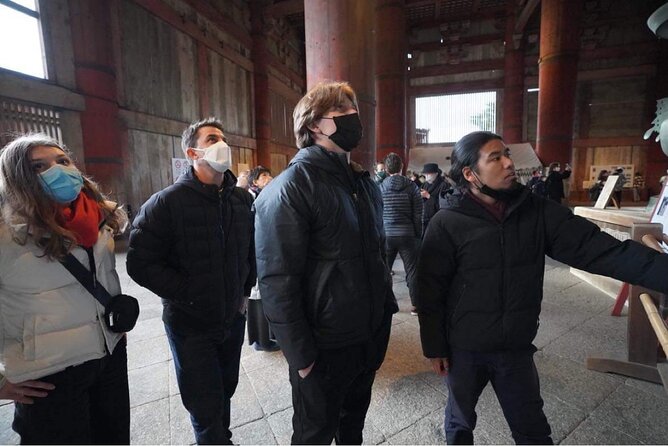
This tour runs for about seven hours, starting around 9:00 am. Each major site is roughly an hour, but the total day includes driving and buffer time, which is exactly why the car matters. In Kyoto, even short transit segments can add up. Here, you get an air-conditioned ride and the convenience of parking handled for you.
I also like that the experience is private, meaning it’s only your group. If you have family members with different interests, or if you want to take photos without feeling like you’re holding up strangers, that private setup is a big deal.
Vehicle comfort also comes up repeatedly in the reviews. People mention the car being clean and comfortable for a group of nine, and the guide arriving on time. That may sound basic, but in a city full of taxis and transit transfers, a smooth start protects your mood for the rest of the day.
A final timing tip: since admission fees are not included, you might spend extra minutes at ticket counters. Build that into your mindset. This tour still feels efficient, but it’s not the kind of day where you walk straight into every site without delays.
Price and value: is $375 for up to 9 a fair deal?
Let’s do the math in real travel terms. $375 for up to nine people means the cost per person can get very reasonable if you’re actually filling the group capacity. If you’re traveling as a small family or a group of friends, that pricing structure can feel like a smart move, especially in Kyoto where time spent commuting is costly.
You also get several things included: parking fees and an air-conditioned vehicle, plus pickup offered. Those two items can be surprisingly expensive if you’re doing it yourself with rideshares or taxis, especially for a full day.
The tradeoff is what you’re not paying for: lunch and admission fees. That’s normal for temple-heavy days, but it does mean you should plan your total spend. Also, weather matters. If the tour is canceled due to poor weather, you’ll be offered a different date or a full refund.
So is it good value? For me, the answer depends on your group size and how much you value convenience. If you’re a couple, you might feel the price more. If you have four to nine people, it can start looking like one of the easier ways to experience Kyoto without stress.
Who this tour fits best
This is best for people who want a clear, well-paced Kyoto highlights day with minimal friction. If you’re visiting for a limited time, have mobility limits that make transit stressful, or just hate the “how do we get there” part of travel, the private car setup is a strong fit.
It’s also a good match for groups who want flexibility. Reviews mention customization based on interests, and Kosuke’s approach sounds interactive, not robotic. If you love asking questions, you’ll likely enjoy that part.
This isn’t the ideal choice if you want a deeply long temple crawl or a slow neighborhood ramble. The format is seven hours and focuses on five major stops. It’s a highlights route with room to adjust, not a full-day aimless wandering challenge.
Quick practical tips before you go
Wear shoes that work for walking and stairs, because you’ll be moving through temples and market streets. Bring a small bag you can keep organized for snacks or small purchases.
Expect to pay admission tickets separately at the temple and castle stops. Plan your lunch approach too, either during the market time or based on a restaurant recommendation.
If you’re visiting in a time of heavy crowds, treat this day like a photography and viewing rhythm, not a speed run. With a guide, you’ll get more from the same time, but you still have to share space in Kyoto.
Should you book this private Kyoto car tour?
If you want a Kyoto day that feels smooth, guided, and efficient, I’d say yes. The strongest reason to book is the combination of a private group up to 9, a morning start, and a guide who seems genuinely helpful, flexible, and answer-ready. Add in the big-ticket sights like Sanjusangendo with its 1,000 golden statues and Kiyomizu-dera’s open veranda views, and you get a day with real wow.
I’d hesitate if you’re traveling solo or as a couple who doesn’t mind transit on your own, because the best value comes when you can spread the price across multiple people. Also, if you hate paying onsite entry fees or if you’re counting on a fully included lunch, you may prefer a more all-in-one package.
FAQ
How long is the private Kyoto car tour?
The tour is listed as about 7 hours.
How many people can join this private tour?
It’s a private tour for your group, and it’s described as up to 9 people.
Where does the tour start, and what time does it begin?
The meeting start time is 9:00 am. Pickup is offered.
What is included in the tour price?
Parking fees and an air-conditioned vehicle are included.
Are admission tickets included for the temples and castle?
No. Admission fees are not included for the listed stops.
Is there a mobile ticket?
Yes, the tour includes a mobile ticket.
What happens if weather is bad or I need to cancel?
The experience requires good weather. If it’s canceled due to poor weather, you’ll be offered a different date or a full refund, and there is free cancellation up to 24 hours in advance for a full refund.
Newly listed around Kyoto
- Zen Meditation for Life in Kyoto★ 5.0 · 10 reviews
- Kyoto: Zen Meditation at a Private Temple with a Monk★ 5.0 · 25 reviews
- Kyoto Private Customizable Day Tour with Guide and Vehicle★ 5.0 · 52 reviews
- Private Wagyu Beef Tour with a Local Guide★ 5.0 · 6 reviews
- Kyoto: Gion Geisha District & Sake-in-Hand Walking Tour★ 5.0 · 37 reviews
- Your Private Vacation Photography Session In Kyoto★ 5.0 · 110 reviews
- Private Guided Traditional Buddhist Cooking in Japan★ 5.0 · 16 reviews
- Private Pewter Sake Cup Experience with a Kyoto Artisan★ 5.0 · 31 reviews
Private Car with Driver, compared.
Tokyo Private Sightseeing Tour by Car- English speaking chauffeur
Read our review →
Tokyo Private Tour by Vehicle with English-Speaking Chauffeur
Read our review →Mt FUJI Day Tour with Private Car and English Speaking Guide
Read our review →
Private Car Tour to Mt. Fuji Lake Kawaguchiko or Hakone
Read our review →
Kyoto Private Car Tour – Full Day with Local Guide & Nara Option
Read our review →
Kyoto Day Trip using Private Car with English Driver (up to 5)
Read our review →
【Private Car】Asahiyama Zoo, Blue Pond, Shirahige Falls, Ningle Terrace (from Sapporo)
Read our review →Browse the lists this tour appears in