
Review · JAPANESE COOKING WORKSHOPS
Private Cooking Class Udon in Kyoto Japan
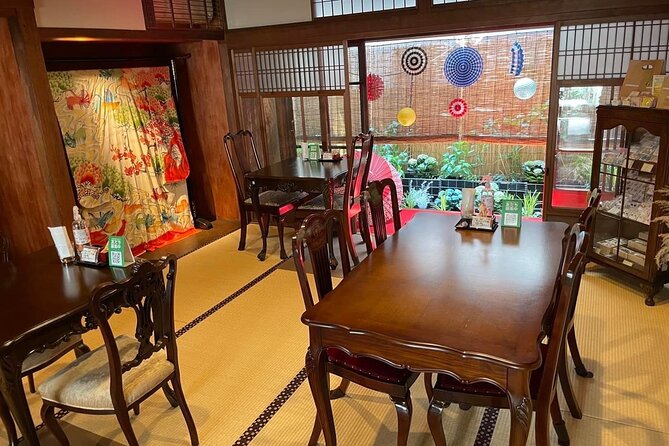
In a 130-year-old kyomachiya near Nishi Honganji Temple, you learn handmade udon steps in a warm, practical setting, often guided by instructors like Tanaka San. I especially like the friendly pace, where you do the hands-on noodle work, and the classroom feels like old Kyoto rather than a cooking show studio. One thing to consider: you don’t boil the noodles yourself, since the teachers handle the boiling and serving so the class stays smooth and kid friendly.
This is a private experience, so you can ask questions without a big group crowding the room. It’s about 1 hour for the class, but the whole meal moment stretches longer, especially if you want time to relax and eat what you made. The setting is close to transit too, with Kyoto Station about a 12-minute walk away and Nishi Honganji Temple about a 2-minute walk.
In This Review
- You make noodles, then you eat them
- Key highlights at a glance
- The 130-year-old Kyoto house setting, close to Kyoto Station
- How the udon class flows: saltwater to knife cut
- The meal plan: your udon, dashi dipping broth, ginger, and tempura
- Private, kid friendly, and taught with patience
- Timing around lunch: 1 hour class, longer meal time
- Value math: why this $60.43 price feels fair
- What you’ll learn that transfers to your kitchen
- Who should book this private udon cooking class in Kyoto
- FAQ
- FAQ
- How long is the udon cooking class?
- What time does the class start?
- Is this a private activity?
- What is included with the meal?
- Do I have to make tempura too?
- Where is the meeting point?
- Is service available if I have a service animal?
- What is the cancellation rule?
- Should you book it
You make noodles, then you eat them
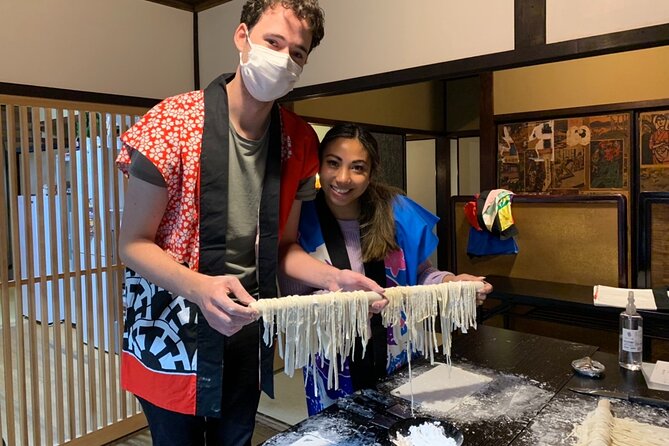
After the noodle work, you sit down and enjoy your udon with a proper setup, including a dashi dipping style broth and toppings like grated ginger and green onion, plus a separate tempura set. I also like that you get something to take home, with a recipe provided so you can cook again later without guessing. If you’re the type who learns best by doing, this format makes it easy to feel confident the next time you’re in your own kitchen.
Key highlights at a glance
- A renovated 130-year-old kyomachiya classroom in central Kyoto, near major landmarks
- Private coaching by local teachers like Tanaka San, with plenty of patience
- Step-by-step udon making using a clear sequence from saltwater through cutting
- You don’t make tempura, but you still get a separate tempura set with your meal
- Lunch included: eat your finished udon right there, then stay to enjoy the moment
More Cooking Classes in Kyoto
- Ramen Cooking Class at Ramen Factory in Kyoto
★ 5.0 · 1,937 reviews - Kyoto: Ramen Cooking Class at a Ramen Factory with Souvenir
★ 4.9 · 532 reviews - Kyoto: Ramen, Gyoza, and Onigiri Cooking Class
★ 5.0 · 445 reviews
The 130-year-old Kyoto house setting, close to Kyoto Station
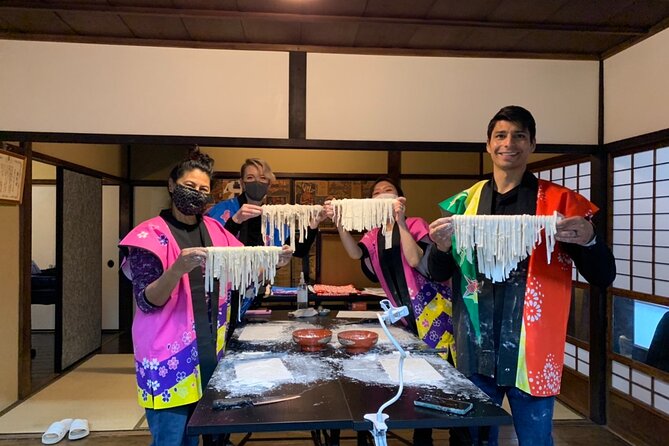
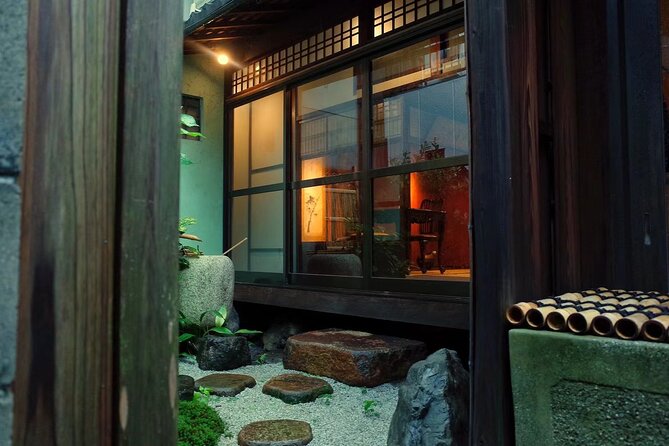
The experience takes place in a beautifully renovated traditional house associated with 創作料亭出雲 Kyoto Izumo. The building is said to date back about 130 years, and the interior is filled with antique furniture and artifacts that are well over a century old. That matters, because the room doesn’t feel like a modern kitchen where everything is designed for speed. You feel the older rhythm of Kyoto, with music and the kind of quiet attention that makes cooking feel like a craft.
Location is another practical win. You’re a short walk from Kyoto Station, around 12 minutes, so midday plans don’t become a transit puzzle. And you’re just about 2 minutes from Nishi Honganji Temple, which is handy if you’re stacking sights around lunchtime.
One more detail I appreciate: the venue is near public transportation, so even if you’re not staying right in the old districts, you’re still in reach. That reduces stress, which makes a hands-on cooking class much more enjoyable.
How the udon class flows: saltwater to knife cut
The class is built around a clear sequence, and that structure helps you actually learn. You start with making saltwater, then move through rinsing the water and the early steps of forming the dough. The process continues with what the instructor calls footsteps and maturing, which are basically the working and resting steps that help udon develop the right texture.
Then comes the part you’ll remember. You do the stretching, you do the knife cut, and you handle the shaping work that makes the noodles feel real, not like dough you just manipulate for show. The instructions are demonstrated and explained in English, with local teachers leading and assistants helping depending on the group.
Here’s a key consideration for planning expectations. Even though you make the noodles, the class is designed so you don’t boil the udon yourself. In practice, teachers take care of the boiling and the finishing so you can stay engaged and not get stuck on one technical step. This also explains why the class tends to work well for kids and teens, and why the whole flow stays on schedule.
If you like learning technique, the “why” shows up too. The experience includes short context about udon, including that udon’s origin connects to China, so you’re not just cranking out noodles with no cultural frame.
The meal plan: your udon, dashi dipping broth, ginger, and tempura
After you form your udon, the teachers finish the heavy lifting, and then you relax with what you made. The format is set up so lunch feels like part of the lesson, not an afterthought.
Your meal setup includes udon served with a dashi dipping style broth and toppings like freshly grated ginger and minced green onion. In other words, you’re not only eating plain noodles. You’re tasting a common Kyoto way of balancing warm broth and bright aromatics.
You’ll also get a tempura set, and this is important: you do not need to make the tempura. The class description says a separate tempura set is added for meals, so your time stays focused on udon. That’s a smart trade. You get the satisfaction of making the main dish, while still leaving room for a fuller lunch experience.
In practical terms, this means you can go even if you’re not confident in frying or dough skills. You’ll still leave with a complete meal you can recreate later in your own way.
More Cooking Workshops in Kyoto
- Kyoto: Japanese Washoku Bento Small Group Cooking Class
★ 5.0 · 380 reviews - Kyoto: Afternoon Japanese Izakaya Cooking Class
★ 4.9 · 241 reviews - Izakaya Style Cooking Class
★ 5.0 · 219 reviews - Gyoza Cooking Class in Kyoto: Traditional Japanese Dumplings
★ 5.0 · 210 reviews
Private, kid friendly, and taught with patience
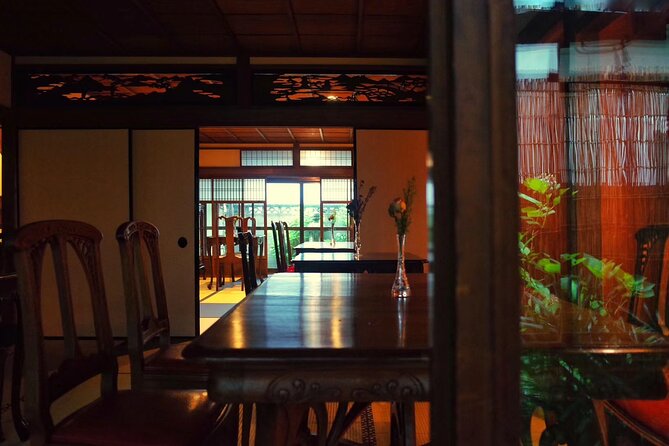
What makes this class feel special is how the instruction lands. Multiple sessions emphasize that teachers are friendly, helpful, and patient, and that the class is very kid friendly. One reason is the division of labor: you do the approachable dough work, and the teachers handle the boiling.
That’s also why teenagers tend to enjoy it. They get hands-on technique, not a lecture, and they can see the results quickly. For younger kids, the steps stay active and doable, and the room is comfortable enough to handle some mess without turning it into a stress event.
You might have a teacher like Tanaka San, described as upbeat and encouraging, or a local instructor like Hisayu, praised for guiding the group. In both cases, the tone is relaxed but structured. You learn by following demonstrations, repeating key moves, and then eating what you made.
Also, because it’s private, you’re not stuck following a crowd. If your group includes beginners, you’ll get the kind of attention that helps you keep moving at a comfortable pace. If you’re cooking already, you can ask for more detail without feeling rushed.
Timing around lunch: 1 hour class, longer meal time
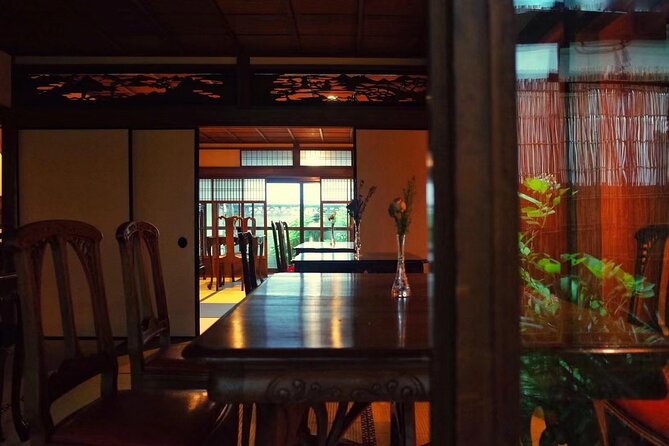
The class is listed as about 1 hour, starting at 12:00 pm. But in real terms, you should plan for more than “just” the 60 minutes, because you’ll want time to eat and reset your energy.
A good rule: arrive ready to cook, then treat lunch as part of the experience, not something you swallow while leaving. The venue also gives you room to relax after the class, including time to enjoy the udon you made yourself.
If you’re building your Kyoto day, this is a strong midday anchor. It fits the city rhythm well: morning for temples and streets, lunch for something hands-on, then back out for the afternoon.
Value math: why this $60.43 price feels fair
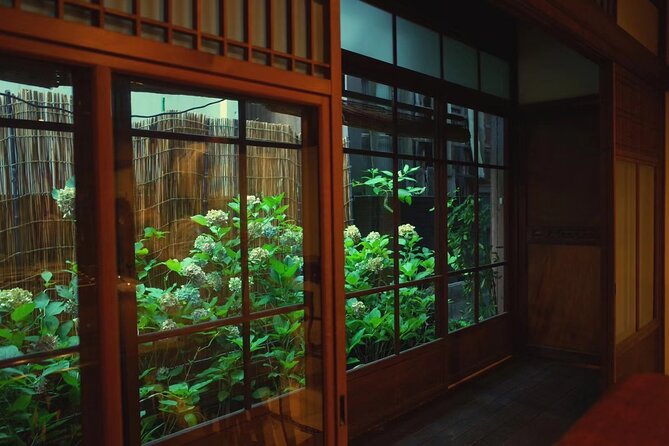
At $60.43 per person, this is not the cheapest thing in Kyoto. But it also isn’t a mass workshop. You’re paying for a private experience, a historic house setting, and instruction from local teachers, plus lunch that includes your udon and a tempura set.
For value, look at what you actually take away:
- You learn the noodle technique step-by-step, not just a “watch then eat” class
- You get a complete meal built around your own work
- You receive a recipe so you can attempt udon again at home
That last part matters. A cooking class that stays in the past is just entertainment. A class that gives you a recipe is a practical skill you can reuse. Several past participants highlight getting the udon recipe to cook later, which increases the long-term value.
So if you’re someone who enjoys food experiences where you leave with real confidence, this price makes sense. If you only want a quick snack or you have zero interest in hands-on cooking, it might feel like more than you need.
What you’ll learn that transfers to your kitchen
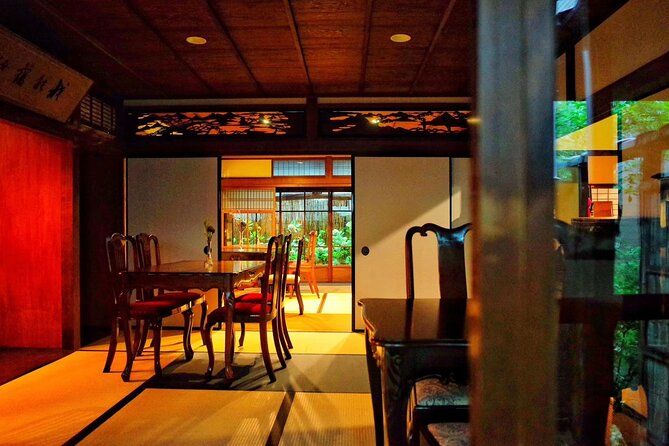
The udon technique is the obvious skill. You’ll understand how saltwater and water rinsing fit in, how stretching and maturity steps affect texture, and how knife cutting changes the noodle shape.
But the transfer skill is confidence. Because the class is designed so you’re not doing every complex step, you still finish with noodles you can taste immediately. You see the results before you walk away, which helps your brain lock in the process.
You’ll also pick up context, including the idea that udon’s story ties back to China before becoming a Japan staple. That kind of background helps you appreciate why udon matters in everyday Japanese food culture, not just as a dish on a menu.
And if your group includes kids, it’s a rare activity where they can participate without being relegated to “helper” status. You get real making time, not just photo time.
Who should book this private udon cooking class in Kyoto
This is a great fit if you want a central Kyoto activity that’s hands-on, culturally grounded, and designed for mixed ages. It especially works well for:
- Families with kids who can handle a structured cooking activity
- Teens and adults who want a practical food skill they can repeat at home
- People planning a lunch break in Kyoto who want something more memorable than a quick bowl
- Anyone who likes cooking classes with a real local teacher, not a script
It’s less perfect if you’re only looking for a full “from scratch” cooking day with every technical step, because the boiling and some finishing tasks are handled by the teachers.
FAQ
FAQ
How long is the udon cooking class?
It’s listed as about 1 hour.
What time does the class start?
The start time is 12:00 pm.
Is this a private activity?
Yes. It’s private, so only your group participates.
What is included with the meal?
You’ll eat the udon you made, and the meal includes a separate tempura set. The setup includes dashi dipping broth and toppings such as grated ginger and minced green onion.
Do I have to make tempura too?
No. The class notes that you don’t need to make tempura, since a separate tempura set is provided for the meal.
Where is the meeting point?
The meeting point is 364 Momijichō, Shimogyo Ward, Kyoto, 600-8345, Japan.
Is service available if I have a service animal?
Yes. Service animals are allowed.
What is the cancellation rule?
Free cancellation is available up to 24 hours before the experience’s start time for a full refund.
Should you book it
I think you should book this if you want a Kyoto lunch that turns into an actual skill. The private format, the 130-year-old house setting, and the fact that you make the udon noodles while still getting a full meal make it good value for $60.43.
Skip it only if you’re uninterested in hands-on cooking, or if you’re specifically hoping to do every step yourself, including boiling. If you want a calm, structured class with local help and a satisfying lunch payoff, this one is an easy yes.
Newly listed around Kyoto
- Zen Meditation for Life in Kyoto★ 5.0 · 10 reviews
- Kyoto: Zen Meditation at a Private Temple with a Monk★ 5.0 · 25 reviews
- Kyoto Private Customizable Day Tour with Guide and Vehicle★ 5.0 · 52 reviews
- Private Wagyu Beef Tour with a Local Guide★ 5.0 · 6 reviews
- Kyoto: Gion Geisha District & Sake-in-Hand Walking Tour★ 5.0 · 37 reviews
- Your Private Vacation Photography Session In Kyoto★ 5.0 · 110 reviews
- Private Guided Traditional Buddhist Cooking in Japan★ 5.0 · 16 reviews
- Private Pewter Sake Cup Experience with a Kyoto Artisan★ 5.0 · 31 reviews
Japanese Cooking Workshops, compared.
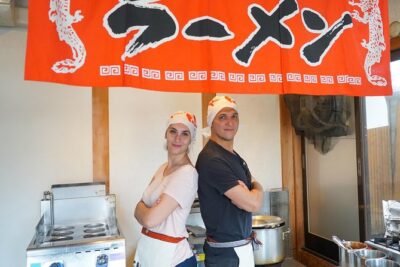
Ramen Cooking Class at Ramen Factory in Kyoto
Read our review →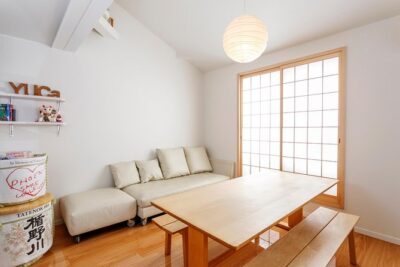
Ramen & Gyoza Cooking Class in Tokyo with Local Supermarket Visit
Read our review →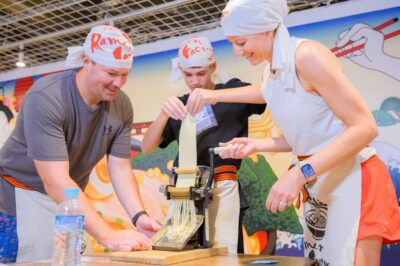
Ramen Cooking Class at a Ramen Factory with Souvenir
Read our review →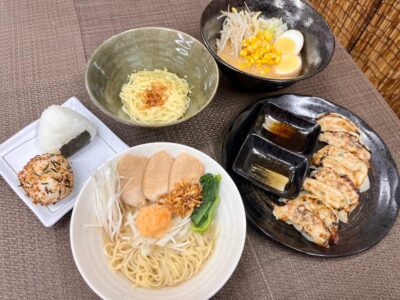
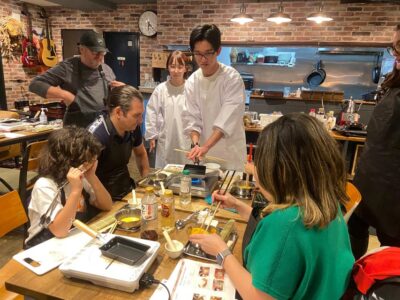
Japanese Washoku Bento Small Group Cooking Class
Read our review →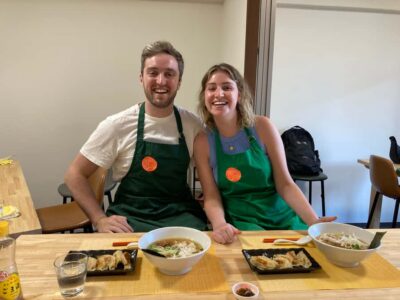
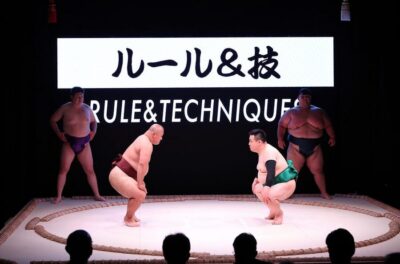
Sumo Stage Show with Bento or Snack + Fight & Photo
Read our review →
Ramen and Sushi Cooking Class with Sake Pairing Set in Tokyo
Read our review →Browse the lists this tour appears in