
Review · SHRINE & TEMPLE VISITS
The Way of Tea: Kyoto Crafts, Hidden Temples & Wabi-Sabi Walk
Tea and temples in one focused Kyoto walk. This tour blends Gion matcha culture with temple admissions included, then finishes with a one-hour tea ceremony in a real Japanese house. The small setup is also a big deal, because you can actually ask questions as you move.
The main thing to consider is that guide volume and English clarity can vary. If you rely on crisp, loud explanations, go in prepared to ask for repeats when needed, and keep your attention on the guide during quieter moments.
In This Review
- Key highlights you should care about
- A smart 3.5-hour plan from Gion to Kiyomizu
- Meeting point: find the orange sign fast
- Stop 1 in Gion: matcha shop tea history in a walkable pocket
- Kennin-ji Temple: seeing centuries with someone to explain the why
- Craft shops with Kyoto flavor, not just souvenirs
- Hidden temple and garden, then a raku teacup lesson
- Tea Ceremony Chayu: Wabi-sabi in practice, not theory
- Price and value: what you are paying for in real terms
- Small group logistics that actually matter
- Should you book this one?
- FAQ
- How long is the Kyoto Way of Tea tour?
- What is the tour price per person?
- Where do I meet the guide?
- Do I need to navigate during the tour?
- Which temples are included?
- Is a tea ceremony included, and what happens?
- How much time do you spend on the tea ceremony?
- What is the group size?
- Are photos included?
- Is there an age limit for the tea ceremony?
Key highlights you should care about
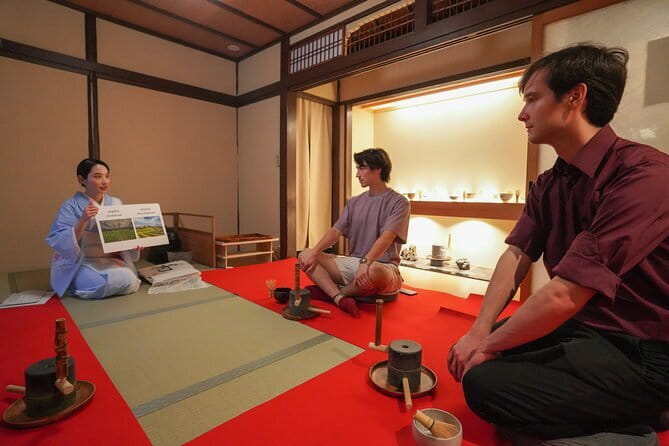
- Small group of up to 7 people, so questions do not get lost
- Two temple admissions included, saving time and avoiding surprise fees
- Gion matcha stop that connects tea history to what you taste
- Raku teacup focus at a ceramics tea bowl shop, with meaning behind the cup
- Tea Ceremony Chayu experience with a tea master and matcha served
A smart 3.5-hour plan from Gion to Kiyomizu
Kyoto rewards slow walking, but you still want a plan that makes sense. This tour is built around an easy flow through eastern Kyoto, moving from the Gion area into temples, then finishing near Kiyomizu. In about 3.5 hours, you get a full story arc: where tea culture comes from, how it shows up in daily life, and how it turns into a formal ritual.
You also avoid the most common Kyoto problem, staring at maps while everyone else moves on. A guide leads you step by step, and that is especially helpful in temple zones where lanes change and signs can be easy to miss when you are distracted.
More Shrine & Temple Visits in Kyoto
- Kyoto: Fushimi Inari, Kinkakuji, Bamboo Grove 1 Day Bus Tour
★ 4.8 · 4,316 reviews - Kyoto: Tea Ceremony Ju-An at Jotokuji Temple
★ 4.9 · 3,207 reviews - Fushimi Inari Hidden Hiking Tour (Private Option Available)
★ 5.0 · 1,750 reviews
Meeting point: find the orange sign fast
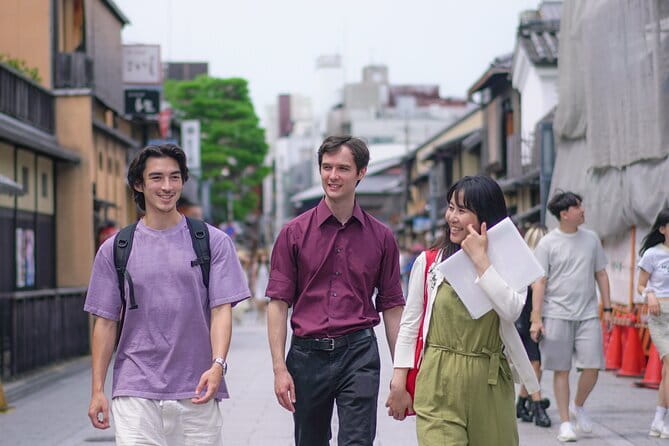
Your starting point is in front of the Statue of Izumo-no-Okuni, right outside Exit 5 of Gion Shijo Station on the Keihan Line. The guide meets you holding an orange signboard that says Magical Trip Tour. It is a very clear meet, which matters because the tour starts on time and you cannot join if you are late.
Once you locate the group, you can relax. You do not need navigation skills for this one, and the guide is there for questions while you are walking.
Stop 1 in Gion: matcha shop tea history in a walkable pocket
The first stop keeps things light and grounded in real tea-making. You stroll through Gion, then visit a famous matcha shop where you learn about the history of Japanese tea and how it is made. It is not just a sales stop. The idea is to give you context so the later ceremony feels less like a performance and more like a continuation of what you just learned.
This is also your rhythm-setter portion of the tour. It is about 30 minutes, so it warms you up without dragging. If you like learning by seeing how everyday items connect to culture, this is the right opener.
What to watch: Gion can be busy. Wear comfortable shoes and keep your expectations realistic for a moving street scene. You are there to learn and notice details, not to enjoy silence.
Kennin-ji Temple: seeing centuries with someone to explain the why
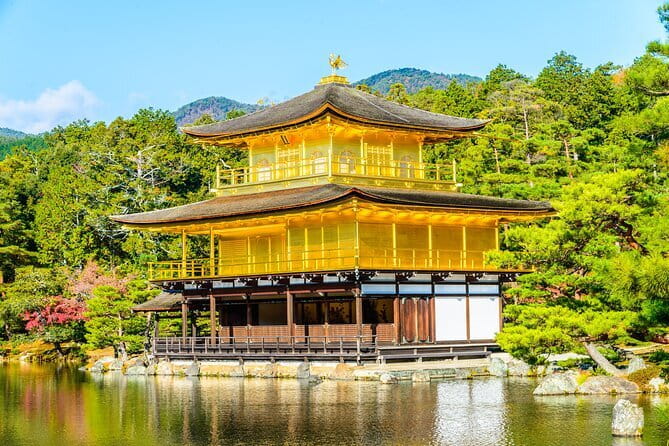
Kennin-ji Temple is the first major religious stop, and it is the one where a guide really pays off. You get a look at a temple that has stood for centuries, plus explanations that help you read what you are seeing. When you have context, you tend to notice small things like layout, symbolism, and why visitors move the way they do.
This stop runs about 30 minutes, and the entrance ticket is included. That inclusion is not just a money saver. It also means less time hunting for tickets or trying to figure out whether an area is included in your day plan.
The only drawback is time pressure. You will not get a long, wandering study session here. But for a first temple stop in a half-day plan, it is a practical length.
More Walking Tours in Kyoto
- Kyoto Geisha Walking Tour: Gion District & Hidden Gems
★ 4.7 · 3,273 reviews - Kyoto: Gion Geisha District Walking Tour – Stories of Geisha
★ 4.7 · 2,187 reviews - Night Walk in Gion: Kyoto’s Geisha District
★ 4.5 · 2,003 reviews - Kyoto Gion Geisha District Walking Tour – The Stories of Geisha
★ 5.0 · 1,441 reviews
Craft shops with Kyoto flavor, not just souvenirs
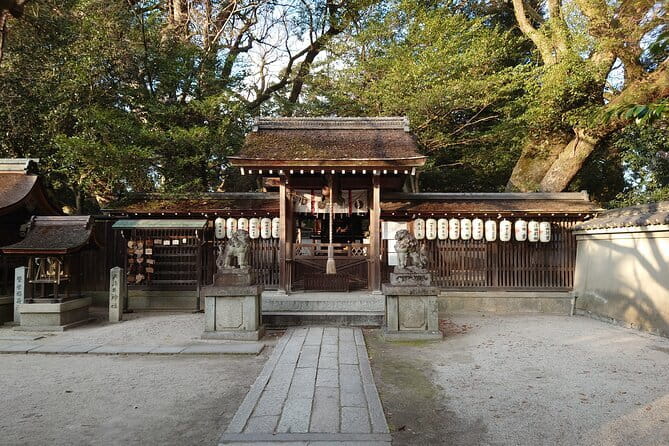
After Kennin-ji, the tour moves into the craft-shopping stretch described as Kyoto Prefecture stops. You get around 30 minutes to visit shops, which is a nice middle ground: long enough to browse and buy if you want, short enough that you do not lose the plot.
This portion is where the tour helps you shop with taste. Instead of grabbing the first magnet you see, you get a guided sense of what kinds of items connect to tea culture and local workmanship. You can pick up smaller gifts if that is your style, or just use the time to learn what different makers are known for.
What to watch: this is still shopping time. If you prefer pure sightseeing, you may want to keep your buying decisions simple. Browse, ask one or two questions, and decide later.
Hidden temple and garden, then a raku teacup lesson
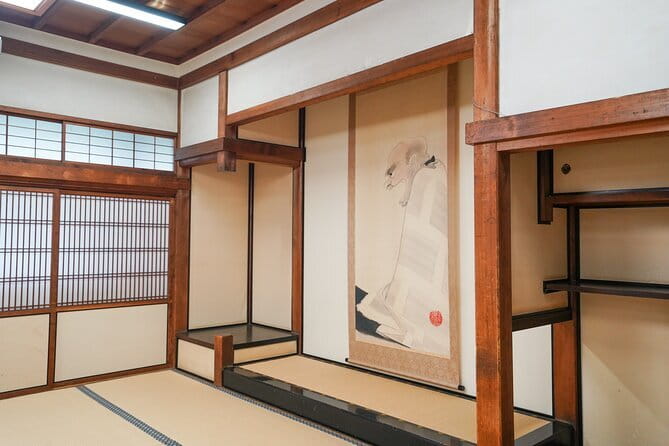
The next act is two-part. First, you visit a hidden temple and garden. This is where the pace shifts from street energy into a quieter pocket of Kyoto. You get a chance to reset your senses, slow down, and take in the mood of the place.
Then you head to a tea bowl shop where ceramics take center stage, specifically with the raku teacup focus. The guide shares how each cup has its own character, history, and meaning. That detail matters. It turns the cup from an object into a story you can connect to the tea ritual you will do later.
This stop is also about 30 minutes, so it is not an all-day pottery class. Still, it is long enough to ask questions and see what makes raku special in the way people talk about it at tea time.
If you like photography, this is a good place for pictures, but stay respectful. Gardens and temple areas reward quiet observation, and you will get better photos when you wait for the moment.
Tea Ceremony Chayu: Wabi-sabi in practice, not theory
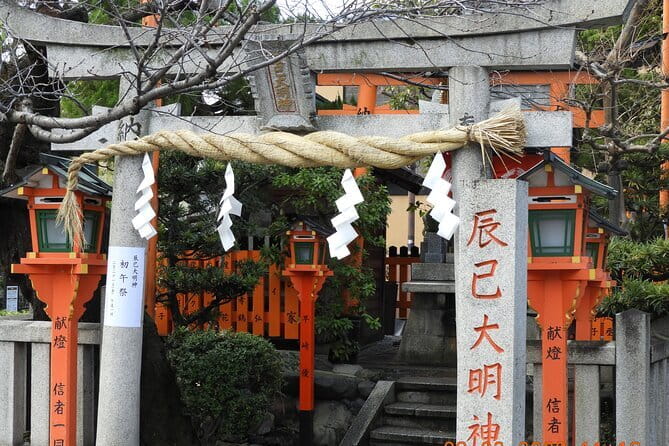
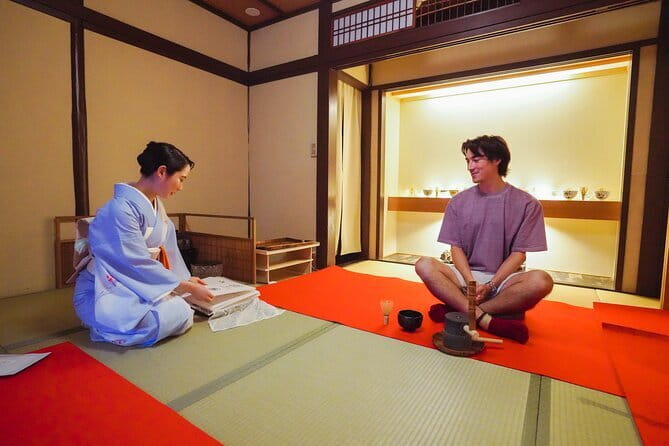
The finish is the tea ceremony at Tea Ceremony Chayu, lasting about one hour with admission included. You get tea master instruction and you drink matcha at a traditional Japanese house. This is the part that most people remember, because you finally experience the culture you learned about on the street.
Wabi-sabi is part of the tour’s framing, and you can feel what that means in the structure of the ceremony. It is less about perfection and more about attention: how tea is prepared, how actions are timed, and how you treat the space and tools with care. Even if you do not know the terms before you arrive, the ceremony teaches you through rhythm.
A couple practical notes. The tour ends after the tea experience. The meeting address for the end point is listed at 4-chōme-172-7 Kiyomizu, Higashiyama Ward, Kyoto, 605-0862, so plan your next step around that area.
Also, there is an age rule: the ceremony experience can only accommodate children who are 6 and older. If you bring younger children, one adult must accompany them outside the facility during the experience. That is important if you are traveling as a family.
Price and value: what you are paying for in real terms
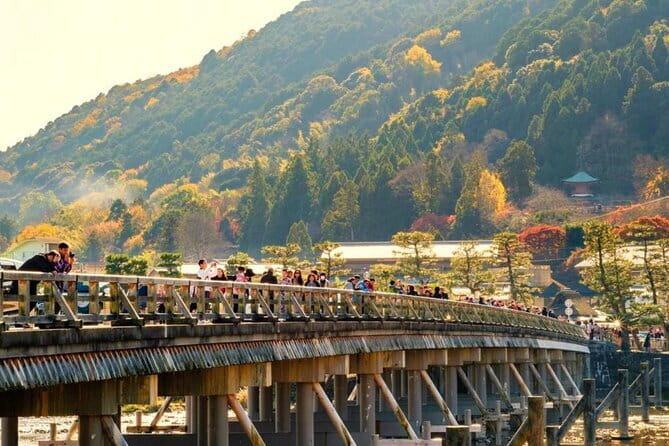
At $94.45 per person for about 3 hours 30 minutes, this is not a budget shuffle. But it is also not just paying for someone to walk with you. You are paying for three main pieces of value:
First, the guide time. This is an organized walk with context, questions welcome, and photo help during the tour. Instead of piece-mealing temples and tea spots on your own, you get a clean sequence with explanations built in.
Second, admissions. Entrance fees of 2 temples are included. That is a meaningful value when you compare it to doing temples independently, especially if you would otherwise spend time figuring out entry details.
Third, the tea ceremony. The final hour is matcha with tea master instruction at a traditional house. Many Kyoto tea experiences cost enough that combining it with temple entry and guiding time can make the total feel more reasonable.
If you already plan to do both temples and a tea ceremony anyway, this tour becomes a straightforward convenience purchase. If you only want one of those, you might feel the price more.
Small group logistics that actually matter
This tour has a maximum of 7 travelers, which makes a difference in Kyoto where small delays can become big ones. When the group stays compact, you get better movement through crowds and more personal guidance when you have questions.
You also get a mobile ticket, which helps on the day. You still should plan to arrive early enough to settle in. The tour must start on time, and you cannot catch up if you miss the start.
Weather can be extreme in Kyoto, with summer highs reaching very high temperatures and winter lows dropping below freezing. If you are doing this in hot or cold months, dress for comfort, bring water in warmer weather, and be ready for a lot of outdoor walking.
Should you book this one?
Book it if you want a Kyoto experience that connects three things: Gion tea culture, temple context, and a real matcha ceremony. I like that the tour gives you explanations before the ceremony, so the tea experience feels earned, not random.
Skip it or consider alternatives if you strongly prefer long time in temples, deep time in crafts, or a completely independent itinerary. This is designed as a tight, guided sequence, so you will not have hours to wander on your own at every stop.
If you are the kind of traveler who enjoys structure, small-group attention, and learning by doing, this is a very solid way to spend an afternoon in Kyoto.
FAQ
How long is the Kyoto Way of Tea tour?
It runs about 3 hours 30 minutes.
What is the tour price per person?
The price is $94.45 per person.
Where do I meet the guide?
Meet in front of the Statue of Izumo-no-Okuni, right outside Exit 5 of Gion Shijo Station on the Keihan Line. The guide holds an orange signboard that says Magical Trip Tour.
Do I need to navigate during the tour?
No. The guide leads the way, so you do not need to handle navigation.
Which temples are included?
Kennin-ji Temple is included, and there is also another temple stop with entrance fees included. Entrance fees of 2 temples are included in total.
Is a tea ceremony included, and what happens?
Yes. The tour ends with a tea ceremony at Tea Ceremony Chayu, with tea master instruction and you drink matcha (green tea) at a traditional Japanese house.
How much time do you spend on the tea ceremony?
The tea ceremony experience lasts about 1 hour.
What is the group size?
The maximum group size is 7 travelers.
Are photos included?
Yes. Photos during the tour are included.
Is there an age limit for the tea ceremony?
The tea ceremony experience can only accommodate children who are 6 years old and older. Younger children can attend only if one adult accompanies them outside the facility during the experience.
Newly listed around Kyoto
- Zen Meditation for Life in Kyoto★ 5.0 · 10 reviews
- Kyoto: Zen Meditation at a Private Temple with a Monk★ 5.0 · 25 reviews
- Kyoto Private Customizable Day Tour with Guide and Vehicle★ 5.0 · 52 reviews
- Private Wagyu Beef Tour with a Local Guide★ 5.0 · 6 reviews
- Kyoto: Gion Geisha District & Sake-in-Hand Walking Tour★ 5.0 · 37 reviews
- Your Private Vacation Photography Session In Kyoto★ 5.0 · 110 reviews
- Private Guided Traditional Buddhist Cooking in Japan★ 5.0 · 16 reviews
- Private Pewter Sake Cup Experience with a Kyoto Artisan★ 5.0 · 31 reviews
Shrine & Temple Visits, compared.
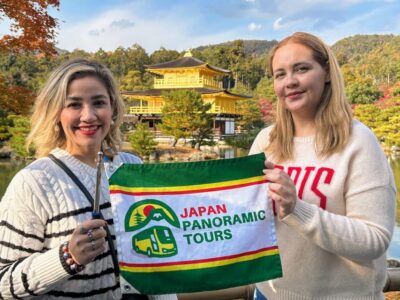
Fushimi Inari, Kinkakuji, Bamboo Grove 1 Day Bus Tour
Read our review →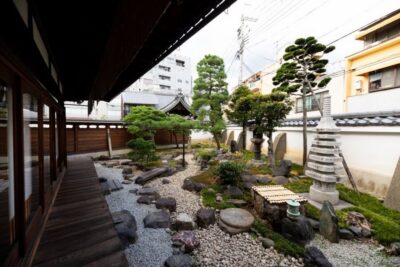

Meiji Shrine, Asakusa, Skytree Bus Tour and Cruise
Read our review →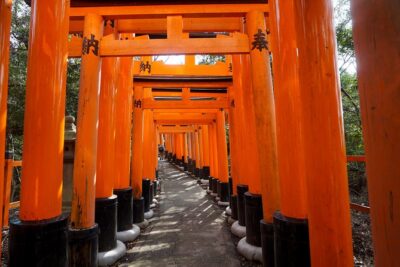
Fushimi Inari Hidden Hiking Tour (Private Option Available)
Read our review →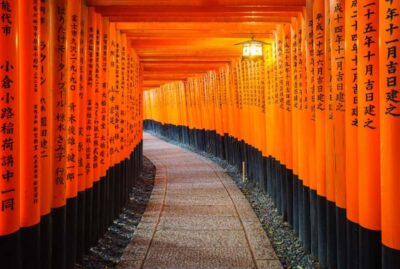
Osaka/Kyoto:Kinkakuji,Arashiyama,FushimiInariShrine,NaraPark
Read our review →
Asakusa Walking Tour with Sensoji Temple Visit
Read our review →
Nikko: Kegon Falls, Lake Chuzenji & Toshogu Temple
Read our review →
Kamakura & Enoshima Day Trip including Temple Tickets
Read our review →Browse the lists this tour appears in