Review · SAMURAI SWORD & NINJA TRAINING
Tokyo: Samurai History Walking Tour
Samurai stories get real when you stand on the ground. I like how this tour ties major turning points to physical places, and I especially like the stop at Edo Castle ruins at the Tokyo Imperial Palace East Gardens. One drawback to plan for: it is a 4-hour walk, and it is not ideal if you tire easily.
The guide, John, a bald white male, meets you just outside JR Tokyo Station at Marunouchi Square, so you can start quickly and not waste time finding the group. You will also use public transport occasionally to rest your legs, which helps keep the pace from turning into a sightseeing slog.
You will walk through a timeline that starts in the 900s and runs to samurai decline in 1868, with frank answers to big questions like who the samurai were and how their role changed. The other practical thing to know: you generally do not stop for food, so I suggest grabbing snacks at a convenience store beforehand.
In This Review
- Key highlights worth showing up for
- Starting at Marunouchi Square, then straight into the story
- How this tour answers the question What were samurai, really?
- Edo Castle ruins at Tokyo Imperial Palace East Gardens
- Taira no Masakado’s Grave: a stop that changes the timeline
- Sengaku-ji and the 47 Ronin gravesite
- Timing, transport breaks, and the 4-hour walking reality
- Price and value: $33 plus transit and temple fees
- Who this Tokyo samurai tour suits best
- Should you book this Tokyo Samurai History Walking Tour?
- FAQ
- Where does the tour start, and where does it end?
- How long is the Tokyo Samurai History Walking Tour?
- What is included in the $33 per person price?
- What extra costs should I expect?
- Is the tour offered in English?
- Does the tour stop for food?
- Who should not book this tour?
Key highlights worth showing up for
- Edo Castle ruins in the Tokyo Imperial Palace East Gardens for the political core of early samurai-era power
- Taira no Masakado’s Grave for a turning point that helps explain how samurai influence grew
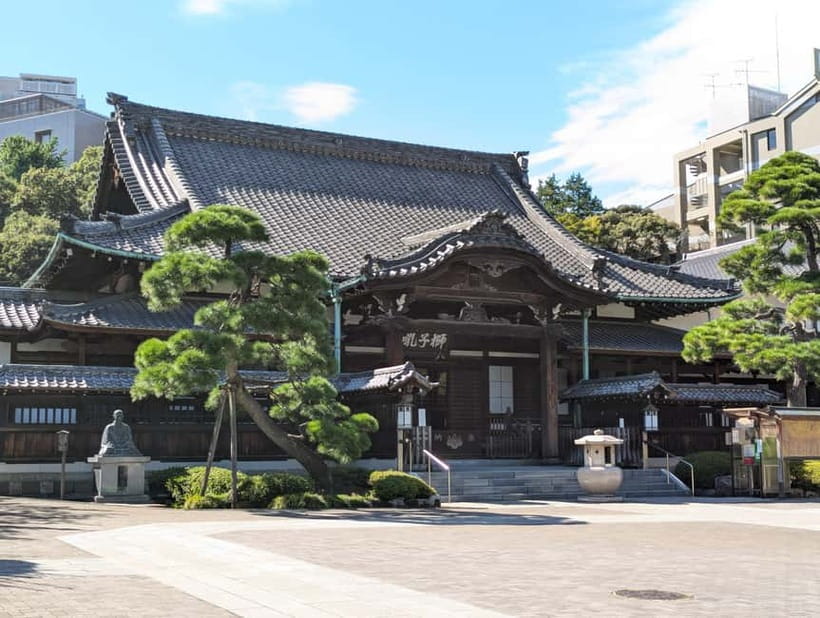
- Sengaku-ji and the 47 Ronin gravesite to connect myth, memory, and real historical aftermath
- English guidance from John, with room for questions during the walk
- A focused 4-hour route that balances walking with occasional public transport breaks
Starting at Marunouchi Square, then straight into the story
This tour begins in Marunouchi Square, just outside JR Tokyo Station, at the Marunouchi Central Exit. That location matters. Tokyo Station can feel like an endless maze, so meeting in a recognizable landmark area is one of the easiest ways to start a walking tour without stress.
From there, you get a guided kickoff session to set the frame. You are not just getting a list of sites. You are getting the why behind them, including how samurai history stretches from early roots in the 900s, through major conflicts, and into the end of the samurai era in 1868.
I also like the practical setup: you finish at Takanawa Gateway Station, which is a convenient place to head back into the city. If you are trying to fit this into a tight schedule, that ending helps.
The only real catch is physical stamina. It is a walking tour, and even with public transport breaks, you should expect a steady pace.
More History Tours in Tokyo
- Tokyo: Imperial Palace Japanese History Walking Tour
★ 4.9 · 987 reviews - Yanaka Walking Tour: Historic and Traditional District of Tokyo
★ 5.0 · 530 reviews - Tokyo: Shinjuku Historical Walking Tour & Secret Backstreets
★ 5.0 · 530 reviews
How this tour answers the question What were samurai, really?
One thing I find useful is that the tour does not treat samurai like movie heroes or cartoon villains. You will be guided through the big questions directly: were samurai virtuous and honorable, or were they more like armed power players in a messy world?
That kind of framing helps you read the sites better. When you reach Edo Castle ruins, the story is not just about castles. It is about who held authority, how order got enforced, and what happened when power shifted. When you reach Sengaku-ji later, it is not just about a famous legend. It is about how people remember violence, loyalty, and justice after the fact.
The tour also connects the timeline to places you can actually point to. You do not have to imagine everything from a textbook. You stand where important events unfolded, and your guide gives you context so you can see how the narrative pieces fit.
If you like history that explains cause and effect, not just dates, this route is built for that.
Edo Castle ruins at Tokyo Imperial Palace East Gardens
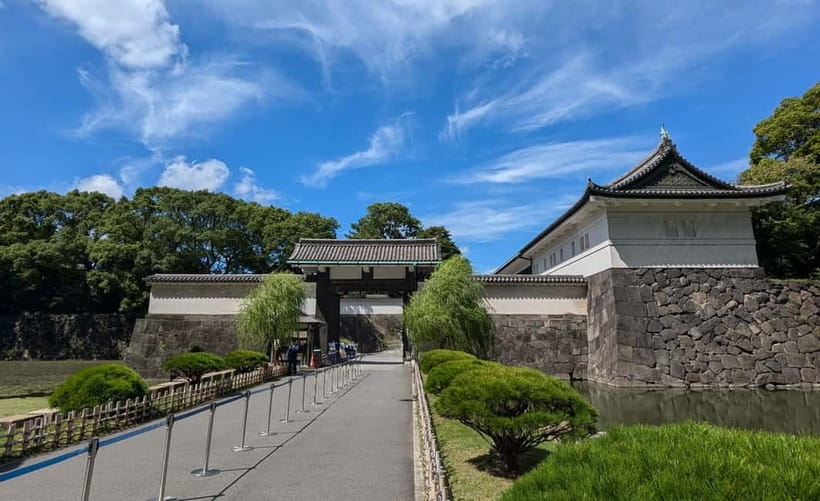
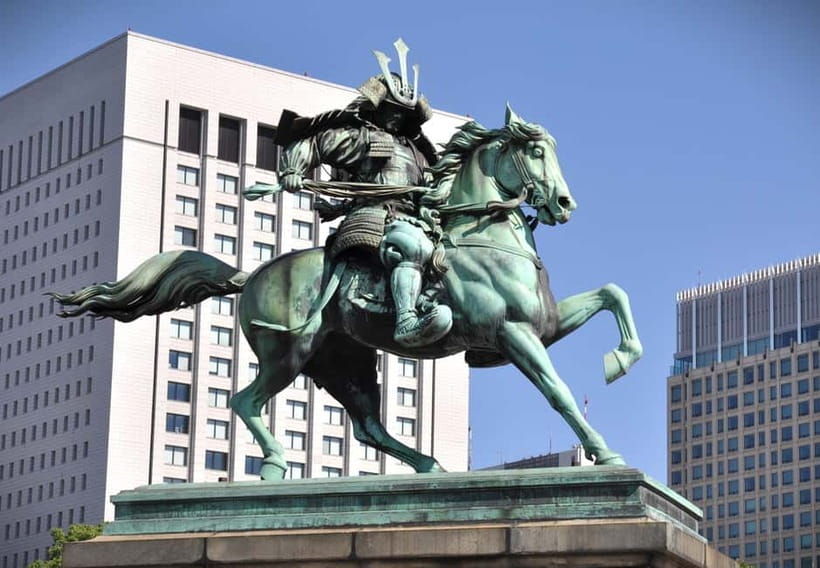
This is where the tour grounds the story in political reality. The Edo Castle site is associated with the early samurai-era center of power, and seeing it in person (even as ruins and grounds) helps you understand why control of the castle meant control of the surrounding world.
The Tokyo Imperial Palace East Gardens setting also makes the contrast clear. You get a sense of scale, and you can feel how strategic locations shape history. Even if you do not know anything about Japanese governance going in, your guide helps you connect the castle’s role to the rise and influence of samurai leadership.
Time-wise, this is the long stop on the route, with about 105 minutes allocated. That is a good sign. It means you are not rushed through photos. You have time to walk, look closely, and ask questions without feeling like you are sprinting from one viewpoint to another.
Practical tip: bring your walking shoes. This area can involve varied ground and standing time while you orient to the layout.
Taira no Masakado’s Grave: a stop that changes the timeline
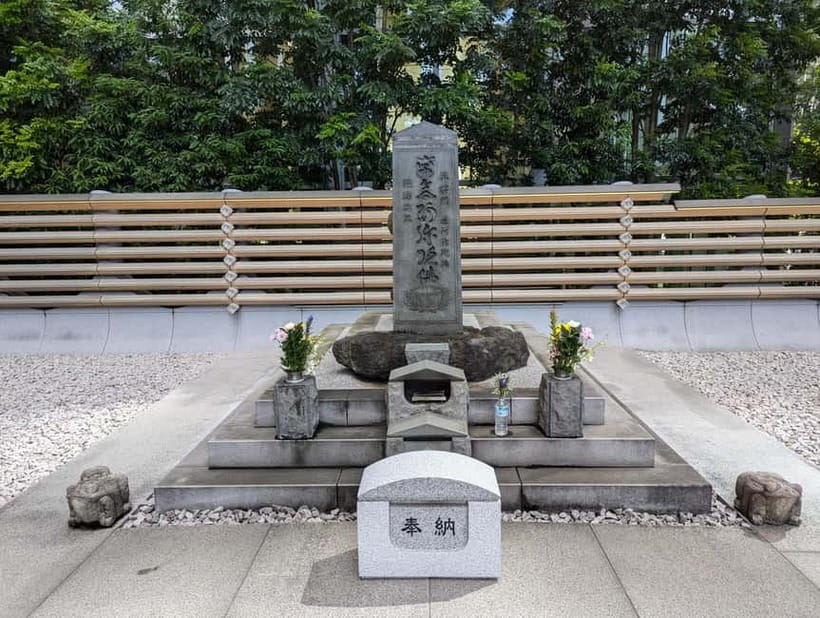
After Edo Castle, the tour shifts from broad political power to a more specific story, anchored at Taira no Masakado’s Grave. This stop matters because it helps explain the early roots of samurai influence. It is the kind of place where you can feel the timeline turning from background context into a sharper narrative.
Masakado is not just a name to memorize. In the tour’s explanation, he becomes part of understanding how samurai-era conflict and authority did not appear out of nowhere. It grew out of power struggles, shifting alliances, and contested legitimacy.
At this stage, the tone becomes more human. You start seeing how individuals and their choices can feed bigger movements. And because the tour is walking, the shift feels natural. You are moving through the city and timeline at the same time, which keeps it from becoming a lecture.
This is also a good moment to check your stamina. You can settle your pace, keep your eyes on your guide, and let the story click before you head to the more emotionally loaded stop that comes next.
More Samurai & Ninja Sessions in Tokyo
- Tokyo: Samurai Restaurant Show Ticket with 2 Drinks
★ 4.5 · 1,307 reviews - Tokyo: Samurai Ninja Museum Guided tour and Experience
★ 4.6 · 1,010 reviews - Tokyo: Samurai Sword & Archery Class from Samurai Descendant
★ 5.0 · 603 reviews - Ninja+Kabuki Tokyo
★ 4.5 · 512 reviews
Sengaku-ji and the 47 Ronin gravesite
Sengaku-ji is a major highlight for anyone who knows the 47 Ronin story, and it is also a strong example of why a guided walk helps. Legends can be powerful, but they can also blur the details. Here, you are guided to the gravesite connected to the 47 Ronin, with explanation that ties legend to historical aftermath.
This stop is about memory and meaning. People came here to mourn, to honor, and to interpret what loyalty and punishment should mean. Your guide helps you understand why Sengaku-ji became a lasting cultural reference point, not just a cemetery with famous names.
Expect around one hour at Sengaku-ji. That is enough time to understand the significance without turning the stop into a rushed checklist.
Two practical notes to plan for:
- There is an entry fee for Sengaku-ji areas tied to the cemetery and museum. Expect 300 yen and 500 yen respectively.
- Because the tour’s food plan is light, you may want a quick snack earlier so you are not distracted by hunger during this emotionally intense portion.
Timing, transport breaks, and the 4-hour walking reality
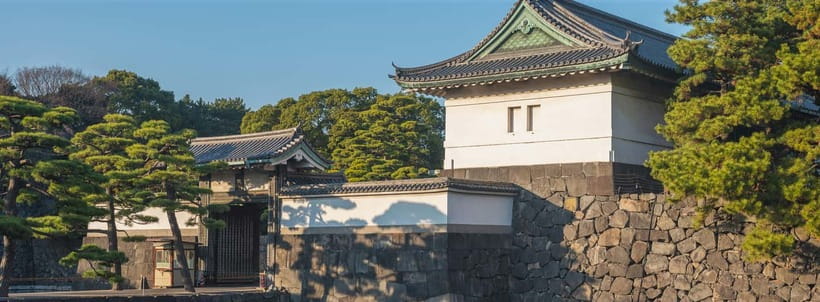
The tour is listed as 4 hours, and it is structured to stay moving without feeling chaotic. You start with a guided session for about 30 minutes, then spend more time at the Edo Castle ruins, and later move through Sengaku-ji in about an hour.
Even though it is primarily a walking tour, you will take public transport occasionally. That is smart. Tokyo’s distances can add up quickly, and the occasional ride prevents the tour from turning into an endurance test.
Still, this is not a sit-down museum day. The guide covers a timeline from the 900s to 1868, and you will be doing enough standing and walking to get your steps in. If you tire easily, it is smart to mention that early. The tour description indicates extra rests can be added if needed.
Also, the tour generally does not stop for food. I treat this as normal for a shorter guided route, but it affects your comfort level. Pick up snacks at a convenience store beforehand and eat along the way if you get hungry.
Price and value: $33 plus transit and temple fees
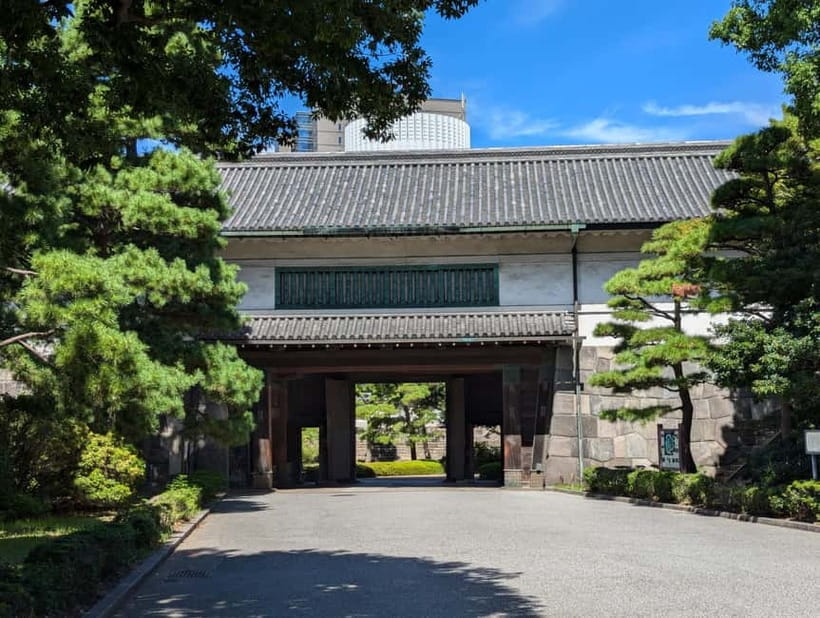
At $33 per person, this is priced like a focused guided experience, not a big-day tour. What makes it feel like value is that you pay for a guide, not just entrance to a site. You are also getting a route that links multiple major locations, rather than one isolated stop.
But you should budget for what is not included:
- Public transport is roughly 400 yen per person.
- Sengaku-ji cemetery and museum entry fees add up, with 300 yen and 500 yen respectively.
So your total cost is more than $33 once you add local transit and temple fees. The good news is that those are predictable, and the tour is short enough that you are not burning money on constant paid add-ons.
If you have limited time in Tokyo and you want samurai history tied to real locations, $33 plus a modest amount for transit and entrances is a reasonable trade.
Who this Tokyo samurai tour suits best
This tour fits best if you enjoy history explained in clear, grounded terms. The best match is someone who wants to understand samurai as a social force, not just warrior costumes and sword fights.
It is also a strong family option. The experience is noted as satisfying even for teenage kids, which suggests the guide keeps the pace and storytelling accessible. If you have teens who get bored by long museum lectures, the walk-and-explain format can work well.
If you are an adult traveling solo, this is also easy to enjoy. The meeting point is straightforward, and the guide format supports questions, especially since John is described as friendly and always willing to answer.
The main mismatch is mobility and stamina. The tour is not recommended for people who tire very easily, and it is not suitable for wheelchair users. It is also not suitable for people over 95 years.
Should you book this Tokyo Samurai History Walking Tour?
Book it if you want a compact, guided way to connect samurai history to places you can actually see. I think the route makes sense for first-time Tokyo visitors because it starts right by Tokyo Station, covers major landmark areas, and finishes at Takanawa Gateway Station so you can keep moving.
Skip it or look for a gentler option if you need very low walking time, because even with public transport breaks, the format is still a walk through multiple stops over 4 hours. Also plan for snacks, since food is not built into the schedule.
If you do go, I would aim to travel with comfortable shoes, carry a small water bottle if you like, and come ready to ask questions. With John guiding the story, the best part is how the explanation helps you see samurai history as a real human drama, not just distant names on a timeline.
FAQ
Where does the tour start, and where does it end?
The tour starts outside the Marunouchi Central Exit of JR Tokyo Station, at Marunouchi Square. It finishes at Takanawa Gateway Station.
How long is the Tokyo Samurai History Walking Tour?
The tour duration is 4 hours.
What is included in the $33 per person price?
The price includes the guide fee, with one knowledgeable and friendly guide.
What extra costs should I expect?
Transport is not included, and it is listed at about 400 yen per person. Sengaku-ji has entry fees, with 300 yen for the cemetery and 500 yen for the museum.
Is the tour offered in English?
Yes, the tour is available with a live guide in English.
Does the tour stop for food?
The tour generally does not stop for food. It is recommended to pick up snacks at a convenience store beforehand and eat them along the way if you get hungry.
Who should not book this tour?
It is not suitable for wheelchair users, and it is not recommended for people who tire very easily. It is also not suitable for people over 95 years.
More Historical Tours in Tokyo
- Mt. Fuji Heritage Tour: Traditional Villages, Lakes & Shrine
★ 4.5 · 509 reviews - From Tokyo: Nikko World Heritage Site Private Full-Day Trip
★ 4.9 · 243 reviews - Tokyo: The Best of Izakaya in Shinjuku Food & Cultural Tour
★ 4.9 · 221 reviews - Tokyo: Nikko World Heritage Private Day Trip Hotel Pick-up
★ 4.8 · 145 reviews
More Walking Tours in Tokyo
- Tokyo Tsukiji Fish Market Food and Culture Walking Tour
★ 5.0 · 3,184 reviews - Tokyo: Shinjuku Local Bar and Izakaya Guided Walking Tour
★ 4.9 · 1,794 reviews - Tokyo: Tsukiji Fish Market Food and Walking tour
★ 5.0 · 1,724 reviews - Tokyo: Asakusa Walking Tour with Sensoji Temple Visit
★ 4.8 · 1,583 reviews
Newly listed around Tokyo
- Tokyo: Sumo Morning Practice Tour in Ryogoku and Photo Shoot★ 4.7 · 47 reviews
- Tokyo: Sumo Morning Practice with journalists. Not fake show★ 4.9 · 121 reviews
- Tokyo Sumo Morning Practice: Witness the Life of a Wrestler★ 4.8 · 56 reviews
- Tokyo Sumo Morning Practice: Viewing & Exclusive Interaction★ 4.9 · 74 reviews
- Tokyo: Morning Sumo Practice Viewing★ 4.8 · 136 reviews
- Tokyo: Sumo Morning Practice Viewing Tour at a Real Stable★ 4.9 · 32 reviews
- Tokyo: Snow Monkey Park and Zenkoji Temple Private Day Tour★ 4.7 · 127 reviews
- Tokyo: Skytree and Tokyo Tower Helicopter Tour★ 5.0 · 8 reviews
Samurai Sword & Ninja Training, compared.

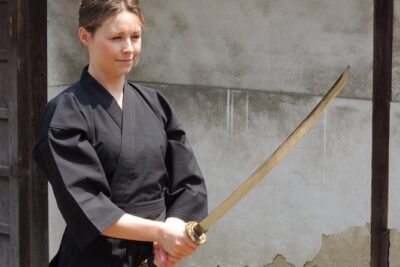
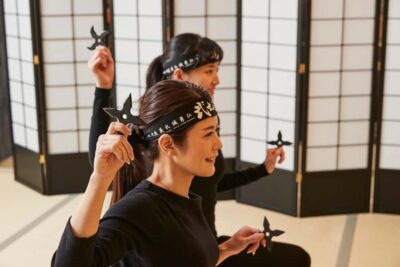
Samurai Ninja Museum Guided tour and Experience
Read our review →
Kendo and Samurai Experience with Uniform and Gear
Read our review →
Samurai Sword Class by Experts in Traditional Arts
Read our review →
Skip the lines Basic Ticket at SAMURAI NINJA MUSEUM KYOTO
Read our review →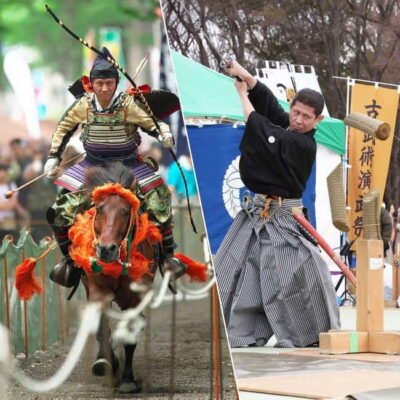
Samurai Sword & Archery Class from Samurai Descendant
Read our review →