
Review · SUSHI COOKING WORKSHOPS
Tokyo: Sushi and Ramen Cooking Class with Sake Pairing Set
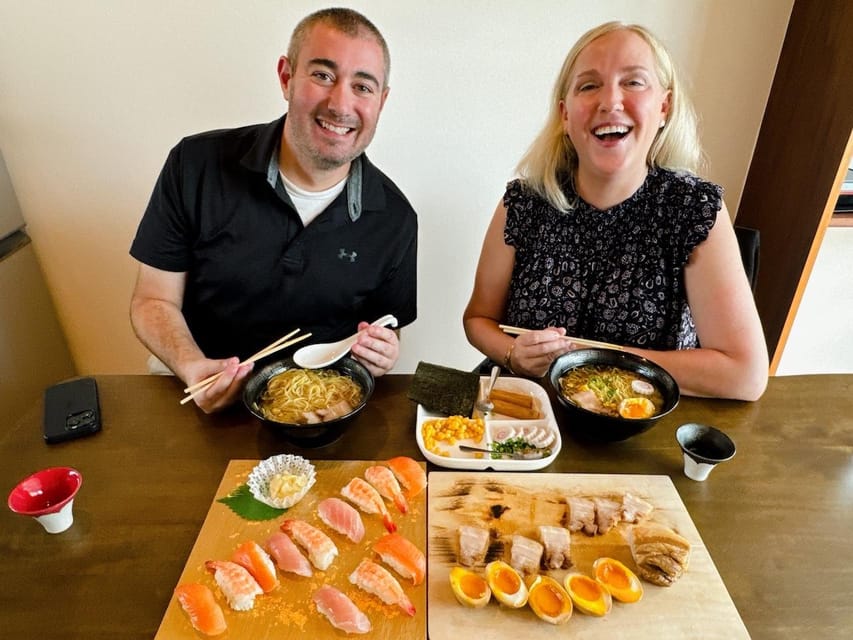
Sushi and ramen, in one cozy Tokyo kitchen. In just 3 hours at HAUS Tsukishima, you hand-make nigiri and learn ramen techniques, then taste sakes with an English-speaking team.
I really like the focus on from-scratch ramen broth and tender chashu, not shortcuts or pre-made shortcuts. I also like how the small-group setup gives you real attention, with instructors such as Sato, Haruko, and Risa guiding step-by-step.
One consideration before you book: this class uses pork and seafood, so it is not suitable for vegans or vegetarians, and you should wear clothes that can get a little messy.
In This Review
- Key highlights you should care about
- Finding the HAUS Tsukishima kitchen (Tsukishima Station to the classroom)
- Why this logistics detail matters
- Nigiri sushi: making it, then understanding where it comes from
- A practical tip you can use at home
- Ramen soup and chashu: the skills you will remember on your next cold day
- Why ramen-and-chashu is the “real” core of the class
- The sake pairing: learning taste, not just following a menu
- A simple strategy during the tasting
- What makes the experience feel personal: small group energy and hands-on instruction
- The hidden win: you get cultural context you can actually use
- Timing and how the class avoids that rushed feeling
- Price and value: what you get for $129
- Who should book this Tokyo sushi and ramen class
- Who should probably skip
- Should you book it? My direct take
- FAQ
- How long is the sushi and ramen cooking class in Tokyo?
- Where is the meeting point?
- Is hotel pickup included?
- Is the class available in English?
- Is this class suitable for vegans or vegetarians?
- What is included in the class?
- Do you get a sake tasting?
- What should I wear?
- Is there a recipe booklet and souvenirs included?
Key highlights you should care about
- Make nigiri sushi by hand and learn what makes the rice and toppings work together
- Cook ramen broth and chashu from scratch, including how to get the flavors right
- Taste three premium Japanese sakes, picked by a certified sake sommelier
- Learn the why, not just the how, with sushi and ramen origins plus ingredient tips
- Small group attention (limited to 8, often a few more hands-on moments for your table)
- Leave with tools for round two, including a recipe booklet and souvenir chopsticks
Finding the HAUS Tsukishima kitchen (Tsukishima Station to the classroom)
This class meets at HAUS Tsukishima, 2nd Floor, 2-13-5 Tsukuda, Chuo-ku, Tokyo 104-0051. It is a 5-minute walk from Exit 4 of Tsukishima Station (Y21). If you are arriving by taxi, use this Japanese address: 東京都中央区佃2-13-5 HAUS Tsukishima 2階.
Plan to arrive about 5 minutes early. The space is designed for cooking, not watching from a distance, so getting settled matters. Also note there is no hotel pickup or drop-off, so you will want to build in normal Tokyo transit time and a little walking buffer.
More Cooking Classes in Tokyo
- Ramen & Gyoza Cooking Class in Tokyo with Local Supermarket Visit
★ 5.0 · 823 reviews - Tokyo: Easy Ramen Cooking Experience in Kabukicho, Shinjuku
★ 4.6 · 321 reviews - Ramen and Sushi Cooking Class with Sake Pairing Set in Tokyo
★ 5.0 · 291 reviews
Why this logistics detail matters
When a class is only 3 hours, every minute counts. A quick walk from Tsukishima Station is a big advantage, because you are not burning time on complicated transfers or long taxi rides.
Nigiri sushi: making it, then understanding where it comes from
The sushi part is not just a plate-and-smile activity. You will learn the origins of sushi and connect that history to what you are actually doing in your hands. Then you move into technique: shaping and assembling nigiri sushi with the ingredients and tools provided.
What you will likely do in practice is form the rice and pair it with the right topping textures and seasonings. Even if you have never made sushi before, you get enough guidance to build confidence. More importantly, the instructors explain what makes the result work, so you understand how to repeat it later.
In the best moments of this class, you are not stuck in a lecture. The tone is relaxed, and the team (including instructors like Sato, Haruko, and Risa, plus others such as Alisa, Luna, Misa, and Alex mentioned in prior sessions) stays on top of what your hands are doing. That is how you avoid the common first-timer problem: rice that is too sticky, toppers that fall off, or an assembly rhythm that feels rushed.
A practical tip you can use at home
Ask questions about rice handling and topping timing. Those are usually the two biggest variables between a decent sushi session and one that tastes like Japan’s food stall energy.
More Cooking Workshops in Tokyo
- Tokyo: Wagyu and 7 Japanese Dishes Cooking Class
★ 4.9 · 273 reviews - Tokyo Washoku 4-hour Cooking Class: From Market to Table
★ 5.0 · 253 reviews - Tokyo: Tsukiji Market Walking Tour & Sushi Cooking Class
★ 4.6 · 122 reviews - Tokyo: Private Japanese Cooking Class with a Local Chef
★ 5.0 · 81 reviews
Ramen soup and chashu: the skills you will remember on your next cold day
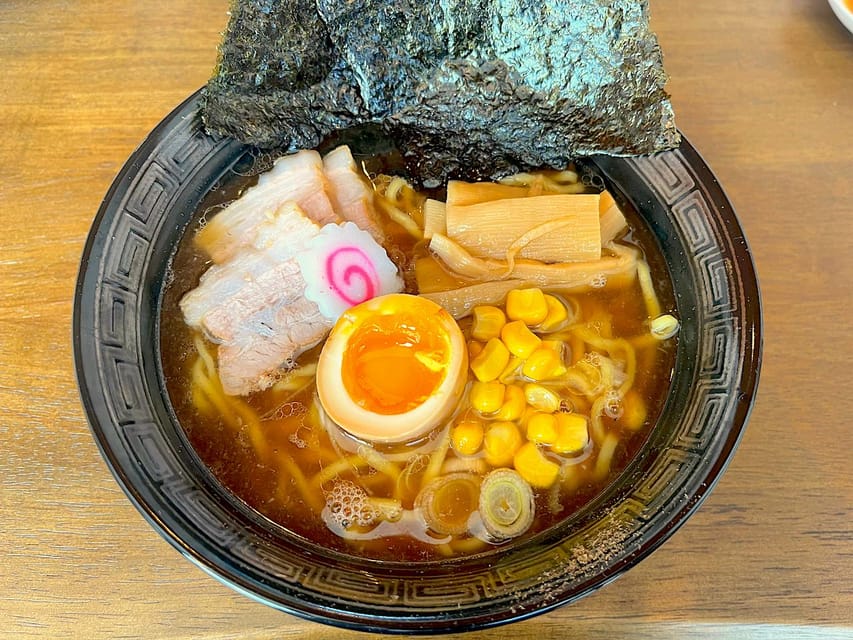
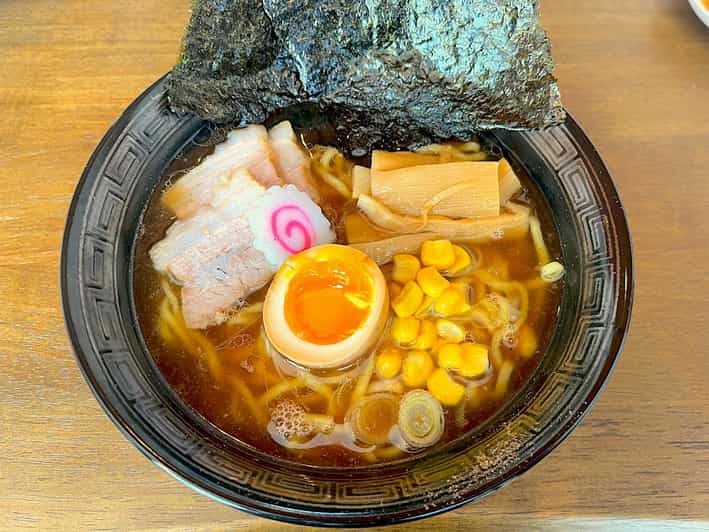
Ramen is where you get the kind of satisfaction that is hard to get from a regular meal. This class focuses on making flavorful ramen broth from scratch, then cooking chashu, a pork belly style that turns tender and glossy when you treat it right.
You are not just measuring ingredients and following steps. You are learning how ramen soup flavor develops and why broth timing matters. The chashu lesson is the same story: you learn the texture target and how to get there so it melts instead of chewing like a mistake.
The best part is that all of this instruction is designed to be usable. You will get tips for ingredient choices and substitutions so you can replicate the vibe even when you do not have the exact same ingredients back home.
Why ramen-and-chashu is the “real” core of the class
Nigiri is technique-heavy, but ramen is concept-heavy. Broth is where you learn fundamentals: balance, simmering logic, and how seasoning changes as flavors meld. When you walk away knowing what you were aiming for, you can adjust future versions instead of repeating a single recipe exactly.
The sake pairing: learning taste, not just following a menu
You get a sake tasting of three premium Japanese sakes, selected by a certified sake sommelier. This is one of the reasons the class feels more like a cultural lesson than a simple cooking workshop.
What you should pay attention to is how each sake changes your perception of flavors. With sushi, you are typically listening for clean, balanced notes that do not steamroll the delicate textures. With ramen, you often want something that can handle broth richness without tasting harsh.
Some groups also reported having an assortment of beer and sake options. Even if you do not treat it as guaranteed, do expect a drinks element that is part of the flow, not a random add-on.
A simple strategy during the tasting
Go one glass at a time. Take a small sip, pause, then notice what it does to the salt, fat, and umami in your food. That habit makes the tasting feel less like a checklist and more like training your palate.
What makes the experience feel personal: small group energy and hands-on instruction

This is a small-group class, limited to 8 participants. Many sessions are described as intimate, with small groups that can be as low as a couple of people, which means more than one instructor can actually watch your technique and step in quickly when needed.
You will be working with an English-speaking Japanese instructor, and the tone stays welcoming even if you are brand new. Several people highlighted that the guides explain clearly and keep the atmosphere warm and human, not stiff.
You also get a comprehensive recipe booklet to take home, with instructions for ramen, gyoza, and sushi. That matters because the class ends, but your questions do not. The booklet helps you rebuild what you learned while it is still fresh.
And yes, you receive souvenir chopsticks as a keepsake, which sounds small until you realize how often people bring them out when they cook again.
The hidden win: you get cultural context you can actually use
This class includes cultural insights and ingredient tips, including suggestions for ingredient substitutions for cooking abroad. That is what turns a fun afternoon into a skill you can use later, even if your local market cannot match every Japanese ingredient.
Timing and how the class avoids that rushed feeling
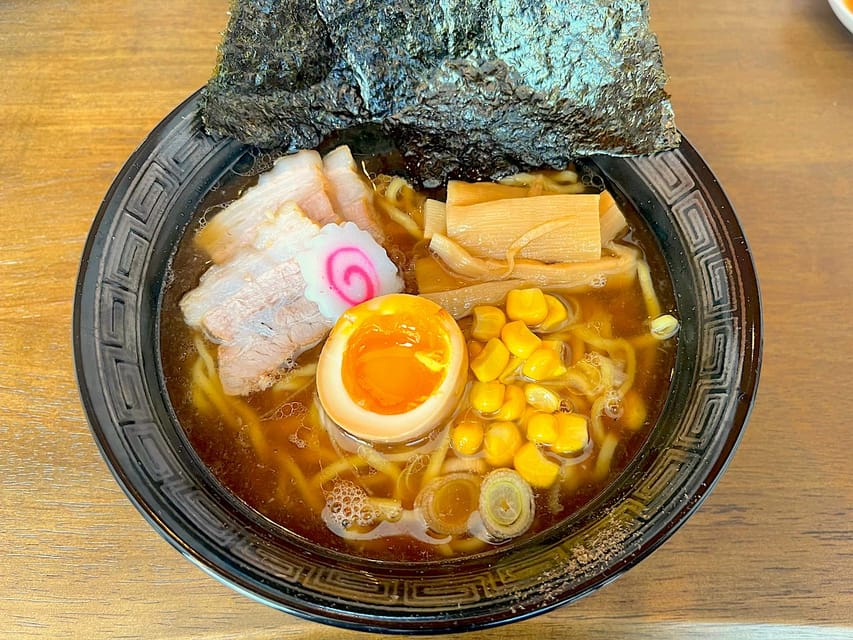
The class lasts 3 hours, which is long enough to cook and eat, but short enough to keep momentum. Many cooking classes in Tokyo either leave you waiting or rush you. Here, the structure is designed so you spend meaningful time doing the cooking, then sit down to enjoy what you made.
If you are someone who likes to talk while you cook, this is a good match. Multiple participants mentioned how the instructors share stories and connect techniques to culture, and the hands-on parts are timed so you are not stuck staring at one step for the whole session.
Price and value: what you get for $129
At $129 per person, you are paying for more than a meal. You are paying for:
- Ingredient supply for both sushi and ramen preparation
- Instructor time in a small group
- A full ramen and nigiri cooking experience, not a demo
- A three-sake tasting guided by a certified professional
- A take-home recipe booklet and chopsticks
Compared with paying for sushi and ramen separately at restaurants, the difference is that you also buy skill. You will leave with a repeatable process for ramen broth and chashu, plus the confidence to make nigiri at home. If you are the type who cooks a few times after a trip, this kind of class is one of the best ways to stretch your Tokyo spending beyond just eating.
Two value checks to keep in mind:
- There is no hotel pickup, so factor in transit time on your side.
- If you are vegetarian or vegan, you should skip it, since it is not suitable for those diets.
Who should book this Tokyo sushi and ramen class
This class fits best if you want a hands-on meal with a real structure. You will likely enjoy it if:
- You love sushi and ramen and want to understand what makes them taste right
- You like learning techniques you can repeat at home
- You prefer a friendly, small group over a big tour crowd
- You want an activity that feels practical, not just sightseeing
It also works well for families, based on the general tone people described, as long as everyone is comfortable with the cooking setup and the fact that it is not vegetarian-friendly.
Who should probably skip
If your diet is vegan or vegetarian, this class is not for you. Also, if you hate getting food on your clothes, bring an apron or wear something you do not mind.
Should you book it? My direct take
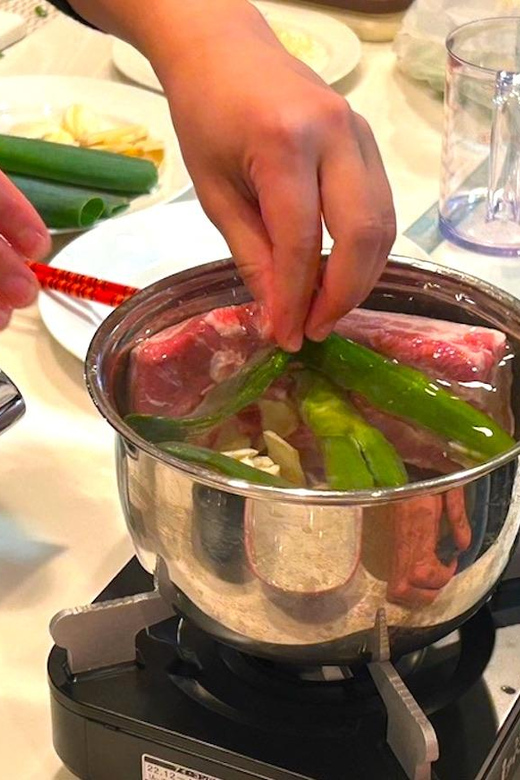
If your Tokyo trip has room for one cooking lesson, I think this is a smart pick. You get a full spread of skills, nigiri sushi plus ramen broth and chashu, plus a real sake tasting component and take-home recipes. The small group size and the English-speaking guidance from a team that includes instructors like Sato, Haruko, and Risa (and others named in past sessions) make it feel approachable even if you have never cooked sushi before.
Book it if you want value you can taste and reuse later. Skip it if you need vegan or vegetarian food, or if you want a hands-off experience where you just watch and eat.
FAQ
How long is the sushi and ramen cooking class in Tokyo?
The class lasts 3 hours.
Where is the meeting point?
It is at 2nd Floor, HAUS Tsukishima, 2-13-5 Tsukuda, Chuo-ku, Tokyo 104-0051. It is a 5-minute walk from Exit 4 of Tsukishima Station (Y21).
Is hotel pickup included?
No, hotel pickup and drop-off are not included.
Is the class available in English?
Yes, the instructor speaks English.
Is this class suitable for vegans or vegetarians?
No. It is not suitable for vegans or vegetarians.
What is included in the class?
It includes the sushi making experience, ramen cooking class, all necessary ingredients, and an English-speaking instructor.
Do you get a sake tasting?
Yes. The class includes tasting three premium Japanese sakes.
What should I wear?
Wear comfortable clothes you do not mind getting a bit dirty, since it is a hands-on cooking experience.
Is there a recipe booklet and souvenirs included?
Yes. You receive a comprehensive recipe booklet and souvenir chopsticks.
More Food Tours in Tokyo
- Tokyo: Shinjuku Food Tour (13 Dishes at 4 Local Eateries)
★ 5.0 · 6,603 reviews - Tokyo Tsukiji Fish Market Food and Culture Walking Tour
★ 5.0 · 3,184 reviews - Tokyo: Shinjuku Food Tour (15 Dishes and 4 Eateries)
★ 4.9 · 2,033 reviews - Tokyo: Tsukiji Fish Market Food and Walking tour
★ 5.0 · 1,724 reviews
More Drinking Tours in Tokyo
- Tokyo Bar Hopping Tour in Shinjuku (All-You-Can-Drink + Dinner)
★ 5.0 · 3,587 reviews - Tokyo: Shinjuku Local Bar and Izakaya Guided Walking Tour
★ 4.9 · 1,794 reviews - Shibuya Meltdown Nightlife Tour: All-You-Can-Drink Bar Hopping
★ 5.0 · 1,058 reviews - Shinjuku Izakaya Food Tour
★ 5.0 · 1,041 reviews
Newly listed around Tokyo
- Modern Vegan Night Foodie Tour in Tokyo★ 3.9 · 7 reviews
- Tokyo: Asakusa Night Waling & Food Tour★ 4.9 · 16 reviews
- Tokyo Vegan Food Tour★ 5.0 · 8 reviews
- Tokyo: Tsukiji Market Walking Tour & Sushi Cooking Class★ 4.6 · 122 reviews
- Tokyo: Tsukiji walk & sushi private tour with Uni Students★ 5.0 · 17 reviews
- Tokyo: Two Types of Japanese Sweets Making and Tea Ceremony★ 4.6 · 26 reviews
- Tokyo Tsukiji Food & Culture Private Tour Licensed Guide★ 4.9 · 28 reviews
- Tokyo: Tsukiji Fish Market Culture Tour with Sashimi Tasting★ 4.6 · 54 reviews
Sushi Cooking Workshops, compared.
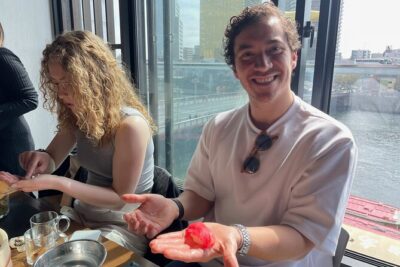
Sushi Making Tokyo Roll and Authentic Japanese Sushi Class
Read our review →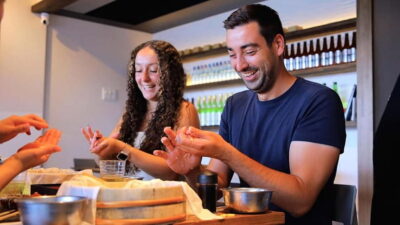
Roll and Authentic Sushi Making Class in Asakusa
Read our review →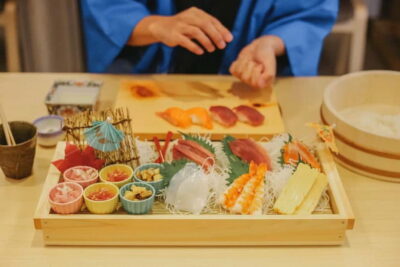
Sushi Making Class in a Happi Coat near a Famous Spot
Read our review →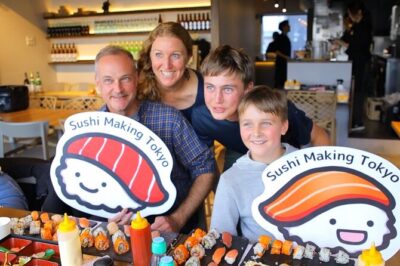
Sushi Making Tokyo! Popular Maki Sushi & Japanese Sushi(+Recipe!)
Read our review →
Tokyo Sushi Making Class in Tsukiji with Professional Chef
Read our review →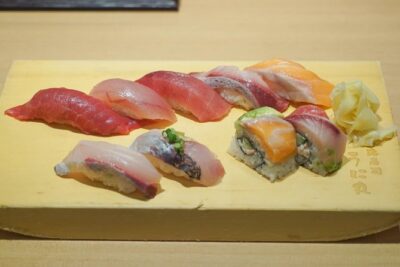
Tokyo Night Foodie Tour in Shinjuku – Seasonal Sushi, Wagyu Beef
Read our review →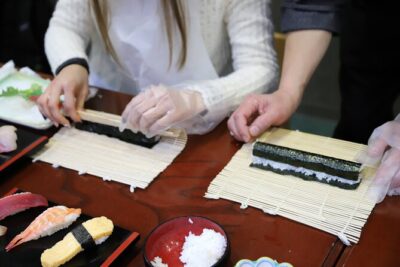
Tsukiji Fish Market Guided Tour and Sushi Making with Pro Chef
Read our review →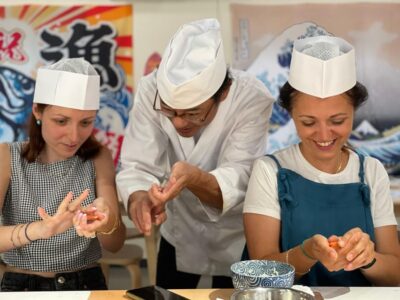
Tsukiji Fish Market Sushi Making Class with Pro Chef
Read our review →Browse the lists this tour appears in