Review · JAPANESE COOKING WORKSHOPS
Asakusa Classic Ramen & Crispy Gyoza Cooking Class
Ramen gets way more serious here. In a small kitchen in Asakusa, you learn hands-on ramen broth and crispy gyozas with Masa and Junko, then sit down with a bowl you assembled yourself. It’s practical, not just a food stop.
I love that you make the ramen broth base from scratch, including the steps behind a proper shoyu-style flavor. I also like the gyoza workflow, where you prep filling and fold dumplings so the result is juicy inside and crisp outside, then you take recipes home.
One consideration: there is knife work for vegetable prep. If you are traveling with small kids or you hate handling knives, plan on them watching more than chopping.
In This Review
- Key things you will notice right away
- Why This Asakusa Ramen and Crispy Gyoza Class Feels Like a Real Kitchen
- Meeting at Chagohan Tokyo and How the 3-Hour Session Flows
- Learning Shoyu Ramen Broth and Toppings from Scratch
- Gyoza Folding 101, From Vegetable Cutting to Crispy Crunch
- What You Eat at the End, and How the Meal Teaches You
- Vegetarian and Vegan Options, Without Losing the Technique
- Recipes, Photos, and Making This Work Back Home
- Price and Value: Is $167.81 Fair for This 3-Hour Class?
- Who Should Book This (and Who Might Skip It)
- Should You Book This Cooking Class?
- FAQ
- What time does the class run?
- How long is the cooking class?
- Where is the meeting point?
- What group size should I expect?
- Do I need to bring ingredients or cooking tools?
- What exactly will I make?
- Are vegetarian or vegan options available?
- Does the class use MSG or artificial additives?
- What if the class is canceled due to weather or not enough travelers?
Key things you will notice right away
- A ramen and gyoza combo in one class so you get two core skills, not just one
- Small-group limits (max 8) which means more attention and clearer coaching
- No MSG or artificial additives using all natural ingredients
- Crispy gyoza technique by hand with vegetable cutting and folding practice
- You eat your finished ramen not just samples while others cook
- You leave with recipes to recreate your bowl after the trip
Why This Asakusa Ramen and Crispy Gyoza Class Feels Like a Real Kitchen
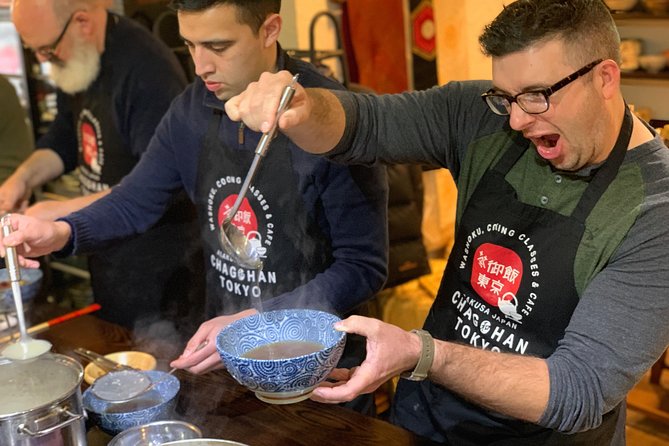
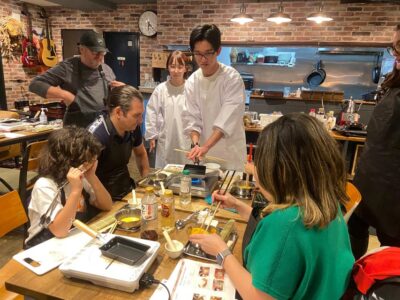
This class is built for people who want to do the work, not just watch. You’re in a real kitchen setting, guided step by step, with Masa and Junko leading the teaching and making sure you understand the why behind the what. The vibe is friendly and funny, which matters when you are learning something that takes a few tries to get right.
What makes it especially appealing is the pairing. Ramen broth has its own rhythm, and gyoza has another skill set entirely, folding and crisping being the big deal. Doing both in one session teaches you how Japanese comfort food relies on technique, not shortcuts.
If you are a ramen fan, you’ll appreciate that this is not only about taste. You learn the moving parts: the broth base, toppings, and how to assemble a bowl that looks good because you built it with purpose. And when the meal ends, you are not left wondering what you did, you have recipes to follow.
More Cooking Classes in Tokyo
- Ramen & Gyoza Cooking Class in Tokyo with Local Supermarket Visit
★ 5.0 · 823 reviews - Tokyo: Easy Ramen Cooking Experience in Kabukicho, Shinjuku
★ 4.6 · 321 reviews - Ramen and Sushi Cooking Class with Sake Pairing Set in Tokyo
★ 5.0 · 291 reviews
Meeting at Chagohan Tokyo and How the 3-Hour Session Flows
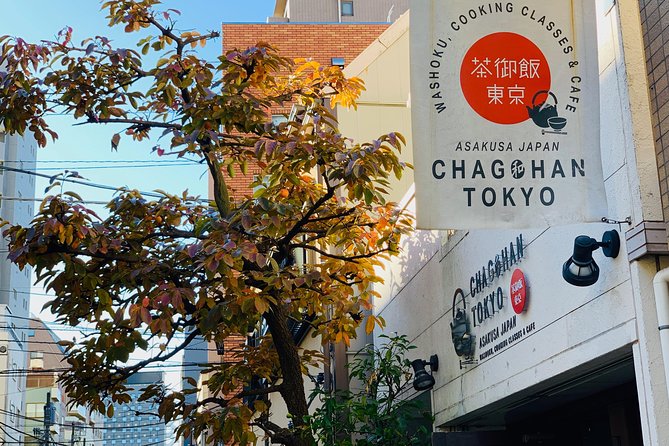
You meet at 茶御飯東京 Chagohan Tokyo, Taito City, Nishiasakusa, 2-chōme 17-13 1F. The class runs about 3 hours, with two options: 10:00 a.m. to 1:00 p.m. or 3:00 p.m. to 6:00 p.m. The exact timing can vary slightly, so I’d plan your day with a little cushion.
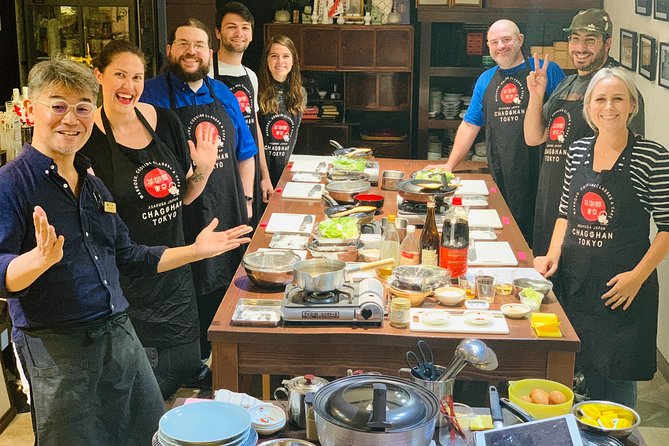
The format is simple: arrive, get oriented, start cooking, then end by eating. Because the group is capped at 8, you’re not standing in a crowd waiting your turn. You get hands-on time, questions get answered, and you can actually follow the steps without guessing what comes next.
Also, the course is designed so you do not need to bring anything for the class itself. Apron and utensils are provided. That matters in Tokyo, where packing and carrying extra gear is a hassle, and you want your day to stay light.
Learning Shoyu Ramen Broth and Toppings from Scratch
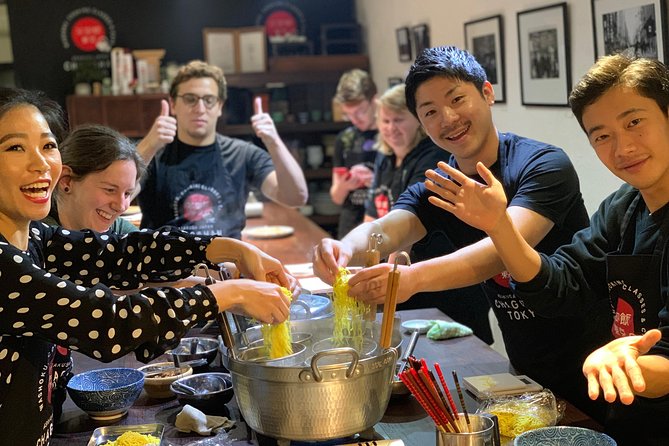
Ramen broth is where most classes either go shallow or get too technical too fast. Here, you’re taught how to prepare ramen base and broth from scratch, and you also make toppings. That combination is powerful because the broth and toppings are meant to work together.
You start with the foundation, the broth base, and you learn what makes the flavor feel rounded rather than flat. Multiple steps go into building a shoyu stock style flavor, and even if you are not a confident cook, the teaching is structured so you can follow along. One detail I really like is that you are not just handed a bowl. You understand what you’re doing as you do it.
Toppings matter more than people think. The class includes preparing what goes into your bowl, which turns the final assembly from a random pile into a deliberate build. When you later taste your own ramen, you can connect the flavors to the work you performed. That is the real value, and it is why the class feels more like skill-building than a one-time meal.
Gyoza Folding 101, From Vegetable Cutting to Crispy Crunch
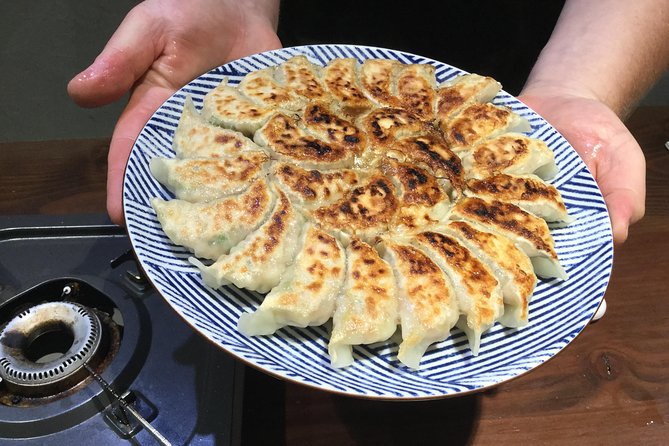
Gyoza is the other half of the lesson, and it’s where technique really shows. You learn to make the filling and fold crispy dumplings by hand. The process includes vegetable cutting with hand-cutting techniques, so you get better at prep, not just assembly.
For crisp gyoza, you need both structure and confidence. The filling has to be mixed and portioned properly, then folded so it cooks evenly. This class focuses on the mechanics, which is why the dumplings come out crunchy outside while staying satisfying on the inside.
There is also a practical reality here. One of the best tips you can take from this class is how much difference small prep choices make. Knife work, chunk size, and folding pressure all influence texture. You learn that in the moment, not from a theory lesson.
One more thing: this is not a “tiny spoon only” experience. Reviews and the class structure point to real hands-on involvement, including prep work. If you want the full effect, you’ll need to be willing to work with knives during vegetable preparation.
More Cooking Workshops in Tokyo
- Tokyo: Wagyu and 7 Japanese Dishes Cooking Class
★ 4.9 · 273 reviews - Tokyo Washoku 4-hour Cooking Class: From Market to Table
★ 5.0 · 253 reviews - Tokyo Cute Bento Cooking Class – Make a Kawaii Character Lunchbox
★ 5.0 · 126 reviews - Tokyo: Tsukiji Market Walking Tour & Sushi Cooking Class
★ 4.6 · 122 reviews
What You Eat at the End, and How the Meal Teaches You
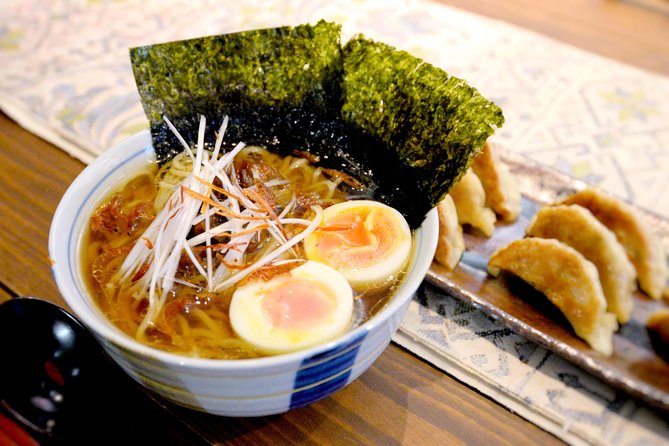
At the end, you assemble a photogenic bowl of ramen and sit down to enjoy what you prepared. That final meal is part of the teaching, because you can taste the decisions you made while cooking.
Most classes end with a quick sample and a shrug. This one ends with you fully eating your own results, and that helps you notice flavor balance: broth depth, how toppings contribute, and how the dumplings complement the ramen. Gyoza and ramen are a classic pairing for a reason, and this class shows you that reason through your own two hands.
From what I’ve seen described, you get a solid amount of food, including multiple gyoza and a full bowl of ramen. For value, that matters. You are paying for instruction and ingredients, and you also leave feeling satisfied, not just fed by a few bites.
Vegetarian and Vegan Options, Without Losing the Technique
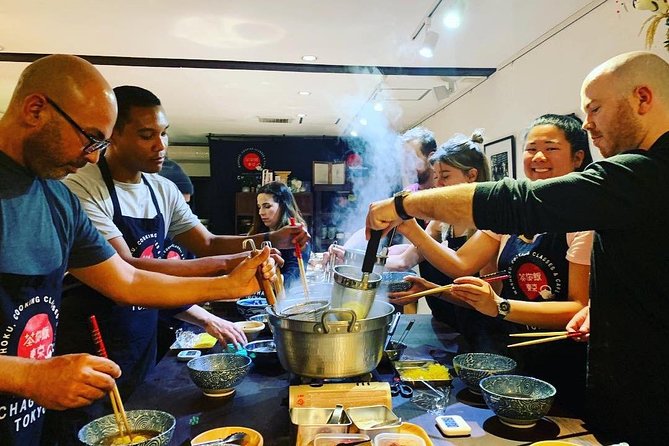
If you eat vegetarian or vegan, you’ll want to plan ahead. The class offers vegetarian and vegan friendly options when you give advance notice. That’s important because broth and fillings can change significantly based on diet.
Even with substitutions, the class approach still centers on technique: the steps for broth base and the folding process for gyoza do not disappear when the ingredients change. You still learn the method, which is the part you can recreate later. You are not only learning a flavor, you are learning a way to cook.
If your diet is complex, message the provider early so they can adjust appropriately. The class is small, so advance notice helps them prepare in a way that keeps your cooking experience smooth.
Recipes, Photos, and Making This Work Back Home
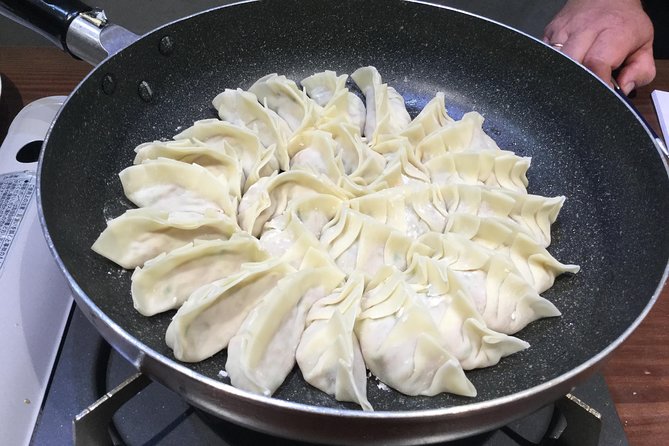
One reason this class earns strong recommendations is what you take home. You receive recipes so you can recreate the dishes at home, which turns the cooking class into an investment rather than a one-day memory.
You also get help capturing the experience while you cook. The teaching setup includes photos taken during the class, and you’ll often end up with digital copies of the recipes. That matters if you are the type who forgets everything the minute you put the spoon down.
If you want to repeat ramen at home, set expectations. Ramen broth is not a two-step instant thing. You’ll have a detailed recipe, but you’ll still need patience and attention the way you learned here. The payoff is that now you understand what “good ramen” is made of, not just what it tastes like.
Gyoza tends to be easier to repeat because the technique is more action-based. You fold, cook, and adjust texture. If you’re going to practice anything at home, gyoza is the best place to start, then move to broth once you feel comfortable.
Price and Value: Is $167.81 Fair for This 3-Hour Class?
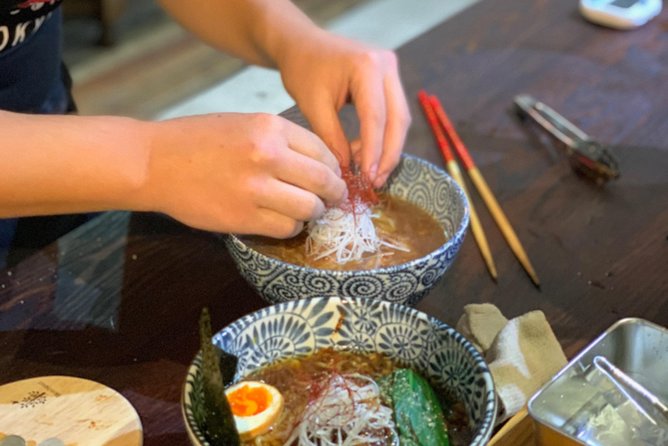
At $167.81 per person for about 3 hours, you’re paying for more than food. You’re paying for coaching, ingredients, and the time commitment to actually make broth base, toppings, gyoza filling, and fold dumplings by hand. That’s a lot of work for one session, and it’s exactly why the class is worth it if you love ramen.
You also get tools and comfort. Apron and utensils are provided, so you’re not adding extra spending or gear to your day. And since the class uses all natural ingredients and avoids MSG and artificial additives, you’re learning flavor building with cleaner habits than typical shortcut cooking.
The small group size also helps value. Max 8 means you are less likely to get left behind. When instructions are clear and you can ask questions, you get better faster, and that makes the recipe you take home more usable.
Who Should Book This (and Who Might Skip It)
Book this class if you:
- love ramen and want the skill behind broth, not just restaurant eating
- want an interactive, small-group cooking experience in Tokyo
- like learning by doing, especially with dumpling folding
- want recipes you can actually use at home
You might skip it if you:
- hate knife work and do not want any chance of prep involvement
- only want a quick food tasting, not a step-by-step cooking session
- are looking for a very short activity, since this is a true 3-hour commitment
If you’re traveling as a family, keep kids’ ages in mind. Knife work is part of the prep, so older kids are typically the safest match for participation.
Should You Book This Cooking Class?
If your Tokyo plan includes ramen, I’d strongly consider booking this. It’s one of those experiences where you leave with real technique, not just a full stomach. The combo of ramen broth base plus crispy gyoza folding gives you two practical skills, and the recipe handoff makes it worth repeating later.
The decision comes down to one question: do you want to cook, or do you just want to eat? If you want to cook and learn, this class is a great use of time in Tokyo. If you prefer passive sightseeing and minimal kitchen work, a food-focused meal tour might fit you better.
FAQ
What time does the class run?
There are two options: 10:00 a.m. to 1:00 p.m., or 3:00 p.m. to 6:00 p.m. Class length is an estimate and may vary slightly.
How long is the cooking class?
It’s approximately 3 hours.
Where is the meeting point?
You start at 茶御飯東京 Chagohan Tokyo, Taito City, Nishiasakusa, 2-chōme 17-13 1F, and the activity ends back at the meeting point.
What group size should I expect?
The class has a maximum of 8 travelers, and it is set up as an intimate small-group experience.
Do I need to bring ingredients or cooking tools?
No. Apron and utensils are provided, and all natural ingredients are included.
What exactly will I make?
You’ll learn to make ramen broth and base from scratch, prepare ramen toppings, and make gyoza by preparing the filling and folding crispy dumplings by hand.
Are vegetarian or vegan options available?
Yes, vegetarian and vegan friendly options are available with advance notice.
Does the class use MSG or artificial additives?
All natural ingredients are provided, with no MSG or artificial additives.
What if the class is canceled due to weather or not enough travelers?
This experience requires good weather. If it’s canceled due to poor weather, you’ll be offered a different date or a full refund. If the minimum number of travelers is not met, you’ll be offered a different date or a full refund.
More Ramen Trips in Tokyo
- Eat and Drink Like a Local: Tokyo Ueno Food Tour-Taverns&Ramen
★ 5.0 · 957 reviews - Tokyo: Mount Fuji and Hakone Full Day Tour with Ramen Making
★ 4.5 · 476 reviews - Tokyo: Ramen Tasting Tour with 6 Mini Bowls of Ramen
★ 4.9 · 432 reviews - Professional Ramen & Gyoza with Ramen Chef in a restaurant!
★ 5.0 · 223 reviews
Newly listed around Tokyo
- Private Tokyo Food Tour – A Journey Through Time Through Food★ 5.0 · 36 reviews
- Private Tokyo Tour with Licensed Guide & Vehicle (Max 15 persons)★ 5.0 · 107 reviews
- Private Tokyo Custom Full-Day Tour by Chartered Vehicle★ 5.0 · 16 reviews
- Private Tokyo Custom Half-Day Tour by Chartered Vehicle★ 4.5 · 13 reviews
- Private Outstanding Nikko Tour with English Speaking Driver★ 4.0 · 11 reviews
- Private Sightseeing to Mt Fuji and Hakone with English Driver★ 5.0 · 51 reviews
- Private Snow Monkeys park Day Trip From Tokyo or Nagano★ 4.5 · 26 reviews
- 4 Day Tour – Mount. Fuji, Tokyo, Hakone, Kamakura and Yokohama★ 5.0 · 19 reviews
Japanese Cooking Workshops, compared.
Ramen Cooking Class at Ramen Factory in Kyoto
Read our review →
Ramen & Gyoza Cooking Class in Tokyo with Local Supermarket Visit
Read our review →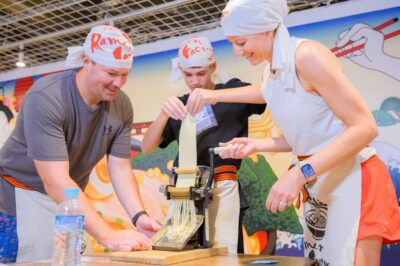
Ramen Cooking Class at a Ramen Factory with Souvenir
Read our review →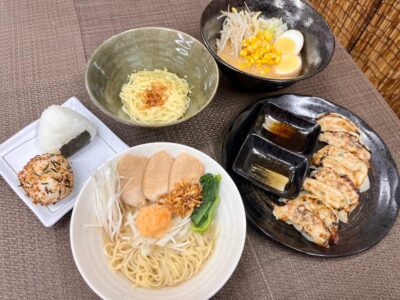
Japanese Washoku Bento Small Group Cooking Class
Read our review →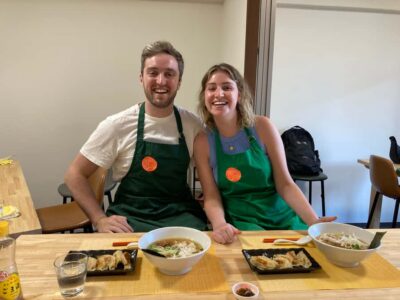
Sumo Stage Show with Bento or Snack + Fight & Photo
Read our review →