
Review · BAMBOO GROVE WALKS
Buddha, Bamboo & Zen – Bespoke Kamakura Private Walking Tours
Kamakura feels different when you walk it slowly. This private, bespoke half-to-full day stroll gets you away from Tokyo crowds with a calm route that mixes Buddhism, Zen, and Shinto, plus plenty of chances to pause when your group wants. I like the flexible, custom pacing, so you are not locked into a rigid script, and I especially like the guide setup, including help with getting a Suica card and having cash ready. One thing to plan for: the big-name temples are not included in the tour price, so you will want some extra yen on hand.
You meet at Kamakura Station and finish back at the same spot, making the day feel simple even if your Japanese is basic. The tour runs about 6 hours, with time built in for travel by foot plus train or bus, and also for rests and food breaks so you do not end up sprinting between sacred places.
In This Review
- Key highlights at a glance
- Getting to Kamakura, then letting the day breathe
- The Great Buddha of Kamakura at Kotoku-in (Stop 1)
- Hasedera Temple gardens and the eleven-headed Kannon (Stop 2)
- Hokoku-ji Bamboo Temple, tea, and the quiet Rinzai Zen feel (Stop 3)
- Komachi Street shopping stop that actually fits a sightseeing day (Stop 4)
- Tsurugaoka Hachimangu Shrine and the warrior spirit (Stop 5)
- Yagura caves and the samurai plus Zen connection
- How the private format changes everything (and why it matters)
- Price, value, and the yen you should budget
- What the day feels like hour to hour
- Practical details that make or break temple days
- Should you book Buddha, Bamboo & Zen in Kamakura?
- FAQ
- What is the duration of the Buddha, Bamboo & Zen tour?
- How many people can join this private tour?
- What is included in the tour price?
- What is not included?
- How much should I bring for expenses?
- Where do I meet the guide?
- What is the ticket method?
- What hours is the tour listed to run?
- Is cancellation free, and what happens if weather is bad?
- Is the tour accessible for most travelers and are service animals allowed?
Key highlights at a glance
- Private and bespoke for your group (up to 6 people), with the option to share your own wishlist or hand over control to the guide
- Great Buddha at Kotoku-in plus other top Kamakura stops in a smart, walkable order
- Hasedera Temple to see the eleven-headed Kannon statue and the garden views (seasonal flowers are a big part of the appeal)
- Hokoku-ji Bamboo Temple with time to enjoy the bamboo grove and take in tea (small fee applies to the grove)
- Tsurugaoka Hachimangu Shrine, the key Shinto shrine connected to warrior legend
- Yagura caves and samurai plus Zen context, so the day feels like a story, not just photos
Getting to Kamakura, then letting the day breathe
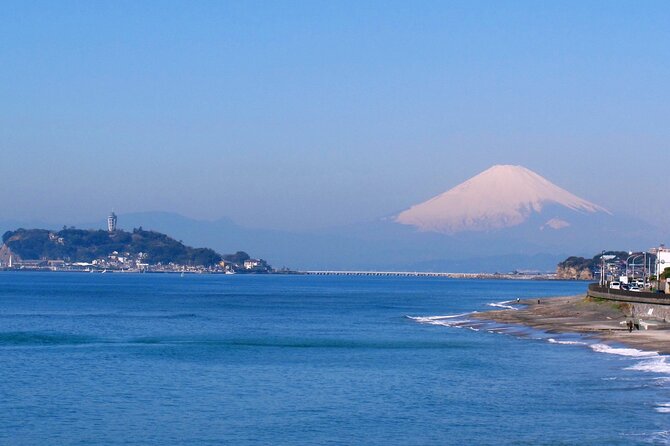
The whole point here is to escape Tokyo’s rush without turning your day into a logistics puzzle. You start at Kamakura Station (Higashiguchi), right on the Komachi area, which helps a lot because you are already positioned for both sightseeing and snacks. From there, the route is designed around walking plus short train or bus hops, and the tour plan includes travel time and breaks in the same day.
What I like most is that the day does not force you to “power through” temples. The guide is aware that people can get templed out, and that means you can treat this as a choose-your-own-feeling kind of tour. If you want extra time at a garden or a quiet shrine corner, you get it. If you want to move on faster, you can do that too.
Also, you are not just following a standard checklist. The tour is built to be bespoke, meaning you can share what you care about most, and the guide will tailor your order and stops around you. In practice, that is what turns the day from sightseeing into something more personal.
A few more Bamboo Grove walks around Kamakura:
- Kamakura Bamboo Forest and Great Buddha Private Tour
★ 5.0 · 12 reviews - Kyoto: Fushimi Inari, Kinkakuji, Bamboo Grove 1 Day Bus Tour
★ 4.8 · 4,316 reviews - Osaka/Kyoto:Kinkakuji,Arashiyama,FushimiInariShrine,NaraPark
★ 4.1 · 1,596 reviews
The Great Buddha of Kamakura at Kotoku-in (Stop 1)
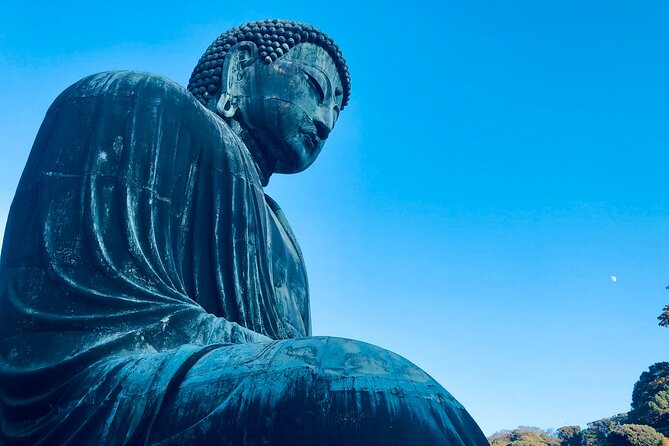
Kotoku-in is your big visual hit early: the famous Great Buddha of Kamakura. This bronze statue is 13.35 meters tall and was originally carved in wood before being cast in bronze. Standing close to it, you get a sense of scale right away, and the early timing helps because you are not starting the day already worn out.
This stop is listed as about 1 hour, which is a comfortable pace if you want to look carefully without feeling rushed. The only real drawback is that there is a separate temple admission fee (about 300 yen per person). If you are the type who wants to keep cash flow simple, plan to pay this early so you are not counting coins later.
Practical tip for your visit: you will be walking outdoors and moving between viewing points, so wear shoes you can handle for uneven paths. Also, remember that temples are living spaces. Even if your trip is about photos, your best results come from slowing down and watching what locals do.
Hasedera Temple gardens and the eleven-headed Kannon (Stop 2)
Next up is Hasedera Temple, famous for its wooden statue of the eleven-headed Kannon, carved in 721 AD. The statue is listed as 9.18 meters tall, and that makes it one of those sights you do not forget quickly. Even if you do not know a lot about the iconography, the sheer craft and age of the work makes it feel real, not like a theme park prop.
You also get time for the gardens. The tour timing is about 45 minutes, and the garden experience is tied to seasonal blooms, including a hydrangea path at certain times of year. That seasonal element matters because it gives the gardens a reason to be visited beyond the main hall.
The separate admission fee is about 400 yen per person. If you are trying to budget, this tour’s recommendation to bring around 2,000 yen per guest is actually pretty aligned with the temple admissions and local transport you will also use.
One consideration: if you are short on stamina, gardens can be deceptively tiring because there is often more to see than you planned. The good news is this tour is built to adjust. If you start feeling done, the guide can help you shift to a faster route while keeping you within the core sights.
Hokoku-ji Bamboo Temple, tea, and the quiet Rinzai Zen feel (Stop 3)
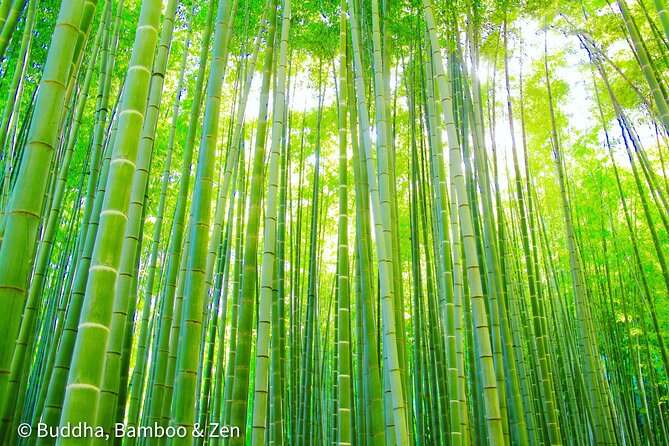
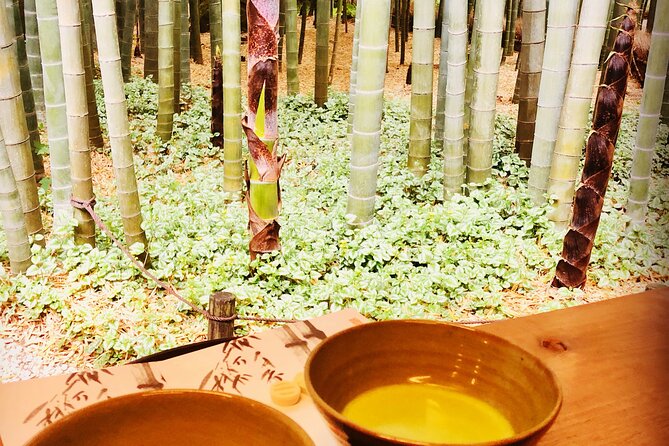
Hokoku-ji is often called the Bamboo Temple, and for a reason. The highlight is its bamboo grove, with about 2,000 moso bamboo plants. This is a Rinzai Zen Buddhist temple founded in 1334, and the vibe is different from the more crowded classic attraction stops.
This is the stop where you get the atmosphere right. You are not just seeing bamboo, you are walking through it. It is an easy place to reset your day, especially if Tokyo has been heavy on noise and pace.
Time allocation here is about 1 hour, and the route includes the option to have green tea. There is also a small additional fee connected to the bamboo grove (the listing says around 600 yen per person). Plan for that, and you will have a smoother experience. When a fee is expected, you do not end up losing time at ticket windows.
My advice: treat this as a sensory break. Put your phone away for a few minutes and just walk. If you do that, the grove becomes more memorable than another picture in your camera roll.
A few more Kamakura days to weigh up
- Kamakura Historical Walking Tour with the Great Buddha
★ 5.0 · 129 reviews - Kamakura Walking Tour – The City of Shogun
★ 5.0 · 100 reviews - Kamakura: A Journey Through Medieval Japan (Walking Tour)
★ 4.9 · 26 reviews - Kamakura: Walking Tour through the City of Samurai
★ 4.9 · 12 reviews
Komachi Street shopping stop that actually fits a sightseeing day (Stop 4)
After temples, Komachi Street is a fun shift. It is Kamakura’s main pedestrian shopping street, running through the heart of town, and it is built for browsing, grabbing snacks, and buying small souvenirs without having to plan a separate trip.
This stop is about 1 hour, and the listing notes there is no admission fee. That makes it a good buffer if your group wants food or a quick rest. Even if you are not shopping, you can use this as a recharge moment.
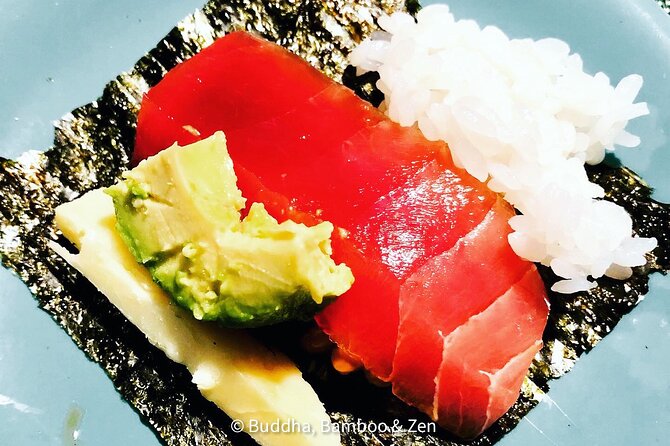
Since lunch and snacks are not included, Komachi is where the day’s practical side shows up. The tour guidance recommends bringing extra cash for food and drinks, which is especially helpful if you want to try local snacks or settle in with a sit-down meal.
Tsurugaoka Hachimangu Shrine and the warrior spirit (Stop 5)
Tsurugaoka Hachimangu is the most important Shinto shrine in Kamakura, established in 1063. It honors Hachiman, the tutelary god of warriors, and the shrine’s role in the warrior story is part of why it fits so well in a Kamakura walk.
You get about 1 hour here, and it is a stop designed for understanding as much as for seeing. The tour frames the connection between samurai history and Zen ideas so the day has a theme, not just stops.
There is no admission fee listed for this shrine, which helps your overall budget. The site is also a good reminder that Kamakura is not only Buddhist. It is a layered place where different traditions shaped how people lived and believed.
If you are into history, this is where the guide’s explanations matter most. A good guide turns a shrine visit into a story about power, protection, and local identity. In this tour, that story is part of why the pacing feels thoughtful.
Yagura caves and the samurai plus Zen connection
One of the more interesting parts of the experience is the inclusion of yagura caves. These are man-made caves, and they connect back to the samurai and the Zen thread running through Kamakura. The value here is not that you will see everything, but that you will see the pieces that make Kamakura make sense.
If you like your travel with context, these stops do that work. You start to understand why temples, shrines, and hillside spaces in Kamakura are linked in stories about discipline and faith. You also learn why rustic temple charm matters here, because Kamakura does not feel like it was built just for tourists.
This is also a great point in the day to ask your guide what you should pay attention to. A bespoke tour means you can steer questions toward what you care about, whether it is architecture, spiritual traditions, or historical connections.
How the private format changes everything (and why it matters)
This is a private tour for your group, up to 6 people, priced per group at $355.80. That pricing sounds “group-based” for a reason. With private guiding, you get more attention, fewer waiting gaps, and a real chance to keep the day comfortable instead of racing a fixed itinerary.
The tour is designed to be genuinely paced for humans, not for a stopwatch. The guide builds in about two hours for travel access on foot, train, and bus, plus rest and food or drink breaks. That matters because temple days can feel long fast. When the plan already expects breaks, you do not spend your day negotiating energy levels.
I also like how flexible the structure is. You can share your own itinerary and have the guide tailor the day walk. Or you can hand over the reins and let the guide do their preferred route. Either way, the promise is that you can call it a day when you are satisfied. That is a small detail that makes a big difference if you are traveling with kids, older relatives, or anyone who does not love long museum-style time blocks.
Price, value, and the yen you should budget
The headline price is $355.80 per group for up to 6 people. On a per-person basis, that can be a good value if you have a small crew that wants a calm, structured day without needing to plan all the routes and timing yourself.
But the key to judging value is understanding what is not included. Temple admissions are separate, and you should also budget for local transport and lunch.
Here is what the listing gives you for major fees:
- Kotoku-in Great Buddha: about 300 yen per person
- Hasedera: about 400 yen per person
- Hokoku-ji Bamboo Temple: about 600 yen per person
- Public transport: about 840 yen per person
- Lunch, snacks, and drinks: not included, including matcha green tea
Add those together and you are looking at roughly 2,140 yen just for temple fees plus listed local transport. The tour recommendation to bring around 2,000 yen is basically that ballpark, with the understanding you may still need a bit more for food and drinks. If you bring extra cash beyond that, the day feels easy rather than tight.
Also, note the guide has a track record of practical help before the walk starts. In particular, Brad helped set guests up with a Suica card and pointed out where to get additional cash if needed. That kind of help reduces stress, which is part of what you are really paying for with a private guide.
What the day feels like hour to hour
Even though the route is structured, the experience is about flow. You start with the Great Buddha, move into Hasedera for the long-standing Kannon and garden time, then head to the Bamboo Temple for a quieter sensory reset with tea. After that, the street scene comes in with Komachi Street, and you end up at Tsurugaoka Hachimangu to tie the day back to the warrior spirit of the area.
The total duration is about 6 hours, and the tour explicitly gives time for rest and food breaks so you can keep your energy. In one review, the guide’s support was highlighted during a day that ran for around 7 hours despite jet lag. That tells me the day is active, but also flexible enough to keep you going without turning into a forced march.
If you prefer a day with rhythm, this route makes sense. If you want only the most dramatic photo spots and nothing else, you might feel like you are spending time in gardens and walks that are more about atmosphere. But for most people, that mix is the point.
Practical details that make or break temple days
A few things you can do to make the day smoother:
- Bring cash for temple admissions and transport. The tour suggests 2,000 yen per guest, plus extra for snacks and lunch.
- Expect that lunch and drinks are on you. The guide can help you find something suitable in between sights, but the bill is yours.
- Wear comfortable shoes. You will be walking through temple grounds and shrine approaches.
- Use the mobile ticket. The tour lists a mobile ticket feature, which usually keeps check-in simple.
- Plan your expectations around weather. The experience requires good weather, and if it is canceled due to poor weather you will get a different date or a full refund.
One more thing: the tour is in Kamakura, which is easy to access from Tokyo, but it is still a real day outside. Bring a layer for temperature changes, especially if you are visiting during seasons with big shifts.
Should you book Buddha, Bamboo & Zen in Kamakura?
Book it if you want Kamakura the easy way, with a local English-speaking guide and a route that blends Great Buddha, Zen, bamboo, shrine culture, and samurai connections. The private format is especially worth it if you care about pacing, want help with money and transit, or are traveling with people who need a more flexible day.
Skip or reconsider if you only want the shortest possible sightseeing route and you are trying to keep costs strictly to ticket prices. Temple admissions, local transport, and your meals add up, and this tour makes it clear that you should bring cash for those.
If you are the type who values atmosphere, stories that connect the dots, and a day that does not feel rushed, this is a strong choice. It is priced like a private guide day, but the structure helps you turn a common day trip into something calmer and more meaningful.
FAQ
What is the duration of the Buddha, Bamboo & Zen tour?
The tour is listed as 6 hours (approx.).
How many people can join this private tour?
It is private and priced for a group of up to 6.
What is included in the tour price?
The tour includes guiding services.
What is not included?
Temple admission fees, lunch and all food and drinks, and public transportation are not included. Temple fees are listed for Kotoku-in (about 300 yen), Hasedera (about 400 yen), and Hokoku-ji Bamboo Grove (about 600 yen).
How much should I bring for expenses?
The tour recommends about 2,000 yen per guest to cover temple admissions and transportation, and suggests bringing some extra cash for food and drinks.
Where do I meet the guide?
The meeting point is Kamakura Eki [Higashiguchi] 1 Chome-1 Komachi, Kamakura, Kanagawa 248-0006, Japan, and the tour ends back at the meeting point.
What is the ticket method?
You receive a mobile ticket.
What hours is the tour listed to run?
The listed opening hours show Wednesday: 8:00 AM to 5:00 PM.
Is cancellation free, and what happens if weather is bad?
The policy is free cancellation up to 24 hours in advance for a full refund. The experience requires good weather, and if it is canceled due to poor weather, you will be offered a different date or a full refund.
Is the tour accessible for most travelers and are service animals allowed?
The tour notes that most travelers can participate, and service animals are allowed.
Newly listed around Kamakura
- Introducing all the Famous Spots in Kamakura and Enoshima!★ 5.0 · 7 reviews
- First time in Kamakura? Enjoy a Tour of All Must-sees!★ 5.0 · 15 reviews
- Kamakura 4hr Private Trip with Government-Licensed Guide★ 5.0 · 58 reviews
- Your Own HANKO Name Seal Activity in Kamakura.★ 5.0 · 24 reviews
- Kamakura Heritage Bike or Walk Tour with ex-Rickshaw guide★ 5.0 · 11 reviews
- Exciting Kamakura – One Day Tour from Tokyo★ 5.0 · 40 reviews
- Kamakura Walking Tour – The City of Shogun★ 5.0 · 100 reviews
- Japanese Sweets Making in Kamakura★ 5.0 · 6 reviews
Bamboo Grove Walks, compared.
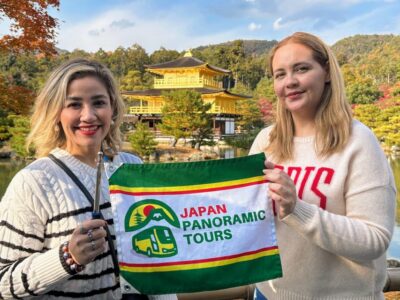
Fushimi Inari, Kinkakuji, Bamboo Grove 1 Day Bus Tour
Read our review →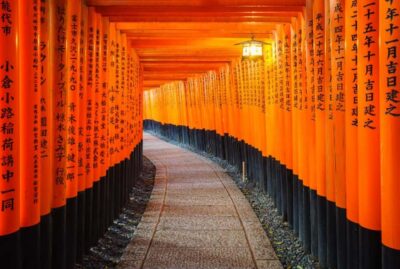
Osaka/Kyoto:Kinkakuji,Arashiyama,FushimiInariShrine,NaraPark
Read our review →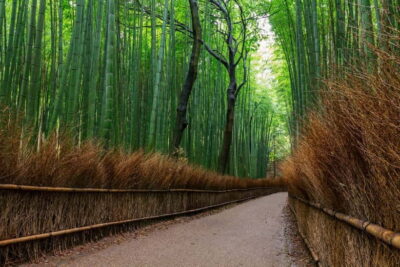
Kyoto/Osaka: Nara, Fushimi Inari Taisha, Arashiyama Bus Tour
Read our review →
Kyoto Arashiyama Walking Tour: Bamboo, Monkeys, Gardens & Secrets
Read our review →
Arashiyama Bamboo, Temple, Monkeys, or Secret Sake Brewery
Read our review →
Osaka/Kyoto: Arashiyama, Nara & Fushimi Inari Shrine w/Lunch
Read our review →
Nijo, Kinkaku-ji, Arashiyama, Kiyomizu & Fushimi Inari
Read our review →
Kyoto Ghost Tour: Dark Tales, Urban Legends, Bamboo Forest Night
Read our review →Browse the lists this tour appears in