
Review · DESSERT TOURS
Japanese Sweets Making in Kamakura
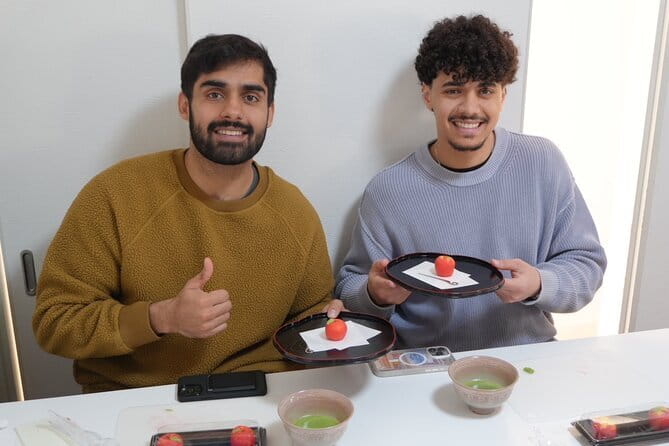
A Kamakura afternoon you can taste. This 3-hour experience pairs hands-on wagashi making with a visit to the Great Buddha of Kamakura, all guided in English by Hiro. You’ll shape sweets that reflect the season, then learn the cultural stories around Kotoku-in as you move through quieter paths near the coast.
I especially like two things about this tour. First, the wagashi class feels beginner-friendly, with clear step-by-step guidance that helps you walk out with sweets you actually made. Second, the route includes a strong ocean-view moment, and it tends to feel calm rather than packed. One thing to keep in mind: the tour ends at Kotoku-in, not back at your hotel, so plan your next transit stop from there.
If you want a little extra, you can add a cup of matcha for 550 yen. And since it’s private, you’re not squeezed into a big crowd, which makes the whole flow easier to enjoy. The whole outing is designed to be simple, scenic, and satisfying.
In This Review
- Key points to know before you go
- A 3-hour Kamakura combo that feels practical and real
- In the wagashi workshop: making three seasonal sweets in about an hour
- What you might be making: a nerikiri-style feel
- Matcha check: optional, but a nice pairing
- The ocean stop near Hase: views that reset your brain
- Kotoku-in and the Great Buddha: what that 13.35-meter statue represents
- What you can expect during your visit
- Hiro’s role: fluent English, clear steps, and a friendly pace
- Price and value: what $71.51 gets you, and what costs extra
- Optional costs
- Booking timing
- Where it starts and where it ends: plan your route with confidence
- Is this tour for you? Best match based on how it’s designed
- After the tour: make Kotoku-in time count
- Should you book Japanese Sweets Making in Kamakura?
- FAQ
- Where does the tour start and where does it end?
- How long is the Japanese sweets making and Great Buddha tour?
- What is included in the price?
- Is matcha included?
- Is this tour private?
- What is the cancellation policy?
Key points to know before you go
- Seasonal wagashi shapes: you make three sweets that match the time of year.
- English guidance from Hiro: friendly, funny, and easy to follow from start to finish.
- Ocean views near Hase: a popular coastal area, but the walking feels less crowded.
- Kotoku-in in about 30 minutes: enough time for the main statue and core context.
- Eat on the spot or take home: you can enjoy your work immediately or bring it as a souvenir.
- Optional matcha: add 550 yen if you want the classic pairing.
A 3-hour Kamakura combo that feels practical and real
Kamakura is a place where you can over-plan and still end up tired. This tour is the opposite. It gives you one clear workshop block, one landmark visit, and a short scenic stretch so you feel like you learned something without turning the day into a marathon.
The wagashi part matters because it is not just about getting a pretty photo. You’ll make sweets in seasonal shapes, which is how wagashi works in daily life in Japan. The season is built into the look and the theme, so your sweets feel tied to place and timing, not just to cooking for cooking’s sake.
Then you step into Kotoku-in and suddenly the cultural context clicks. The Great Buddha is not a random statue in a brochure. It is a cornerstone of Kamakura’s Buddhist heritage, and the stories you hear help you see why people care so much about this site.
A few more Kamakura days to weigh up
- Kamakura: Half day Walking tour & Japanese sweets
★ 5.0 · 11 reviews - Matcha Making Class in Tokyo with Authentic Japanese Sweets Set
★ 5.0 · 744 reviews - Matcha Making Class in Osaka with Authentic Japanese Sweets Set
★ 5.0 · 509 reviews
In the wagashi workshop: making three seasonal sweets in about an hour
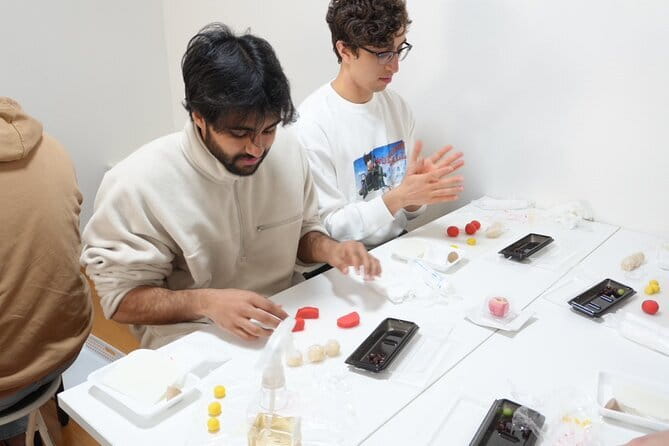
About the timing: the wagashi-making portion is roughly one hour, which is a sweet spot. You get enough hands-on practice to feel you did real work, but not so much time that you lose patience or hunger.
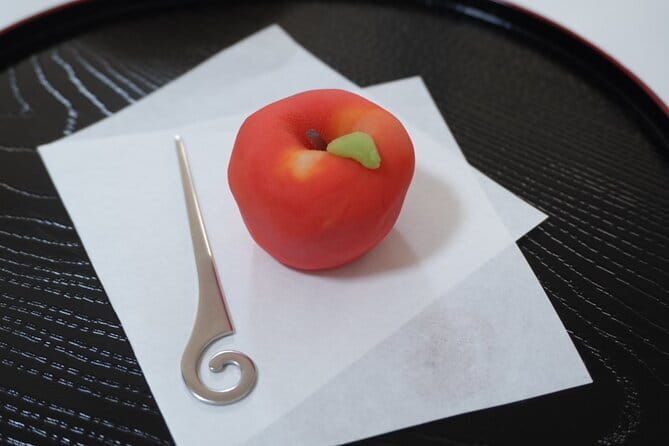
You’ll make three seasonal Japanese sweets (wagashi). Each one comes with a shape tied to the season. That seasonal element is a major reason this tour feels special. In many classes, you get one generic sweet. Here, you get a small set, which gives you a bigger sense of the craft in a short window.
The instructor guides you through the process, and the atmosphere is meant to keep beginners comfortable. In the feedback, people highlight how the instructions are detailed, and that they felt at ease even if they were nervous at the start. That matters because wagashi can look delicate, and it is easy to assume you need skill before you arrive.
What you do with the sweets is also flexible. You can enjoy them on the spot, or take them home as souvenirs. That is a practical bonus if you want something to share later, or if you want a small edible memory you can package carefully for the ride.
What you might be making: a nerikiri-style feel
Some sweets in wagashi classes are made using a paste and shaped techniques, and multiple people specifically mention nerikiri as part of the fun. Even if you have never shaped anything like this, the key is that you will be guided through it rather than left to guess. Your goal is not perfection, it is getting the seasonal shapes and enjoying the process.
Matcha check: optional, but a nice pairing
Matcha is available for an extra 550 yen. Even if you do not usually order it, this is one of those moments where the pairing makes sense. Wagashi is sweet, and matcha gives you that earthy, slightly bitter counterpoint that balances the flavor.
I like optional add-ons that cost extra but do not hijack the experience. Here, matcha is exactly that. You can take it or skip it without disrupting the main flow.
A different sort of day in Japan:
- Tokyo: Kamakura & Enoshima Day Trip including Temple Tickets
★ 4.5 · 1,375 reviews - From Tokyo: Kamakura & Enoshima 1-Day Bus Tour
★ 4.5 · 189 reviews - Kamakura Historical Walking Tour with the Great Buddha
★ 5.0 · 129 reviews - Kamakura Private Tour: Temples, Nature, and the Great Buddha
★ 5.0 · 121 reviews
The ocean stop near Hase: views that reset your brain
Between workshop time and Kotoku-in, you get a coastal pause. You can see a great view of the ocean, and it is described as a popular spot among locals. What I find most useful about this stop is the pacing. You do not go from kneading sweets to monument mode with no break.
Also, the walking tends to feel calmer than you might expect. People note that the paths were not crowded, and the sea looked especially beautiful. That is not just a nice detail. A less hectic route makes it easier to actually enjoy the scenery and listen when your guide shares stories.
If you’re sensitive to time, this stop helps you. It gives you a chance to regroup, snap a couple photos, and then head to Kotoku-in feeling ready to focus. If you like photos, you’ll probably want to stop and watch the water for a minute, not just point and shoot.
Kotoku-in and the Great Buddha: what that 13.35-meter statue represents
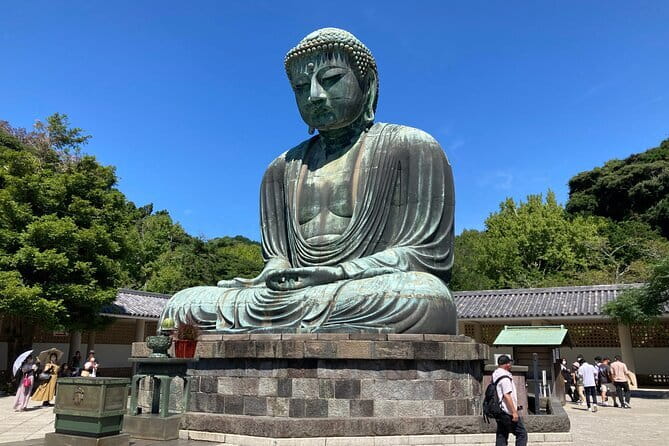
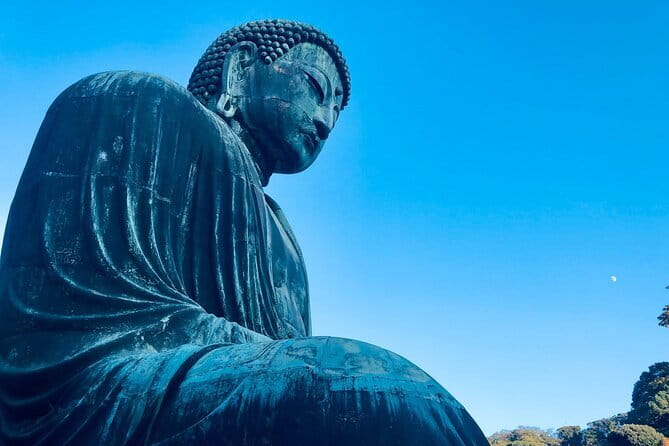
Now for the main event. Kotoku-in is home to the Great Buddha of Kamakura, an iconic bronze statue that reaches 13.35 meters tall and weighs 121 tonnes. It has stood for over 750 years, which is hard to wrap your head around until you see it in person.
This statue is also a big deal within Japan. It is Kamakura’s only Buddhist national treasure. And it is noted as Japan’s second tallest bronze Buddha. Those facts are impressive, but what you’ll remember most is the way your guide connects them to history and culture.
You’ll spend about 30 minutes at Kotoku-in. That is a realistic amount of time for getting the core experience without rushing or getting lost. You’ll also have your questions answered on the spot, especially if you care about how Buddhism shaped Kamakura’s identity.
What you can expect during your visit
With a time cap like 30 minutes, you should aim to prioritize the statue and key areas you can access during that window. The guide will help you focus on what matters, so you do not waste time hunting for the most important viewpoints.
If you love statues and architecture, you might want to linger after the tour ends. If you prefer shorter visits, 30 minutes is already enough to feel the scale and leave with solid context.
Hiro’s role: fluent English, clear steps, and a friendly pace
This is where the experience really gets its edge. The provider is Hiro, and multiple people call out how great he is as a guide. The highlights are consistent: Hiro is funny, kind, and very fluent in English, and his humor keeps things light while the information stays clear.
For me, the best sign of a good guide in a hands-on class is simple. You should feel relaxed enough to try. If you arrive tense, and the guide makes you comfortable quickly, you end up enjoying the craft instead of worrying about mistakes.
The same goes at Kotoku-in. If the guide can explain what you are looking at in a way that makes sense, you stop seeing a statue and start seeing a story. That is exactly the kind of value you want from a combined tour, because you are not just checking boxes. You’re building understanding while you travel.
Price and value: what $71.51 gets you, and what costs extra
The price is $71.51 per person for about 3 hours. For that, you get:
- An English-speaking local guide
- A traditional sweets-making lesson
- Entrance fee to Kotoku-in
That is a solid structure because it bundles the workshop and the temple visit, instead of forcing you to buy tickets and pay for separate experiences.
What is not included is also clear, and that helps you plan. You cover personal expenses and you do not get hotel pick-up or drop-off. The tour starts at Hase Station and ends at Kotoku-in, so you’ll manage your own transportation before and after.
Optional costs
The only optional add-on mentioned is matcha for 550 yen. That keeps decision-making easy. You can go for the classic pairing or just focus on the sweets you make.
Booking timing
On average, this is booked about 5 days in advance. That tells me it is not a totally open-ended schedule. If you’re traveling in a busy period, booking sooner is smarter, especially since it is private.
Where it starts and where it ends: plan your route with confidence

The meeting point is Hase Station, 2 Chome-14 Hase, Kamakura. The tour ends at Kotoku-in, 4-chōme-2-28 Hase, Kamakura.
I like tours that end at the place you’re most excited about, because you can keep moving naturally once the experience finishes. In this case, you finish at Kotoku-in, so if you want more time at the grounds or want to continue nearby on your own, you are positioned well.
Just don’t assume you will be carried back to where you started. Since there is no hotel pick-up or drop-off included, make sure you know how you’ll get to your next stop after Kotoku-in.
Is this tour for you? Best match based on how it’s designed
This works especially well if you want a day that feels local and hands-on without being complicated. You’ll get:
- Creative, seasonal making (wagashi)
- A major cultural landmark (Kotoku-in Great Buddha)
- A short coastal view moment near Hase
It is also a strong fit for beginners. People can participate, and the workshop guidance is described as detailed and easy to follow. If you usually skip cooking classes because you worry you’ll mess things up, this one is designed to reduce that stress.
It is also a good option if you value English support. Hiro’s fluency is repeatedly mentioned, and his humor makes the time fly.
Finally, because it is private, it is a calmer choice for couples or small groups. You get your own pace without feeling like you’re on a conveyor belt.
After the tour: make Kotoku-in time count
Since your tour ends at Kotoku-in, you can decide how you want to spend your remaining time. If you want a slower pace, stay a bit longer around the area and take in the scale once more.
If you prefer a tight itinerary, you can treat the tour as your key temple visit and then move on. Either way, ending at Kotoku-in means you do not have to backtrack just to keep your day moving.
Should you book Japanese Sweets Making in Kamakura?
Yes, if you want a short, high-satisfaction day that combines craft and culture. The value is strong because the tour includes the guide, the lesson, and Kotoku-in entrance, and you also get the option to eat what you make or take it home.
I would hesitate only if you hate ending away from your hotel. Since it finishes at Kotoku-in and there is no drop-off, you need a simple transit plan for afterwards. Also, if you want a very long temple visit, the 30-minute Kotoku-in time may feel quick. Most people, though, seem to enjoy the focused pace.
If you like learning through doing, and you want Kamakura in three hours instead of all day, this is a very good fit. And if Hiro is your guide, you’re in for a friendly, well-paced experience that makes wagashi feel like part of daily life, not a staged activity.
FAQ
Where does the tour start and where does it end?
The tour starts at Hase Station (2 Chome-14 Hase, Kamakura) and ends at Kotoku-in (4-chōme-2-28 Hase, Kamakura).
How long is the Japanese sweets making and Great Buddha tour?
The experience is about 3 hours.
What is included in the price?
Included are an English-speaking local guide, the traditional sweets making lesson, and the entrance fee to Kotoku-in.
Is matcha included?
Matcha is not included in the standard experience. You can add a cup of matcha for an additional 550 yen.
Is this tour private?
Yes. It is listed as a private tour or activity, so only your group participates.
What is the cancellation policy?
The experience is non-refundable and cannot be changed for any reason. If you cancel or request an amendment, the amount you paid will not be refunded.
Newly listed around Kamakura
- Introducing all the Famous Spots in Kamakura and Enoshima!★ 5.0 · 7 reviews
- First time in Kamakura? Enjoy a Tour of All Must-sees!★ 5.0 · 15 reviews
- Kamakura 4hr Private Trip with Government-Licensed Guide★ 5.0 · 58 reviews
- Your Own HANKO Name Seal Activity in Kamakura.★ 5.0 · 24 reviews
- Kamakura Heritage Bike or Walk Tour with ex-Rickshaw guide★ 5.0 · 11 reviews
- Exciting Kamakura – One Day Tour from Tokyo★ 5.0 · 40 reviews
- Kamakura Walking Tour – The City of Shogun★ 5.0 · 100 reviews
- Kamakura Scenic Bike Tour★ 5.0 · 10 reviews
Dessert Tours, compared.
Matcha Making Class in Tokyo with Authentic Japanese Sweets Set
Read our review →
Matcha Making Class in Osaka with Authentic Japanese Sweets Set
Read our review →
Matcha Making Experience with Mochi Sweets in Asakusa
Read our review →
Japanese Traditional Sweets Making and Tea Ceremony
Read our review →
Japanese Traditional Sweets Making and Tea Ceremony
Read our review →
Japanese Traditional Sweets making and Tea Ceremony
Read our review →
Sweets Making and Kimono Tea Ceremony at Tokyo Maikoya
Read our review →Browse the lists this tour appears in