
Review · SAMURAI SWORD & NINJA TRAINING
Kamakura: Walking Tour through the City of Samurai
Kamakura hits differently when you walk it. This guided tour strings together the city’s top samurai-era sights, with plenty of photo stops and time to understand what you’re seeing. I like how it centers big landmarks like Tsurugaoka Hachimangu Shrine and the Great Buddha, then adds smaller rituals so the day feels more than a checklist.
My favorite part is the pacing for a first visit, plus the guidance style. In the past, guides such as Midori-san and Kyoko have been praised for clear English and for answering questions as you go, which helps you connect the dots fast. One thing to consider, though, is that it is a walking tour with uneven paths and hills, so it is not suitable for wheelchair users or people with mobility impairments.
In This Review
- Key highlights you will actually feel
- Kamakura in a short, well-timed walking block
- Getting started at JR Kamakura, and what the group size means
- Tsurugaoka Hachimangu and Komachi Dori: the city’s main stage
- The train segment that prevents wasted time
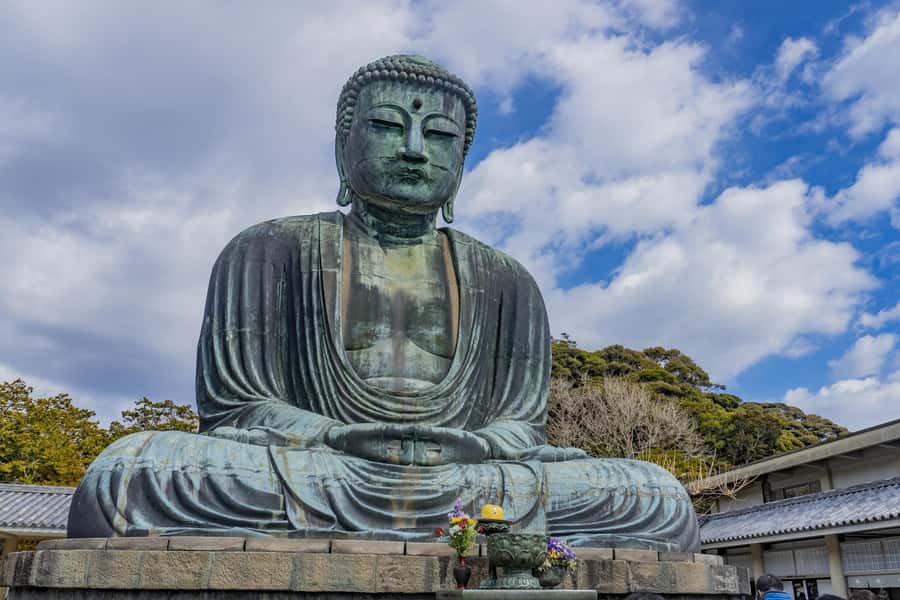
- Kōtoku-in Great Buddha: the scale is the whole story
- Hase-dera: temple views and a finish that feels natural
- Zeniarai Benten and Hokokuji bamboo: the small stops that add meaning
- Food and snacks: plan for them, even if they are not included
- Price and value: why $32 can make sense here
- Who this walking tour fits best
- Should you book this Kamakura Samurai walking tour?
- FAQ
- FAQ
- How long is the Kamakura Walking Tour through the City of Samurai?
- Where do I meet the guide?
- What are the main sights included on the tour?
- Is the tour in English?
- What is included in the ticket price, and what costs extra?
- What should I bring for the walk?
Key highlights you will actually feel
- Small group (up to 10), so questions and photo stops do not feel rushed
- Tsurugaoka Hachimangu as the spiritual centerpiece, with a guided look at why it matters
- Great Buddha at Kōtoku-in, including time to appreciate its sheer scale
- Zeniarai Benten ritual at the sacred spring where people wash money for prosperity
- Hokokuji’s bamboo groves and the quieter side of Kamakura
- Traditional snacks nearby, including shirasu-don and octopus crackers (you buy on your own)
Kamakura in a short, well-timed walking block
This tour is planned for about 210 minutes. That is long enough to cover multiple key areas without turning it into a marathon, and short enough that you still have energy to explore afterward on your own. You are also not stuck waiting around, because the schedule moves through shrines, temple grounds, and scenic streets in a logical flow.
If you are coming from Tokyo, the best part is the change of pace. Kamakura feels calmer, and walking helps you notice details you would miss if you only rode trains and hit one landmark at a time.
I also appreciate that it is designed for a first-time visit. You get the headline sites, but you also get the bits that explain how Kamakura’s role as an early power center shaped everyday life and beliefs.
More Samurai and Ninja sessions in Kamakura:
- Kamakura; First Samurai Capital walking tour
★ 5.0 · 8 reviews - Tokyo: Samurai Restaurant Show Ticket with 2 Drinks
★ 4.5 · 1,307 reviews - Kyoto Samurai Experience
★ 5.0 · 1,294 reviews
Getting started at JR Kamakura, and what the group size means
You meet at the Kamakura City Tourist Information Center near the JR Kamakura Station East Exit Tourist Information Center. The guide will be holding a sign at the meeting point, and you will recognize it easily at street level if you are watching for the sign before you step into the station area.
The group is limited to 10 participants, which matters more than it sounds. With smaller groups, guides can keep track of who needs extra clarification, and photo stops tend to work smoothly instead of turning into a scramble. Based on guide feedback like Midori-san and Kyoko, the tour leans friendly and interactive, not lecture-heavy.
Comfort is important here. Bring comfortable shoes, plus water and sunscreen if the forecast looks bright. Weather can swing in Japan, and temple pathways do not always give you shade, so a hat is a smart move.
Tsurugaoka Hachimangu and Komachi Dori: the city’s main stage
Your first major stop is Tsurugaoka Hachimangu Shrine, with time set aside for photos and guided sightseeing. This shrine sits at the spiritual heart of Kamakura, and the guide’s job is to help you connect the setting to the era the city is known for.
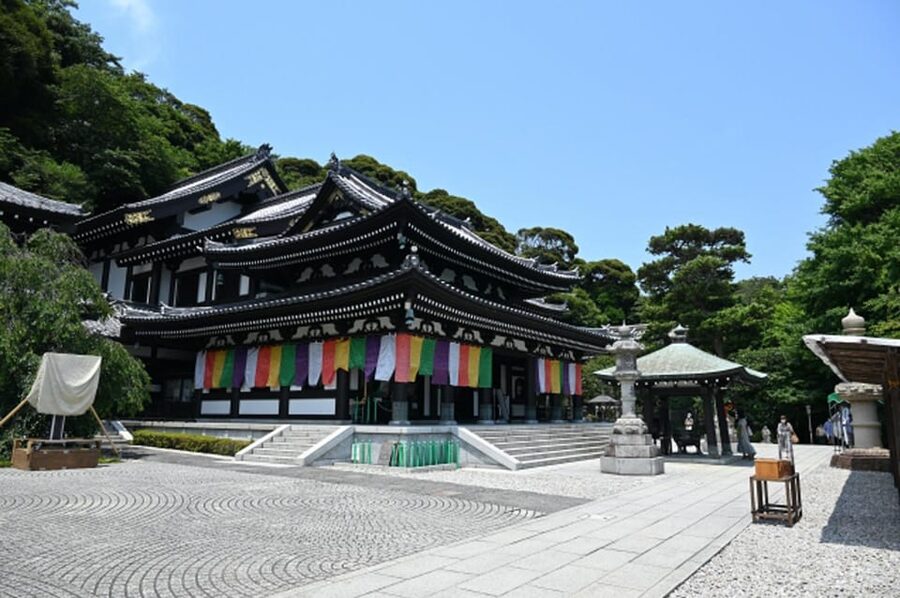
After the shrine, you head to Komachi Dori Street. This stretch is a great place to orient yourself because it feels like the living throat of the city. You can browse, snack, and get a sense of how visitors and locals move through the area.
What I like about this pairing is that it gives you contrast. You start with ritual and symbolism at the shrine, then shift to street life where you can look at everyday Kamakura culture in motion. If you like wandering but hate feeling lost, this part hits the sweet spot.
The train segment that prevents wasted time
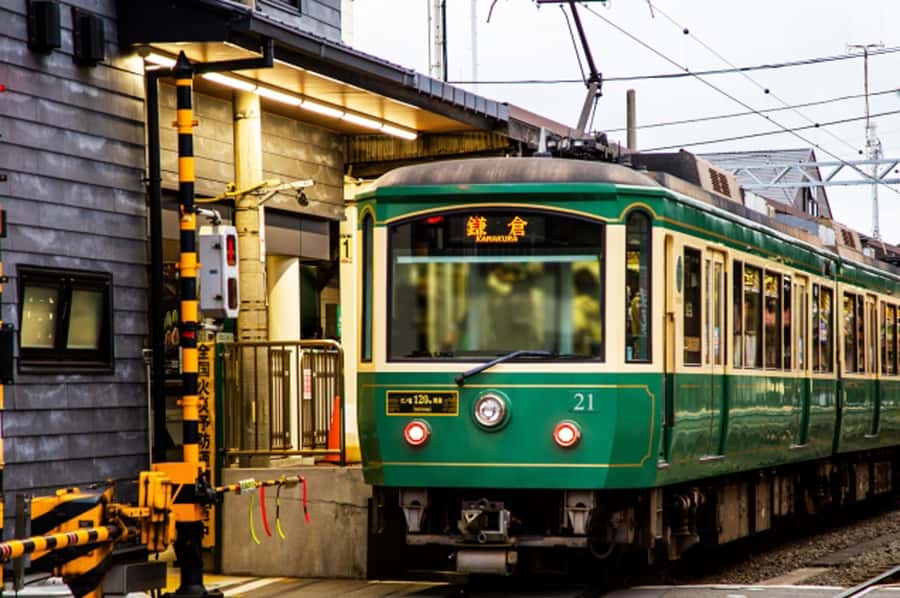
The tour includes a short train ride (about 20 minutes). That is a small but valuable piece of planning, because it prevents the walking from turning into a long slog between distant sights.
This also helps you see different pockets of Kamakura without committing a whole day of transit. By the time you are back on foot, you will be ready to focus again, and the guided pace feels more like sightseeing than just transportation.
If you prefer to read stations quickly, keep an eye on directions from the guide. You will not want to fall behind here, especially since the walking between stops is part of the experience.
A few more Kamakura days to weigh up
- Kamakura Historical Walking Tour with the Great Buddha
★ 5.0 · 129 reviews - Kamakura: A Journey Through Medieval Japan (Walking Tour)
★ 4.9 · 26 reviews - Kamakura: Half day Walking tour & Japanese sweets
★ 5.0 · 11 reviews - Kyoto Geisha Walking Tour: Gion District & Hidden Gems
★ 4.7 · 3,273 reviews
Kōtoku-in Great Buddha: the scale is the whole story
Next up is Kōtoku-in for the Great Buddha. This is one of those sites where the guide’s context changes your reaction. The tour frames the statue as an iconic bronze symbol of Japan’s Buddhist heritage, and once you have that in mind, you start noticing the details beyond just the wow-factor.
You will have a photo stop plus guided time on site. Even if you have seen Great Buddha images before, you will likely feel the difference when you stand close, because the statue’s scale affects how you interpret it.
Practical tip: bring your camera plan for this stop. You will want at least one wide shot and one closer angle, but the best view can depend on where you position yourself in the space around the statue. Let the group settle before you sprint for a spot.
Hase-dera: temple views and a finish that feels natural
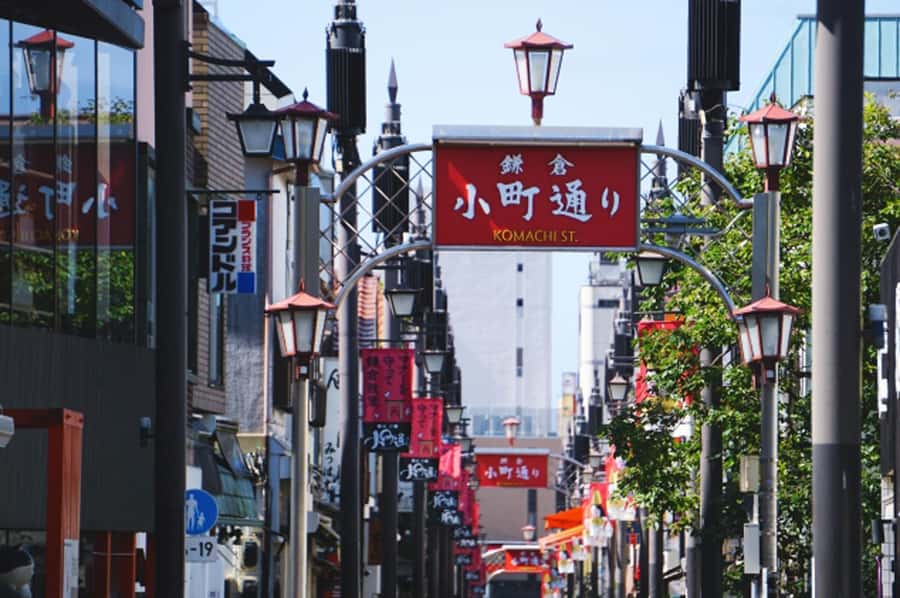
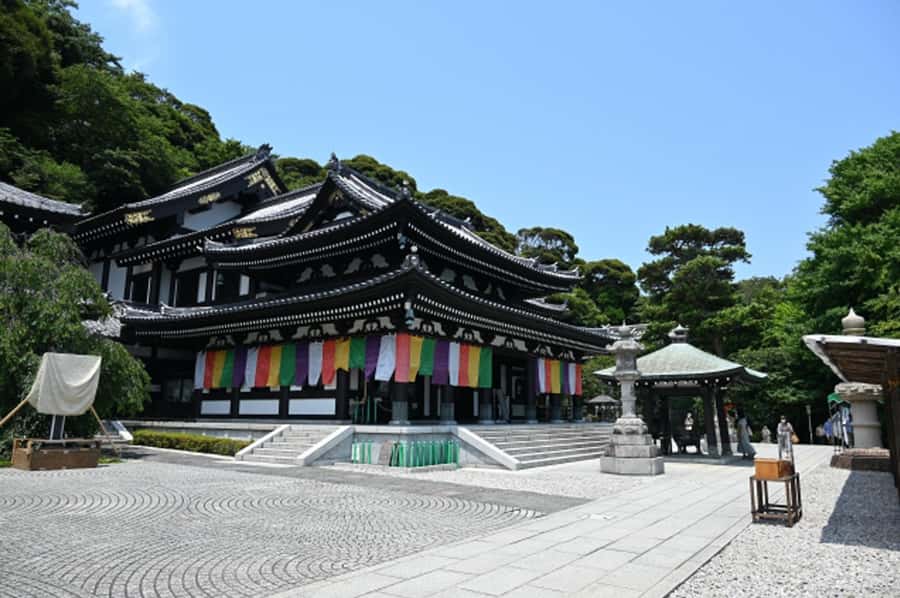
The tour ends at Hase-dera, with Hase-dera stop time of about 1 hour. Hase-dera is a satisfying finale because it feels like you are arriving somewhere calmer at the end of your walk.
As a last big temple moment, it also makes sense emotionally. You start with a shrine that explains Kamakura’s spiritual center, move through Buddhist heritage at Kōtoku-in, and then close with Hase-dera’s atmosphere.
One consideration: Hase-dera and surrounding paths can involve stairs or sloped walkways. If you are dealing with sore knees or you know you tire fast on uneven ground, wear shoes with good grip and take your time at your own pace while still staying with the group.
Zeniarai Benten and Hokokuji bamboo: the small stops that add meaning
A Kamakura tour that only hits the headline sites can feel a bit flat. Here, you get two “why does this matter” stops that help the day feel more grounded.
Zeniarai Benten Shrine is where people perform a unique ritual: washing money in sacred spring water for prosperity. The guide’s job is to explain the tradition and what it represents, so it does not feel like a random photo opportunity. If you like cultural details, this stop is often the one people remember later.
Then there is Hokokuji Temple with its bamboo groves. Bamboo changes the soundscape and the light, and the guided context helps you shift from sightseeing mode to quieter observation mode. Even if you are not a temple person, bamboo groves are one of the easiest ways to feel “in the place” without trying too hard.
Food and snacks: plan for them, even if they are not included
This experience includes time where traditional bites are part of the local feel. You might have a chance to enjoy snacks such as shirasu-don (rice topped with baby sardines) and octopus crackers.
Meals are not included, so think of this as an opportunity rather than a guarantee that you will sit down and eat a full meal. Bring a bit of cash or card flexibility for snacks, because temple and street-food pricing can vary by exact stall and time of day.
Also, if you snack, it helps energy. This tour is short but active, and a small food break makes the later walking feel easier, especially in warmer weather.
Price and value: why $32 can make sense here
The tour price is listed at $32 per person, and for what you are getting, that can be good value. You have a professional English-speaking guide, a small group size, and included entry to the attractions.
One extra note matters: there is a 1200 Yen total for admission and transportation fees that are not included in the base price. So when you calculate your total budget, plan for that add-on. Still, bundling guide time plus admission helps keep you from having to figure out everything on your own.
If you are traveling solo or as a pair, the group model is a big plus. You get local context, and you do not lose hours on research while you are in Kamakura with limited time.
Who this walking tour fits best
This tour is a strong match if you want a first visit to Kamakura and you like having your stops connected with stories and context. It also works well if you want a guide who can answer questions in English, rather than just pointing you toward landmarks.
You might like it even more if you enjoy a mix of big monuments and smaller traditions. A shrine, a famous Buddha, a prosperity ritual, bamboo calm, and a temple finish is a nice variety set.
It is not suitable for wheelchair users or people with mobility impairments. The route is walking-based and likely includes stairs and uneven surfaces across multiple temple and shrine areas.
Should you book this Kamakura Samurai walking tour?
Book it if you are short on time, want the top sights without the guesswork, and you like cultural details that explain why people do what they do. The small group size and the chance to ask questions make it feel personal, and guides such as Midori-san and Kyoko have a track record for strong English and engaging storytelling.
Skip it if you cannot handle a walking route with possible stairs or you prefer a self-guided day with no group structure. If you want to move at your own speed, you might feel more comfortable planning your route and visits independently.
FAQ
FAQ
How long is the Kamakura Walking Tour through the City of Samurai?
The tour duration is about 210 minutes.
Where do I meet the guide?
You meet at the Kamakura City Tourist Information Center, near the JR Kamakura Station East Exit Tourist Information Center. The guide will be holding a sign at the meeting point.
What are the main sights included on the tour?
The tour includes Tsurugaoka Hachimangu Shrine, Kōtoku-in (Great Buddha), and Hase-dera. It also covers stops such as Zeniarai Benten Shrine and Hokokuji Temple during the experience.
Is the tour in English?
Yes. The live tour guide speaks English.
What is included in the ticket price, and what costs extra?
Included are a professional guide and admission to all attractions. Not included is admission and transportation fees totaling 1200 Yen total, plus meals.
What should I bring for the walk?
Bring comfortable shoes, water, sunscreen, a hat, and a camera. The tour is walking-focused, so comfortable footwear really matters.
Newly listed around Kamakura
- Kamakura: Private History and Heritage Tour by Rickshaw★ 4.9 · 7 reviews
- Kamakura Private Custom Tour with Local Guide★ 5.0 · 7 reviews
- Kamakura: Half day Walking tour & Japanese sweets★ 5.0 · 11 reviews
- Kamakura: Daibutsu Hiking Trail Tour with Local Guide★ 5.0 · 10 reviews
- Kamakura; First Samurai Capital walking tour★ 5.0 · 8 reviews
- Kamakura Half Day Tour with a Local Expert Guide★ 4.4 · 23 reviews
- Kamakura and Enoshima: Private Guided Day Tour with Vehicle★ 3.9 · 17 reviews
- Kamakura: A Journey Through Medieval Japan (Walking Tour)★ 4.9 · 26 reviews
Samurai Sword & Ninja Training, compared.
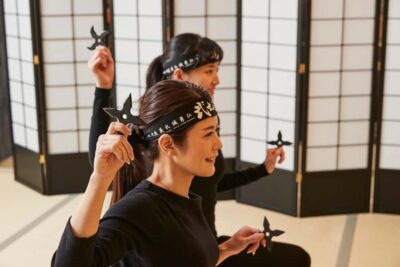
Samurai Ninja Museum Guided tour and Experience
Read our review →
Kendo and Samurai Experience with Uniform and Gear
Read our review →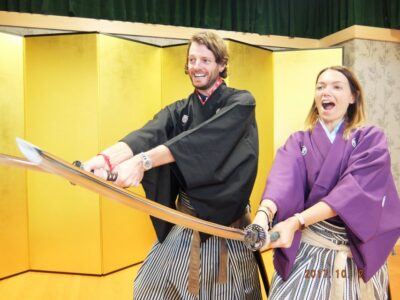
Samurai Sword Class by Experts in Traditional Arts
Read our review →
Skip the lines Basic Ticket at SAMURAI NINJA MUSEUM KYOTO
Read our review →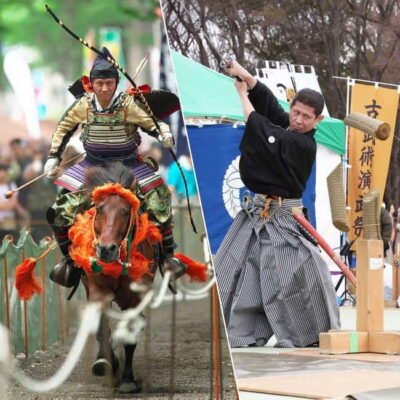
Samurai Sword & Archery Class from Samurai Descendant
Read our review →
Browse the lists this tour appears in