
Review · WALKING TOURS
Kamakura: A Journey Through Medieval Japan (Walking Tour)
Kamakura packs centuries into one walk. I like how this Kamakura walking tour stitches together Zen temples, samurai-era shrine politics, and a real seaside break, all with an English-speaking historian guide (John is the one you will meet). You’ll get standout time at Engaku-ji Temple and the chance to eat shojin-ryori, monk-style vegetarian food that makes the day feel lived-in, not just sightseeing.
My favorite part is the built-in storytelling. John explains why this city mattered when Japan’s warrior government took hold here about 900 years ago, and he keeps it clear even when the ideas get historical. The main drawback is simple: it’s mostly walking, so if your legs tire easily, you need to tell the guide early so the pace can be adjusted.
In This Review
- Key things that make this Kamakura tour worth it
- Kamakura in one day: samurai-era Japan plus a real seaside reset
- Meeting at Kita-Kamakura and the pace that actually works
- Engaku-ji Temple: Zen Buddhism explained where it matters
- Tokei-ji: a former nunnery stop with a pilgrim purpose
- Shojin-ryori lunch: monk-style vegetarian food that changes how you experience the day
- Tsurugaoka Hachimangu in downtown Kamakura: where power and worship met
- Great Buddha of Kamakura: one statue that anchors the whole day
- Enoshima on the 8-hour option: holiness, kitsch, and cliffside views
- Price and logistics: $35 sounds cheap, but here is what you should budget
- Who should book this Kamakura walking tour, and who should skip it
- Should you book this Kamakura walking tour?
- FAQ
- Where is the meeting point for the Kamakura walking tour?
- How do I get to the end of the tour?
- Is shojin-ryori included?
- What does the tour price cover?
- About how much should I budget for entry fees and transport?
- Is the tour vegetarian or vegan-friendly?
- Can the guide handle dietary restrictions like gluten-free?
- What language is the tour offered in?
- Is the tour suitable for wheelchairs or limited mobility?
Key things that make this Kamakura tour worth it
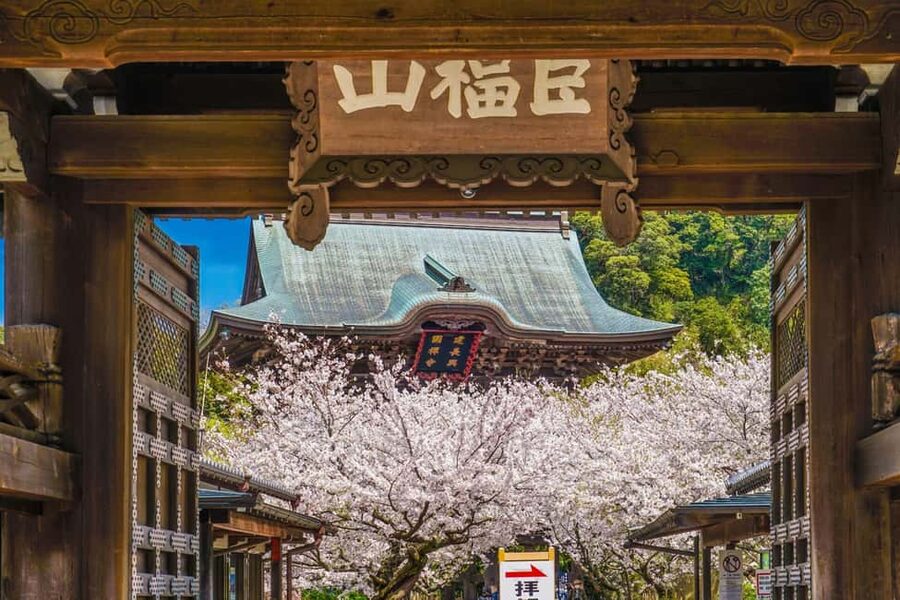
- Engaku-ji Temple with Zen context, so the carvings and grounds make sense, not just look pretty
- Tsurugaoka Hachimangu in the middle of downtown, where politics and worship overlapped in the Kamakura Period
- The Great Buddha of Kamakura, one of Japan’s largest Buddha statues, built for awe at human scale
- Shojin-ryori lunch, vegetarian and vegan-friendly, with monk-style simplicity (requestable even on the shorter tour)
- Enoshima on the 8-hour option, a holy island turned seaside escape, with John planning great photo moments
Kamakura in one day: samurai-era Japan plus a real seaside reset
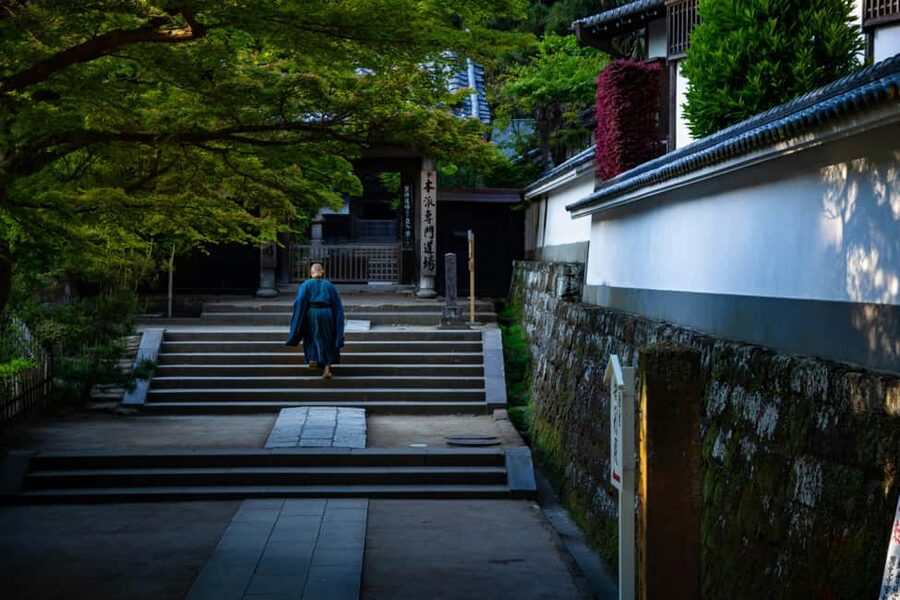
Kamakura is the kind of place where you can feel time layers. Temples and shrines point back to Japan’s medieval era, and then, with very little effort, you’re looking at ocean air and cliff faces at Enoshima. That mix is why people treat Kamakura like an easy getaway from Tokyo, and why a guided day works so well: the sites are close enough to connect, but the meaning is not automatic.
What I like about this tour is that it does not just hop between famous stops. It connects them. You start in Zen Buddhism and its role in Japanese politics, art, and daily religious practice. Then you move to the heart of Kamakura-era authority at Tsurugaoka Hachimangu. After that comes the Great Buddha, followed by Enoshima if you take the 8-hour option. The day has a flow that feels intentional, not random.
A few more Kamakura days to weigh up
- Kamakura Historical Walking Tour with the Great Buddha
★ 5.0 · 129 reviews - Kamakura: Walking Tour through the City of Samurai
★ 4.9 · 12 reviews - Kamakura: Half day Walking tour & Japanese sweets
★ 5.0 · 11 reviews
Meeting at Kita-Kamakura and the pace that actually works
Your day begins outside the East Exit of Kita-Kamakura Station. This is practical for two reasons. First, it’s easy to find compared to bigger stations with lots of confusing crossings. Second, starting here helps you get moving quickly, instead of spending the morning trapped in transit.
This is mostly a walking tour, with public transport used at various points. That matters because it lets you cover more ground without turning your day into a grind. The tour is also customizable if you choose the private option, and if you tell the guide you tire easily, he will plan a route that is easier on your legs.
If you’re on the fence about comfort, here’s the honest take: you should expect enough walking that comfortable shoes are not optional. Also note the tour is not suitable for wheelchair users and not suitable for people with mobility impairments. If walking is a challenge for you, you’ll likely be happier with a more transit-heavy plan.
Engaku-ji Temple: Zen Buddhism explained where it matters
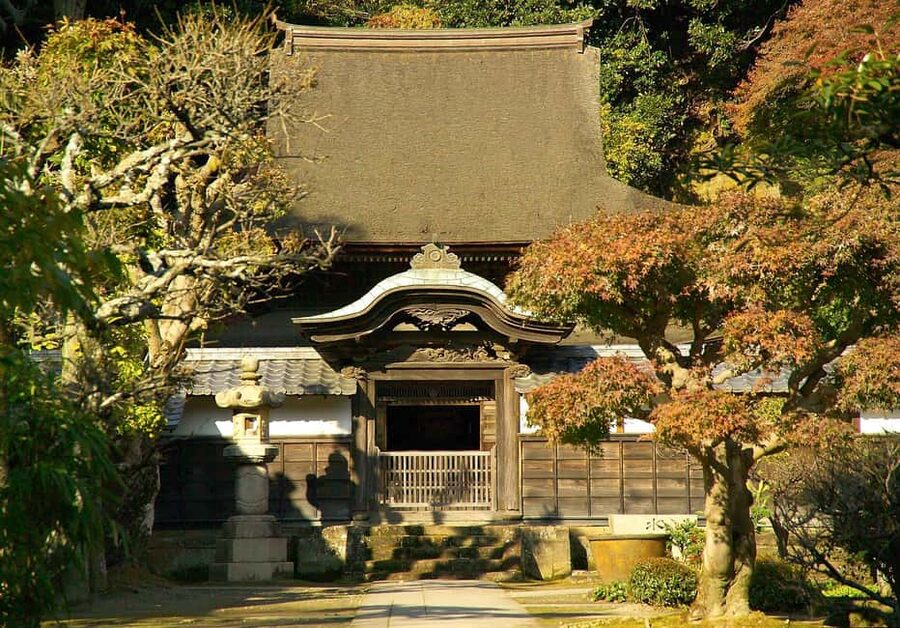
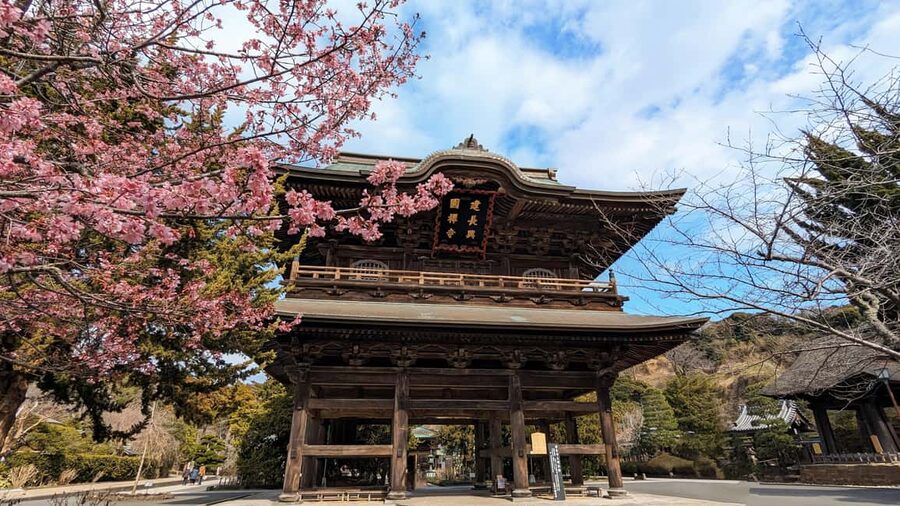
Engaku-ji is one of the most important Zen temples in Japan, and it’s a smart first stop. The grounds and buildings can look like just beautiful stone and timber until someone gives you the story. John sets the scene by connecting Zen Buddhism to Japanese politics, art, and religious practice, then you see those ideas embodied in the temple itself.
Why this works for a first-time Kamakura visitor: it gives you a lens. After Engaku-ji, when you see other religious spaces later in the day, you’re not guessing what you’re looking at. You understand what Zen traditions were doing culturally, not only what they look like.
What to watch for during your time here: pay attention to the temple layout and the quiet rhythm of the place. Even on a busy day, Engaku-ji has a different pace than downtown. If you’re the type who likes photos, the guide’s timing and photo-spot choices help you get shots without getting swallowed by crowds.
Tokei-ji: a former nunnery stop with a pilgrim purpose
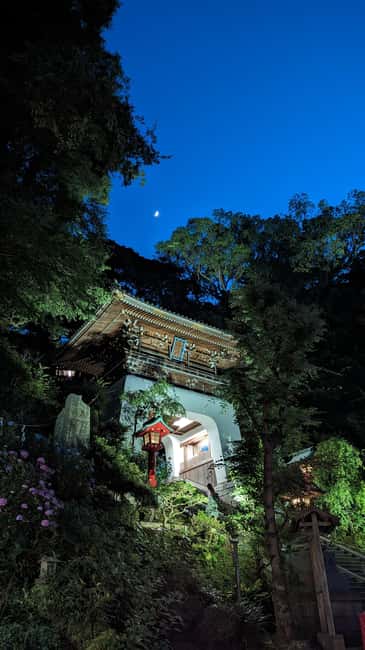
After Engaku-ji, you’ll make a short stop at Tokei-ji, described as a former nunnery and a pilgrimage spot for women from all over Japan. This stop adds balance to the day. After learning how Zen shaped public life, you get a glimpse of how religion also connected people through devotion and community.
Because it’s a short stop, it doesn’t feel like a detour. It’s more like a small chapter that rounds out the bigger picture. You’ll leave with the sense that Kamakura’s religious life was not only for warriors and emperors. It involved ordinary people, including women who traveled for spiritual reasons.
A different sort of day in Japan:
- Tokyo: Kamakura & Enoshima Day Trip including Temple Tickets
★ 4.5 · 1,375 reviews - From Tokyo: Kamakura & Enoshima 1-Day Bus Tour
★ 4.5 · 189 reviews - Kamakura Private Tour: Temples, Nature, and the Great Buddha
★ 5.0 · 121 reviews - From Tokyo: Kamakura Full Day Tour with a Local Expert Guide
★ 4.6 · 43 reviews
Shojin-ryori lunch: monk-style vegetarian food that changes how you experience the day
If you do the 8-hour version, lunch is often shojin-ryori, the vegetarian and monk-style food Buddhist practitioners eat every day. Even better, the tour is vegetarian and vegan-friendly, and you can let the provider know in advance so they can plan accordingly.
Shojin-ryori is not just a dietary label. It’s a way of eating tied to discipline and attention, and that’s exactly why it fits here. After temples and shrines, it adds a tangible, sensory layer to the religious themes you’ve been hearing.
One practical point: shojin-ryori is generally tied to the 8-hour itinerary, but it’s available upon request for the 4-hour tour. If you really want this lunch, ask ahead instead of hoping for the best.
Dietary needs are taken seriously. I’m especially glad to see that gluten-free diners can get help locating a suitable restaurant for lunch. If you have celiac or other strict restrictions, tell the guide so he can suggest an option that matches your needs instead of leaving you to hunt while the day keeps moving.
Tsurugaoka Hachimangu in downtown Kamakura: where power and worship met
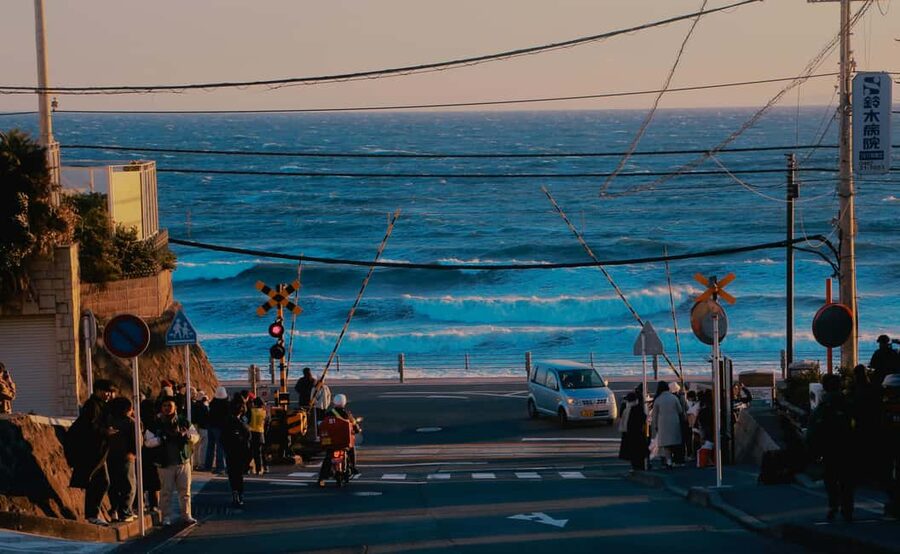
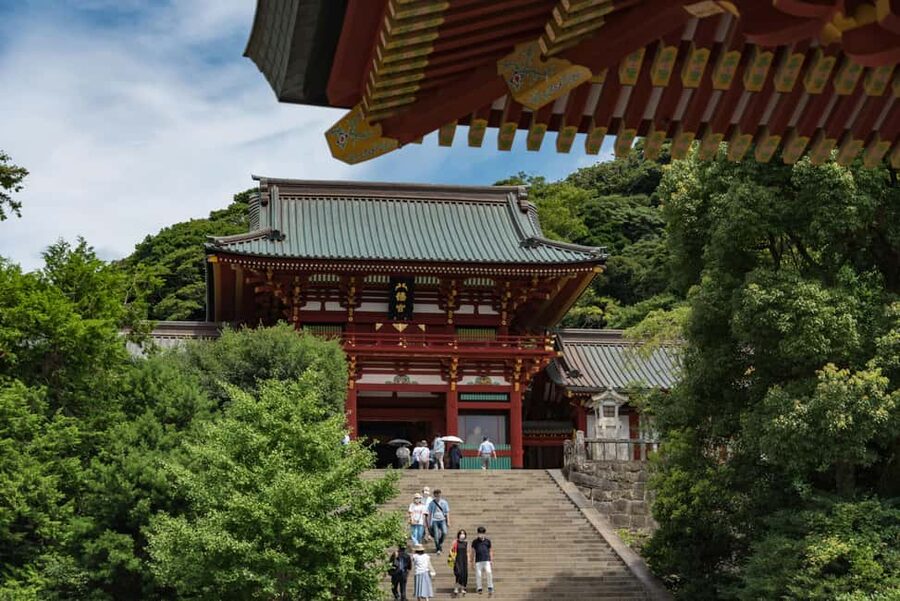
Next comes Tsurugaoka Hachimangu, one of the most popular and largest shrines in the region. This is where the tour shifts from Buddhism-heavy pacing to Kamakura-era civic importance.
The key idea you get here is that this shrine sits at the center of Kamakura-period politics. That’s not just trivia. It changes how you look at the place. You’re not treating it as an isolated religious site. You’re seeing it as a stage where religious devotion and political identity intersected.
Expect a big, high-energy shrine atmosphere compared with the quieter temple grounds. It’s also one of the spots where you’ll appreciate having a guide who knows how to choose photos and when to avoid the worst crowd pressure. The aim is simple: get you the important views and details without wasting time standing in a bottleneck.
Great Buddha of Kamakura: one statue that anchors the whole day
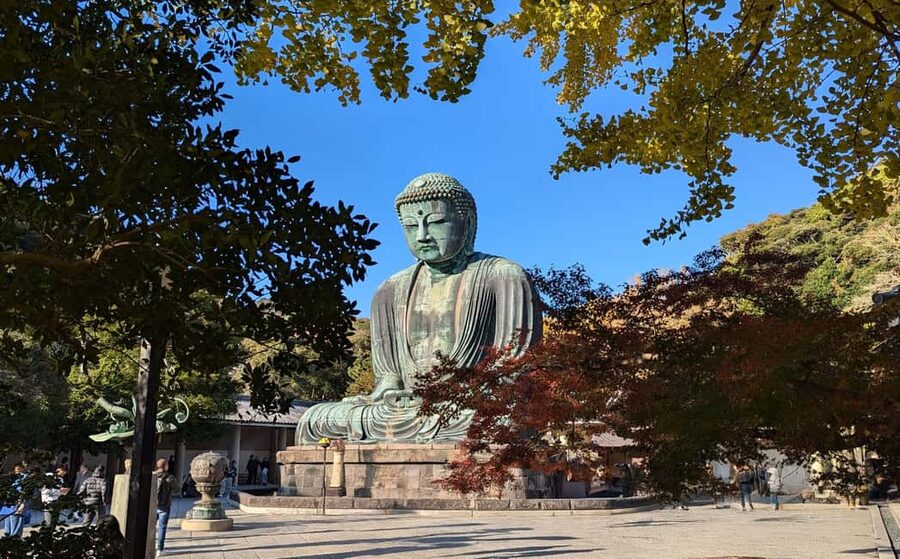
The Great Buddha is one of the largest Buddha statues in Japan, and it makes a strong middle-of-day anchor. This is the part of the tour that feels like a reset, even though you’re still moving.
Why it’s such a good stop: it gives you a single focal object, so the story has a physical centerpiece. You’re not collecting images all day. You’re connecting them through one image that represents Buddhist presence at a scale meant to impress.
John also explains the shift from one Buddhist focus to another later in the day, and that matters because people can get confused when there are multiple traditions in the same country. The guide’s approach keeps it easy to follow, so the Great Buddha does not become just another big thing to photograph.
If you like good visuals, you’ll also appreciate that the guide tends to steer you toward the best angles at the right times.
Enoshima on the 8-hour option: holiness, kitsch, and cliffside views
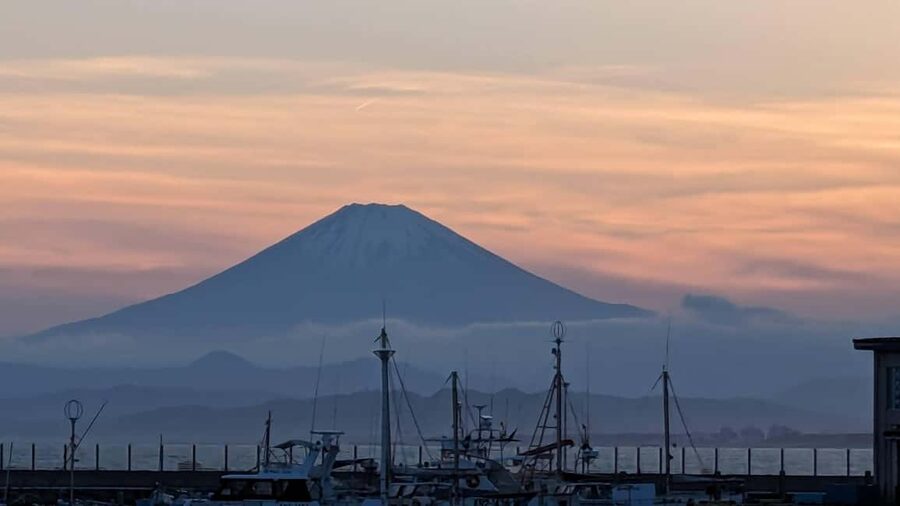
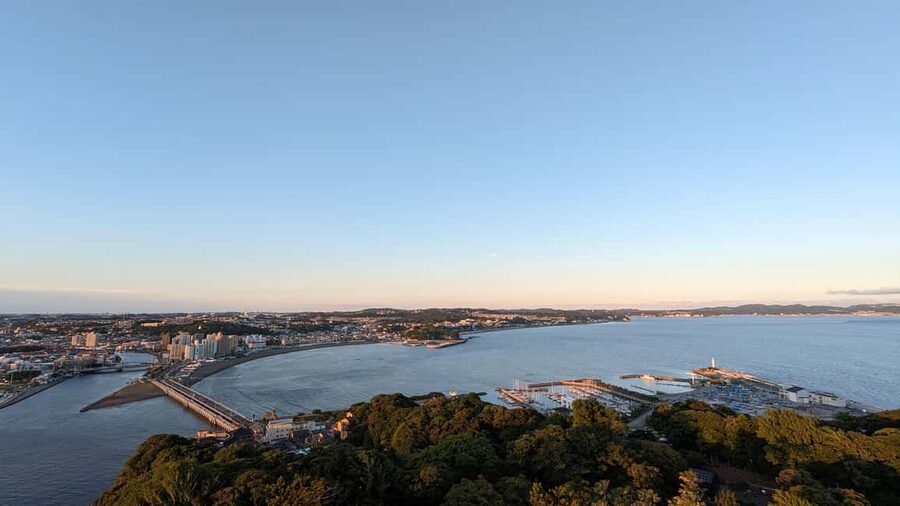
Enoshima is where the tour turns into a seaside memory. It’s described as a holy island in ancient times, and a popular getaway for couples and families in modern days. That mix of reverence and tourist energy is exactly what makes it fun, especially after a day full of temples and shrines.
On the 8-hour itinerary, Enoshima is the final major experience. The goal is not just to reach the island. It’s to enjoy the atmosphere of the place, including the views and the feel of being away from the city.
One of the best practical tips here: plan your timing for the scenery. John makes sure you see the most beautiful view moments, and in particular the sunset experience can be a highlight. If you’re coming from Tokyo, this is also the part that helps Kamakura feel like a true change of pace, not just a long day of walking.
Price and logistics: $35 sounds cheap, but here is what you should budget
The listed price is $35 per person for a guided experience that includes the guide fee and a local historian-led approach. That’s the real value. You are paying for context, pacing, and someone who can explain what you are seeing in plain language.
But it’s smart to budget for the items not included:
- Entry fees: about 800 to 1,500 yen per person
- Transportation fees: about 400 yen per person
- Lunch: about 1,000 yen per person (the tour can include shojin-ryori depending on the option)
Here’s how I think about value. If you were planning the day yourself, you’d still spend money on transit and entry fees, plus you’d be guessing at meanings. With this tour, you trade some independence for clarity and efficiency. For many visitors, that swap is worth it, especially if your time is limited and you want a coherent route.
Also note the tour is in English, and the guide’s spoken English quality is a real plus. If you’ve struggled with limited-English directions in Japan before, this part matters.
Who should book this Kamakura walking tour, and who should skip it
This is a strong fit if you want:
- A half-day or full-day Kamakura plan that covers top sites in a connected way
- Zen Buddhism and Kamakura-period context explained in an easy-to-follow style
- A lunch option that stays vegetarian and vegan-friendly, with shojin-ryori built into the longer version
It’s not a fit if:
- You use a wheelchair
- Walking is too difficult for your mobility
- You expect a mostly-station, minimal-walking itinerary
If you’re traveling with a group, the guide can adapt the pace and route to your needs, which is helpful for mixed ages. And if you have dietary restrictions, tell them early so they can plan vegetarian and vegan options, plus help find appropriate lunch options when needed.
Should you book this Kamakura walking tour?
If you want Kamakura to feel organized and meaningful, I’d book it. The route covers the big hitters you came for, but it also explains the why behind them, especially the connection between Zen Buddhism and Kamakura’s medieval political world. You also get a practical mix of temple, shrine, and seaside, which makes the day less tiring mentally, even when the walking adds up.
Choose the 4-hour option if you mainly want the core overview without committing to Enoshima. Choose the 8-hour option if you want shojin-ryori as part of the day and you care about ending with Enoshima and the possibility of a sunset moment.
If you can handle walking and you like learning while you look, this tour is a solid way to turn a summer getaway into something that lasts longer than photos.
FAQ
Where is the meeting point for the Kamakura walking tour?
You meet the guide outside the East Exit of Kita-Kamakura Station.
How do I get to the end of the tour?
The tour ends back at the meeting point, outside the East Exit of Kita-Kamakura Station.
Is shojin-ryori included?
Shojin-ryori is generally included on the 8-hour tour. It is also available upon request for the 4-hour tour.
What does the tour price cover?
The price includes the guide fee and the guide. Entry fees, transportation, and lunch are not included.
About how much should I budget for entry fees and transport?
Entry fees are estimated around 800 to 1,500 yen per person, and transportation fees are estimated around 400 yen per person. Lunch is estimated around 1,000 yen per person.
Is the tour vegetarian or vegan-friendly?
Yes. The tour is vegetarian and vegan-friendly, and you should let the provider know beforehand.
Can the guide handle dietary restrictions like gluten-free?
The tour information says you should notify the provider about dietary restrictions, and the guide can help meet needs such as finding a suitable gluten-free lunch option.
What language is the tour offered in?
The tour is offered in English.
Is the tour suitable for wheelchairs or limited mobility?
No. It is not suitable for people with mobility impairments and not suitable for wheelchair users.
Newly listed around Kamakura
- Kamakura: Private History and Heritage Tour by Rickshaw★ 4.9 · 7 reviews
- Kamakura Private Custom Tour with Local Guide★ 5.0 · 7 reviews
- Kamakura: Walking Tour through the City of Samurai★ 4.9 · 12 reviews
- Kamakura: Half day Walking tour & Japanese sweets★ 5.0 · 11 reviews
- Kamakura: Daibutsu Hiking Trail Tour with Local Guide★ 5.0 · 10 reviews
- Kamakura; First Samurai Capital walking tour★ 5.0 · 8 reviews
- Kamakura Half Day Tour with a Local Expert Guide★ 4.4 · 23 reviews
- Kamakura and Enoshima: Private Guided Day Tour with Vehicle★ 3.9 · 17 reviews
Walking Tours, compared.
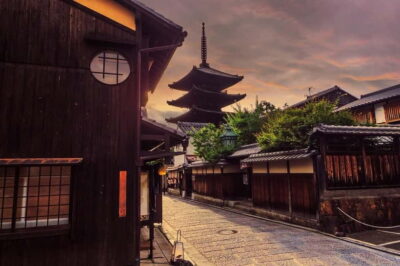
Kyoto Geisha Walking Tour: Gion District & Hidden Gems
Read our review →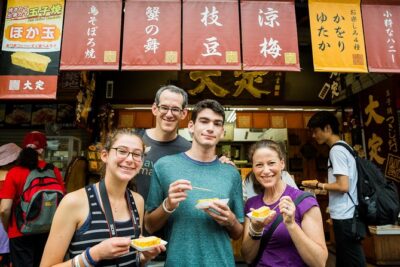
Tokyo Tsukiji Fish Market Food and Culture Walking Tour
Read our review →
Gion Geisha District Walking Tour – Stories of Geisha
Read our review →
Shinjuku Local Bar and Izakaya Guided Walking Tour
Read our review →
Asakusa Walking Tour with Sensoji Temple Visit
Read our review →
Kyoto Gion Geisha District Walking Tour – The Stories of Geisha
Read our review →Browse the lists this tour appears in