Review · KYOTO TOURS
Explore Hidden Alleyway with a Local Expert (Afternoon Tour)
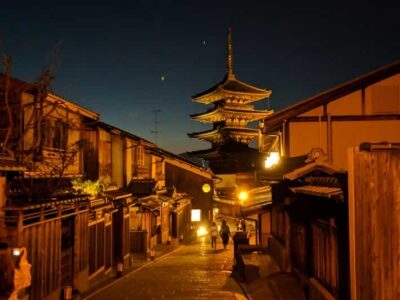
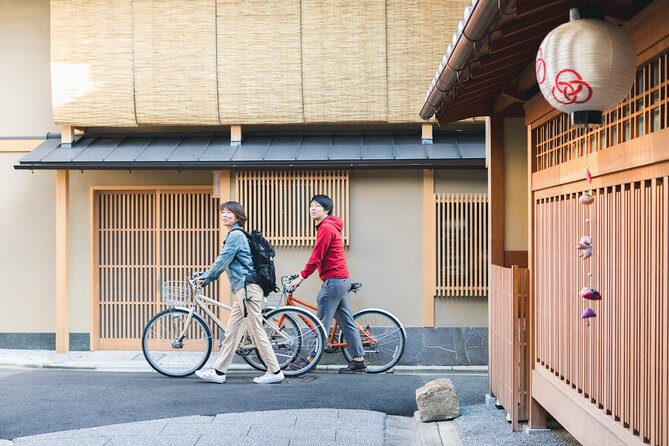
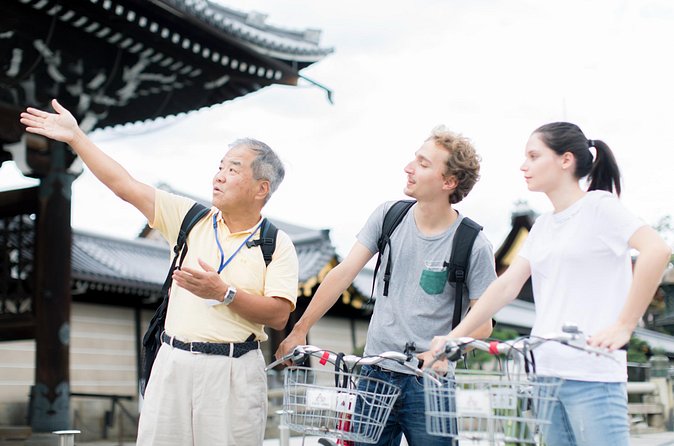
Kyoto has quiet corners you will miss on foot. This 3-hour afternoon ride takes you through side streets that feel lived in, then pops you out near familiar landmarks like Gion, all under the watch of a guide trained for road safety and local etiquette. I love how it trades big, loud sightseeing for calm alley atmospheres, and I love that the guides handle traffic and group cycling so you can focus on the sights.
One thing to consider: this is not a sit-and-stare tour. You pedal for much of the 3 hours, including narrow lanes and gravel paths, so you should be comfortable riding in a busy city.
You start at 2:00 pm near 552-13 Higashiaburanokōjichō in Shimogyo Ward, and you will finish back at the same meeting point. There is also a smart rain plan, so a drizzle does not automatically kill your day.
In This Review
- Key highlights at a glance
- A 2:00 pm ride through quiet Kyoto lanes
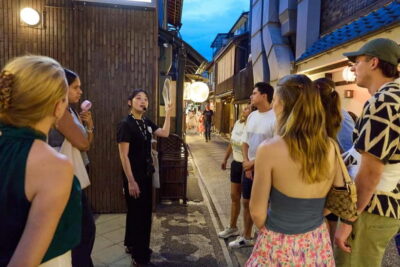
- Your guide, safety skills, and the small-group advantage
- Miyagawacho Kaburenjo: wooden-house calm in a geisha backstreet
- Gion on a bike: geisha districts without the crowd crush
- Tatsumi Bridge and willow-lined water breaks
- Kyoto Imperial Palace gardens by gravel paths
- Kashiwayacho by the Kamo River: a local reset
- Price and value: what $102 buys you in Kyoto
- Rain plan, e-bike comfort, and what to wear
- Should you book this hidden alleyway bike tour?
- FAQ
- How long is the tour?
- What time does the tour start, and where do we meet?
- How much does it cost?
- How big is the group, and is it private?
- What happens if it rains?
- What are the age and height requirements for children?
Key highlights at a glance
- Afternoon timing (2:00 pm) for softer street energy and easier sightseeing flow
- Small private group setup, with a cap of 6 guests per guide
- A tight mix of Kyoto textures, wooden alley houses, geisha-district streets, a willow-lined bridge, and palace gardens
- Stops built for short moments, like 15 to 20 minute pauses, so you keep momentum
- Rain-ready options: poncho-on-bikes or a bus or metro walking switch
- Road-safety focused guiding, including local cycling technique and group etiquette
A 2:00 pm ride through quiet Kyoto lanes
Kyoto looks postcard-perfect, but the magic is often in the tiny transitions. One minute you are rolling through narrow streets where the light drops between old buildings, the next you are back on a main road where you recognize the city everyone talks about.
That is the basic feel of this tour. It is built like a string of short, meaningful stops, with bike time between each one. The pacing works well when you want a real neighborhood sample, not just a checklist. It also helps you cover more ground than walking would allow in just half a day.
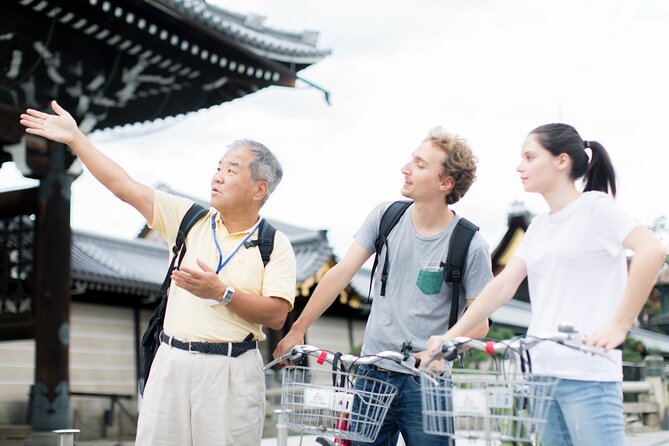
Your guide also matters. You are not just following directions. These guides are professionally trained, including proficiency in traffic safety, group cycling techniques, and local etiquette. That usually translates into fewer stop-and-start moments and more confidence when the street narrows or when you need to bunch up with the group.
If you are choosing between Kyoto on foot versus Kyoto by bike, I would pick this style when you like movement. You get to feel how the city changes block by block, scents and sounds included. And if you have limited time, the short stop format makes it easier to leave satisfied, not overstretched.
A few more Kyoto days to weigh up
- PERFECT KYOTO 1-Day Bus Tour
★ 5.0 · 13,518 reviews - Kyoto: Fushimi Inari, Kinkakuji, Bamboo Grove 1 Day Bus Tour
★ 4.8 · 4,316 reviews - Kyoto: Tea Ceremony in a Traditional Tea House in Kiyomizu
★ 4.9 · 3,519 reviews
Your guide, safety skills, and the small-group advantage
This tour is designed for comfort, not chaos. You ride with a guide who has traffic safety training and group-cycling skills. That means you should expect clear instructions at the start and a steady rhythm as you move from stop to stop.
The group size also helps a lot. The standard setup accepts 2 to 6 guests per guide, and a single rider is not accepted. If your group is bigger, 7 to 12 guests can be handled with an extra guide arranged. In plain terms, you are less likely to feel like you are herding cats while trying to look at a lantern, a temple gate, or a quiet river path.
There is also a private format: only your group participates. That is a big deal for comfort and for conversation. If your group wants to ask questions, you can usually do it without shouting across a large crowd.
One more practical note: you may want to lean into the bike style here. One highlight from rider feedback is an e-bike focus, with people calling it a big help for cruising Kyoto streets without feeling drained halfway through. Even if you are an experienced rider, it is nice when the bike does not become the main event.
Miyagawacho Kaburenjo: wooden-house calm in a geisha backstreet
The first stop is Miyagawacho Kaburenjo, a slice of Kyoto that does not feel like a theme park. Miyagawacho is the second biggest of the five geisha districts in Kyoto, and the area you visit is defined by alley lanes lined with traditional wooden houses. It is quiet in a way that feels different from the main shopping streets.
You get about 15 minutes here, with no admission ticket required. That sounds short, but it is the right length for a backstreet stop. If you spend too long, you start overthinking every doorway. If you spend too little, you miss the rhythm. Fifteen minutes hits a sweet spot for soaking in atmosphere, then moving on before the light shifts too much.
What I like about this kind of stop is the way it teaches you to look. The guide’s role is not just to point at buildings, but to give context so you understand what you are seeing. That is how a street becomes a story, instead of just a photo background.
One possible drawback: if you expect long, museum-style explanations or guided interior access, this stop is more about exterior street feel and local texture. It is a calm introduction, not a formal tour of an exhibit.
Gion on a bike: geisha districts without the crowd crush
Next comes Gion, the Kyoto you recognize instantly, but approached in a way that is usually easier to enjoy. Gion developed as a major geisha district, and the vibe includes the elegant, refined atmosphere people associate with old Kyoto. Depending on timing, you might also notice maiko girls and geiko women in the area, which adds that unmistakable sense of place.
You get another 15 minutes and no admission ticket. That is intentional. Gion can swell with visitors, and longer stays can turn your experience into waiting in lines or moving at a slow crawl. Short time here lets you catch the feeling without losing the day.
Cycling also changes how you experience the streets. When you move by bike, you get a more accurate sense of what it feels like to live nearby, not just to pass through. You are not stuck at one corner forever. You glide to the next sight while the guide keeps the group together safely.
If you care about photography, this is where you will likely want to slow your pace for a moment, especially along the streets where the architecture frames narrow views. Just remember, the goal is to observe and respect the neighborhood, not to turn it into a stage.
A different sort of day in Japan:
- Kyoto Geisha Walking Tour: Gion District & Hidden Gems
★ 4.7 · 3,273 reviews - Kyoto: Tea Ceremony Ju-An at Jotokuji Temple
★ 4.9 · 3,207 reviews - Kyoto: 45-Minute Tea Ceremony Lesson Experience
★ 4.3 · 2,378 reviews - Kyoto: Gion Geisha District Walking Tour – Stories of Geisha
★ 4.7 · 2,187 reviews
Tatsumi Bridge and willow-lined water breaks
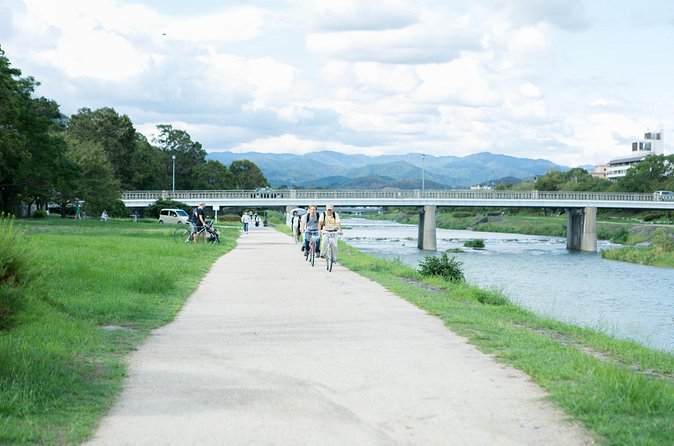
After geisha-district energy, you get a softer scene at Tatsumi Bridge. The setting is special because the path runs along a limped stream, and you can sense the calming pull of water in the middle of the city. The willows matter here too. When the breeze moves the branches, the swings give you a small, natural show you can actually feel in your body.
This is another 15-minute stop, free of admission. It is short enough to keep your energy, but long enough to notice the details, like reflections, the sound of water over stones, and the way the space opens up compared with the tight alleys.
Why I think this pause works: it resets your eyes. After streets and buildings, your brain needs a visual break. Water and trees do that fast.
One thing to plan for: bridges and streams can mean damp ground. Even if it is not raining, you might find slick spots near the water path. The guide’s instructions matter here, and it is smart to slow down when you are near the edge.
Kyoto Imperial Palace gardens by gravel paths
Then you transition into something more spacious: the Kyoto Imperial Palace, which used to be a residence for Japan’s Imperial Family. Today it is open to the public as a national garden, and you can see seasonal flowers depending on when you go.
You cycle along gravel paths for part of the experience, and you get about 20 minutes here with free admission. That timing is good. Palace grounds are larger than people expect, and the gravel paths can feel slow if you try to rush through. With a guide and a set window, you get enough time to enjoy the setting without the fatigue of covering every corner.
This stop is also valuable because it adds contrast to the day. The alley houses and geisha district streets tell one kind of Kyoto story. The Imperial Palace grounds tell another, more garden and seasonal rhythm. If you only do temples and shopping streets, you miss this side of Kyoto’s identity.
A practical consideration: gravel paths plus biking means you will want to ride smoothly and keep your balance. If you are the type who grips the handlebars too tightly, loosen up a bit. It helps on uneven surfaces.
Kashiwayacho by the Kamo River: a local reset
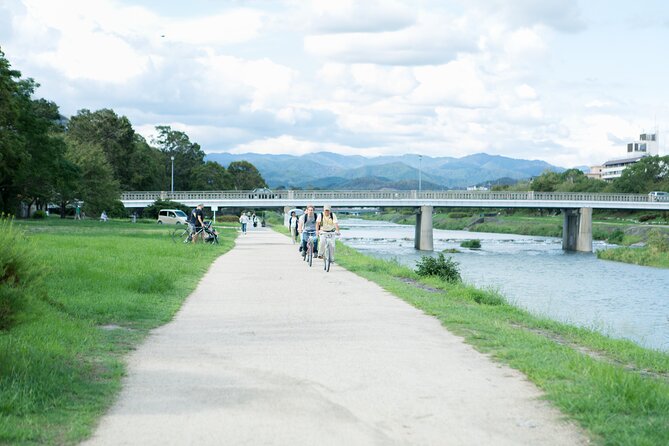
The tour ends on a gentler note at Kashiwayacho, with time to relax by the Kamo River. This is a neighborhood favorite, the kind of river space locals come back to, not just a landmark you walk past once.
You get about 20 minutes here, and the admission is included. That detail matters because it removes one small friction point from your day. Instead of wondering whether you need tickets, you can focus on enjoying the river atmosphere.
This kind of stop is often underrated in short tours. It is easy to fill the day with “must-see” stops and forget that travel is also about recovering your energy. Sitting or strolling along the river helps you digest everything you just saw, and it gives you a more human, everyday Kyoto feel.
If you are traveling with family, this is also usually the easiest segment to enjoy because the pace naturally slows and the environment feels open and friendly.
Price and value: what $102 buys you in Kyoto
At $102.47 per person for about 3 hours, this tour is not the cheapest thing on Kyoto’s menu. But it can be a strong value when you think about what you get:
- A licensed style of local guiding, trained for road safety and group cycling, not just sightseeing commentary.
- A format that covers multiple areas efficiently, so you do not waste time bouncing around between far-apart neighborhoods.
- Short, timed stops that keep your day moving, which matters when you have only a few hours to spare.
- A built-in plan for weather, which reduces the risk of losing your schedule if it rains.
Where value really shows up is when you compare it to solo bike renting plus trying to find the right backstreets and etiquette context yourself. Kyoto is not just complicated because it has streets. It is complicated because local spaces often function differently than tourists expect. A good guide reduces that guesswork fast.
One more factor: the tour is private to your group. If you are a duo or small group, the price can feel more reasonable because everyone gets the same attention from the guide. If you are traveling solo, note that a single participant is not accepted.
If you are deciding whether to book, ask yourself one question: do you want movement and local context, or do you want maximum free time to wander? This tour is for the first option.
Rain plan, e-bike comfort, and what to wear
Kyoto weather can be dramatic, so it is a good sign this tour includes a rain plan. The tour will operate in rain, and you can choose between two approaches:
1) Continue on bikes with rain poncho provided at no extra charge.
2) Switch to a walking tour using public transportation like bus or metro, included in the tour fee.
That choice is smart. Bikes in light rain can be fine, especially with ponchos. But if you get heavy rain or you personally do not like slippery surfaces, the public-transport walking switch keeps you from canceling the whole experience.
What should you wear? Since the tour includes cycling and gravel paths, you want shoes with grip and clothes that dry quickly. Bring a light layer even in warmer months, because river areas and shaded alleys can feel cooler. If you tend to get cold on bikes, plan for wind.
Also consider your riding comfort. The tour is not designed for people who are nervous about traffic. Children must be at least 10 years old, at least 145 cm tall, and able to ride safely on the road unassisted. If your kid meets those standards, the guided format can be a fun way to learn how Kyoto streets work.
Should you book this hidden alleyway bike tour?
Book it if you want Kyoto that feels lived-in, not just photographed. The route mix is the big selling point: wooden-house calm in Miyagawacho, Gion’s geisha district atmosphere, a willow-lined break at Tatsumi Bridge, the open garden space at the Kyoto Imperial Palace, and a real neighborhood pause by the Kamo River.
I would also book if you like practical guiding. The guide training for traffic safety and group cycling means you can enjoy the ride instead of managing it in your head.
Skip it if you hate riding in traffic, you want a temple-only schedule with lots of indoor time, or you want long stays at each site. This tour is built for momentum, with short stop windows that keep the flow going.
If you do book, plan your afternoon around it. Starting at 2:00 pm is not random. It gives you a strong window to see different street moods without burning a full day. And since confirmation is tied to availability, it is smart to reserve ahead so you can lock in your preferred date.
FAQ
How long is the tour?
It runs for about 3 hours.
What time does the tour start, and where do we meet?
The start time is 2:00 pm. You meet at 552-13 Higashiaburanokōjichō, Shimogyo Ward, Kyoto, 600-8235, Japan. The tour ends back at the meeting point.
How much does it cost?
The price is $102.47 per person.
How big is the group, and is it private?
It is a private tour/activity, meaning only your group participates. Per guide, the minimum is 2 guests and the maximum is 6 guests, and 1 participant is not accepted. If your group is 7 to 12 people, an extra guide can be arranged.
What happens if it rains?
The tour operates in rain. You can choose to continue on bikes with rain poncho included, or switch to a walking tour using public transportation like bus or metro, included in the tour fee.
What are the age and height requirements for children?
Children must be at least 10 years old, at least 145 cm tall, and able to ride a bicycle safely on the road unassisted.
Newly listed around Kyoto
- Zen Meditation for Life in Kyoto★ 5.0 · 10 reviews
- Kyoto: Zen Meditation at a Private Temple with a Monk★ 5.0 · 25 reviews
- Kyoto Private Customizable Day Tour with Guide and Vehicle★ 5.0 · 52 reviews
- Private Wagyu Beef Tour with a Local Guide★ 5.0 · 6 reviews
- Kyoto: Gion Geisha District & Sake-in-Hand Walking Tour★ 5.0 · 37 reviews
- Your Private Vacation Photography Session In Kyoto★ 5.0 · 110 reviews
- Private Guided Traditional Buddhist Cooking in Japan★ 5.0 · 16 reviews
- Private Pewter Sake Cup Experience with a Kyoto Artisan★ 5.0 · 31 reviews
Kyoto Tours, compared.
Fushimi Inari, Kinkakuji, Bamboo Grove 1 Day Bus Tour
Read our review →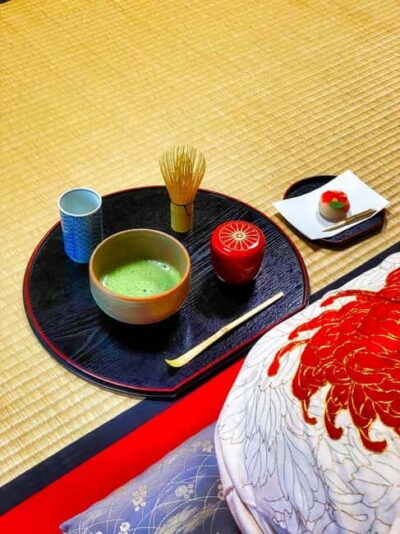
Tea Ceremony in a Traditional Tea House in Kiyomizu
Read our review →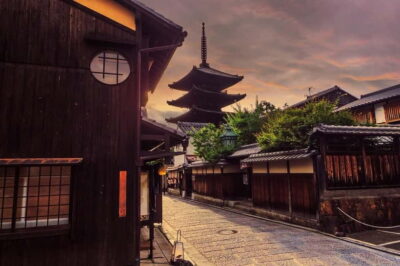
Kyoto Geisha Walking Tour: Gion District & Hidden Gems
Read our review →
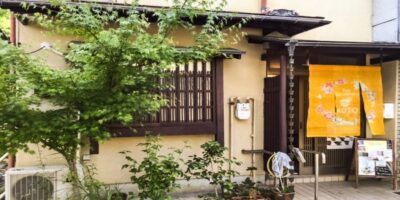
Gion Geisha District Walking Tour – Stories of Geisha
Read our review →