
Review · JAPANESE COOKING WORKSHOPS
Gyoza Cooking Class in Kyoto: Traditional Japanese Dumplings
Gyoza in Kyoto feels like a shortcut to joy. I like the ingredient selection part, where you get to choose meat and vegetable fillings, and I like learning authentic pan-frying so the bottoms turn crisp while the centers stay juicy. One thing to consider, the class is not suitable for wheelchair users, since it is a hands-on, standing activity.
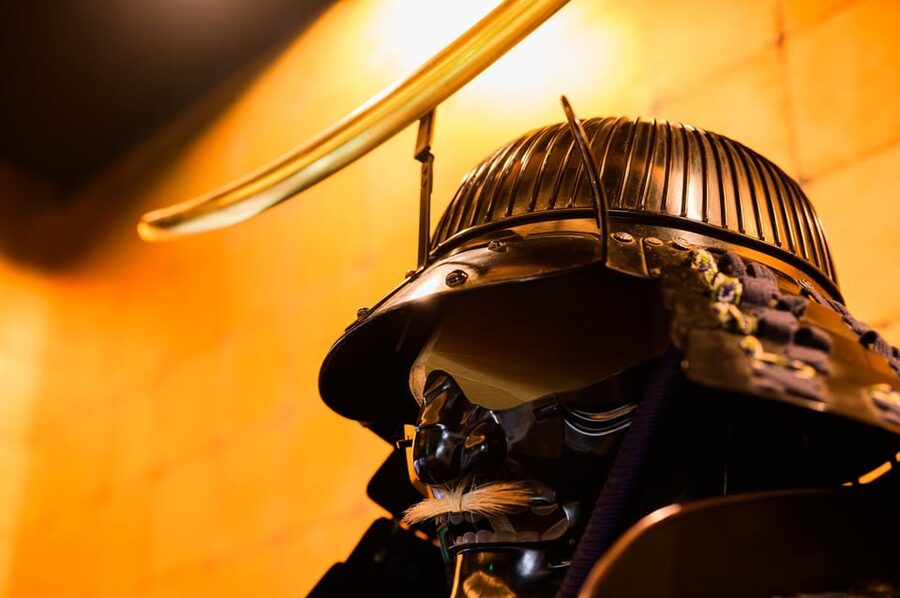
This is also a great souvenir that you actually use. You make gyoza in class, you get a full gyoza recipe to cook at home, and there is even a Samurai photo moment that adds fun without turning the class into a show.
The session runs 90 minutes, and you get an English-speaking instructor plus tools and one free drink included. Transportation is on you, so plan to arrive a bit early and stay close to the subway.
In This Review
- Key things I’d prioritize before you book
- Gyoza in Kyoto: why this class feels different from eating out
- Inside the 90 minutes: wrapping, cooking, and that just-right first bite
- Choosing fillings: how to make gyoza taste like you
- Wrapping technique you can actually use again
- Cooking on the pan: getting crisp bottoms without burning
- What you get for $127, and why it can be good value
- Where to go in Kyoto: Karasuma Oike Station makes it easy
- Who this gyoza class is best for
- Should you book the Gyoza Cooking Class in Kyoto?
- FAQ
- Where is the meeting point for the gyoza cooking class?
- How long is the class?
- What is included in the price?
- Do I get the recipe to cook gyoza at home?
- Is the experience suitable for wheelchair users?
- Can I cancel or pay later?
Key things I’d prioritize before you book
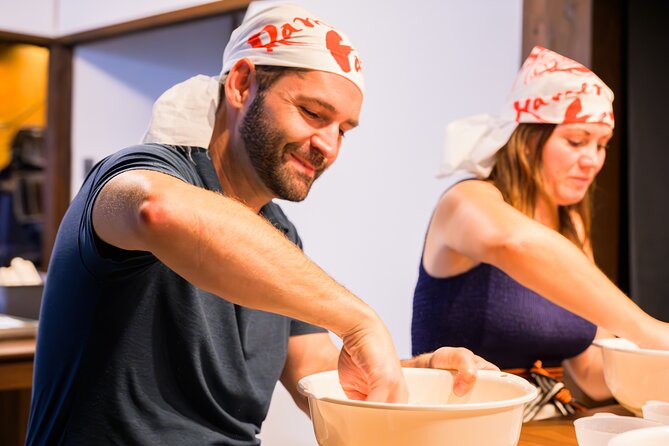
- Ingredient choices you control, with different meat and vegetable filling options
- Real wrapping practice, guided so you can shape dumplings confidently
- Pan cooking until done right, aiming for crisp bottoms and juicy centers
- A take-home recipe, so you can repeat gyoza at home instead of just remembering it
- A light photo moment with a Samurai, which makes it feel extra Kyoto without adding stress
Gyoza in Kyoto: why this class feels different from eating out
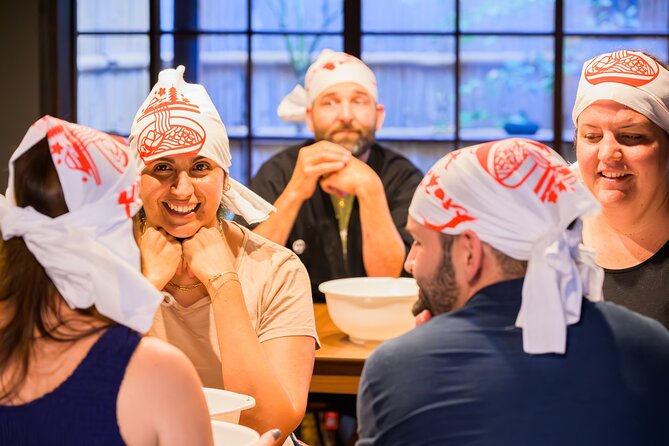
Kyoto is the kind of city where food tastes like a story. This gyoza class gives you the story with your hands, not just on a plate.
What makes it more than dinner is the workflow. You’re not only tasting, you’re choosing fillings, learning how to wrap, and then cooking gyoza on your own until they come out right. That sequence matters because gyoza is all about balance, thin wrapper plus flavorful filling plus careful pan heat.
The best part is the atmosphere. Even if you have never cooked dumplings before, the pace is designed for hands-on learning. In multiple bookings, people praised how kind, patient, and clear the instructors were, including guidance that kept beginners comfortable and helped everyone improve.
The only real drawback is practical: it is not set up for wheelchair users. If you need step-free access, you should check before committing.
More Cooking Classes in Kyoto
- Ramen Cooking Class at Ramen Factory in Kyoto
★ 5.0 · 1,937 reviews - Kyoto: Ramen Cooking Class at a Ramen Factory with Souvenir
★ 4.9 · 532 reviews - Kyoto: Ramen, Gyoza, and Onigiri Cooking Class
★ 5.0 · 445 reviews
Inside the 90 minutes: wrapping, cooking, and that just-right first bite
You’ll start with the essentials: the instructor guides you through how to pick ingredients and prepare your fillings. Since the class includes multiple filling options, you can aim for what you like most, not what a set menu forces on you.
Next comes the hands-on work, shaping the dumplings. You’ll learn wrapping techniques and then shape your own gyoza. This is where patience pays off, and it is also where the class feels most rewarding, because you can see your progress on the table as you go.
Then you cook. After shaping, you’ll cook the gyoza to perfection right in the class, aiming for the texture gyoza is known for: crisp on the bottom, warm and juicy inside. People specifically called out that the results were crispy outside and juicy inside, which is exactly what you want.
Finally, you eat what you made. The class includes the gyoza you make, so you don’t leave with just a clipboard of instructions. You also get the full recipe to cook at home, which turns the 90 minutes into something you can repeat later.
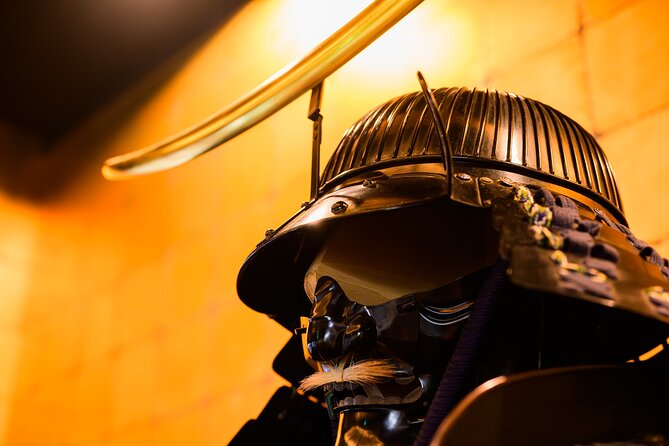
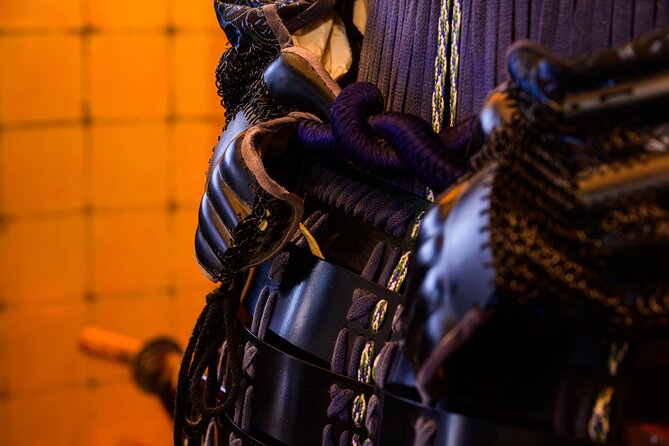
One extra touch that shows up during the experience is a photo opportunity with a Samurai. It’s quick, but it gives you that fun, memorable Kyoto moment that doesn’t take away from cooking time.
Choosing fillings: how to make gyoza taste like you
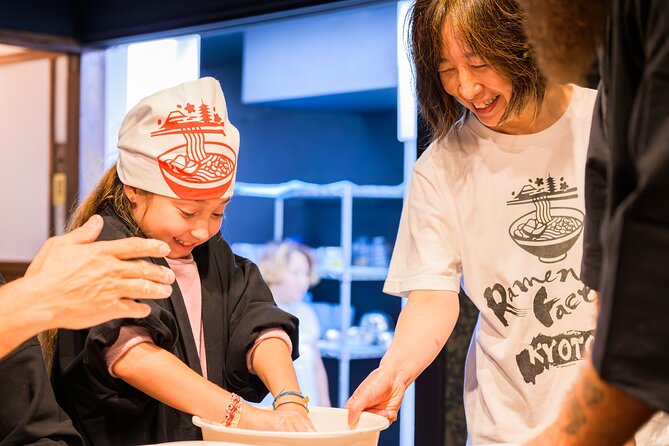
Gyoza can be mild or bold depending on what you put inside. The class gives you a real voice by letting you choose from a variety of meat and vegetable fillings.
That matters for two reasons. First, you’re more likely to enjoy what you cook because you’re building it around your preferences. Second, you learn how filling choice changes the character of the dumpling, even if you keep the wrapping and cooking technique consistent.
If you’re a beginner, ingredient variety is also a confidence booster. You can pick something approachable, like a vegetable-forward option, and focus on the wrapper and cooking process. If you’re more experienced, you can experiment more with flavor direction while still getting guided help on technique.
One practical note: if you have allergies or dietary restrictions, you need to inform the team in advance. That is the only way to make sure your ingredient choices match your needs.
Wrapping technique you can actually use again
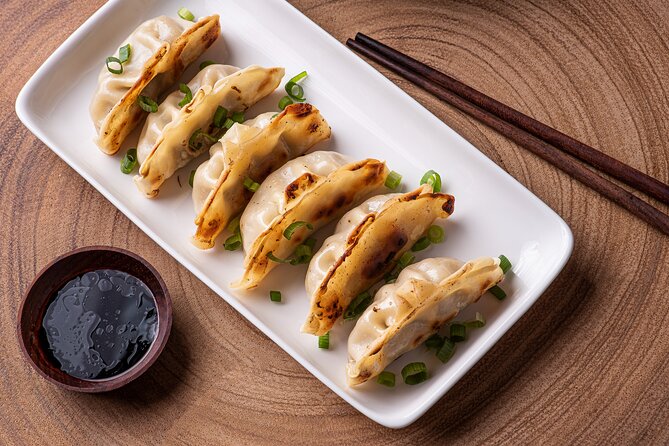
Wrapping gyoza looks simple until you try it. This class is built around learning the authentic wrapping approach, with guidance you can follow step-by-step. That structure is what helps beginners avoid the common pitfalls, thick edges, uneven pleats, or wrappers that tear before the dumplings hit the pan.
I like that the class doesn’t treat wrapping as a test. You shape your own dumplings with instructor support, and the goal is for you to walk away knowing how to do it at home, not just how to survive class.
The instructors are especially praised for being patient and clear. One booking mentioned a one-on-one class, which hints that the teaching style can flex depending on the group and comfort level. Another booking specifically called out that a friendly teacher, named Hama, guided the process with a warm, teaching-focused vibe.
If you want to maximize your results, show up ready to participate. Bring curiosity and accept that your first few dumplings might not be perfect, they will improve quickly once you understand how to handle the wrapper.
More Cooking Workshops in Kyoto
- Kyoto: Japanese Washoku Bento Small Group Cooking Class
★ 5.0 · 380 reviews - Kyoto: Afternoon Japanese Izakaya Cooking Class
★ 4.9 · 241 reviews - Izakaya Style Cooking Class
★ 5.0 · 219 reviews - Sushi – Authentic Japanese Cooking Class – the best souvenir from Kyoto!
★ 5.0 · 93 reviews
Cooking on the pan: getting crisp bottoms without burning
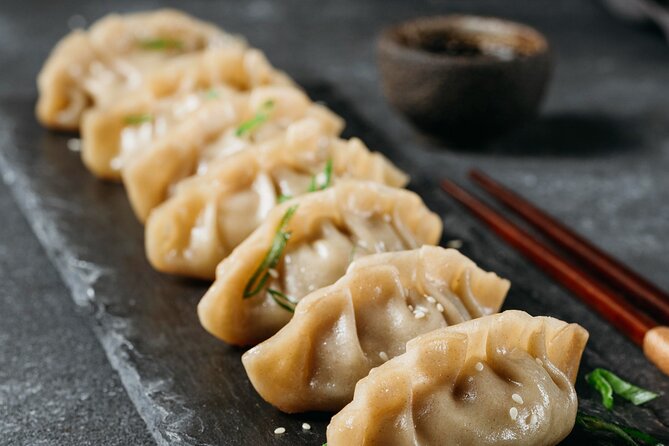
Gyoza is famous because of the contrast. The wrapper needs to hydrate just enough to stay tender, while the bottom gets crisp from direct pan contact. Getting that balance right is the trick, and this class trains it.
In the workshop, after you shape the dumplings, you cook them to perfection. People called out that the dumplings turned out better than many restaurant versions they had eaten, especially for that crisp outside and juicy inside combo.
Even if you’ve cooked before, this is valuable because pan-frying dumplings changes based on heat and timing. You can have the right filling and wrapper and still end up with sad results if the pan is too hot or too cool. In class, you get the guidance you need to hit the texture you came for.
You also get an immediate payoff: you eat what you made. That matters because you can connect technique to outcome right away. If something feels off, you can adjust your approach in the next batch.
What you get for $127, and why it can be good value
At $127 per person for a 90-minute class, this isn’t a cheap snack activity. But it can still be good value because the cost covers real instruction plus the full materials.
Included items are meaningful:
- An English-speaking instructor
- Cooking tools provided
- One free drink
- The gyoza you make in the class
- A full recipe to cook Japanese gyoza at home
When you compare that to the cost of buying dumpling wrappers, filling ingredients, and then figuring out technique from scratch, you’re paying for coaching and for the parts that usually trip people up. The recipe takeaway extends the value beyond the class day, so you’re not paying for a single meal only.
There is also a cultural bonus, you’re not just cooking, you learn culture and stories behind the dish along the way. That helps the experience feel less like a generic cooking demo.
The main downside on value is simple. If you already know how to make gyoza well and only want a quick taste, you may feel the class is longer than you need. If you want the learning and the home recipe, the price starts to look more reasonable.
Where to go in Kyoto: Karasuma Oike Station makes it easy
Logistics are handled well for anyone staying central. The meeting point is a 5-minute walk from Exit 2 of Karasuma Oike Station on the Kyoto City Subway Karasuma Line and Tozai Line. The location is also listed as about 362 meters from the station, so you should be able to walk there without complicated transfers.
Transportation expenses are not included, so factor in the subway or taxi cost depending on where you’re coming from. If you plan to do this as an evening activity, it pairs nicely with a train arrival day because it is a contained 90 minutes and starts close to transit.
What I’d do in your shoes: arrive with a little buffer. Cooking sessions feel smoother when you are not rushing. Wear something comfortable, since you’ll be handling food and working at the cooking station.
Who this gyoza class is best for
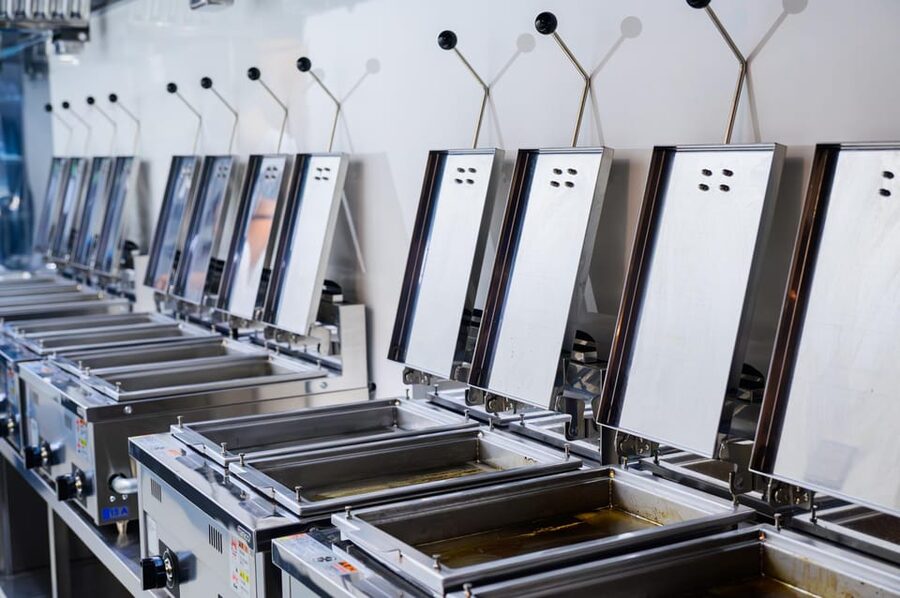
This class fits a wide range of cooks. Beginners especially benefit because the instruction is described as friendly, patient, and clear. Kids have also done well in at least one group, including children around 11, which suggests it can work for families with older kids who can handle hands-on tasks.
You’ll also get value if you already cook. Even experienced home cooks can come away better at pan-frying dumplings and more confident in wrapping technique, since you’re practicing the specific method and getting feedback.
The one clear mismatch is accessibility. It is not suitable for wheelchair users, so if mobility is a concern, you’ll need an alternative activity.
Should you book the Gyoza Cooking Class in Kyoto?
Book it if you want a Kyoto food experience that is practical. This is one of the better options when you care about technique, you like hands-on cooking, and you want a full recipe to repeat at home. The included tools, English instruction, and the fact that you eat the gyoza you make help justify the price.
Skip it if you only want a quick meal or you already have a reliable gyoza workflow at home and would rather spend your time sightseeing. Also skip if accessibility is an issue, since it is not suitable for wheelchair users.
If you’re planning a dinner-adjacent activity near transit, this is a strong call. A 90-minute class starting near Karasuma Oike Station is the kind of plan that keeps your evening smooth and gives you something memorable to take home.
FAQ
Where is the meeting point for the gyoza cooking class?
The meeting point is a 5-minute walk from Exit 2 of Karasuma Oike Station on the Kyoto City Subway Karasuma Line and Tozai Line, about 362 meters from the station.
How long is the class?
The experience lasts 90 minutes.
What is included in the price?
Included are an English-speaking instructor, cooking tools, one free drink, and the gyoza you make in the class.
Do I get the recipe to cook gyoza at home?
Yes. You receive the full recipe to cook Japanese gyoza at home.
Is the experience suitable for wheelchair users?
No. The experience is not suitable for wheelchair users.
Can I cancel or pay later?
You can cancel up to 24 hours in advance for a full refund, and you can reserve now and pay later to keep plans flexible.
Newly listed around Kyoto
- Full-Day Kyoto Walking Tour: Most Iconic Landmarks & Monkeys★ 5.0 · 6 reviews
- From Osaka/Kyoto: Private Kyoto & Nara Day Trip with Pickup★ 4.7 · 122 reviews
- Kyoto UNESCO World Heritage Sites 1d Tour from Osaka/Kyoto★ 4.6 · 6 reviews
- Kyoto & Nara Full Day Customised Tour★ 3.8 · 33 reviews
- From Osaka: Sagano Train Ride and Kyoto Guided Day Tour★ 4.3 · 180 reviews
- From Osaka: Amanohashidate and Ine Bay Day Trip★ 4.6 · 209 reviews
- From Kyoto: Nara, Osaka & Kobe Day Trip – 3 Cities in 1 Day★ 4.6 · 160 reviews
- From Kyoto: Japanese Drum Taiko Workshop in Osaka★ 4.7 · 11 reviews
Japanese Cooking Workshops, compared.
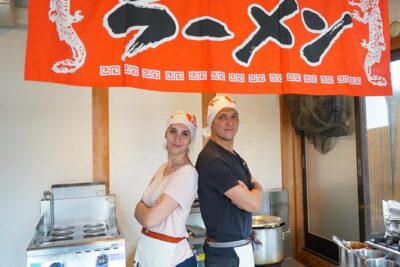
Ramen Cooking Class at Ramen Factory in Kyoto
Read our review →
Ramen & Gyoza Cooking Class in Tokyo with Local Supermarket Visit
Read our review →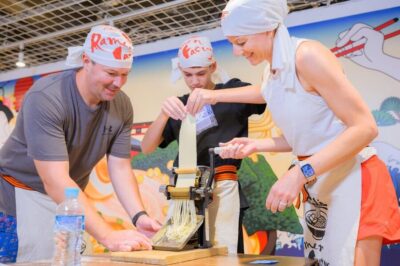
Ramen Cooking Class at a Ramen Factory with Souvenir
Read our review →
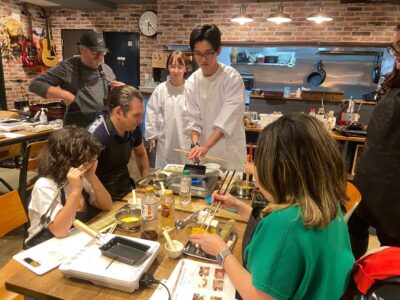
Japanese Washoku Bento Small Group Cooking Class
Read our review →
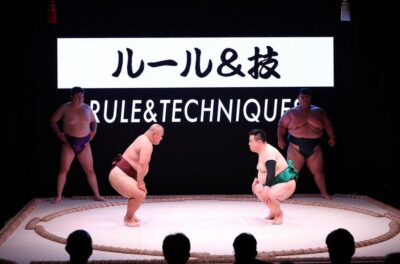
Sumo Stage Show with Bento or Snack + Fight & Photo
Read our review →
Ramen and Sushi Cooking Class with Sake Pairing Set in Tokyo
Read our review →Browse the lists this tour appears in