
Review · HIROSHIMA PEACE MEMORIAL TOURS
Hiroshima History Tour : A-Bomb Dome, Peace Memorial & City
Hiroshima can hit you fast, and this tour helps you process it. It is a 3-hour walking experience led by Japanese locals with deep family ties to the city, including guides like Yuka and Masa who bring a personal, lived-in perspective to the day. You visit the Peace Memorial Museum, Peace Memorial Park, the Atomic Bomb Dome, and Shukkeien, with time to set your own pace.
Two things I really like: first, the skip-line entry to the Peace Memorial Museum saves time when the museum line is long. Second, the tour is built around real guidance, not rehearsed speeches, so you get context you can actually use when you look at what is still standing in Hiroshima today. It also comes with photo data from the tour, which is a small perk that helps when you are moving fast and want clean shots later.
One possible drawback is that this is a lot to take in, and it is mostly on foot. You are walking between major memorial sites, so if you are sensitive to emotional subject matter or you prefer a lighter pace, plan for quieter moments and bring water and comfortable shoes.
In This Review
- Key highlights at a glance
- Why this Hiroshima tour feels different than a facts-only day
- Building the day: how the stops connect from museum to garden
- Peace Memorial Museum: when skip-line matters most
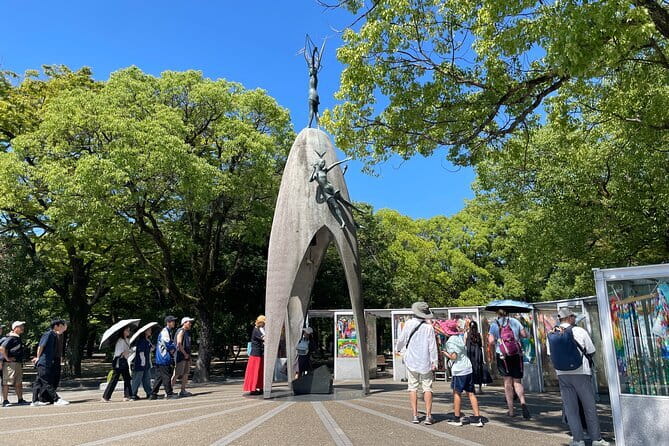
- Peace Memorial Park and the Children’s Peace Monument
- Atomic Bomb Dome and the Hypocenter monument: seeing the exact moment
- Hiroshima Castle replica and Shukkeien Garden: a needed tone shift
- Price and value: what $105.42 buys you in real time
- Who this tour suits best, and how to prepare
- A practical flow for your Hiroshima day (so you do not feel rushed)
- Should you book this Hiroshima history tour?
- FAQ
- How long is the Hiroshima History Tour?
- What stops are included in the tour?
- Is admission included for the places you visit?
- Is pickup available?
- Are tickets mobile?
- What about food and drinks?
- What happens if weather is bad or I need to cancel?
Key highlights at a glance
- Family-tied guides: perspectives shaped by Hiroshima life, including second-generation atomic bomb survivors and people with family connections
- Skip-line museum entry: less queue time at the Peace Memorial Museum so you can spend more time actually looking
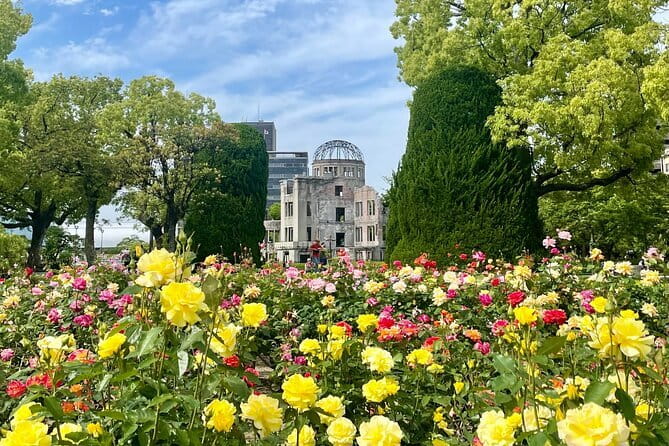
- World Heritage Atomic Bomb Dome: stop right where the building’s original presence makes the tragedy feel immediate
- Shukkeien Garden entry included: a calm, beautiful reset with admission covered
- Flexible pacing: customize in advance so the route fits your interests and your group
Why this Hiroshima tour feels different than a facts-only day
This is not just a checklist of famous stops. The core strength is the way the guide talks about Hiroshima, with stories passed down through families and daily life rather than a memorized script. You can feel the intention in how the day is paced, especially around the memorial areas where silence matters as much as words.
I also like that the tour is designed for real conversation. The description emphasizes thoughtful conversation with your guide, and the reviews back that up with guide names like Yuta, Ally, and Masa being called out for making the history feel human and clear. That matters here, because the topic is heavy, and you want to understand what you are seeing without turning the day into a lecture.
If you need a practical tip, it is this: treat the walking time as part of the meaning. Hiroshima is not a museum in one building, it is a city that rebuilt itself after catastrophe. Seeing the route as you move through the streets gives you a better sense of how the present lives beside the past.
More History Tours in Hiroshima
- Hiroshima Historical Walking Tour – Why A-Bomb was Dropped
★ 4.8 · 893 reviews - Hiroshima Peace (Heiwa) Walking Tour at World Heritage Sites
★ 5.0 · 872 reviews - Miyajima Half-day Trip Historical Walking Tour
★ 5.0 · 284 reviews
Building the day: how the stops connect from museum to garden
This tour flows in a way that helps your brain move step-by-step. You start at the Peace Memorial Museum, then transition into Peace Memorial Park for open-air reflection. After the Children’s Peace Monument and the Atomic Bomb Dome, you get the exact location perspective with the hypocenter monument. The day then lightens its emotional load with Hiroshima Castle (mostly an outside photo stop) and finishes at Shukkeien, where you get a long, included garden break.
The pacing is flexible, but the outline stays the same. Expect a lot of walking for about 3 hours, sometimes closer to 3 to 4 hours depending on how you customize and how long you linger at each point.
A useful consideration: the emotional weight ramps up early. The museum stop is about 1 hour, so if you want to ease in, you can ask the guide to slow down slightly right at the start, then use the park and garden portions for a reset.
Peace Memorial Museum: when skip-line matters most
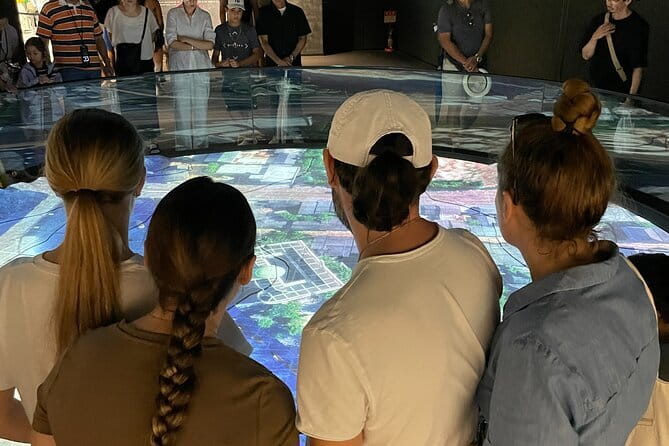
The Peace Memorial Museum is the anchor stop. You will see exhibits with factual information and display materials, including paintings by atomic bomb survivors and data that puts events into a clearer timeline. Even if you have read about Hiroshima before, this museum helps you connect the dots between dates, damage, and human experience.
The big practical win is the skip-line entry. When you are paying attention to content, time spent waiting in a queue can feel like a waste, especially during peak hours. Skip-line does not change the facts, it just gives you a calmer start so you can get into the material.
Plan to spend the full hour. The museum is not a fast read. It is the kind of place where you benefit from taking in one section at a time. If your group tends to rush, ask your guide to steer you toward the most important exhibit areas based on your interests.
Peace Memorial Park and the Children’s Peace Monument
After the museum, Peace Memorial Park gives you a different way to absorb the message. Instead of walls and displays, you get open space, monuments, and the feeling of walking among remembrance. The park stop is shorter, about 20 minutes, but it is not just a photo break. It is a chance to look, breathe, and let the museum land.
Then there is the Children’s Peace Monument and its connection to Sadako and the origami cranes. The stop is only about 5 minutes, but it is famous for a reason. Even in a brief visit, this is where many people feel the most personal emotional response of the day, because the story focuses on a child and hope rather than destruction.
A consideration: because the museum is intense, it helps to keep your expectations realistic for this portion. You do not need to fully process everything in ten minutes. Think of it as a way to carry the message forward into the next, more immediate visual landmark.
Other Hiroshima Peace Memorial tours worth a look in Hiroshima:
- Hiroshima: Miyajima Peace Memorial Icons of Peace and Beauty
★ 4.9 · 361 reviews - Hiroshima/Guided Virtual Tour of Peace Park/PEACE PARK TOUR VR
★ 5.0 · 157 reviews - Hiroshima: Peace Memorial Park and Atomic Bomb Dome Tour
★ 4.9 · 91 reviews - Hiroshima; Hiroshima Peace Memorial Museum and Castle Tour
★ 5.0 · 89 reviews
Atomic Bomb Dome and the Hypocenter monument: seeing the exact moment
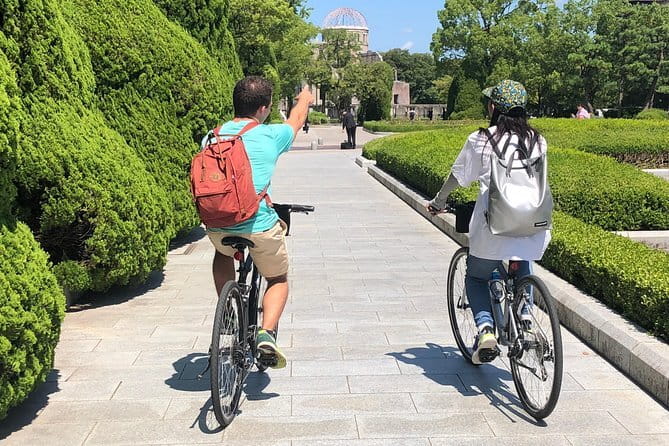
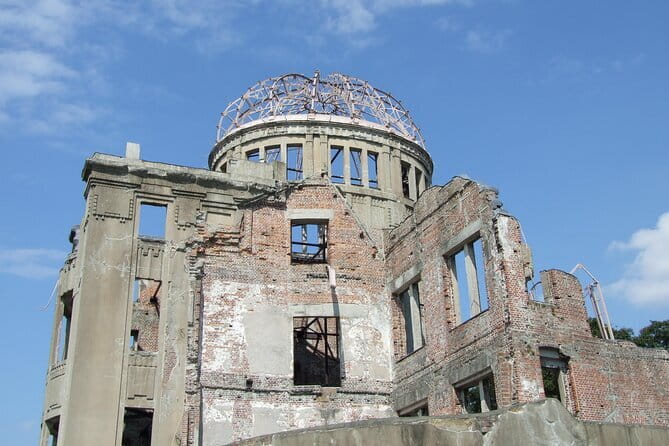
The Atomic Bomb Dome is a UNESCO World Heritage Site, and it is likely the main reason you booked this tour. The Dome is one of the few structures that retains its original appearance because of where it sits in relation to the hypocenter. Standing there, you are not just seeing an old building, you are seeing a physical reminder of the point where the bomb exploded.
Your stop here is about 20 minutes. That is enough time to look closely and understand why the Dome is preserved. The guide’s role is crucial, because the meaning is not always obvious at first glance. A strong local guide can help you connect what you are seeing to the bigger story without turning the scene into a dramatic performance.
Right after that, you visit the hypocenter monument. This is a short stop, about 10 minutes, but it is the kind of moment that sticks. The tour description frames it as standing above where the bomb exploded, right above the location associated with the former Shima hospital. Your job is to slow down for a moment and picture scale, even if you cannot fully imagine it.
If you prefer structure, ask your guide to walk you through what to notice at each stop. You will get more meaning out of watching the details than by trying to memorize the history.
Hiroshima Castle replica and Shukkeien Garden: a needed tone shift
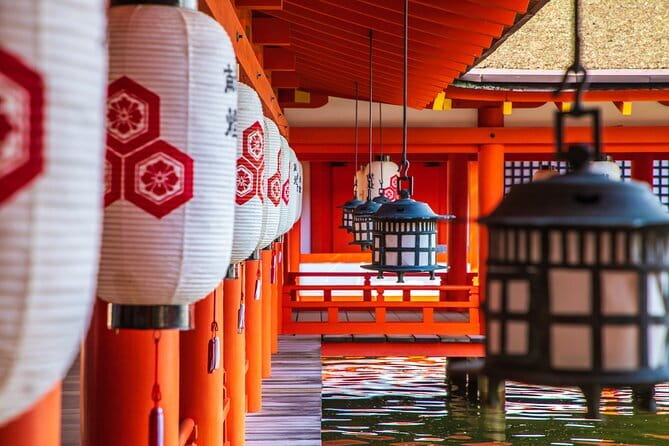
After the memorial points, the day adds two very different sights: Hiroshima Castle and Shukkeien Garden.
Hiroshima Castle is a 16th-century style structure, but you should know it is a replica because the original was destroyed by the atomic bombing. Typically, you get an outside photo stop of around 15 minutes. There is also an option to enter the museum inside if you wish, but that admission is not included in the tour.
This can be a meaningful stop for a practical reason. It shifts your focus from the immediate tragedy to the idea of rebuilding and identity. Even if the castle is not the original, it still signals what Hiroshima chose to restore and how it redefined itself over time.
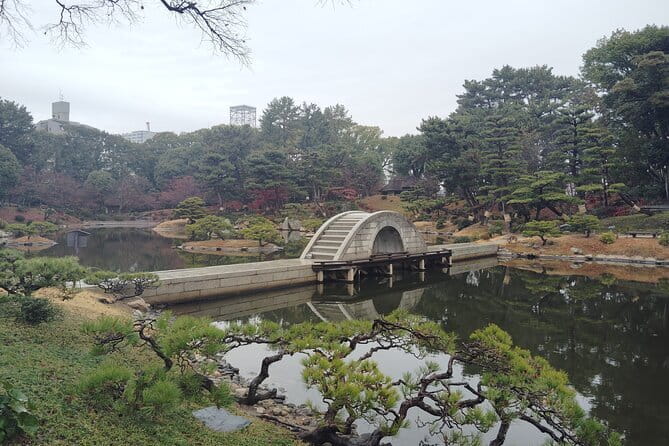
Then comes Shukkeien, about 45 minutes, with admission included. Shukkeien is one of the oldest Japanese gardens, created in 1620, and it includes ponds, trees, and gentle natural undulations. The vibe here is calmer and slower, which is exactly what you need after memorial sites. The garden belongs to a samurai settlement area, and you get a sense of older Japan while still staying in Hiroshima.
One review detail that may matter for your timing: your guide may take you through Shukkeien during seasonal moments, like the Momiji festival experience (fall foliage). It is not something you can guarantee on every date, but it is a good example of how local guidance can make an included stop feel special.
Price and value: what $105.42 buys you in real time
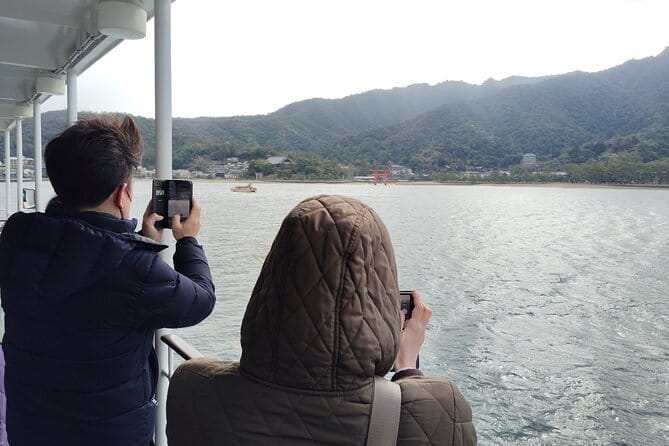
At about $105.42 per person, you are paying for a guided walking route plus several included entries. The Peace Memorial Museum admission is included with skip-line entry, and Shukkeien Garden admission is included too. Other key stops like Peace Memorial Park, the Children’s Peace Monument, the Atomic Bomb Dome, and the hypocenter monument are free entries as part of the route.
You also get photo data from the tour. That is not the kind of thing everyone thinks about, but it can be a real value add when you are taking photos with one hand and reading signage with the other.
You might also save money compared to piecing together tickets and guide time separately, since group discounts are mentioned and it is designed as a private tour where only your group participates. Pickup is offered, which can reduce friction if you are staying in a hotel area close enough for an easy pickup.
What is not included matters: lunch is not part of the price, and public transport is listed as ¥240 per person. Tips are also not included. If you are building your day budget, plan for a meal afterward or snacks during the walk breaks.
Overall, the price looks fair for a well-structured route with included admissions and a guide who brings personal Hiroshima context.
Who this tour suits best, and how to prepare
This experience fits best if you want a clear route without getting stuck juggling tickets, maps, and translations while you try to understand important sites. It also suits you if you appreciate local perspectives. The tour is private, so you can ask questions in a way that works for your group, whether you are a solo traveler, a couple, or with family.
It is designed for most travelers, but it is still a walking tour. You should come prepared with comfortable shoes because you will cover multiple areas in a few hours.
A gentle but important note: you should not join if you have cold symptoms, and the tour requires good weather. If the day is rainy or miserable, it may be rescheduled or refunded, so keep your itinerary flexible if possible.
If you are traveling with kids or teens, this is a story-centered experience. The Children’s Peace Monument stop can be powerful, but you may want to pace it so the youngest members can absorb it without feeling overloaded.
A practical flow for your Hiroshima day (so you do not feel rushed)
Here is how to make this type of tour feel smooth instead of stressful:
- Start the day ready to slow down. The museum stop is the main information driver, and your guide will shape your pace there.
- Bring a water bottle. Walking plus reflective stops can make you forget to drink.
- Choose one or two questions to ask early. Since the guides often connect family stories and local context, your early curiosity gets you richer answers later.
- Do not treat photos like a checklist. Let the guide point out what is meaningful to notice, then take your photos when you have context.
If you love gardens, plan to savor Shukkeien. If you are more focused on memorials, Shukkeien may feel like a reset rather than a primary goal, but it is still included, and it helps you carry the day forward in a steadier emotional state.
Should you book this Hiroshima history tour?
Book it if you want a guided walk that connects the major Hiroshima sites with real local perspective, not just names and dates. The combination of skip-line museum entry, a structured route through the Dome and hypocenter area, and an included Shukkeien garden break makes this a strong use of a half-day.
Skip it or reconsider if you want a purely factual, fast-paced tour, or if long walking with heavy subject matter will be tough for your group. Also think twice if you are already planning to spend lots of independent time in Hiroshima with a lot of self-guided reading, because the value here is the guide’s ability to interpret what you are seeing.
FAQ
How long is the Hiroshima History Tour?
The tour is about 3 hours, depending on your pace and interests.
What stops are included in the tour?
The route includes the Hiroshima Peace Memorial Museum, Hiroshima Peace Memorial Park, the Children’s Peace Monument, the Atomic Bomb Dome, the Hypocenter monument, Hiroshima Castle (outside photo stop), and Shukkeien.
Is admission included for the places you visit?
Yes. Peace Memorial Museum admission is included, with skip-line entry. Shukkeien Garden admission is included. The other major memorial stops listed are free.
Is pickup available?
Pickup is offered, and the tour is near public transportation as well.
Are tickets mobile?
Yes, the tour uses a mobile ticket.
What about food and drinks?
Lunch is not included, and no food or drink is provided as part of the tour.
What happens if weather is bad or I need to cancel?
The tour requires good weather. If it is canceled due to poor weather, you will be offered a different date or a full refund. You can cancel for free up to 24 hours in advance for a full refund.
More Historical Tours in Hiroshima
- Hiroshima: History of Hiroshima Group Walking Tour
★ 4.8 · 266 reviews - Hiroshima: Peace Walking Tour of World Heritage Sites
★ 4.9 · 190 reviews - Hiroshima: Miyajima Half-day Historical Walking Tour
★ 4.7 · 100 reviews - Hiroshima: History and Hidden Gems Tour
★ 4.9 · 81 reviews
Newly listed around Hiroshima
- Hiroshima and Miyajima 1 Day Walking Tour★ 5.0 · 43 reviews
- Hiroshima and Miyajima 1 Day Cruise Tour★ 5.0 · 24 reviews
- Hiroshima & Miyajima: UNESCO A-Bomb Dome & Itsukushima with Local★ 5.0 · 25 reviews
- Hiroshima & Miyajima: Private Full-Day Tour with a Local Guide★ 5.0 · 39 reviews
- Hiroshima 5k Running Tour of Hijiyama Park★ 5.0 · 7 reviews
- Hiroshima and Miyajima Bus Tour with Indian Lunch★ 5.0 · 10 reviews
- Hiroshima and Miyajima 1 Day Bus Tour★ 4.5 · 145 reviews
- Hiroshima Peace Memorial and Atomic Bomb Dome Private Tour★ 5.0 · 37 reviews
Hiroshima Peace Memorial Tours, compared.
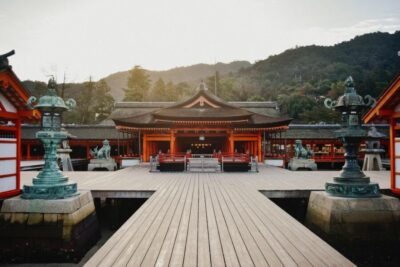
Miyajima Peace Memorial Icons of Peace and Beauty
Read our review →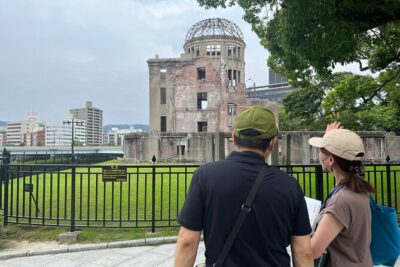
Hiroshima/Guided Virtual Tour of Peace Park/PEACE PARK TOUR VR
Read our review →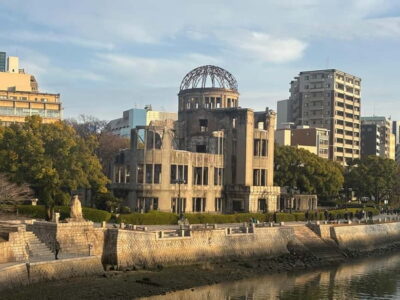
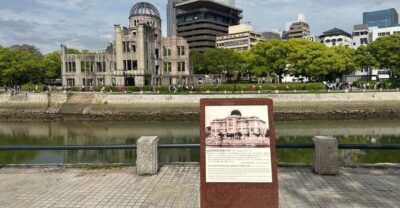
Hiroshima; Hiroshima Peace Memorial Museum and Castle Tour
Read our review →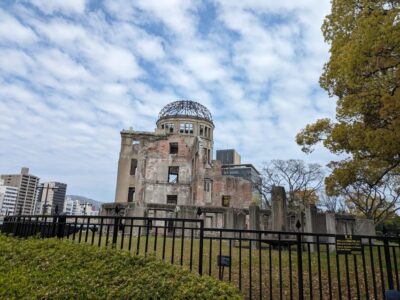
Peace Memorial and Atomic Bomb Dome Private Tour
Read our review →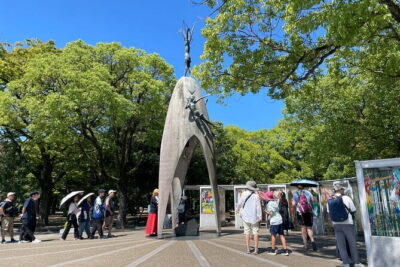
Hiroshima History Tour : A-Bomb Dome, Peace Memorial & City
Read our review →Hiroshima Peace Memorial and Atomic Bomb Dome Private Tour
Read our review →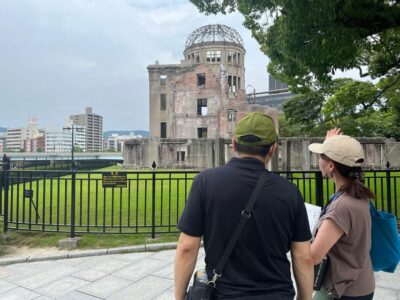
Hiroshima:Guided Virtual Tour/PEACE PARK TOUR VR
Read our review →Browse the lists this tour appears in