
Review · JAPANESE COOKING WORKSHOPS
Kyoto: Morning Japanese Bento Cooking Class
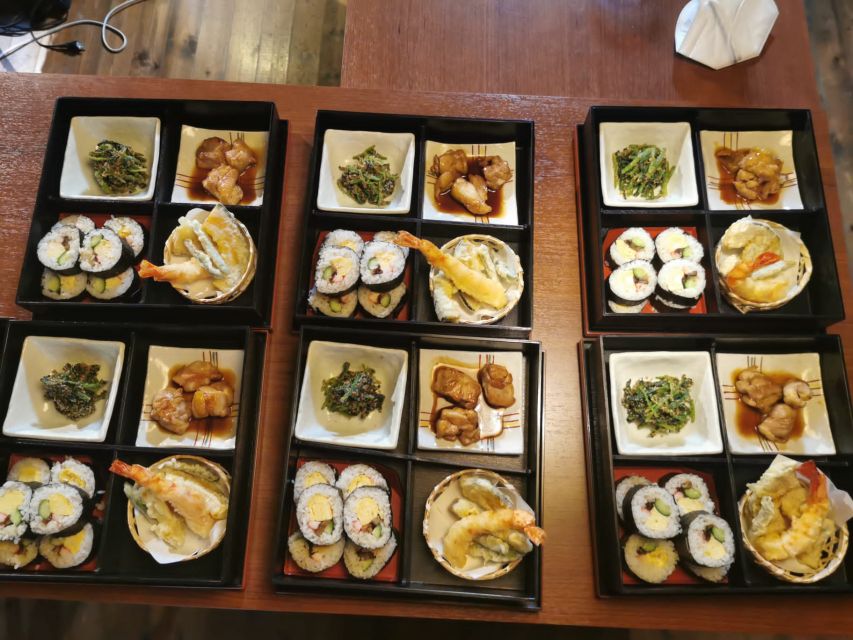
If you like food with a storyline, go morning. A Kyoto bento class turns Japanese comfort food into something you actually make and pack. You will learn the steps behind sushi, tempura, teriyaki chicken, and miso soup, then assemble it into a bento box you eat right away.
I especially like the hands-on pacing and the clear English instruction, since you get moving fast without feeling rushed. I also like that you leave with recipes you can use again at home, not just a full stomach. One consideration: there is no hotel pickup, and the class is in Shimogyo Ward, so you need to plan your own short commute.
In This Review
- Key things I’d circle before you book
- Kyoto Morning Bento Cooking Class, what it is really like
- The dishes you will make (and why each one matters)
- Sushi, beyond the headline roll
- Tempura, crispness and timing
- Teriyaki chicken, sweet-salty comfort with structure
- Miso soup, the calming finish
- Your morning flow, from apron to bento box
- Why the small-group setup pays off
- Lunch is the point, and it is not an afterthought
- Diets and allergies, what you should know before booking
- Price and value, is $67 fair for 3 hours?
- Where it is, and how to plan your commute
- Who this Kyoto bento class suits best
- Small tips that make your class day smoother
- Should you book this Kyoto morning bento class?
Key things I’d circle before you book
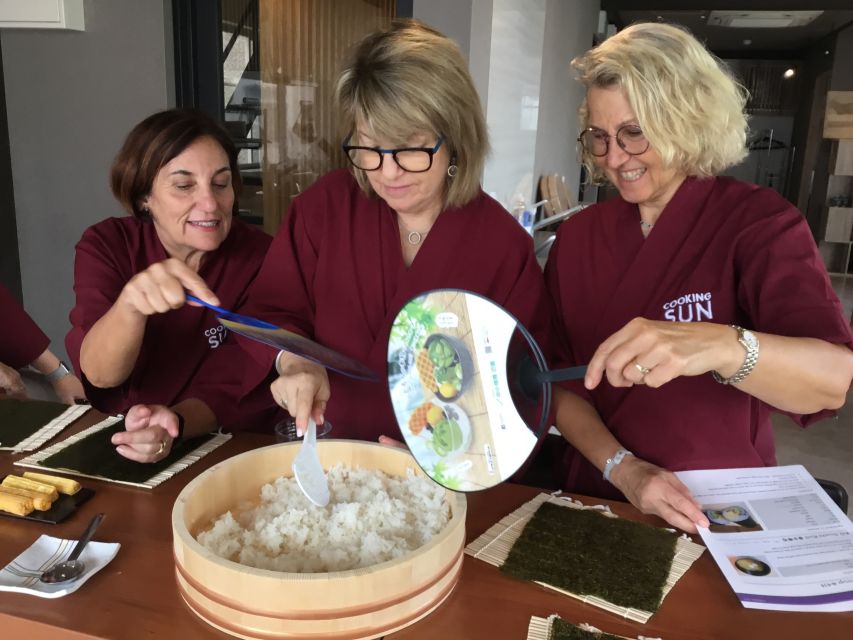
- You cook multiple bento-style dishes in about 3 hours, including sushi, tempura, teriyaki chicken, and miso soup
- Small groups make it easier to ask questions and get help at the cutting board, pan, and plating stage
- Clear English + written recipes help you recreate the food later, even if you are not a pro cook
- Dietary requests are handled when you book, including no-shellfish and vegetarian options
- Ingredients are often prepped, so this is more technique and assembly than hardcore knife skills
Kyoto Morning Bento Cooking Class, what it is really like
This is the kind of class that fits Kyoto perfectly. Morning is when streets are calm, markets are waking up, and you can spend the rest of the day exploring without feeling wiped out. For about 3 hours in a local kitchen, you learn how Japanese families and travelers think about food: not just what tastes good, but how it looks in a box, how it travels, and how each bite fits with the next.
The core idea is simple. Bento started as a practical way to bring meals along, and its roots stretch back to the late Kamakura Period, around 1185 to 1333. Today, the bento box is basically a Japanese food superpower: portioned, shareable, visually neat, and built for real life.
The class focuses on turning that concept into action. You arrive, get an apron and utensils, collect ingredients, then cook with a chef who demonstrates and explains the tricks. When you finish, you sit down and eat your own lunch, not somebody else’s finished version.
More Cooking Classes in Kyoto
- Ramen Cooking Class at Ramen Factory in Kyoto
★ 5.0 · 1,937 reviews - Kyoto: Ramen Cooking Class at a Ramen Factory with Souvenir
★ 4.9 · 532 reviews - Kyoto: Ramen, Gyoza, and Onigiri Cooking Class
★ 5.0 · 445 reviews
The dishes you will make (and why each one matters)
The headlines are sushi, tempura, teriyaki chicken, and miso soup. You learn them in a bento context, which changes the lesson. You are not only learning cooking methods. You are learning how Japanese meals get organized.
Sushi, beyond the headline roll
Sushi can sound intimidating, but a bento class usually breaks it down into manageable steps. The key skill here is coordination: rice, seasoning, and assembly so it holds together and tastes right. You also get a sense of what makes sushi feel distinct in Japan, even when it is packed for the go.
Tempura, crispness and timing
Tempura is all about control. You will work on the basics of batter and frying technique, where timing matters as much as the ingredient list. The bento connection is important too, because you learn how tempura can be treated so it still feels like tempura once it ends up in the box.
More Cooking Workshops in Kyoto
- Kyoto: Japanese Washoku Bento Small Group Cooking Class
★ 5.0 · 380 reviews - Kyoto: Afternoon Japanese Izakaya Cooking Class
★ 4.9 · 241 reviews - Izakaya Style Cooking Class
★ 5.0 · 219 reviews - Sushi – Authentic Japanese Cooking Class – the best souvenir from Kyoto!
★ 5.0 · 93 reviews
Teriyaki chicken, sweet-salty comfort with structure
Teriyaki chicken is a great mid-level dish for a class because it shows balance. You learn how to build that sweet-salty glaze and how to keep the chicken tender. In a bento box, teriyaki also serves as a satisfying anchor, the kind of flavor that makes the whole meal feel complete.
Miso soup, the calming finish
Miso soup rounds out the meal. It teaches you that bento is not only fried and saucy items. There is a warm, savory element that makes the lunch feel like a real Japanese meal, not just a collection of snacks. You also learn how to think about portioning and serving so it fits a class timeframe.
A useful detail from past class reports: many ingredients are already prepped before you start cooking. So this is not a knife-skills marathon. You will focus more on technique, cooking steps, and assembly, which is exactly what you want on a vacation.
Your morning flow, from apron to bento box
The structure is built for momentum. You arrive, collect ingredients, put on your apron, then follow the chef’s demonstration. The best part is that instruction is in English, and multiple chefs are able to guide you through the same tasks without everyone getting lost.
In a typical session, you will do three things in rotation:
1) watch a chef show the method
2) cook your portion step by step
3) move back to plating and packing so the bento looks good
This matters more than you might think. People often assume bento is just a lunch container. In practice, it is a whole system. The class teaches the tricks for making dishes that look like they belong in a real bento box, with attention to arrangement, portion size, and visual rhythm. That is the part you can actually practice at home, and it is what turns a meal into something you want to eat.
Why the small-group setup pays off
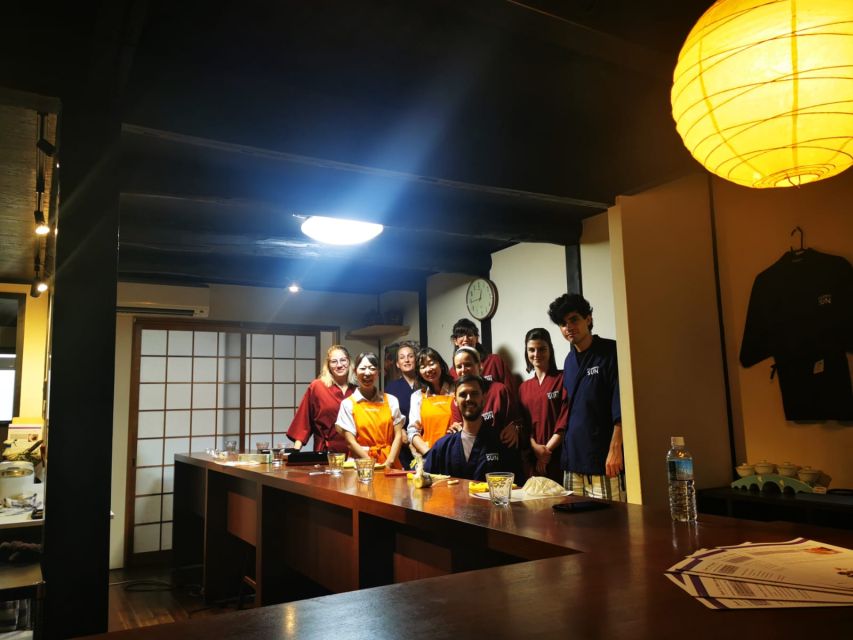
This class runs in a small kitchen with a small class size. Reports include groups around 8, and sometimes even smaller. That changes the feel of the class. You get more direct attention when something is off, whether it is the consistency of something you are cooking or how you are plating it.
You also get a calmer learning environment. It is easier to ask questions without waiting. It is easier to adjust if you are slower with assembly. And it is easier to learn the little tricks that make Japanese food look right and taste right.
Two chefs especially show up in feedback. Names like Tomoko and Yukari appear often, along with hosts such as Coco and Ikari, and a chef named Mei also comes up. Different kitchens, different personalities, but the consistent theme is clear, step-by-step guidance in English and patience while you cook.
Lunch is the point, and it is not an afterthought
After you finish cooking, you eat the bento lunch you made. That sounds obvious, but it is the difference between a class that feels like entertainment and one that feels like a true food education.
In past sessions, guests praised the lunch as delicious, and they especially liked being able to taste what they cooked while the flavors were still at their best. Because the format is built around bento, you get the meal as an actual Japanese lunch, not separate, random components.
There is also a practical benefit. Eating right after cooking makes it easier to remember the key steps. You will think back to the batter, the glaze, the rice seasoning, and the soup timing because you are tasting the results immediately.
Diets and allergies, what you should know before booking
The class explicitly asks you to advise of dietary requirements when you book. That is a big deal. In feedback, guests reported no-shellfish versions and vegetarian options being accommodated.
Still, here is the practical travel advice. When you book, be specific. Use simple wording for what you need to avoid, and do it early enough that the kitchen can adjust. For bento classes, small ingredient choices can matter, and it is best when the staff has time.
If you are picky about fish, shellfish, or certain sauces, this is where you want to be proactive. The kitchen is used to helping people, but you will get the smoothest outcome by telling them clearly at booking time.
Price and value, is $67 fair for 3 hours?
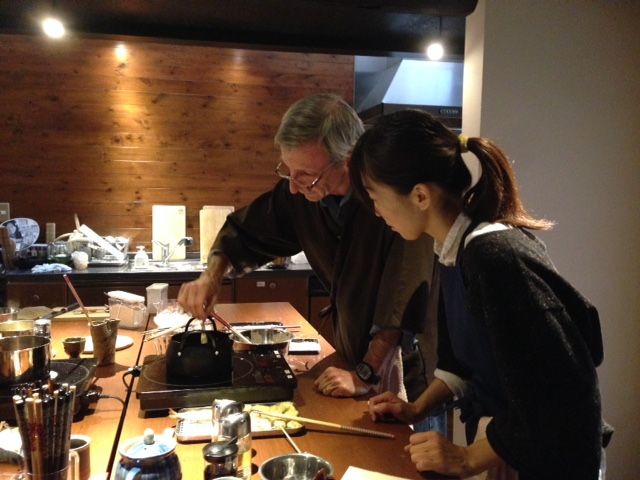
$67 per person for a 3-hour class includes cooking instruction, ingredients, an apron and utensils, and lunch. That is a more complete package than many “pay for the cooking” classes you see in major cities, where you often bring your own food or pay extra for ingredients.
Here is why it feels like solid value:
- You are not just watching. You are cooking multiple dishes.
- Ingredients are handled for you, which saves money and hassle.
- You get lunch you actually made, so the class doubles as a meal plan for the day.
- The recipes are provided, which helps you repeat at home.
When you compare it to the cost of eating sushi, tempura, or teriyaki meals around Kyoto, it often comes out to a similar range. The difference is that you go home with skills you can use again, plus a bento layout you can recreate.
One more value point: some guests mention buying items from the experience to keep cooking at home. If that is offered during your session, it can make the whole thing even more worthwhile.
Where it is, and how to plan your commute
The meeting point is Cooking Sun in Funayacho, Shimogyo Ward, Kyoto, Kyoto 600-8466. There is no hotel pickup or drop-off.
That means you should plan to get there under your own steam. In Kyoto, that is usually fine, but you do not want to arrive late. Build in buffer time. Also, if you are traveling with a child or you are new to the city, it can help to walk the route once the day before, or use your phone map to confirm the easiest approach.
The good news: because it is a morning class, you can treat it like an anchor activity. After the meal, you can head out and explore Kyoto while you are still energized.
Who this Kyoto bento class suits best
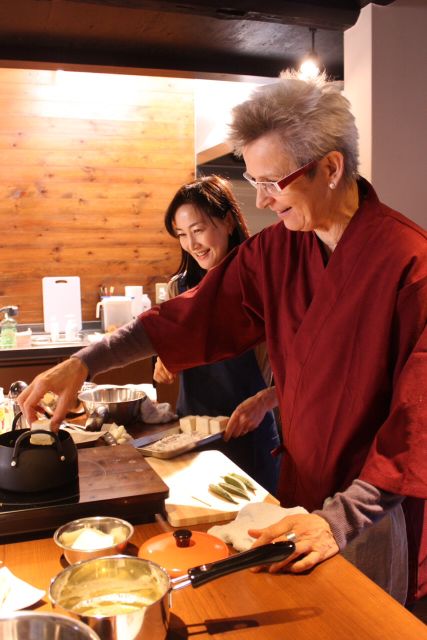
This class is a strong fit if you:
- want a hands-on food experience that is not only sightseeing
- like learning in a practical way, with steps you can repeat at home
- enjoy Japanese comfort foods and want the cultural meaning behind them
- want something family-friendly, since small groups and clear instruction help people participate
It is also a good choice if you care about meal variety. Even with a short time window, you end up cooking several dishes that combine flavors and textures. Bento teaches balance.
The main mismatch is if you want an advanced cooking boot camp focused on knife skills. Based on reports, ingredients are often prepped, so the emphasis is not on learning to chop like a professional chef.
Small tips that make your class day smoother
These are the kinds of practical details that can make the experience feel effortless.
- Ask about what you should wear. You will likely be in a kitchen setting, so comfortable shoes matter.
- Arrive with time to settle in. When a class starts, it tends to run on schedule.
- If you have dietary needs, tell the staff clearly when booking.
- Use the recipes as a post-class project. Do not wait months. Cook one dish soon after your trip so the steps stay in your head.
- If you like cooking tools, ask if anything can be purchased at the end. Some guests have brought home equipment used during class.
Should you book this Kyoto morning bento class?
Yes, if you want a Kyoto experience that combines culture, cooking technique, and a full lunch without extra planning. The value is strong because you get multiple dishes, hands-on help in English, and recipes you can use again. The small-group format also makes it easier to learn, even if you have no cooking background.
I would pass, or at least set expectations carefully, if you are hoping for a solo, in-depth cooking seminar or an advanced knife skills course. This is more about bento assembly, cooking basics, and getting comfortable with Japanese flavors in a realistic meal format.
If you are visiting Kyoto and you want one morning where you come away with real skills, this class is a smart bet.
Newly listed around Kyoto
- Kyoto: Private Customizable Day Trip by Car★ 5.0 · 38 reviews
- Kyoto: Photo Shoot with a Private Vacation Photographer★ 5.0 · 8 reviews
- Kyoto Private Car Tour with Japanese Navigator (+Nara) T5★ 4.7 · 19 reviews
- Kyoto: Nishiki Market and Depachika Food Tour with a Local★ 4.7 · 76 reviews
- Kyoto: Hands-on Takoyaki and Okonomiyaki Cooking (1 Hour)★ 4.7 · 25 reviews
- Kyoto: Non-Verbal Theatre Show Tickets at GEAR★ 4.9 · 154 reviews
- Kyoto: Personalize, private tour (3h, 5h, 8h) [W/Car Option]★ 4.9 · 24 reviews
- Kyoto: Personalized Guided Private Tour★ 4.8 · 19 reviews
Japanese Cooking Workshops, compared.
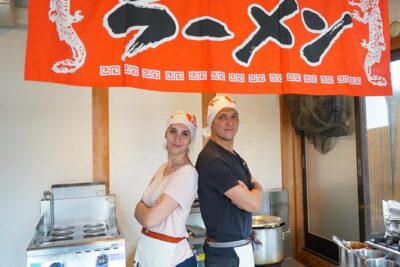
Ramen Cooking Class at Ramen Factory in Kyoto
Read our review →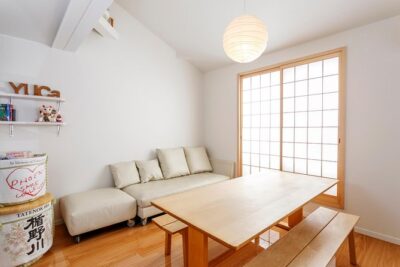
Ramen & Gyoza Cooking Class in Tokyo with Local Supermarket Visit
Read our review →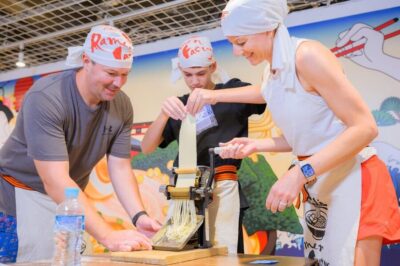
Ramen Cooking Class at a Ramen Factory with Souvenir
Read our review →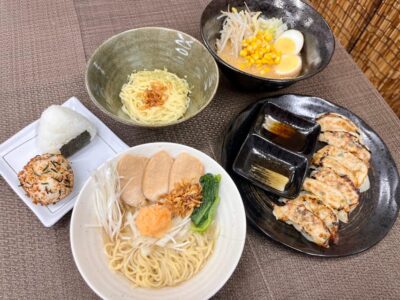
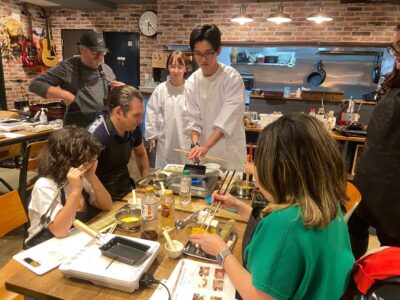
Japanese Washoku Bento Small Group Cooking Class
Read our review →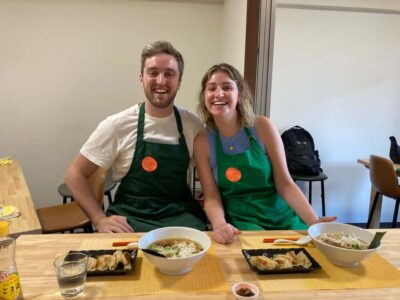
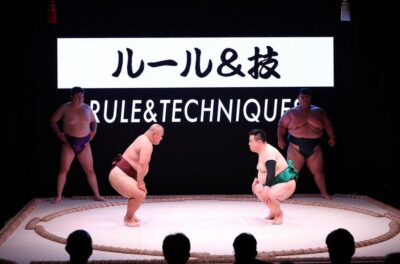
Sumo Stage Show with Bento or Snack + Fight & Photo
Read our review →
Ramen and Sushi Cooking Class with Sake Pairing Set in Tokyo
Read our review →Browse the lists this tour appears in