
Review · GEISHA DISTRICT WALKS
Kioto: Gion Tour, recorrido a pie (Español/Castellano)
One good alley walk can change how you see a whole neighborhood. This small-group Gion tour is built around street-level history, including why Gion’s name matters and what everyday life looks like behind the wooden façades. I especially like the stop-by-stop explanations and the guide’s willingness to answer questions on the spot, so the streets feel less like a photo backdrop.
The possible drawback is simple: a maiko or geiko sighting cannot be guaranteed, and Hanamikoji-dori is not part of the route. If your top goal is spotting performers at every turn, plan your expectations accordingly.
You’ll cover three of Kyoto’s five hanamachi in just 2 hours, mainly on foot, so it’s best for travelers who enjoy walking, reading the small details, and asking lots of questions.
In This Review
- Key highlights you’ll actually notice
- Entering Gion, not as a postcard but as a neighborhood
- Price and value for a 2-hour, up-close guided walk
- Meeting point at Disney Kyoto Shijo-Kawaramachi, and how to spot your guide
- What you cover in 2 hours: Pontocho, Gion-Kobu, and Gion-Higashi
- Stop-by-stop: Pontocho alleys, the Kamogawa area, and the meaning of bridges
- Gion-Kobu streets, Shirakawa area, and the Tatsumi stops that slow you down
- Ending in Gion-Higashi and Yasaka Shrine, where the name Gion comes from
- What it means to not include Hanamikoji-dori
- Maiko and geiko life: what you can learn even without a sighting
- Your Spanish guide, Q&A energy, and the difference good context makes
- Route logistics: 3.3 km on foot, weather gear, and comfortable shoes
- Who should book this Gion tour, and who might pass
- Should you book this Gion tour?
- FAQ
- How long is the Gion tour?
- What language is the tour guide?
- How big is the group?
- Where do we meet the guide?
- Which areas of Gion does the tour visit?
- Is Hanamikoji-dori included in the route?
- Can I guarantee seeing a maiko or geiko?
- What are the main stops or landmarks on the walk?
- Is there a cherry blossom route change or extra visit available?
Key highlights you’ll actually notice
- Private-feeling Q&A in a small group of up to 6, with the freedom to ask anything you spot
- Three hanamachi covered in 2 hours: Pontocho, Gion-Kobu, and Gion-Higashi
- Walk past historic spots that are easy to miss, with context on machiya houses and district history
- A route that connects landmarks by bridges and river streets, not just a checklist
- Yasaka Shrine connection, including how Gion’s name links back more than 1100 years
- Flexible tour rhythm with a guide known for being friendly, detailed, and adaptable
Entering Gion, not as a postcard but as a neighborhood
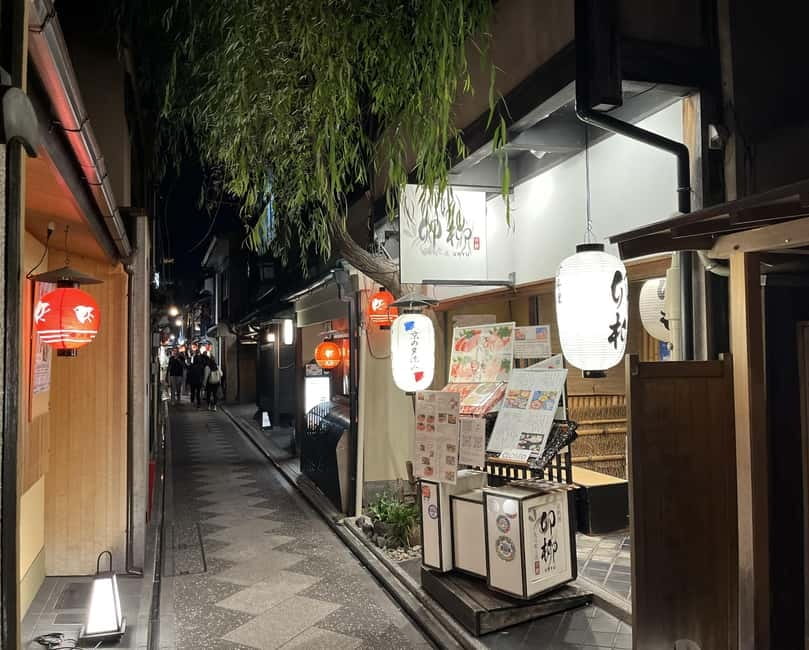
Gion is the kind of place where you can stand at one corner and still miss what’s going on around you. This tour helps you see Gion as a living district with layered roles, not just the famous entertainment image. The walk focuses on historic lanes, older-looking machiya houses, and the kinds of details that tell you this area has been shaped by long routines.
What makes the experience rewarding is the way the guide turns everyday streets into a story you can follow. You’re not only learning names and dates, you’re learning how the area is organized and why certain spaces matter. That context helps you look at doors, side streets, and shrine spaces with better questions in your head.
The pacing is designed for conversation. If you like to ask why something is built a certain way, how traditions work, or what daily life looks like for people connected to the district, you’ll have plenty of chances to ask.
Compare these Geisha District walks in Kyoto:
- Kyoto Geisha Walking Tour: Gion District & Hidden Gems
★ 4.7 · 3,273 reviews - Kyoto: Gion Geisha District Walking Tour – Stories of Geisha
★ 4.7 · 2,187 reviews - Best of Kyoto: Gion, Geisha, Pagodas & Cobblestones
★ 4.9 · 2,058 reviews
Price and value for a 2-hour, up-close guided walk
At about $35 per person for a 2-hour walking tour, the value is in two places. First, you’re paying for a guide who can explain what you’re seeing in real time, instead of you trying to guess from signs and guidebooks. Second, the group size is limited to 6, so you’re not stuck shouting questions into a crowd.
This is not a tour with included extras, special entrances, or timed-ticket add-ons. It’s a guided walk with explanations, and that’s exactly why it can feel efficient. You get a dense amount of meaning out of a relatively short walk, especially if your Spanish comprehension is comfortable enough to follow the guide’s back-and-forth.
Meeting point at Disney Kyoto Shijo-Kawaramachi, and how to spot your guide
The meeting point is straightforward. Your guide will be waiting in front of the Disney store at Disney Kyoto Shijo-Kawaramachi. Look for the guide holding an iPad with a sign showing Kioto Gion Recorrido Guiado ESPAÑOL/CASTELLANO.
This matters because Gion can be tricky to navigate if you’re arriving without a plan. Getting started cleanly means you spend more time walking and asking questions, and less time wandering around trying to find the group.
If you’re the type who likes to settle in before the tour starts, arrive a few minutes early. It gives you time to check shoes, water, and whether you need the umbrella.
What you cover in 2 hours: Pontocho, Gion-Kobu, and Gion-Higashi
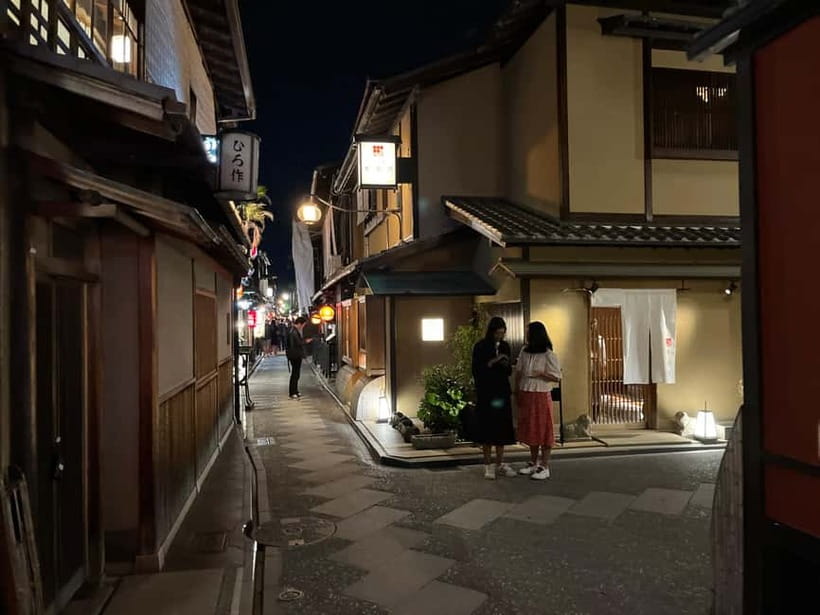
In those 2 hours, you’ll visit three of Kyoto’s five hanamachi: Pontocho, Gion-Kobu, and Gion-Higashi. That’s a good balance because it gives you multiple district “moods” without forcing a long day of nonstop walking.
The tour also aims to correct a common assumption. Gion isn’t only about the entertainment district you may already have heard of. The guide’s angle is that the area, right in central Kyoto, contains many historically important locations that people often overlook. You’ll get the sense that Gion is part of Kyoto’s wider story, not a self-contained theme park.
One more expectation-setting point: you are not guaranteed to see a maiko or geiko. The guide can explain the lifestyle and routines, and you can learn how that world functions, but street sightings depend on timing and real life.
A few more Kyoto days to weigh up
- PERFECT KYOTO 1-Day Bus Tour
★ 5.0 · 13,518 reviews - Kyoto: Fushimi Inari, Kinkakuji, Bamboo Grove 1 Day Bus Tour
★ 4.8 · 4,316 reviews - Kyoto: Tea Ceremony in a Traditional Tea House in Kiyomizu
★ 4.9 · 3,519 reviews - Kyoto: Tea Ceremony Ju-An at Jotokuji Temple
★ 4.9 · 3,207 reviews
Stop-by-stop: Pontocho alleys, the Kamogawa area, and the meaning of bridges
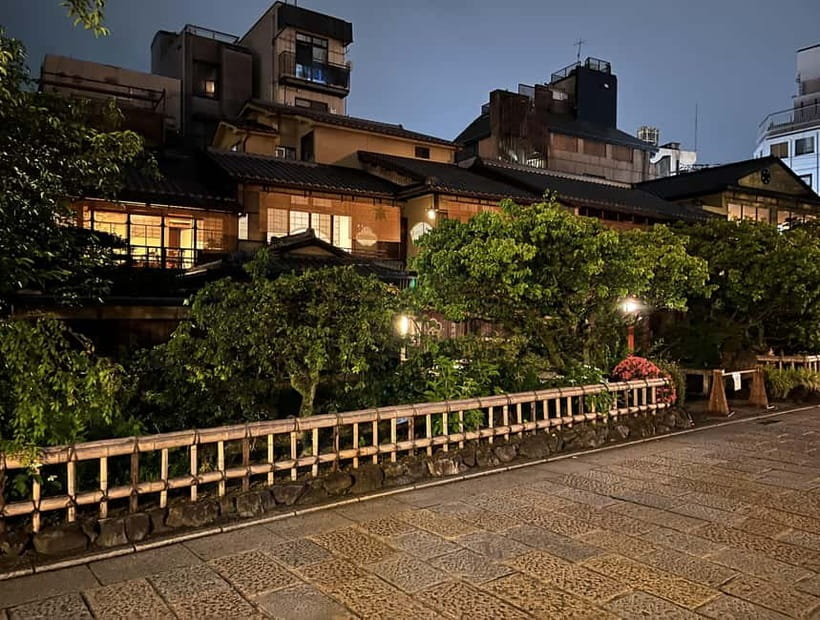
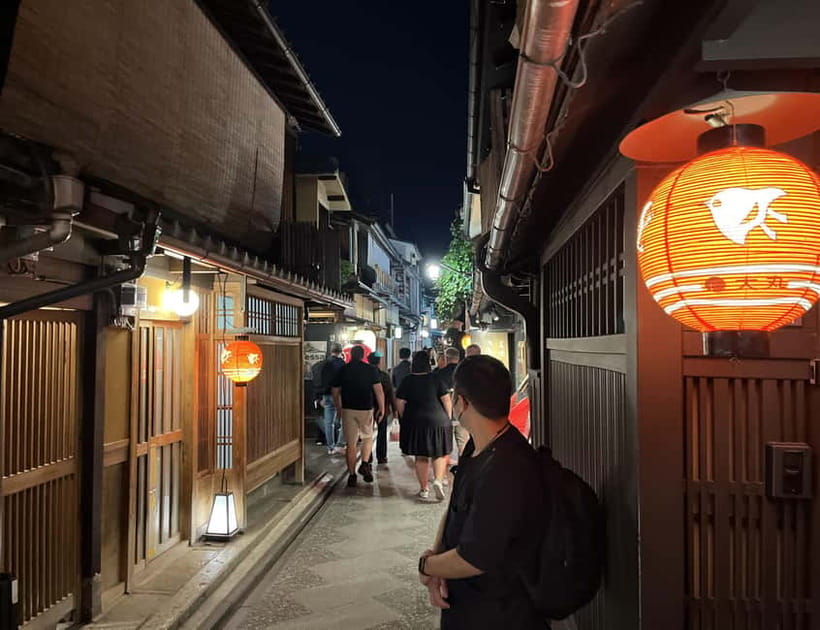
The tour begins with Pontocho Alley, a place where the narrow lanes and riverside feel like the “edges” of the entertainment area. This is a good early stop because it helps you calibrate your attention. You start noticing how the street layout guides movement and how buildings face the lanes rather than the main road.
From there you continue through the Pontocho area toward Kaburenjo. The names you’ll hear along the way are part of how the neighborhood identifies itself. Even if you’re not fluent in the details, the guide ties each place to a broader explanation, so you end up with a map in your head, not just a list of stops.
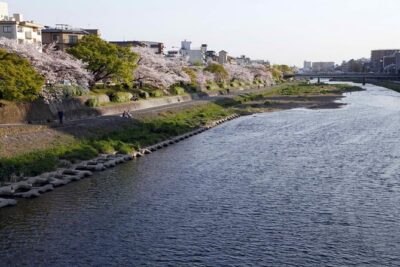
Then comes the Kamogawa segment, plus the Yagi-san and Kita-san statues. If you like symbolism, this is where the walk can feel extra satisfying. You’re not just seeing pretty sights, you’re learning why specific landmarks end up being referenced.
A key transit moment is Sanjo Ohashi Bridge. Bridges in cities like Kyoto do more than connect streets. They help you understand how neighborhoods were historically linked, and they give you a different angle to understand the riverfront relationship.
Finally in this first arc, you move onto Yamato Dori, which acts like a connector street that helps you transition from the river-linked lanes into the hanamachi streets.
Gion-Kobu streets, Shirakawa area, and the Tatsumi stops that slow you down

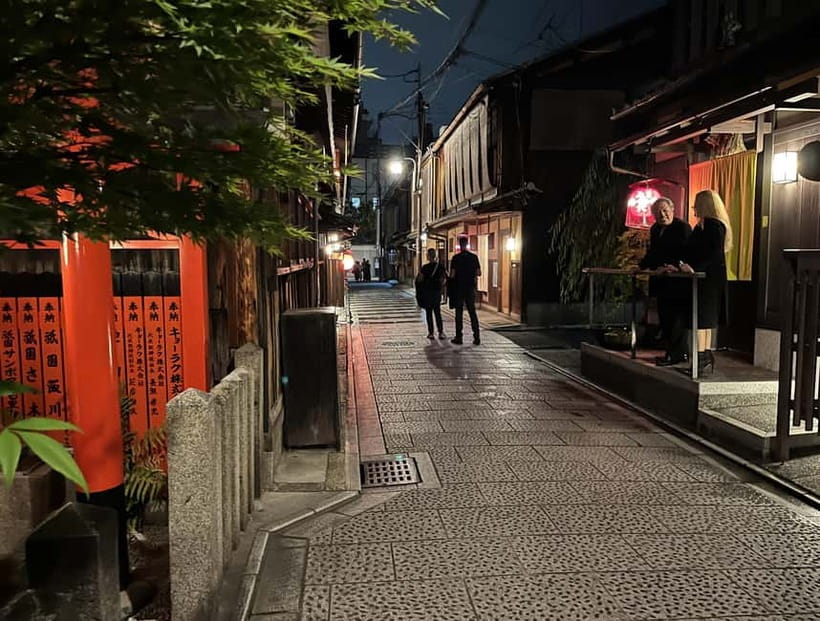
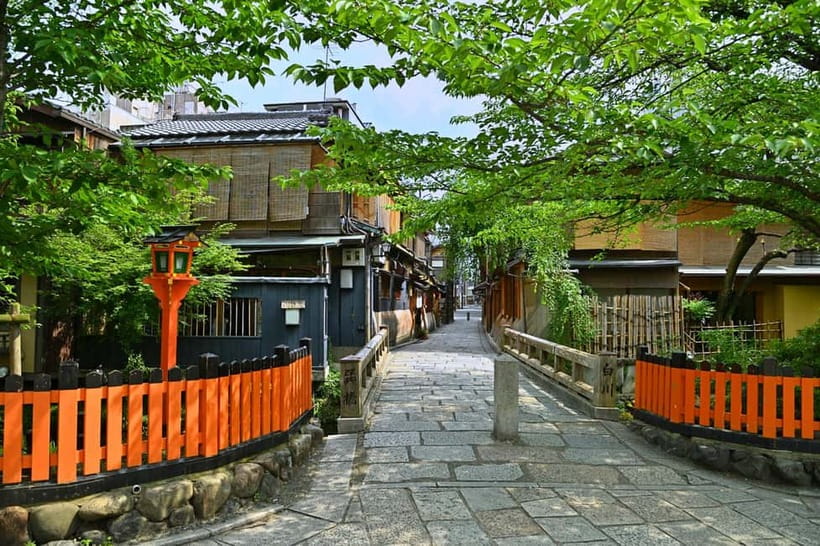
Next you enter Gion-Kobu, specifically along Gion-Shinbashi Dori and then toward Gion Shirakawa. In a district like this, small street differences matter. The guide’s explanations help you notice how the feel changes from lane to lane, and how local geography influences what you see and where you find “quiet” corners.
At Gion Shirakawa, the walk becomes more about atmosphere than speed. It’s the kind of stretch where you’ll likely want to pause, ask questions, and really look at the building shapes and street rhythm.
Then the tour includes Tatsumi Jinja. A shrine stop can be more than a quick photo moment if your guide connects it to the district’s human story. Here, it’s positioned as part of the neighborhood fabric, not something you randomly stumble into.
You also cross Tatsumi Hashi Bridge. Again, bridges matter on this route because they reframe your understanding of where you are. Instead of walking in a straight line, you’re constantly switching viewpoints, which keeps the experience from feeling like a single long corridor.
Ending in Gion-Higashi and Yasaka Shrine, where the name Gion comes from
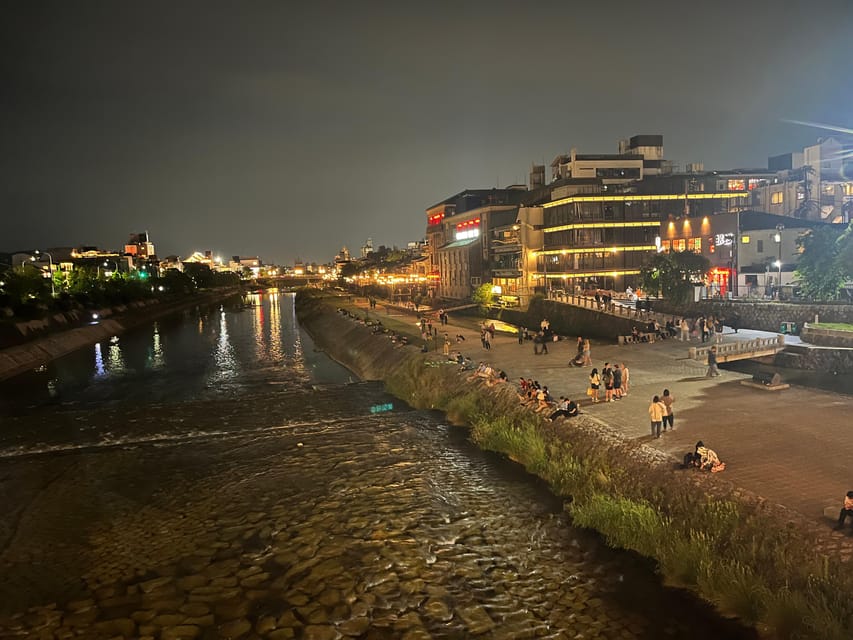
Your final big area is Gion-Higashi, finishing with Yasaka Jinja. This is one of the most important narrative stops on the tour because the guide explains that Yasaka Shrine was formerly named Gion Shrine, and that’s how the district name originated.
This connection is why I like this tour plan. You’re not just hearing about Gion as entertainment. You’re learning that the district name ties back to events and traditions with a long timeline, and the guide connects that to what you can still see in the area today.
If time allows, you may also get an explanation of the Gion Festival. The tour frames it as one of Japan’s three most famous and important festivals, with origins in the Gion district more than 1100 years ago.
What it means to not include Hanamikoji-dori
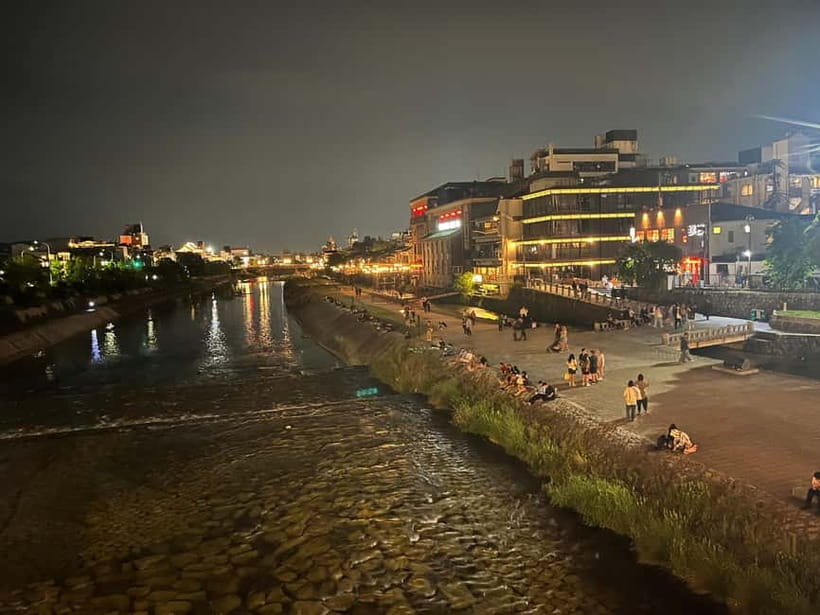
One practical note: Hanamikoji-dori is not included. That might disappoint you if you were hoping to walk the most famous “main stage” street.
But if you’re more interested in side streets and historically preserved neighborhoods, this actually fits well. You get to focus on quieter, often-overlooked locations that help you understand how the hanamachi function beyond the obvious postcard views.
If Hanamikoji is your must-see, treat it as an optional self-guided add-on before or after your tour. This guided route is built for depth in a specific geographic pocket.
Maiko and geiko life: what you can learn even without a sighting
Even though you might not see a maiko or geiko, you’ll still learn a lot. The tour’s explanations cover the lifestyle, practices, and routines tied to the hanamachi world.
This is useful for two reasons. First, it gives you vocabulary, so when you do notice someone’s traditional clothing or the atmosphere of a street, you understand what you’re looking at. Second, it reduces frustration. If you come in expecting a guaranteed sighting, you’re likely to feel let down. If you come in ready to learn how the system works, the tour stays valuable even if the streets stay anonymous.
Your Spanish guide, Q&A energy, and the difference good context makes
The guide experience seems to be one of the strongest parts of this tour. In past groups, guides like José and Juan have been praised for being friendly, close, and extremely detail-oriented. The best part, according to that feedback, is the constant invitation to ask questions about anything that catches your attention.
That matters because Gion is full of cues that mean something if you know what to ask. Why is a lane arranged a certain way? What do you think you’re seeing when buildings look a certain age? How does the district’s history connect to what’s happening today? With this format, you’re not stuck guessing.
There’s also a pattern of adaptability. One account noted that when Spanish comprehension needed a boost, the guide could explain in English as well. That’s a great safety net if your Spanish is improving but not perfect.
Route logistics: 3.3 km on foot, weather gear, and comfortable shoes
The walking distance is about 3.3 km (around 2 miles). That’s manageable for most people, but it’s still a real walking tour, not a seated museum visit. Plan on wearing comfortable shoes you can trust for uneven sidewalks and short bursts of standing.
Bring what you’d bring for central Kyoto walking. The tour recommends water, sunscreen, an umbrella, and a sun hat. Kyoto weather can shift, and shade is not always guaranteed in alley sections.
Timing also matters for comfort. There are tours at 9:45 and 12:30. If you extend your time on the later tour windows, you may be able to include a free visit to the Gion Gallery, depending on the specific timing.
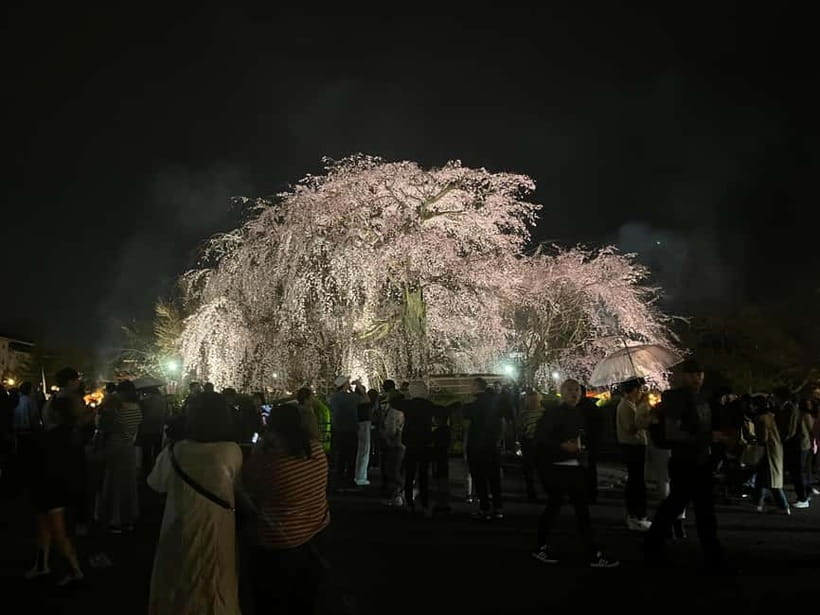
If you’re visiting during cherry blossoms season, expect a small route adjustment, with the guide aiming to showcase blossoms around Gion during late March to early April.
Who should book this Gion tour, and who might pass
This tour is a strong fit if you want a guided walk that connects streets to meaning. You’ll enjoy it most if you like asking questions, noticing details, and learning why a district has its specific geography and traditions.
It’s also a good match for Spanish speakers who want a live guide experience without a huge crowd. Small-group pacing helps you keep up and stay involved.
You might skip it if your only goal is celebrity-level Geisha spotting, because a maiko or geiko encounter cannot be guaranteed and Hanamikoji-dori is not part of the plan. Also, if walking 2 miles is hard for you, the format may feel tiring.
Should you book this Gion tour?
If you want Gion to feel understandable, not mysterious, I’d book it. The best value here is the combination of small-group attention and a guide who turns what you see into context you can actually use. You end up with a more grounded sense of why Gion is special, beyond what you see in a quick street photo.
Choose this tour confidently if you’re the kind of traveler who likes to ask, compare, and learn as you walk. Skip it if your priorities are mainly about one specific main street or you need guaranteed performer sightings. For everyone else, this is a smart, efficient way to experience Kyoto’s Gion districts on foot while you still have energy to explore more afterward.
FAQ
How long is the Gion tour?
The tour lasts 2 hours.
What language is the tour guide?
The tour is guided in Spanish.
How big is the group?
It is a small group with a maximum of 6 participants.
Where do we meet the guide?
Meet the guide in front of the Disney store at Disney Kyoto Shijo-Kawaramachi. The guide will be holding an iPad with the tour title image.
Which areas of Gion does the tour visit?
Within the 2 hours, the tour visits three hanamachi: Pontocho, Gion-Kobu, and Gion-Higashi.
Is Hanamikoji-dori included in the route?
No. Hanamikoji-dori is not included, so be aware if you were expecting it.
Can I guarantee seeing a maiko or geiko?
No. A maiko-san and/or geiko-san sighting cannot be guaranteed.
What are the main stops or landmarks on the walk?
The itinerary includes Pontocho alley, Pontocho Kaburenjo, the Kamogawa area with Yagi-san and Kita-san statues, Sanjo Ohashi bridge, Gion-Kobu areas on Gion-Shinbashi Dori and Gion Shiragawa, Tatsumi Jinja, Tatsumi Hashi bridge, Gion-Higashi, and Yasaka Jinja.
Is there a cherry blossom route change or extra visit available?
During cherry blossoms season (late March to early April), the route is slightly altered to show blossoms around Gion. For the 9:45 and 12:30 tours, you may be able to add a free visit to the Gion Gallery if you extend your tour time.
Newly listed around Kyoto
- Taste of Nishiki Market Walking Food Tour with Local guide★ 5.0 · 17 reviews
- Kyoto: Sushi Making Class with Sushi Chef★ 4.8 · 64 reviews
- Simple Plan with Maiko★ 4.4 · 10 reviews
- Shibori Furoshiki Course at Kyoto Shibori Museum★ 5.0 · 21 reviews
- Kyoto: City Secrets eBike Tour★ 4.9 · 196 reviews
- Sacred Pathways: Discover the Philosopher’s Path of Kyoto★ 4.9 · 20 reviews
- Private Tour to Monkey Park and Arashiyama Highlights★ 5.0 · 22 reviews
- Private Nara Tour from Osaka – Meet at Your Hotel★ 5.0 · 22 reviews
Geisha District Walks, compared.
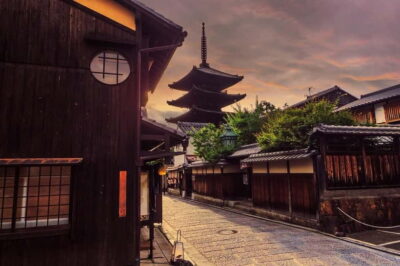
Kyoto Geisha Walking Tour: Gion District & Hidden Gems
Read our review →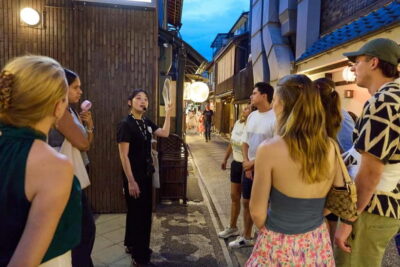
Gion Geisha District Walking Tour – Stories of Geisha
Read our review →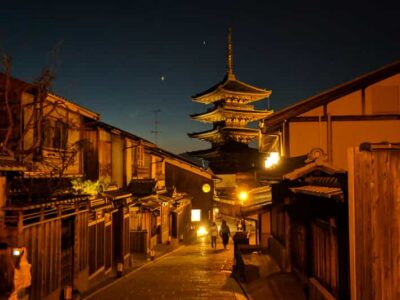
Best of Kyoto: Gion, Geisha, Pagodas & Cobblestones
Read our review →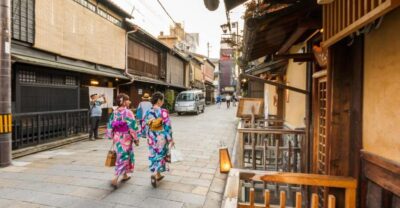
Kyoto Night Foodie Tour in Gion (9+ dishes + 6 Sake tastings)
Read our review →
Kyoto Gion Geisha District Walking Tour – The Stories of Geisha
Read our review →
Gion Magical Night Walking Tour with Geisha Insights
Read our review →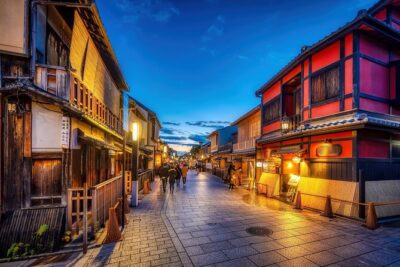
Kyoto Gion Night Walk & Geisha District Guided Tour
Read our review →Browse the lists this tour appears in