Review · KYOTO TOURS
Kyoto: Amanohashidate Ine Funaya Tour
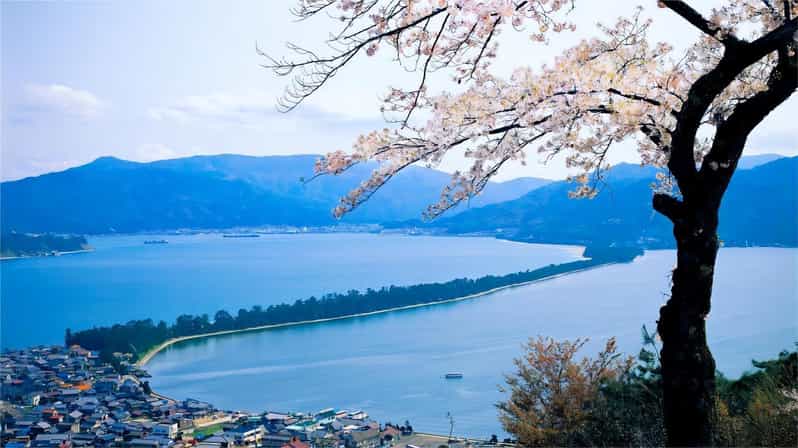
That sandbar really is otherworldly. This 10-hour day trip links Kyoto area pickup with some of the most photogenic scenery on Honshu, from Heaven’s Bridge across Miyazu Bay to the waterfront funaya boat houses in Ine. You also get a live guide at multiple stops, so the day isn’t just a bus-and-camera routine.
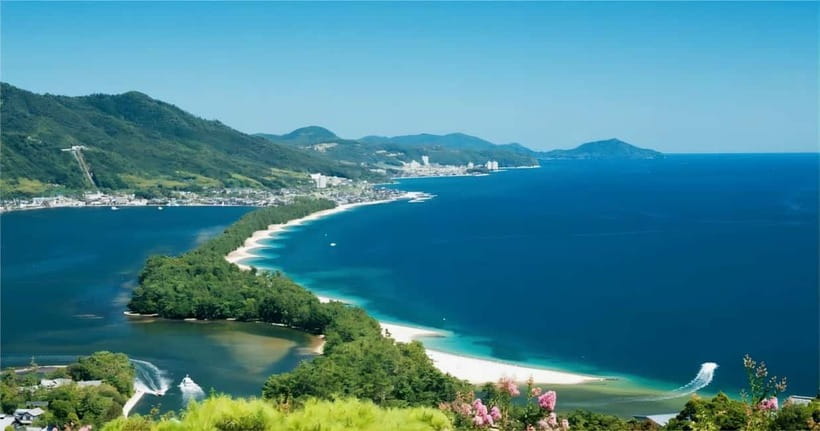
I like the way the itinerary mixes big nature views with a very specific temple story. The sandbar at Amanohashidate gives you pine-covered scenery, white beaches, and wide water views over the Aso Sea and the Sea of Japan, then you shift gears to Chion-ji Temple and Manjushri, the god of wisdom.
One thing to consider: entry tickets and food are not included, and the amount you spend can vary depending on what you choose to enter or pay for along the way. Also, a couple of guests noted that explanations were not always deep or easy to follow, depending on the guide.
In This Review
- Key things that make this tour work
- From Kyoto or Osaka to Amanohashidate, the day starts with a long, easy ride
- Heaven’s Bridge at Amanohashidate, the pine trees and white sand that make it famous
- Chion-ji Temple and Manjushri, where study success has a physical place
- The Kyoto Prefecture photo stop, a quick change of scenery
- Ine, the funaya waterfront boat houses you can actually picture yourself in
- The bay cruise with seagulls, where the day turns from pretty to fun
- Price and value: what $76 really buys you, and what it doesn’t
- Guide quality and communication, why it can make or break the day
- Good to know before you go: luggage, schedules, and real-world timing
- Who this tour fits best, and who might want a different plan
- Should you book this Kyoto: Amanohashidate Ine Funaya Tour?
- FAQ
- Where are the starting points and where do you get dropped off?
- How long is the tour?
- Does the price include hotel pickup and transportation?
- Are meals included in the tour price?
- Are entry tickets included?
- What language is the tour guide?
- When will I get details about pickup and the bus?
- What happens if the schedule changes due to weather or traffic?
- How does luggage work?
- Can I cancel and get a full refund?
Key things that make this tour work
- Heaven’s Bridge at Amanohashidate: classic sandbar views with time to photograph and walk.
- Chion-ji Temple for study blessings: Manjushri and a fan-shaped poem for progress.
- Ine funaya boat houses: a working waterfront look that feels built for slow strolling.
- Boat cruise on the bay: the highlight for many people, including a chance to feed seagulls.
- Guided bus day from Kyoto or Osaka: long travel, but it saves you from switching trains and buses.
From Kyoto or Osaka to Amanohashidate, the day starts with a long, easy ride
This is a full-day outing, built around transportation and efficient sightseeing. You’ll start with pickup in the Kyoto area, then ride by coach toward Amanohashidate. The bus/coach time is listed as 2.5 hours, so you’re not rushing the first part of the day.
You’ll come straight to the meeting point and board the bus once you’re there. Pickup details can vary by option, and you’ll receive an email the day before with the pick-up location, your guide contact info, and the bus license plate number. That last part is handy when you’re trying not to play airport-style “spot the vehicle” games.
If you’re the kind of traveler who likes structure, this trip helps. You get set drop-off points at the end too, so you’re not trying to navigate your own way back after a long day.
A few more Kyoto days to weigh up
- PERFECT KYOTO 1-Day Bus Tour
★ 5.0 · 13,518 reviews - Kyoto: Fushimi Inari, Kinkakuji, Bamboo Grove 1 Day Bus Tour
★ 4.8 · 4,316 reviews - Kyoto: Tea Ceremony in a Traditional Tea House in Kiyomizu
★ 4.9 · 3,519 reviews
Heaven’s Bridge at Amanohashidate, the pine trees and white sand that make it famous
Amanohashidate is the main visual event of the day, and you arrive with enough time to actually take it in. You’ll get a photo stop plus guided time and free time, with about 2 hours allocated to the area.
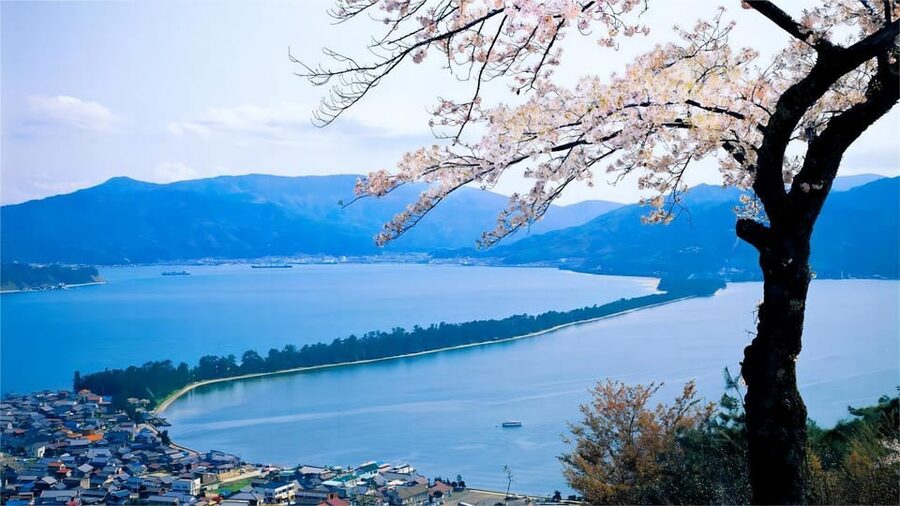
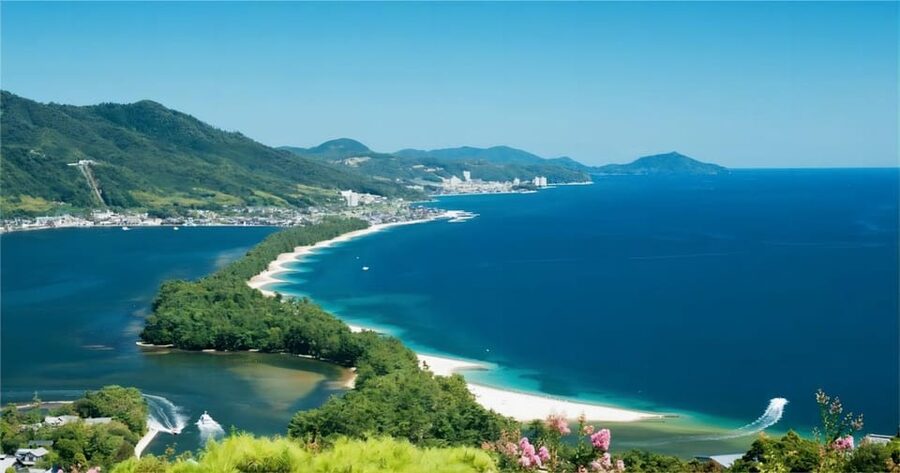
Here’s what you’re looking at, in plain terms. Amanohashidate is a sandbar that connects both sides of Miyazu Bay, and the famous view is often described as a bridge to heaven. It’s also listed as one of Japan’s Three Views, which is a polite way of saying lots of people come here with a camera and the same thought: wow, that’s a lot of sand and pines.
What makes it feel special in person is the contrast:
- Lush pine-covered slopes along the sandbar
- Pristine white sandy beaches
- Wide open water views over the Aso Sea and the Sea of Japan
If weather is clear, your photos will look great without much effort. If the day is hazy or cloudy, you’ll still get the shape and the greenery, but you might want to prioritize walking and viewpoints over the perfect postcard shot.
A practical note: you will be on your feet during the stop. There’s a mix of guided walking and time to explore. Wear comfortable shoes, especially if the ground is damp or windy near the water.
Chion-ji Temple and Manjushri, where study success has a physical place
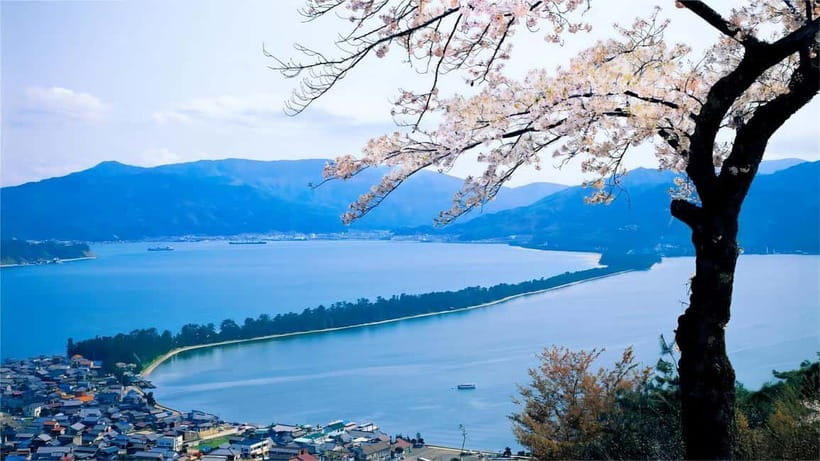
After Amanohashidate, the tour heads to Chion-ji Temple, located south of the sandbar. You’ll get a photo stop, guided visit, and a shorter walk time (around 30 minutes).
The temple theme here is not just generic Buddhism. It’s dedicated to Manjushri, the god of wisdom. This matters because you’ll hear how the temple is tied to students coming to seek blessings for success in studies. If you’re curious about how religion shows up in daily life, this is one of the more human-scaled stops on the day.
On the way in, you’ll walk through an ancient gate, then you’ll see a fan-shaped signed poem. The idea behind it is progress and improvement. That’s the kind of detail you can remember later, even if you forget every lecture word.
Is Chion-ji the most time-intensive temple stop in Kyoto? No. But it’s a focused hit, and the topic is specific enough to feel more than just a quick check-the-box photo stop.
The Kyoto Prefecture photo stop, a quick change of scenery
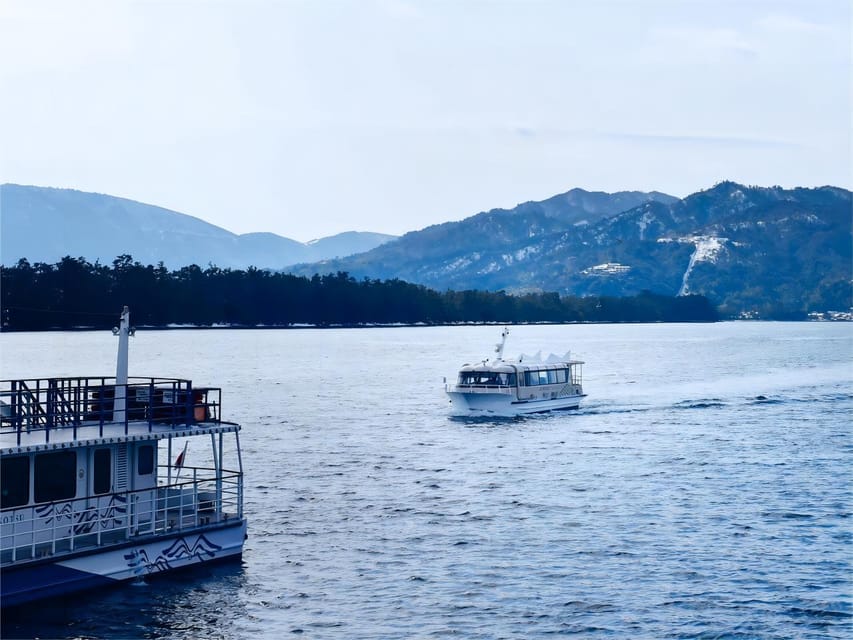
The schedule includes another segment listed as a Kyoto Prefecture photo stop with guided time and about 1 hour of walking/sightseeing. The exact target isn’t described in your itinerary details, but the role is clear: it breaks up the long travel day so you’re not stuck watching scenery only through bus windows.
Treat this as a “reset your legs and eyes” moment. If you’re the type who likes to stretch, check out the views, and keep moving, this fits well. If you’re hoping for one more major attraction, you might feel it’s light, so keep expectations realistic.
A different sort of day in Japan:
- Kyoto Geisha Walking Tour: Gion District & Hidden Gems
★ 4.7 · 3,273 reviews - Kyoto: Tea Ceremony Ju-An at Jotokuji Temple
★ 4.9 · 3,207 reviews - Kyoto: 45-Minute Tea Ceremony Lesson Experience
★ 4.3 · 2,378 reviews - Kyoto: Gion Geisha District Walking Tour – Stories of Geisha
★ 4.7 · 2,187 reviews
Ine, the funaya waterfront boat houses you can actually picture yourself in
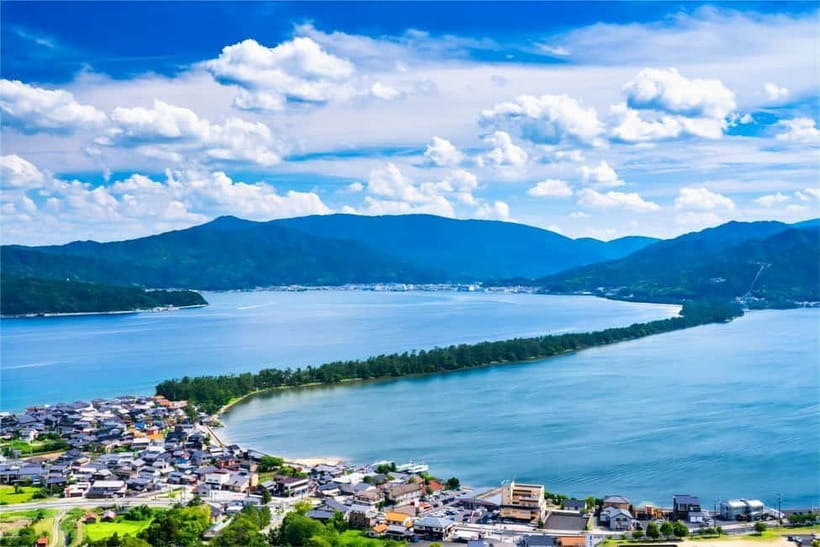
Next comes Ine, a fishing town known for its waterfront boat houses, called funaya. This is where the mood shifts. Amanohashidate is dramatic and wide open. Ine feels intimate, like a working coastline you could stroll with your hands in your pockets.
In Ine, you’ll:
- Check out the boat houses along the waterfront
- Have time to walk the town and browse shops and restaurants
- Get the chance to pay for a boat ride if you want to go out on the water
How to read this stop: the boat houses are the “why” of Ine. If you care about everyday maritime life and you like small-town waterfront scenes, you’ll love the slow visual rhythm. If you only want major temple or museum moments, you may find this stop more atmosphere than content.
One guest noted the Ine town time might feel short, suggesting about 30 minutes could be enough for some people. That’s a useful warning for your planning mindset. If shopping is a big priority, be ready to move quickly once you’re there.
The bay cruise with seagulls, where the day turns from pretty to fun
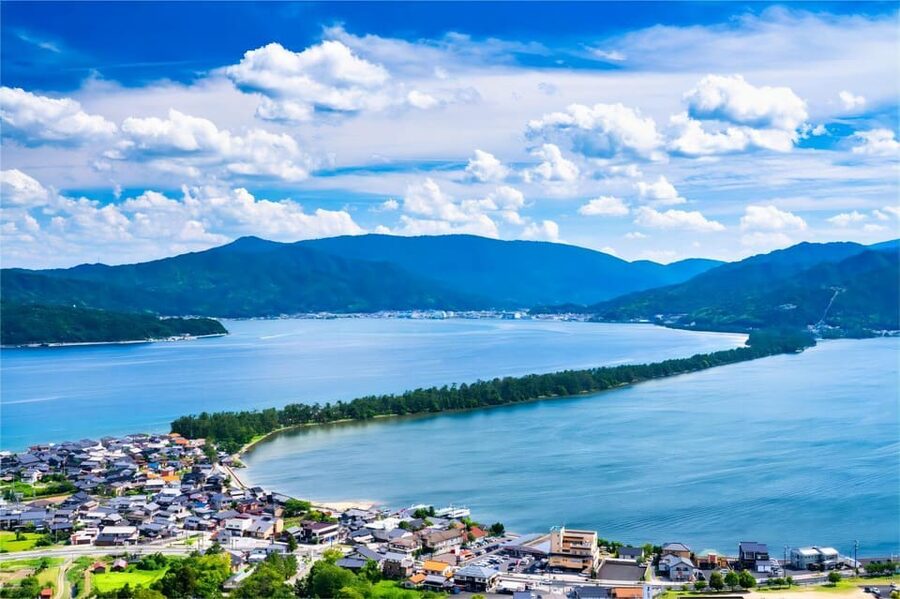
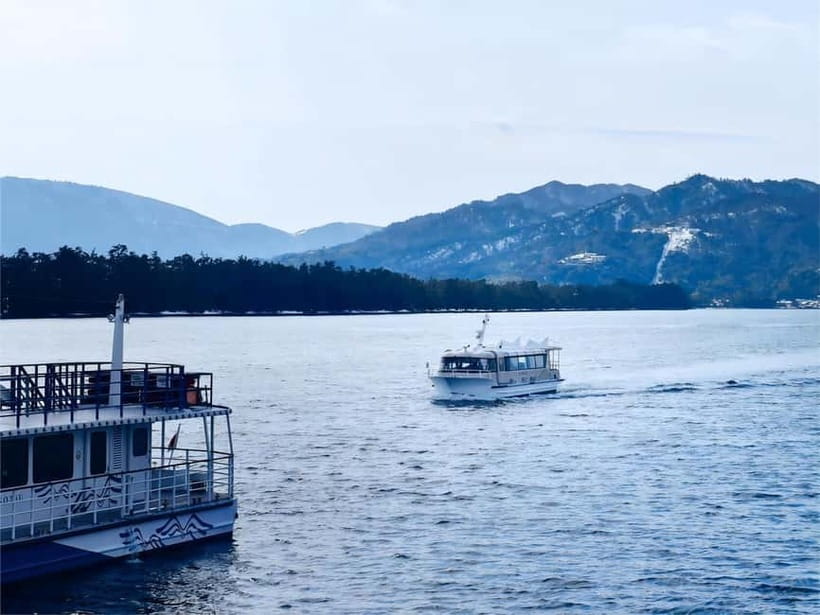
The tour includes a boat cruise around the bay where you can feed the seagulls. This is one of the most memorable parts for many people, because it adds motion and interaction to the scenery.
Even if you’re not a “boat person,” this segment gives you a different angle on the coastline. Watching how the waterfront lines up from the water helps the boat houses make more sense, and it’s typically the part of the day that makes photos feel alive rather than still.
What about the practical side? You can expect the cruise to be an optional add-on in terms of cost, since the main boat ride is described as something you can pay for during the Ine portion. So if you’re traveling with a tight budget, decide in advance whether you want this experience enough to spend extra.
The good news is that it’s easy to treat it as the centerpiece. If you skip it, you’ll still have Ine’s waterfront walking time. If you do it, you’ll likely consider it one of your best moments of the trip.
Price and value: what $76 really buys you, and what it doesn’t
At about $76 per person for a 10-hour day, the value depends on how you like to travel. This is not a “build your own itinerary” day. It’s a guided transportation-focused outing with planned stops and a live guide.
What’s included:
- Return hotel transfer
- Transportation to the sites
- Tour guide
What’s not included:
- Food and drinks
- Entry tickets
That “not included” line is the big budgeting variable. You might spend extra on temple entry fees (if any are required), meals, and optional experiences like the boat ride during the Ine segment. One guest complained that extra entry costs were not clearly communicated ahead of time, which led to a tough moment trying to find payment options with limited cash.
My advice: bring some cash as backup, even if you’re comfortable with cards. Also, eat before you get locked into a fixed schedule. If you can, grab a solid snack or light meal at pickup time, because this is a long day where food may not line up with your schedule preferences.
If you’re comparing alternatives, this tour is often a smarter choice than trying to connect trains and buses across coastal stops in a single day. You pay for convenience and a guide, and you accept that you’ll trade some independent flexibility for a smooth route.
Guide quality and communication, why it can make or break the day
The tour runs with a live guide, available in English and Japanese. In past departures, some people specifically praised guides named Jay and Fred for being helpful, efficient, and upbeat, while other guests said they wanted more historical detail or found the English harder to follow.
So what should you do with that information?
- If you care about stories and background, listen closely during stops. If the explanation feels thin at one moment, you might get better value by asking questions right away.
- If English clarity matters to you, you can still enjoy the sights even when explanations are limited, because the scenery itself carries the day. The guide is important, but the locations are the main event.
Also, one review highlighted punctual, smooth bus service. That matters because a trip like this has enough “moving parts” already, and you don’t want your day shortened by avoidable delays.
Good to know before you go: luggage, schedules, and real-world timing
This is a practical, logistics-heavy day. That’s not bad. It’s just the nature of a coast trip that runs far beyond the usual Kyoto neighborhood loop.
A few details you should take seriously:
- You’ll get an email the day before with pickup location, guide contact info, and bus license plate number.
- Schedules can change due to traffic, weather, holidays, or crowd levels.
- If delays or cancellations happen due to those uncontrollable factors, refunds can’t be requested.
- Each person can bring one piece of luggage for free. Additional luggage larger than 20 inches costs 16 USD.
Luggage tip: if you’re traveling light, great. If you have extra bags, plan for that potential charge. Also, remember this is a full-day schedule, so you’ll want your essentials accessible without playing luggage shuffle every time the bus stops.
Who this tour fits best, and who might want a different plan
This tour suits you if:
- You want a one-day hit at Amanohashidate plus Ine without wrestling public transport
- You like mixing big landscape views with a calm coastal fishing-town vibe
- You’ll likely enjoy a boat cruise experience that includes feeding seagulls
- You want guided context at Chion-ji Temple, especially around Manjushri and study blessings
It might not be your best match if:
- You expect long, deep historical lectures at every stop
- You hate paying extra for entry tickets and optional activities
- You’re picky about timing in Ine and want more town time or more flexibility
Think of it as a sightseeing circuit that runs efficiently. It does not pretend to be Kyoto’s slow, museum-level pace.
Should you book this Kyoto: Amanohashidate Ine Funaya Tour?
I’d book it if your priority is seeing the coastal icons of the Kyoto area in one day: the pine-lined sandbar at Amanohashidate, the wisdom-focused Chion-ji Temple, and Ine’s funaya waterfront. The sights are strong, the schedule is structured, and the boat cruise adds a playful payoff.
I’d hesitate if you need frequent long breaks, you want guaranteed ticket costs included, or you’re hoping for a highly detailed history tour at each stop. In those cases, it’s worth comparing other day trips or building your own route so you can control time and spending.
If you do book, go in with the right mindset: bring some cash for extras, wear comfy shoes for walking, and use the guide time to ask questions. With that, you’ll likely leave with photos that actually look like Japan, not just Japan-shaped checkmarks.
FAQ
Where are the starting points and where do you get dropped off?
You have two starting options, Nippombashi Station or Kyoto-Hachijoguchi Bus Loading Area. There are also two drop-off locations, Nippombashi Station and Kyoto-Hachijoguchi Bus Loading Area, depending on the option booked.
How long is the tour?
The total duration is listed as 10 hours.
Does the price include hotel pickup and transportation?
Yes. Return hotel transfer, transportation to the sites, and a tour guide are included.
Are meals included in the tour price?
No. Food and drinks are not included.
Are entry tickets included?
No. Entry tickets are not included.
What language is the tour guide?
The live tour guide is available in English and Japanese.
When will I get details about pickup and the bus?
The tour provider will send an email the day before your trip with pick-up location details, guide contact information, and the bus license plate number.
What happens if the schedule changes due to weather or traffic?
Travel schedules may change due to daily traffic, weather, holidays, or crowds. If delays or cancellations occur for these reasons, refunds cannot be requested.
How does luggage work?
Each person can bring one piece of luggage for free. Additional luggage larger than 20 inches costs 16 USD.
Can I cancel and get a full refund?
Yes. Free cancellation is offered up to 4 days in advance for a full refund.
Newly listed around Kyoto
- Taste of Nishiki Market Walking Food Tour with Local guide★ 5.0 · 17 reviews
- Kyoto: Sushi Making Class with Sushi Chef★ 4.8 · 64 reviews
- Simple Plan with Maiko★ 4.4 · 10 reviews
- Shibori Furoshiki Course at Kyoto Shibori Museum★ 5.0 · 21 reviews
- Kyoto: City Secrets eBike Tour★ 4.9 · 196 reviews
- Sacred Pathways: Discover the Philosopher’s Path of Kyoto★ 4.9 · 20 reviews
- Private Tour to Monkey Park and Arashiyama Highlights★ 5.0 · 22 reviews
- Private Nara Tour from Osaka – Meet at Your Hotel★ 5.0 · 22 reviews
Kyoto Tours, compared.
Fushimi Inari, Kinkakuji, Bamboo Grove 1 Day Bus Tour
Read our review →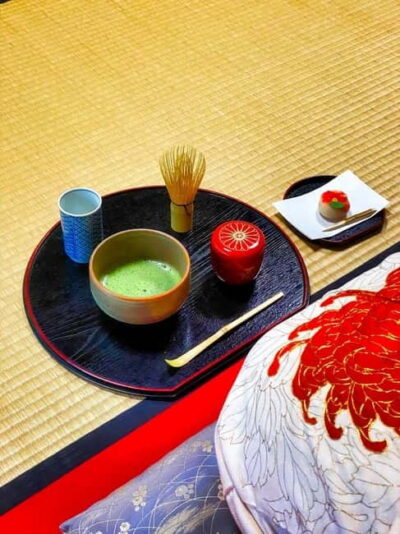
Tea Ceremony in a Traditional Tea House in Kiyomizu
Read our review →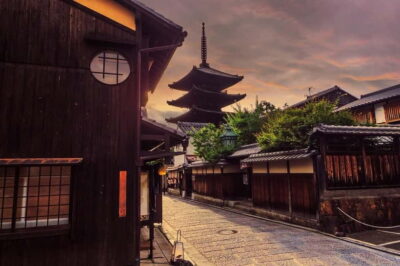
Kyoto Geisha Walking Tour: Gion District & Hidden Gems
Read our review →
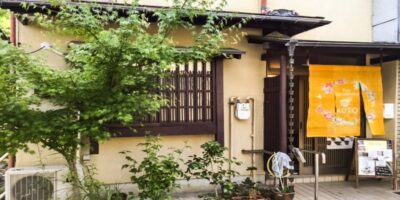
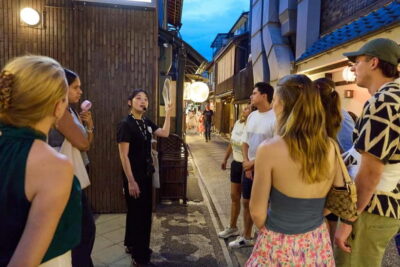
Gion Geisha District Walking Tour – Stories of Geisha
Read our review →